Hello. We are OJIKO Hospital & N+ Clinic, dedicated only to your beautiful and healthy nose.
The topic we prepared this time is septorhinoplasty.
Usually, when people are unhappy with the shape of their nose, many become more interested in rhinoplasty. However, rhinoplasty is not only performed to improve the shape of the nose; it can also improve symptoms such as nasal congestion caused by rhinitis when the internal structure of the nose is deformed. For this reason, interest in septorhinoplasty has also increased among those considering the functional aspects as well.

When the functional aspects of the nose are improved through surgery, a representative example is nasal congestion caused by rhinitis. Rhinitis is a common condition affecting more than 70% of Korean adults. Among the types, the well-known allergic rhinitis accounts for 20%, while structural rhinitis caused by abnormalities in the internal nasal structure accounts for more than 80%. Structural rhinitis includes deviated septum, inferior turbinate hypertrophy, and nasal valve stenosis, each of which causes nasal congestion in different ways. However, when people have nasal congestion, they often assume it is due to a cold or allergic rhinitis and leave it untreated, which frequently leads to chronic rhinitis. Therefore, to identify the various causes of nasal congestion, it is important to have the condition of the nose checked through medical equipment. If you are looking into septorhinoplasty, we recommend receiving an accurate diagnosis of your nose through consultation first, then proceeding with the surgery or treatment that is appropriate for you.
In the case of allergic rhinitis, symptoms such as nasal congestion may appear temporarily due to specific substances or the weather. Since allergic rhinitis is difficult to cure completely, temporary improvement may be attempted through consistent immune strengthening or medication. In the case of structural rhinitis such as deviated septum, inferior turbinate hypertrophy, and nasal valve stenosis, a cure is possible through surgery, so it may be helpful to learn about septorhinoplasty as a reference.
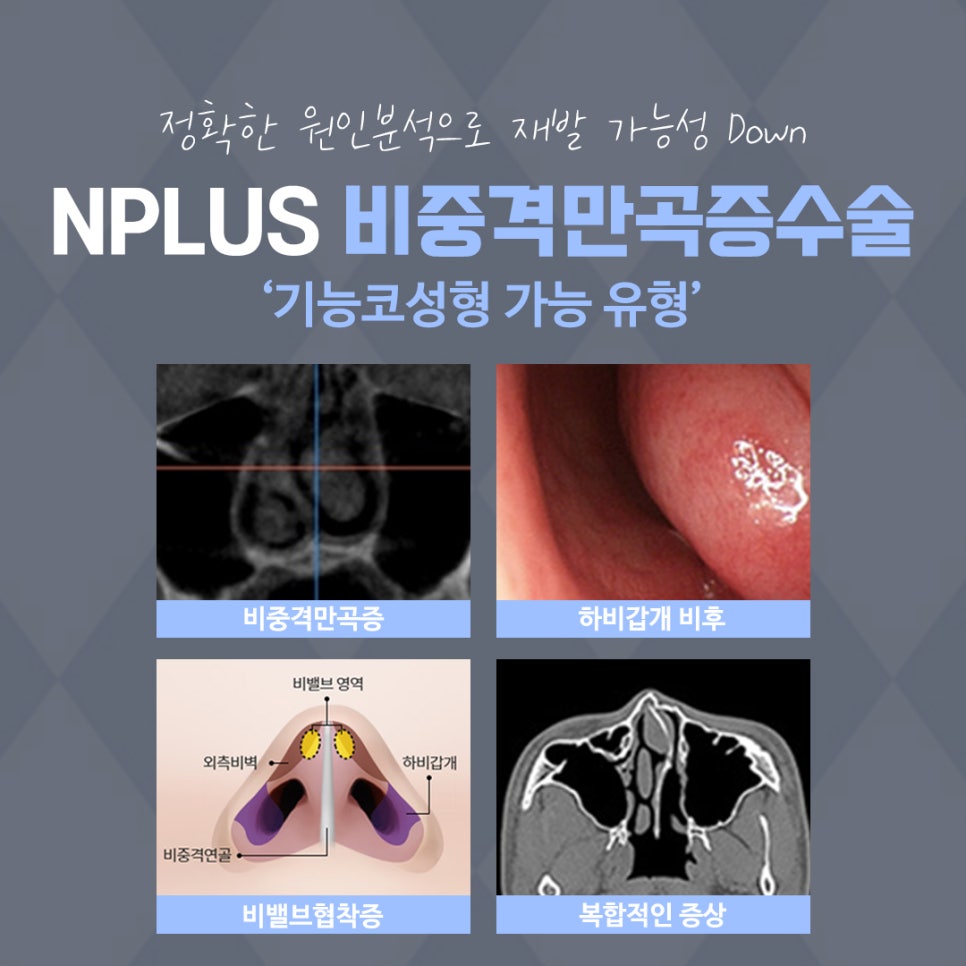
To briefly explain structural rhinitis that can be treated with septorhinoplasty: a deviated septum refers to a condition in which the septum, which acts as the partition in the middle of the nostrils, is bent; inferior turbinate hypertrophy refers to an enlarged inferior turbinate tissue inside the nose; and nasal valve stenosis refers to narrowing of the nasal valve, which serves as the roof of the nose. All of these interfere with airflow into the nose and cause nasal congestion. The most common condition is a deviated septum, which can be improved through septorhinoplasty. If inferior turbinate hypertrophy and nasal valve stenosis are also present as a complex condition, symptoms can be improved through additional surgery or procedures.
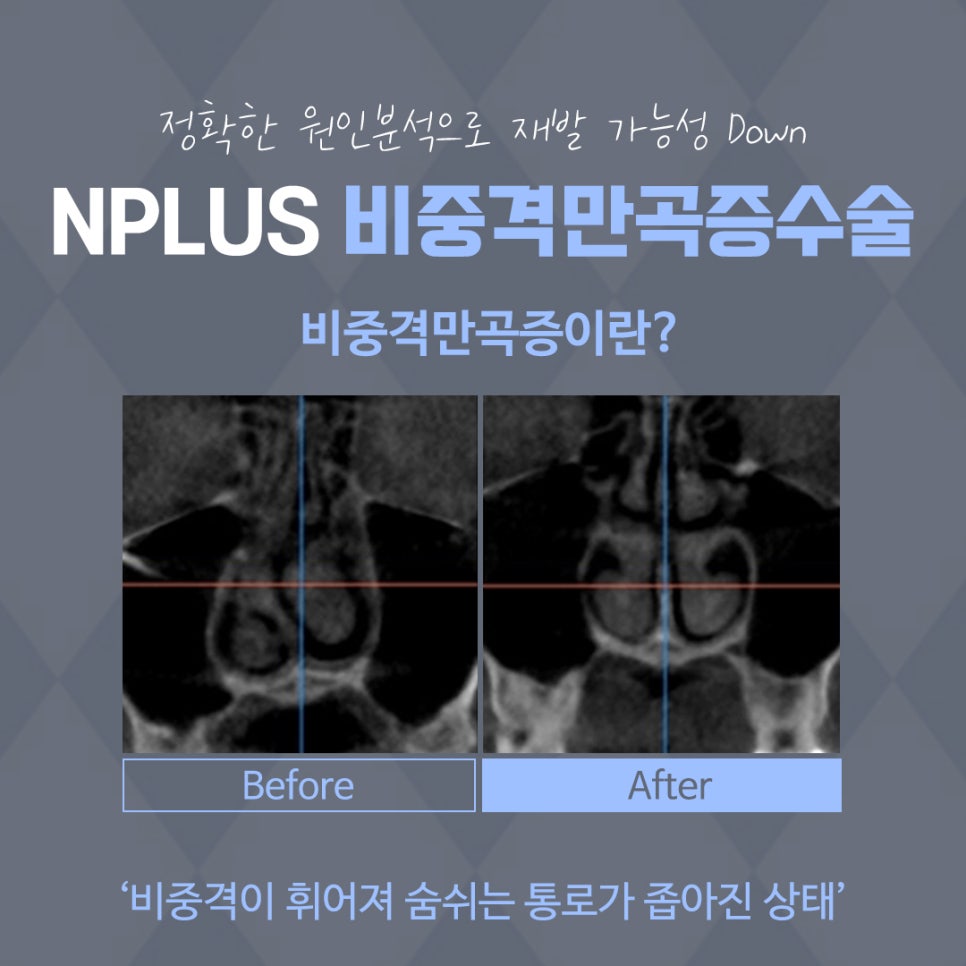
What is a deviated septum? As the most representative cause of structural rhinitis, a deviated septum occurs when the septum inside the nose is bent, obstructing airflow and causing nasal congestion. When breathing becomes difficult because of nasal congestion, concentration may decline, and headaches, chronic fatigue, and migraines can make daily life more uncomfortable, increasing stress as well. For that reason, prompt treatment is important. A deviated septum may be congenital, but in most cases it is caused by acquired trauma, where the septum becomes bent after receiving external impact. Through septorhinoplasty, the bent septum can be corrected to balance both sides of the nose.
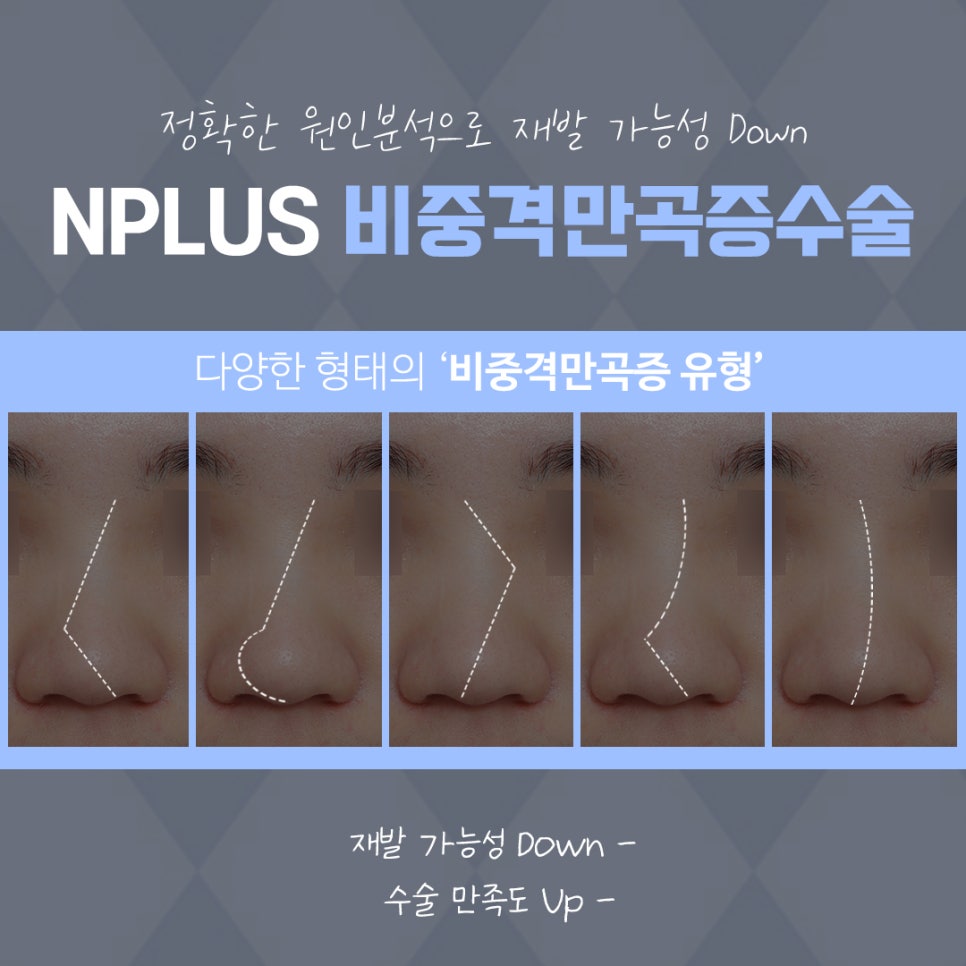
When undergoing septorhinoplasty, it is important to refer to reviews, but what matters most is accurately understanding the condition of your own nose. Even if the images in reviews show noses that look the same, the condition, shape, and position of the internal bones and cartilage differ from person to person. Therefore, when performing septorhinoplasty, it is important to examine both the internal and external areas before surgery.

Therefore, if you are looking into septorhinoplasty, we recommend carefully checking whether the medical staff have a high level of anatomical knowledge of the nose, whether they have sufficient experience and career background, whether equipment is available to accurately examine the condition of your nose, and whether thorough aftercare is guaranteed before proceeding with surgery.
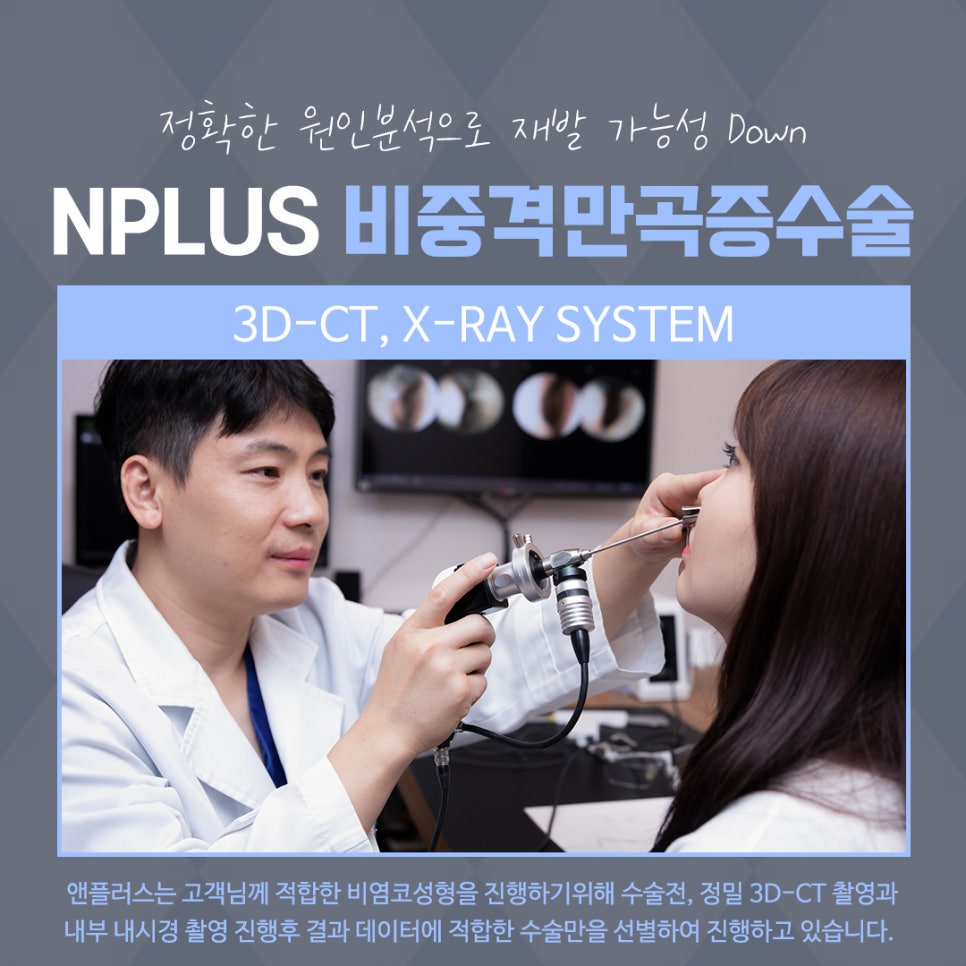
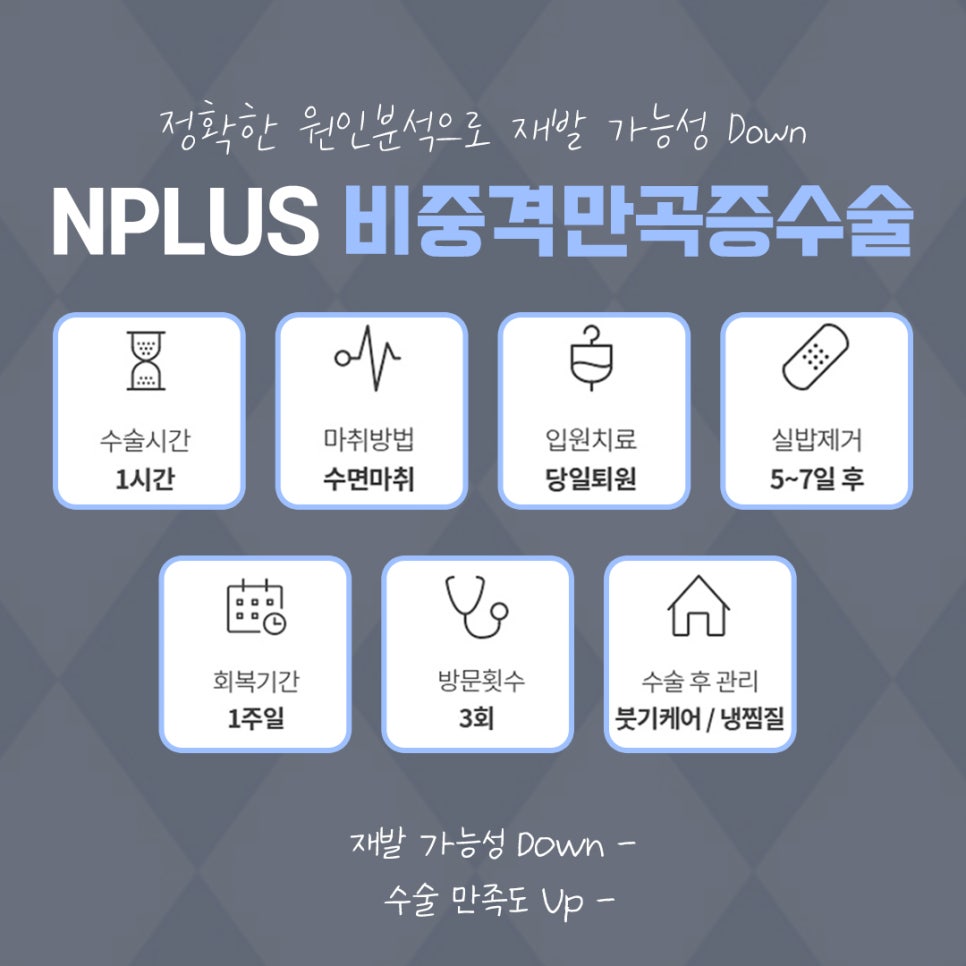
At OJIKO Hospital & N+ Clinic, we aim to provide safe and satisfying septorhinoplasty. Before surgery, we identify the causes of nasal congestion through 3D-CT imaging, internal endoscopic imaging, various allergy tests, and nasal function tests, then analyze the extracted data and perform surgery using the proper methods and materials tailored to each individual.
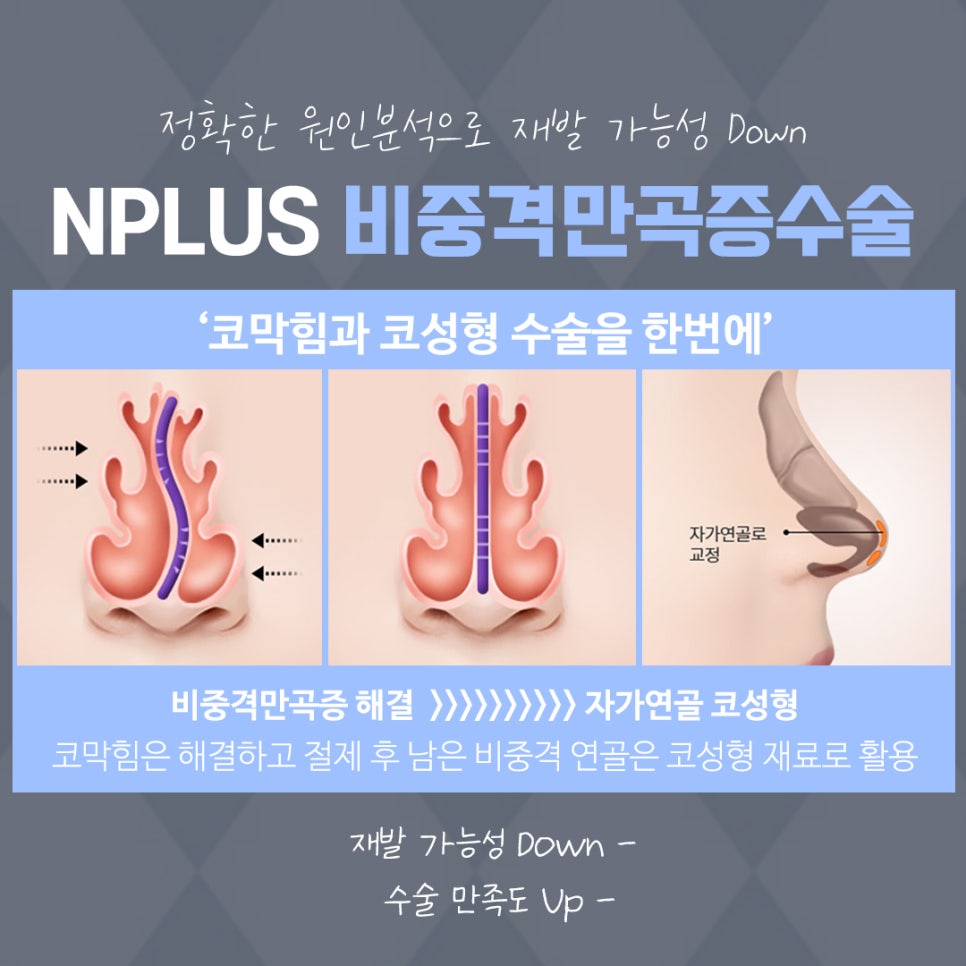
The surgical method for septorhinoplasty involves corrective surgery to straighten the bent septum. If inferior turbinate hypertrophy or nasal valve stenosis is present as part of a complex condition, additional surgery and procedures are performed for correction.
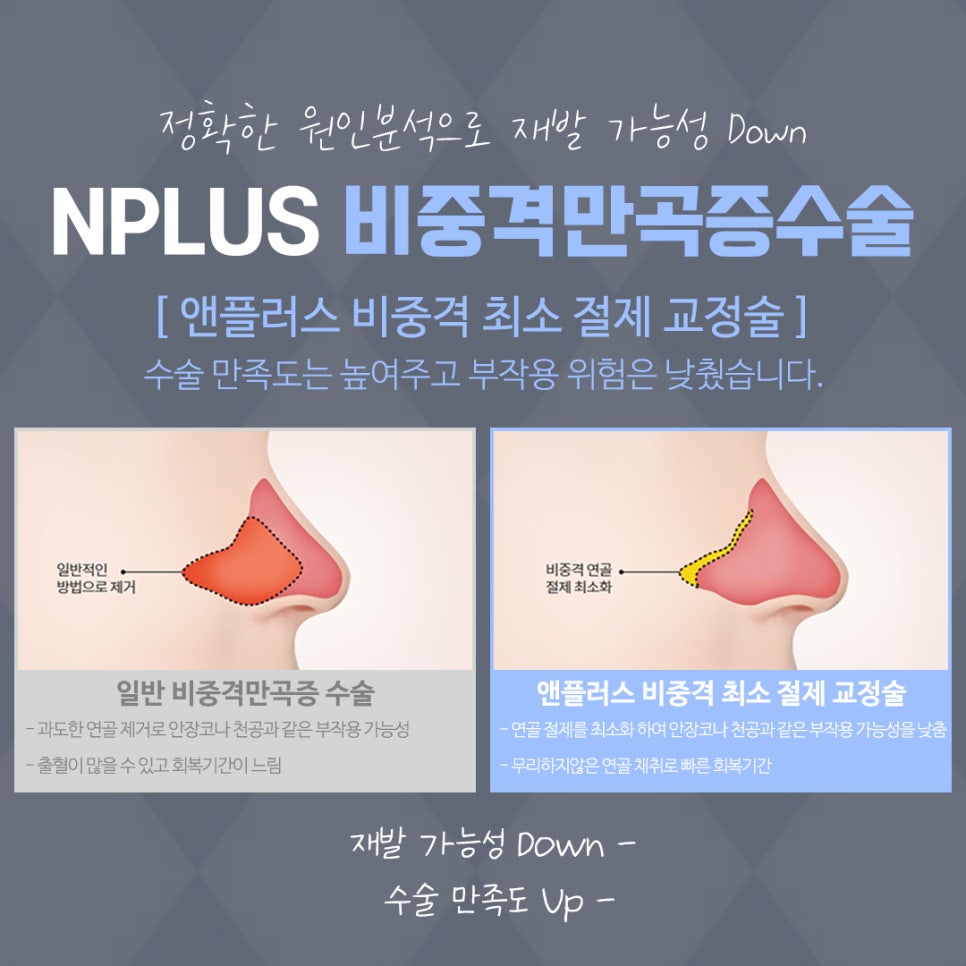
In addition, septorhinoplasty can remove only a minimal portion of the bent septal cartilage, and the septal cartilage obtained may be used as material to shape the tip of the nose during cosmetic rhinoplasty. As a result, septorhinoplasty and cosmetic rhinoplasty can be performed at the same time, allowing improvement of both symptoms and nose shape simultaneously.
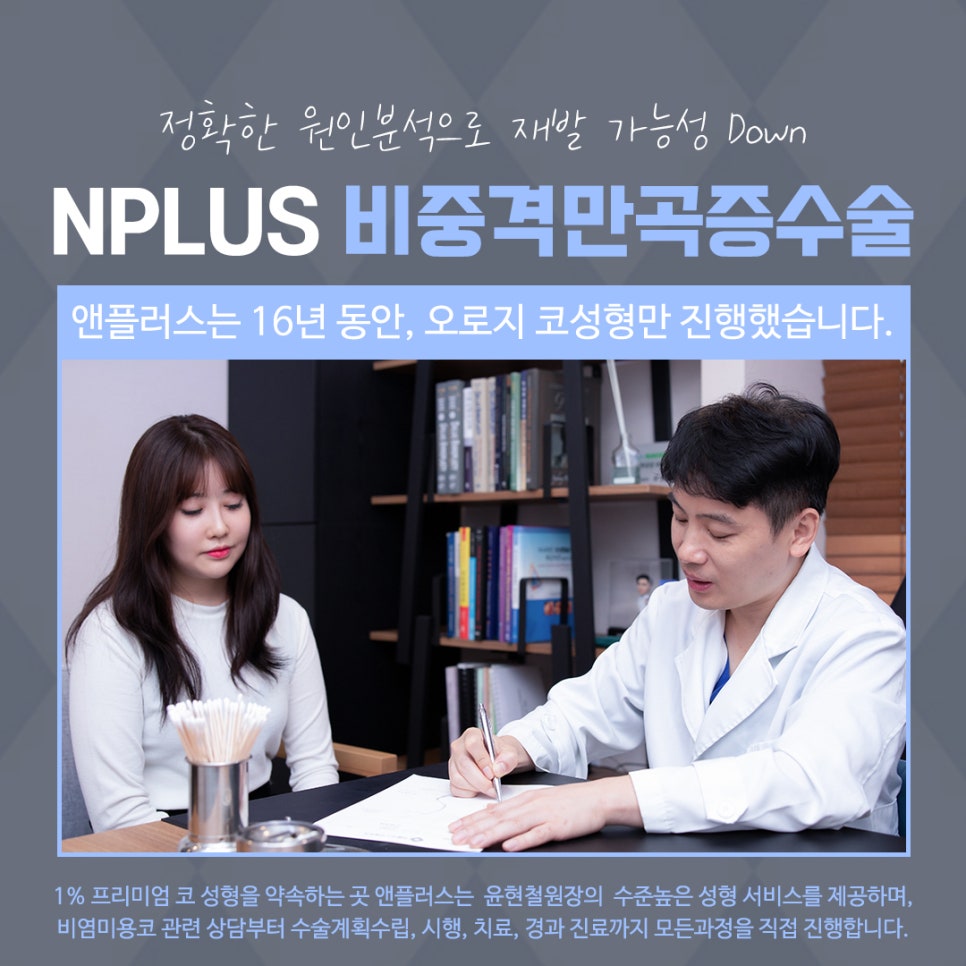
At OJIKO Hospital & N+ Clinic, Director Yoon Hyun-cheol personally takes charge one-on-one and directly handles every stage of septorhinoplasty, from consultation and surgical planning to the procedure, treatment, and follow-up visits, resulting in safer and more satisfying septorhinoplasty.

Aftercare is also supported by a one-year warranty system after surgery, as well as a surgery responsibility guarantee system in preparation for any post-surgical pain, inflammation, or dissatisfaction with the outcome that may occur, allowing you to receive a higher level of cosmetic surgery service.
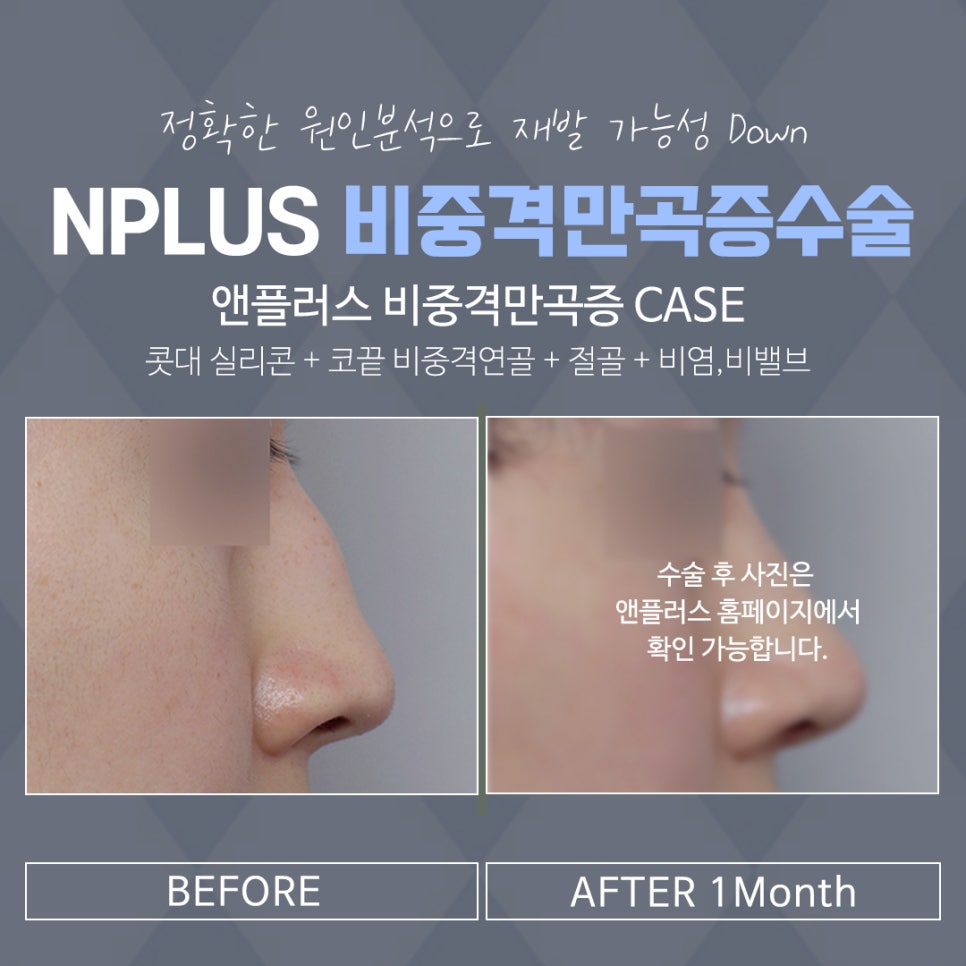
(The image above shows before-and-after photos of septorhinoplasty at OJIKO Hospital & N+ Clinic.)
This concludes our summary of septorhinoplasty at OJIKO Hospital & N+ Clinic. We hope this post is very helpful for those who are currently considering septorhinoplasty because of nasal congestion. Thank you.