
Hello. We are Oji Ko & Plus Clinic, where we have spent 16 years focusing only on your healthy and beautiful nose.
The topic we will introduce this time is nasal valve reconstruction.

Many people say they feel uncomfortable in daily life because their nose is blocked and breathing is difficult. However, such nasal congestion symptoms are often thought to be temporary and are left untreated, overlooked, or treated as something simple with medication. If these symptoms last for more than two weeks regardless of a specific substance or the weather, there is a high chance that there is a problem with the internal structure of the nose, so it may be helpful to visit a hospital and have your nasal condition accurately checked.

Nasal congestion symptoms can be said to begin with rhinitis, and rhinitis can be divided into allergic rhinitis and structural rhinitis caused by internal structural abnormalities. In the case of allergic rhinitis, it is a rhinitis that reacts to specific substances such as mites, pollen, food, and dust, and is related to an individual's constitution. Allergic rhinitis is difficult to cure completely, so consistent medication and improving immunity should be prioritized. On the other hand, in the case of structural rhinitis caused by internal structural abnormalities, a cure can be expected through surgery, and the causes of this structural rhinitis interfere with the flow of air entering the nose in different ways, resulting in nasal congestion.
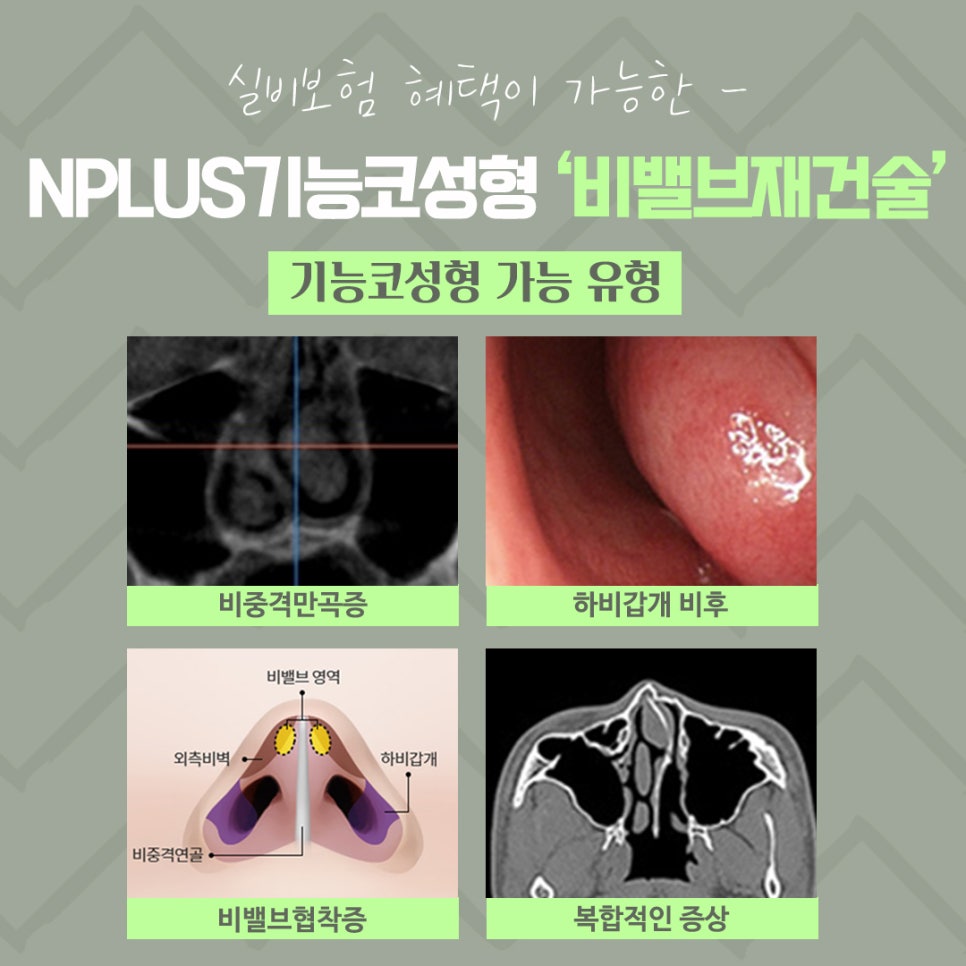
To briefly explain structural rhinitis: deviated septum refers to a condition in which the septum, which acts as a partition dividing the nostrils into two, is bent; inferior turbinate hypertrophy refers to a condition in which the inferior turbinate, the tissue made of flesh inside the nose, is enlarged; and nasal valve stenosis refers to a condition in which the nasal valve, which acts as the roof of the nose, becomes narrow and stenotic.
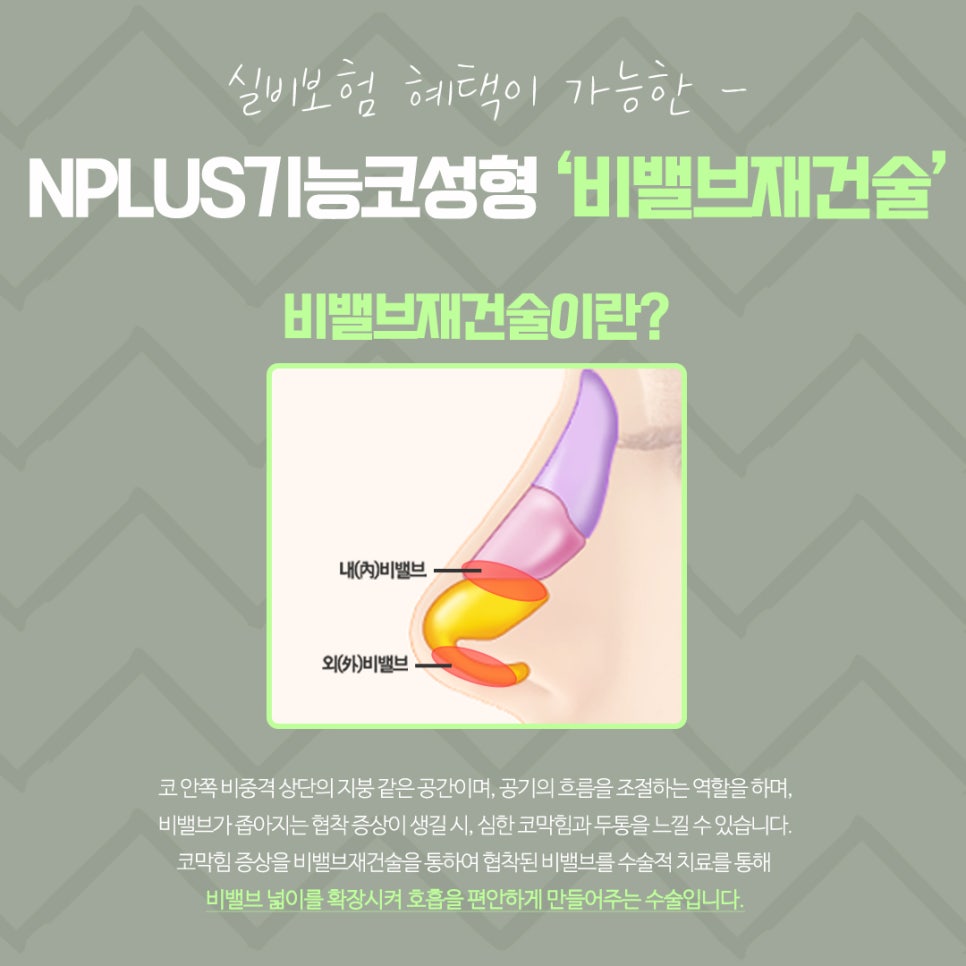
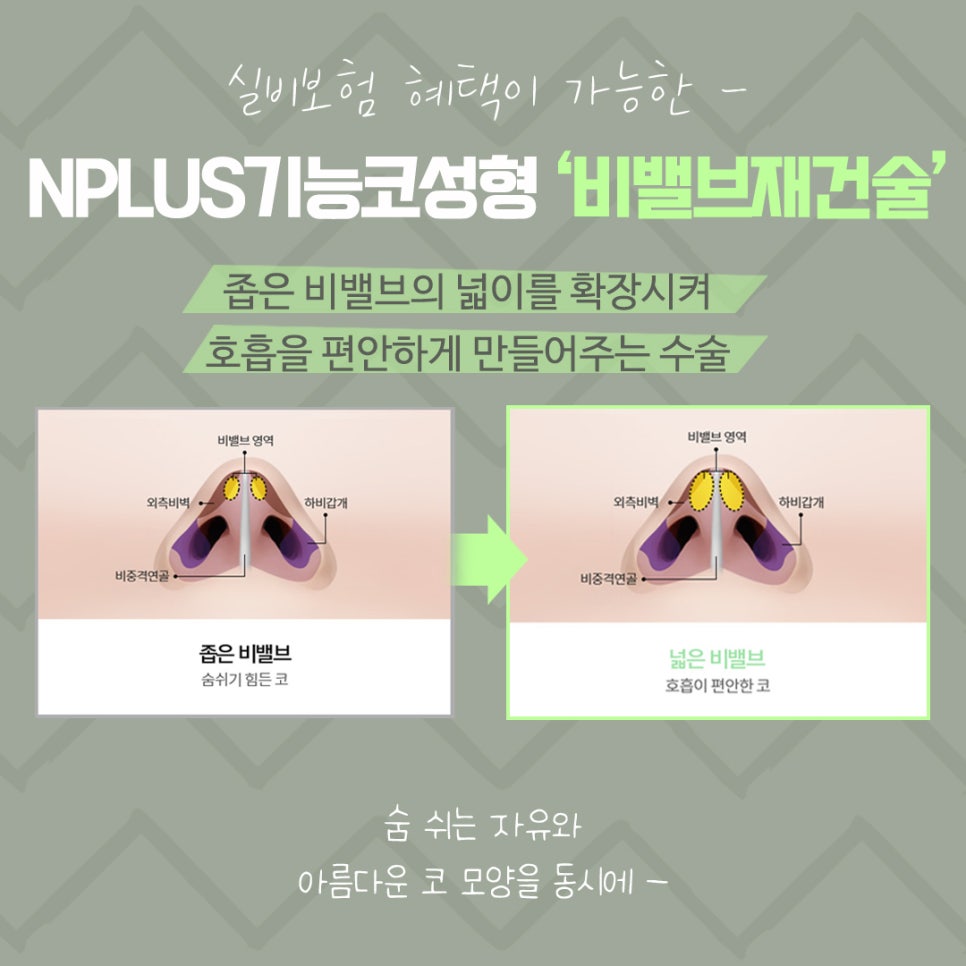
Among these three causes of structural rhinitis, I will explain nasal valve stenosis in more detail. What is nasal valve stenosis? It is the roof-like space at the upper part of the septum inside the nose, and it plays a role in regulating the flow of air entering the nose. When stenosis occurs and the nasal valve narrows, severe nasal congestion and headaches may occur, and through nasal valve reconstruction, the narrowed nasal valve is surgically corrected by widening its area so that breathing can become smoother.
Usually, when there are symptoms of nasal congestion, deviated septum is suspected and septoplasty is performed. If the nose remains blocked even after septoplasty, there is a high chance that it is due to nasal valve stenosis, so additional nasal valve reconstruction is often needed. Therefore, because nasal congestion symptoms alone make it difficult to identify the condition accurately with the naked eye, it is important to check for internal nasal problems through equipment.
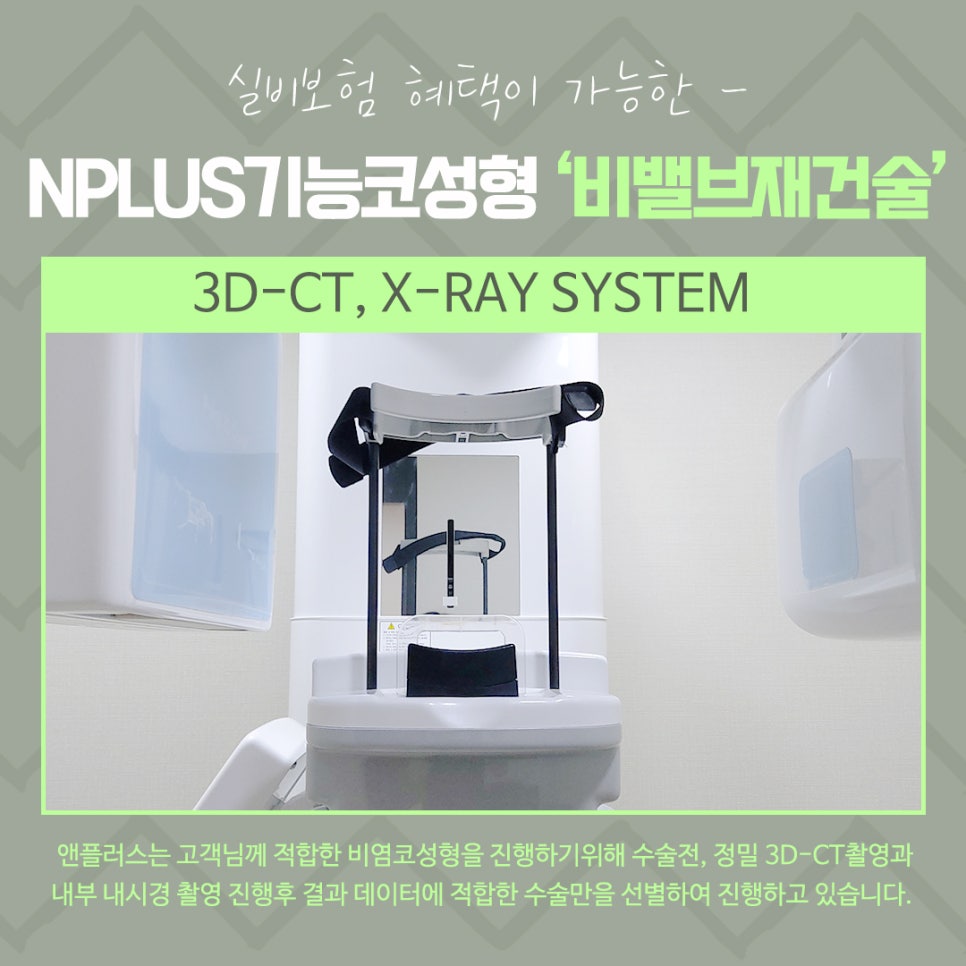
At Oji Ko & Plus Clinic, to ensure safe and satisfactory nasal valve reconstruction, we perform preoperative 3D-CT imaging, internal endoscopy, various allergy tests, and functional tests to accurately analyze the cause of nasal congestion. Based on the extracted data, surgery is performed using methods and materials tailored to each individual.

The nasal valve reconstruction methods performed at Oji Ko & Plus Clinic are not carried out with just one surgical technique, but are divided into four methods: spreader graft, butterfly graft, upper lateral graft, and suspension suture.
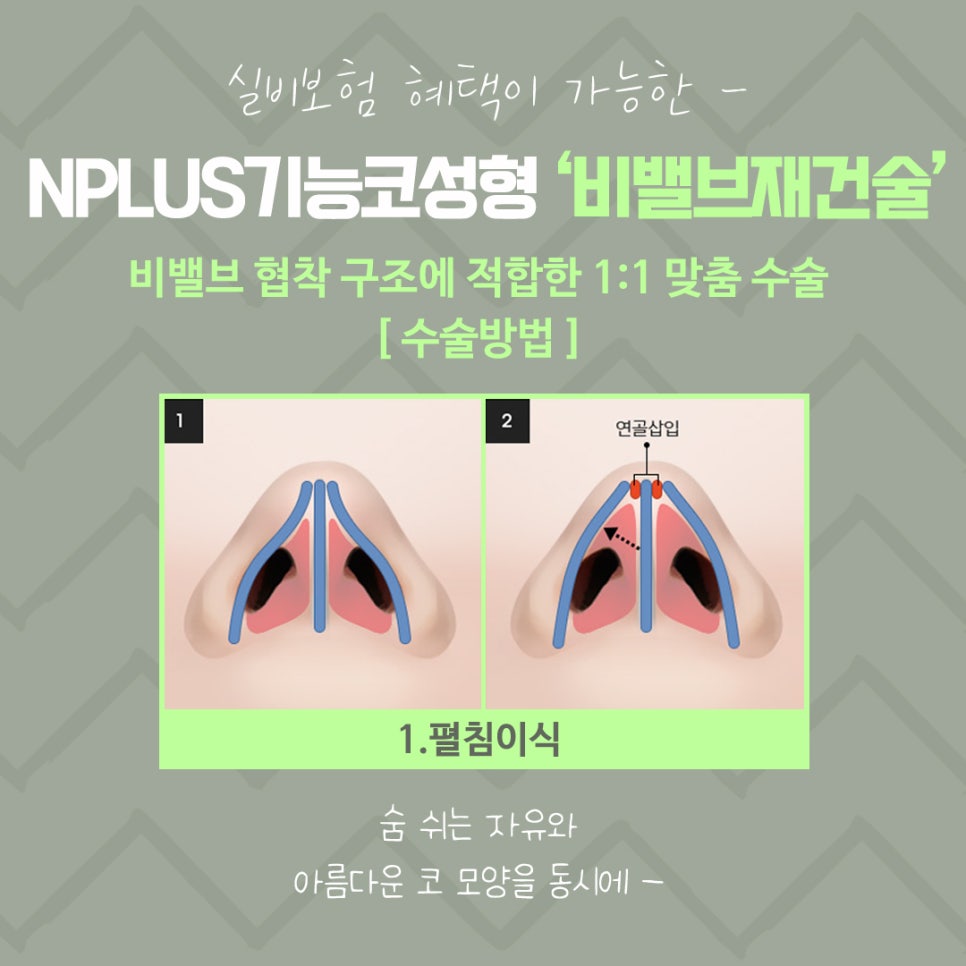
First, the first nasal valve reconstruction method, the butterfly graft, is a simple way to widen the nasal valve. Cartilage is grafted between the septum and the upper lateral cartilage to secure space in the nasal valve. Due to the inserted cartilage, both nasal valves widen immediately, making comfortable breathing possible, and it is commonly used for nasal valve reconstruction or for crooked nose surgery that is difficult to correct.
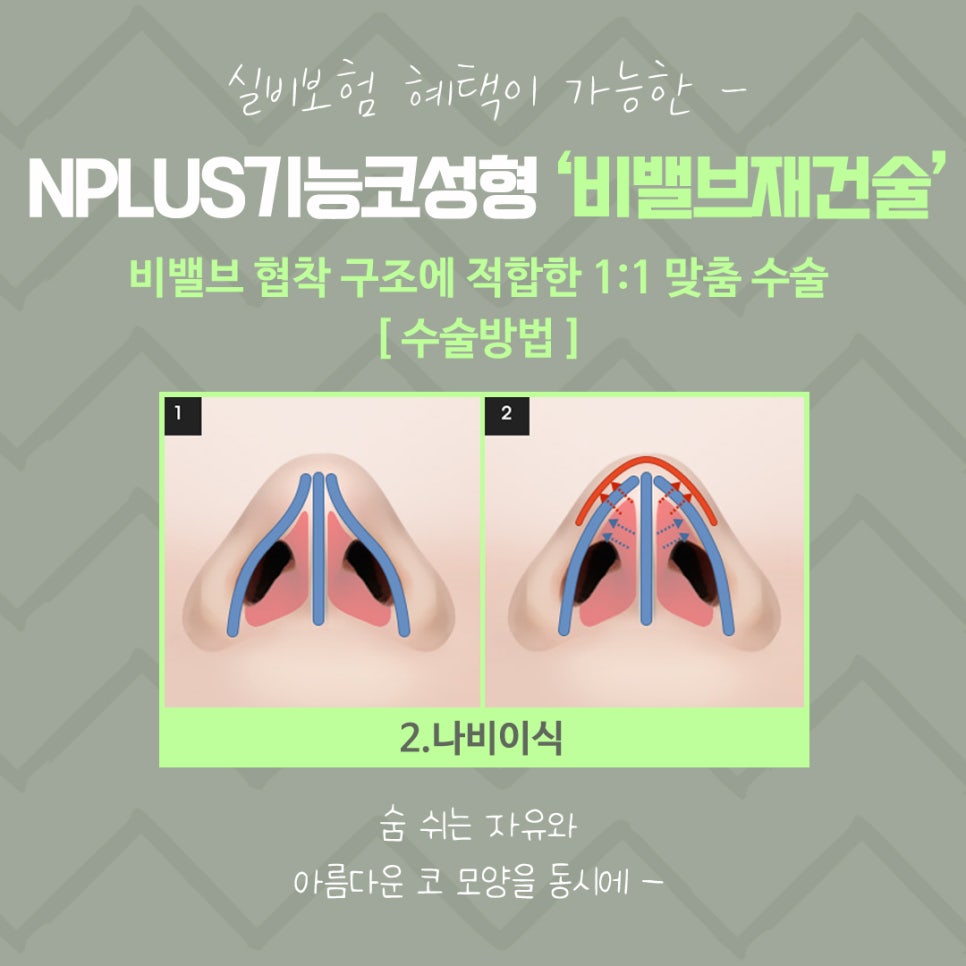
Second, in the nasal valve reconstruction method, the butterfly graft, cartilage is grafted in an overlapping form covering the upper lateral cartilage. The grafted cartilage expands the upper part of the nasal cavity and strengthens support, widening the area of the nasal valve.
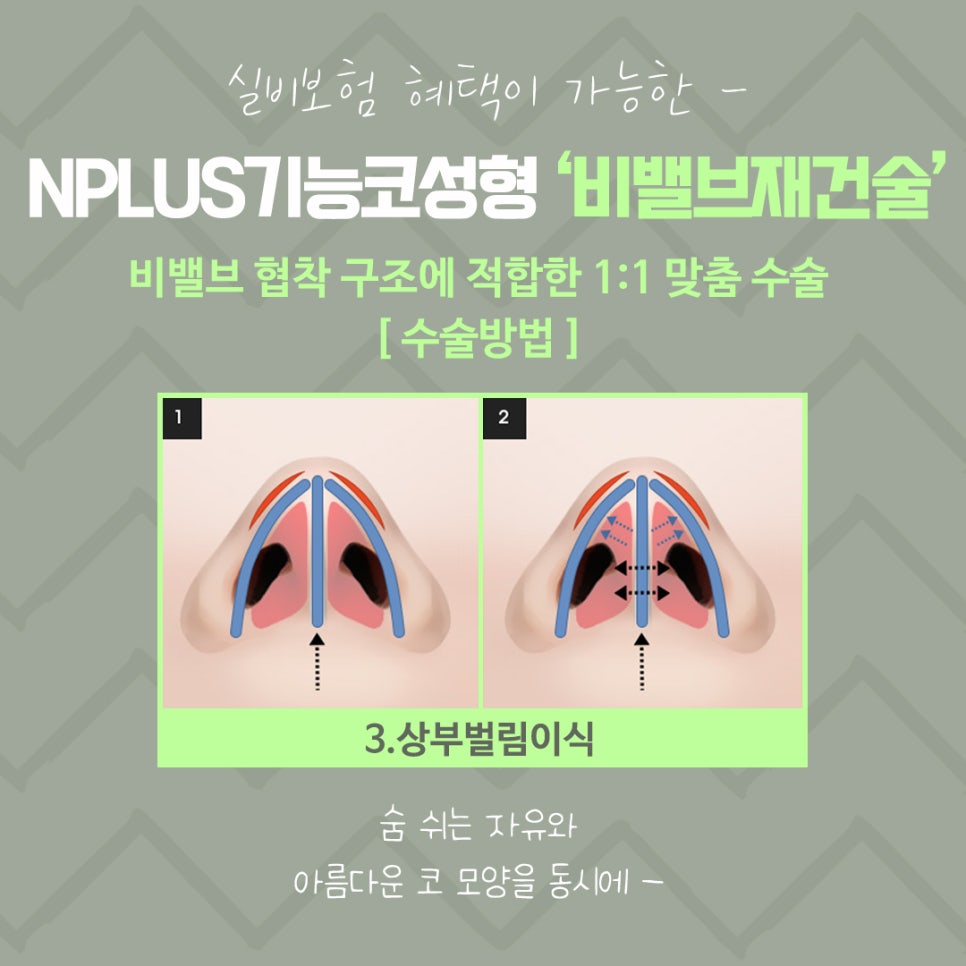
Third, the upper lateral spreader graft in nasal valve reconstruction separates the nasal mucosa, and cartilage is grafted between them in layers like a sandwich. The grafted cartilage opens the space between the nasal mucosa and secures the area of the nasal valve.
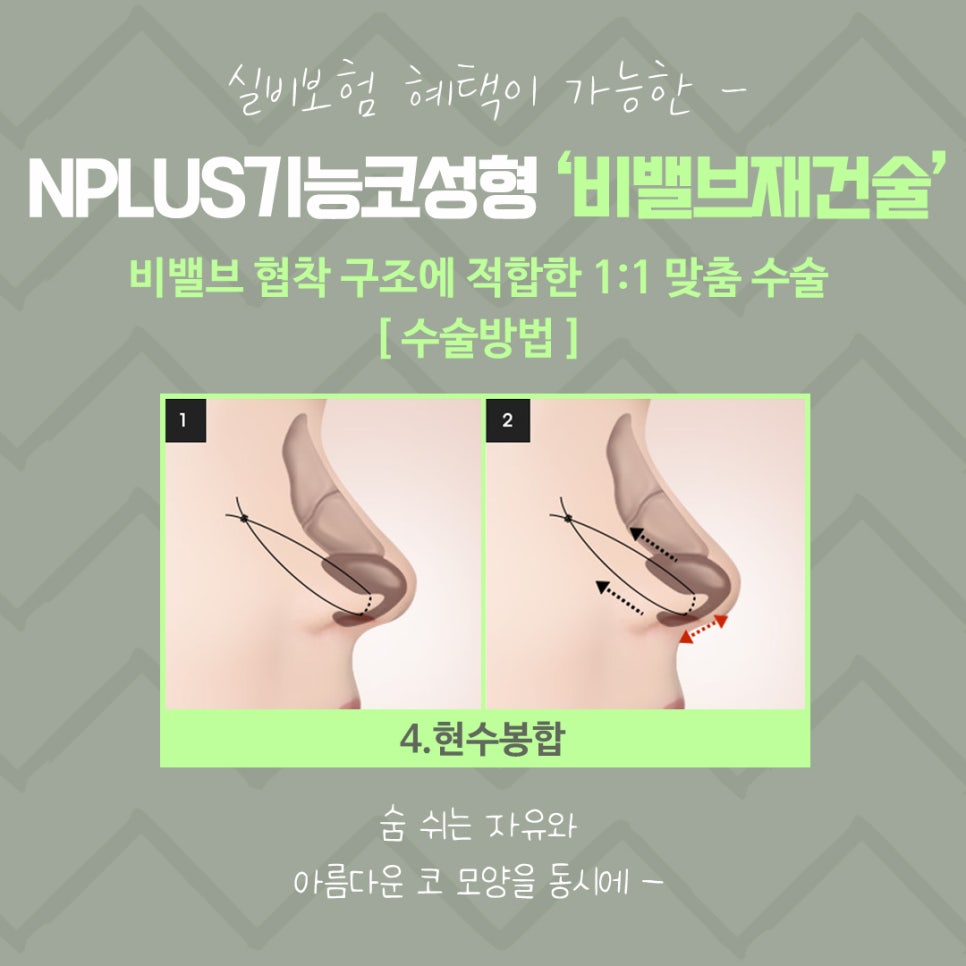
Lastly, the suspension suture used in nasal valve reconstruction inserts a non-absorbable thread into the inside of the nose and then pulls it inward and ties it. The pulled thread serves as support, preventing collapse of the lateral wall and indirectly securing the nasal valve area.

As such, even though nasal congestion symptoms may be common, the same nasal valve reconstruction is not applied to everyone. The surgical method differs depending on the individual's condition and the degree of nasal valve stenosis, so it is important to accurately check the condition of the nose before surgery. For those who are looking into nasal valve reconstruction, it may be helpful to carefully check whether the medical staff have a high level of anatomical knowledge of the nose, whether they have sufficient relevant experience and expertise, whether equipment is available to accurately assess the condition of your nose, and whether thorough aftercare is guaranteed.
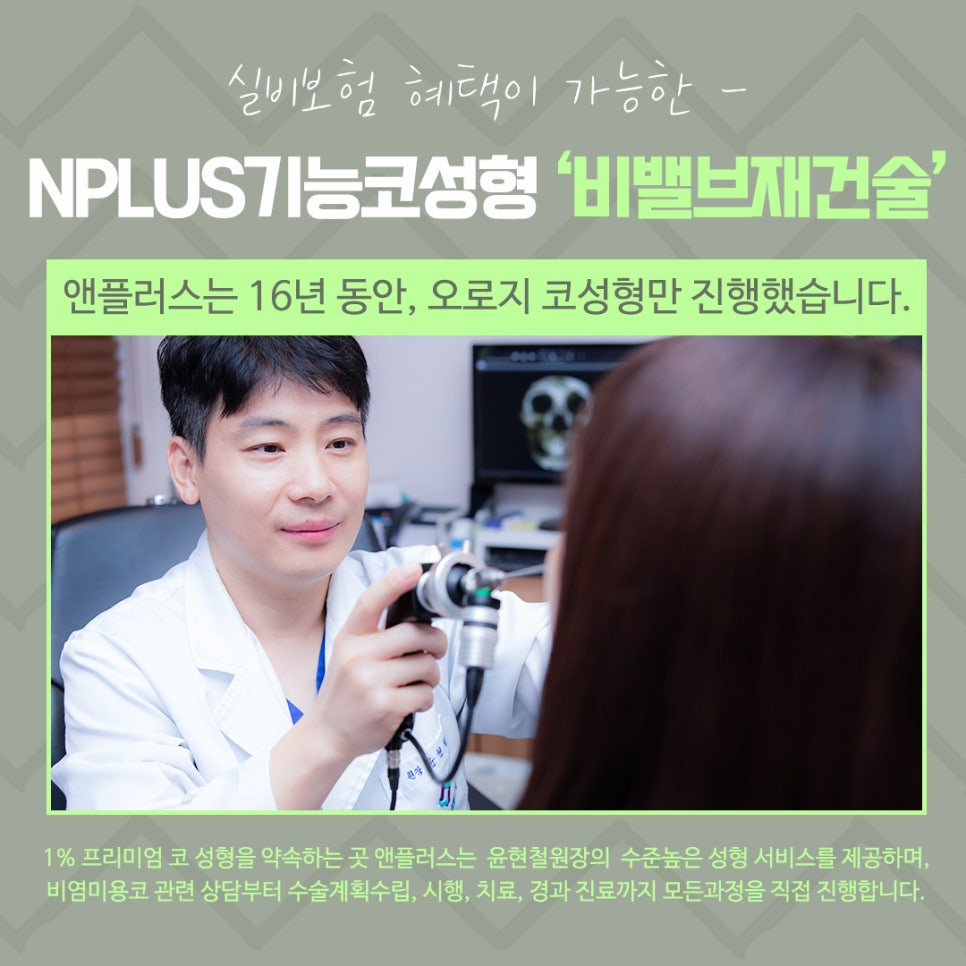
At Oji Ko & Plus Clinic, Director Yoon Hyun-cheol personally handles one-on-one care, directly managing every step of the process related to nasal valve reconstruction, from consultation, surgical planning, and procedure to treatment and follow-up visits, allowing you to receive a high level of medical service.

For aftercare as well, an A/S system guaranteeing support for one year after surgery is provided by issuing an AN+ membership card, and a surgery responsibility guarantee system is implemented in preparation for possible postoperative pain, inflammation, or dissatisfaction with the appearance, making nasal valve reconstruction even safer and more satisfactory.
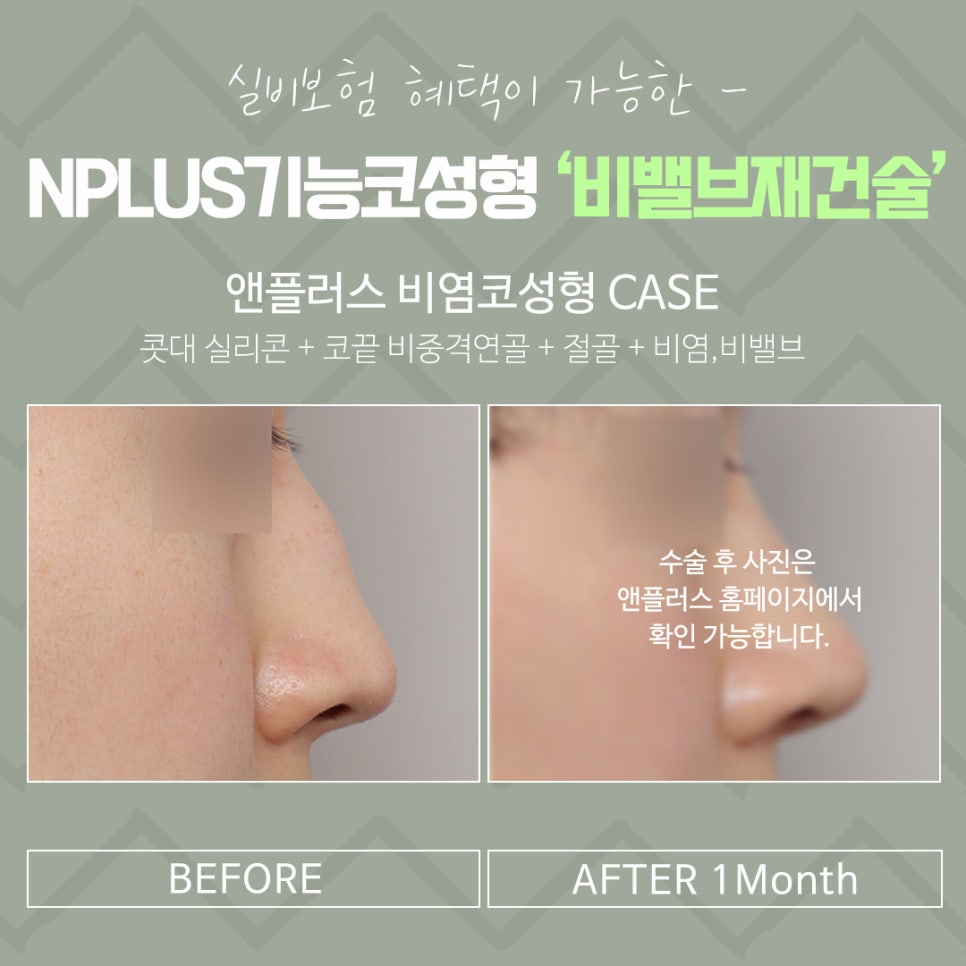
(The image above shows actual before-and-after photos of nasal valve reconstruction at Oji Ko & Plus Clinic.)
This concludes the summary of nasal valve reconstruction at Oji Ko & Plus Clinic. We hope this article is very helpful for those who are currently experiencing inconvenience in daily life due to nasal congestion caused by rhinitis. Thank you.