
Hello. This is OJIKO N Plus, where we think only about your beautiful and healthy nose.
The content we prepared this time is about rhinoplasty combined with rhinitis surgery.

Rhinoplasty is usually considered a way to improve the nose when its outward appearance does not meet the aesthetic standards one had in mind. In particular, because the nose is located at the center of the face and is one of the most three-dimensional areas, a low, crooked, humped, or drooping nose stands out even more. That is why people look into rhinoplasty to improve their overall image.

In this way, the nose takes up a large part of our face’s appearance while also being responsible for breathing and the sense of smell, playing an important role in the body as a whole. Therefore, for those considering rhinoplasty, it is important to take external appearance into account, but it may also be helpful to thoroughly check the inside of the nose before proceeding with surgery.
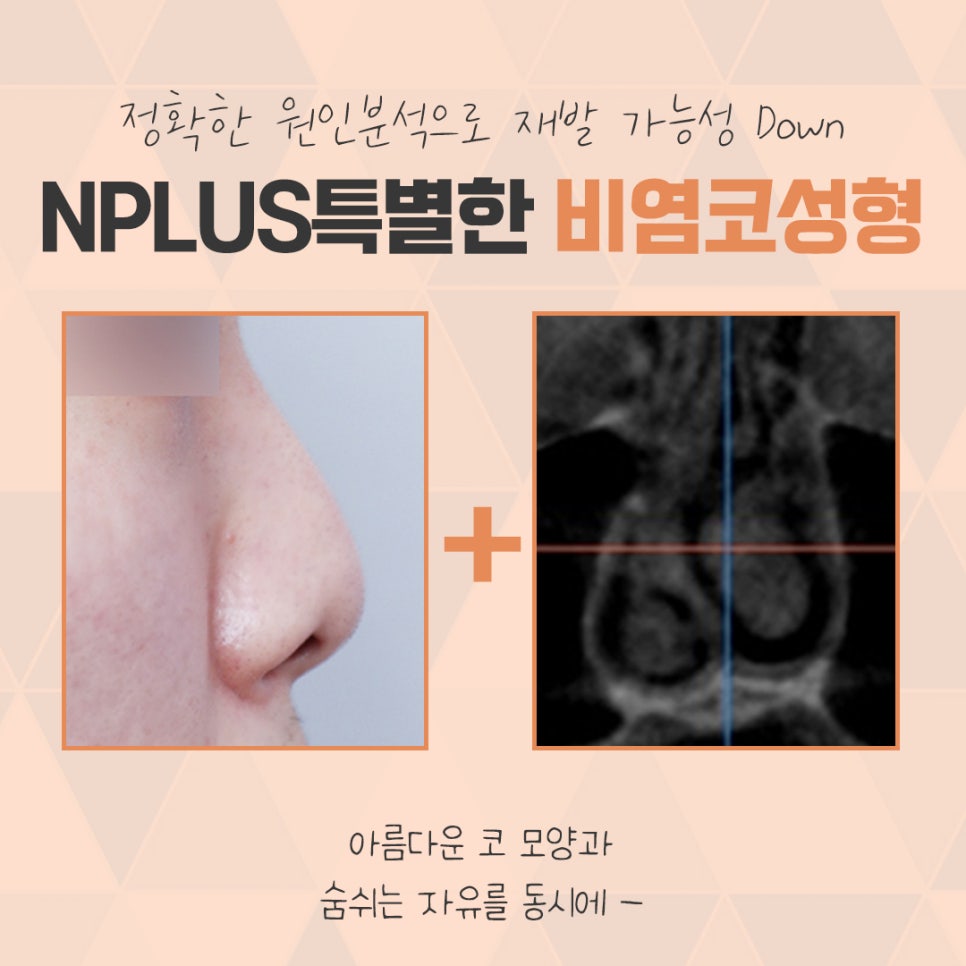
When surgery is performed to improve the functional aspects of the nose, the most common symptom can be nasal congestion caused by rhinitis. Rhinitis is a condition that more than 70% of Korean adults have. Allergic rhinitis accounts for 20%, while structural rhinitis caused by abnormalities in the internal structure accounts for more than 80%.
Therefore, when nasal congestion occurs, people often mistake it for allergic rhinitis. However, because the likelihood of structural rhinitis is high, you can look into information about rhinoplasty combined with rhinitis surgery in more detail.
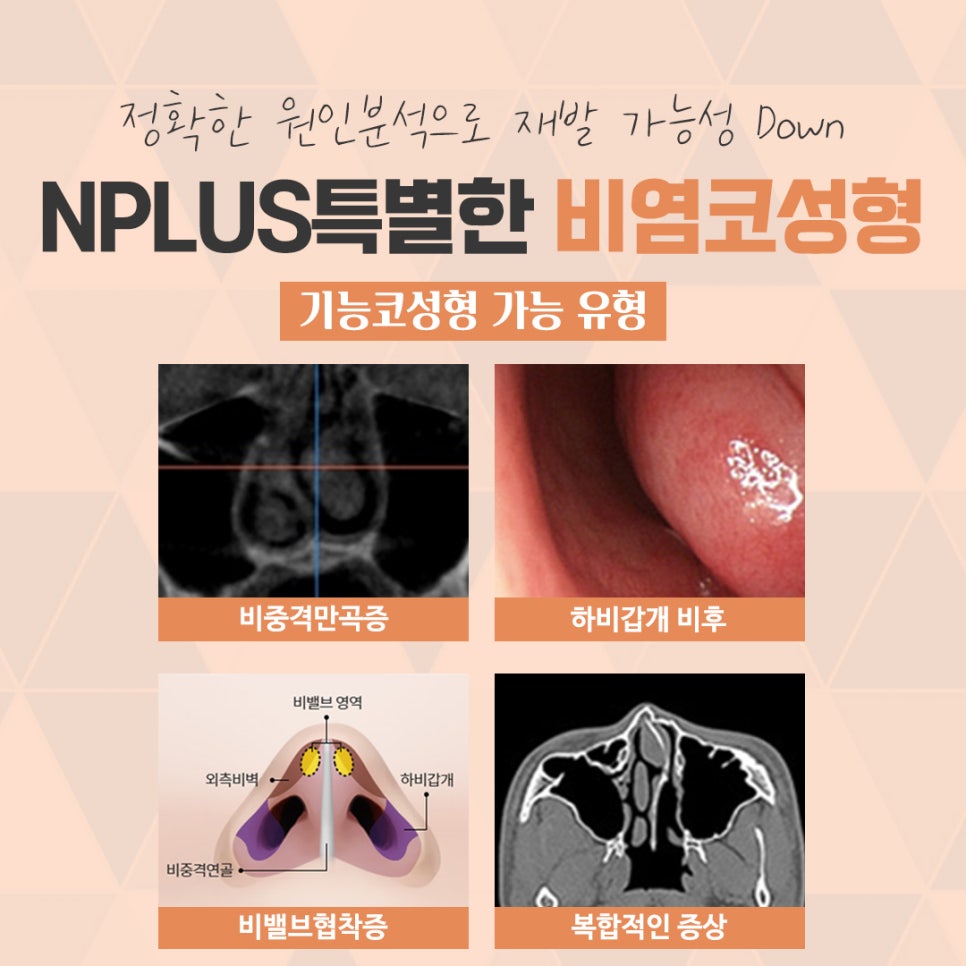
In the case of allergic rhinitis, which we commonly know about, it is often triggered by specific substances or seasons, so a complete cure is difficult. With consistent medication and improved immunity as priorities, symptoms can be temporarily improved. In the case of structural rhinitis caused by internal structural abnormalities, a cure may be expected through rhinoplasty combined with rhinitis surgery. The causes of structural rhinitis include a deviated septum, inferior turbinate hypertrophy, and nasal valve stenosis.

In addition, for structural rhinitis, deviated septum, inferior turbinate hypertrophy, and nasal valve stenosis, which can be cured through rhinoplasty and rhinitis surgery, the surgery can improve the nasal congestion that has been inconvenient in daily life while also correcting the outward shape of the nose that was previously unsatisfactory. If nose surgery is performed only from a cosmetic approach, it can lead to revision surgery due to functional problems after surgery. Therefore, even if you do not have a functional issue with your nose, those considering rhinoplasty may find it helpful to thoroughly check the inside of the nose before surgery.
Therefore, for those looking into rhinoplasty combined with rhinitis surgery, even if they have nasal congestion, it is difficult to tell by sight whether it is allergic rhinitis, a cold, or structural rhinitis. To identify the cause, a diagnosis must be made after accurately examining the inside of the nose through various allergy tests and equipment, so it is important to carefully check whether the medical staff have a high level of anatomical knowledge of the nose, whether they have extensive surgical experience, whether they are equipped with devices that can accurately assess the condition of your nose, and whether aftercare is fully guaranteed before making your choice.
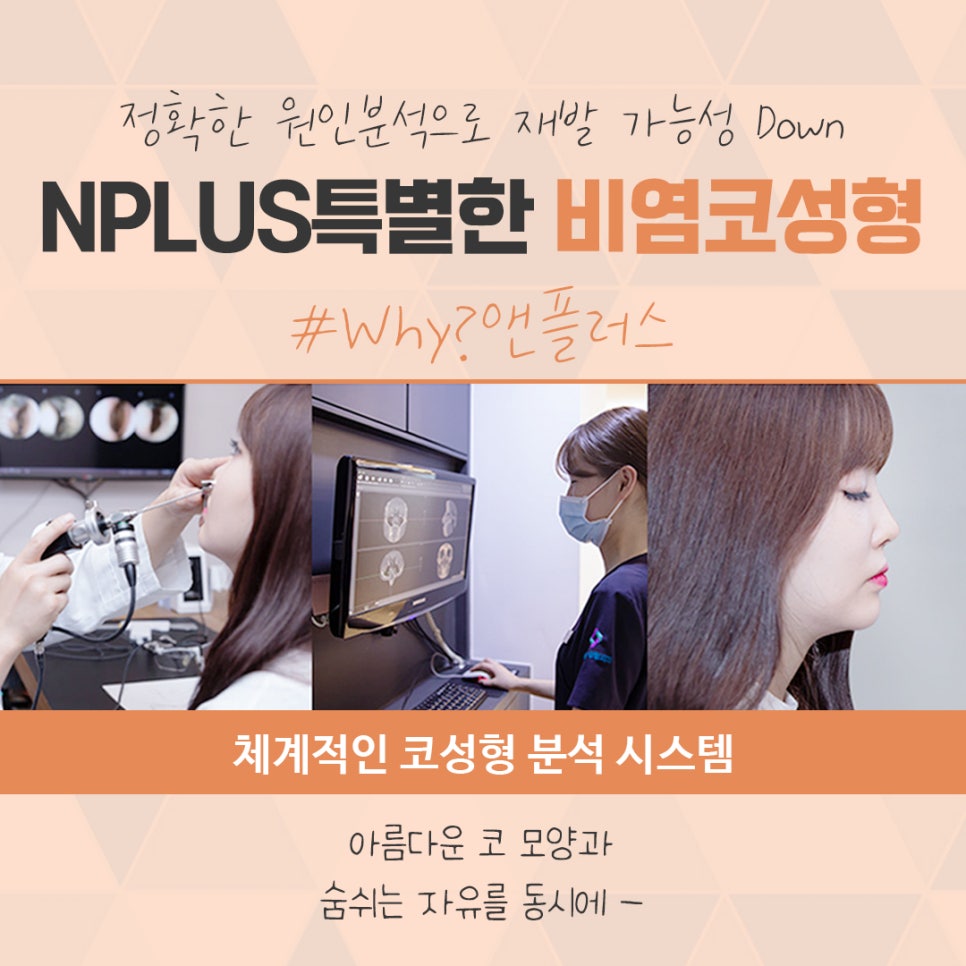
At OJIKO N Plus, to ensure a satisfying rhinoplasty combined with rhinitis surgery, we accurately assess both the outside and inside of the nose through preoperative 3D-CT scans, internal endoscopy, various allergy tests, and internal nasal function tests. Based on the extracted data, we determine the method and materials before proceeding with rhinoplasty and rhinitis surgery.

The methods used for rhinoplasty combined with rhinitis surgery vary depending on each person’s condition. In the case of a deviated septum, the crooked septum is straightened. For inferior turbinate hypertrophy, the enlarged inferior turbinates are corrected using a laser. For nasal valve stenosis, one of four surgical methods is selected according to the individual, and in common, the airway for air entering through the nose is widened to improve airflow. After these functional nasal surgeries, cosmetic rhinoplasty is performed, and in general, the bridge is corrected with silicone and the tip is corrected with autologous cartilage.
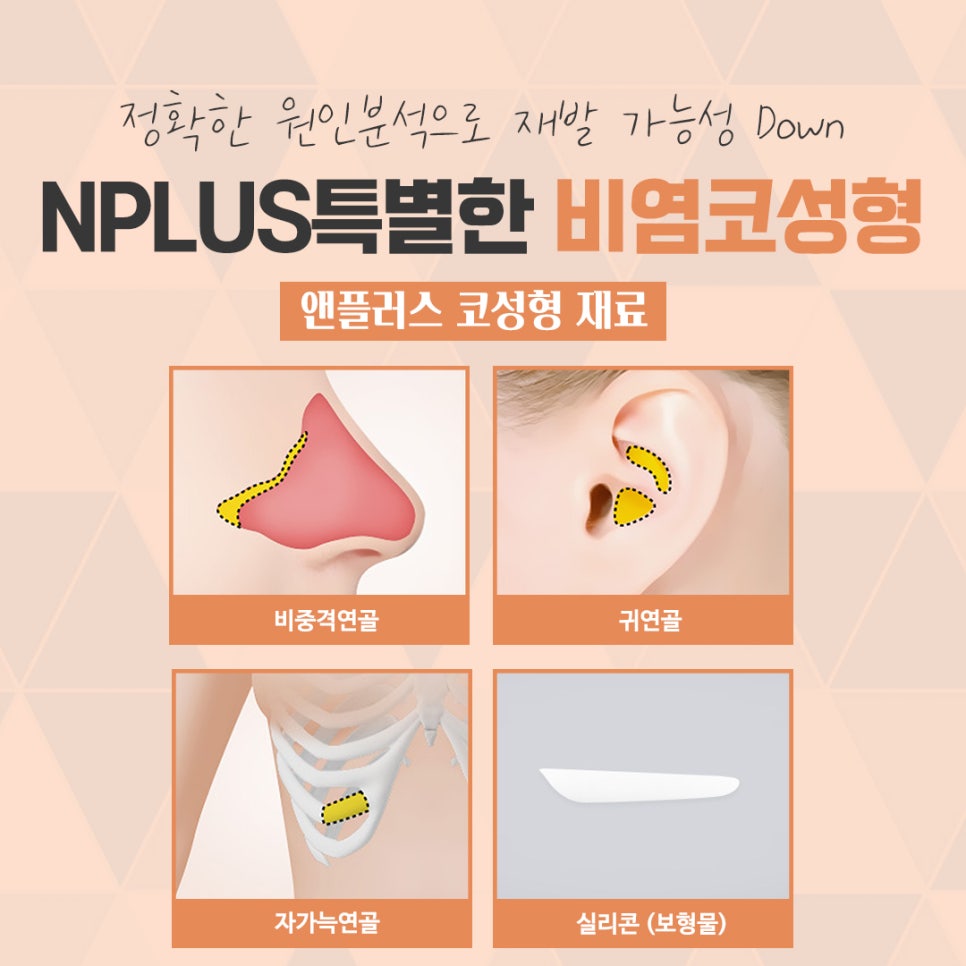
For rhinoplasty combined with rhinitis surgery, the autologous cartilage used for the nasal tip includes ear cartilage, septal cartilage, and autologous rib cartilage. The material is also selected through preoperative tests so that it matches the individual.
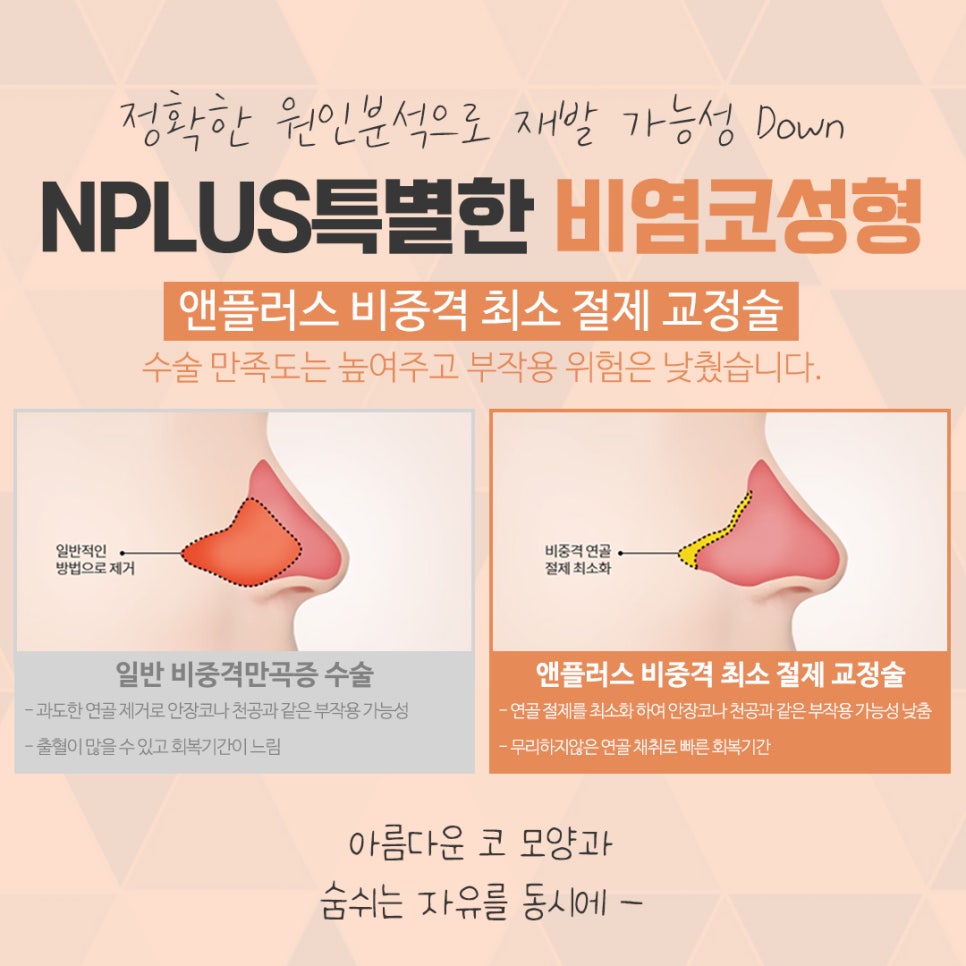
In addition, in the case of septal cartilage used in rhinoplasty combined with rhinitis surgery, septal cartilage is partially removed or cut to straighten the deviated septum. At this time, because cosmetic rhinoplasty can be performed using the remaining septum after removal, this can be considered an advantage of rhinoplasty combined with rhinitis surgery, where functional correction and cosmetic rhinoplasty can be performed at the same time.

For the silicone inserted into the bridge of the nose, rather than using a pre-manufactured silicone product as is, a customized silicone is used after carefully shaping it by hand while considering various factors such as the person’s overall image and the width, length, and breadth of the nasal bridge. This leads to higher satisfaction. As such, in the case of rhinoplasty combined with rhinitis surgery, the surgical method and materials differ depending on the individual’s condition. If cosmetic rhinoplasty is performed without considering the functional aspects, nasal congestion may instead appear or recur. Therefore, even if you do not have symptoms, it is best to choose a place that thoroughly checks the inside of the nose before surgery.

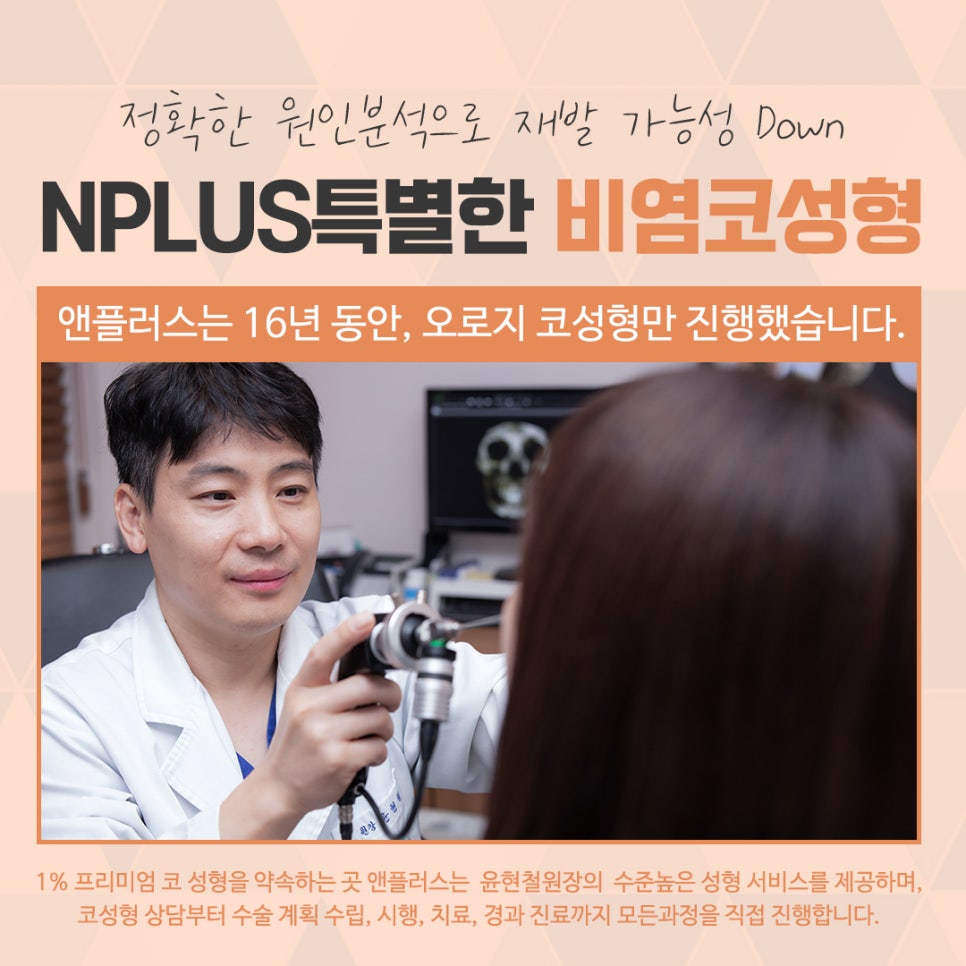
At OJIKO N Plus, Director Yun Hyun-cheol personally handles the entire process one-on-one, from consultation regarding rhinoplasty combined with rhinitis surgery, to planning, performing the surgery, treatment, and follow-up care.

For aftercare, an N Plus membership card is issued, and an A/S system guaranteeing support for one year after surgery is provided. In addition, a surgical responsibility guarantee system is in place to prepare for all possible situations such as postoperative pain, inflammation, and dissatisfaction with appearance, making rhinoplasty combined with rhinitis surgery even safer and more satisfying.
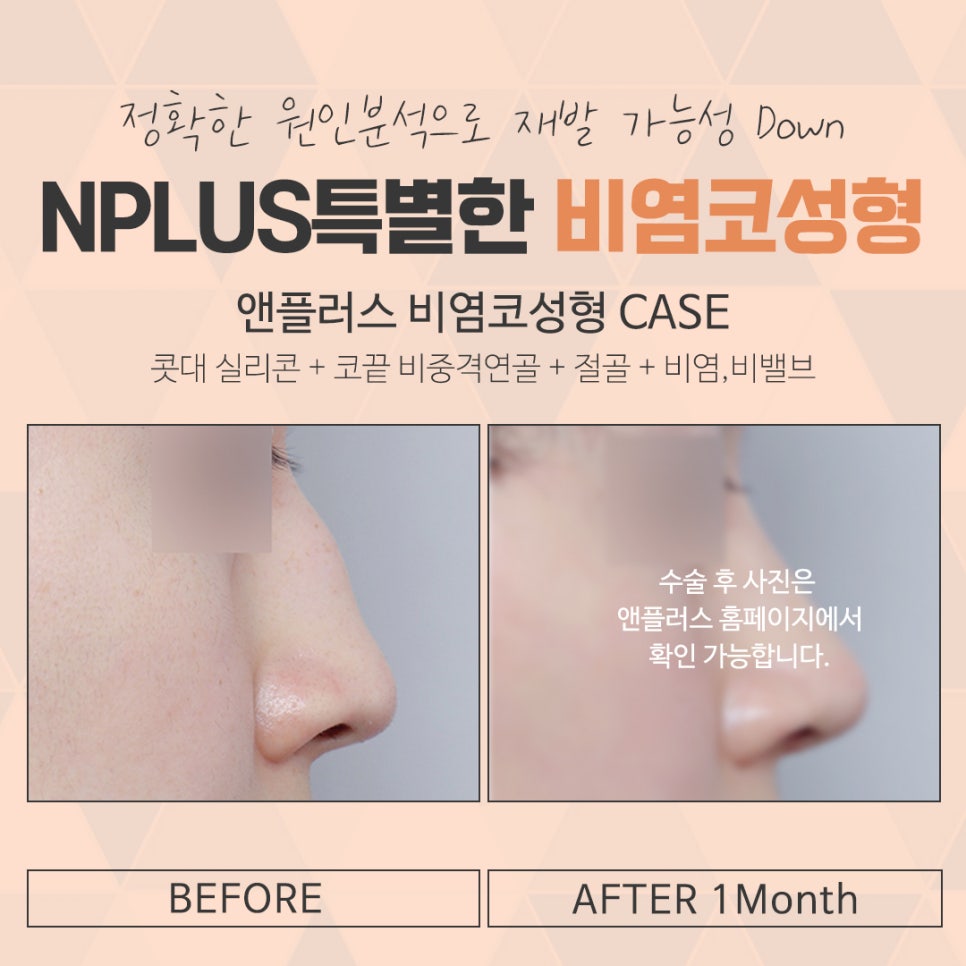
(The images above are actual before-and-after photos of rhinoplasty combined with rhinitis surgery at OJIKO N Plus.)
That concludes our summary of OJIKO N Plus’s rhinoplasty combined with rhinitis surgery. We hope this article is very helpful for those who are currently dissatisfied with the shape of their nose or who are considering rhinoplasty because nasal congestion is making daily life uncomfortable. Thank you.