
Hello. We are Oji Ko Hospital & N Plus Clinic, dedicated solely to the health and beauty of your nose.
In this post, we are sharing a functional rhinoplasty review based on an accurate analysis of the cause.
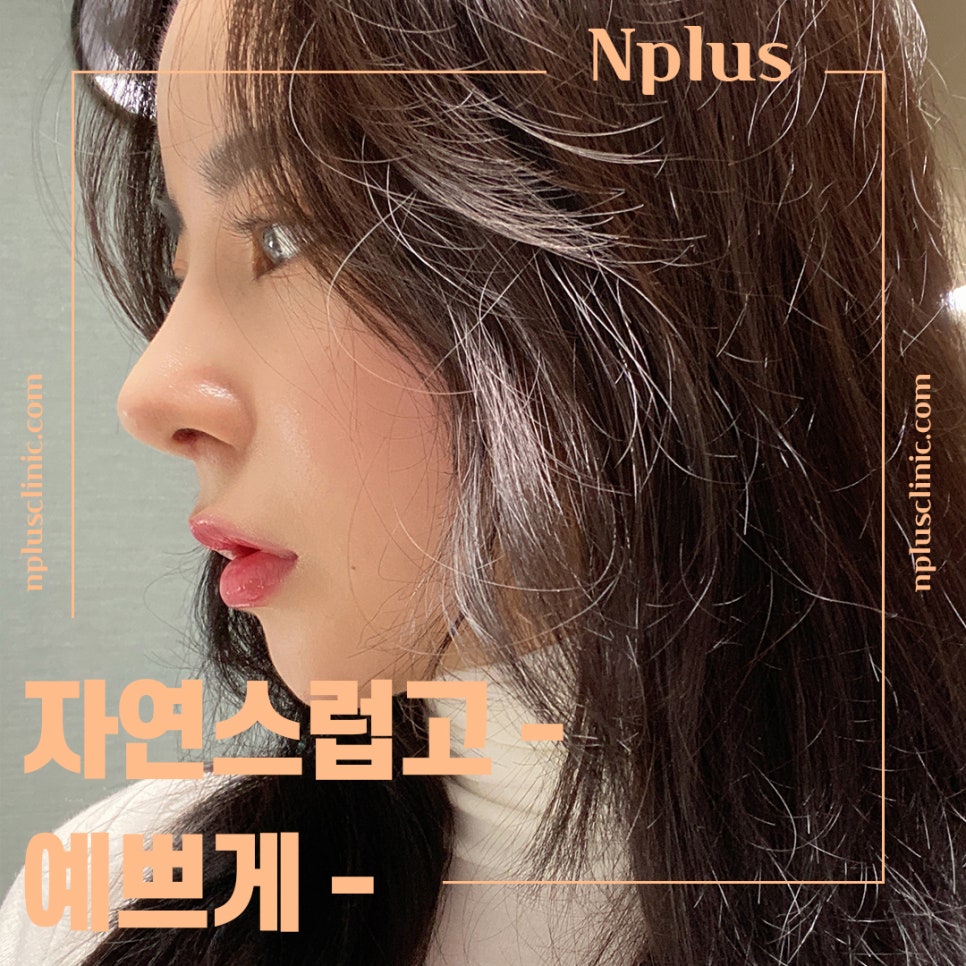
When people consider rhinoplasty, many tend to prioritize cosmetic improvements because they feel dissatisfied with the shape of their nose. In particular, among our facial features, the nose is the most central and three-dimensional part, so even a small change in its shape can have a significant effect on improving one’s image.
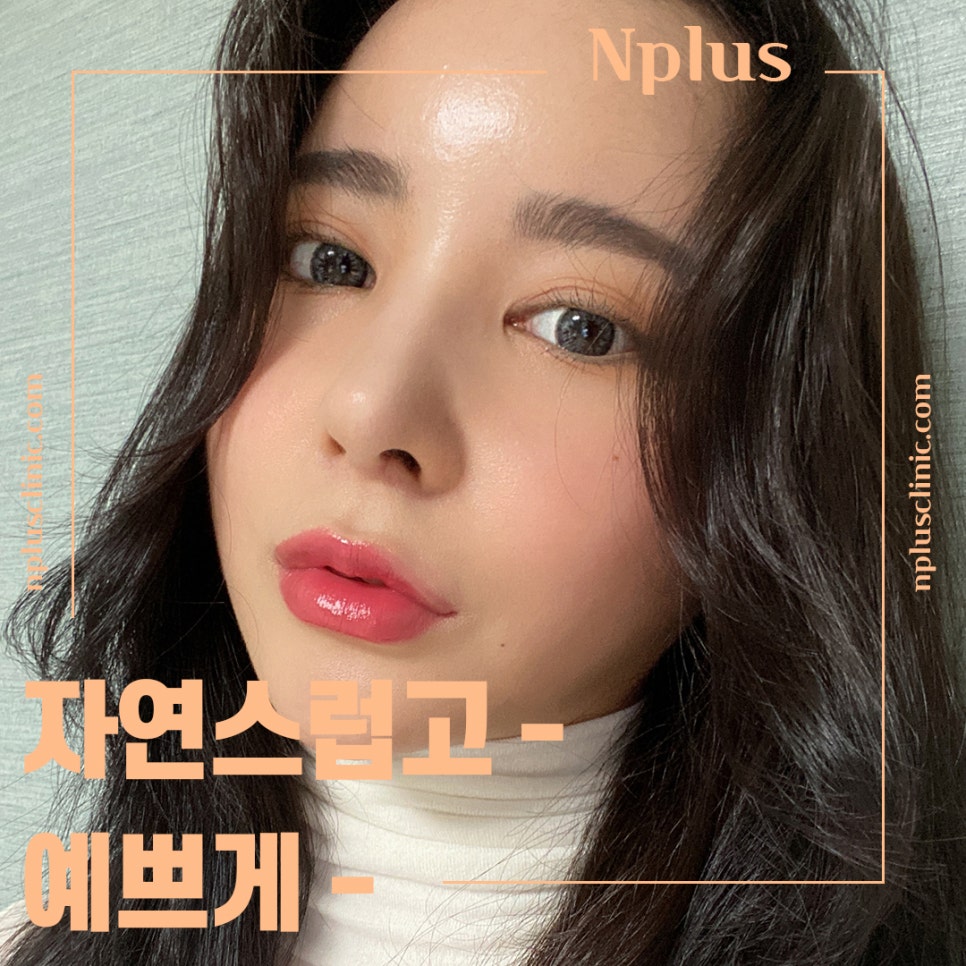
Therefore, when people look into rhinoplasty information, they are usually referring to cases where the nose is generally not straight or well-aligned, such as when it is too low, has a hump, is upturned, droops, or is crooked.
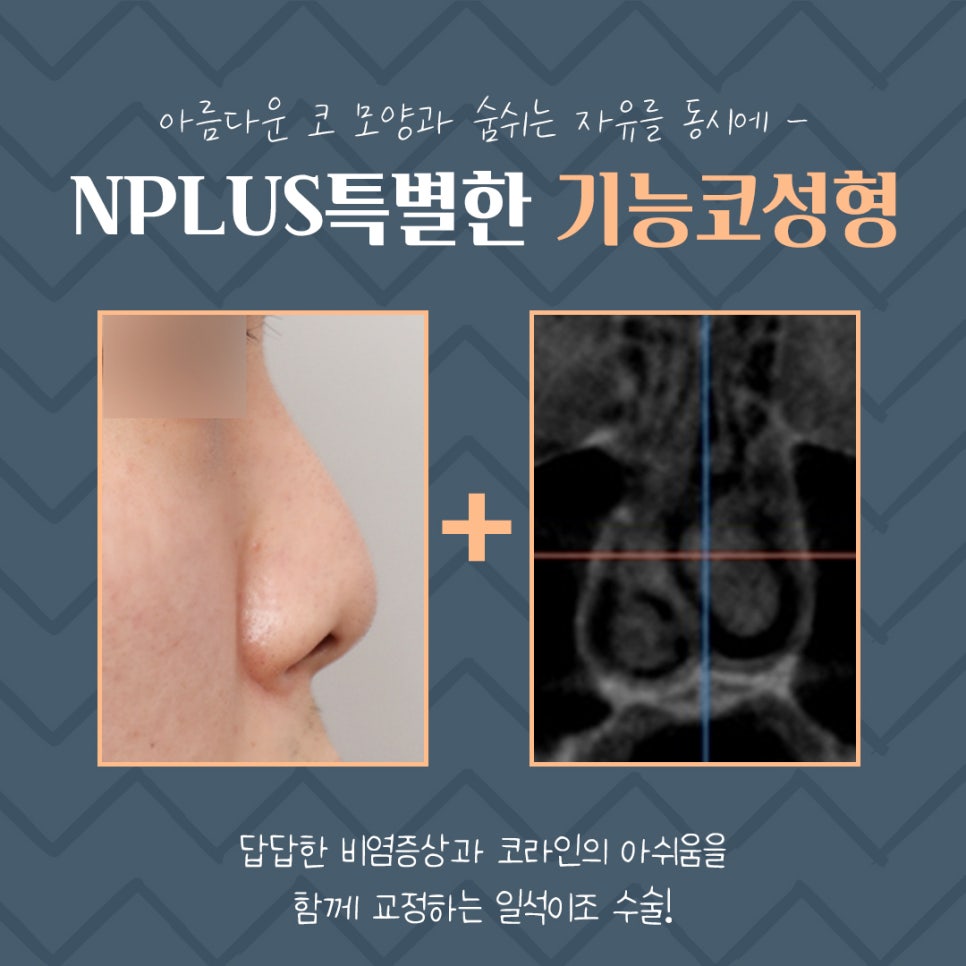
The nose plays an important role in appearance, while also serving as the organ responsible for breathing and the sense of smell. When problems arise in nasal function, improvement can also be attempted through rhinoplasty. A surgery that combines functional nasal surgery, which corrects internal nasal discomfort, with cosmetic rhinoplasty, which addresses areas of dissatisfaction in the appearance of the nose, is called functional rhinoplasty. If you look into functional rhinoplasty reviews, you can also check the details.

When looking into functional rhinoplasty reviews, a representative symptom is nasal congestion caused by rhinitis. Rhinitis is a condition that more than 70% of adults in Korea have, and among them, 20% is allergic rhinitis while the remaining 80% is structural rhinitis caused by abnormalities in the internal nasal structure. In the case of allergic rhinitis, because it is triggered by specific substances or weather conditions, complete recovery is difficult, and temporary symptom relief can be expected through consistent medication and improved immunity. In the case of structural rhinitis, because it appears due to deformities in the internal nasal structure, a cure can be expected through surgery.
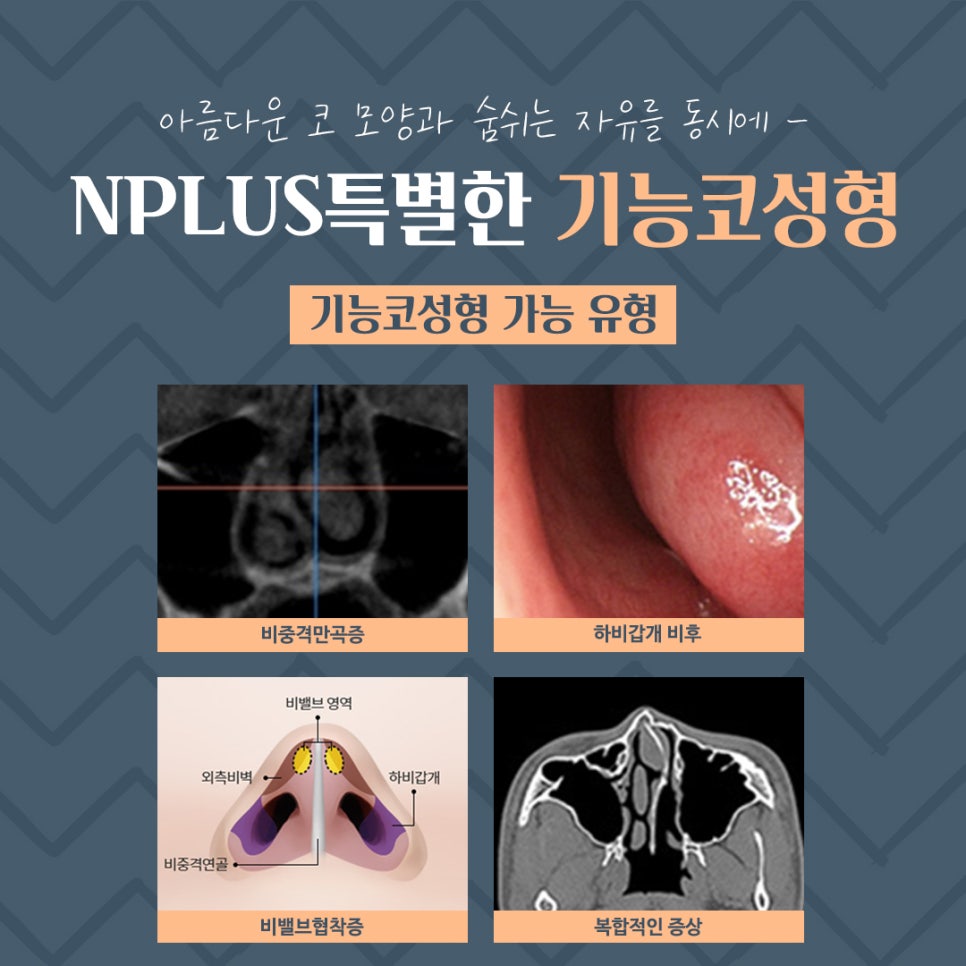
If you check functional rhinoplasty reviews, you can see that the condition of structural rhinitis differs from person to person. The most representative causes of structural rhinitis include deviated septum, nasal valve stenosis, and inferior turbinate hypertrophy. A deviated septum refers to a bent septum, which acts as the divider separating the two nostrils. Inferior turbinate hypertrophy refers to an enlarged inferior turbinate, which is a fleshy tissue inside the nose. Nasal valve stenosis refers to narrowing of the nasal valve, which functions as the roof of the nose. In this way, structural rhinitis causes nasal congestion by obstructing the flow of air entering through the nose due to internal nasal problems.
When nasal congestion appears due to structural rhinitis, treatment may not be necessary if the symptoms are mild. However, as the symptoms become more severe, the likelihood of developing chronic rhinitis increases. If it progresses to chronic rhinitis, insufficient oxygen supply to the brain due to nasal congestion may lead to headaches, migraines, reduced concentration, and loss of motivation. If you breathe through your mouth, complications such as dry mouth, sore throat, and pharyngitis may occur, so surgery based on an accurate diagnosis is necessary for a satisfying functional rhinoplasty review.

However, nasal congestion alone cannot determine whether it is allergic rhinitis or structural rhinitis. It can be identified through devices such as allergy tests and functional tests. Since making an accurate diagnosis based on such data is important, those looking into functional rhinoplasty reviews should carefully check whether the medical staff have a strong anatomical understanding of the nose, whether they have sufficient experience and expertise in the field, whether equipment is available to accurately assess the condition of your nose, and whether reliable post-operative care is guaranteed. Choosing surgery after carefully reviewing these points can be helpful for a functional rhinoplasty review.
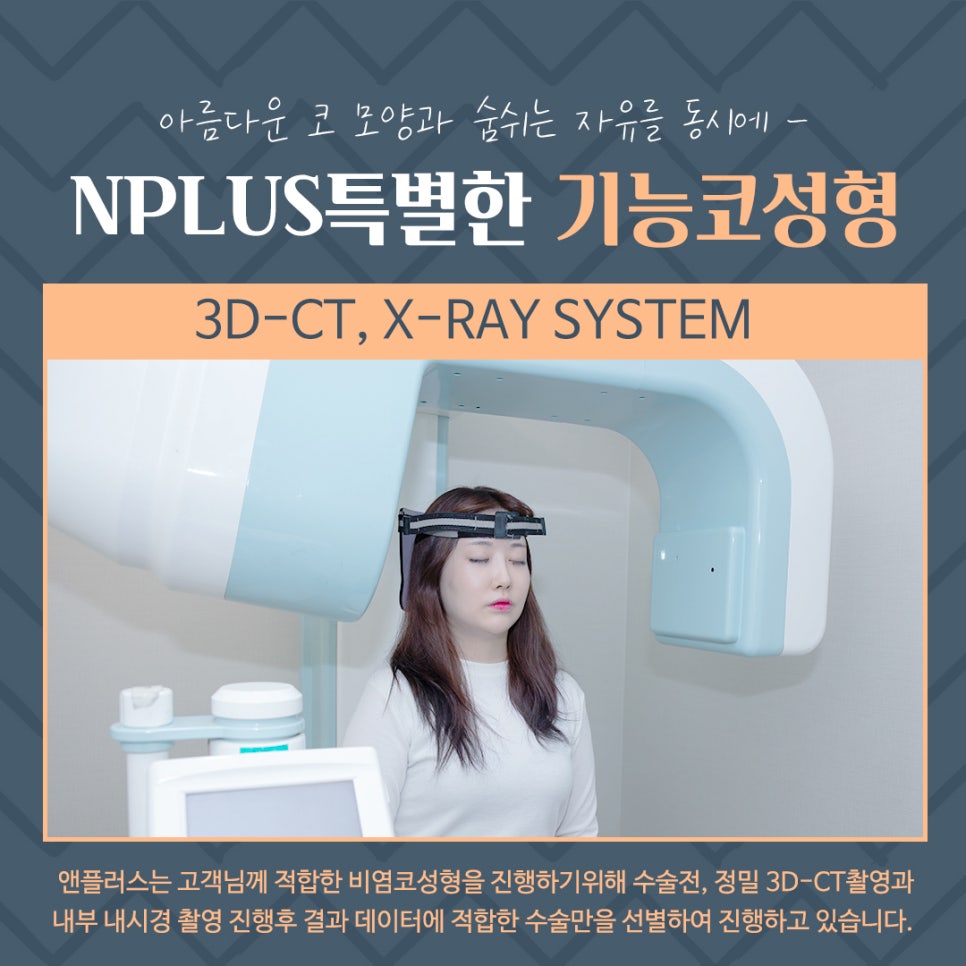
At Oji Ko Hospital & N Plus Clinic, to ensure a safe and satisfying functional rhinoplasty review, the current condition of the nose is accurately assessed through preoperative 3D-CT scans, internal endoscopy, various allergy tests, and internal nasal function tests. Based on the extracted data, analysis is performed and a surgical plan is established, so surgery is carried out using methods and materials suited to each individual’s condition.

For functional rhinoplasty, corrective treatment is performed according to the symptoms of deviated septum, inferior turbinate hypertrophy, and nasal valve stenosis, followed by cosmetic rhinoplasty.
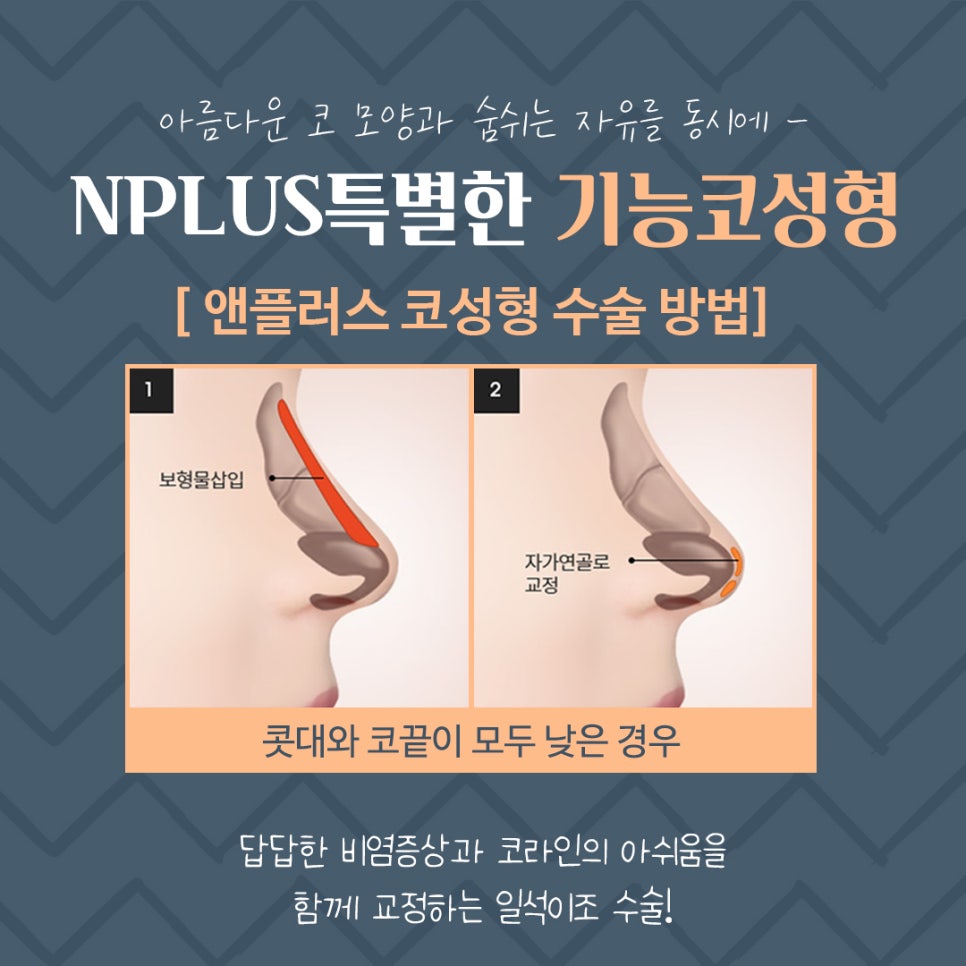
For cosmetic rhinoplasty, the bridge of the nose is usually designed using silicone, and the tip of the nose using autologous cartilage.
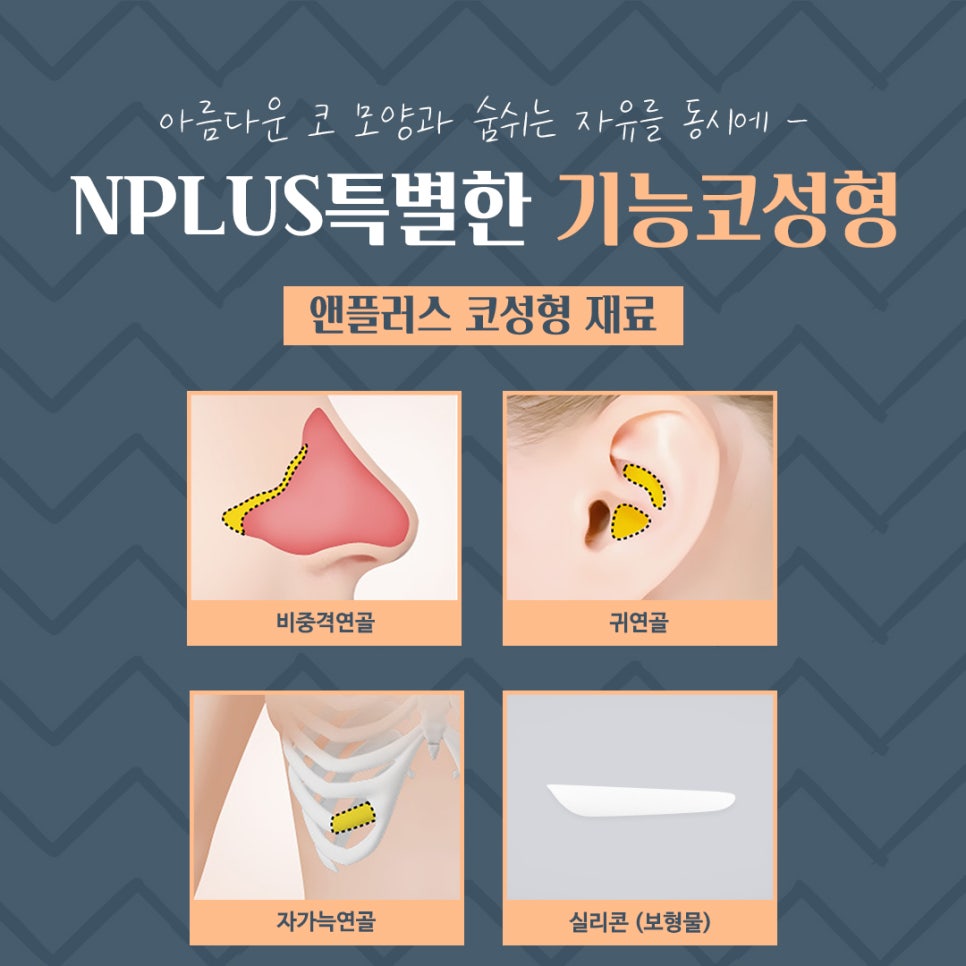
As mentioned earlier, the materials used in functional rhinoplasty are silicone for the bridge and autologous cartilage for the tip. Autologous cartilage includes septal cartilage, ear cartilage, and autologous rib cartilage, and the surgery is performed with materials that suit the patient after preoperative examinations.
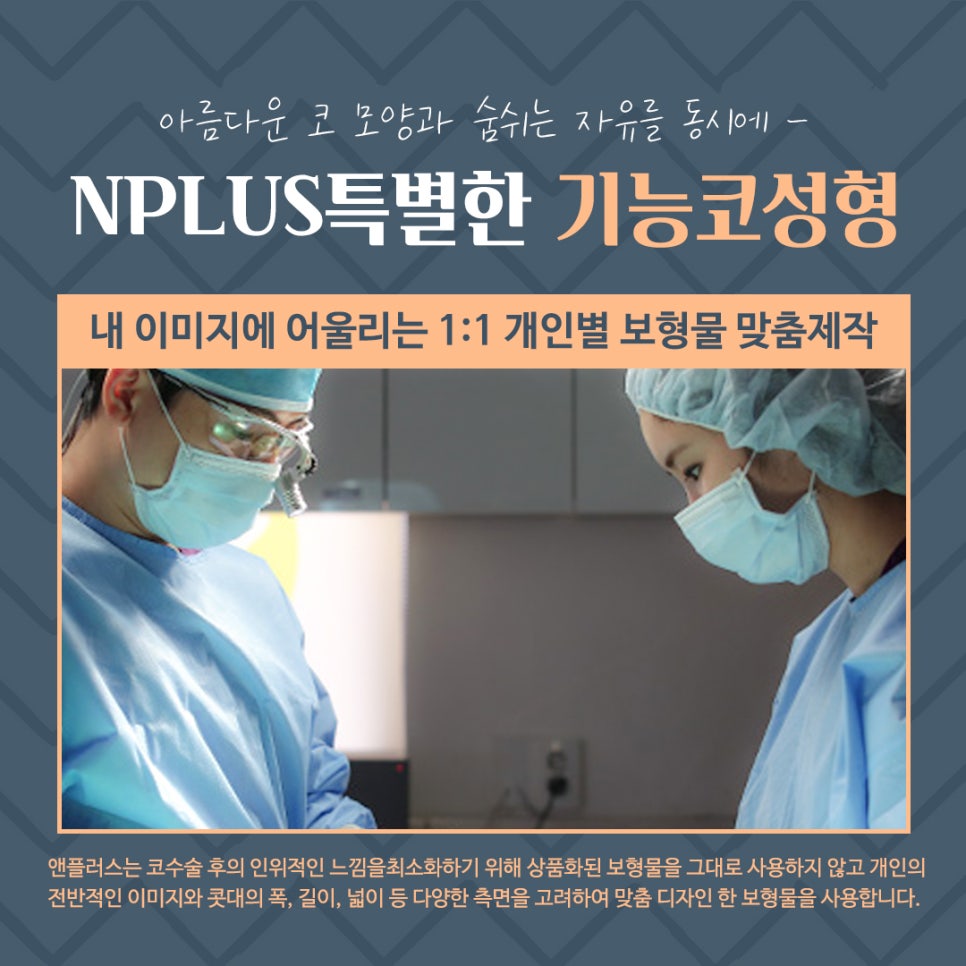
In the case of implants used for the bridge of the nose, rather than using commercially produced implants as they are, the implant is carefully shaped by hand in detail while considering various factors such as the individual’s overall image, the width, length, breadth, and height of the bridge, in order to minimize an artificial look during surgery. This can lead to a more satisfying functional rhinoplasty review.

At Oji Ko Hospital & N Plus Clinic, Director Yoon Hyun-cheol personally handles the entire process one-on-one, from consultation related to functional rhinoplasty, to establishing the surgical plan, performing the procedure, treatment, and follow-up visits, allowing patients to receive a high level of medical service.

For post-operative care, an N Plus membership card is issued to provide a one-year warranty after surgery, and a surgery responsibility guarantee system is in place to prepare for any post-operative pain, inflammation, dissatisfaction with the shape, or any other situation that may arise. This makes for an even safer and more satisfying functional rhinoplasty review through aftercare.
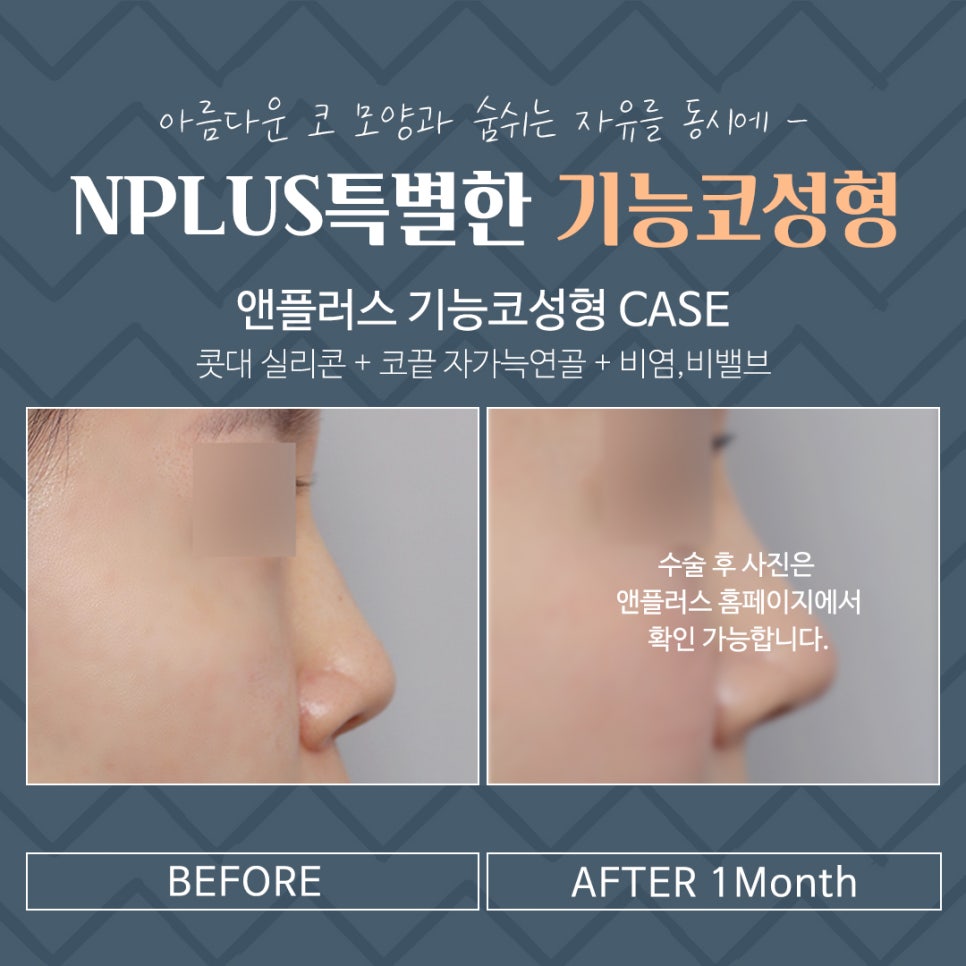
(The image above shows actual before-and-after photos from a functional rhinoplasty review at Oji Ko Hospital & N Plus Clinic.)
That concludes our introduction to the functional rhinoplasty review at Oji Ko Hospital & N Plus Clinic. We hope this article has been very helpful to those who are currently unhappy with the shape of their nose or are experiencing inconvenience in daily life due to nasal congestion caused by rhinitis. Thank you.