
Hello. We are OjiKo N Plus Clinic, which has been focusing only on your beautiful and healthy nose for 16 years.
This post covers a case of post-nose-surgery contracture in which the cause was thoroughly identified.

Many people are becoming increasingly interested in plastic surgery to improve their appearance. Among these, the nose is one of the most prominent features on our face and plays a key role in balancing the entire facial structure. When people feel that the shape of their nose is not in harmony with their features, it can become a greater source of concern. As a result, more and more people are trying rhinoplasty to improve their appearance in cases such as a low nose, an upturned nose, a crooked nose, a hump nose, or a drooping nose.
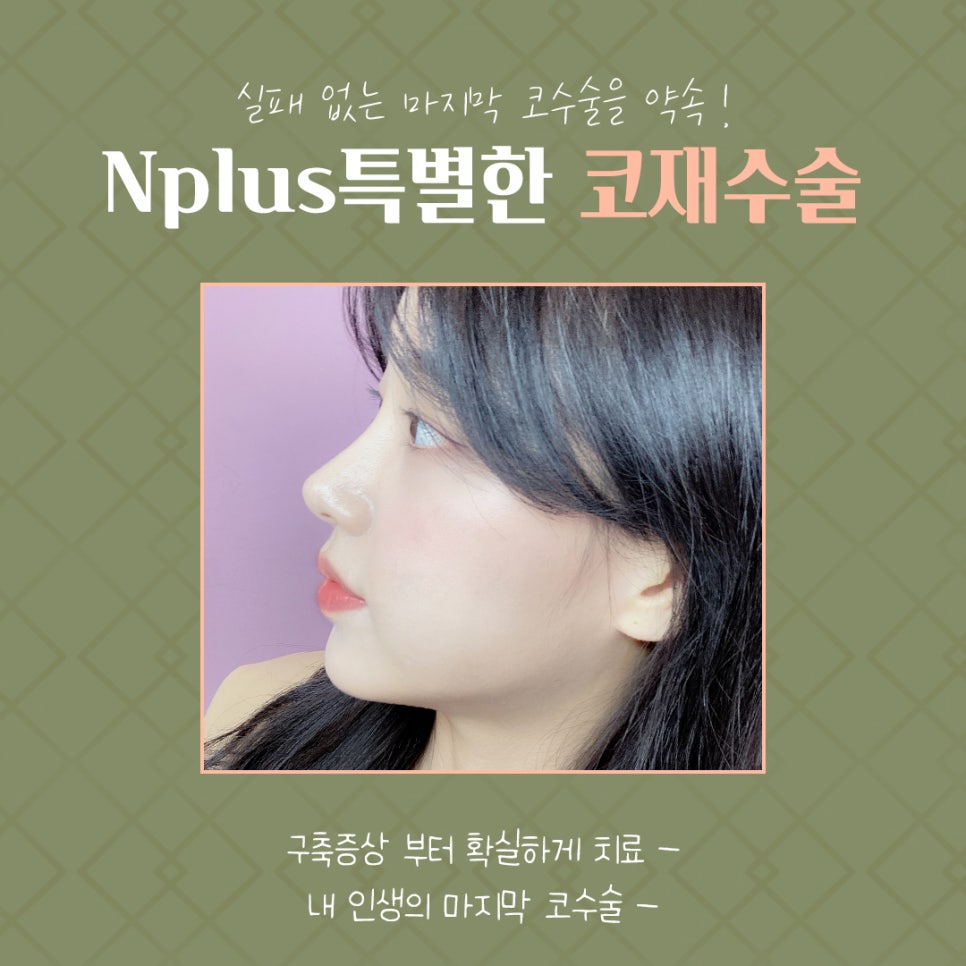
While many people are satisfied with the changes achieved through rhinoplasty, there is especially strong interest in contracture nose surgery reviews among those who need revision surgery due to shape-related dissatisfaction, inflammation, or contracture.

The nose is an important external feature because it helps determine facial balance and overall appearance. It is also an organ responsible for breathing and the sense of smell, so it plays an important functional role throughout the body. However, if you approach rhinoplasty too casually from a cosmetic perspective, the results may not be satisfying. In such cases, some people choose revision surgery by their own decision in pursuit of better results. But for those considering revision surgery because of contracture or inflammation, it is something that must be done as a necessary medical step. Therefore, after carefully and thoroughly researching your options, choosing the right treatment can lead to a more satisfactory post-nose-surgery contracture case.
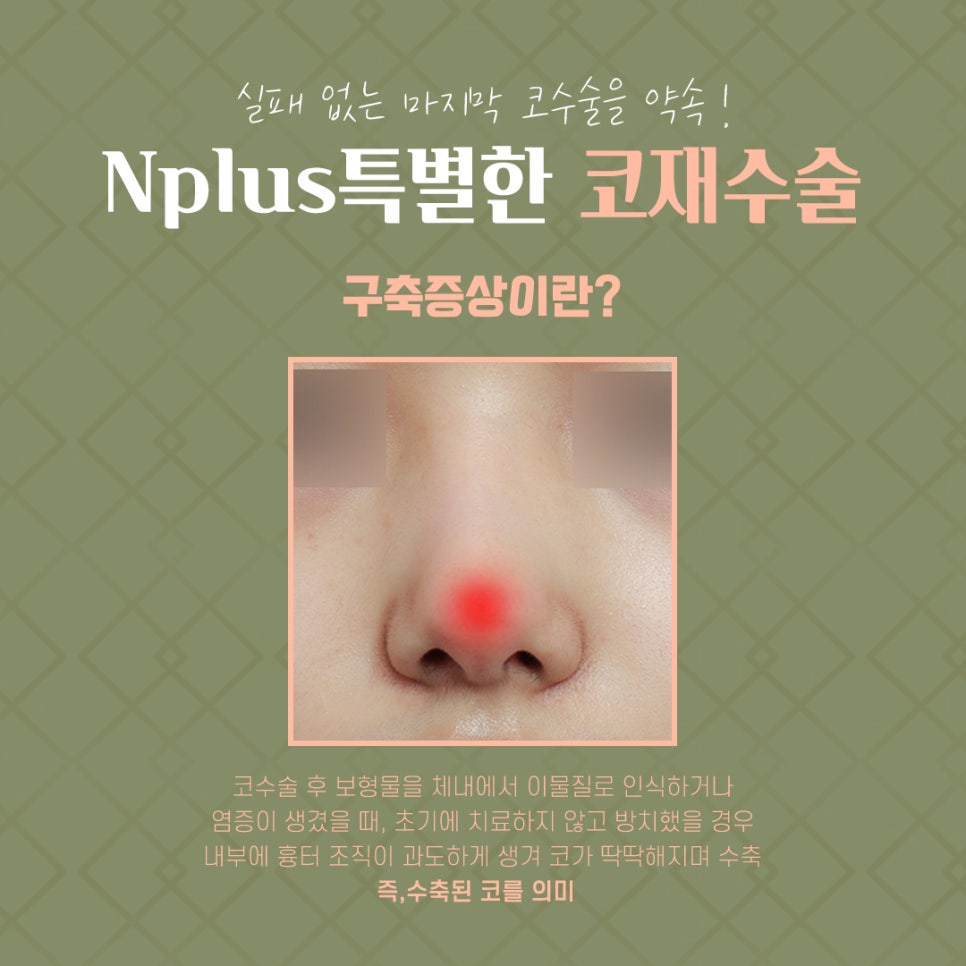
What is contracture nose surgery? After nose surgery, if the implant is recognized by the body as a foreign substance or inflammation occurs and is left untreated in the early stages, excessive scar tissue can form inside, causing the nose to harden and contract. In other words, it refers to a contracted nose, and it is a surgery that corrects the contracted nose through various procedures and surgical methods.
If you look at post-nose-surgery contracture cases, contracture or inflammation means that the internal tissue has been damaged, and because the causes vary, you need to properly identify the cause of the contracture nose and inflammation, then provide treatment accordingly before proceeding with revision surgery to reduce the likelihood of recurrence. Therefore, for those researching contracture nose surgery cases, it can be helpful to carefully check whether the medical team has strong anatomical knowledge of the nose, whether they have extensive experience and clinical history, whether equipment is available to accurately assess the condition of your nose, and whether aftercare is fully guaranteed before deciding on surgery.
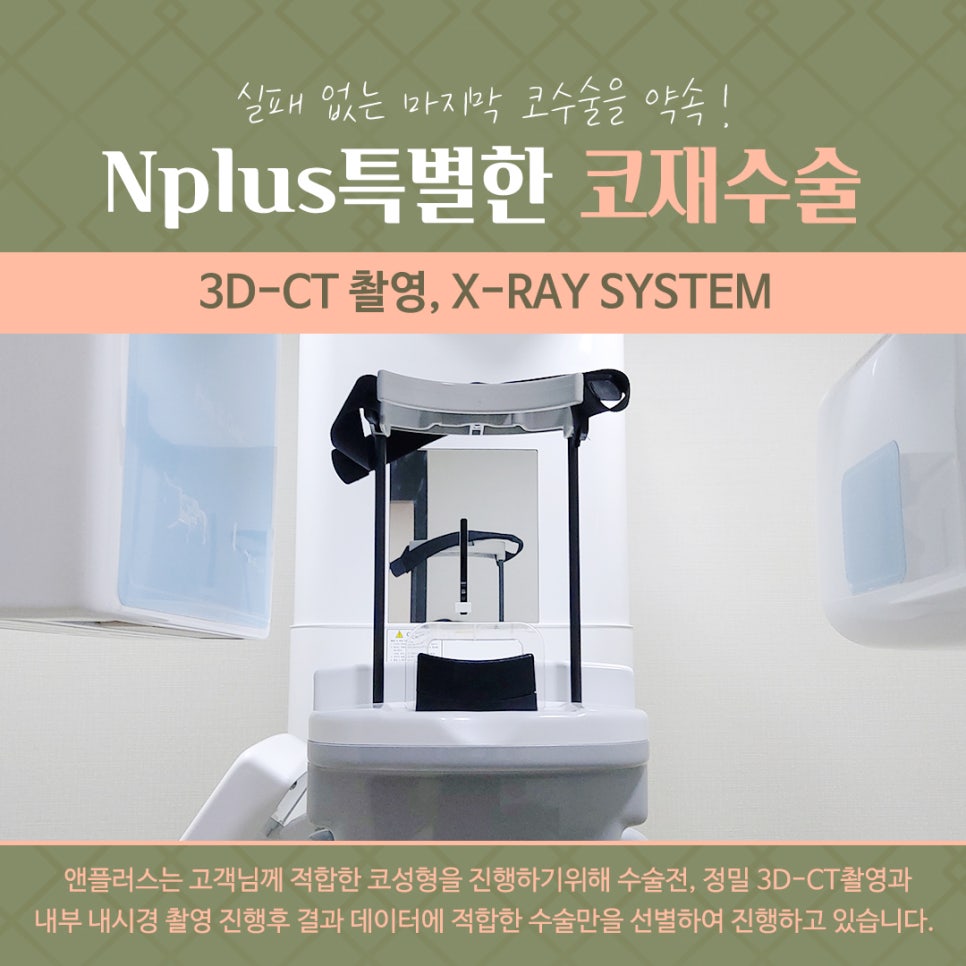
At OjiKo N Plus Clinic, to ensure a safe and satisfying post-nose-surgery contracture case, the cause of the contracture is accurately analyzed through 3D-CT scans, internal endoscopy, nasal internal function tests, and various allergy tests. Based on the collected data, the implant that caused the inflammatory reaction is safely removed, and then personalized treatment is used to restore the damaged tissue before revision rhinoplasty is performed.
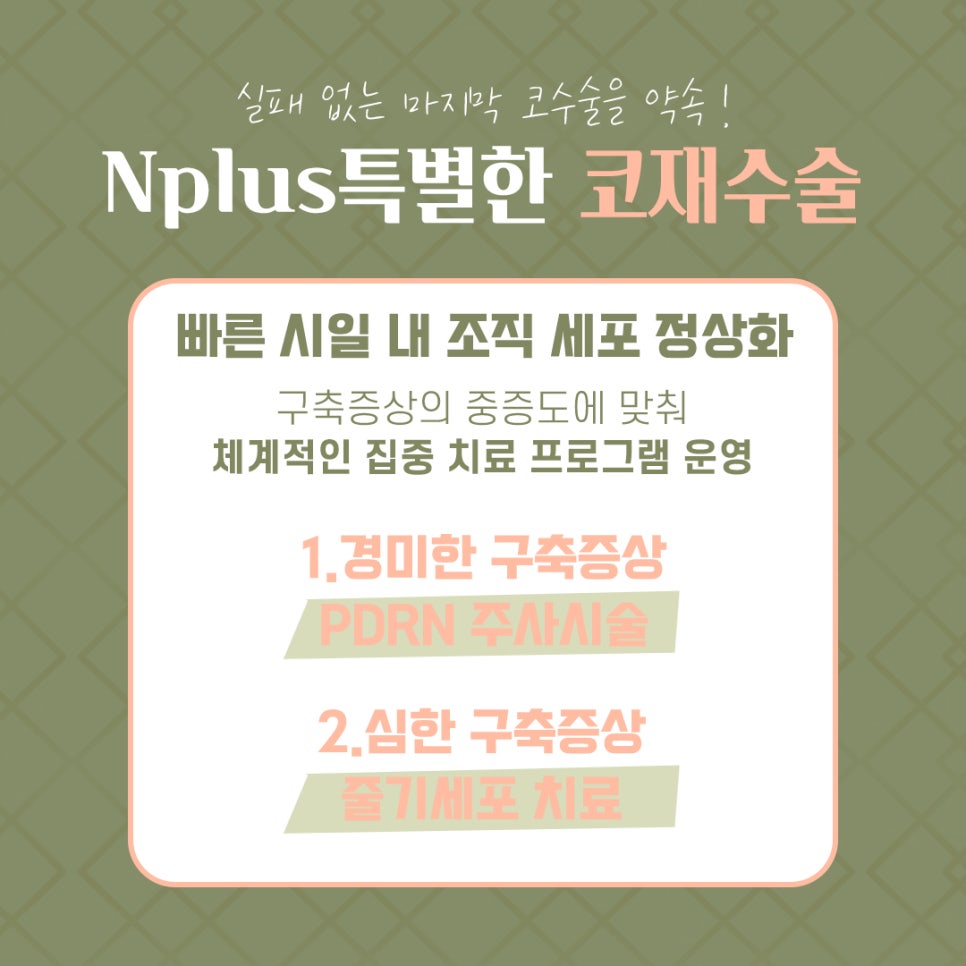
In general, revision surgery for contracture nose is considered safe when performed at least 6 months to 1 year after the final surgery. However, when contracture symptoms occur due to implant inflammation or other causes, a systematic regenerative treatment program is used to restore the damaged tissue around the nose as quickly as possible, helping to advance the timing of revision surgery and proceed with the post-nose-surgery contracture case.
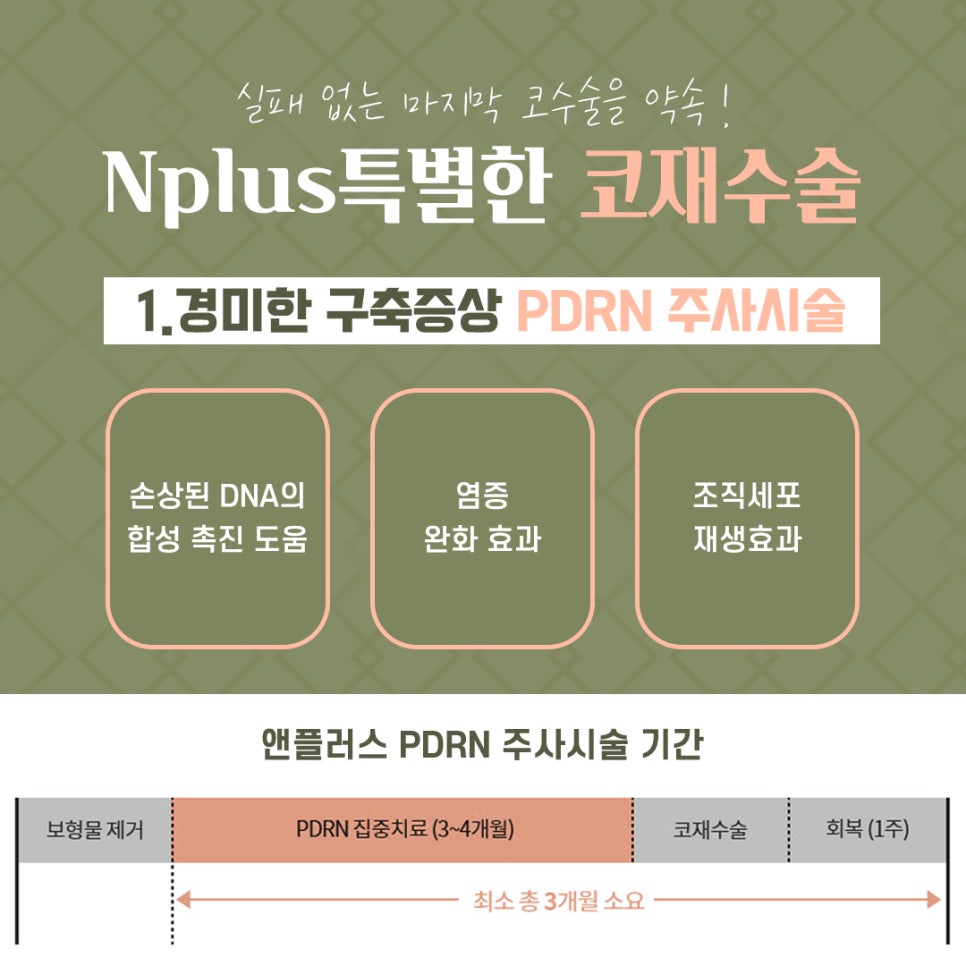
First, the program is selected according to the symptoms of contracture. When the contracture symptoms are mild, a PDRN injection procedure is performed. PDRN is a DNA fragment extracted and processed from salmon DNA that is effective for regeneration and inflammation relief, so it is the first treatment program considered when the contracture symptoms are not severe.
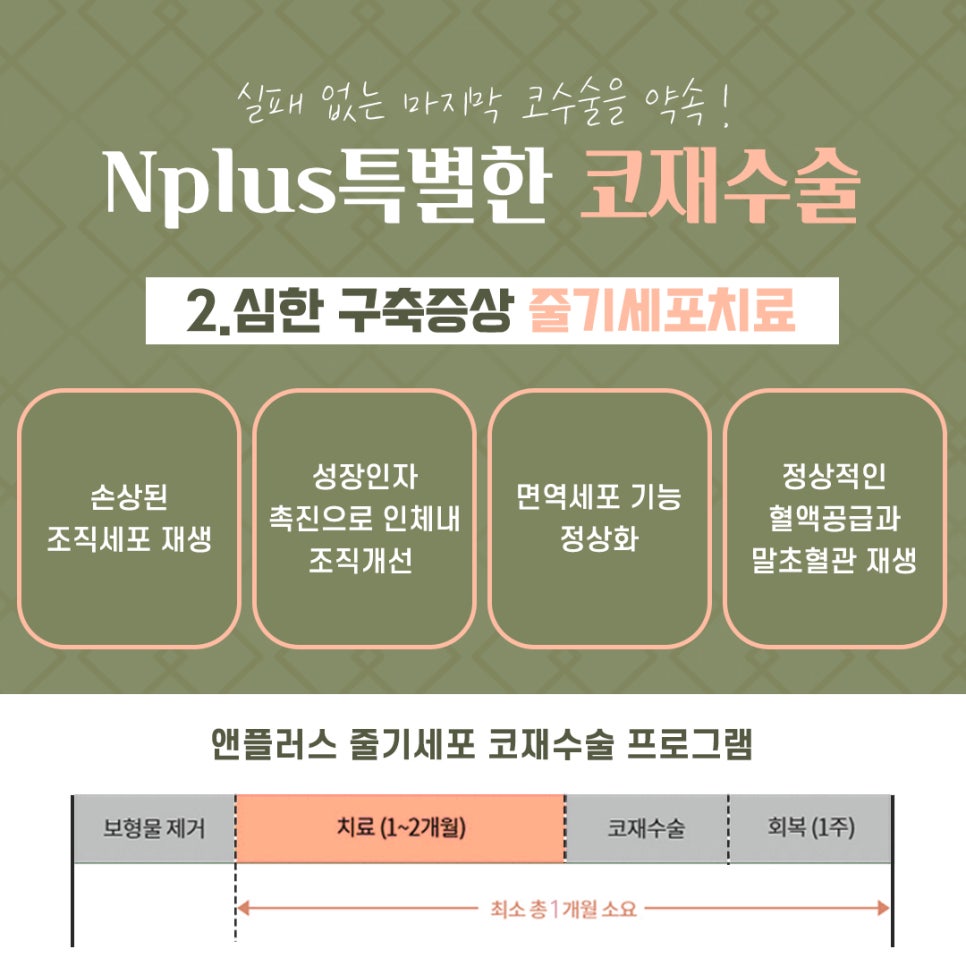
When the contracture symptoms are severe, stem cell treatment is performed. Stem cell treatment is a program in which stem cells extracted from the patient’s fatty tissue are separated and concentrated, made into an injectable product, and then administered periodically. Stem cell injections are given intensively over a period of about 2 months, and the timing for possible contracture nose revision surgery is determined according to the patient’s tissue regeneration speed.
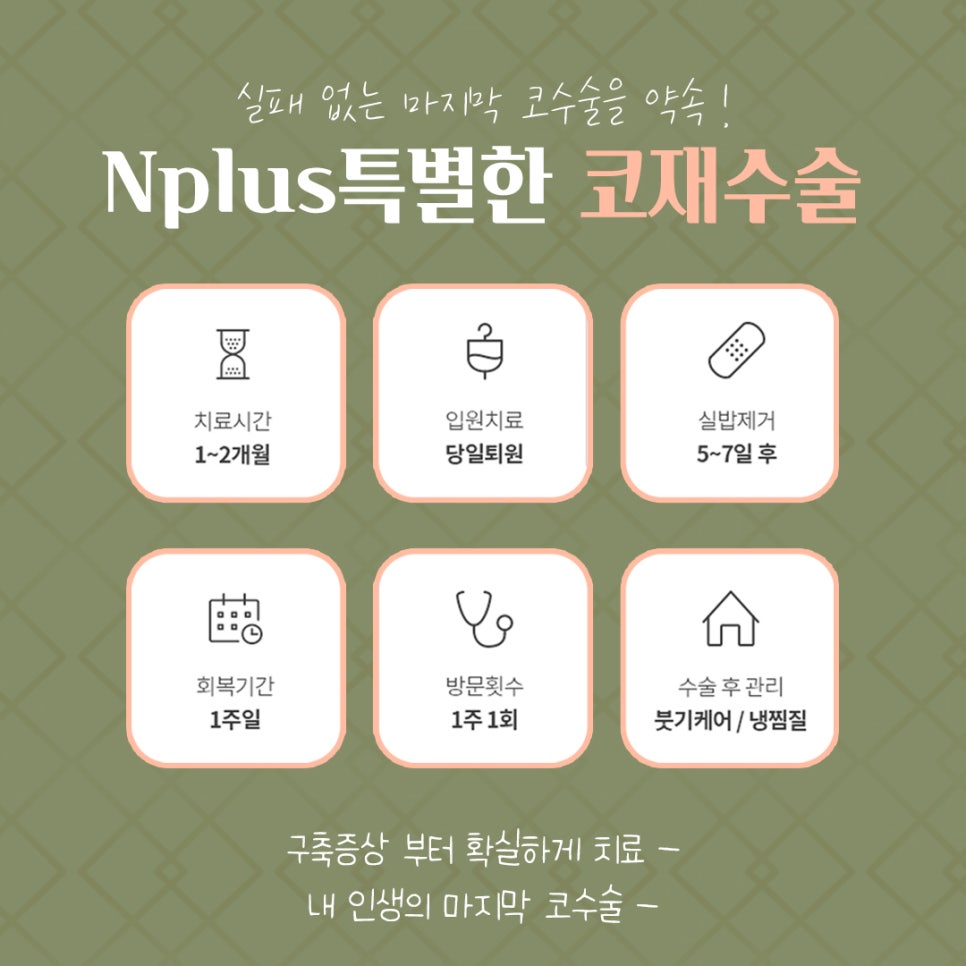
After completing treatment tailored to each individual’s contracture condition, revision surgery can be performed. In the case of aesthetic revision rhinoplasty performed after contracture nose treatment, it is important to minimize the use of implants and supplement the skin deficit caused by damage with autologous skin grafts.
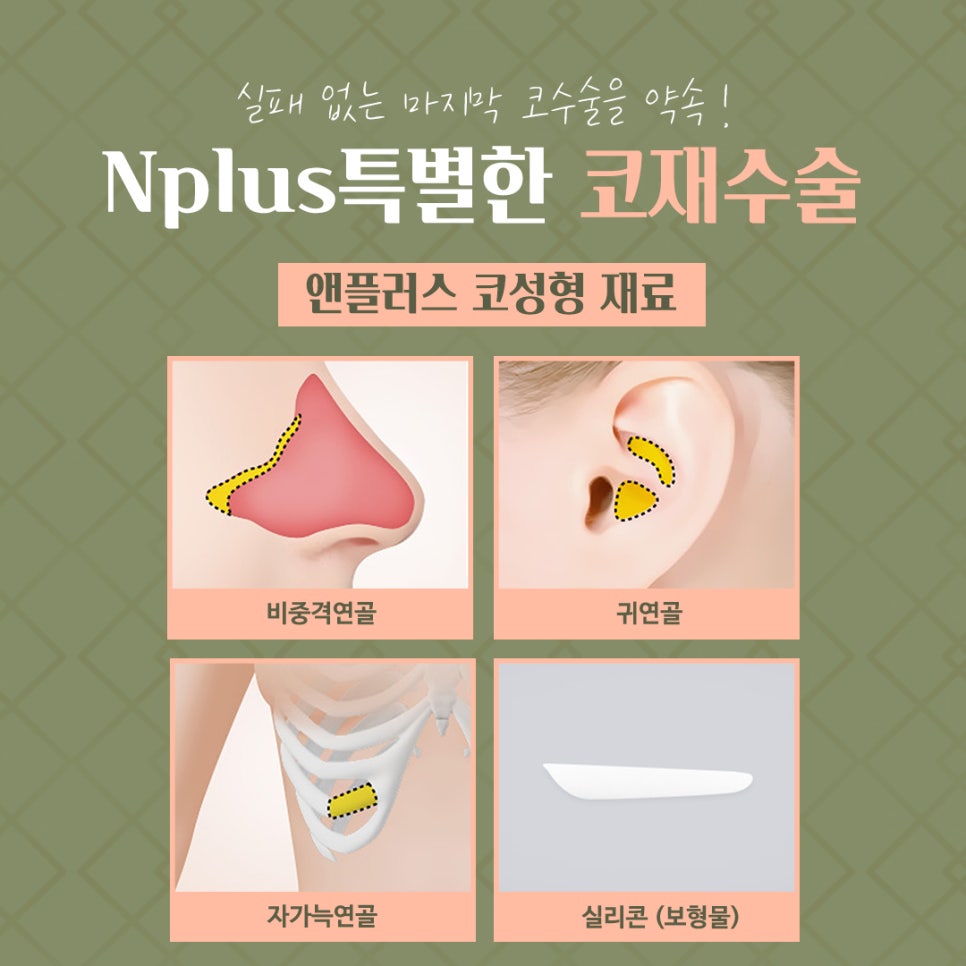
Therefore, if you look at post-nose-surgery contracture cases, you can see that the materials used differ from person to person. This varies depending on the condition of each person’s cartilage before surgery, and autologous cartilage options include ear cartilage, septal cartilage, and autologous rib cartilage.
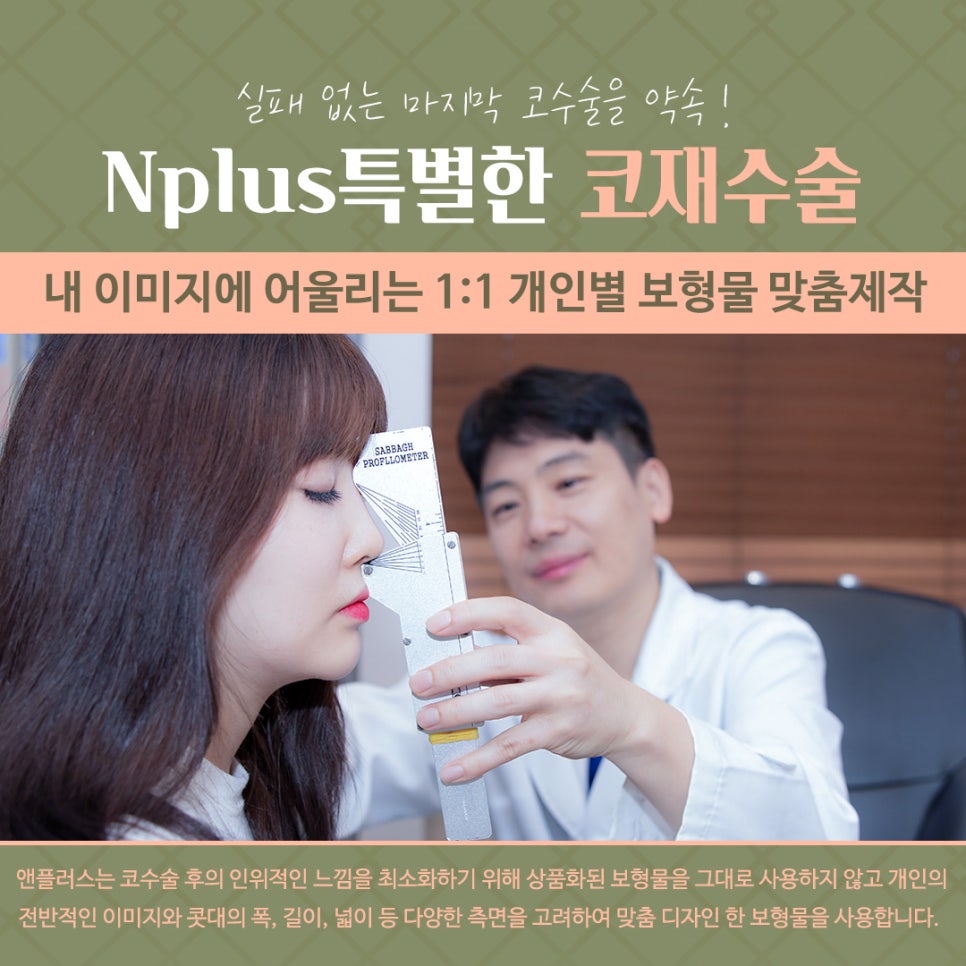
If a nasal bridge implant is needed, it is not simply a commercial implant used as-is. To minimize an artificial feeling after nose surgery, the implant is carefully shaped by hand after considering various factors such as the individual’s overall appearance, the width and length of the nasal bridge, and the width of the nasal tip. As a result, a natural nose line is achieved without awkwardness, from the glabella and nasal bridge line to the nasal tip line, where some foreign-body sensation may otherwise be felt.
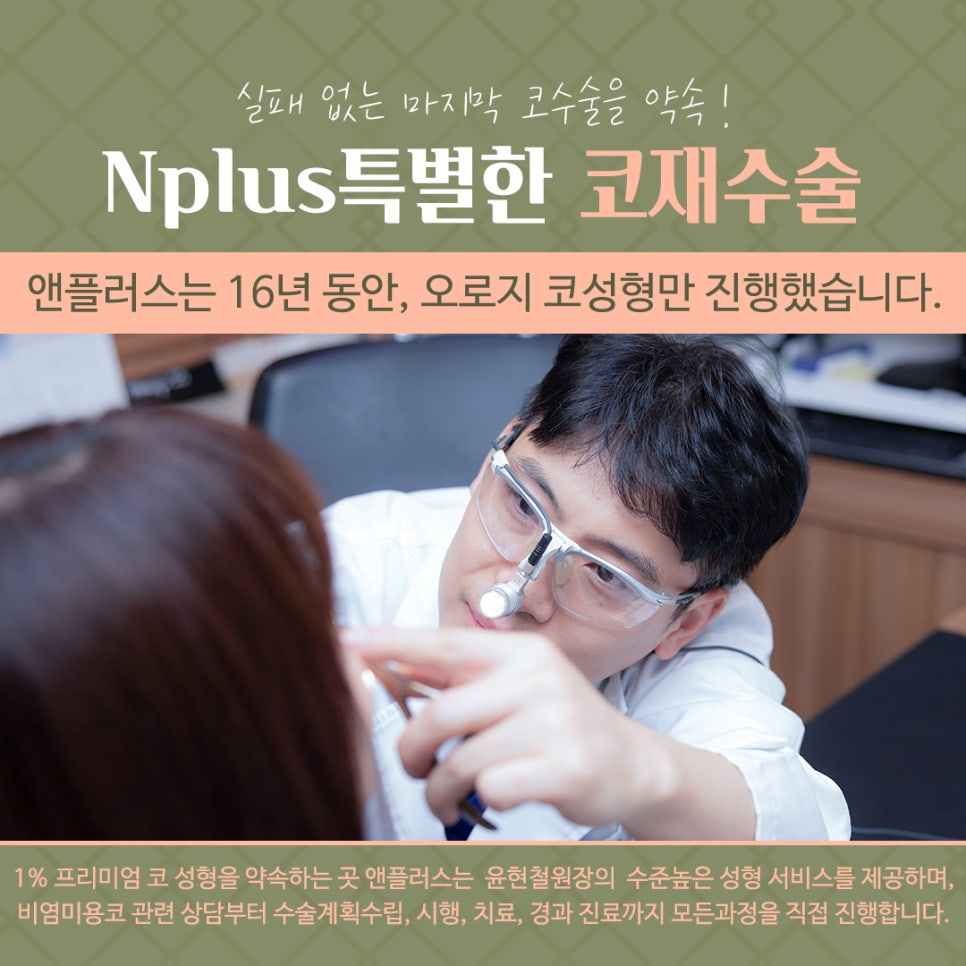
At OjiKo N Plus Clinic, Director Yoon Hyun-cheol personally handles each case one-on-one, from consultation about contracture nose surgery, to surgical planning, procedure, treatment, and follow-up examinations. This provides high-level medical service so that patients can have a safer and more satisfying post-nose-surgery contracture case.
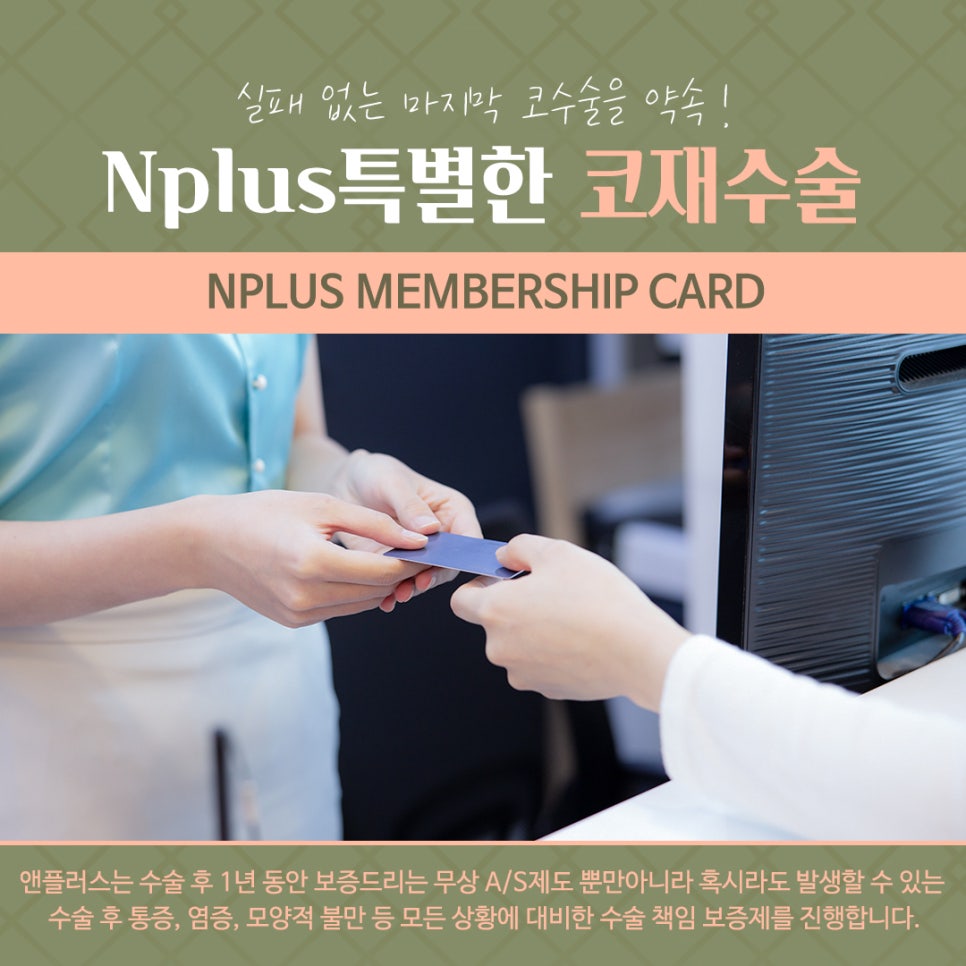
Aftercare is also supported by a one-year warranty system after surgery, and a surgery responsibility guarantee system is implemented to prepare for all possible post-surgery situations such as pain, inflammation, or dissatisfaction with the shape. This leads to a more satisfying post-nose-surgery contracture case, and customers who have an N Plus membership card can receive aftercare benefits at any time.
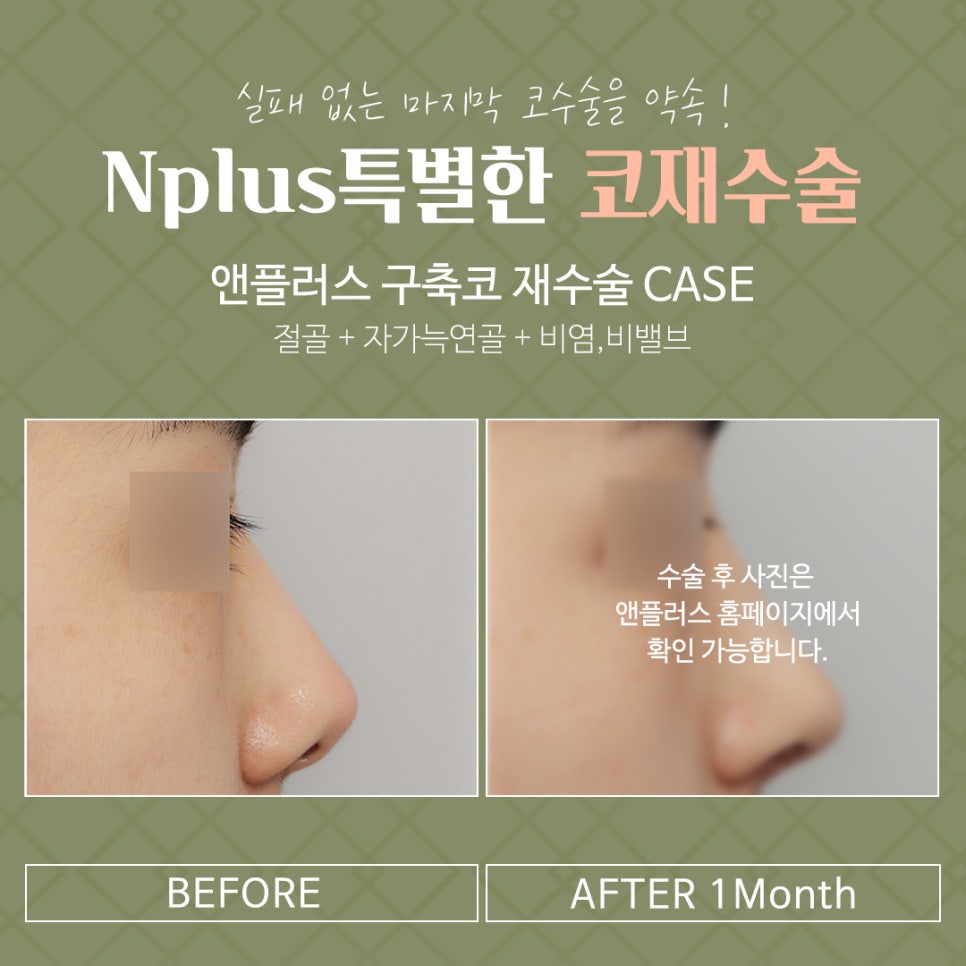
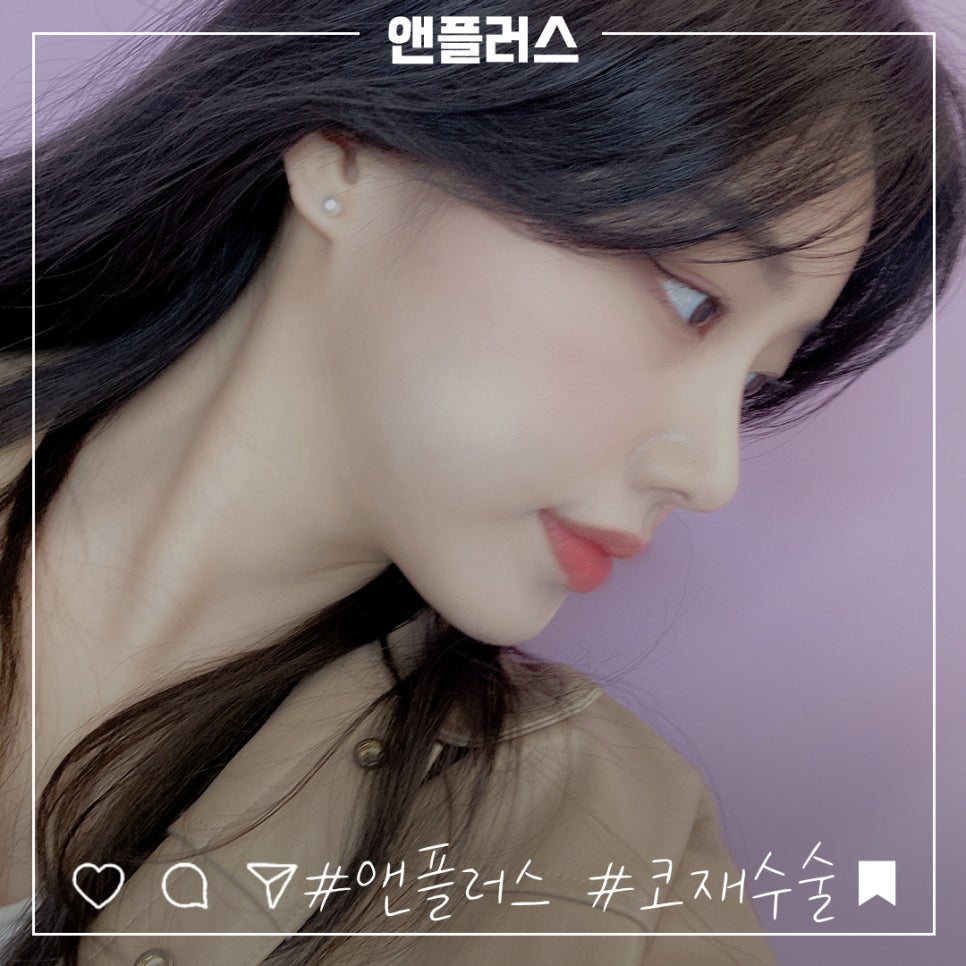
(The image above shows before-and-after photos from an actual post-nose-surgery contracture case at OjiKo N Plus Clinic.)
That concludes the information about post-nose-surgery contracture cases handled with thorough cause identification at OjiKo N Plus Clinic. I hope this post is helpful for those who are currently considering surgery due to contracture nose. Thank you.