
Hello. This is Ojiko Hospital N+Plus, which cares only about your healthy and beautiful nose.
What I’m introducing this time is a detailed review of hump nose surgery, including functional aspects.

In modern times, appearance is often considered a key factor, and as standards for appearance have risen, many people have become more interested in cosmetic procedures to feel more satisfied with themselves or to create a more favorable impression on others. Among many types of plastic surgery, the nose is located at the center of the face and is one of the most three-dimensional areas, so even a slight change in the shape of the nose can make a big difference in how a person looks, which is why rhinoplasty remains popular.

Therefore, people looking into rhinoplasty may be concerned that the nose is too low, bent, upturned, drooping, or that a bumpy hump is protruding. In particular, when there is a pronounced hump or when the nose has the shape of a hump nose with a drooping tip, it may create a harsh or strong impression, and for those looking to improve this, you can learn more by reviewing hump nose surgery cases in detail.
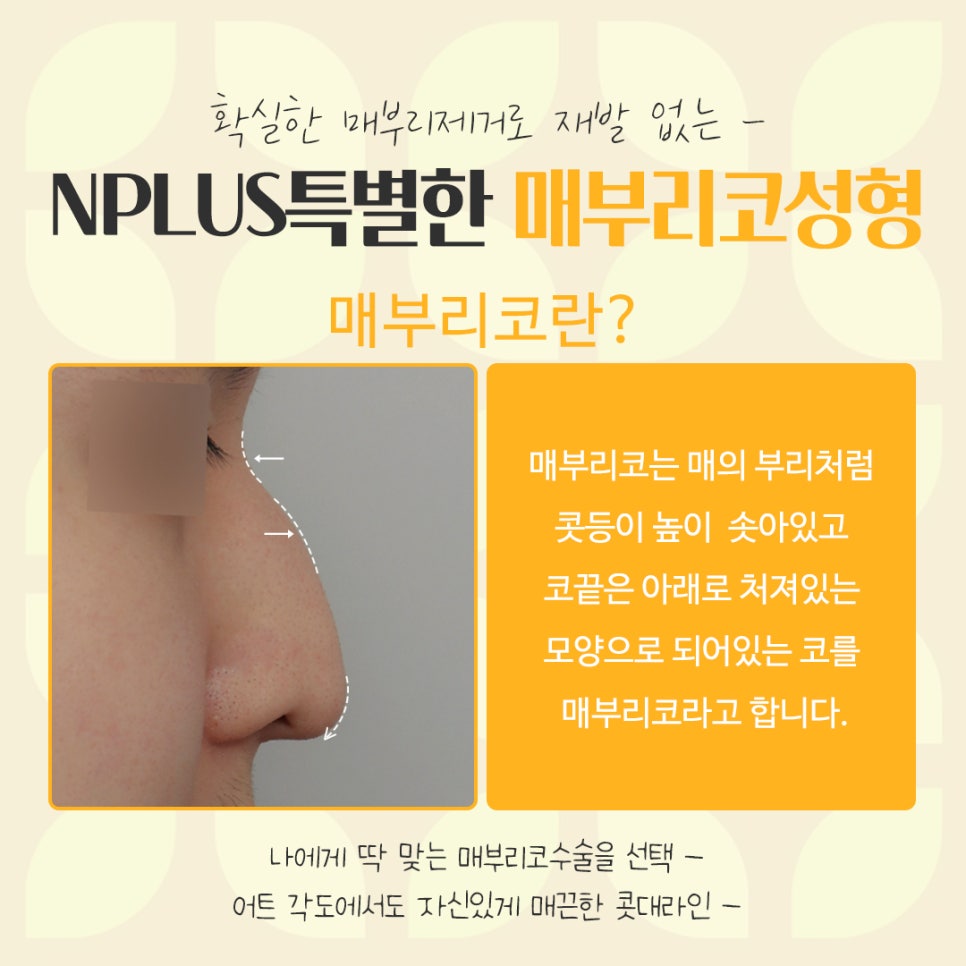
What is hump nose surgery? It refers to a nose whose tip droops like a hawk’s beak, a nose bridge with a bumpy protruding hump, or a crooked nose shape. The causes of a hump nose are divided into congenital and acquired causes. Congenital causes refer to genetic influences, while acquired causes refer to humps formed due to trauma. In particular, many cases of hump nose are caused by acquired factors, and through hump nose surgery, the hump is removed, the bridge is designed to be smoother, or a drooping tip is lifted. Therefore, checking hump nose surgery reviews may make it easier to understand.

For this reason, the types of people looking into hump nose surgery reviews can vary widely, including cases where the tip is drooping or upturned, the bridge is crooked, the nasal bones are wide, there is a hook nose, the hump is mild or severe, or the bridge is too high. Depending on these types, the surgical method and materials may differ, and in the case of a hump nose, many cases can be visually confirmed when reviewing hump nose surgery results. However, it is difficult to determine the extent of internal bone deviation or functional issues from the hump alone, so it is important to accurately check the condition of the nose through equipment before surgery.
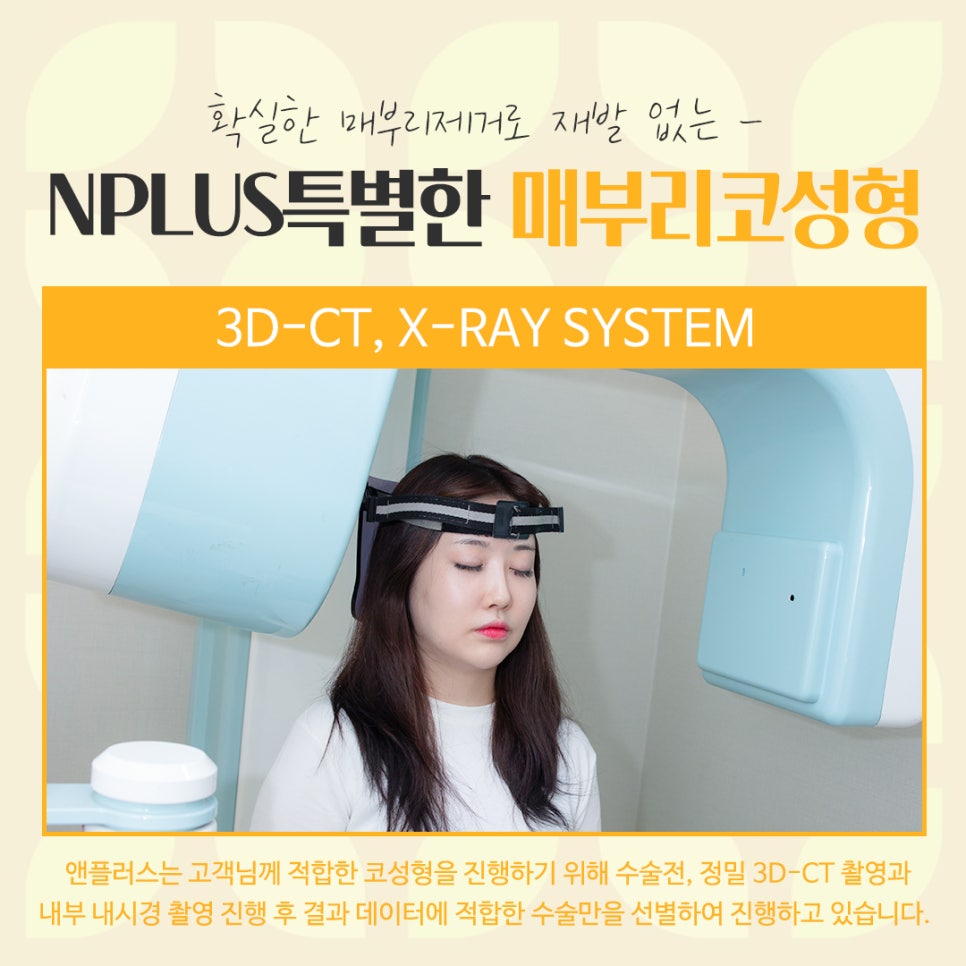
At Ojiko Hospital N+Plus, to ensure a safe and satisfying hump nose surgery review, we accurately assess the current condition of the nose through preoperative 3D-CT imaging, internal endoscopy, various allergy tests, and internal nasal function tests. Based on the analyzed data, we perform surgery using materials and methods tailored to each individual.

Hump nose surgery methods are broadly divided into three categories: cases with a high bridge line, cases with a low bridge line, and cases with only a very mild hump.
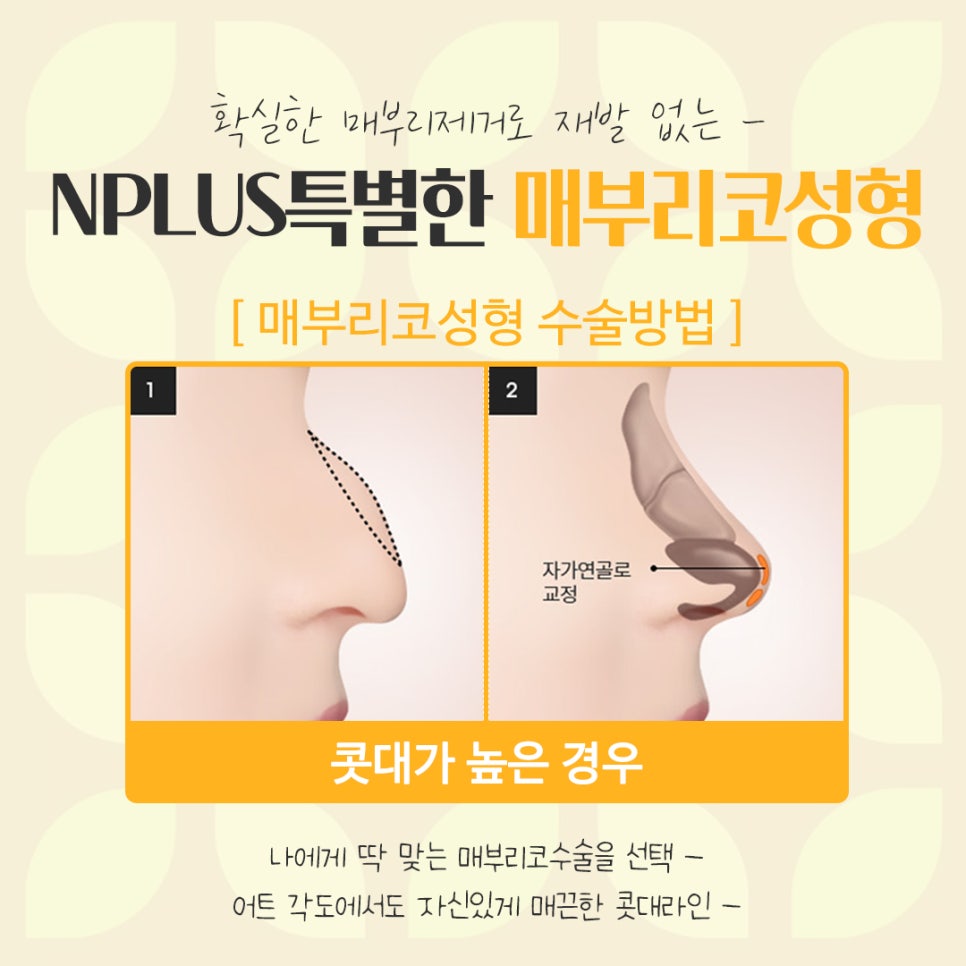
In cases of a hump nose with a high bridge line, after removing the hump or performing osteotomy, the overall nose line is corrected using only autologous cartilage for the tip without using silicone in the bridge.
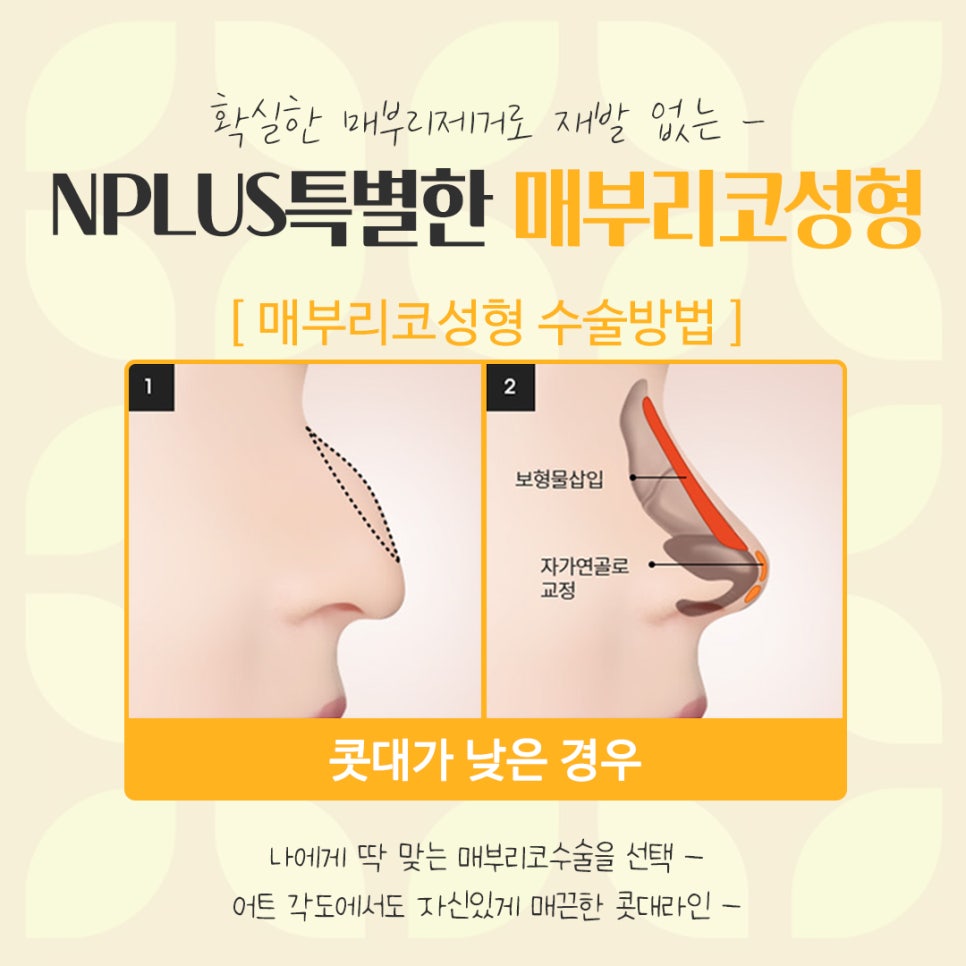
In cases of a hump nose with a low bridge line, after removing the hump or performing osteotomy, silicone is inserted into the bridge, and the tip is adjusted to correct the overall nose line.
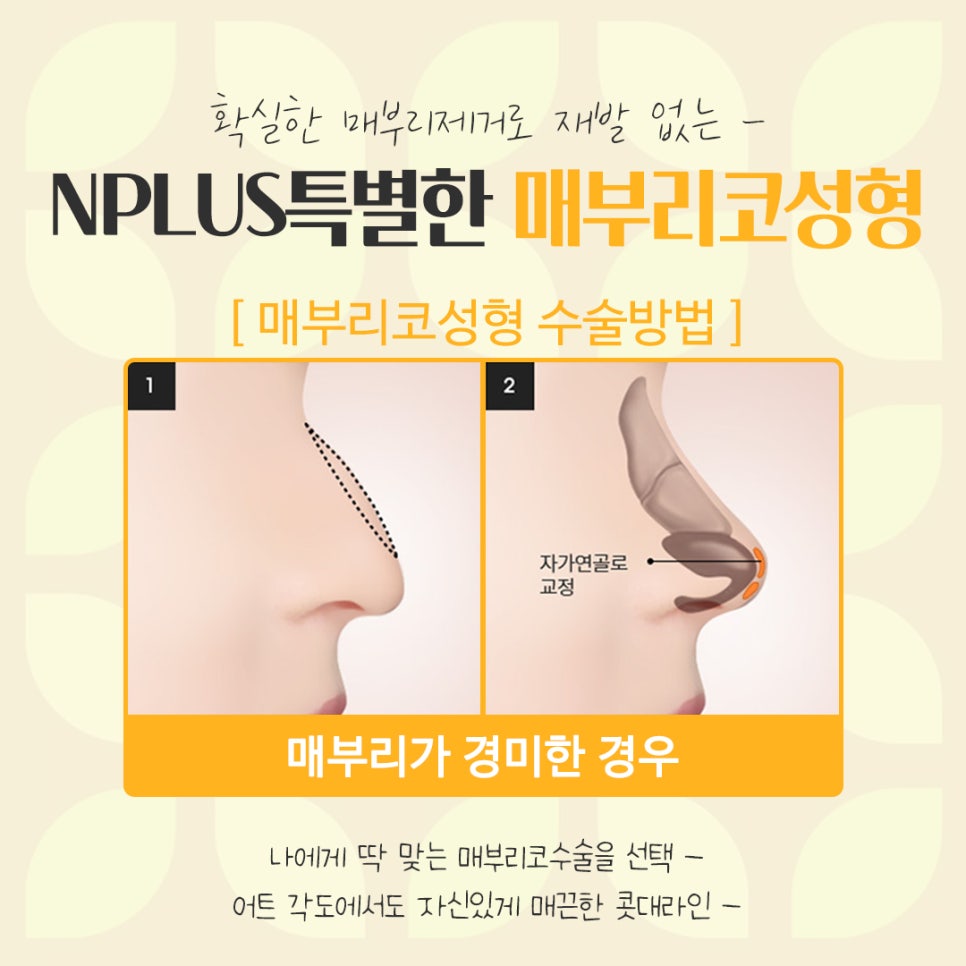
When the hump is mild, the hump on the bridge is removed, the tip is corrected using autologous cartilage, and the overall line is adjusted so that there is no break or discontinuity at the connection point of the bridge line.

As such, in hump nose surgery, different surgical methods are applied depending on the size and condition of the hump, the position of the nasal bones, the current condition of the skin, and whether there is any functional issue inside the nose. The key to hump nose surgery is to remove the hump cleanly so that it does not recur after surgery, which can lead to a more satisfying hump nose surgery review.
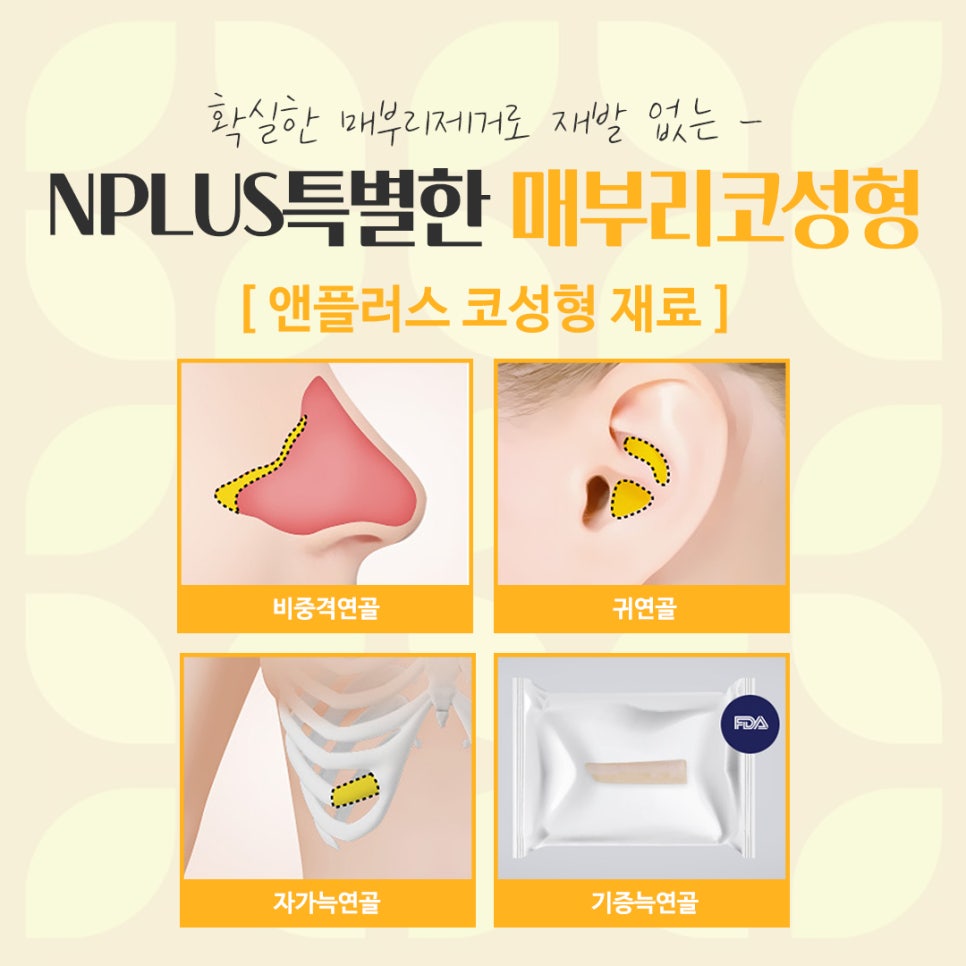
If you look at hump nose surgery reviews, you can see that the materials used in hump nose surgery vary. Usually, silicone is used for the bridge and autologous cartilage for the tip. Autologous cartilage used for the tip includes septal cartilage, ear cartilage, and autologous rib cartilage. The choice of autologous cartilage is determined through preoperative testing to find the material that best suits the individual. If using autologous cartilage is difficult, donated rib cartilage approved by the U.S. FDA is used.
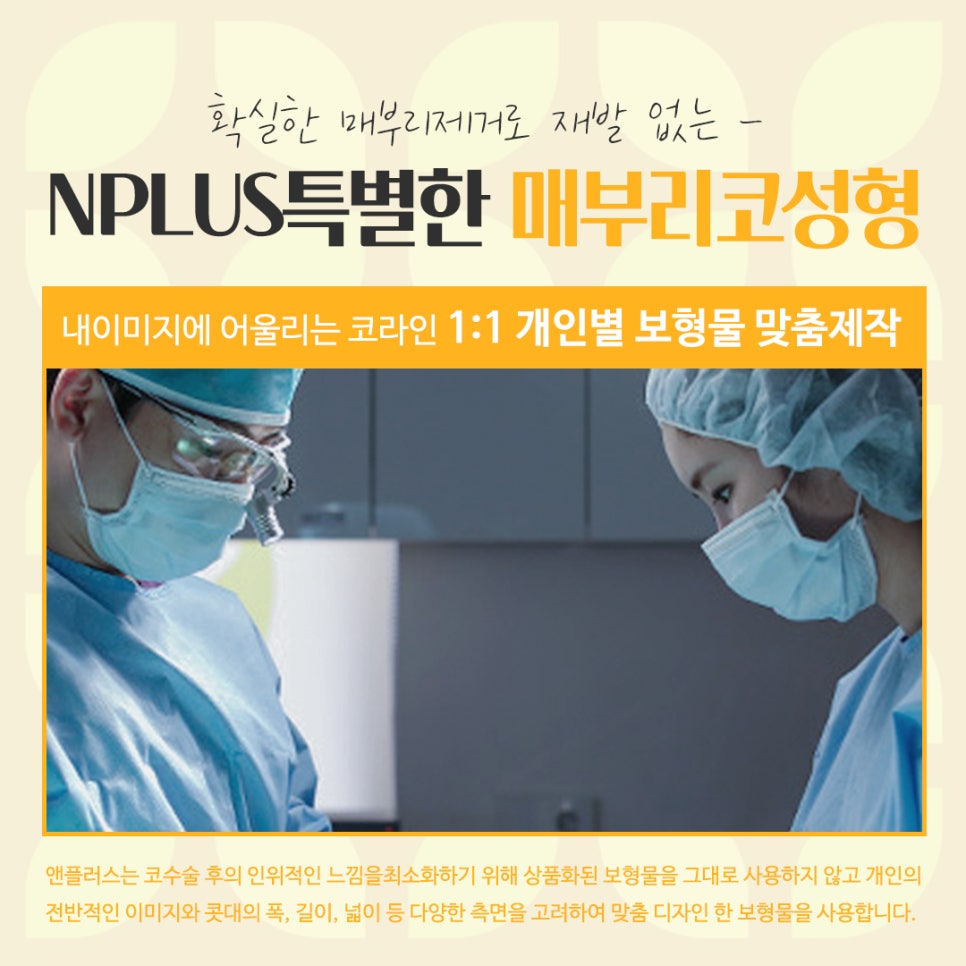
As for the silicone used in the bridge, we do not use pre-manufactured silicone as is. Instead, after thoroughly considering the overall image of the individual, as well as the width, length, breadth, and height of the bridge, it is carefully shaped by hand before insertion. This minimizes an artificial look and designs a natural bridge line, leading to a more satisfying hump nose surgery review.
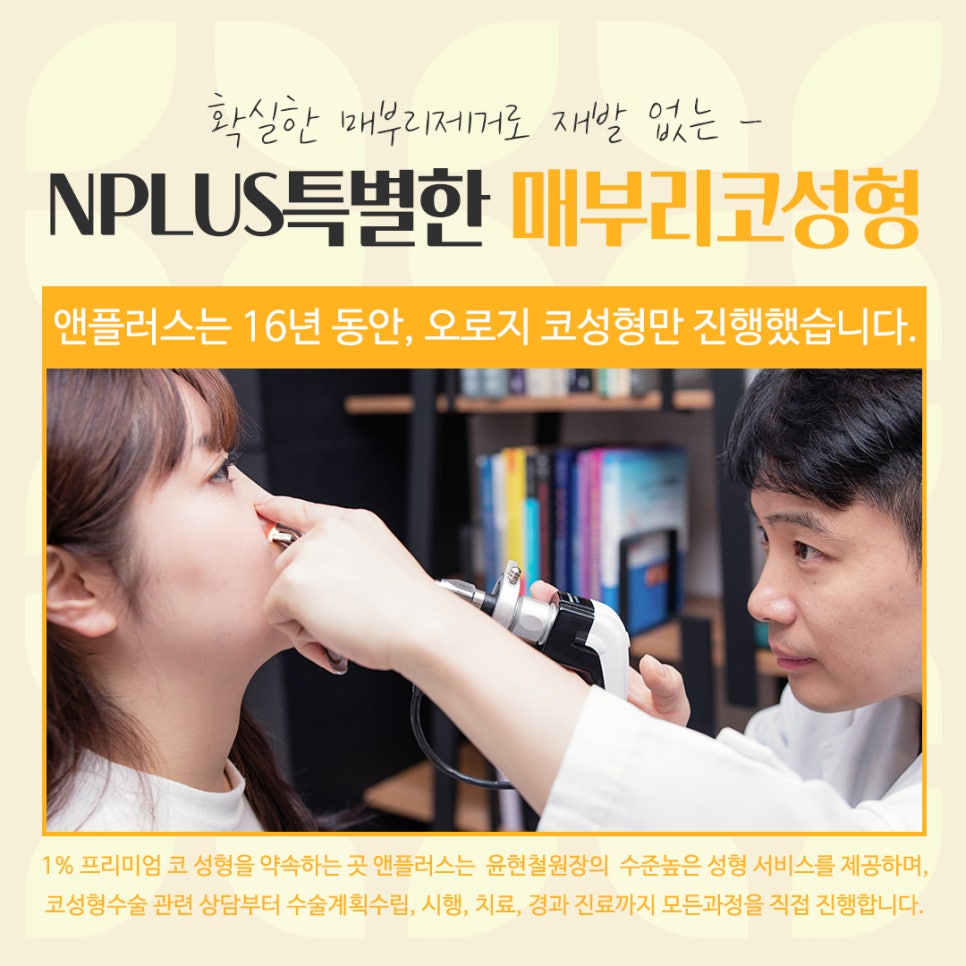
At Ojiko Hospital N+Plus, Director Yoon Hyun-cheol personally handles everything one-on-one, from consultation about hump nose surgery to surgical planning, implementation, treatment, and follow-up care, allowing you to receive a high level of medical service from before the surgery through aftercare.

For aftercare, we issue an N+Plus membership card and provide an A/S system that guarantees support for one year after surgery. We also implement a surgical responsibility guarantee system to prepare for any possible postoperative pain, inflammation, or dissatisfaction with the shape, so you can have a more satisfying hump nose surgery review.
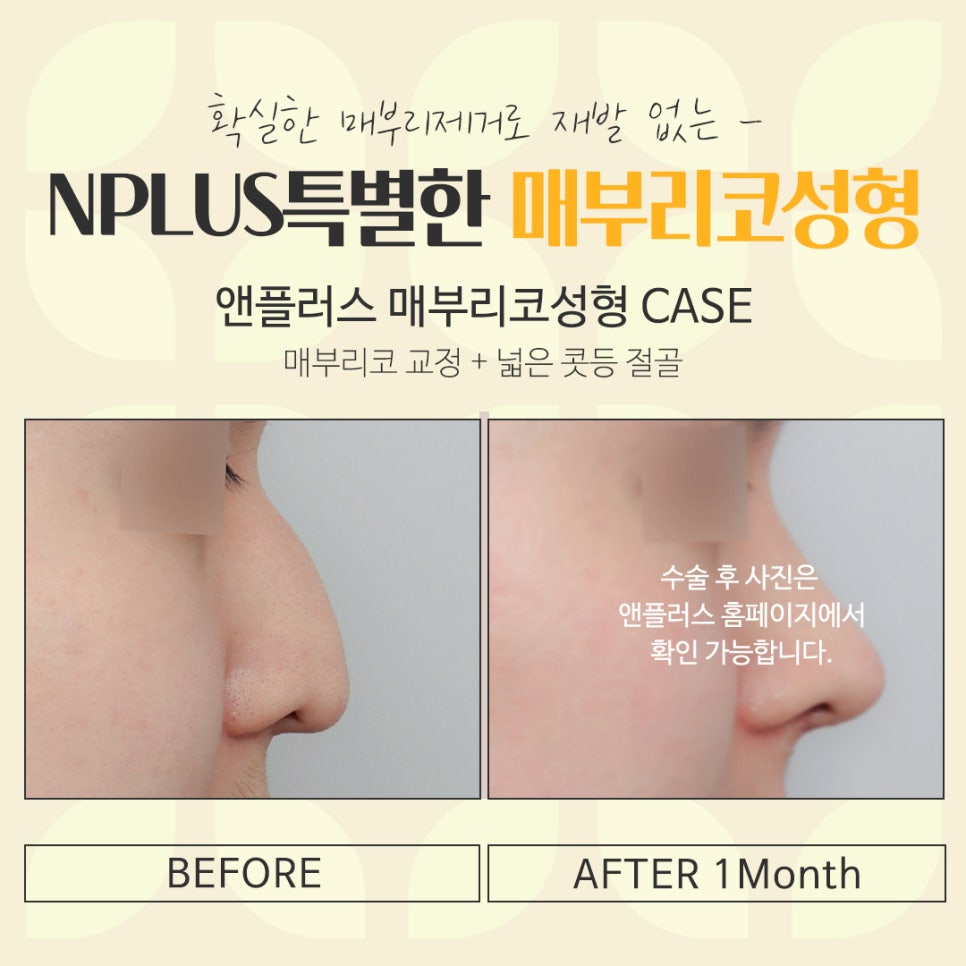
(The image above shows before-and-after photos of hump nose surgery review results at Ojiko Hospital N+Plus.)
That concludes the summary of hump nose surgery reviews at Ojiko Hospital N+Plus. I hope this article is very helpful for those who are currently considering hump nose surgery because they are unhappy with the shape of their nose. Thank you.