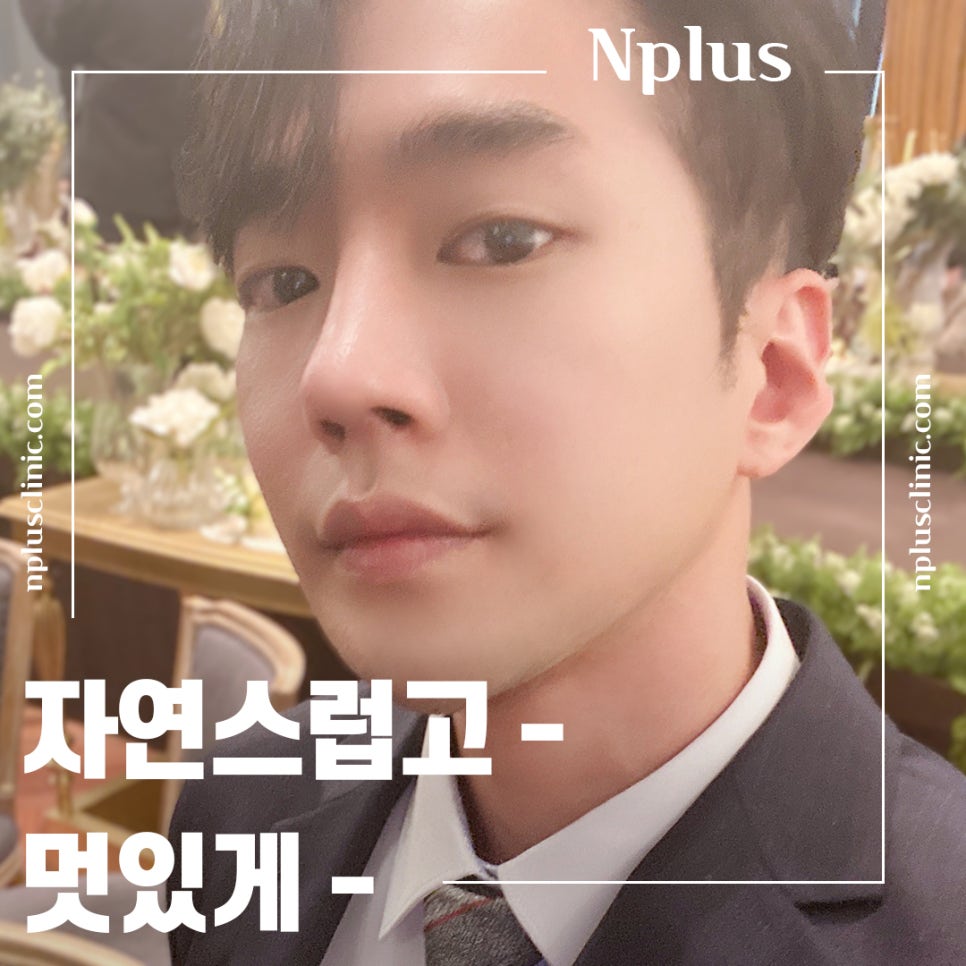
Hello. We are Oziko N+ Plus Clinic, which has spent the past 16 years thinking only about your beautiful and healthy nose.
The content prepared this time is about male rhinitis nose surgery.
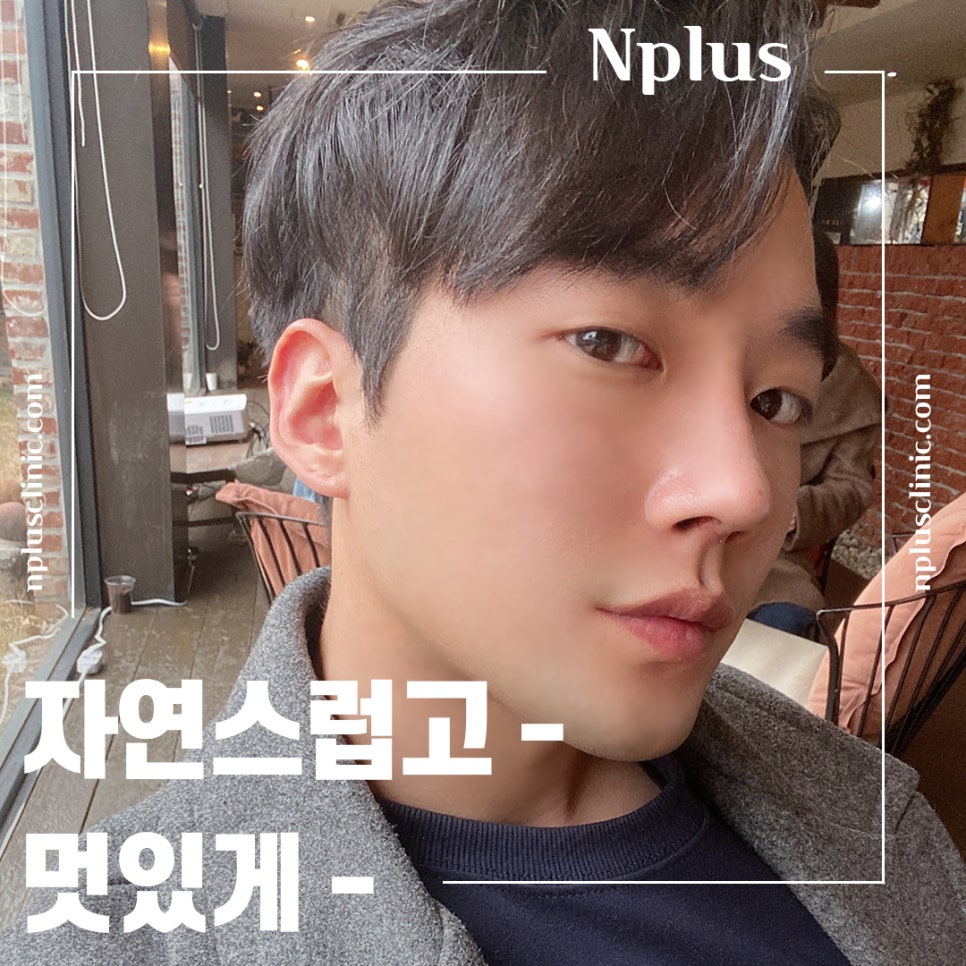
Today’s topic is male rhinitis nose surgery. The nose is located at the center of our face and is the most three-dimensional part of it, so even a small change in its shape can have a major effect on improving one’s impression. That is why it is such a popular cosmetic procedure. In particular, men have a relatively high number of cases accompanied by rhinitis, and since functional nose surgery for rhinitis and aesthetic nose surgery can be performed at the same time, you can look into male rhinitis nose surgery in greater detail.

First of all, when considering rhinoplasty, the aesthetic approach can be said to take priority. If the nose is too low, has a hump, is broad, crooked, or drooping, and its shape is not straight or balanced and feels out of line with what we consider ideal, people tend to consider rhinoplasty.

However, the nose not only plays an important role in appearance but also serves as the organ responsible for breathing and smell, so it has an overall functional role in the body. That is why you can look into male rhinitis nose surgery, which makes it possible to perform functional nose surgery and aesthetic nose surgery at the same time.
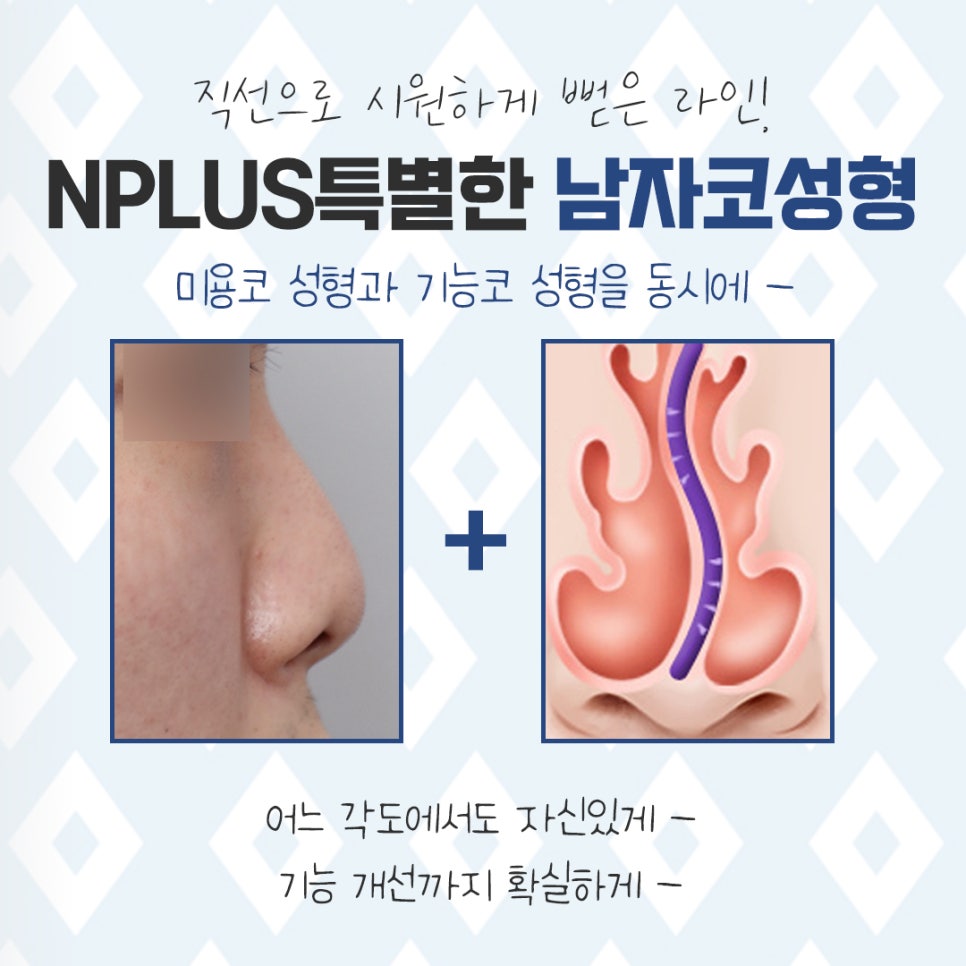
For men, compared with women, there are relatively many cases in which rhinitis is accompanied by internal nasal issues due to leisure activities or intense exercise-related trauma. Therefore, it may be helpful to carefully look into functional issues such as septal deviation, nasal valve stenosis, and inferior turbinate hypertrophy before deciding on surgery. Accordingly, when learning about male rhinitis nose surgery, we recommend proceeding at a place where these functional aspects can also be evaluated.
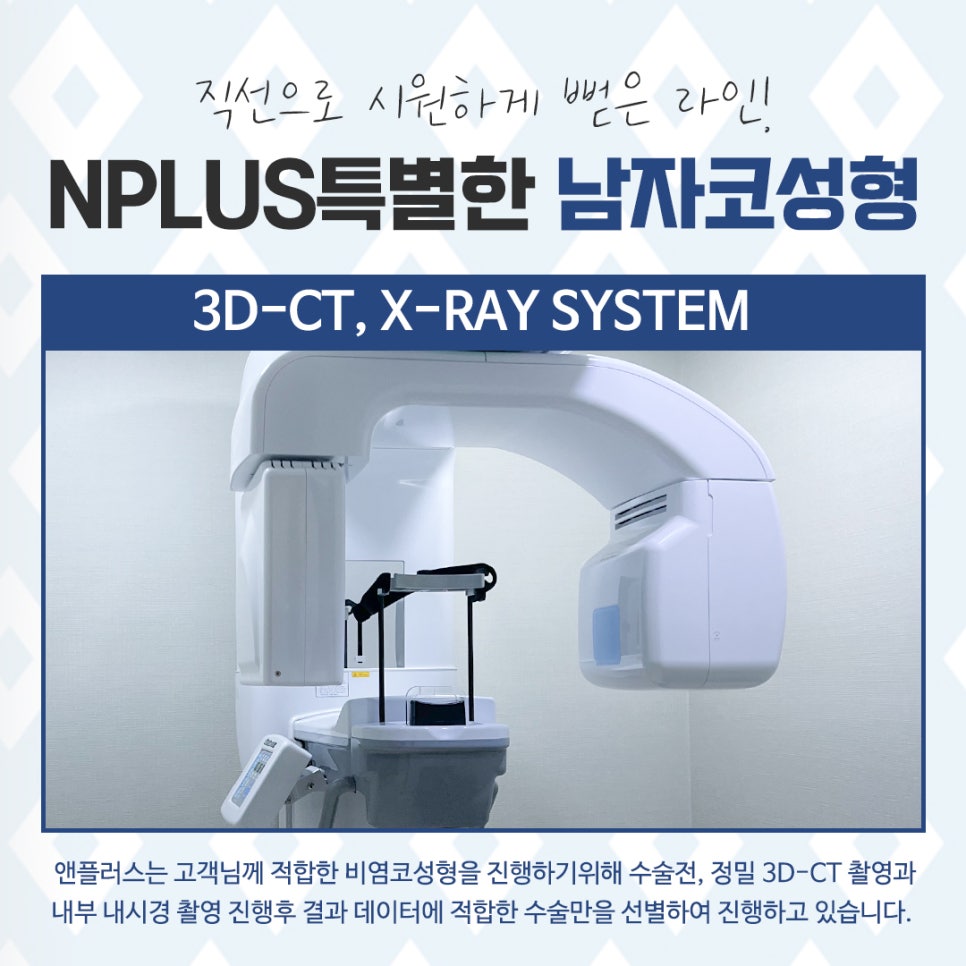
At Oziko N+ Plus Clinic, to ensure a safe and satisfying male rhinitis nose surgery, the current condition of the nose is accurately assessed through preoperative 3D-CT scans, internal endoscopic imaging, various allergy tests, and internal nasal function tests. Based on the extracted data, surgery is performed using materials and methods suited to each individual.
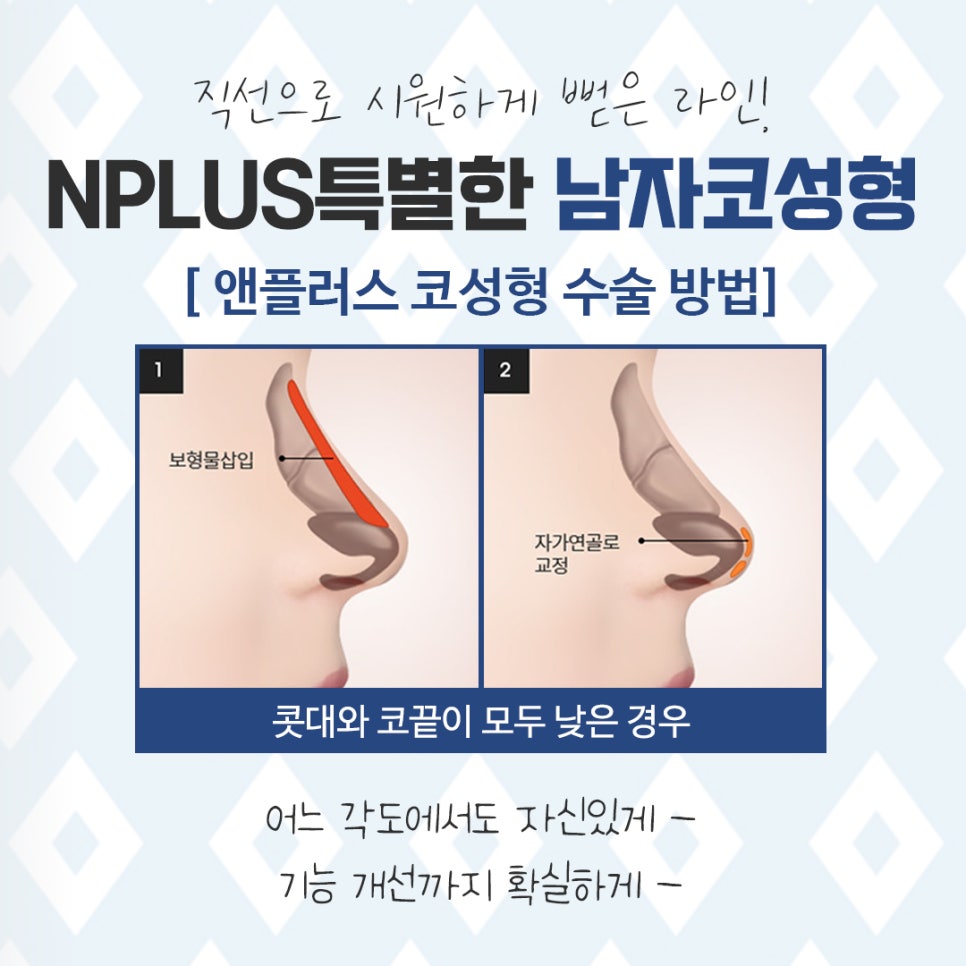
The average method for male rhinitis nose surgery is to correct the bridge with silicone and the tip with autologous cartilage. If there is a problem with internal function, functional issues such as septal deviation, inferior turbinate hypertrophy, and nasal valve stenosis are corrected first, followed by aesthetic rhinoplasty.
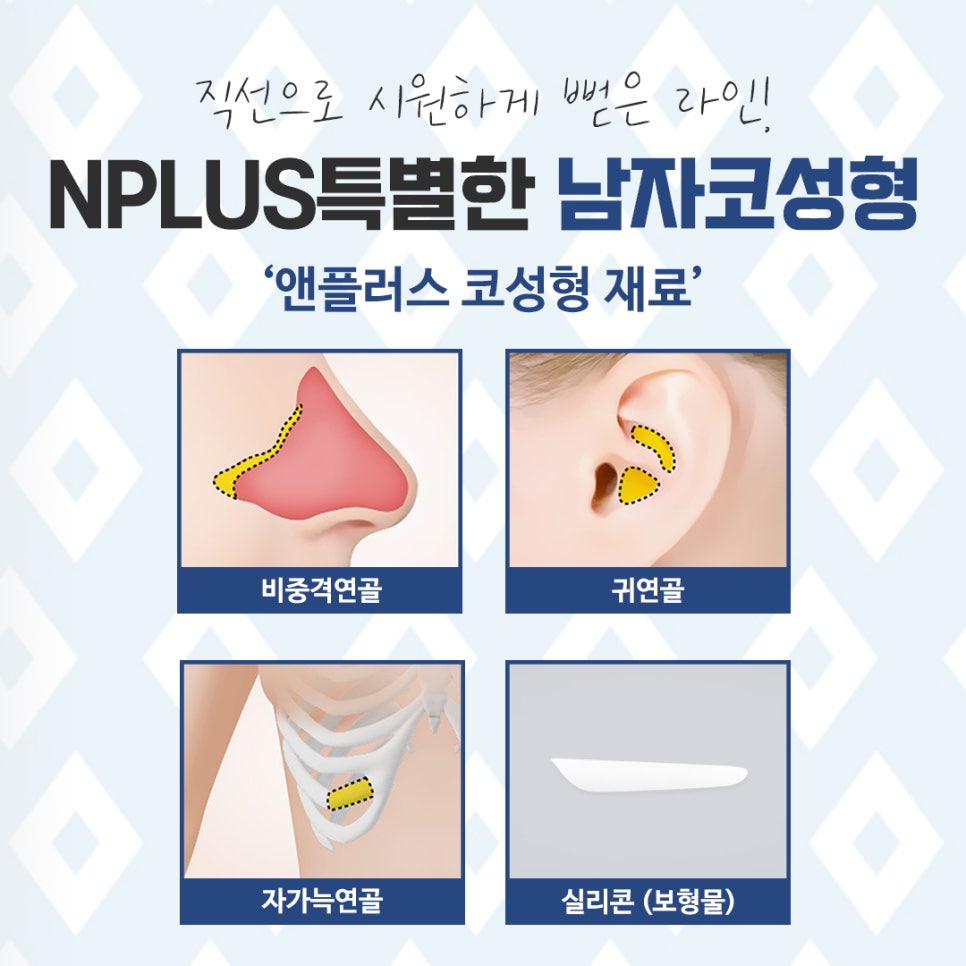
The materials used in male rhinitis nose surgery generally involve silicone for the bridge and autologous cartilage for the tip. The autologous cartilage used for the tip includes septal cartilage, ear cartilage, and autologous rib cartilage. The material is also selected based on preoperative examinations to suit the individual, and surgery is then performed.
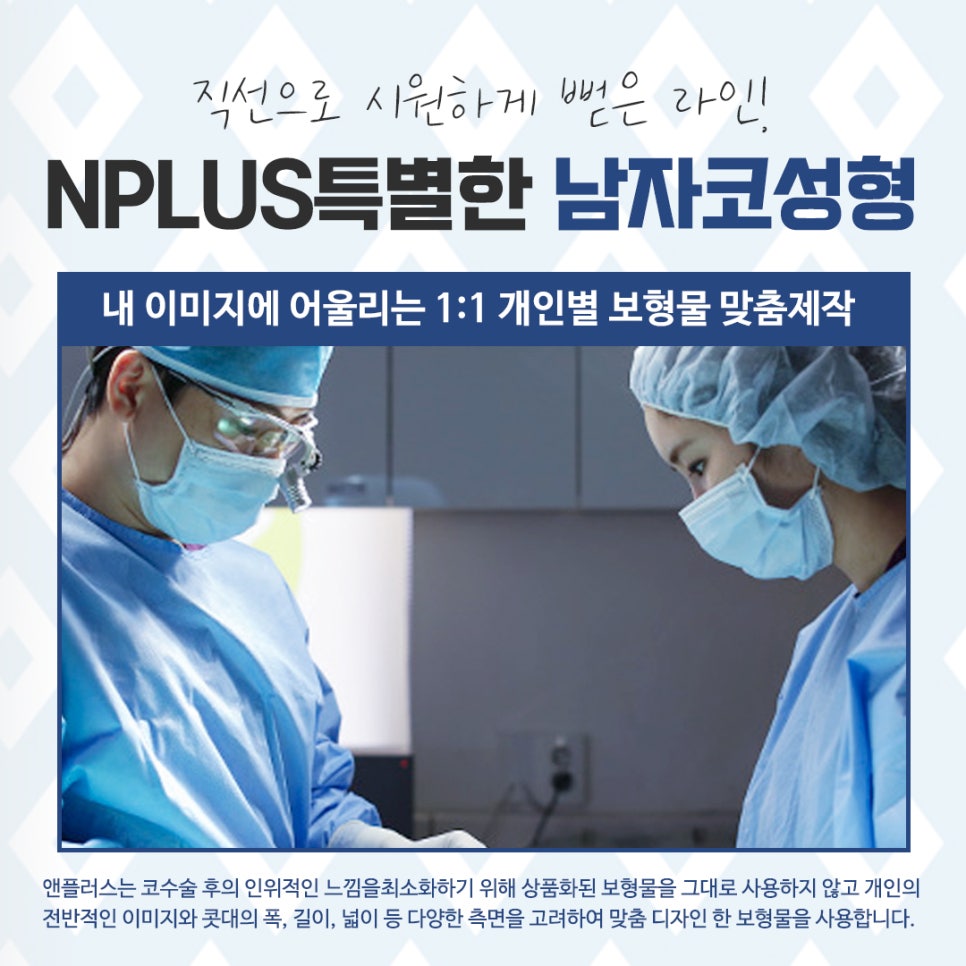
In the case of silicone used for the bridge, instead of using a pre-made commercial silicone as is, surgery is performed after it is finely sculpted by hand while considering the individual’s overall image as well as the width, length, breadth, and height of the nasal bridge, allowing for a more satisfying male rhinitis nose surgery.


Also, when performing male rhinitis nose surgery, it is clear that the shape of a man’s nose is distinctly different from a woman’s nose. Men tend to prefer a straight, high nasal line and a masculine image, while women prefer nose shapes such as the half-upturned or straight-upturned style, so their preferences are clearly different. Therefore, it is important to design the nasal line into a shape that suits the individual.
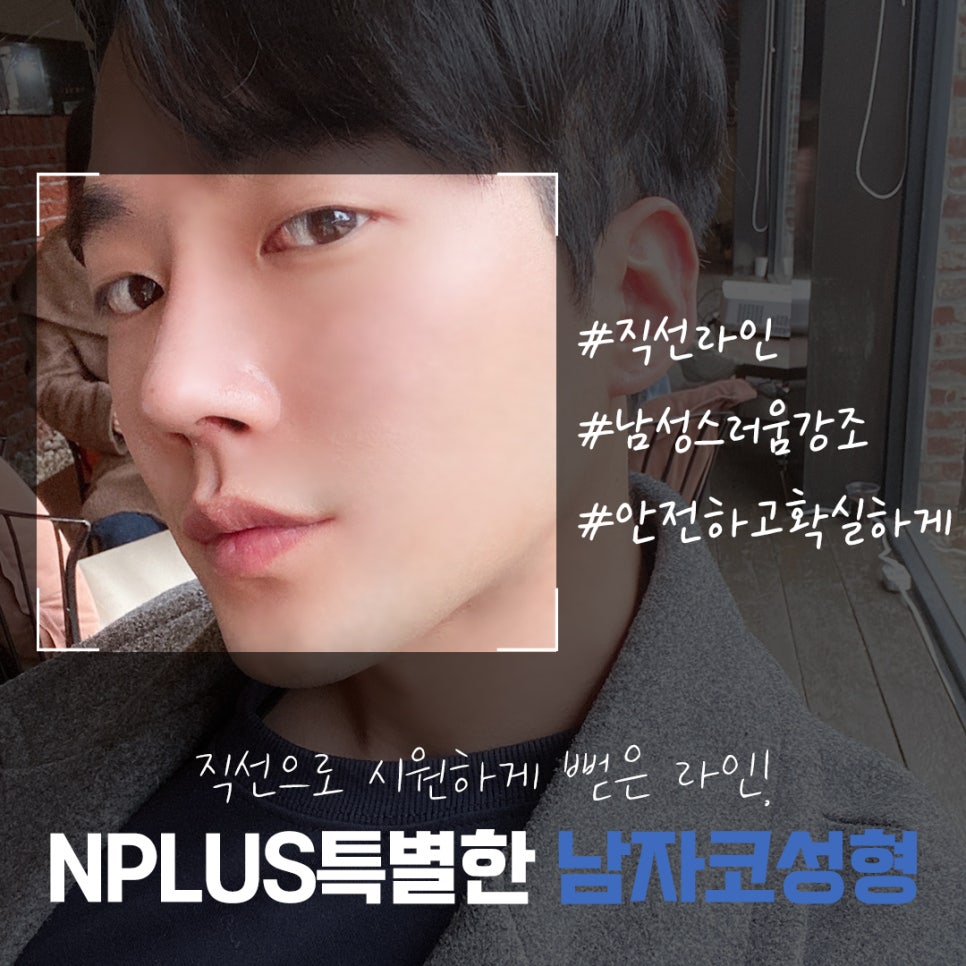
As such, for those considering male nose surgery, it is important not only to focus on the external design of the nose but also to clearly correct any internal functional issues in order to help prevent revision surgery. Therefore, when proceeding with male rhinitis nose surgery, it can be helpful to carefully check whether the medical team has strong anatomical knowledge of the nose, whether they have extensive relevant experience and expertise, whether the necessary equipment is available to accurately assess the condition of your nose, and whether aftercare can be reliably provided.
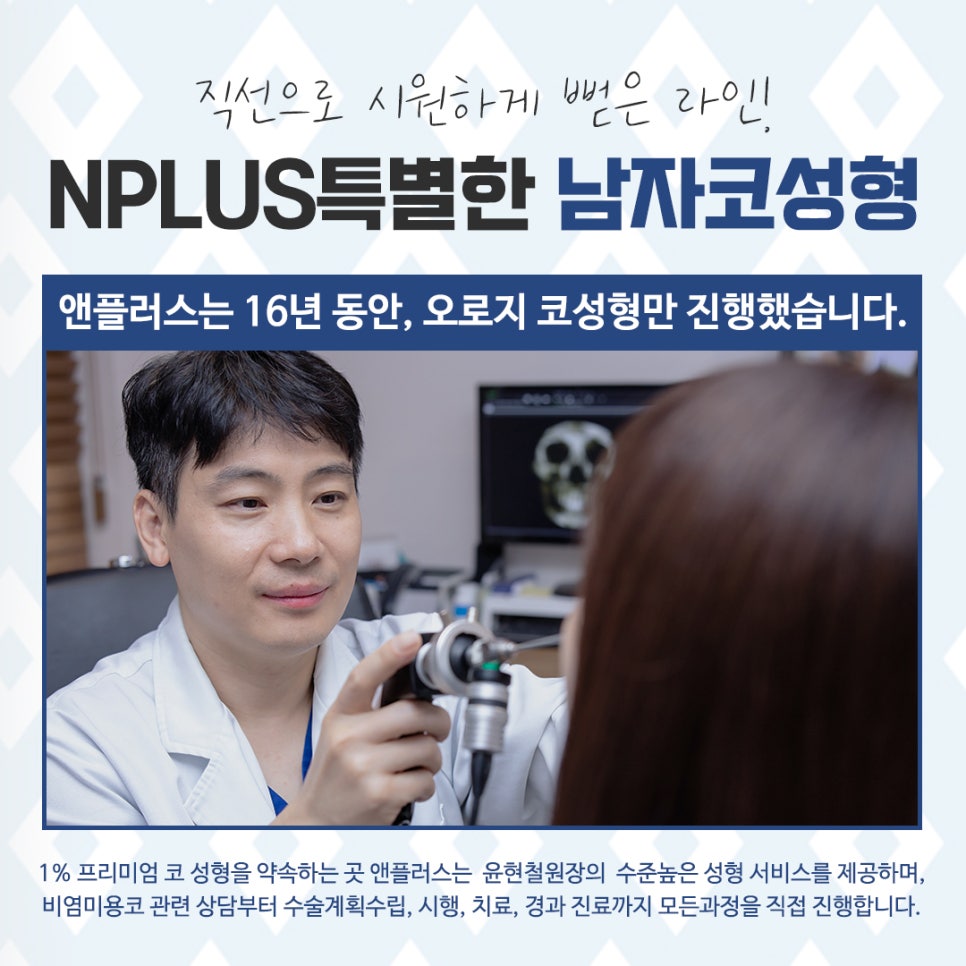
At Oziko N+ Plus Clinic, Director Yoon Hyun-cheol personally handles each case one-on-one, from consultation for male rhinitis nose surgery to surgical planning, the procedure itself, treatment, and follow-up care, allowing you to receive high-level medical service throughout the entire process, before and after surgery.

Aftercare is also supported by a one-year warranty A/S system after surgery, and a surgery responsibility guarantee system is in place to prepare for any situation that may arise after surgery, such as pain, inflammation, or dissatisfaction with the appearance. Those who have an N+ Plus membership card can receive aftercare benefits at any time.
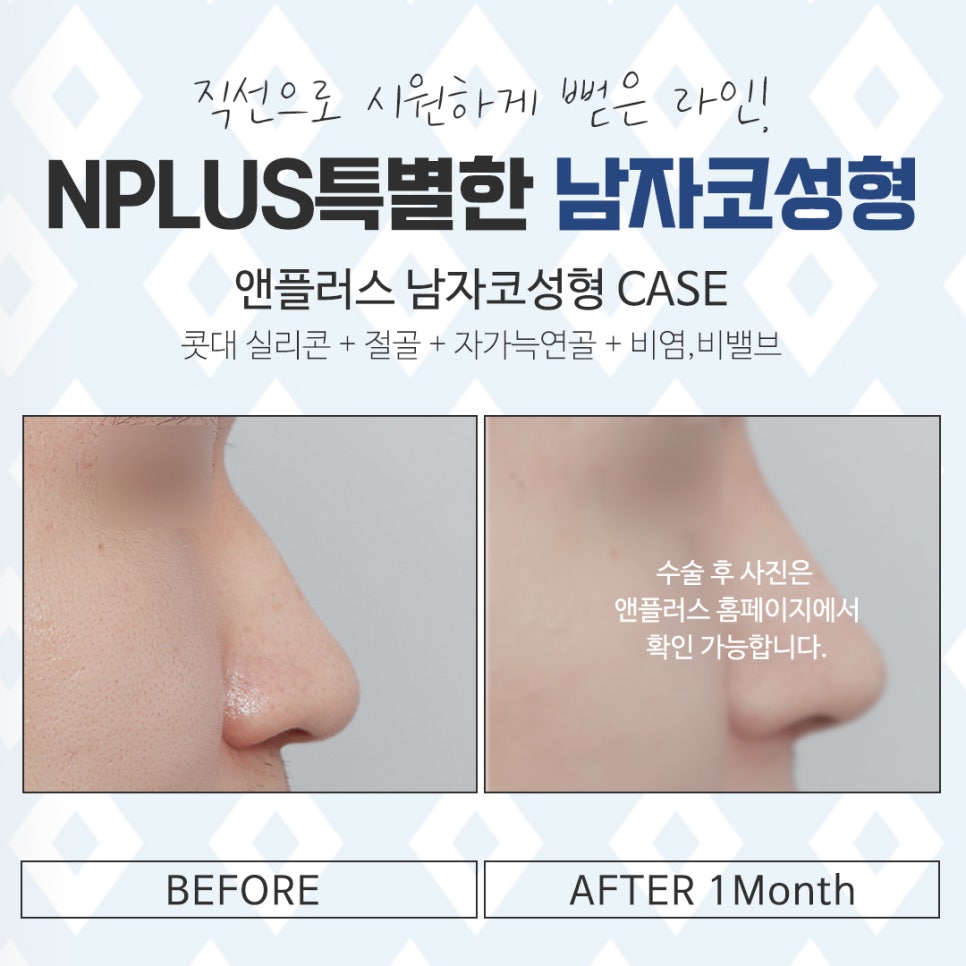
(The image above shows actual before-and-after photos of male rhinitis nose surgery at Oziko N+ Plus Clinic.)
That concludes the information about male rhinitis nose surgery at Oziko N+ Plus Clinic. I hope this post is very helpful for those who are considering rhinoplasty due to an unsatisfactory nose shape or nasal congestion caused by rhinitis. Thank you.