
Hello. This is Gangnam & Plus, a clinic that thinks only about your beautiful and healthy nose.
Today’s post is a summary of female hump nose concerns.

Recently, more and more people have been considering cosmetic procedures as a way to change their image, and rhinoplasty is especially one of the more popular surgeries. The reason is that the nose is located at the center of the face and is the most three-dimensional feature, so even a small change in its shape can have a major effect on improving one’s appearance.

Therefore, for those looking into rhinoplasty, concerns may include a nose that is too low, too high, has a hump, is crooked, drooping, or upturned. In particular, for women, when the nose has a hump, the overall image can come across as harsh or strong, so many people have been looking into female hump nose surgery.
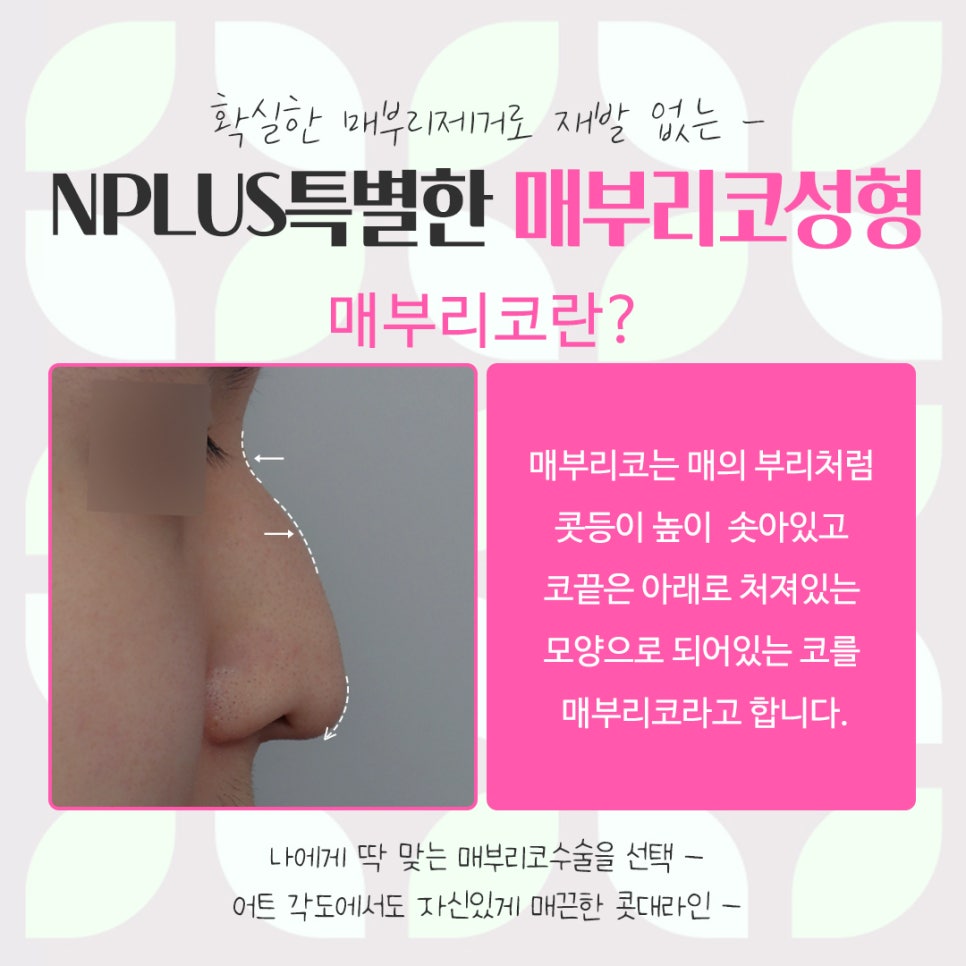
What is a hump nose? A hump nose refers to a nose with a high ridge that rises like an eagle’s beak and a tip that droops downward. The causes of a hump nose are divided into congenital and acquired factors. Congenitally, genetic influence can be considered, and in many cases it develops due to acquired trauma on average, so accurately identifying the cause of the hump nose and minimizing the chance of recurrence can be considered an important point.

For this reason, in the case of female hump noses, people may try to improve it on their own through makeup or massage before looking into surgery as a way to address it. However, since a female hump nose is not easily improved on its own, those considering surgery tend to focus first on the external appearance. That said, while some female hump noses are clearly noticeable from the outside, the condition of the internal nasal bones is difficult to confirm, so it can be helpful to proceed with surgery only after accurately checking the inside of the nose as well.

First of all, the types of patients who look into female hump nose correction for aesthetic reasons can be broadly classified into various cases, such as a drooping tip, an upturned tip, a mild hump, a severe hump, a low bridge, a high bridge, or a wide nasal bridge bone. Because the surgical method and materials are applied differently depending on these categories, it is important for those considering surgery to accurately understand the current external and internal condition of the nose through a consultation rather than diagnosing it on their own.
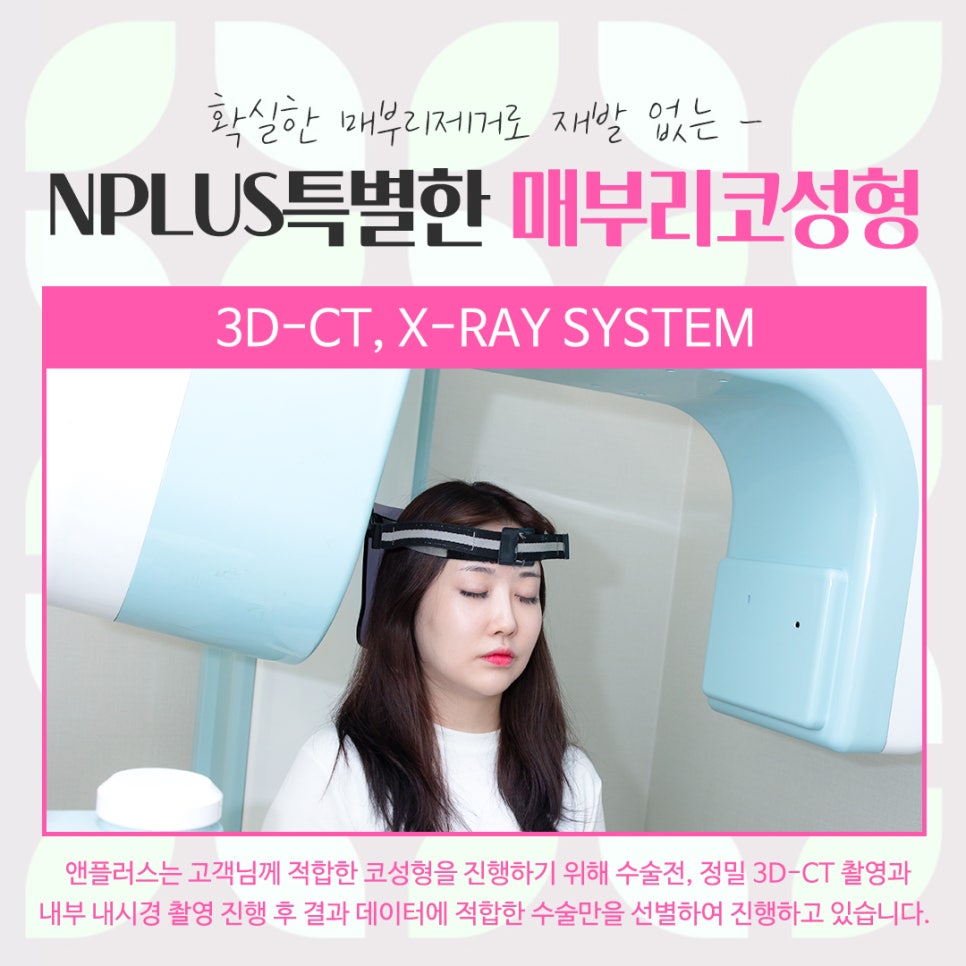
At Gangnam & Plus, to ensure that safe and satisfying female hump nose surgery can be performed, we identify the exact condition of the nose through preoperative 3D-CT imaging, internal endoscopic imaging, various allergy tests, and nasal function tests, and then carry out surgery tailored to each individual.

The main surgical methods for female hump nose surgery are divided into three categories: cases with a high bridge and hump, cases with a low bridge and hump, and cases with a mild hump.
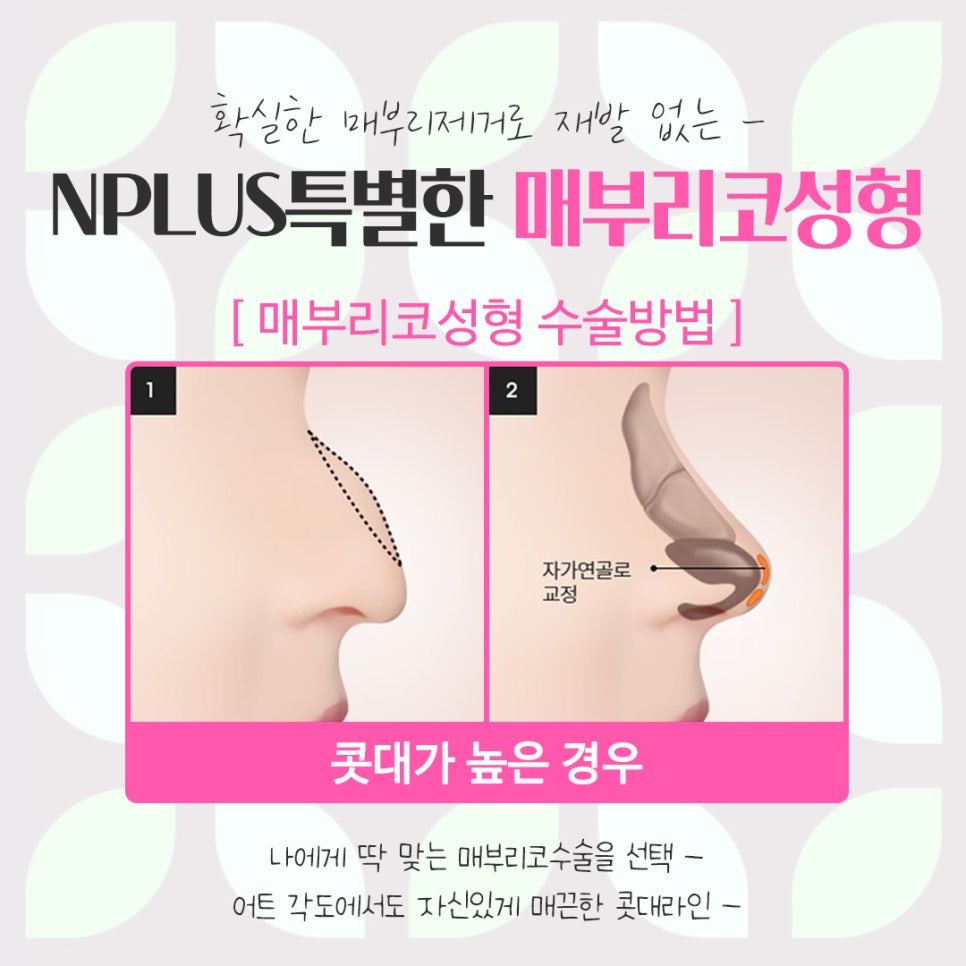
In cases of a hump nose with a high bridge, the hump on the bridge is removed. If the area that needs to be removed is wide, lateral osteotomy is performed, and the overall line is corrected using only the tip with autologous cartilage without using an implant on the bridge.
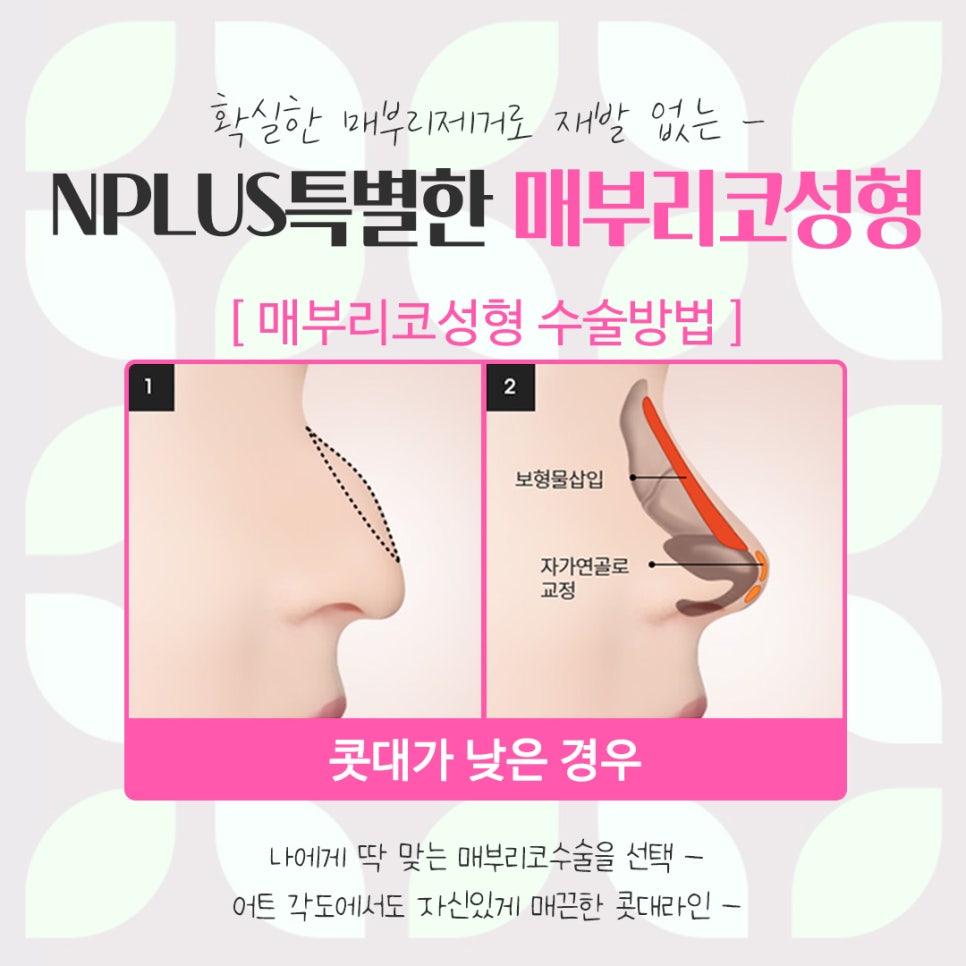
In cases of a hump nose with a low bridge, after removing the hump on the bridge, or if the area to be removed is wide, lateral osteotomy is performed, an implant is inserted into the bridge, and the overall line is corrected with autologous cartilage at the tip.
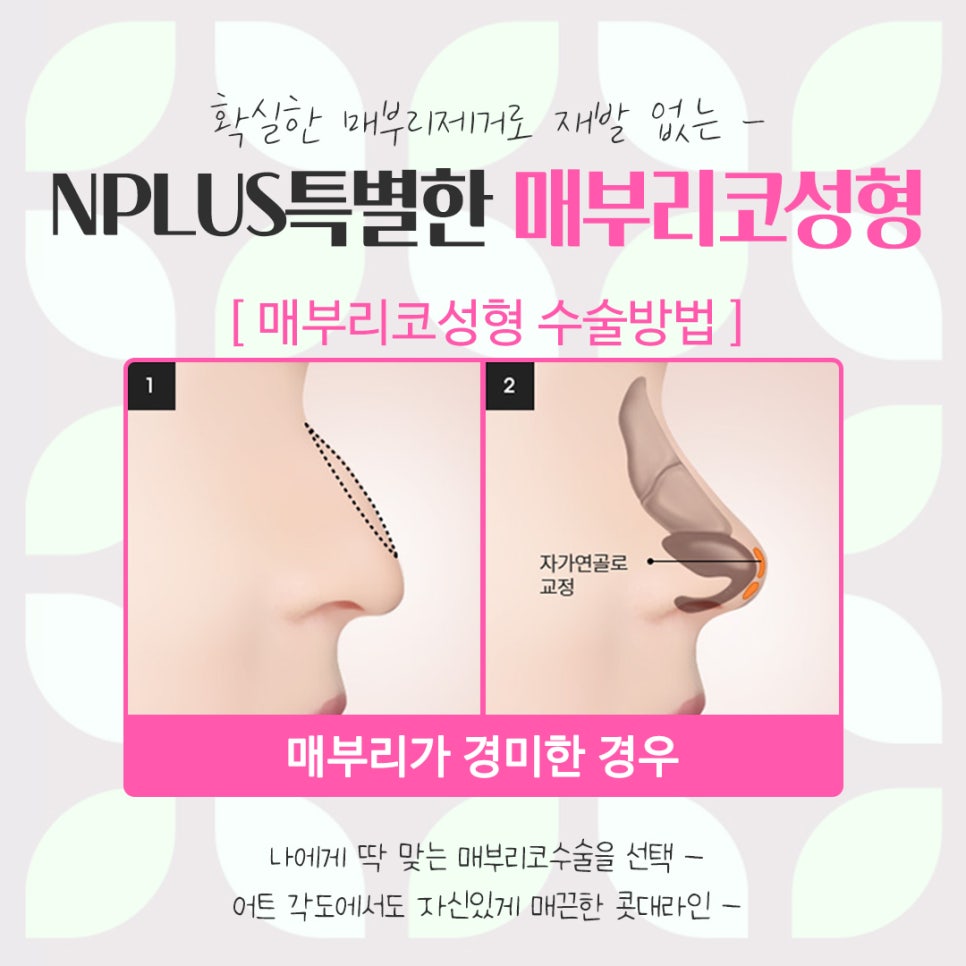
In cases of a hump nose with a mild hump, the hump on the bridge is removed, the overall bridge line is corrected, and the tip is corrected with autologous cartilage to refine the overall line.
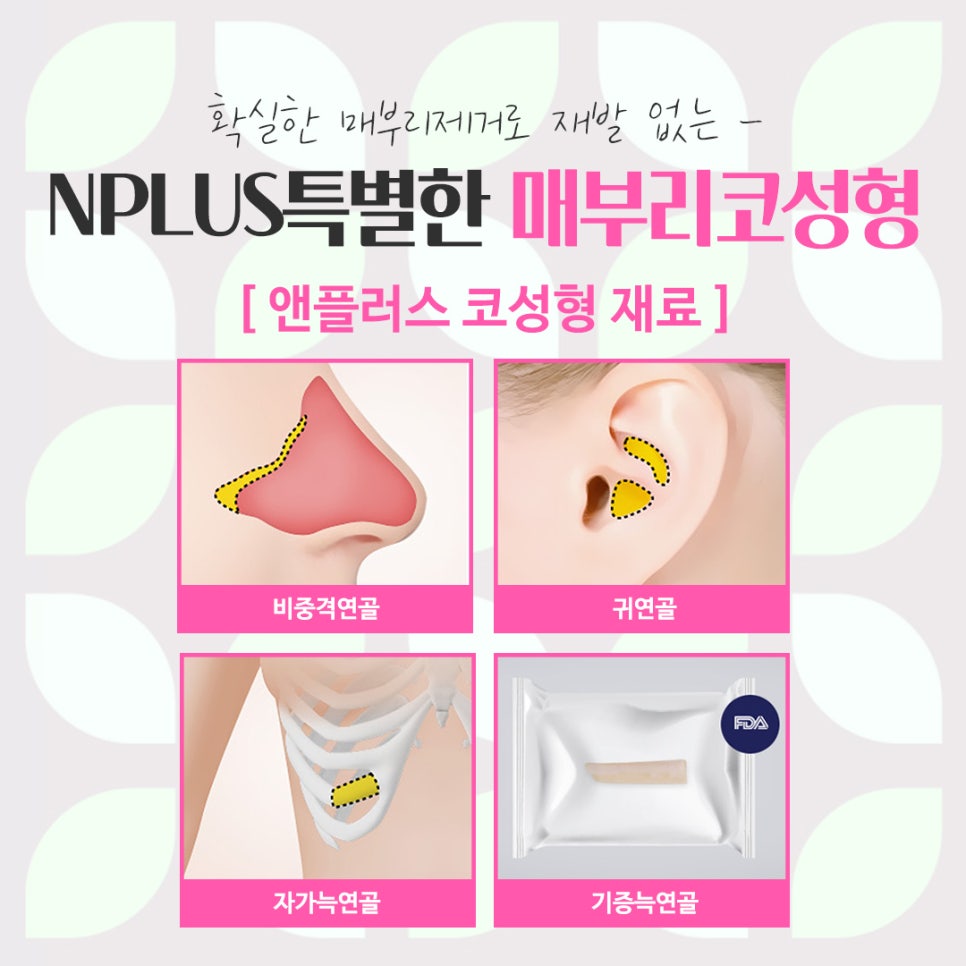
The materials used in female hump nose surgery generally involve silicone for the bridge and autologous cartilage for the tip correction. The autologous cartilage used at the tip includes ear cartilage, septal cartilage, and autologous rib cartilage, and the materials are selected through preoperative testing so that the surgery can be performed with materials suited to each individual.

In the case of silicone used for the bridge, the surgery is not performed using a pre-made commercial silicone. Instead, it is carefully shaped by hand while considering the person’s overall image, as well as the width, length, breadth, and height of the nasal bridge, allowing for a more satisfying hump nose surgery.

As such, female hump nose surgery is performed by classifying each case according to the individual’s condition. The key to hump nose surgery is completely removing the hump so that it does not recur, and the surgery must be performed in a way that does not cause internal nasal function problems. Therefore, for those looking into female hump nose surgery, it may be helpful to carefully check whether the medical staff have strong anatomical knowledge of the nose, whether they have sufficient experience and expertise, whether the clinic is equipped with devices that can accurately assess the condition of your nose, and whether post-treatment care is reliably guaranteed.
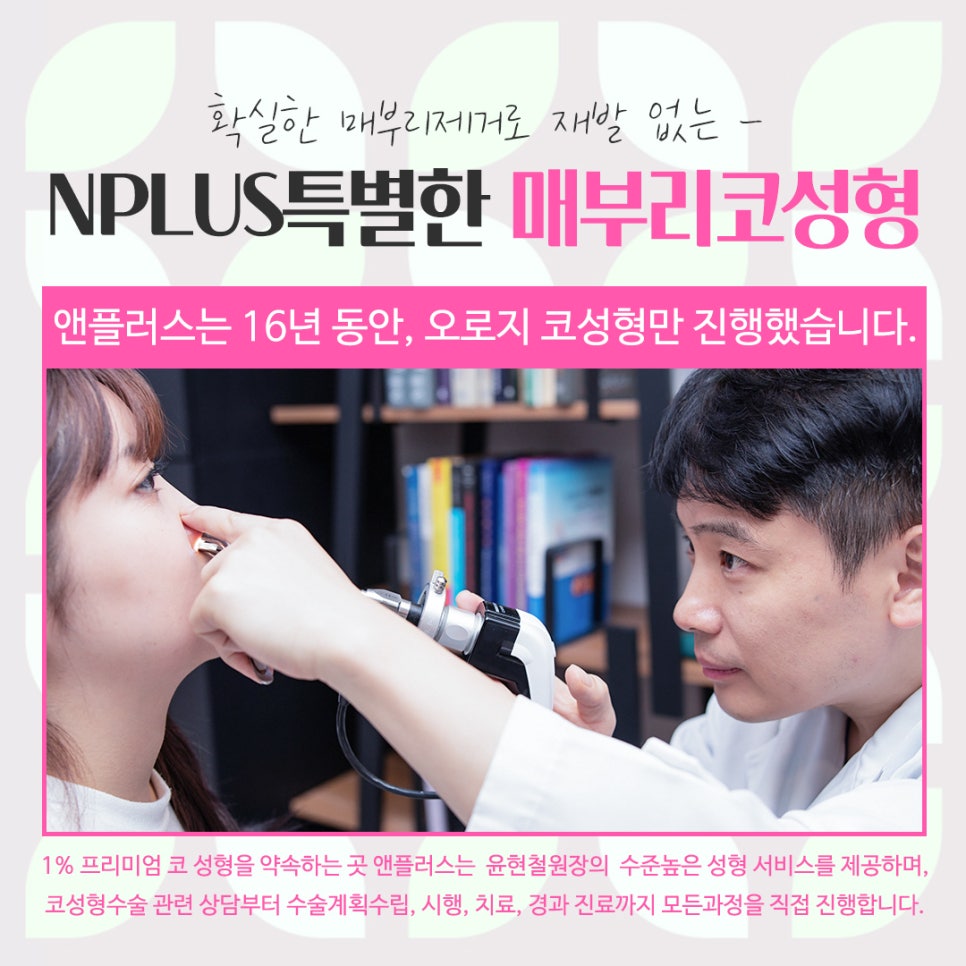
At Gangnam & Plus, Director Yoon Hyun-chul personally handles everything one-on-one, from consultations related to female hump nose surgery to surgical planning, the procedure, treatment, and follow-up care, so you can receive high-level medical services before and after surgery.

Postoperative care is also supported by a one-year warranty system after surgery, and a surgical responsibility guarantee system is in place to prepare for all possible situations, such as postoperative pain, inflammation, or dissatisfaction with the result, making it possible to proceed with female hump nose surgery more safely and satisfactorily.
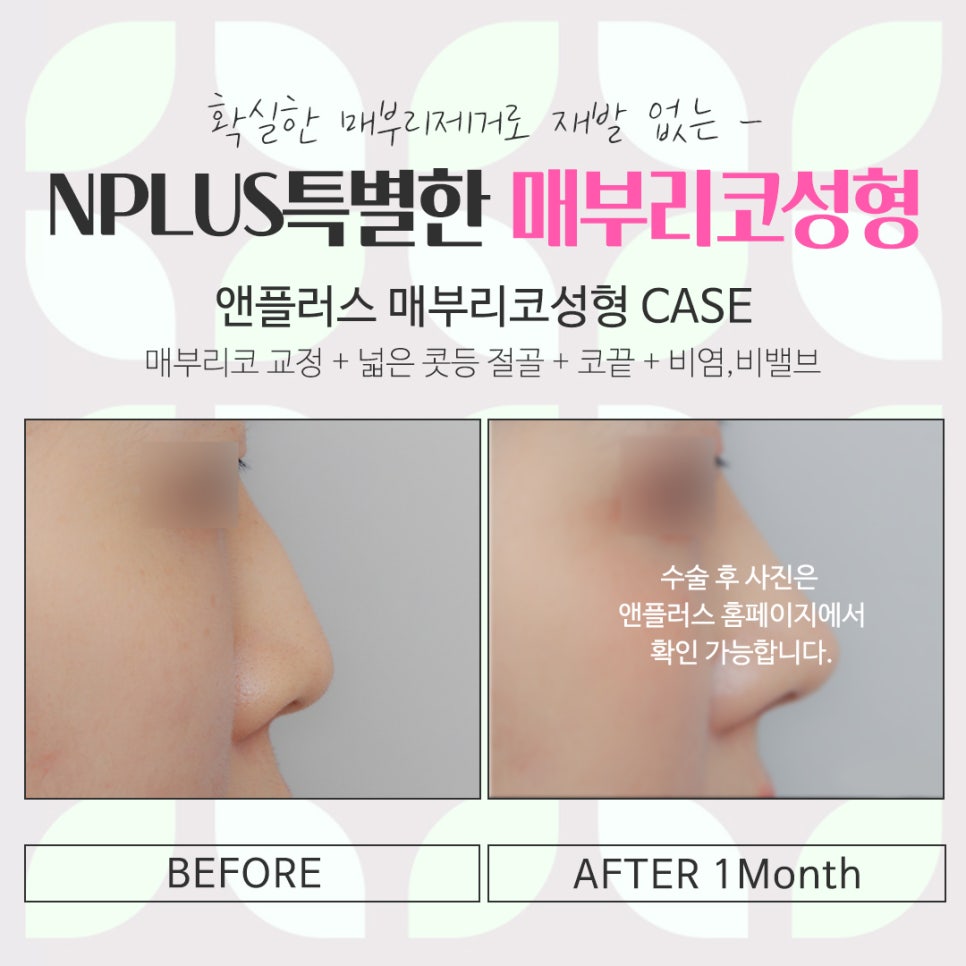
(The image above shows before-and-after photos of female hump nose surgery at Gangnam & Plus.)
That concludes the information we shared about female hump nose surgery performed at Gangnam & Plus. We hope this article has been helpful for those who are considering rhinoplasty because they are unhappy with the shape of their nose. Thank you.