
Hello. This is Oziko Hospital N+Plus, which thinks only about your beautiful and healthy nose.
The topic introduced this time is a review of nose surgery performed using autologous cartilage.

Many people want to improve their image into something more likable by making changes to exercise, makeup, hairstyles, and other areas in order to highlight their individuality while complementing what they feel is lacking. However, one area that is difficult to change through such care is the nose. Since the nose is located at the center of the face and adjusts the balance of the entire facial features, even a slight change in its shape can make the whole face appear unbalanced. Therefore, it can be considered a particularly popular cosmetic procedure compared with other areas. As a result, among those looking into nose surgery, interest in reviews of nose surgery using autologous cartilage is steadily increasing.

Those looking into reviews of nose surgery using autologous cartilage generally include people with a low nose, a crooked nose, a hump on the bridge, an upturned nose, or a nose that is lifted too much, as well as those with nasal congestion caused by rhinitis. In general, they want the nose shape improved into a straighter and higher line. Because each person’s nose shape and cause are different, surgery that suits the individual must be performed to help prevent revision surgery.
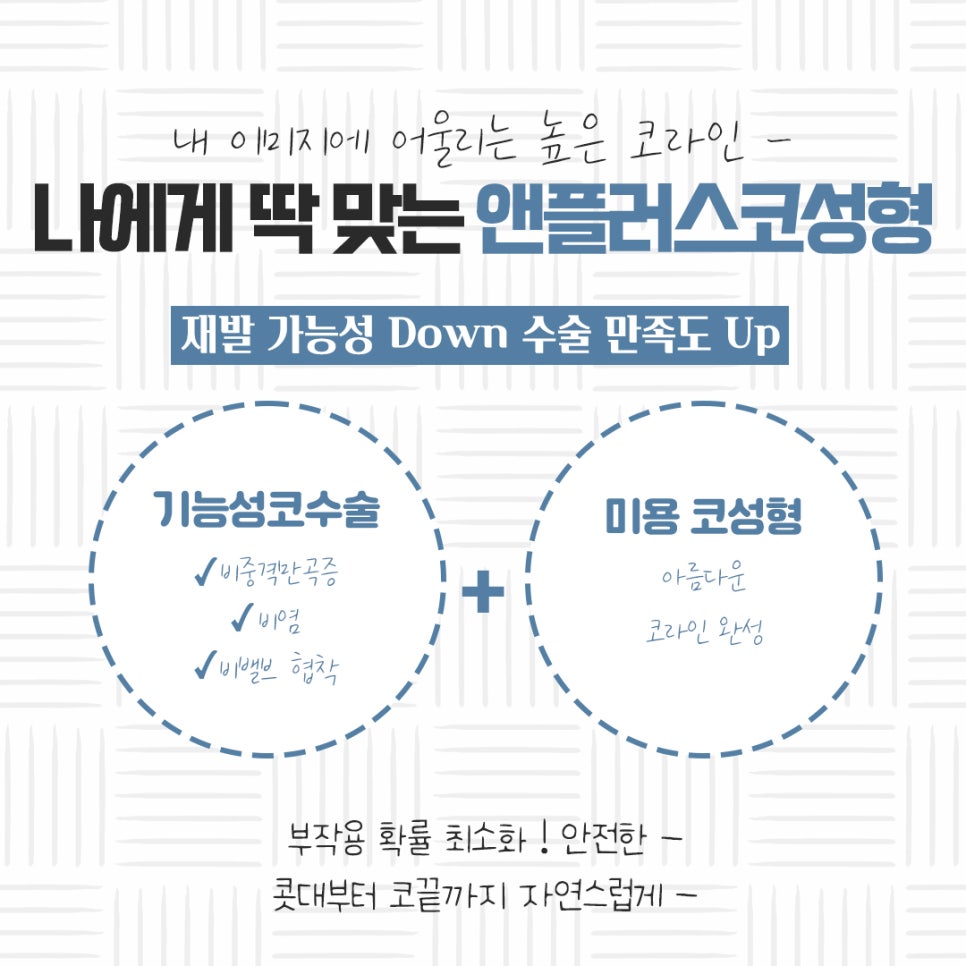
Also, for many people looking into reviews of nose surgery using autologous cartilage, the aesthetic approach can be said to take priority first. However, the nose is not only important in appearance, but also a functional organ responsible for breathing and smelling. Therefore, it is important to check internal function before proceeding with surgery, which can greatly help achieve a more satisfying nose surgery result.
Therefore, for those looking into reviews of nose surgery using autologous cartilage, it is important not only to check images through reviews when making a choice, but also to carefully check additional factors such as whether the medical staff have strong anatomical knowledge of the nose, whether they have abundant experience and a solid track record with the procedure, whether equipment is available to accurately assess the condition of your nose, and whether aftercare can be reliably guaranteed.
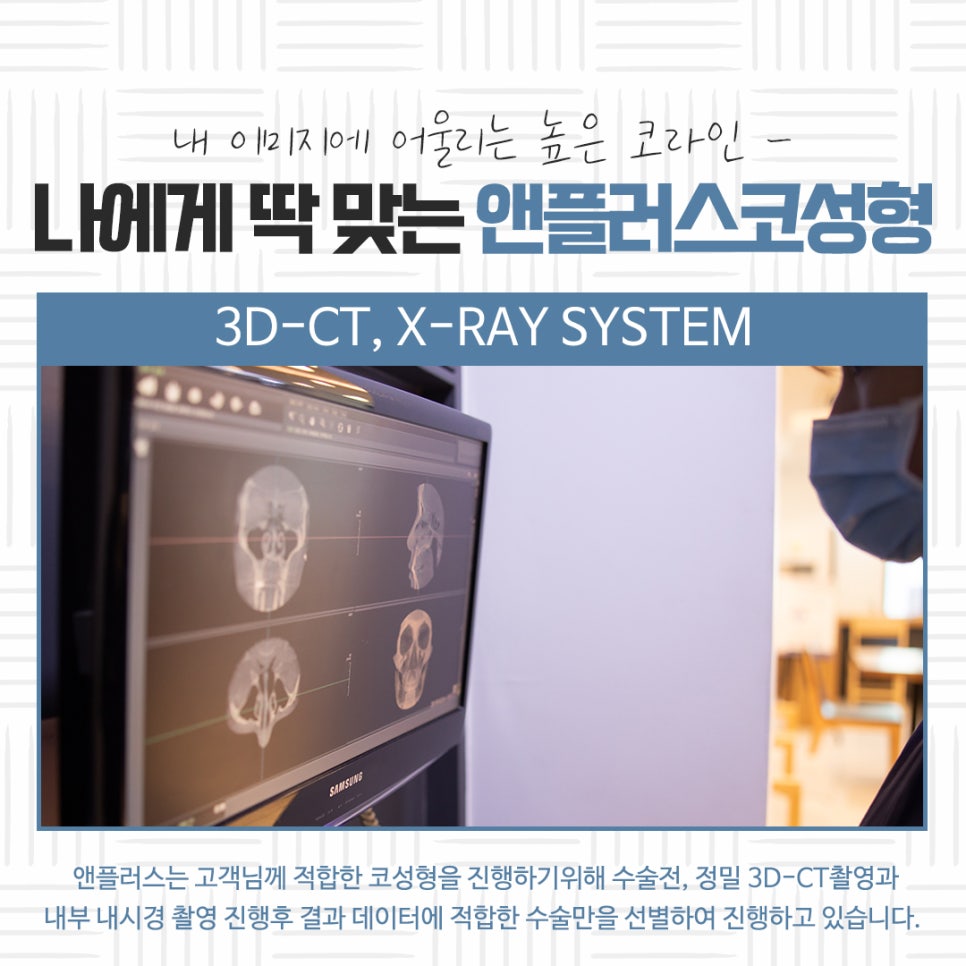
At Oziko Hospital N+Plus, to help ensure safe and satisfying nose surgery results using autologous cartilage, we perform 3D-CT scans, internal endoscopy, various allergy tests, and checks for internal nasal function issues before surgery, then use the extracted data to carry out surgery suited to each individual.

In general, when looking at nose surgery reviews, the surgical method often uses silicone for the bridge and autologous cartilage for the tip. More specifically, surgery is divided into cases where both the bridge and tip are low, only the bridge is low, or only the tip is low.
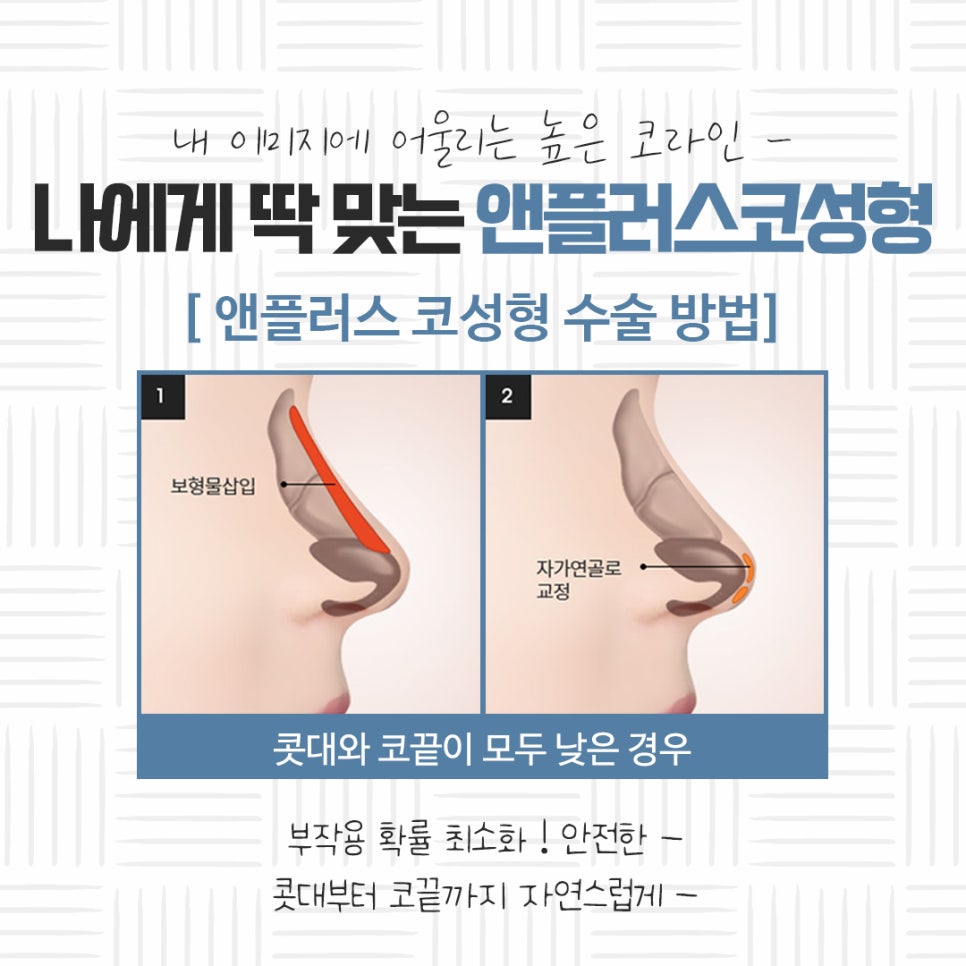
In cases of nose surgery where both the bridge and tip are low, an implant is inserted into the bridge, and autologous cartilage is used at the tip to correct the overall nasal line.
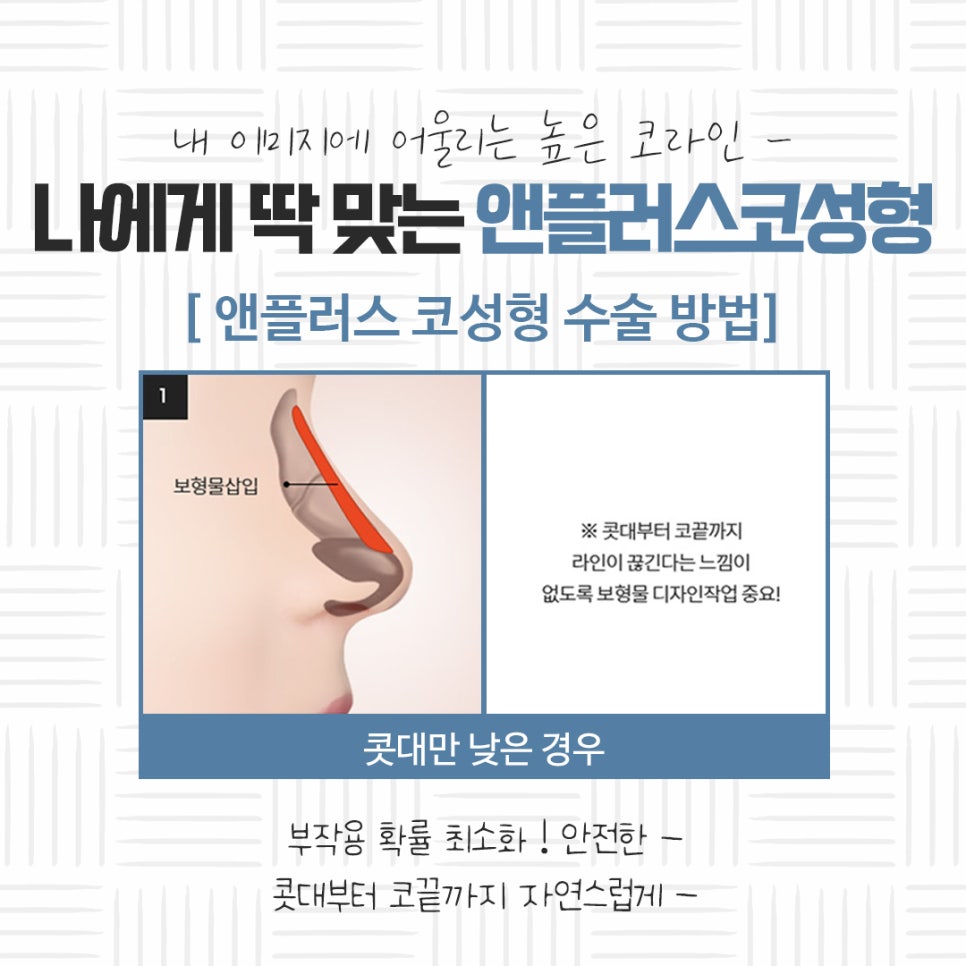
In cases where only the bridge is low, after inserting a bridge implant, the implant is carefully shaped so that the line does not break at the tip, thereby correcting the overall nasal line.
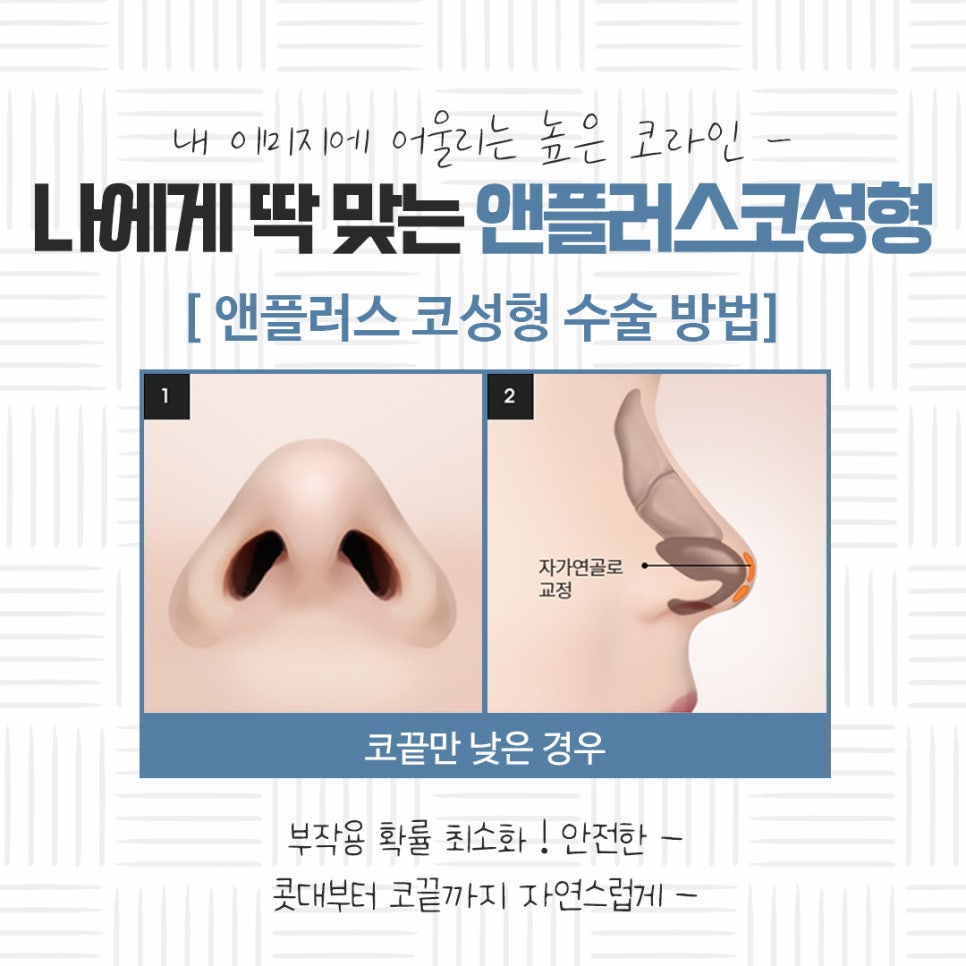
When only the tip is low, correction is performed using autologous cartilage for the tip, and the overall nasal line is adjusted so that it does not break from the bridge.
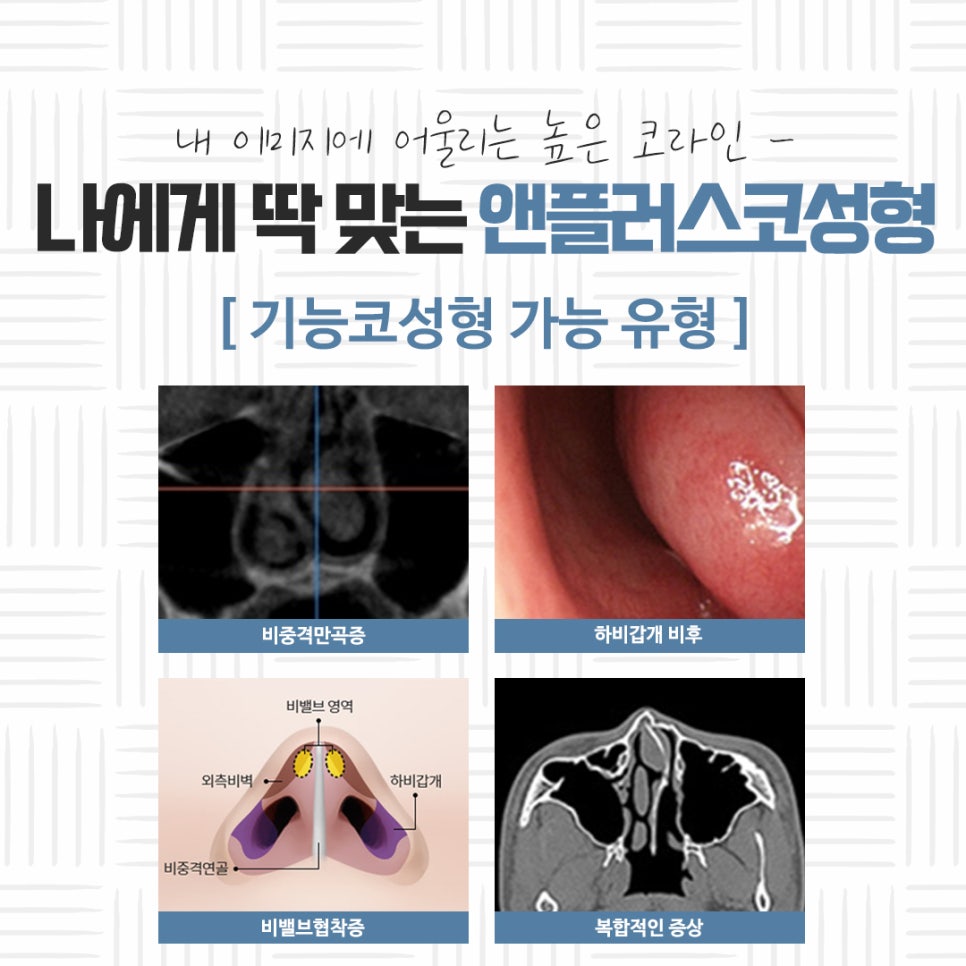
Additionally, a state in which function problems have arisen can refer to symptoms of nasal congestion caused by rhinitis. These include deviated septum, inferior turbinate hypertrophy, and nasal valve stenosis, and they can also occur in combination. In such cases, functional improvement is performed first, and aesthetic nose surgery is then carried out after functional improvement.
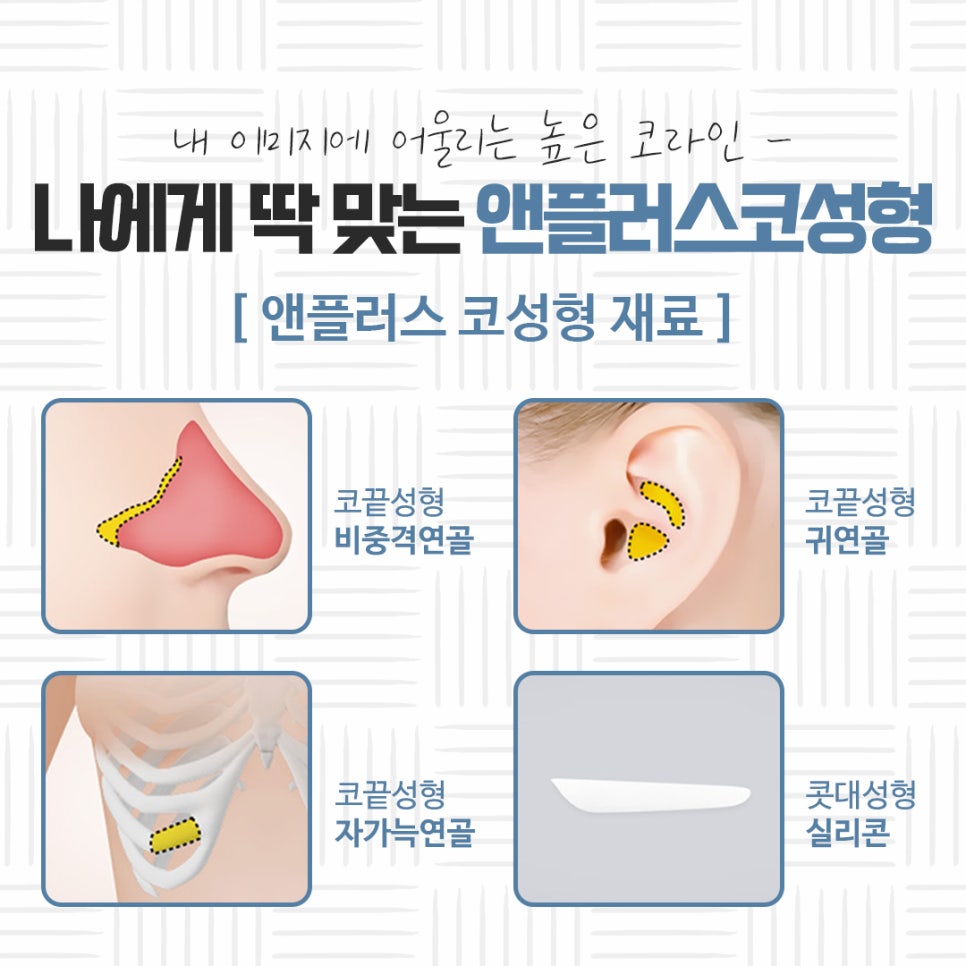
In general, the materials used for nose surgery include silicone for the bridge and autologous cartilage for the tip. Autologous cartilage includes septal cartilage, ear cartilage, and autologous costal cartilage. The type of autologous cartilage is selected according to the individual’s condition through preoperative testing before surgery.

For the silicone used in nose surgery with autologous cartilage, instead of using a pre-made commercial silicone product as is, it is carefully shaped by hand after considering various aspects such as the individual’s overall image, and the width, length, breadth, and height of the nasal bridge. This helps minimize the artificial feel that can be associated with conventional nose surgery.

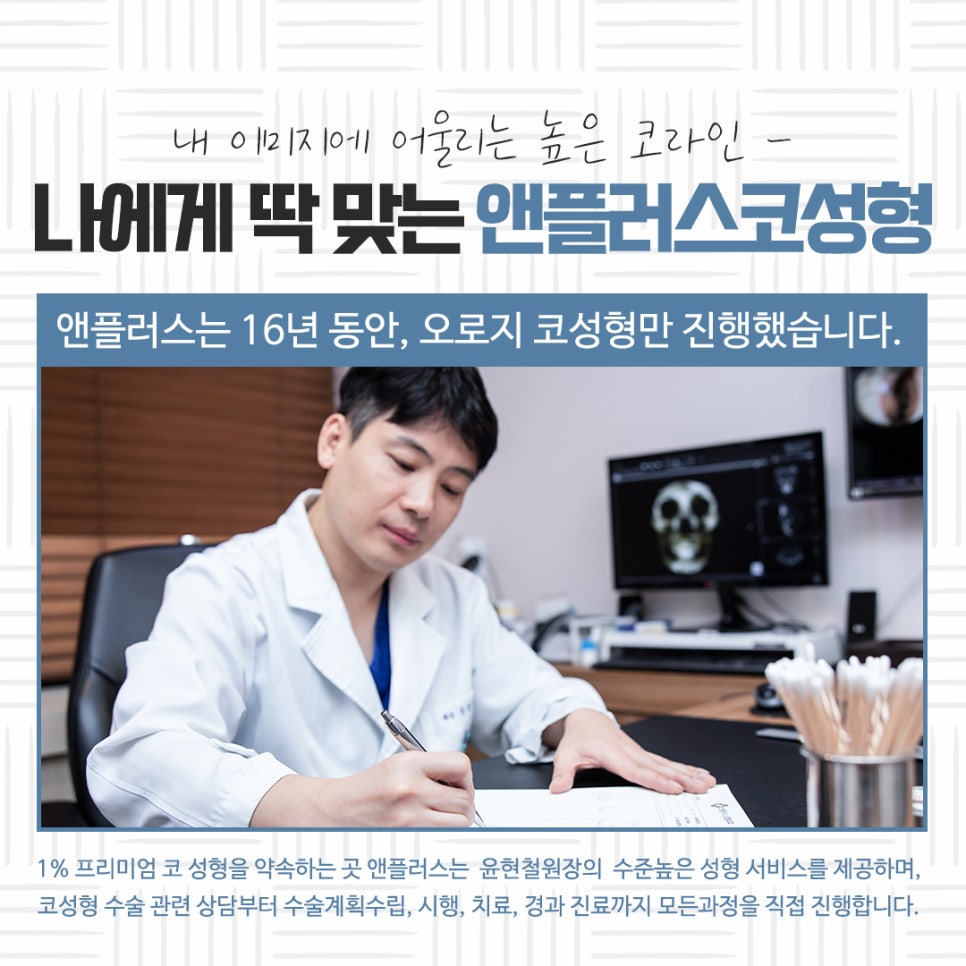
At Oziko Hospital N+Plus, Director Yoon Hyun-cheol personally handles every step one-on-one, from consultations related to nose surgery using autologous cartilage to surgical planning, execution, treatment, and follow-up examinations. This allows patients to receive high-level medical service before and after surgery.

Aftercare is also supported through the issuance of an N+Plus membership card, with an A/S system that guarantees coverage for one year after surgery. In addition, a surgery responsibility guarantee system is in place to prepare for any situation that may arise after surgery, such as pain, inflammation, or dissatisfaction with the shape, making a more satisfying nose surgery experience possible.
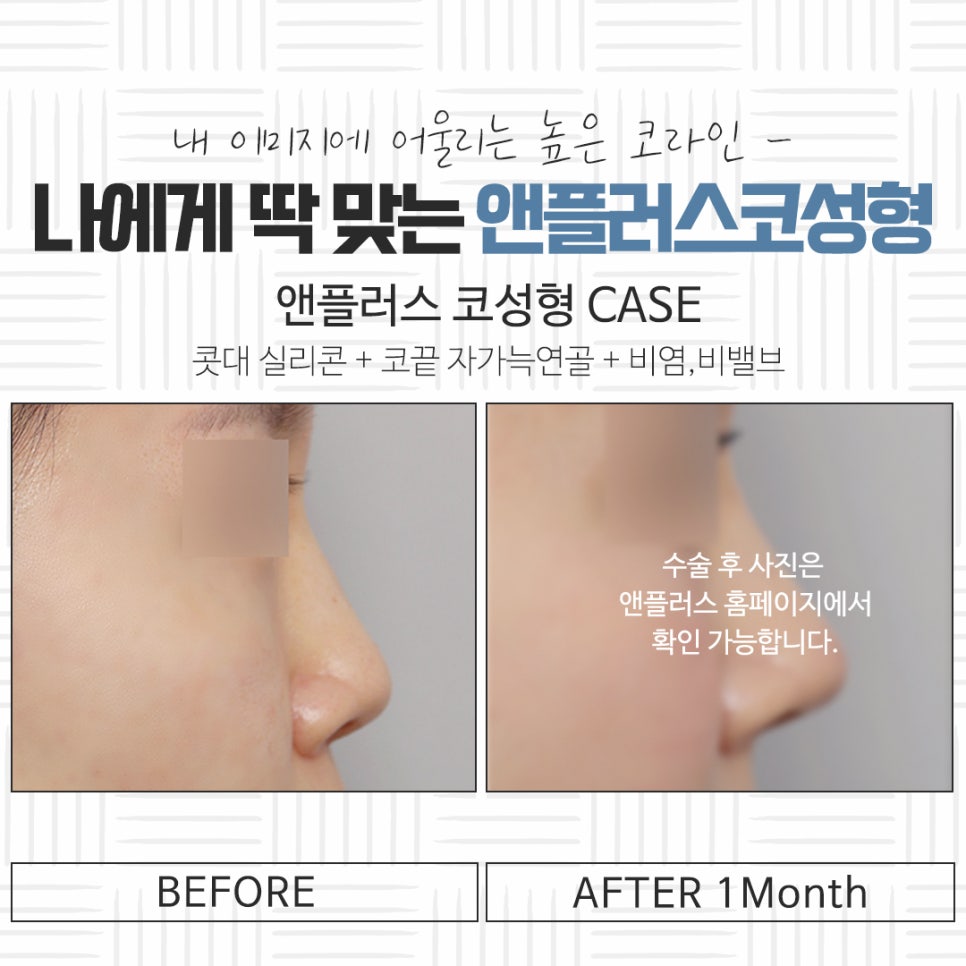
(The image above shows before-and-after photos from an actual nose surgery review using autologous cartilage at Oziko Hospital N+Plus.)
That concludes the information shared about nose surgery reviews using autologous cartilage at Oziko Hospital N+Plus. I hope this post is helpful for those who are considering nose surgery because they are dissatisfied with the shape of their nose or because of nasal congestion caused by rhinitis. Thank you.