Hello. This is A+ Plastic Surgery, a rhinoplasty revision clinic that thinks only about your healthy and beautiful nose.
The topic we will introduce this time is a summary of rhinoplasty revision for those who are looking into rhinoplasty revision plastic surgery clinics.
In modern times, as standards of beauty have risen, many people are showing a very high level of interest in plastic surgery. In particular, since the nose shape of Koreans tends to be lower and broader compared to Westerners, rhinoplasty is generally popular. While some people have already tried surgery and improved their satisfaction, those who are worried about dissatisfaction with the shape or side effects after their first surgery can look into rhinoplasty revision plastic surgery clinics in more detail.
Therefore, people who look into rhinoplasty revision plastic surgery clinics may choose rhinoplasty revision for reasons such as dissatisfaction with the shape after the first surgery, problems with nasal function, inflammation, or contracture. In the case of rhinoplasty revision, the causes are varied, and the surgical methods and materials differ greatly depending on the cause. Therefore, an accurate diagnosis of the condition of your nose must be made first, and the appropriate surgery should then be performed to prevent secondary surgeries.
Usually, when undergoing rhinoplasty, there are many cases where the cosmetic approach is prioritized. However, the nose plays an important external role, but it is also a functional organ responsible for breathing and smelling. Only when surgery is performed with these functional aspects in mind can it be considered a satisfying rhinoplasty.
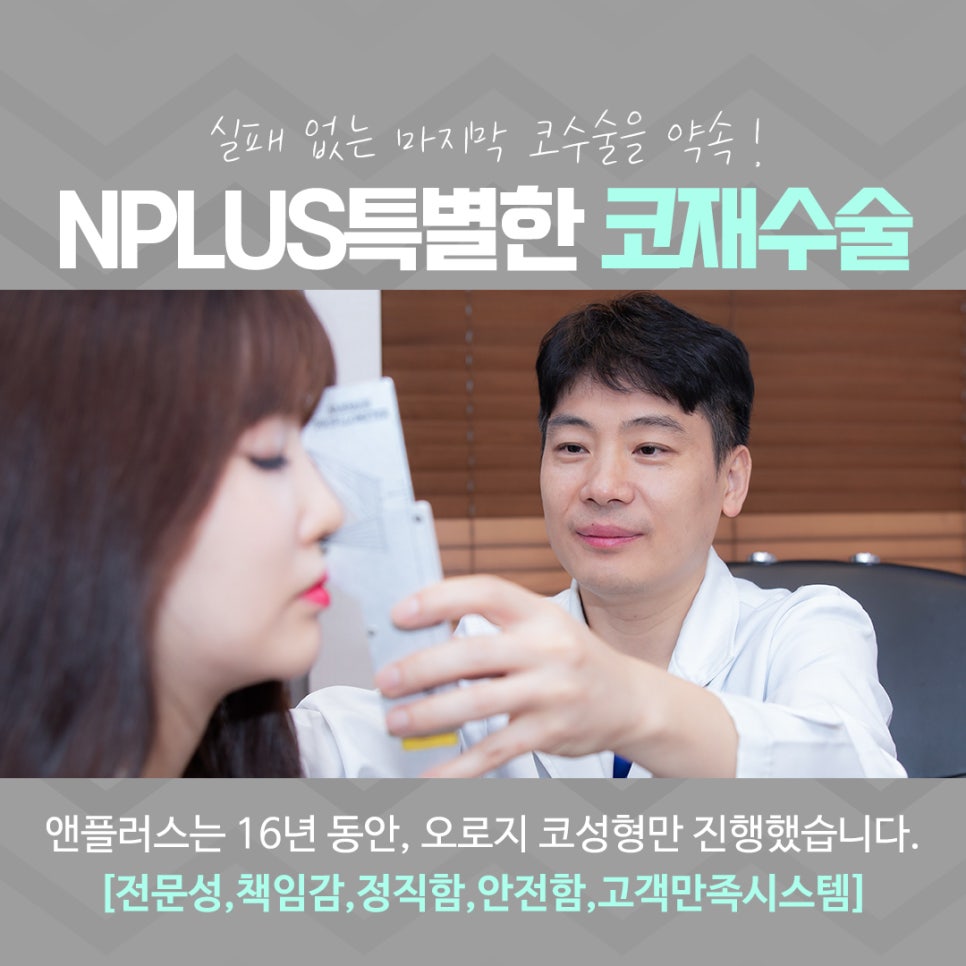
Therefore, those looking into rhinoplasty revision plastic surgery clinics should also check whether the medical team has a high level of anatomical knowledge of the nose, whether they have sufficient experience and expertise, whether equipment is available to accurately assess the condition of the nose, and whether aftercare can be reliably guaranteed. These points can help with your decision.

Among the functional problems that can be improved through rhinoplasty, nasal congestion is one of the most common symptoms. Rhinitis is a condition that affects more than 70% of adults in Korea, and allergic rhinitis accounts for 20%, while structural rhinitis caused by abnormalities in the internal structure accounts for 80%.
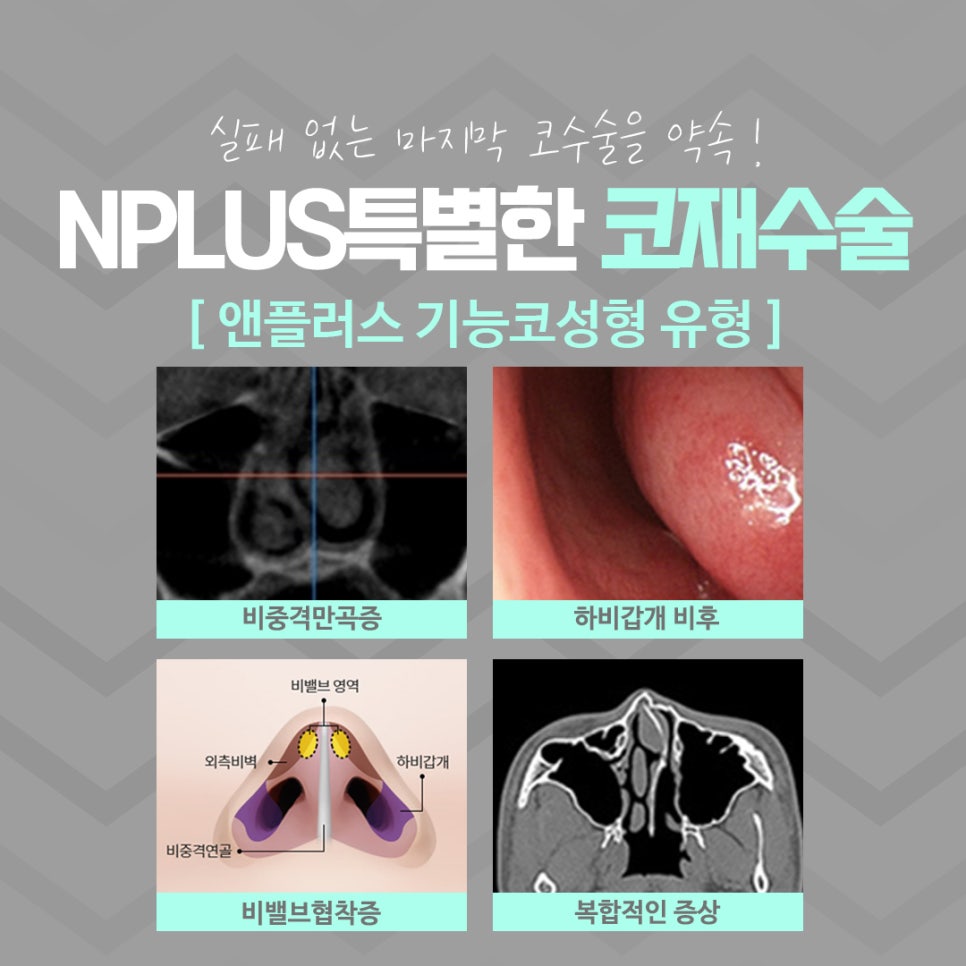
In the case of allergic rhinitis, because it occurs due to specific substances or seasonal changes, it is difficult to cure completely. However, continuous improvement in immunity and medication treatment may provide temporary improvement. Causes of structural rhinitis include deviated septum, inferior turbinate hypertrophy, nasal valve stenosis, and complex symptoms. These different conditions obstruct the airflow into the nose and cause nasal congestion, and surgery may offer a cure. Even if the symptom is the same, the causes vary, so choosing a clinic that performs surgery after an accurate diagnosis can be helpful when looking for a rhinoplasty revision plastic surgery clinic.

Therefore, when choosing a rhinoplasty revision plastic surgery clinic, many cases involve both cosmetic improvement and functional improvement at the same time. This is because if the functional aspects explained above are excluded and the procedure is performed only with a cosmetic approach, functional problems after surgery may lead to revision surgery to improve them.
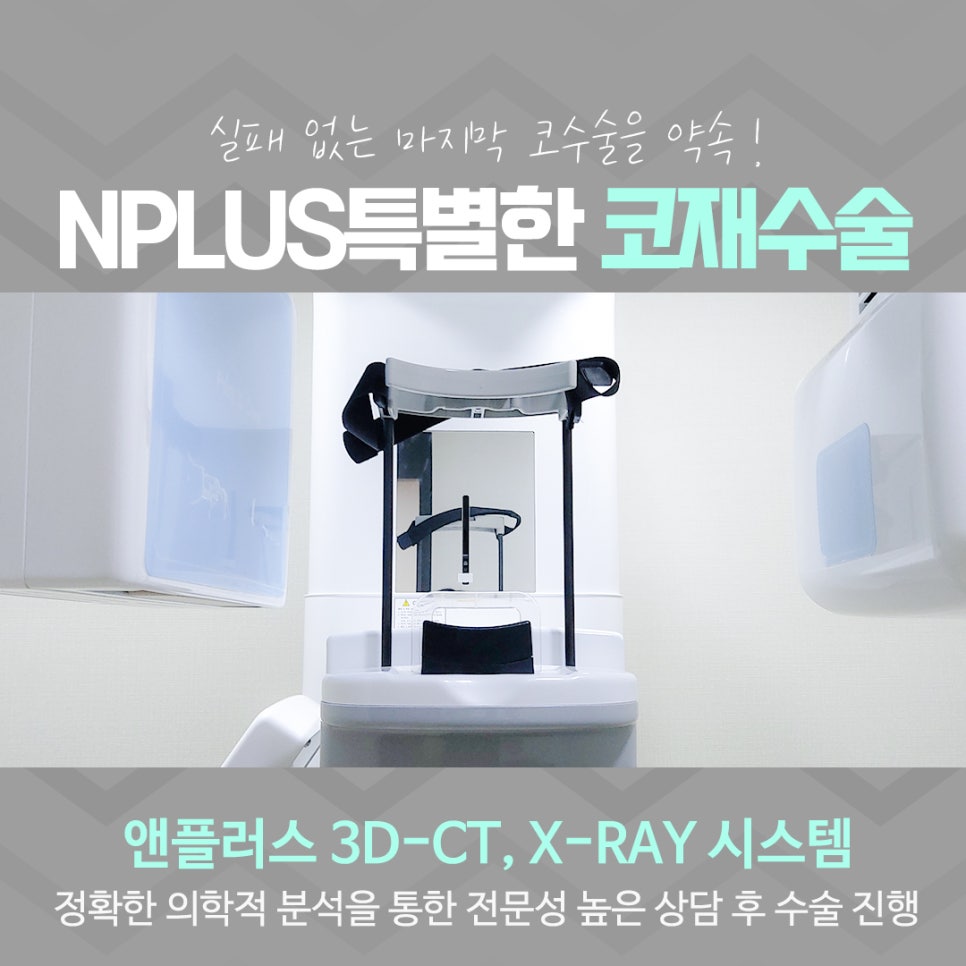
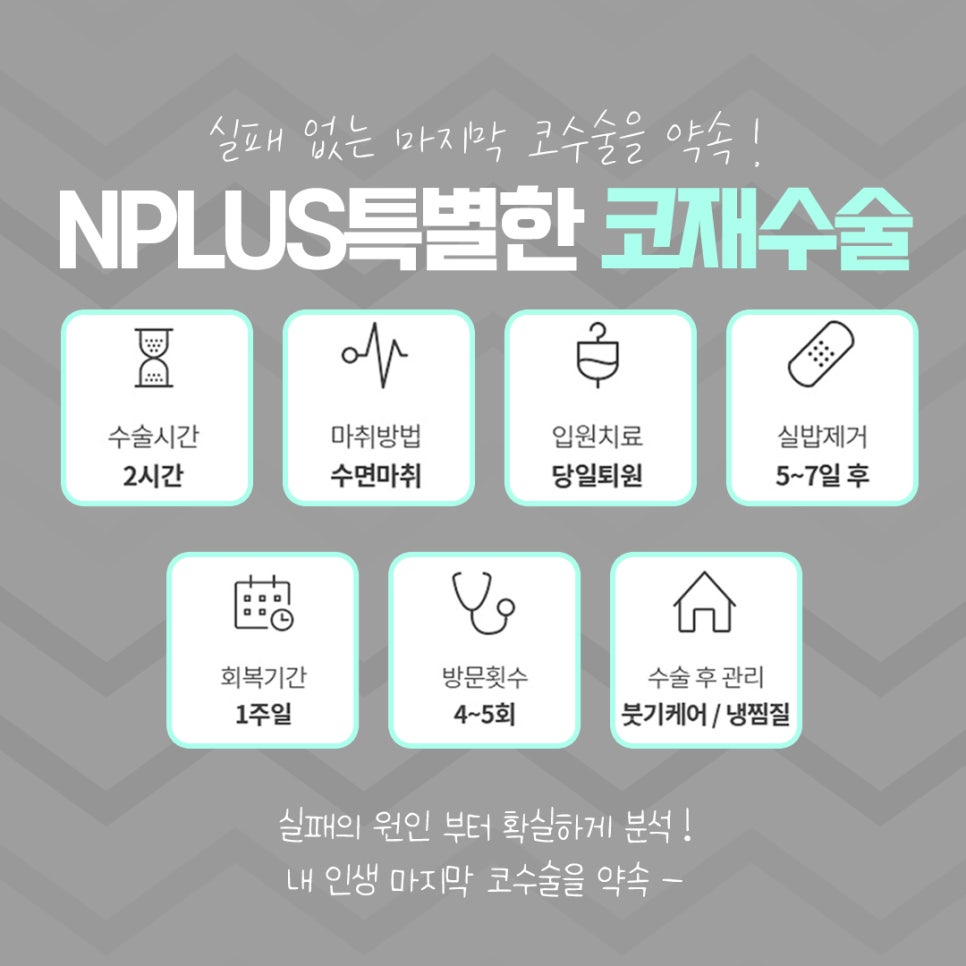
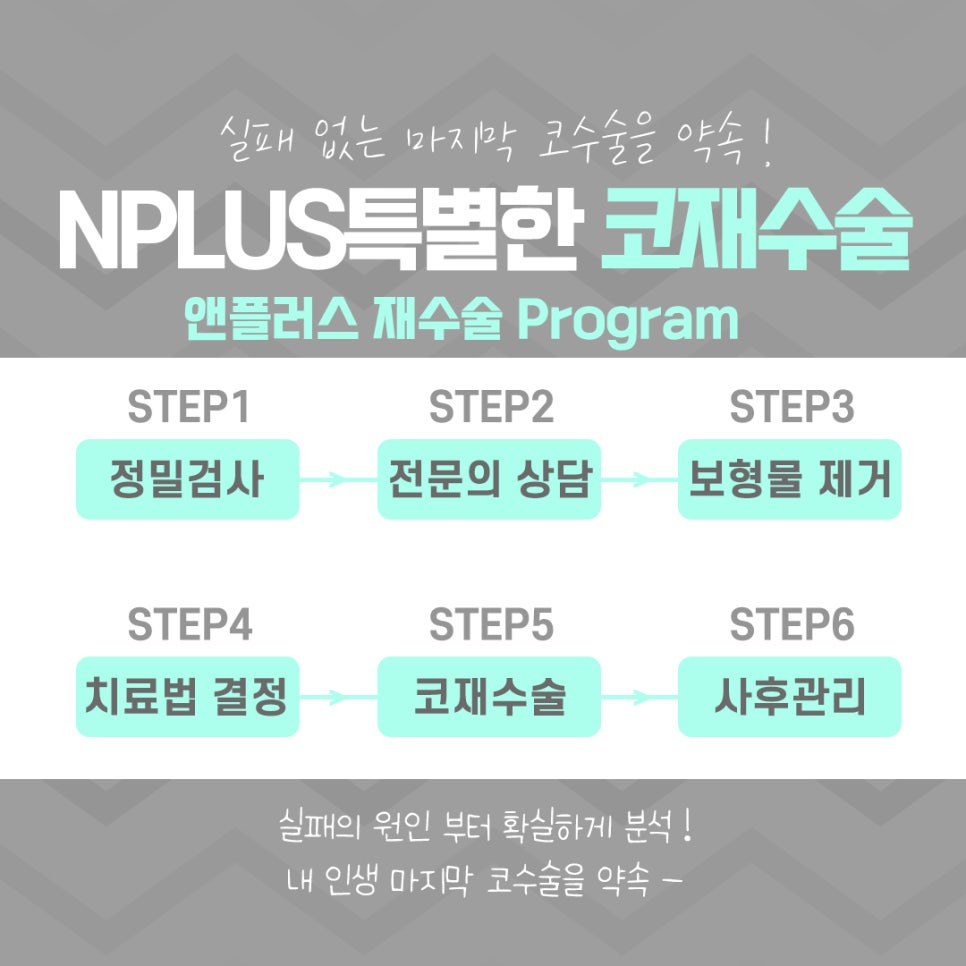
At A+ Plastic Surgery, a safe and satisfying rhinoplasty revision is carried out by first accurately identifying the problems with the current nose condition through preoperative 3D-CT imaging, internal endoscopy, various allergy tests, and internal nasal function tests. Based on the extracted data, a plan is established, and revision surgery is performed using a method suited to each individual.
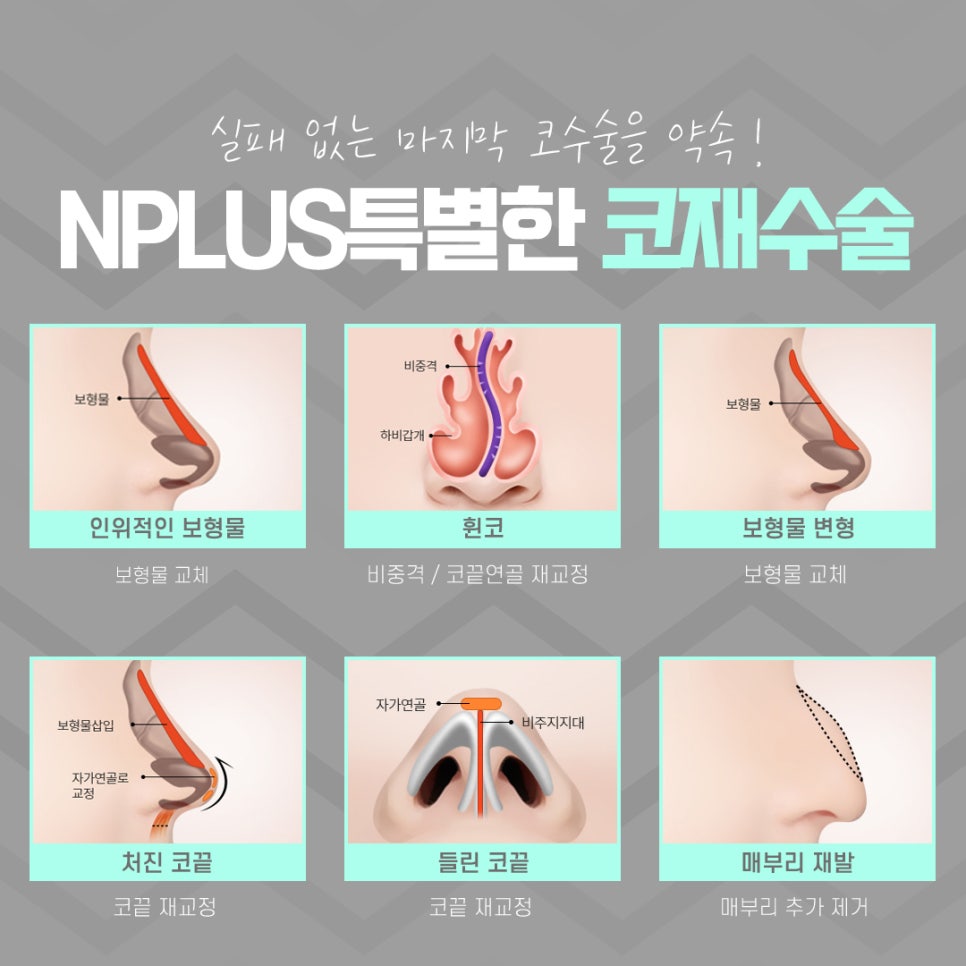
Rhinoplasty revision methods are divided into various types, and procedures are performed according to each individual’s needs, including cases involving artificial implants, crooked noses, implant deformity, drooping nasal tips, and recurrence of a hump nose.
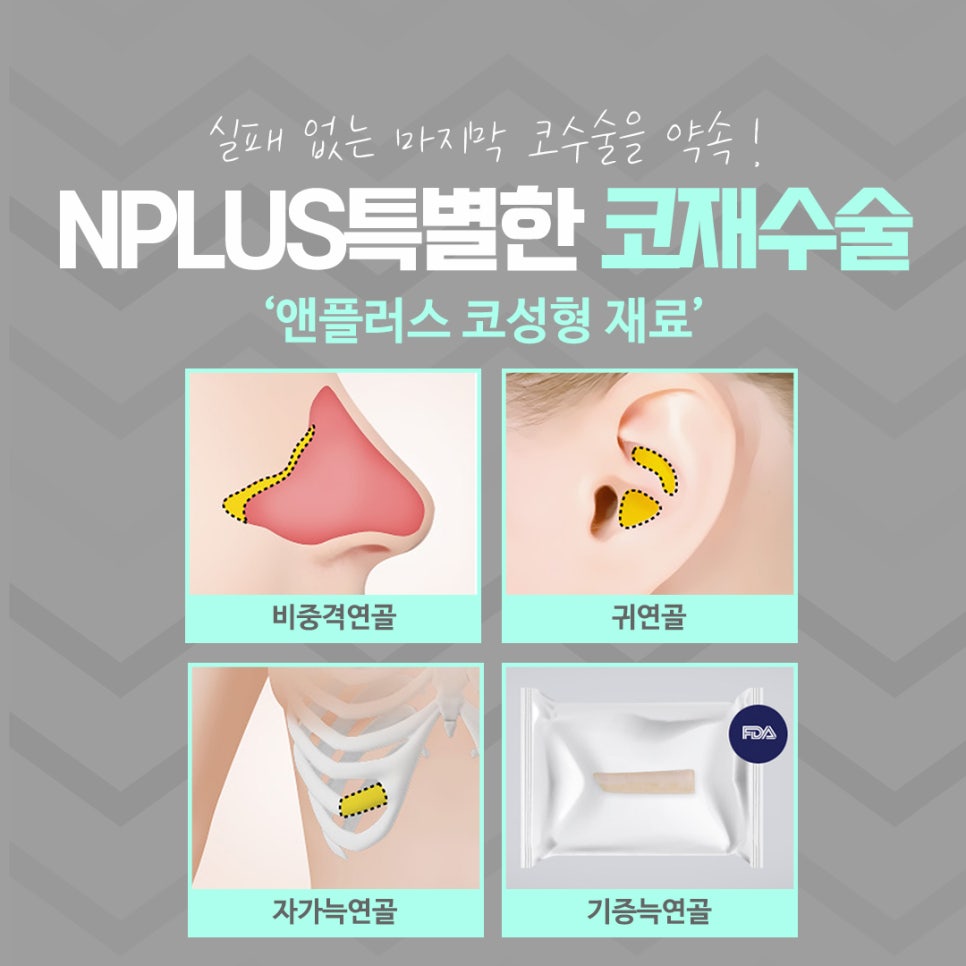
The materials commonly used in rhinoplasty revision include silicone for the bridge of the nose and autologous cartilage for correcting the nasal tip. The autologous cartilage used for the nasal tip is corrected using septal cartilage, ear cartilage, or autologous rib cartilage. If the use of autologous cartilage is unavoidable and difficult, donor rib cartilage approved by the U.S. FDA is used.
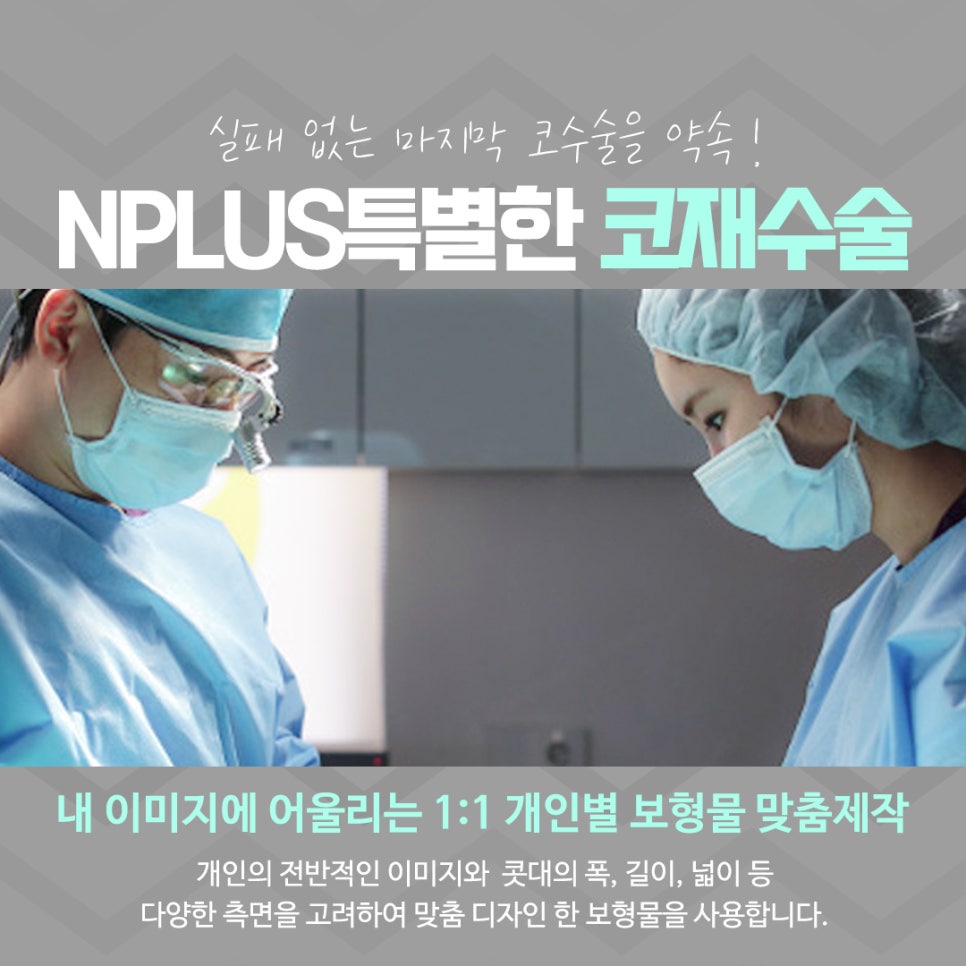
In addition, the implant used for the bridge of the nose is not simply an existing commercial implant used as is. Instead, it is carefully and delicately shaped by hand while considering the individual's overall image, as well as the width, length, breadth, and height of the nasal bridge. Because the nose is then corrected and designed into a line that suits the individual rather than looking artificial, it results in a more satisfying rhinoplasty revision.
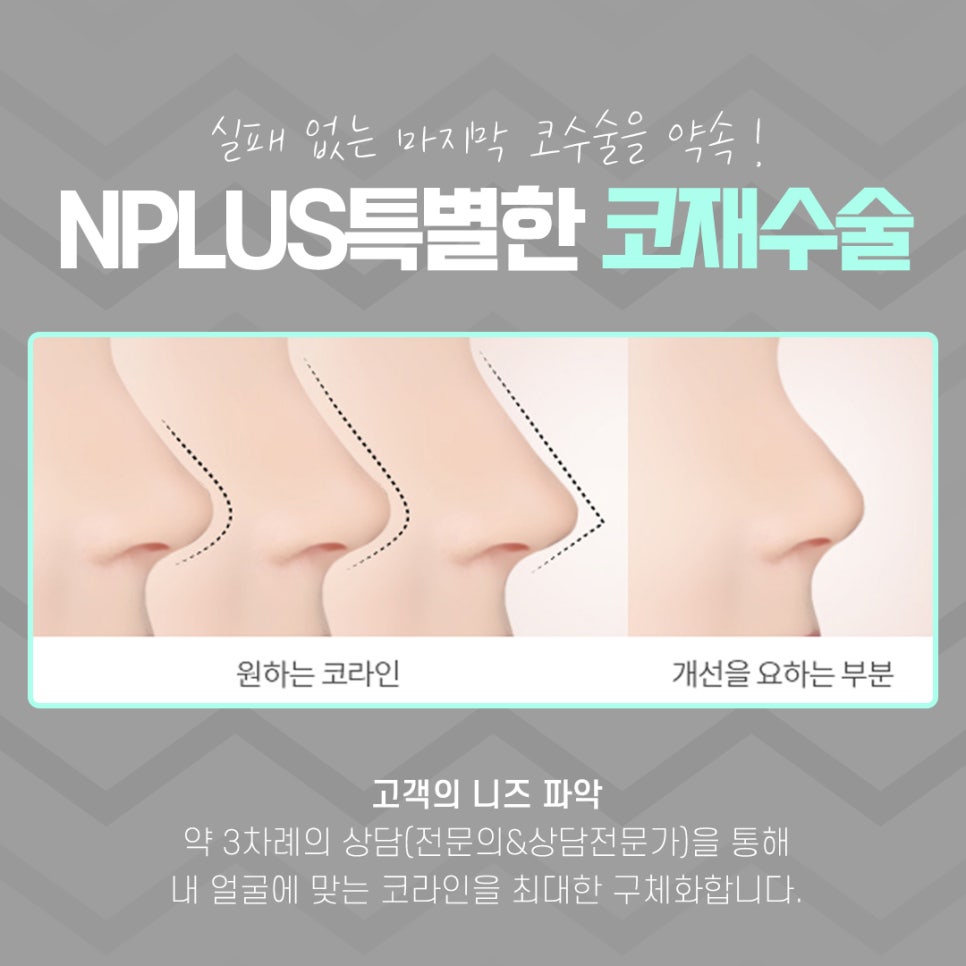
At A+ Plastic Surgery, through accurate analysis, the cause of the first surgery failure is identified and the rhinoplasty revision method is made more specific. With a systematic system in place, scarring and swelling that may worsen after revision surgery are also carefully managed. Director Yoon Hyun-cheol personally handles everything one-on-one, from consultation about rhinoplasty revision to surgical planning, implementation, treatment, and follow-up visits. This allows patients to receive high-level medical services before and after surgery.

Aftercare is also supported through the issuance of an A+ Membership Card, which provides an after-service guarantee for one year after surgery, as well as a surgical responsibility guarantee system that prepares for all situations that may arise after surgery, such as pain, inflammation, or dissatisfaction with the appearance.
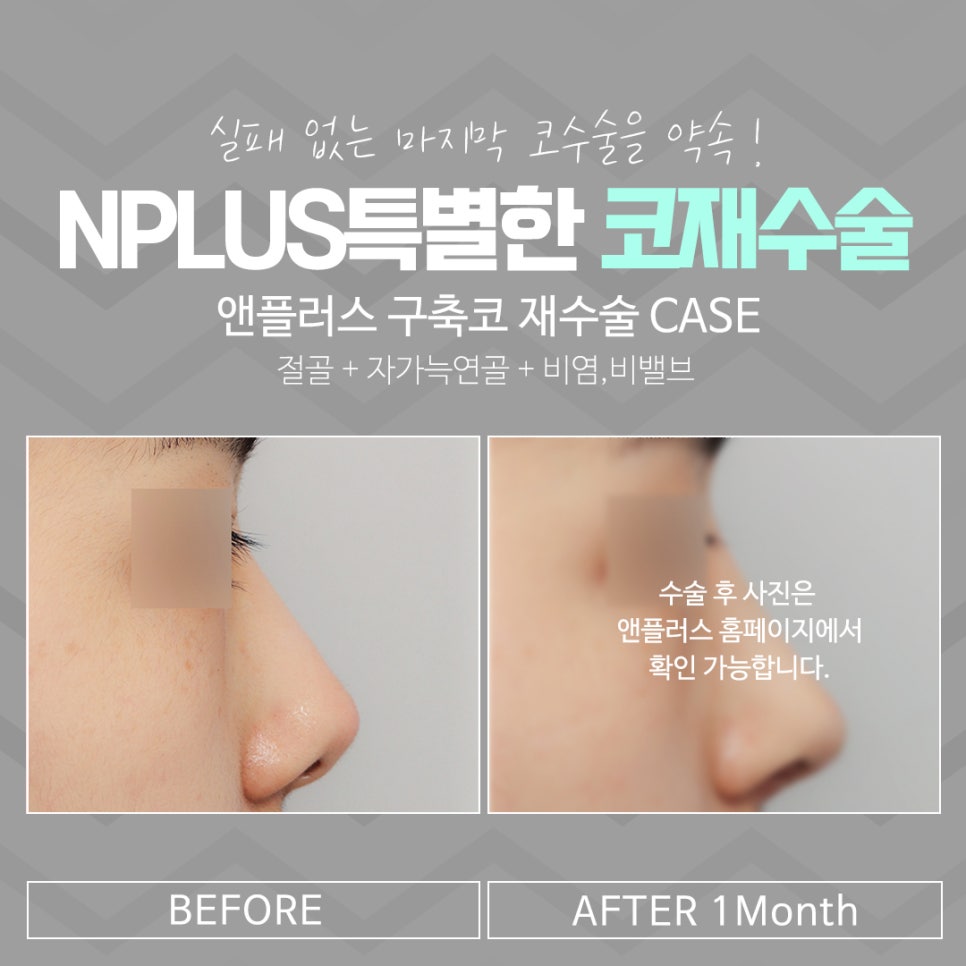
(The image above shows actual before-and-after photos of rhinoplasty revision at A+ Plastic Surgery.)
This concludes the information we shared about rhinoplasty revision at A+ Plastic Surgery. We hope this article will be very helpful for those who are considering rhinoplasty revision because they are still unhappy with the shape after the first surgery or because of inflammation or contracture. Thank you.