
Hello. We are Ozigo Plastic Surgery and N+ Clinic, focused solely on your beautiful and healthy nose.
The topic introduced here is about nose bridge surgery performed after accurately checking the inside of the nose.

In the past, people changed their appearance according to trends, but in modern times, the trend is to enhance one’s appearance naturally while preserving individuality. For that reason, people may try various things through exercise, makeup, or changes in hairstyle, but the nose is one area that is difficult to change through such efforts. The nose sits at the center of the face and is the most three-dimensional feature, so even a slight deviation in its shape can make the balance of the entire face seem off. That is why people may look into rhinoplasty information to improve their image.

Therefore, among those looking into rhinoplasty, many want to improve noses that are low, too high, humped, drooping, upturned, or crooked into a smooth, refined line. In particular, when a low nose bridge makes the face appear flat and less dimensional, people often seek a more defined, three-dimensional line, so they may look into nose bridge surgery in greater detail.
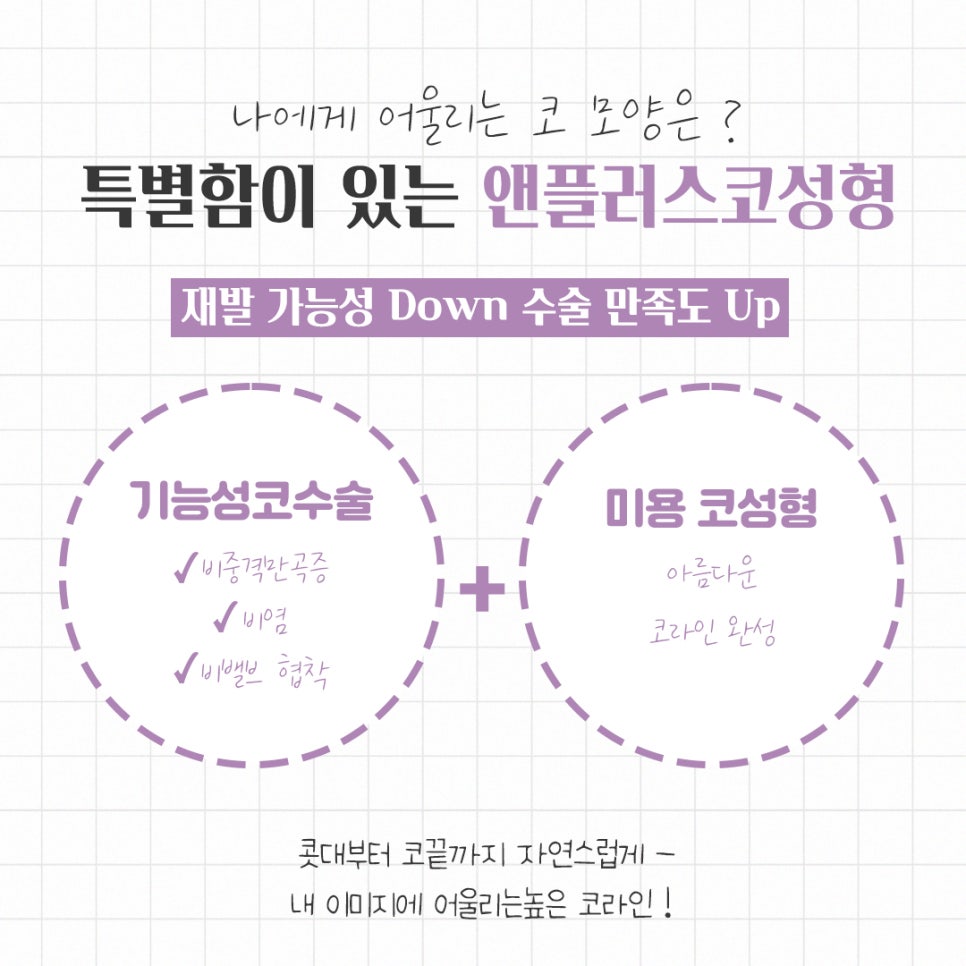
However, with nose bridge surgery, it is important not only to approach it from the external appearance described above, but also to consider the nose’s internal functions. The nose is an organ responsible for breathing and smell, so if surgery is performed without taking these functional aspects into account, it may lead to secondary surgery due to functional problems after the operation. For this reason, it is important to proceed only after checking the internal functional aspects of the nose.
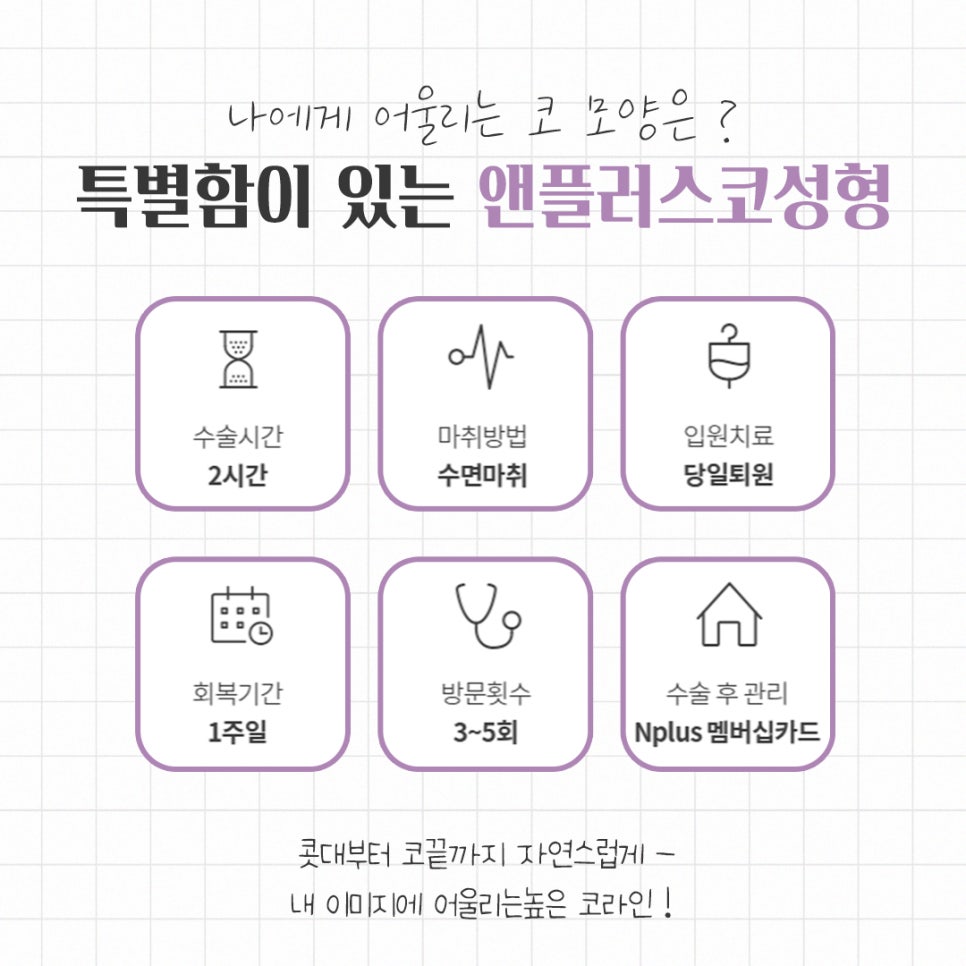
When nose bridge surgery is performed with the aim of improving the nose’s functional aspects through plastic surgery, the most representative symptom is nasal congestion caused by rhinitis. In Korea, more than 70% of adults have rhinitis; 20% is allergic rhinitis, and 80% is structural rhinitis caused by abnormalities in the internal structure, and both commonly involve nasal congestion. Therefore, if you usually experience nasal congestion, it may be helpful to accurately check the internal condition of your nose before undergoing nose bridge surgery.
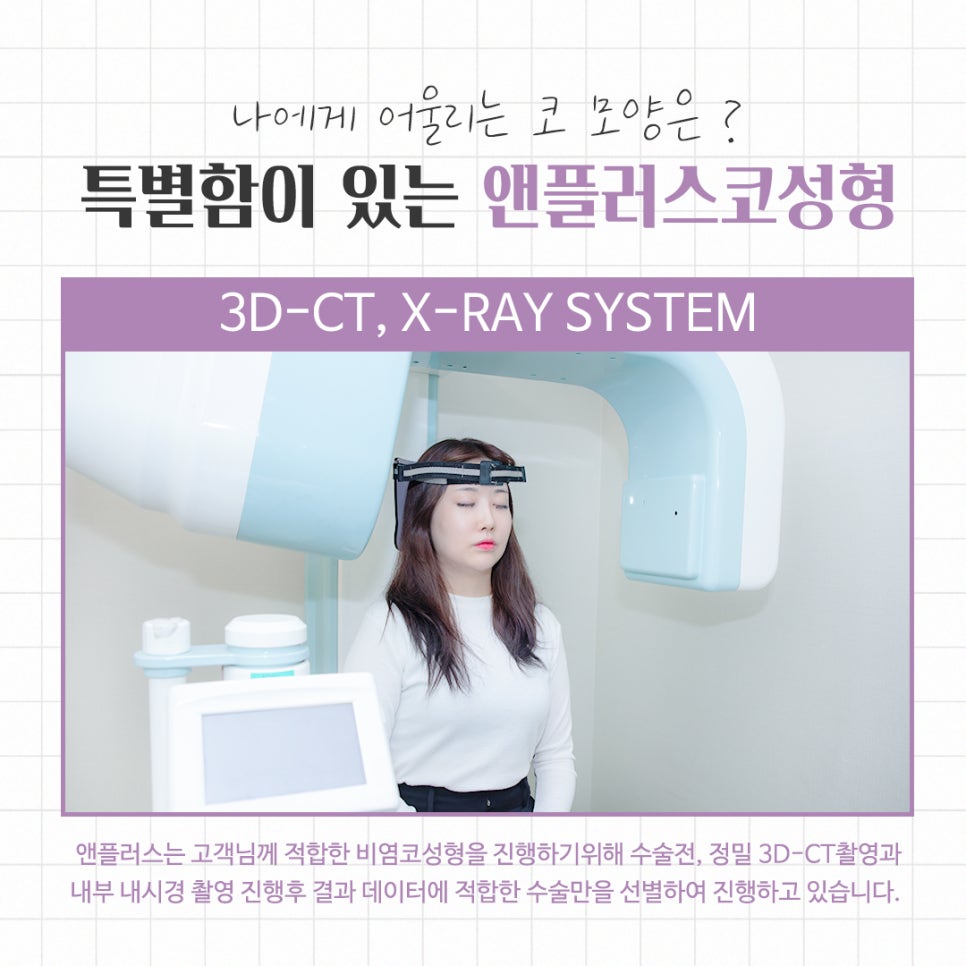
At Ozigo Plastic Surgery and N+ Clinic, to ensure safe and satisfactory nose bridge surgery, we accurately analyze the current condition of the nose through preoperative 3D-CT imaging, internal endoscopic imaging, various allergy tests, and internal nasal function tests. Based on the extracted data, we establish a surgical plan and perform nose bridge surgery tailored to each individual.
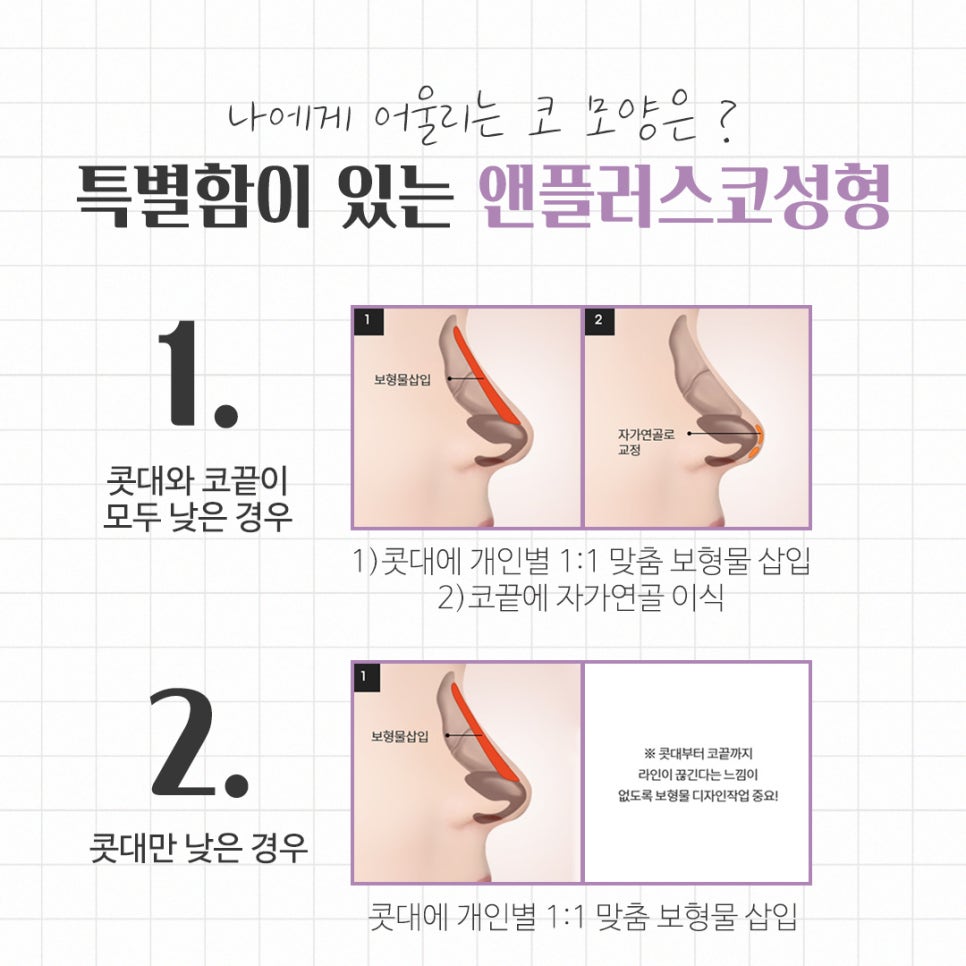
Nose bridge surgery is performed differently depending on whether both the nose bridge and tip are low, or only the nose bridge is low. If both the nose bridge and tip are low, the bridge is corrected with silicone and the tip with autologous cartilage. If only the nose bridge is low, correction is performed by inserting silicone.
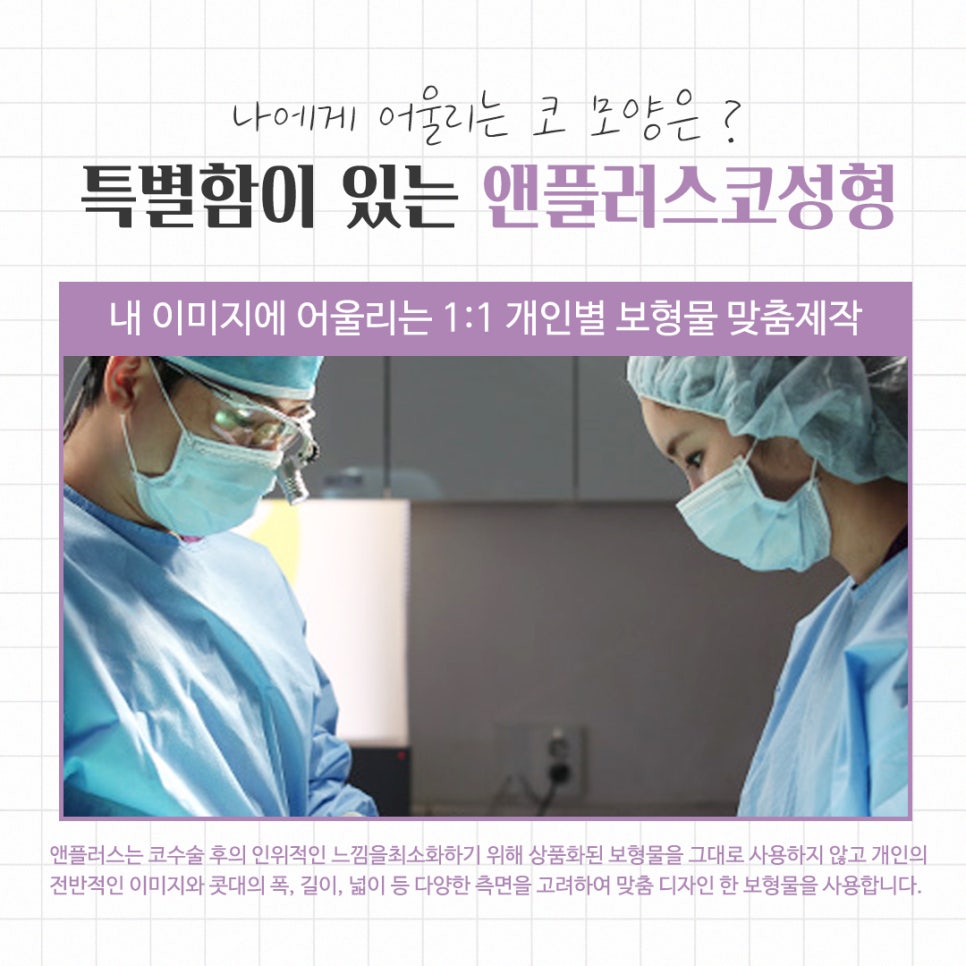
At Ozigo Plastic Surgery and N+ Clinic, during nose bridge surgery, we do not use mass-produced silicone as is in order to minimize an artificial look. Instead, we carefully and delicately shape it ourselves after considering the individual’s overall image as well as the width, length, breadth, and height of the nose bridge before using it.
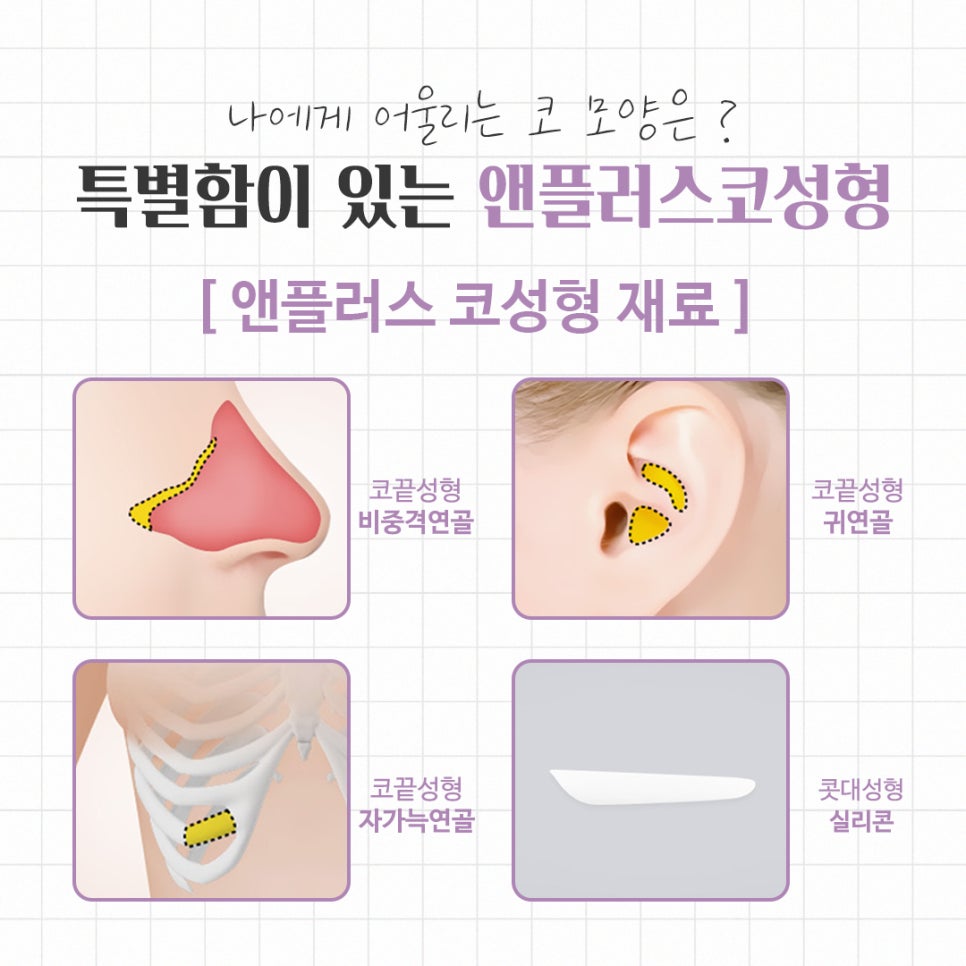
The autologous cartilage used in tip surgery, which is performed when needed along with nose bridge surgery, includes ear cartilage, autologous rib cartilage, and septal cartilage. To prevent secondary infection that may occur during surgery, all implants and cartilage are sterilized before transplantation, so you can feel at ease.

As such, nose bridge surgery is a procedure performed after checking both the external and functional aspects of the nose. It is better to proceed only after carefully checking whether the medical team has a high level of anatomical knowledge, whether they have extensive relevant experience and expertise, whether equipment is available to accurately assess the condition of your nose, and whether aftercare can be reliably guaranteed.
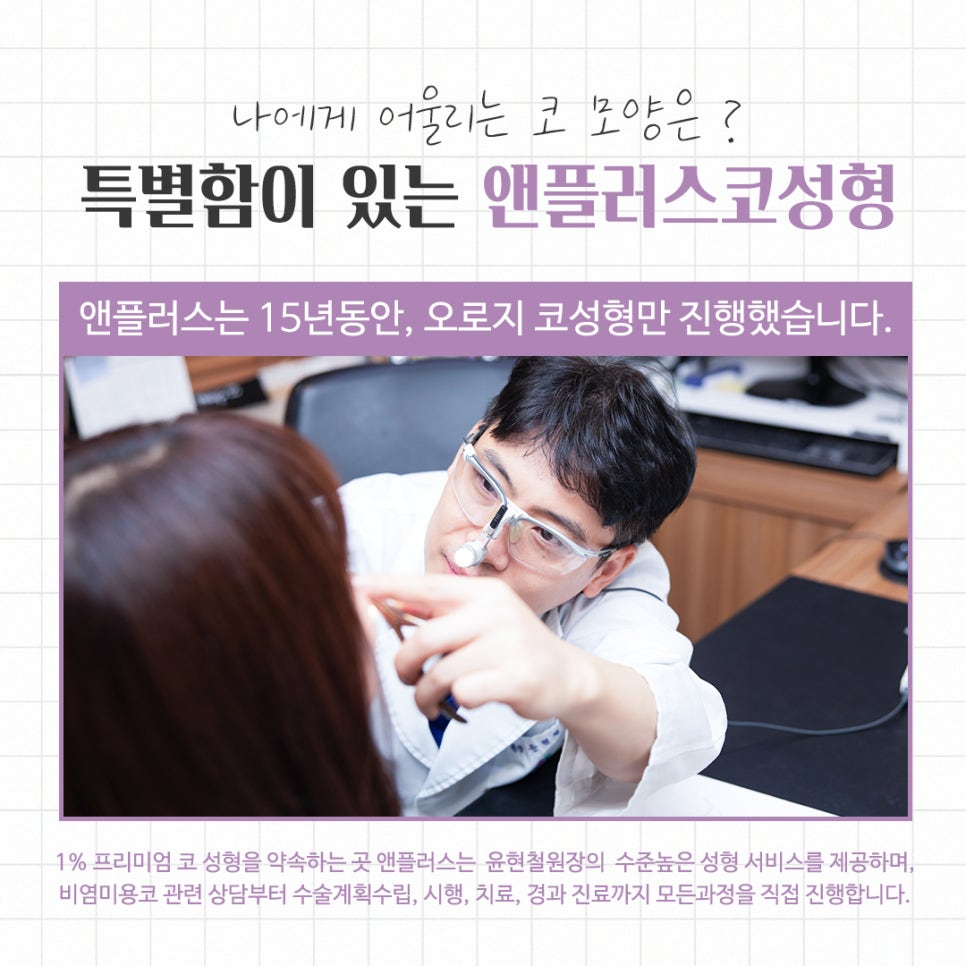
At Ozigo Plastic Surgery and N+ Clinic, Director Yun Hyeon-cheol personally takes charge one-on-one and handles every step of the process himself, from consultation about nose bridge surgery to surgical planning, the procedure itself, treatment, and follow-up care. This allows you to receive a high level of medical service from before surgery through recovery.

For aftercare, we operate an A/S system that guarantees support for one year after surgery, as well as a surgical responsibility guarantee system prepared for all situations that may arise, including postoperative pain, inflammation, and dissatisfaction with the appearance. Those who have an N+ membership card can receive aftercare benefits at any time.
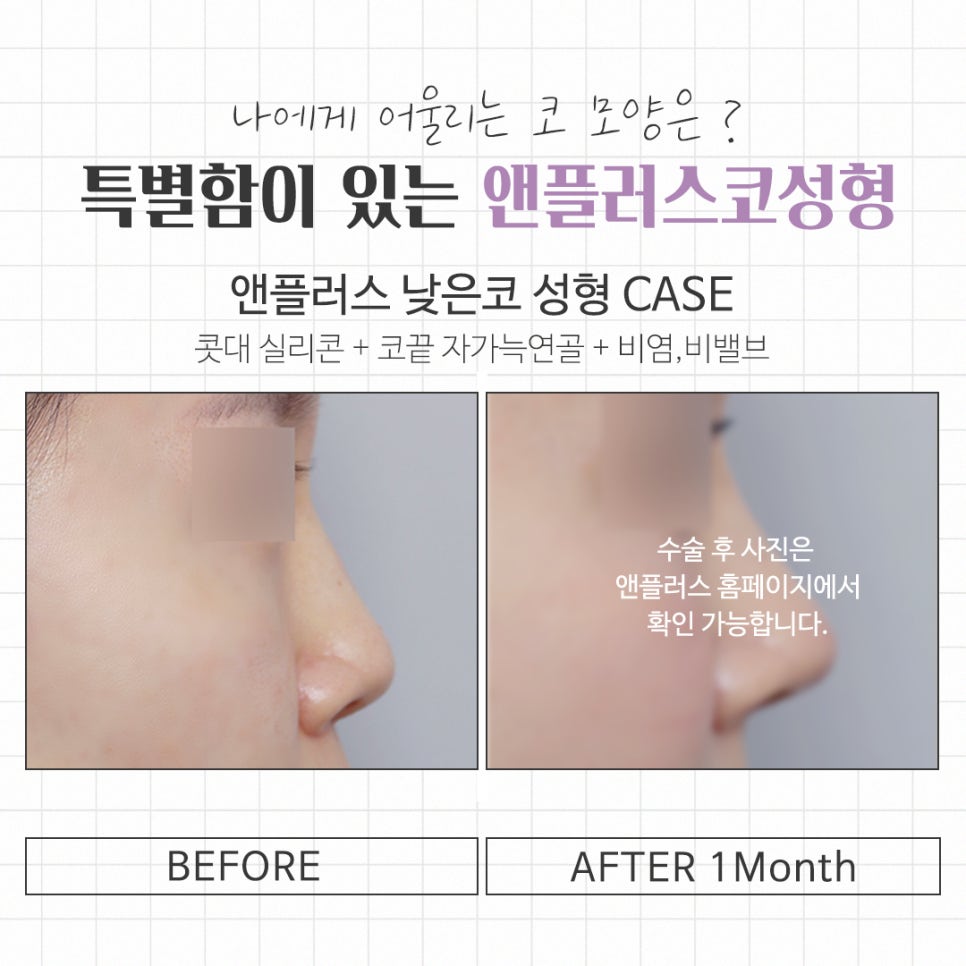
(The image above shows before-and-after photos of nose bridge surgery at Ozigo Plastic Surgery and N+ Clinic.)
That concludes the information about nose bridge surgery at Ozigo Plastic Surgery and N+ Clinic. We hope this article was helpful to those who are considering rhinoplasty because of a low nose bridge. Thank you.