Hello. This is OJIKO Hospital N+Plus, which thinks only about your healthy and beautiful nose.
This time, we have prepared content about male nose revision surgery performed with a thorough diagnosis.
These days, men also try to improve parts of their appearance they are not satisfied with through cosmetic procedures. In particular, nose surgery is located at the center of the face and is a three-dimensional feature, so even a small change can have a significant effect on improving the image. That is why it is a popular cosmetic procedure for men as well. While many cases are satisfied with the first surgery, if the expected shape was not achieved, you may want to take a closer look at male nose revision surgery.
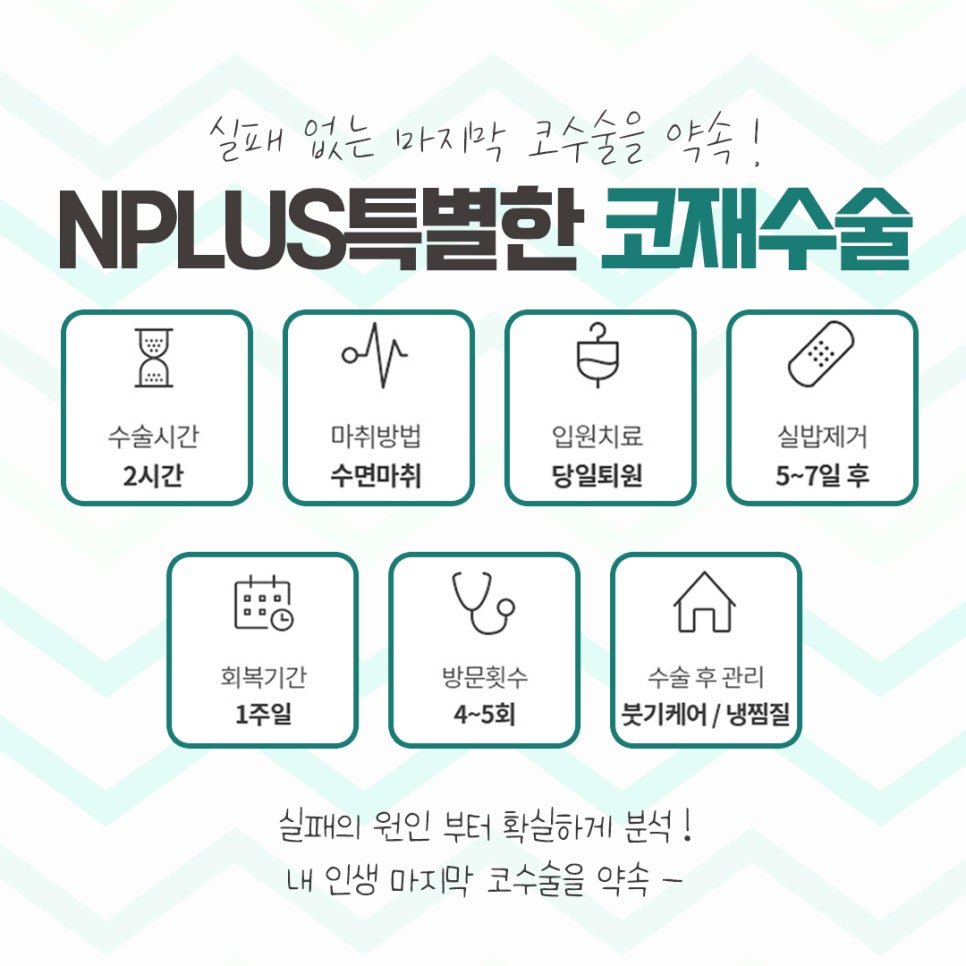
Accordingly, among those looking into male nose revision surgery, some may consider reoperation for various reasons such as dissatisfaction after the first nose surgery, functional problems with the nose, inflammation, or contracture. In the case of male nose revision surgery, the causes vary widely, so the surgical method and materials can differ greatly. Therefore, it can be helpful to proceed only after accurately checking the condition of your nose.
In general, people who undergo male nose revision surgery often place priority on aesthetic concerns, so there are relatively many cases of dissatisfaction with appearance and cases of functional problems after surgery. The nose plays a very important aesthetic role, while also being a functional organ responsible for breathing and the sense of smell. It is important that surgery proceeds only after considering both the external and internal aspects.
When improving the functional aspects of the nose mentioned above through surgery, the most representative symptom is nasal congestion caused by rhinitis. Rhinitis is a condition that more than 70% of Korean adults have, and it is divided into allergic rhinitis and structural rhinitis caused by abnormalities in the internal structure of the nose. Allergic rhinitis accounts for 20%, while structural rhinitis accounts for 80%.
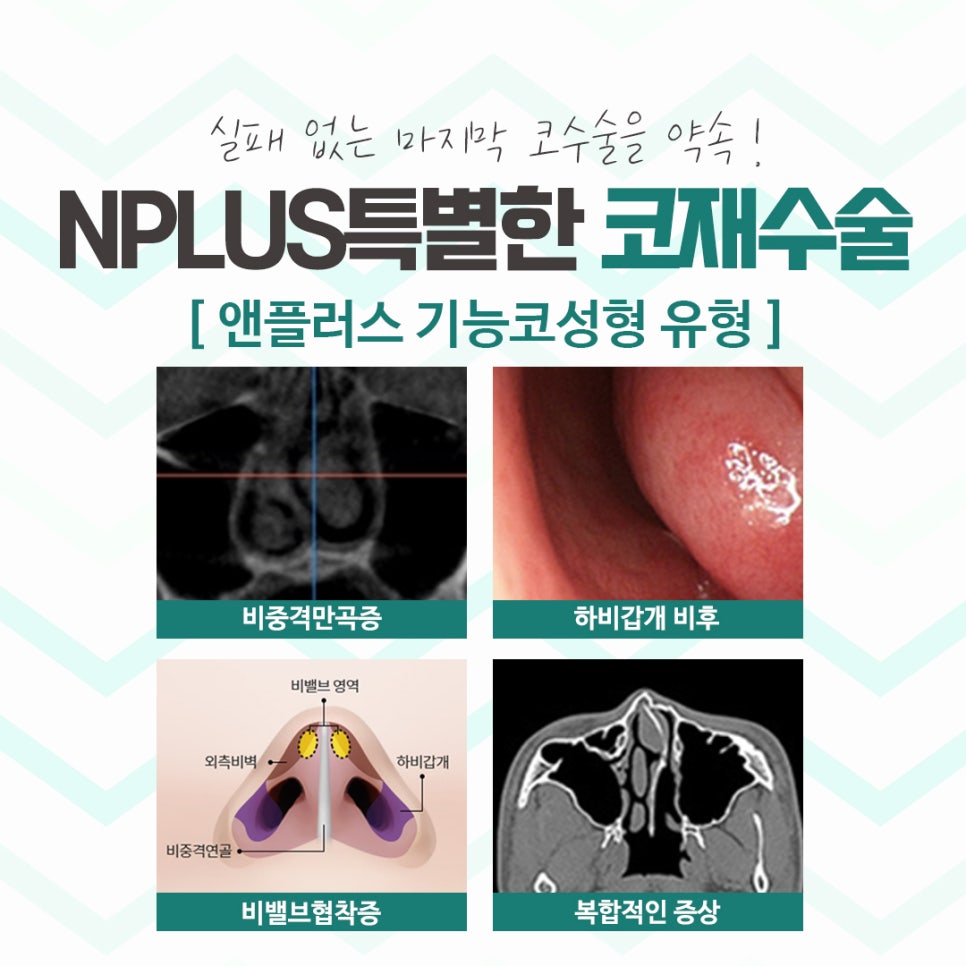
In the case of allergic rhinitis, a complete cure is difficult, so temporary improvement is possible through ongoing immune enhancement and medication treatment. In the case of structural rhinitis, there are a deviated septum, inferior turbinate hypertrophy, and nasal valve stenosis. These conditions obstruct airflow into the nose in different ways and commonly cause nasal congestion. Structural rhinitis may be cured through surgery, and although the symptoms are the same, the causes are varied. Therefore, surgery must be performed through an accurate diagnosis in order to achieve satisfying nose surgery.
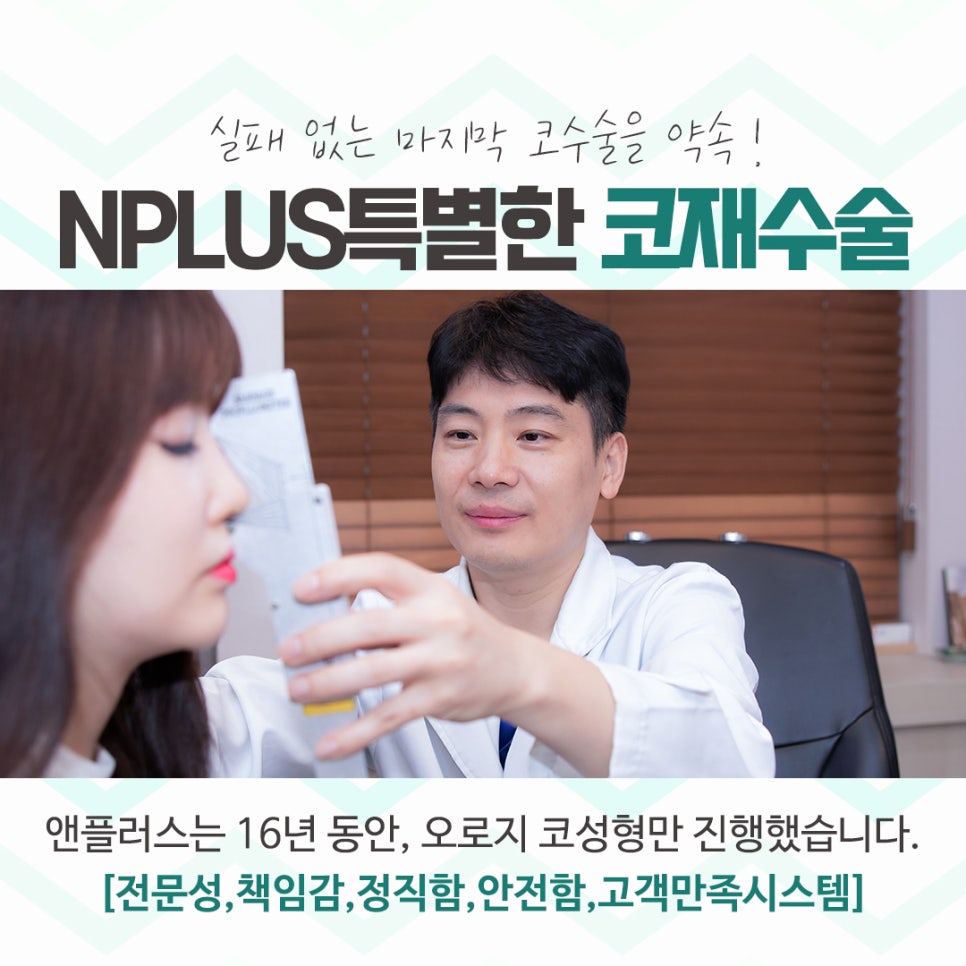
Therefore, if you are looking into male nose revision surgery, rather than judging only by photos in reviews and assuming that the nose shape is the same as yours, it can help to check whether functional details have been added, whether the medical team has a high level of anatomical knowledge of the nose, whether they have sufficient experience and expertise, whether equipment is available to accurately check the condition of your nose, and whether aftercare can be reliably guaranteed.
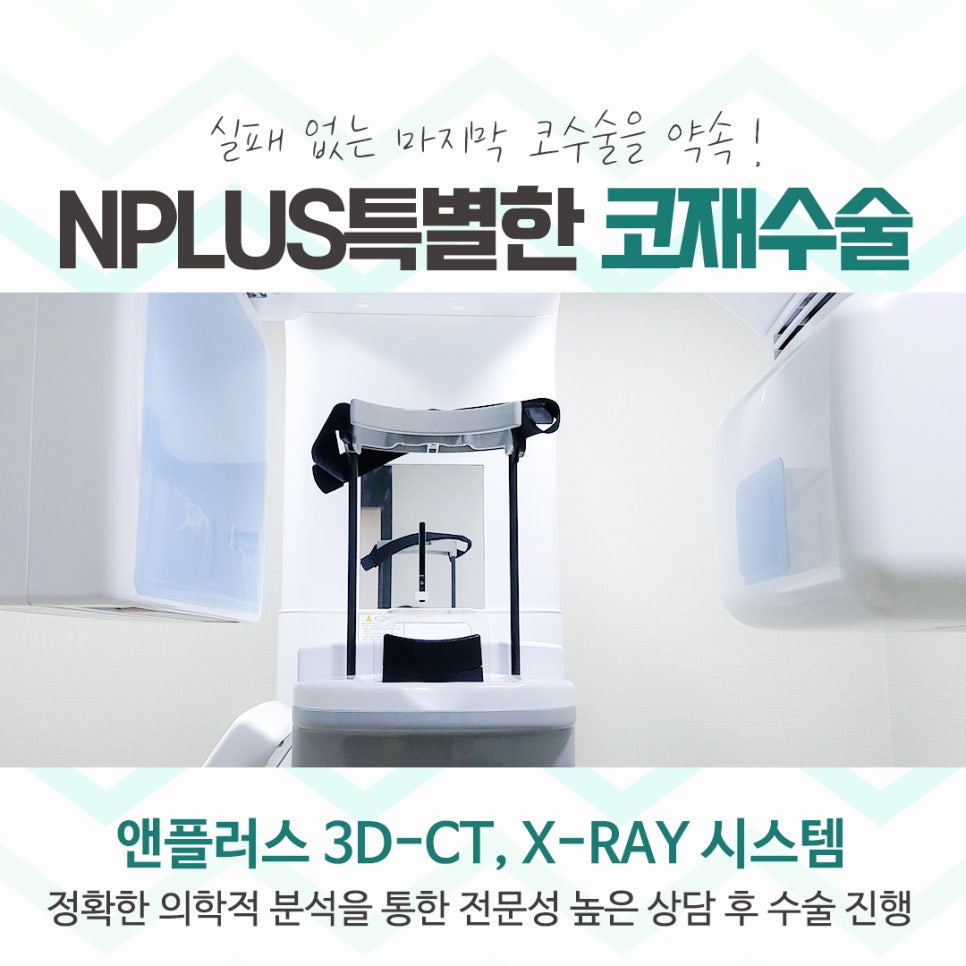
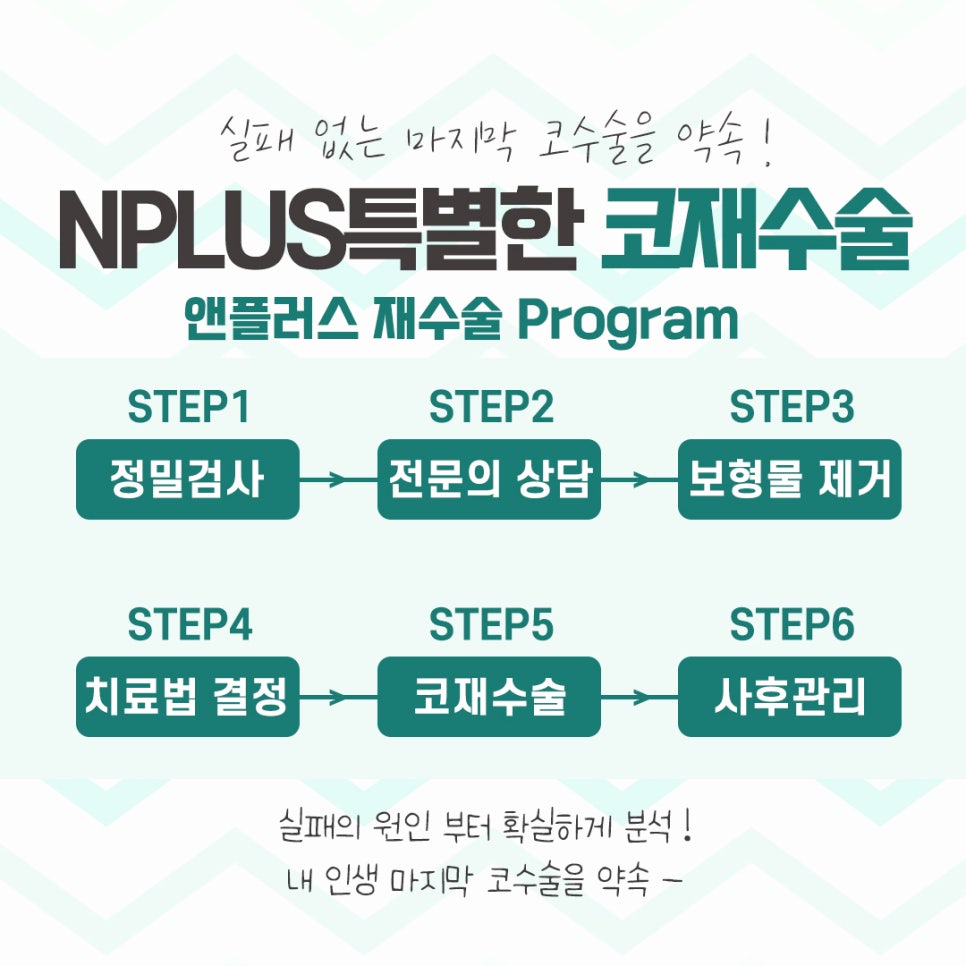
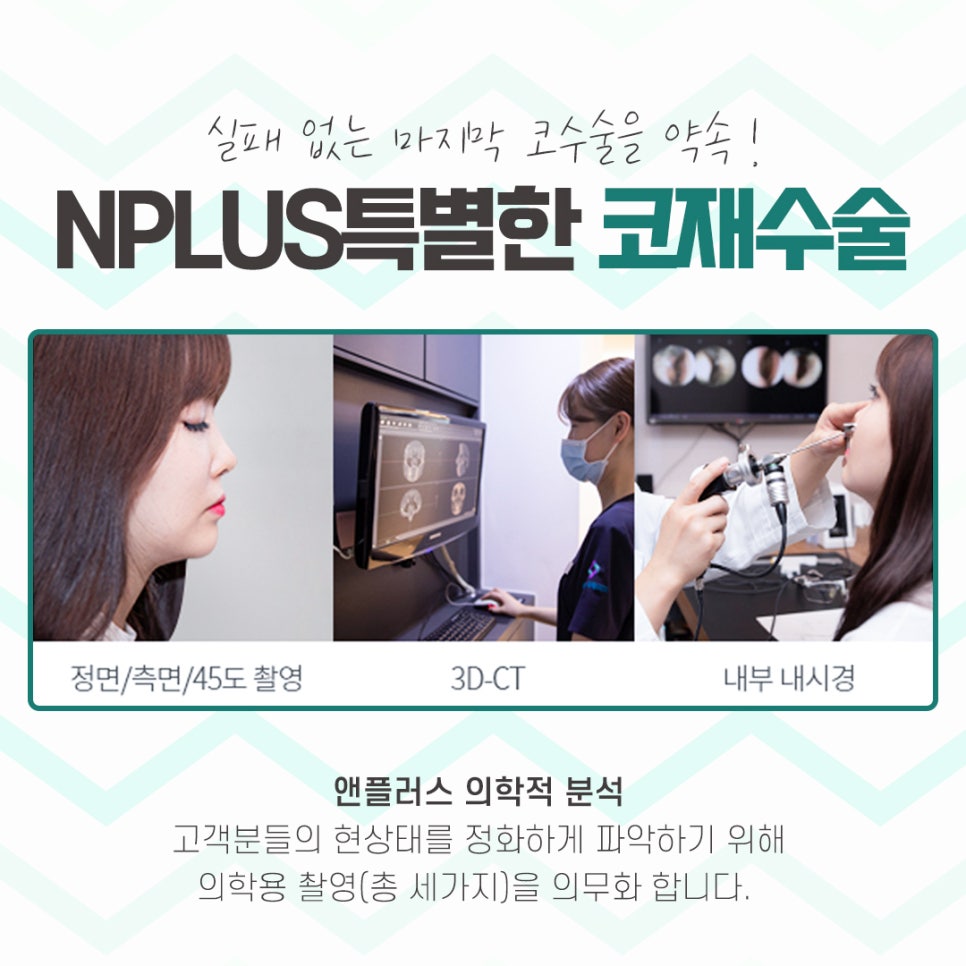
At OJIKO Hospital N+Plus, to ensure safe and satisfying male nose revision surgery, we accurately assess the current condition of the nose through preoperative 3D-CT scans, various allergy tests, internal endoscopy, and internal nasal function tests. Based on the extracted data, we establish a surgical plan and provide customized surgery suited to each individual.
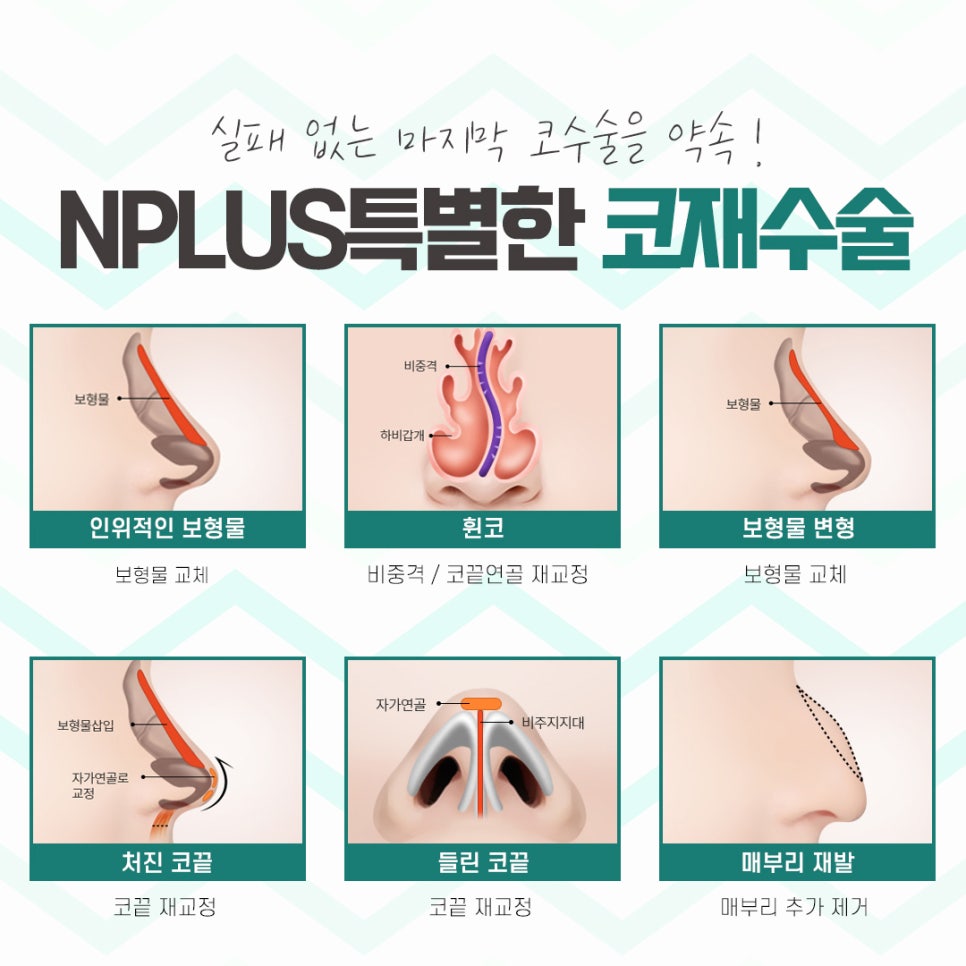
Male nose revision surgery methods are divided into various types such as artificial implants, crooked nose, implant deformation, drooping nasal tip, upturned nasal tip, and recurrent hump nose, and each type is treated with surgery tailored to the individual.
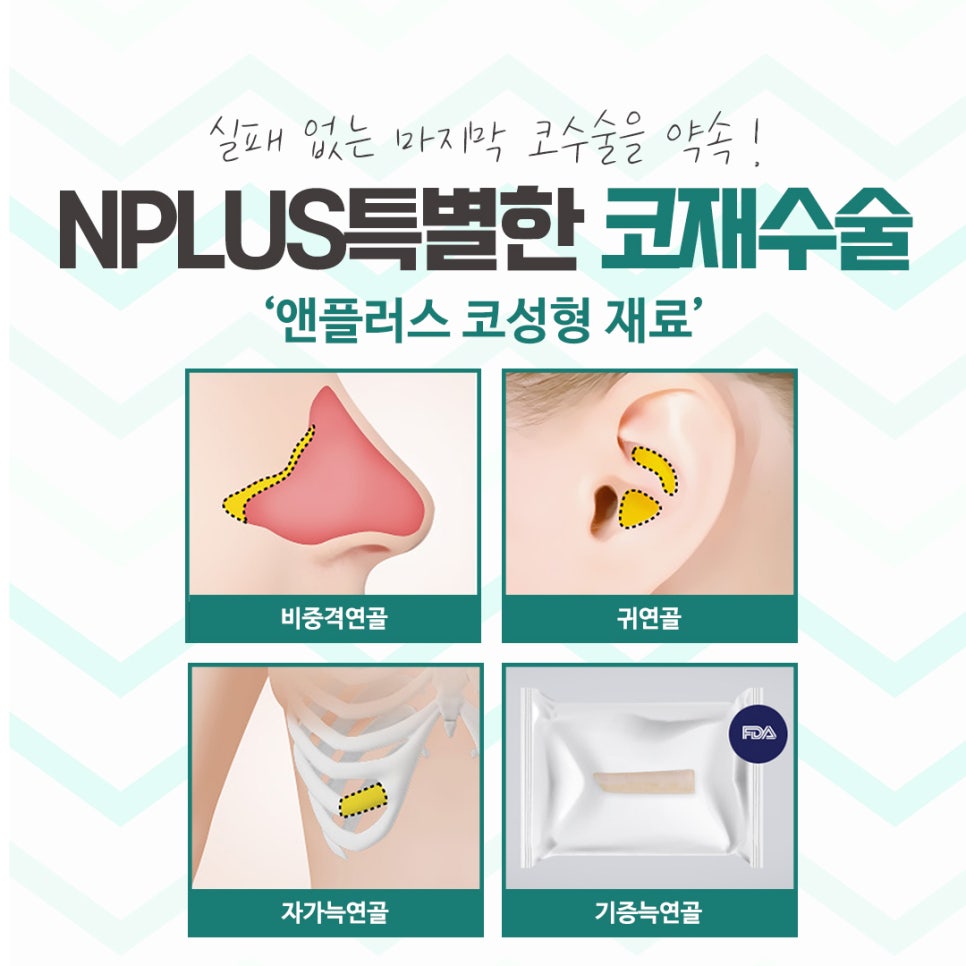
The materials used in male nose revision surgery generally involve silicone for the bridge and autologous cartilage for the tip. Autologous cartilage used for the tip includes septal cartilage, ear cartilage, and autologous rib cartilage. If the use of autologous cartilage is unavoidably difficult, donated rib cartilage approved by the U.S. FDA is used.
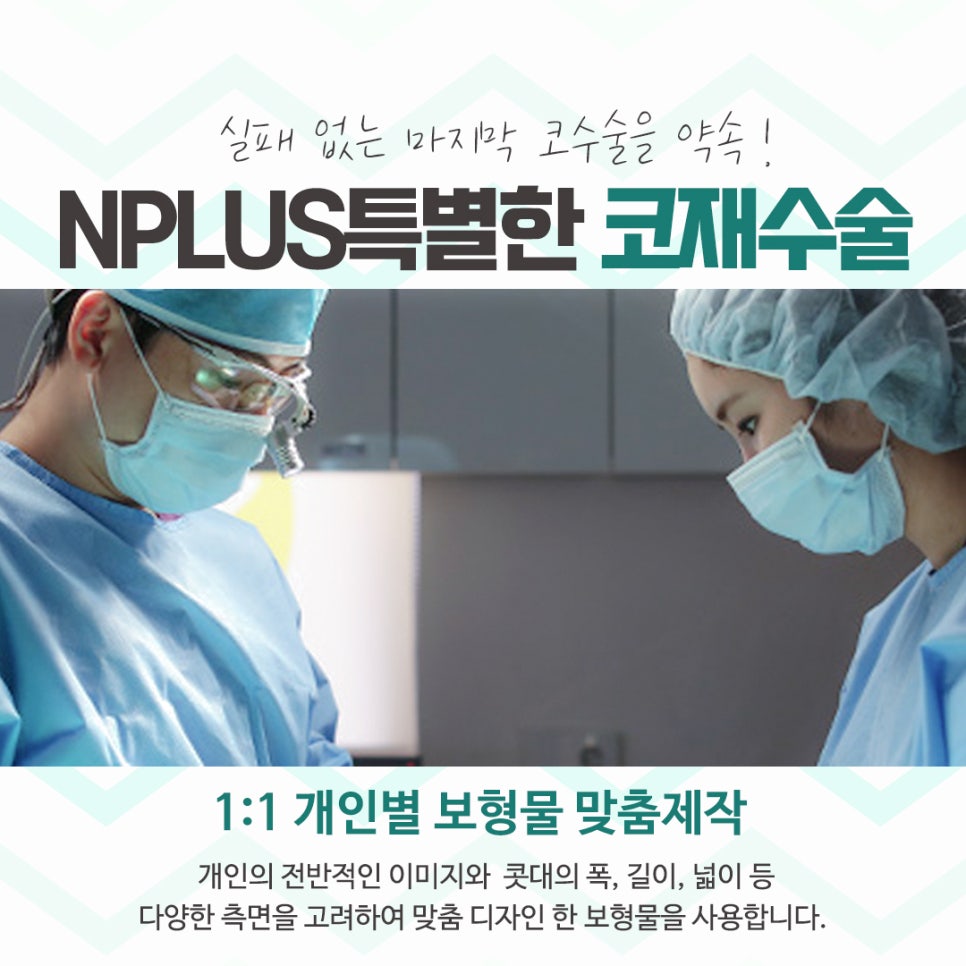
The silicone used for the bridge is not a pre-manufactured silicone product used as-is. Instead, it is carefully and delicately shaped according to the individual's overall image, as well as the width, length, breadth, and height of the nasal bridge, to minimize an artificial look and design a nose line that suits the individual.
At OJIKO Hospital N+Plus, when performing male nose revision surgery, we accurately analyze and clarify the cause of the failure of the first surgery and provide careful care for scars and swelling that may worsen after revision surgery through a systematic system.
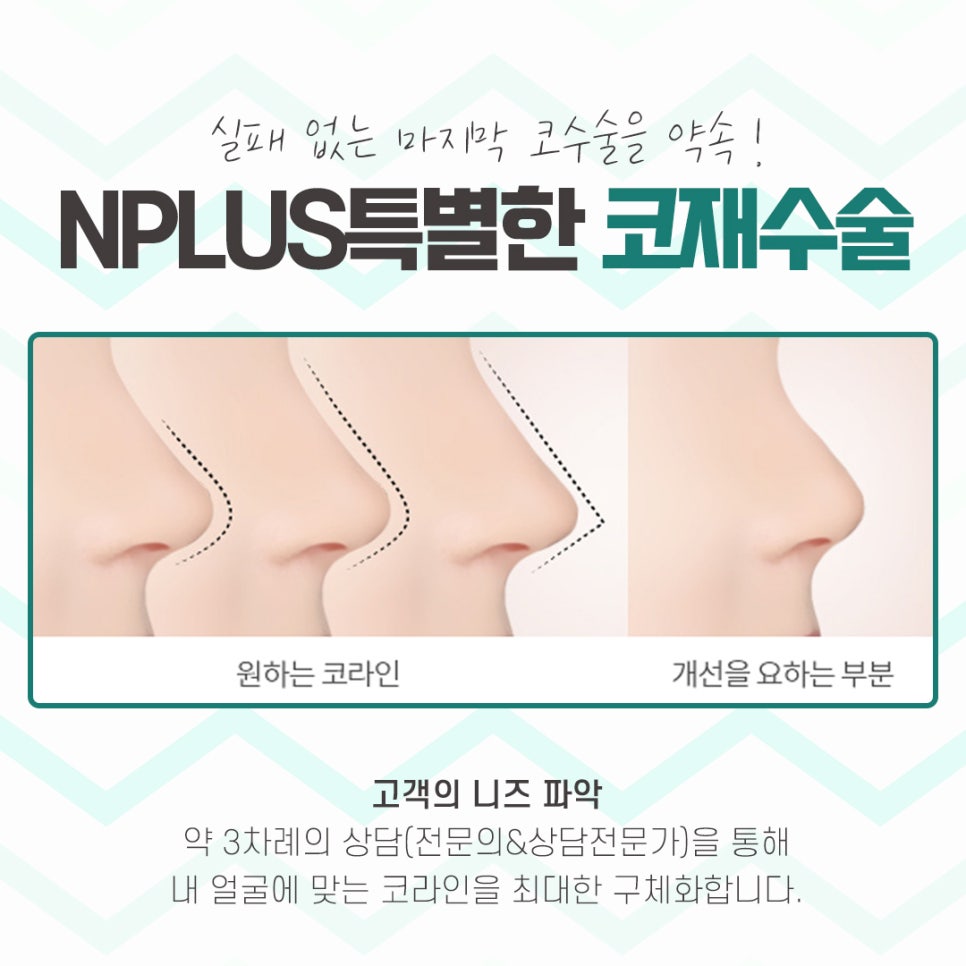
Director Yoon Hyun-cheol personally takes charge one-on-one, handling every step from consultation for male nose revision surgery to establishing the surgical plan, performing the procedure, treatment, and follow-up visits. This allows you to receive high-level medical services before and after surgery.

Aftercare is also supported by an after-sales service system that guarantees one year after surgery, as well as a surgical responsibility guarantee system prepared for all possible situations such as postoperative pain, inflammation, and dissatisfaction with appearance. Customers who have an N+Plus membership card can receive aftercare benefits at any time.
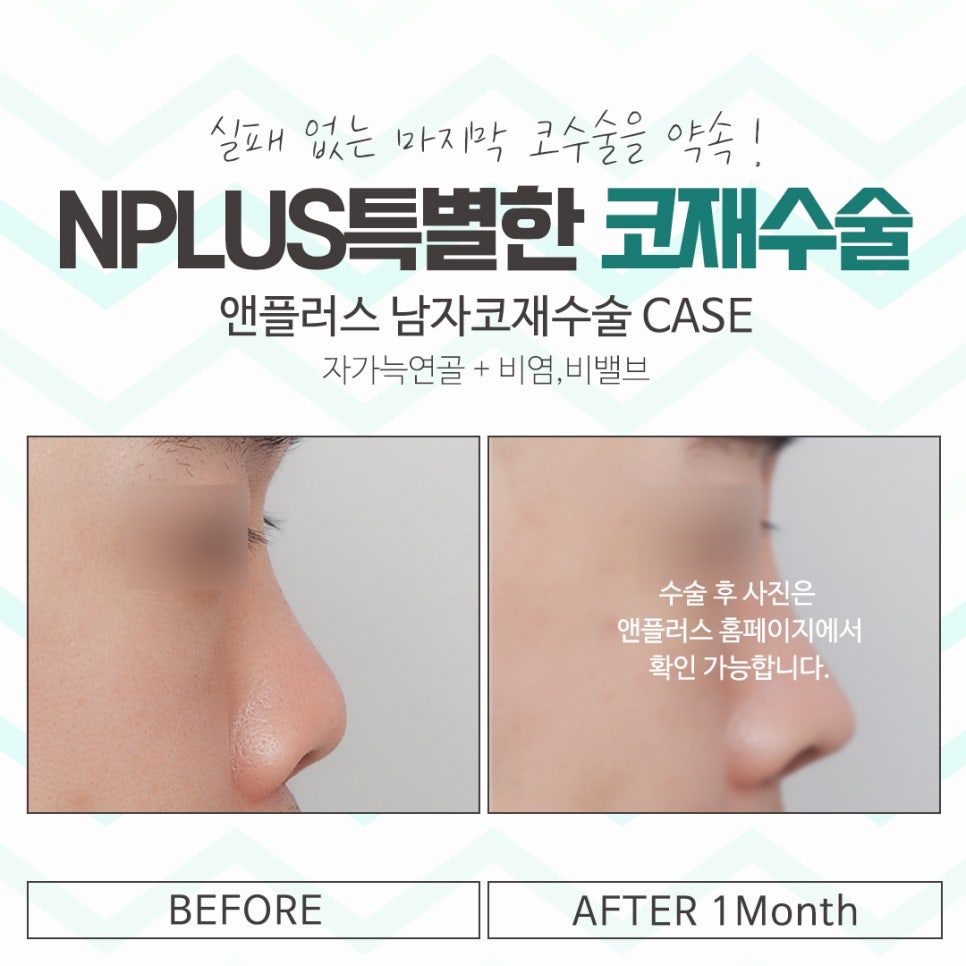
(This is a before-and-after photo of male nose revision surgery at OJIKO Hospital N+Plus.)
That concludes the summary of male nose revision surgery performed with a thorough diagnosis at OJIKO Hospital N+Plus. I hope this article has been very helpful for those who are currently considering revision surgery due to an unsatisfactory nose shape or functional problems. Thank you.