Hello. We are OJICO & Plus Clinic, dedicated solely to your beautiful and healthy nose.
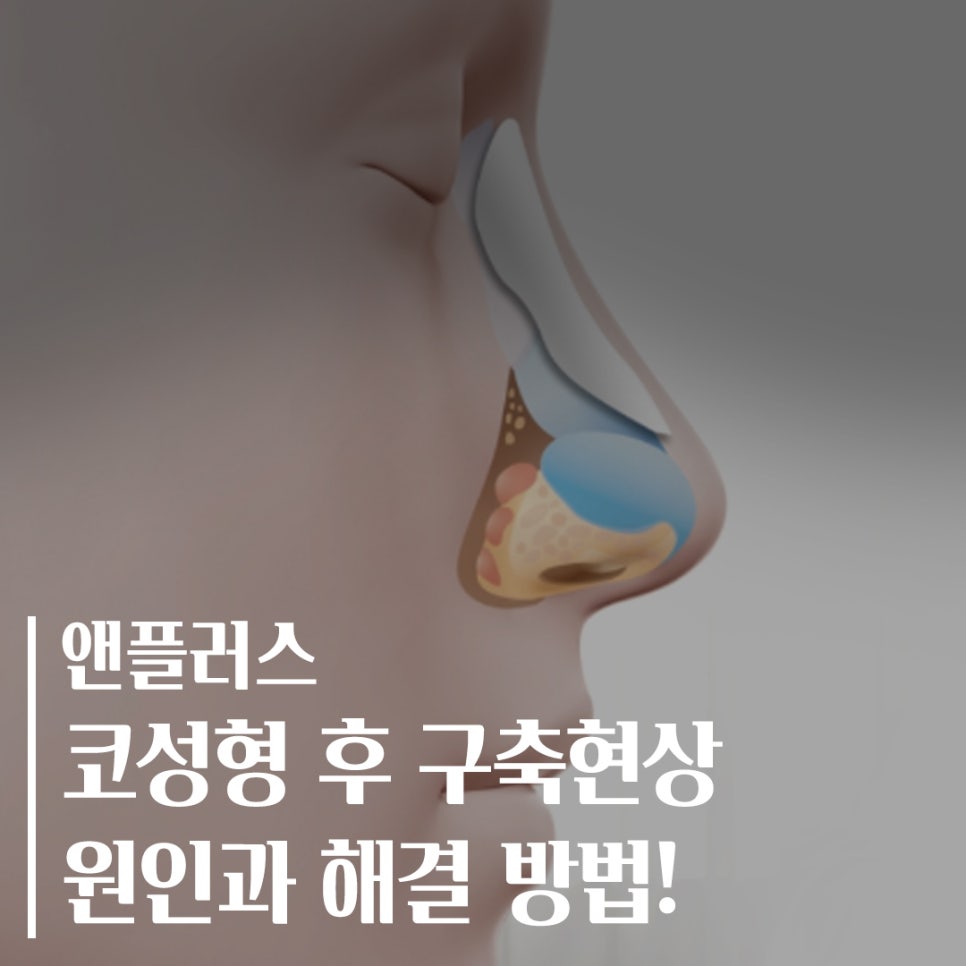
For this post, we have prepared information about the causes of nasal contracture and how to treat it.
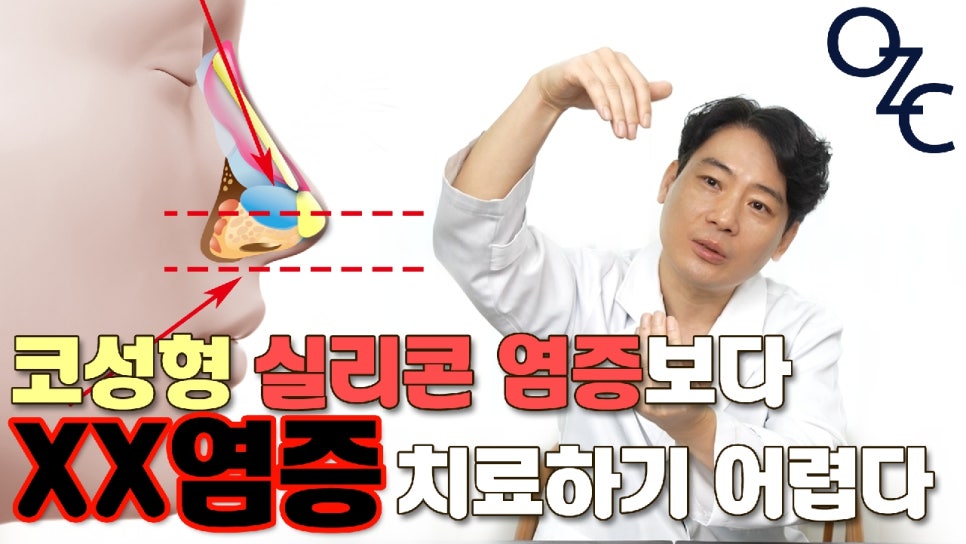
When planning nose surgery, the biggest concern is usually inflammation, and among inflammatory complications, you may have heard of nasal contracture.
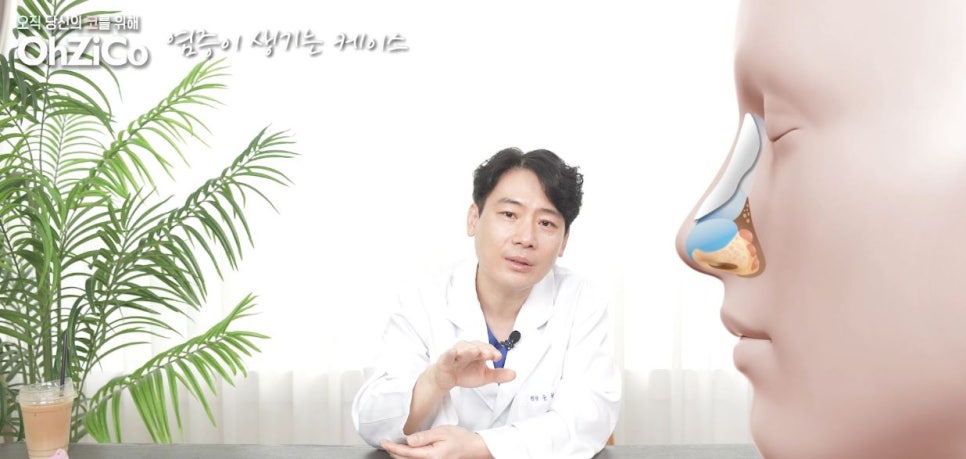
A primary cause of inflammation is usually the use of an implant to build up the bridge of the nose, and the most commonly used one is silicone.

Silicone can be considered a foreign material, and when it enters the body, the body forms a capsule around the silicone to protect itself. In other words, the body reacts as if saying, “You are not part of us.” This is a normal reaction.

However, there are cases where the capsule becomes very thick. As this capsule gradually thickens, it pulls on the surrounding tissue. When that happens, the nose curls upward, and because the capsule thickens, areas such as the glabella also become thicker and swollen, leading to nasal contracture.

If silicone is not used, does contracture not occur?
That is not necessarily the case. In fact, contracture caused by silicone can be relatively easy to correct. The silicone that caused the problem is removed, and the capsule surrounding the silicone is also removed. Then the skin can be sufficiently stretched for correction.

However, there are cases where problems occur immediately after surgery, or where contracture develops even without silicone. This happens when bacteria grow in the framework, cartilage, alar cartilage, septal cartilage, and so on, or when part of these structures melts due to inflammation.

For example, if you go camping and set up a tent, but the tent poles break or are removed, the tent fabric will collapse. Likewise, in the nose, the skin and tissue surrounding the nose become pressed down and shrunken, so in such cases the shape must be artificially supported. Even if donor rib cartilage, ear cartilage, septal cartilage, or autologous rib cartilage is used later in surgery when everything is in a very clean state, it is still necessary to insert material to establish the shape, or pack the inside of the nose with cotton and apply a tape splint properly to support the shape and prevent collapse.

Then, how can inflammation or bacterial infection be minimized?
Of course, it is important to perform surgery in a clean, sterile environment. After surgery, you should avoid taking medication, drinking alcohol, smoking, and touching or irritating the surgical site with your hands. Even if you avoid these things, problems can still occur. If that happens, removing the internal cause and receiving treatment within the golden time can reduce nasal contracture and lessen changes in shape caused by contracture.
Then is it difficult to determine the exact cause of inflammation?
Many people worry about bacterial inflammation, but there are other causes that are more common. Excessive pressure on cartilage can cause cartilage necrosis or melting, or repeated surgeries can lead to problems.
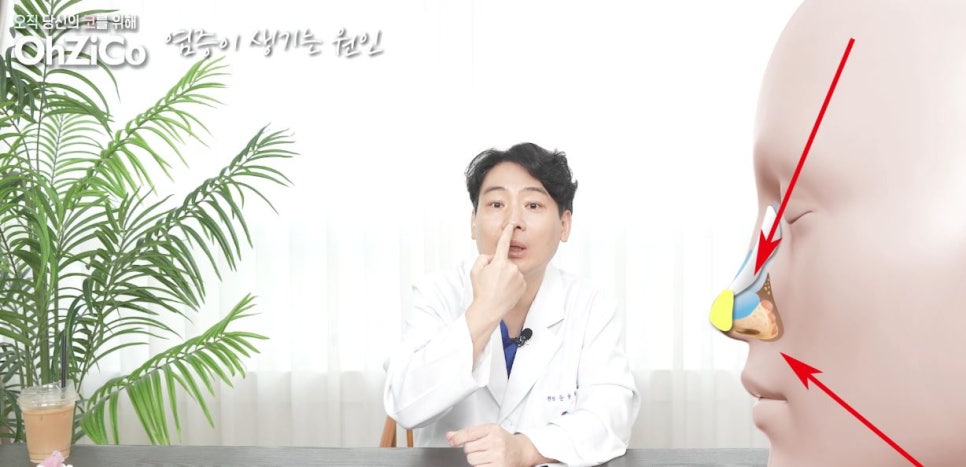
When the nose is opened, the blood vessels coming down and the blood vessels going up meet at the columella.
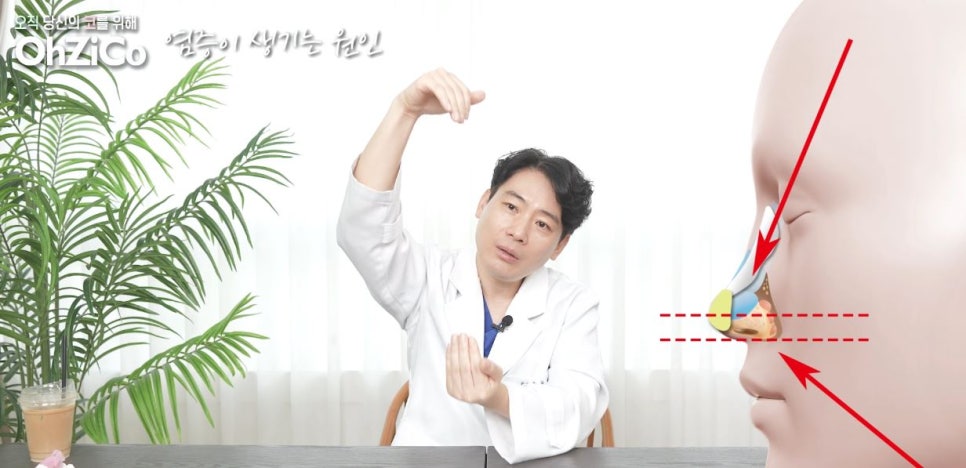
If surgery is performed multiple times and the incision line is made several times, and the upper and lower blood vessels are cut, the middle part becomes isolated from blood supply, like an island flap. Then this area is much more likely to undergo necrosis. In such cases, correction becomes very difficult. It can even progress to reconstruction by turning the forehead skin over, so extreme caution is truly necessary.

What is the pressure that was mentioned earlier in relation to the nose?
Pressure often occurs due to excessive desire. Our nose has a limit to how much it can be stretched, and this refers to a state in which the cartilage cannot withstand being raised any further. The cartilage keeps holding on until it gradually melts, and if bacteria multiply in that area, inflammation occurs.

Therefore, to minimize nasal contracture and inflammation, it is possible to greatly reduce risk by accurately assessing the safe range for surgery and the appropriate range of material use for safe surgery. In fact, surgery itself is an act that artificially injures the body, so problems can occur. Doctors must work to minimize these issues during surgery, but those who undergo surgery also need to pay close attention to post-operative care.
That concludes our summary of inflammation and nasal contracture. I hope this article is very helpful for those who are currently considering nose surgery. Thank you.
https://tv.naver.com/v/30060863