
Hello. We are Ojiko Hospital & Plus, which has spent only the past 16 years thinking about your healthy and beautiful nose.
The content prepared this time is about bulbous nose surgery reviews.

Many people are looking into rhinoplasty to improve their appearance, because the nose is one of the most three-dimensional features of the face, and if its shape changes to a straighter and more refined form, the overall image can improve. For this reason, many people have concerns about different nose shapes, and among them, when the nose is blunt and broad, it can create a dull or unsophisticated impression. To improve this, you may want to look into bulbous nose surgery reviews in more detail.

What is bulbous nose surgery? A bulbous nose refers to a nose shape with a low bridge and a blunt, wide tip. Compared with Westerners, this nose shape is more common among East Asians, and in Korea it came to be called a bulbous nose because it is said to bring good fortune. However, under modern beauty standards, it can give a dated or dull impression, so many people want to improve this image into a more refined and sharp nose line through bulbous nose surgery, which is why interest in bulbous nose surgery reviews is increasing.

Therefore, the types of people who look into bulbous nose surgery reviews can be divided into cases such as a blunt, less sharp nose tip; wide and spread-out nostrils; thick nostril skin tissue and fat; a generally flat nostril and nose tip area; and cases where revision surgery is desired because the condition did not improve after bulbous nose surgery. Because these various causes require different surgical methods and materials depending on the condition of the nose skin, cartilage, and nasal bone, it is important that surgery proceeds only after an accurate diagnosis of the nose’s condition.
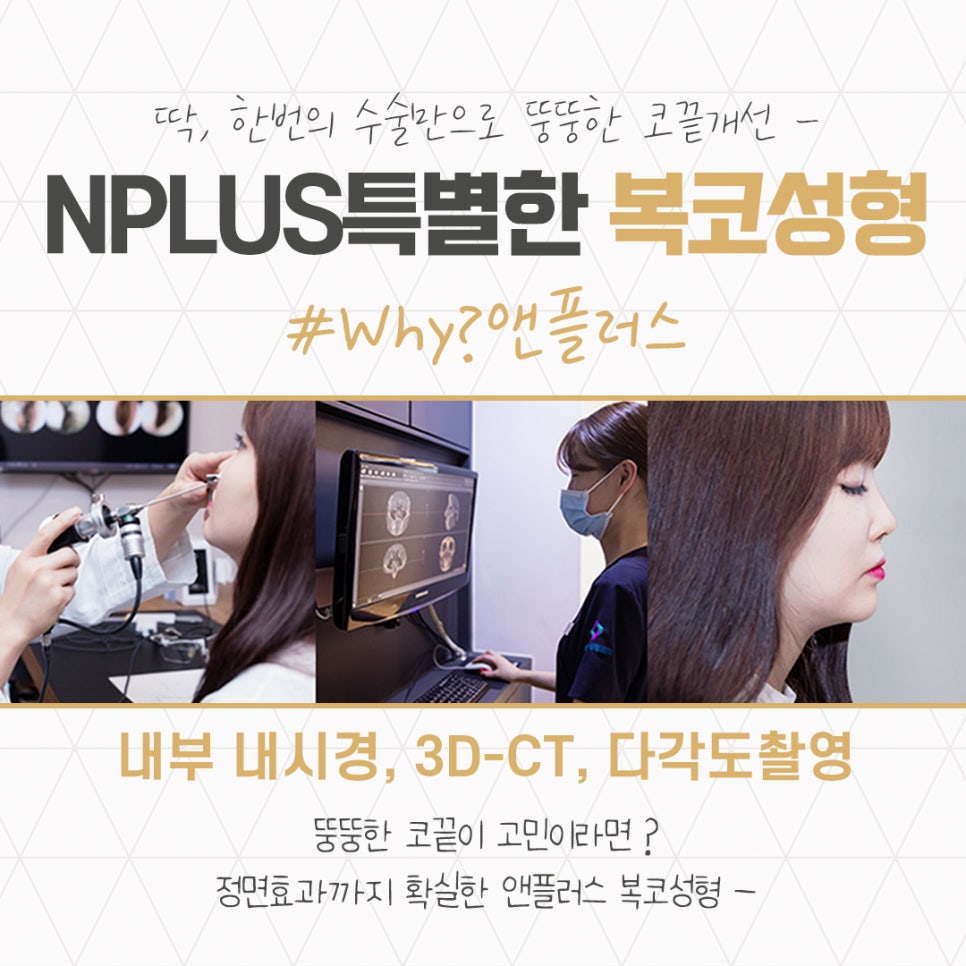
At OJIKO Hospital & Plus, to ensure safe and satisfactory bulbous nose surgery reviews, the causes of the bulbous nose are accurately identified through preoperative 3D-CT scans, internal endoscopic imaging, nasal function tests, and various allergy tests. Based on the extracted data, a surgical plan is established and carried out.

As for the surgical methods for bulbous nose surgery, if you look at bulbous nose surgery reviews, you can see that even when the nose shape looks the same, the procedure and materials used differ. As mentioned earlier, this is because in cases of a bulbous nose, the method varies depending on the internal bone, cartilage, and skin condition of the nose. Surgery is broadly divided into four methods, such as when there is a lot of subcutaneous fat at the nose tip, when the nose tip cartilage is spread apart, when the nostrils are wide, and when the nose tip cartilage is large.
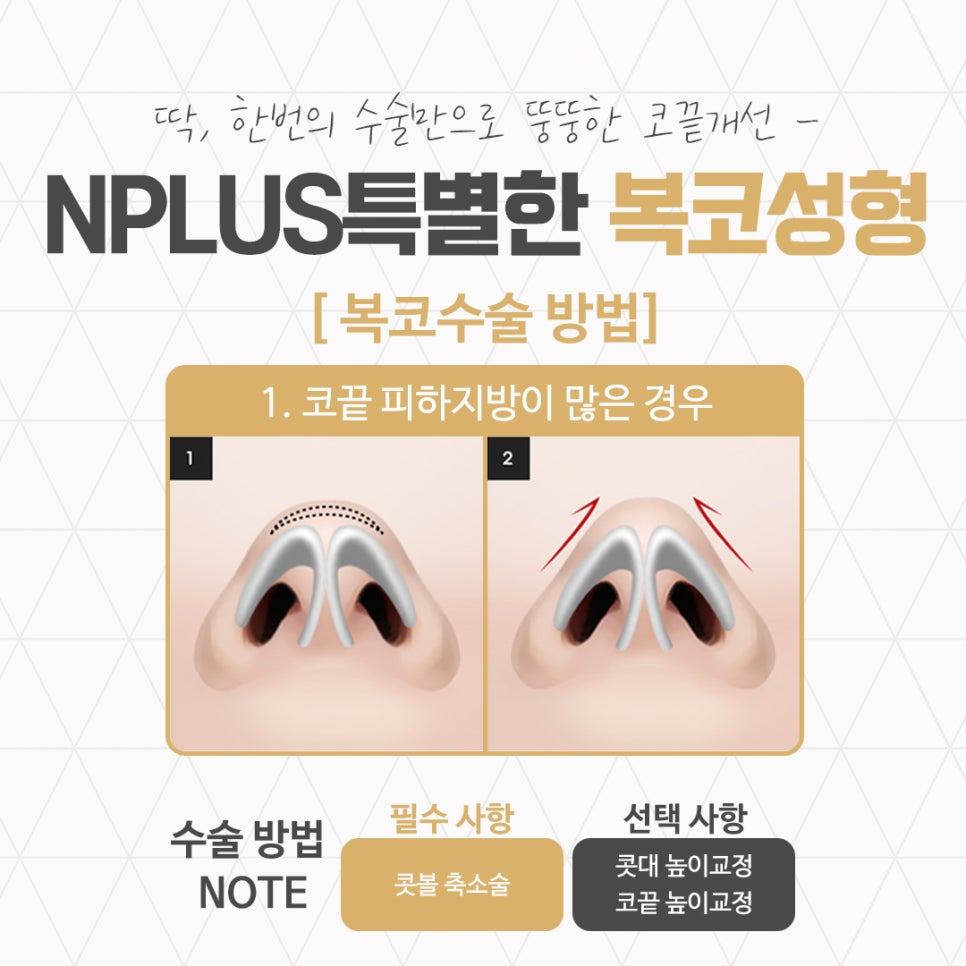
For bulbous nose surgery when there is a lot of subcutaneous fat at the nose tip, unnecessary soft tissue is removed through fat reduction in the nose, and the height of the nasal bridge and nose tip can additionally be adjusted.
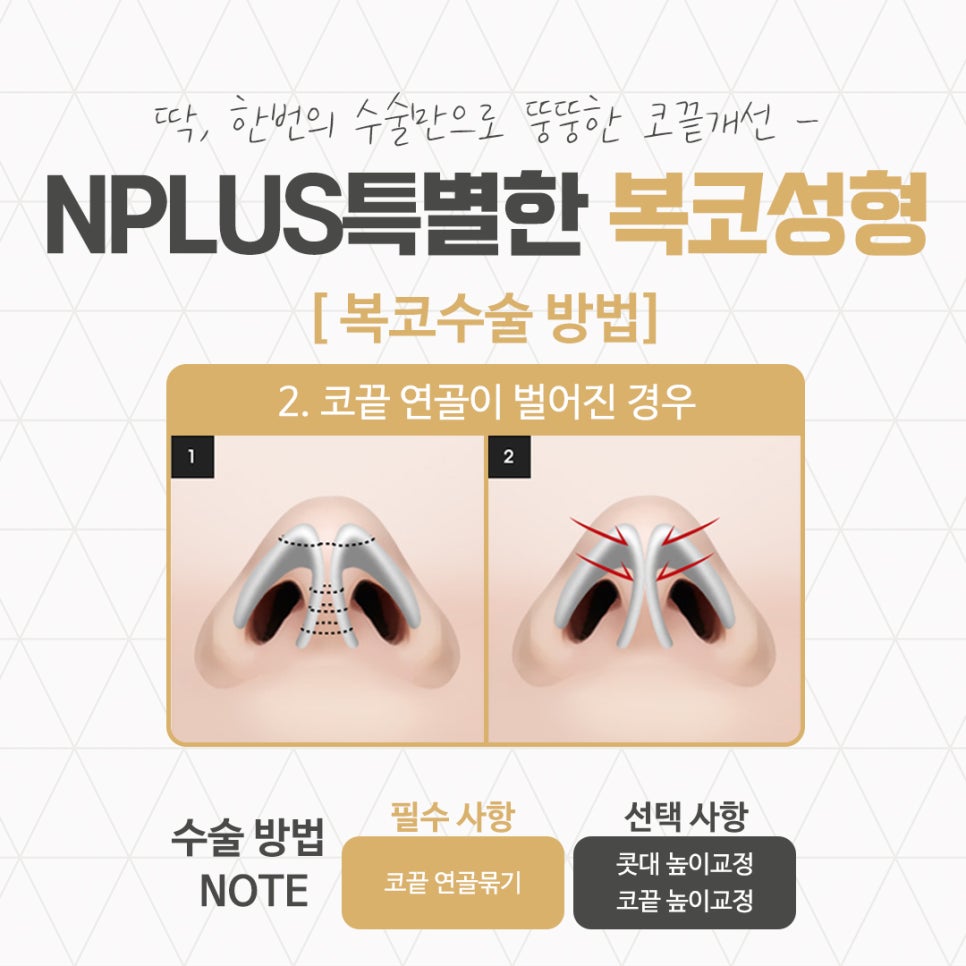
For bulbous nose surgery when the nose tip cartilage is spread apart, the cartilage that has widened to the left and right is sutured together to bring it together naturally, and the height of the nasal bridge and nose tip can additionally be adjusted.
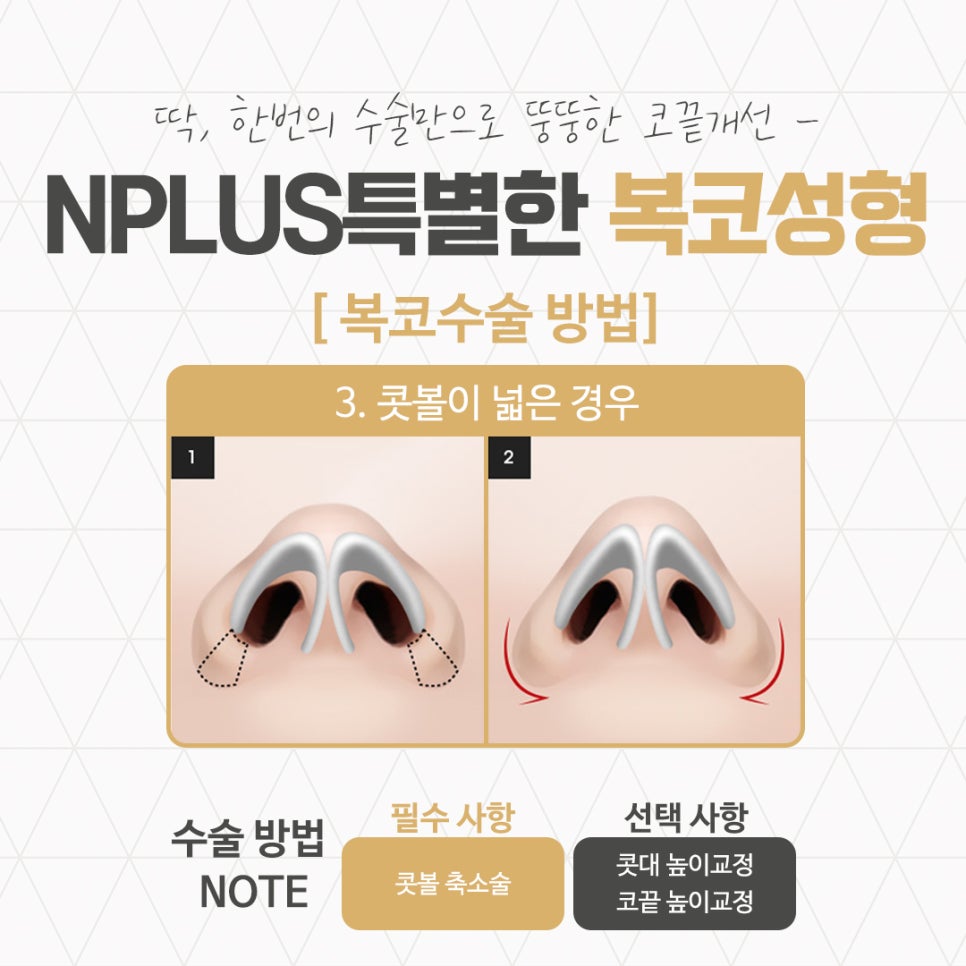
For bulbous nose surgery when the nostrils are wide, part of the nostril tissue is excised. If the width remains only mildly broad after correction, it is tied and corrected with special thread, and the height of the nasal bridge and nose tip can additionally be adjusted.
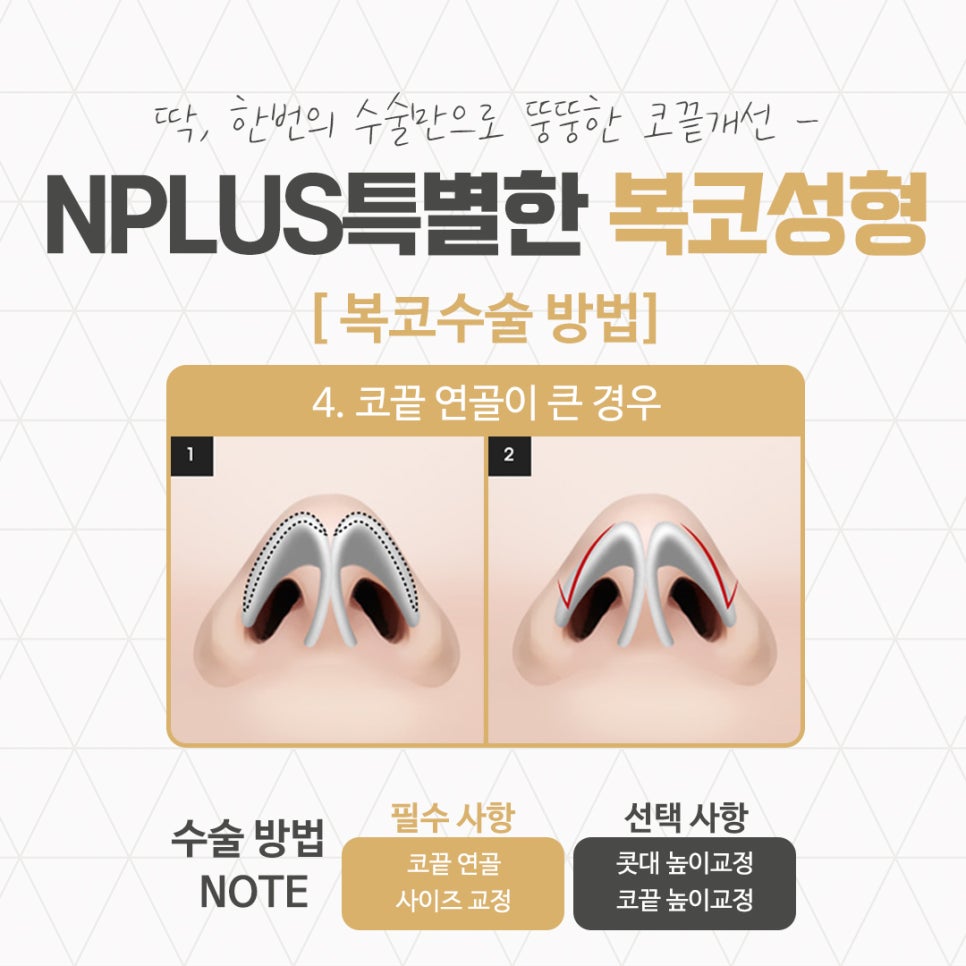
For bulbous nose surgery when the cartilage size is large, part of the nose tip cartilage is trimmed, and after correcting the cartilage size and overall nose shape, the height of the nasal bridge and nose tip can additionally be adjusted.
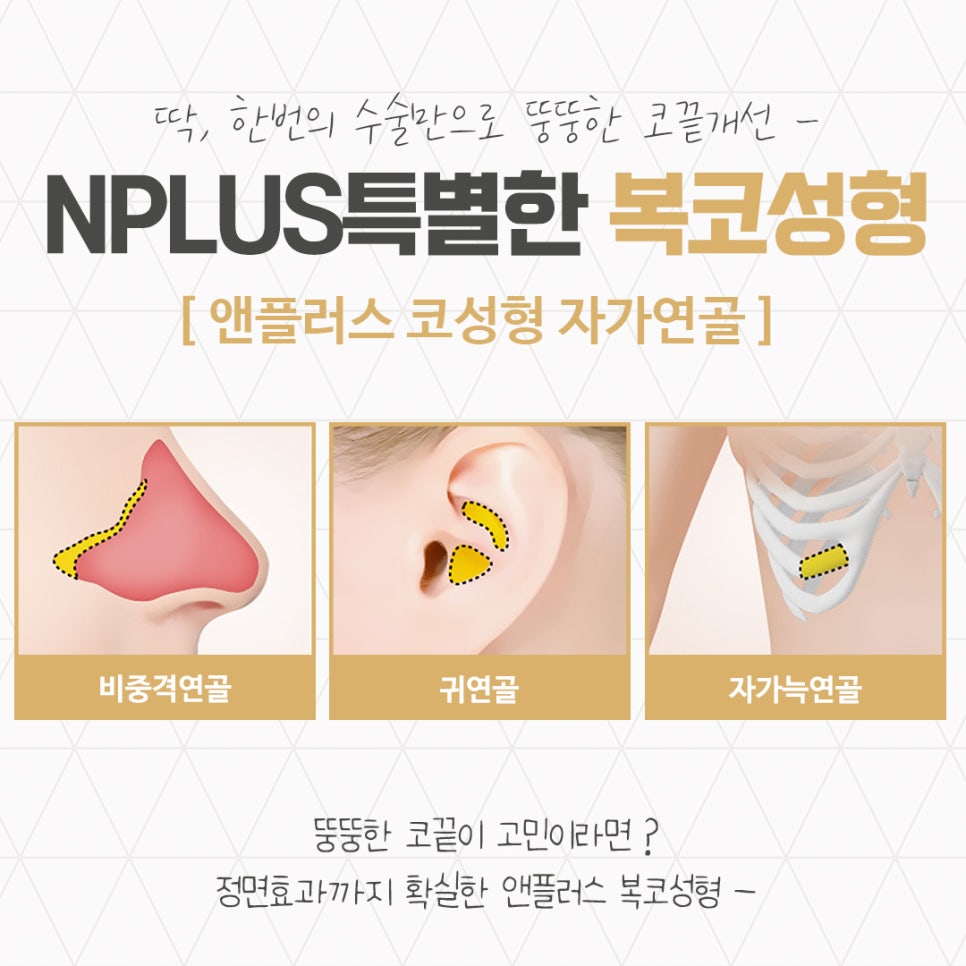
The materials used in bulbous nose surgery generally include silicone for the nasal bridge and autologous cartilage for the nose tip. In the case of autologous cartilage used for the nose tip, septal cartilage, ear cartilage, and autologous rib cartilage are selected through preoperative examinations to determine the material best suited to each individual.
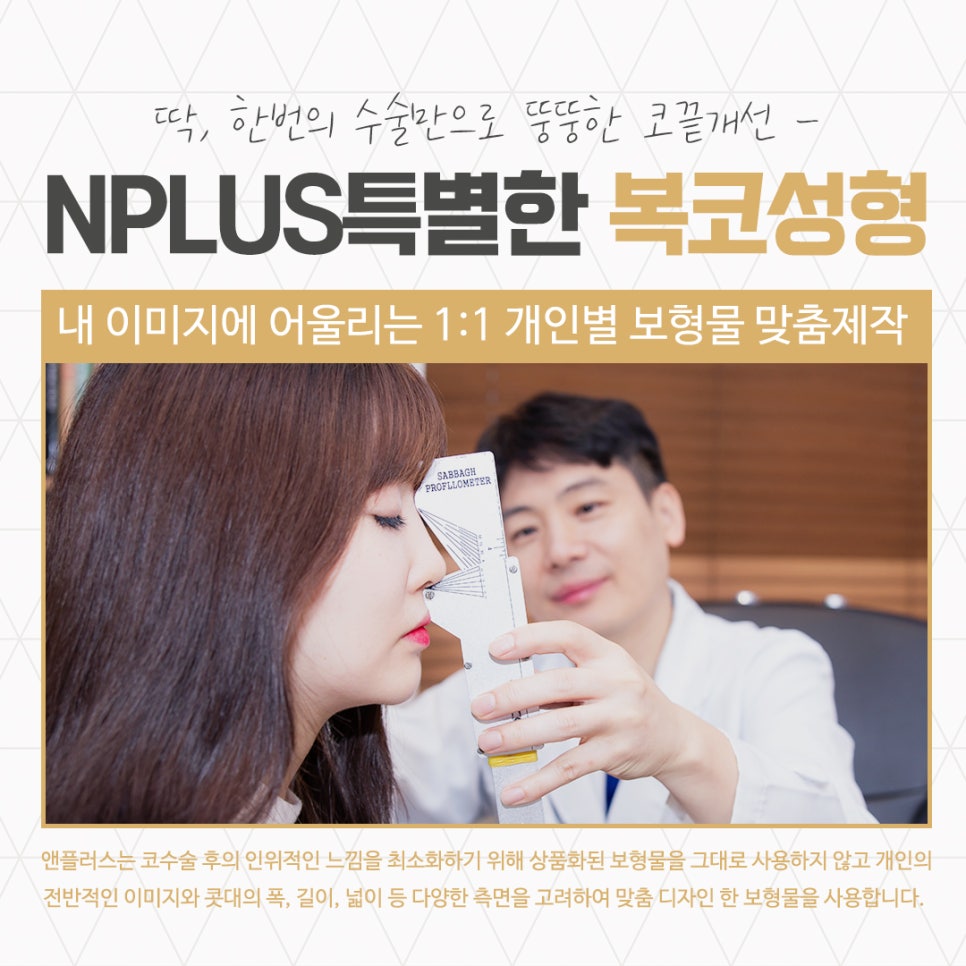
For silicone, the implant used for the nasal bridge, instead of using an existing mass-produced silicone as is, a custom-designed silicone is used after considering various aspects such as the individual’s overall image, and the width, length, breadth, and height of the nasal bridge. This can lead to safer and more satisfactory bulbous nose surgery reviews.

As such, if you look at bulbous nose surgery reviews, you will see that because there are various methods for reducing wide nostrils in bulbous nose surgery, it is most important to accurately identify the cause of the bulbous nose and carry out surgery that matches it. Therefore, while it is important to check the images and content of bulbous nose surgery reviews, it can also be helpful to carefully check whether the medical staff have strong anatomical knowledge of the nose, whether they have sufficient related experience and expertise, whether equipment is in place to accurately assess the condition of your nose, and whether aftercare is reliably guaranteed.
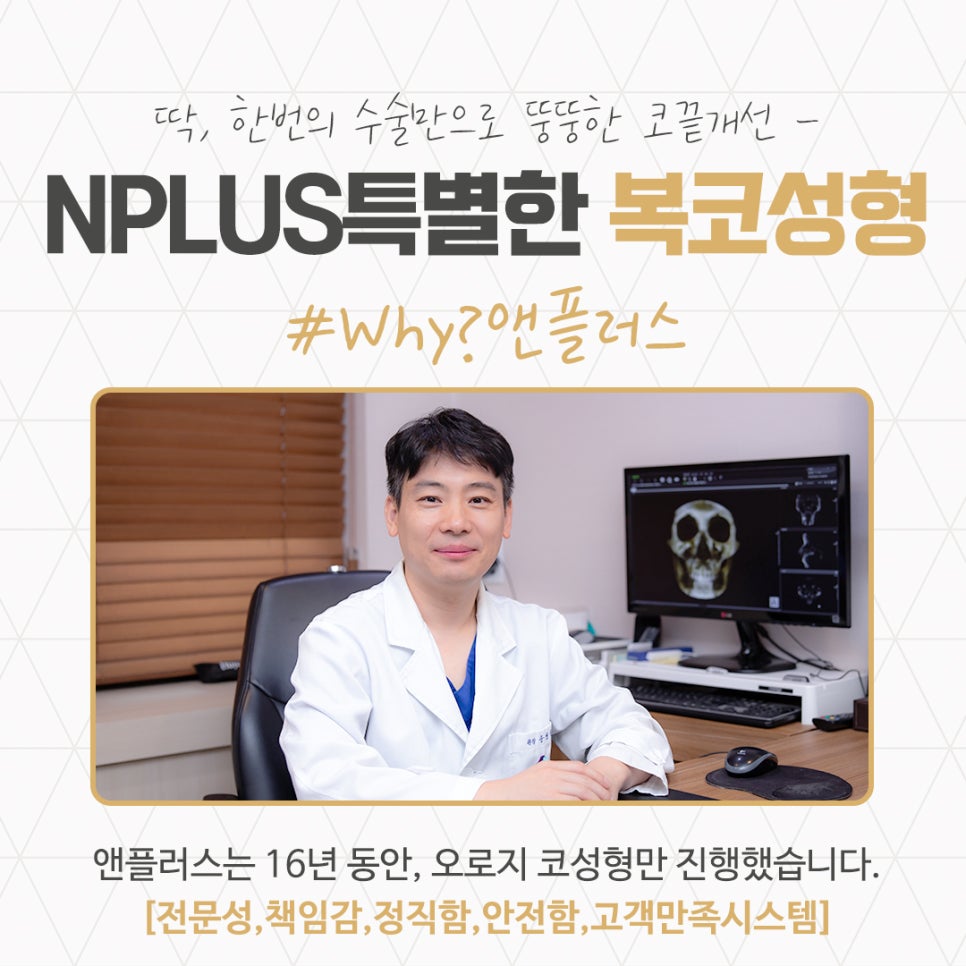
At OJIKO Hospital & Plus, Director Yoon Hyun-cheol personally oversees each patient one-on-one, handling everything directly from consultation about bulbous nose surgery to surgical planning, the procedure itself, treatment, and follow-up care, so you can receive high-level medical services from before surgery through after.

The aftercare provided after surgery includes not only an A/S system that guarantees one year after surgery through the issuance of an N+ membership card, but also a surgical responsibility guarantee system prepared for all possible post-surgery situations such as pain, inflammation, and dissatisfaction with the appearance, so aftercare is also handled thoroughly.
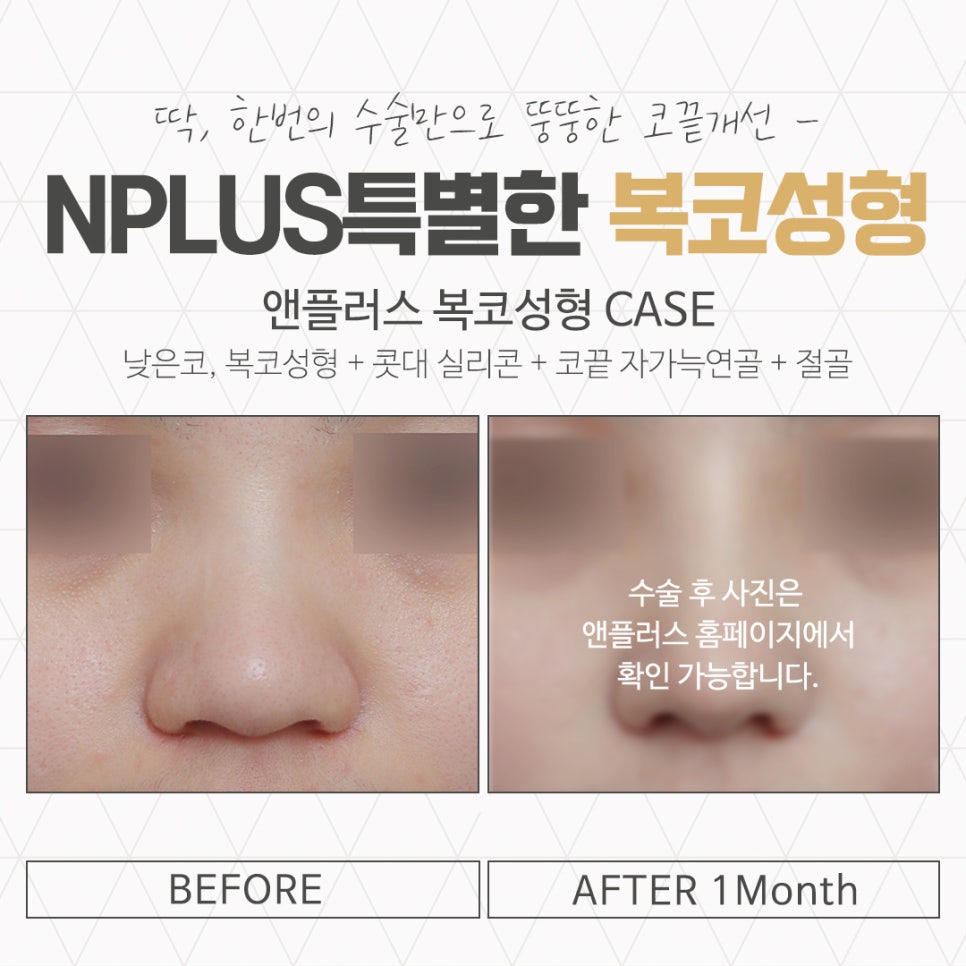
(The images above are before-and-after photos from OJIKO & Plus Clinic’s bulbous nose surgery reviews.)
That concludes the information we shared about bulbous nose surgery reviews at OJIKO Hospital & Plus. We hope this article has been very helpful for those who are currently considering rhinoplasty for a wide, broad nose. Thank you.