
Hello. We are Oji Co Plastic Surgery & Nplus, a clinic that has spent the past 16 years focusing only on your healthy and beautiful nose.
The content prepared this time is about hump nose correction.

Many people are highly interested in rhinoplasty as a way to improve their appearance because the nose is located at the center of our facial features and is one of the most prominent parts of the face, so changing the shape of the nose alone can help adjust the overall balance of the face. In particular, when the nose looks uneven and protruding, bent, or drooping, it can give a harsh and strong impression. To improve this into a softer look, you can learn more about hump nose correction.
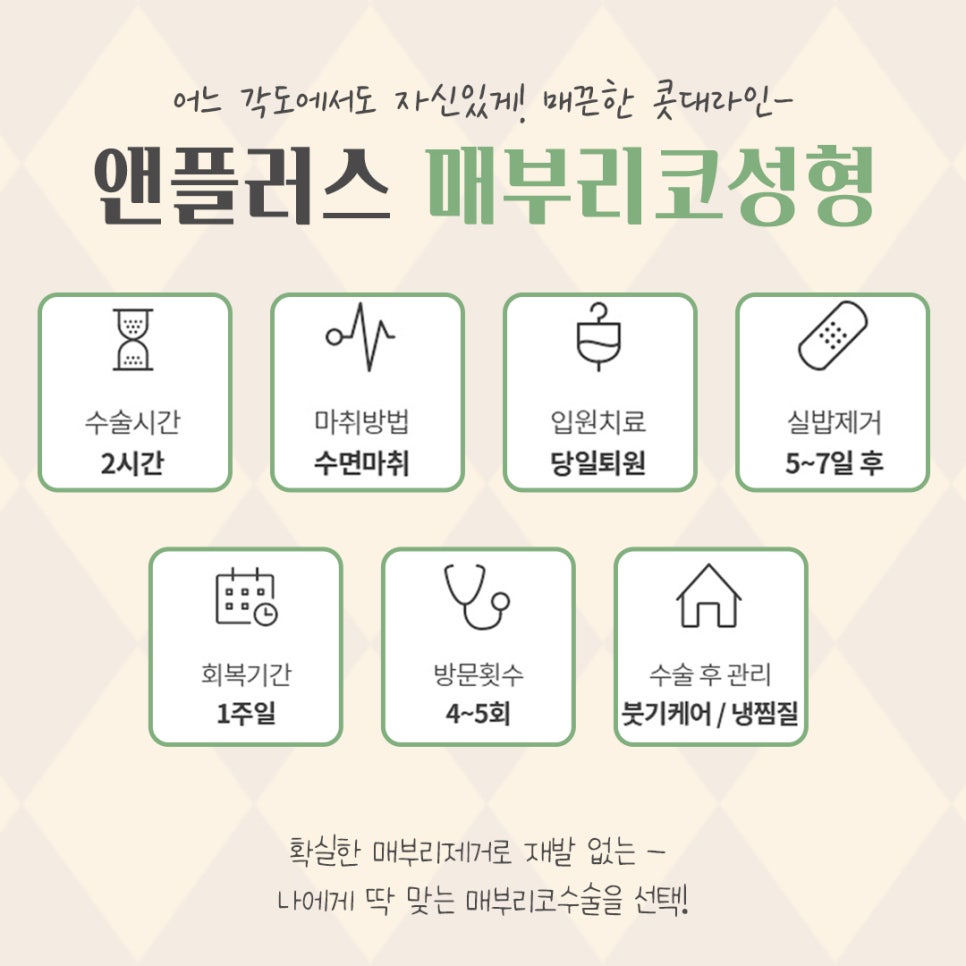
For those looking into hump nose correction, there are many cases where people try to improve it on their own before learning about surgery. However, the shape of the nose is not something that can easily be improved through dieting, exercise, or massage. In most cases, self-directed change is difficult because of issues with the nasal bone, skin condition, cartilage, or function, and surgery can be used to address these problems.
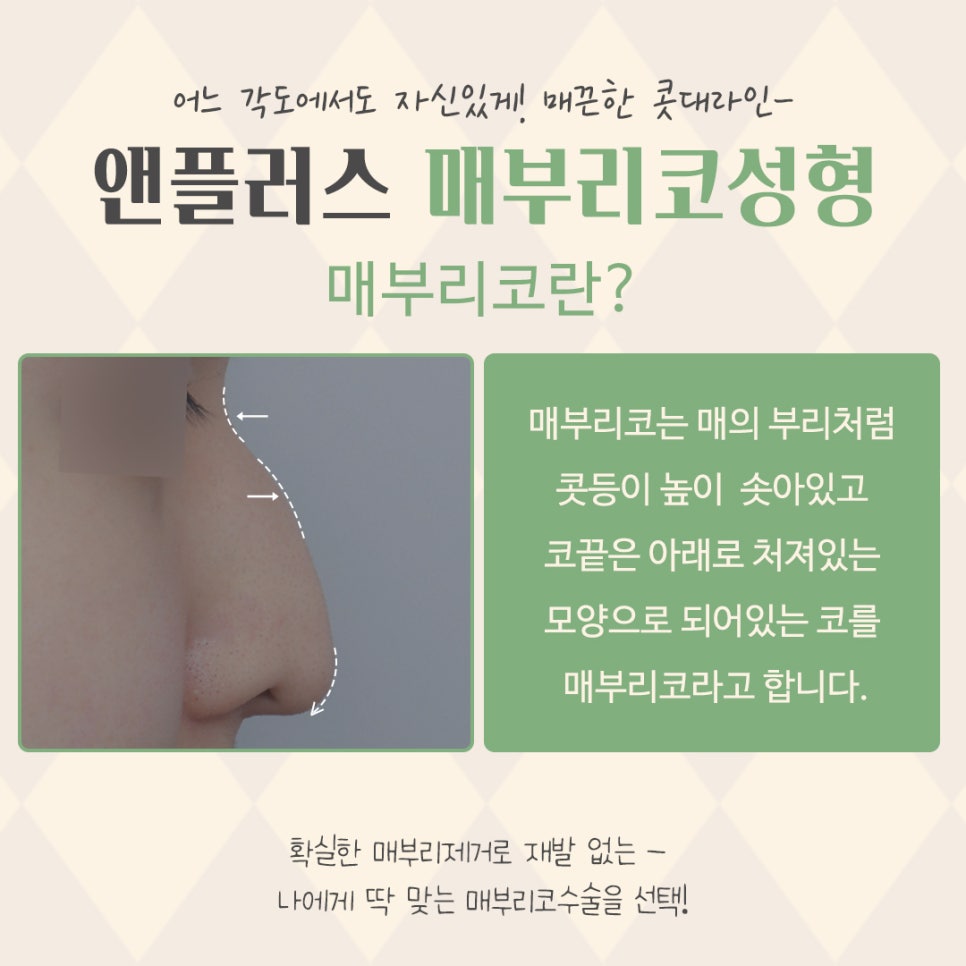
What is hump nose correction? It refers to a nose shape in which the tip droops like a hawk's beak, the bridge is bent, or the bridge protrudes unevenly. The causes of a hump nose can be congenital or acquired, and on average, cases that progress due to post-traumatic causes are relatively common. Depending on the degree of the hump, correction methods involve osteotomy and/or reduction to create a smooth bridge line and surgery to lift the drooping tip; this is called hump nose correction.
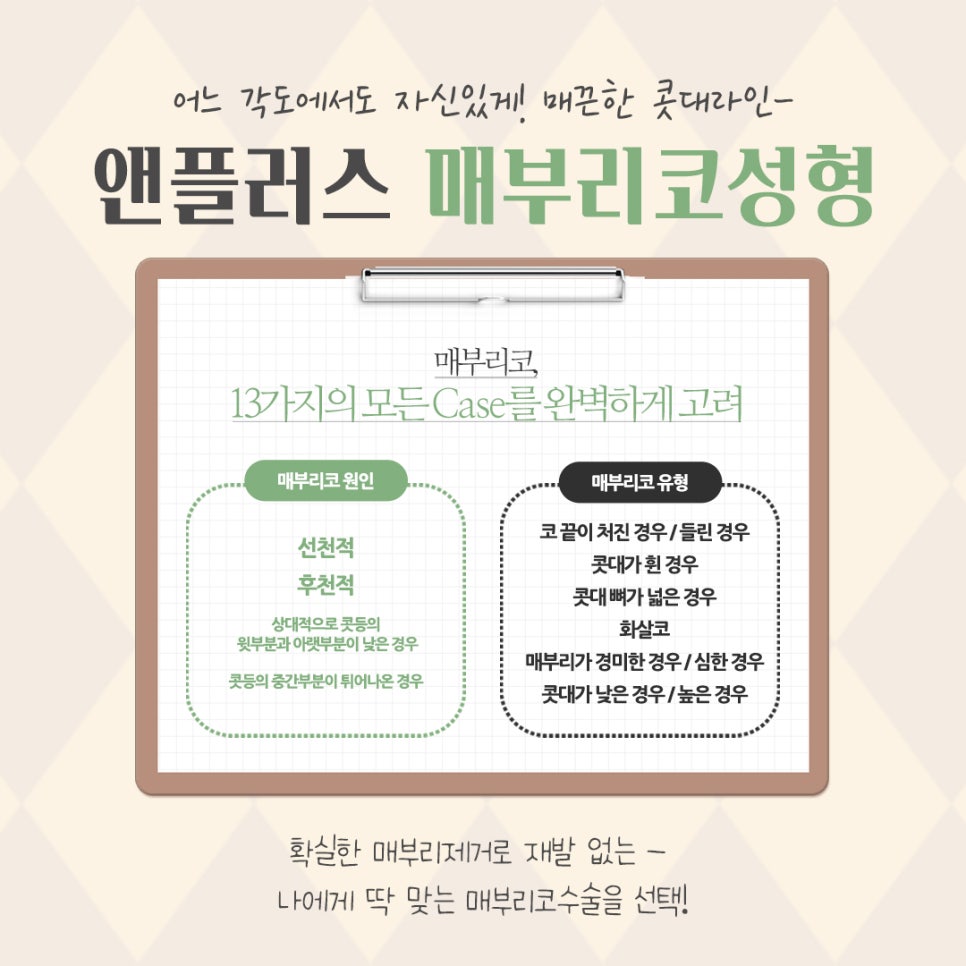
In the case of hump nose correction, because a hump nose can be identified visually, it is also a good idea to check it yourself and then receive a consultation. Therefore, cases that require hump nose correction are classified into various types, such as when the tip droops or turns up, when the nasal bridge bone is wide, when there is a beak-shaped nose or a hump that is mild or severe, or when the nasal bridge is low or high. Since surgical methods vary depending on the degree of the hump on the bridge and whether the tip is drooping, surgery tailored to each individual must be performed for higher satisfaction.
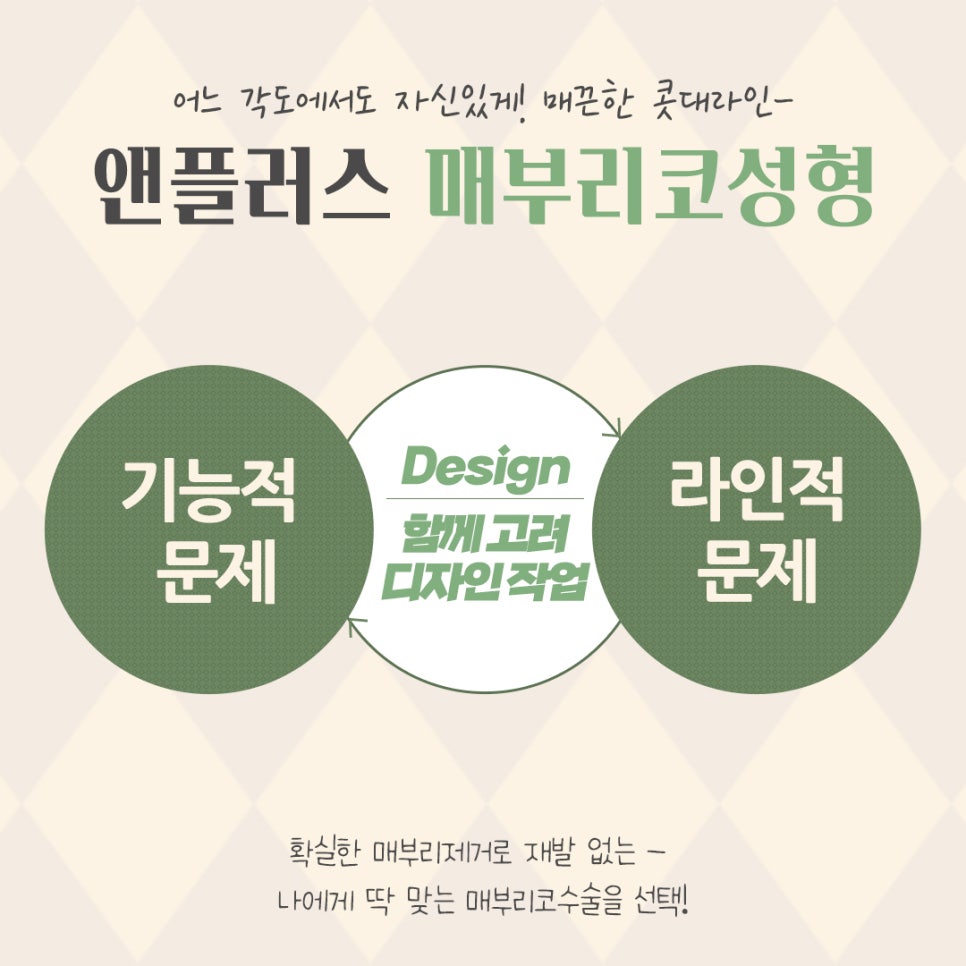
In addition, when undergoing hump nose correction, cosmetic correction is important, but the nose is also a functional organ responsible for breathing and smelling, so it is essential to check the internal functional aspects of the nose before proceeding in order to prevent secondary surgery. When functional improvement is also performed through surgery, one of the most common symptoms is nasal congestion caused by rhinitis, which can be associated with a deviated septum. This is because hump noses are often crooked, and if surgery focuses only on the cosmetic aspects, postoperative functional problems may lead to revision surgery. Therefore, it can be helpful to make sure the inside of the nose is examined with equipment before proceeding.
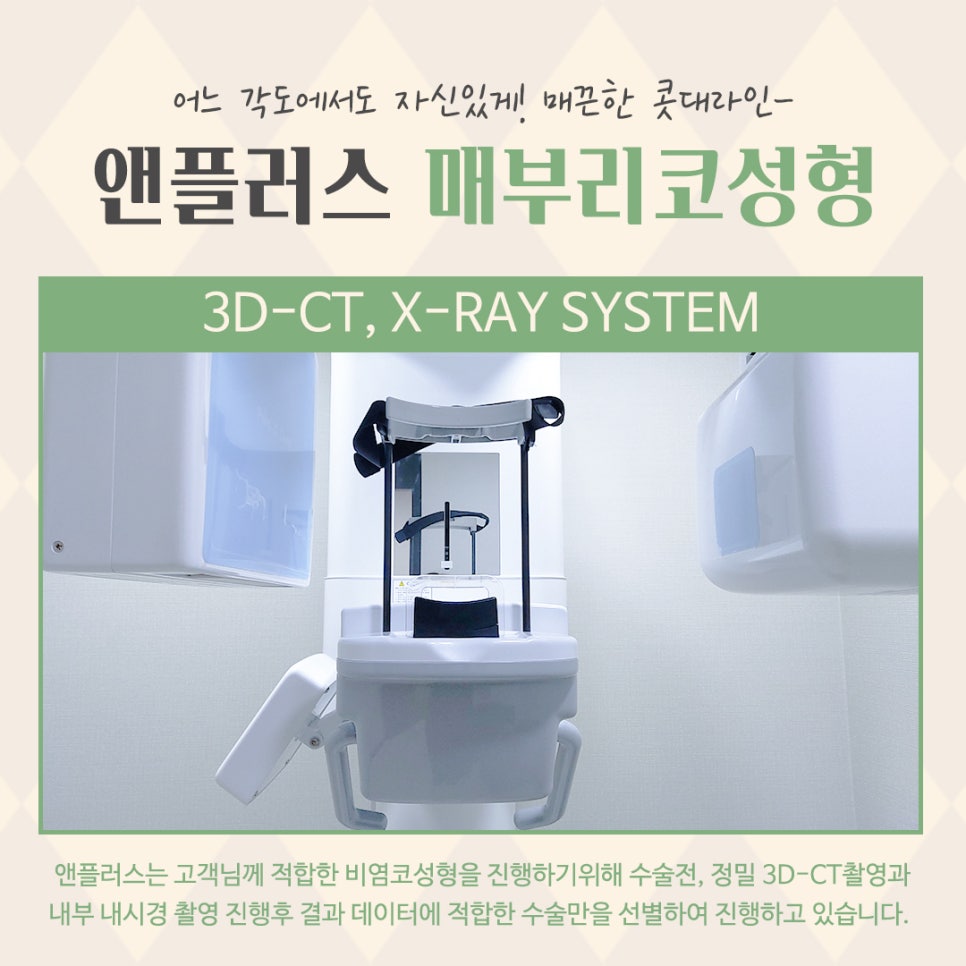
At Oji Co Plastic Surgery & Nplus, to ensure safe and satisfying hump nose correction, we accurately identify the cause of the hump before surgery through 3D-CT imaging, internal endoscopic imaging, various allergy tests, and internal nasal function tests, and then establish and carry out a surgical plan based on the extracted data.

The surgical methods used in hump nose correction are divided into three types: cases with a high bridge hump, cases with a low bridge hump, and cases with only a very mild hump.
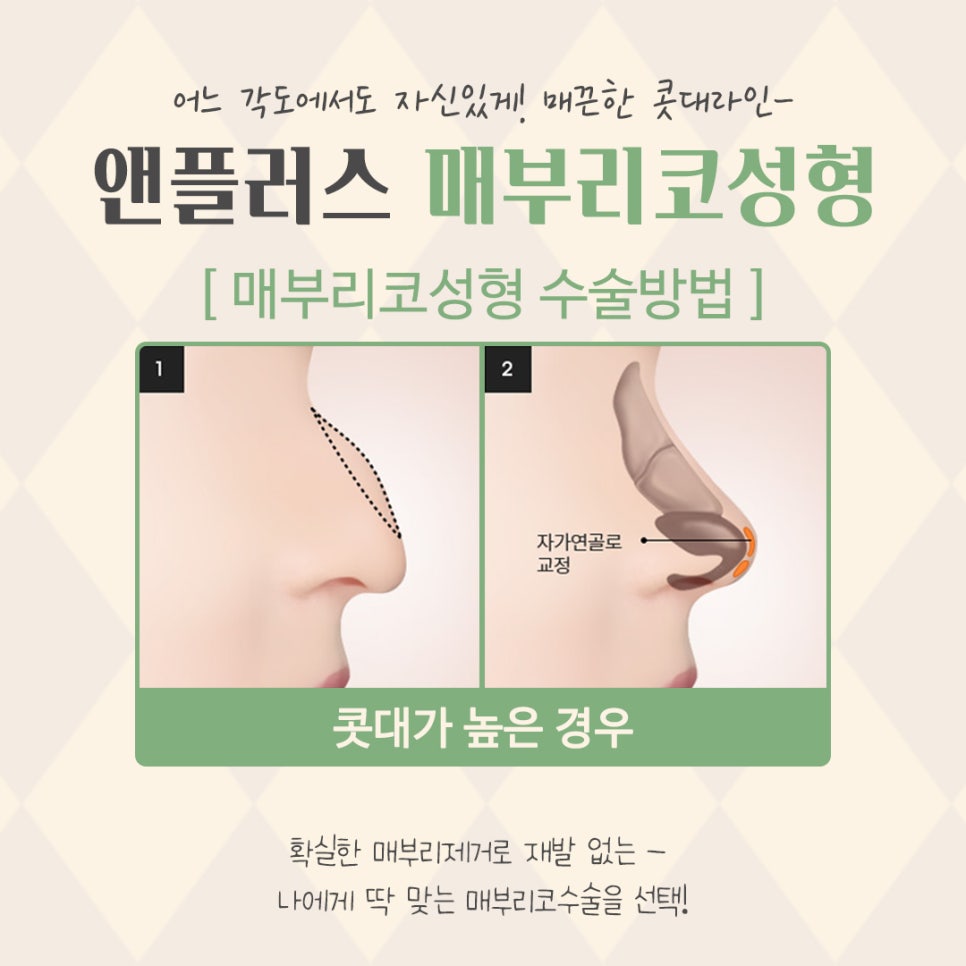
In hump nose correction for a high bridge, the hump on the bridge is removed through reduction and osteotomy, and the tip is corrected using autologous cartilage.
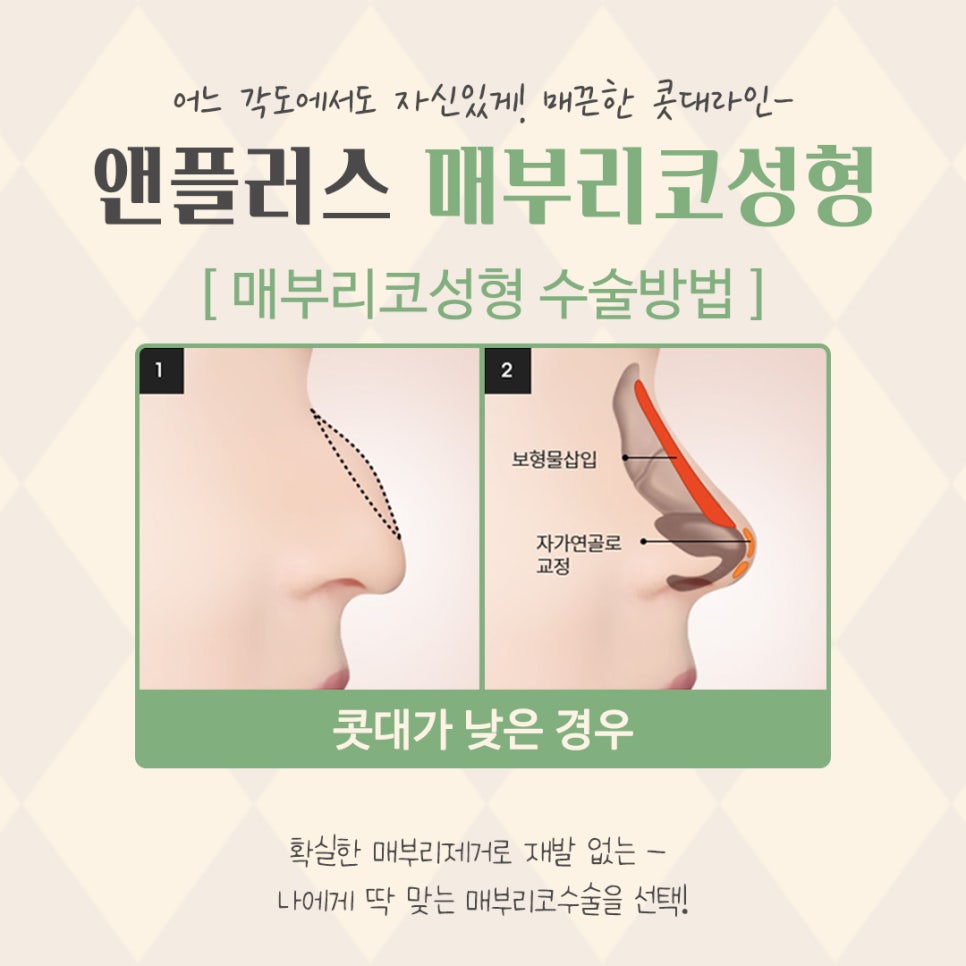
In hump nose correction for a low bridge, the hump is removed and osteotomy is performed, then an implant is inserted into the bridge and the tip is corrected using autologous cartilage.
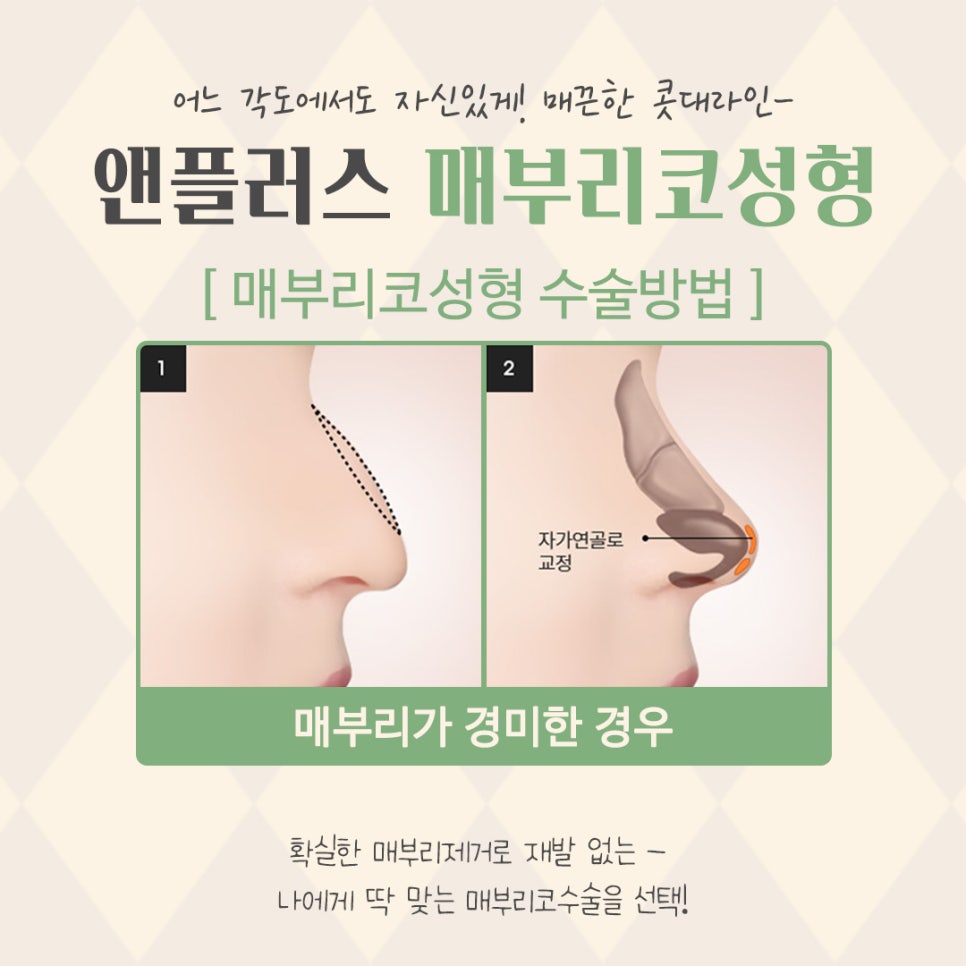
In cases of mild hump nose correction, the hump on the bridge can be removed through reduction and osteotomy, and the tip can then be corrected using autologous cartilage.

The key to hump nose correction surgery is that the hump must be removed completely to minimize recurrence. So if you are undergoing hump nose correction, it is important not only to check various before-and-after photos and reviews, but also to carefully check whether the medical staff have a high level of anatomical knowledge of the nose, whether they have extensive experience and expertise, whether equipment is in place to accurately assess the condition of your nose, and whether aftercare is clearly guaranteed.
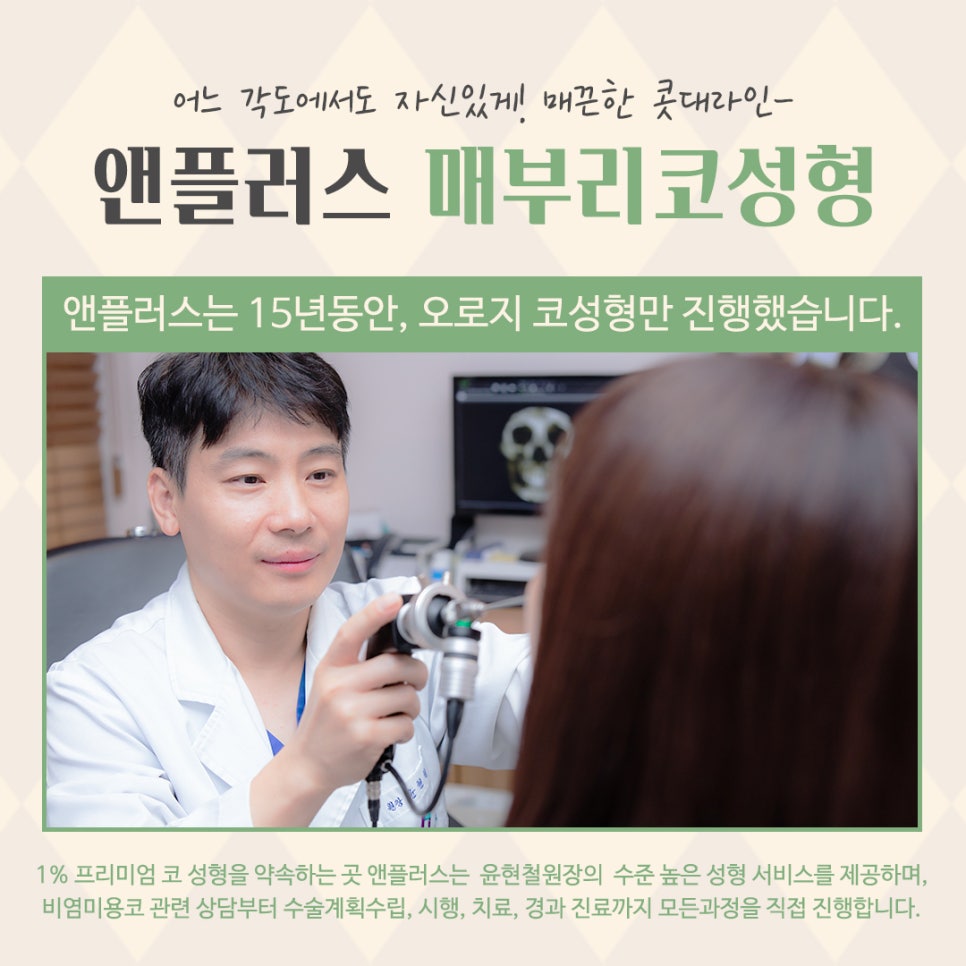
At Oji Co Plastic Surgery & Nplus, Director Surgeon Yoon Hyun-cheol personally handles every step one-on-one, from consultation related to hump nose correction to surgical planning, surgery, treatment, and follow-up care, allowing patients to receive a high level of medical service from before surgery through recovery.

Aftercare is supported by a one-year warranty system after surgery, and there is also a surgical responsibility guarantee system in place to prepare for all possible situations, including postoperative pain, inflammation, or dissatisfaction with the shape. Those who have an Nplus membership card can receive aftercare benefits at any time.
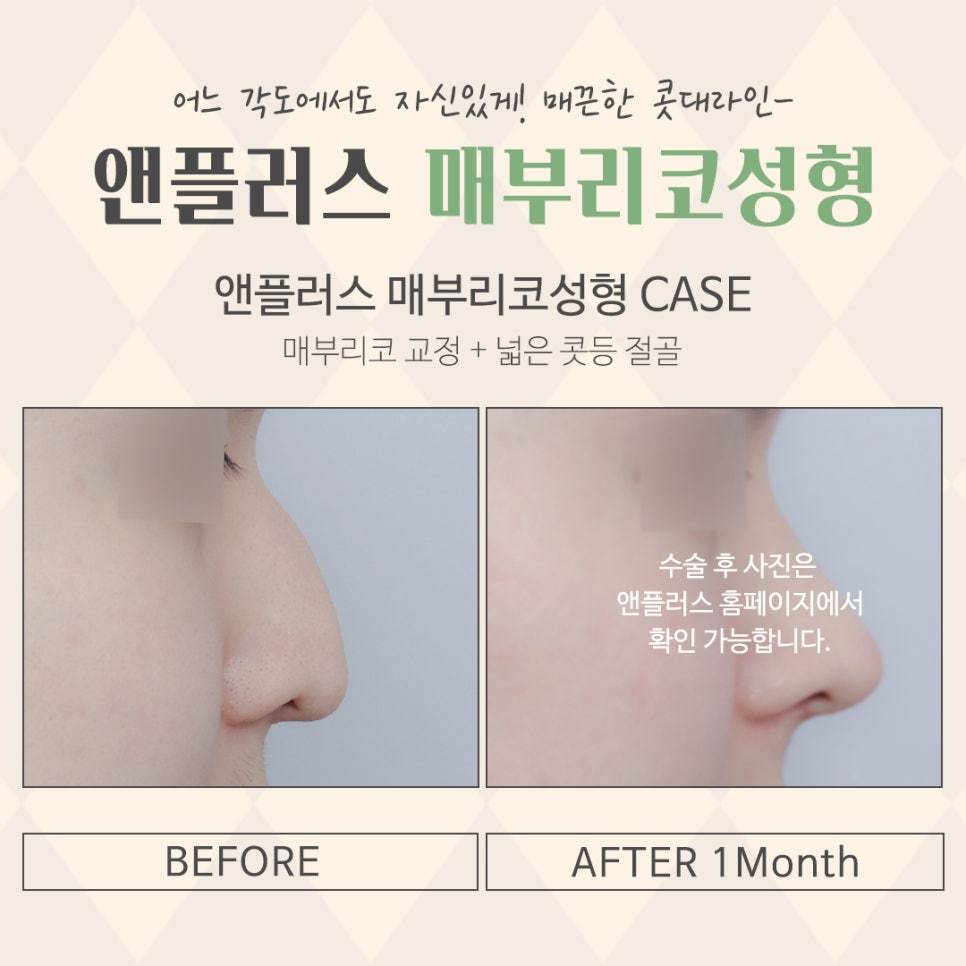
(The image above shows before-and-after photos of hump nose correction at Oji Co Plastic Surgery & Nplus.)
That concludes the summary of hump nose correction at Oji Co Plastic Surgery & Nplus. I hope this article was very helpful for those who are currently looking into rhinoplasty because of a hump nose. Thank you.