
Hello. This is OJIKO N+ Clinic, which thinks only about your healthy and beautiful nose.
The topic we will introduce this time is non-implant rhinoplasty.

In modern times, many people are highly interested in cosmetic surgery as a way to improve areas of their face that they felt were lacking. In particular, among the areas commonly treated, the nose is located at the center of the face and is the most three-dimensional feature among our facial features, so even a small change in the nose shape can have a great effect on improving the overall image. However, while a typical rhinoplasty involves using silicone for the bridge and autologous cartilage for the tip, those who want a natural-looking improvement rather than a high nose line can look into non-implant rhinoplasty in more detail.
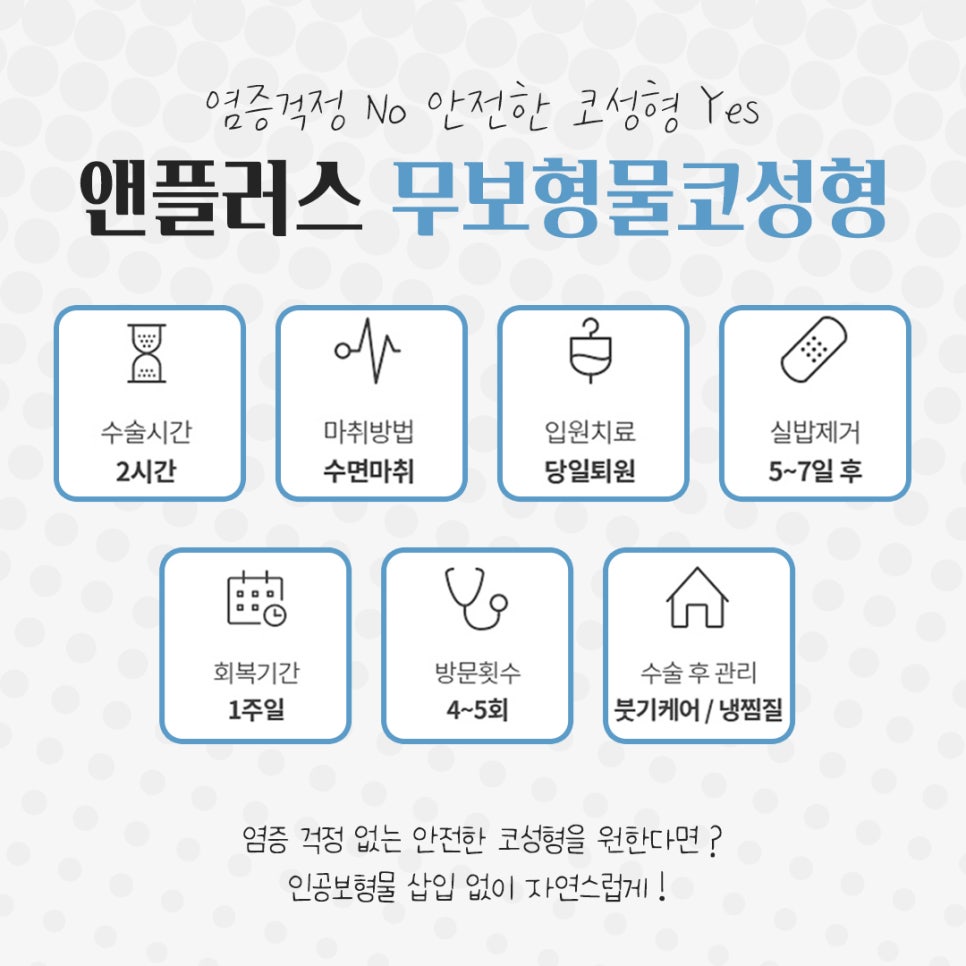
What is non-implant rhinoplasty? It is a surgery that corrects the nose line by using autologous cartilage at the tip without inserting silicone, an implant, into the bridge of the nose. In the case of non-implant rhinoplasty, because autologous cartilage is used, the likelihood of inflammation is quite low, making it suitable for people who are concerned about inflammatory reactions or prefer a natural nose line.

Therefore, those looking into non-implant rhinoplasty can expect a naturally corrected nose line rather than a high bridge. Types that may require non-implant rhinoplasty include cases where the bridge is high but the tip is drooping, a hooked nose, an upturned nose with a lifted tip, a beak-shaped or long nose with a downward-pointing tip, or a nose tip that has dropped. These are classified into various types, and even though it is called non-implant rhinoplasty, the same surgery is not performed in every case; the materials and methods used differ depending on each individual's condition.
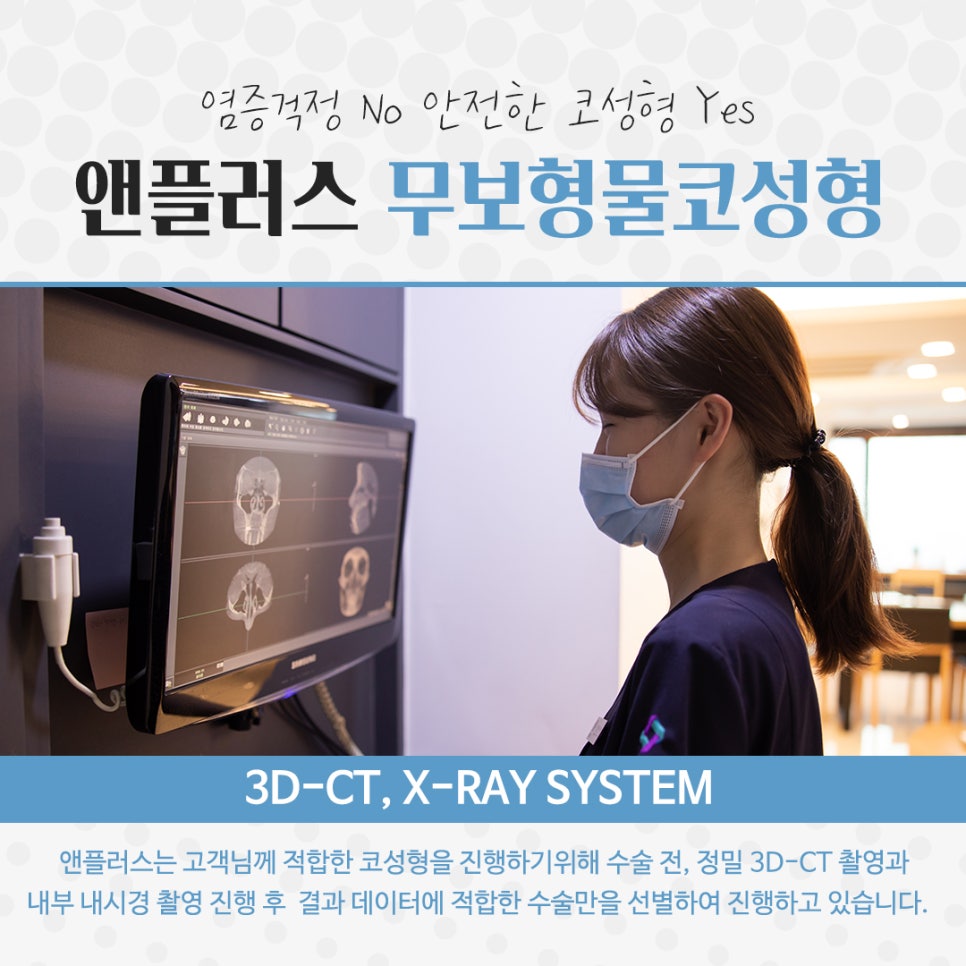
At OJIKO N+ Clinic, to ensure safe and satisfying non-implant rhinoplasty, we accurately assess the current condition of the nose through preoperative 3D-CT scans, internal endoscopy, various allergy tests, and internal nasal function tests. Based on the extracted data, we establish a surgical plan so that rhinoplasty suitable for each individual can be performed.
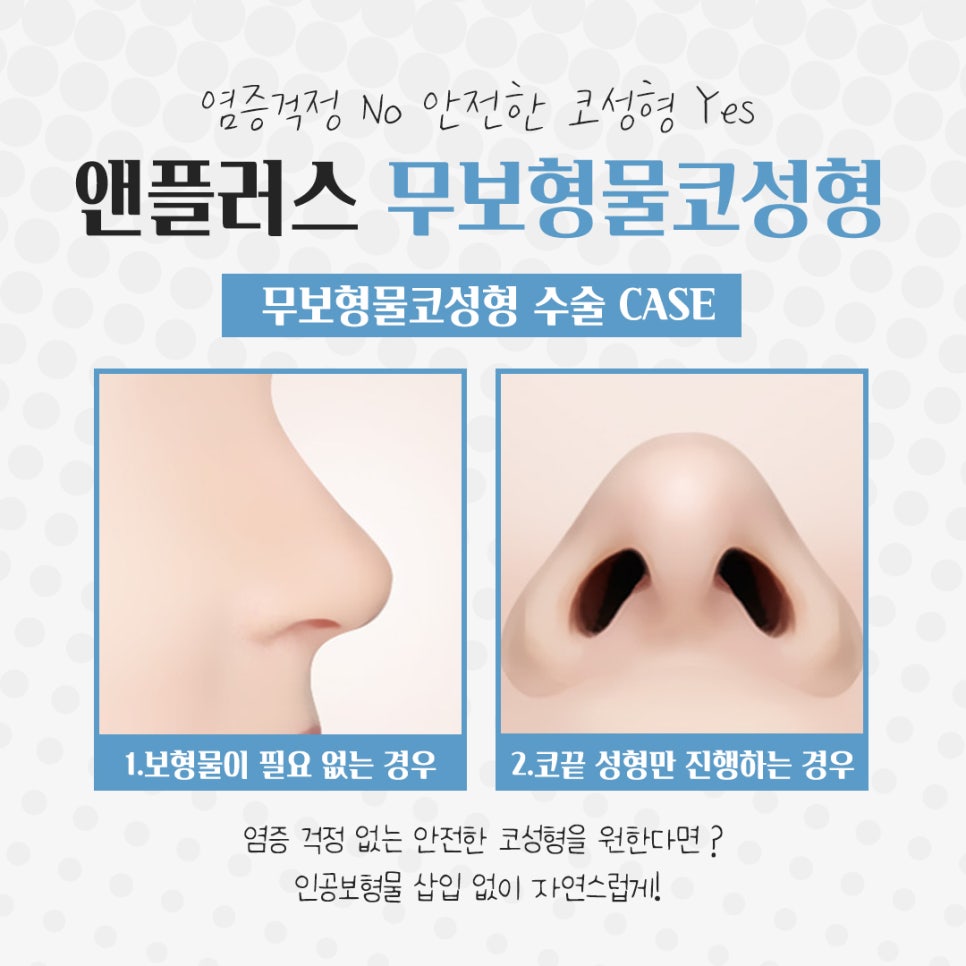
There are broadly two methods for non-implant rhinoplasty: one for cases where the bridge is already high and does not require an implant, and another for cases where the bridge is fine but only the tip is being corrected.
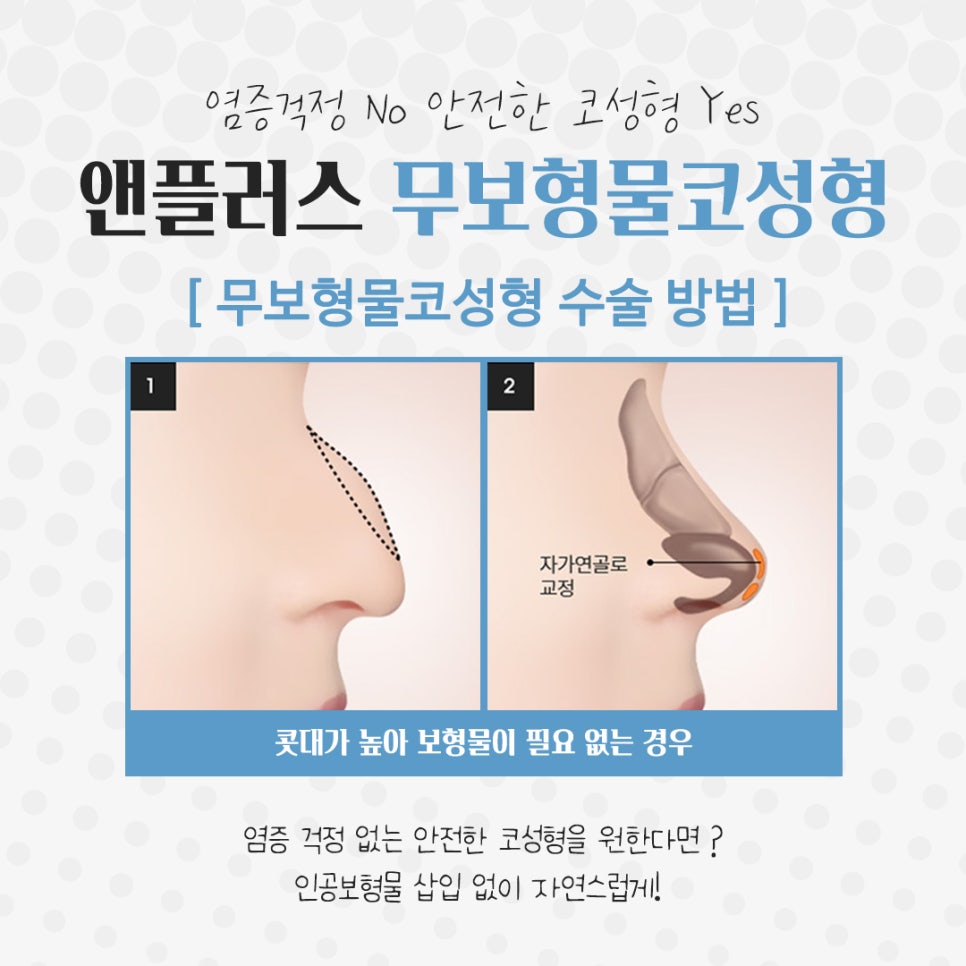
In cases where the bridge is high and an implant is not needed, if there is a hump on the bridge, the hump is removed or osteotomy is performed, and then the tip is corrected using autologous cartilage.
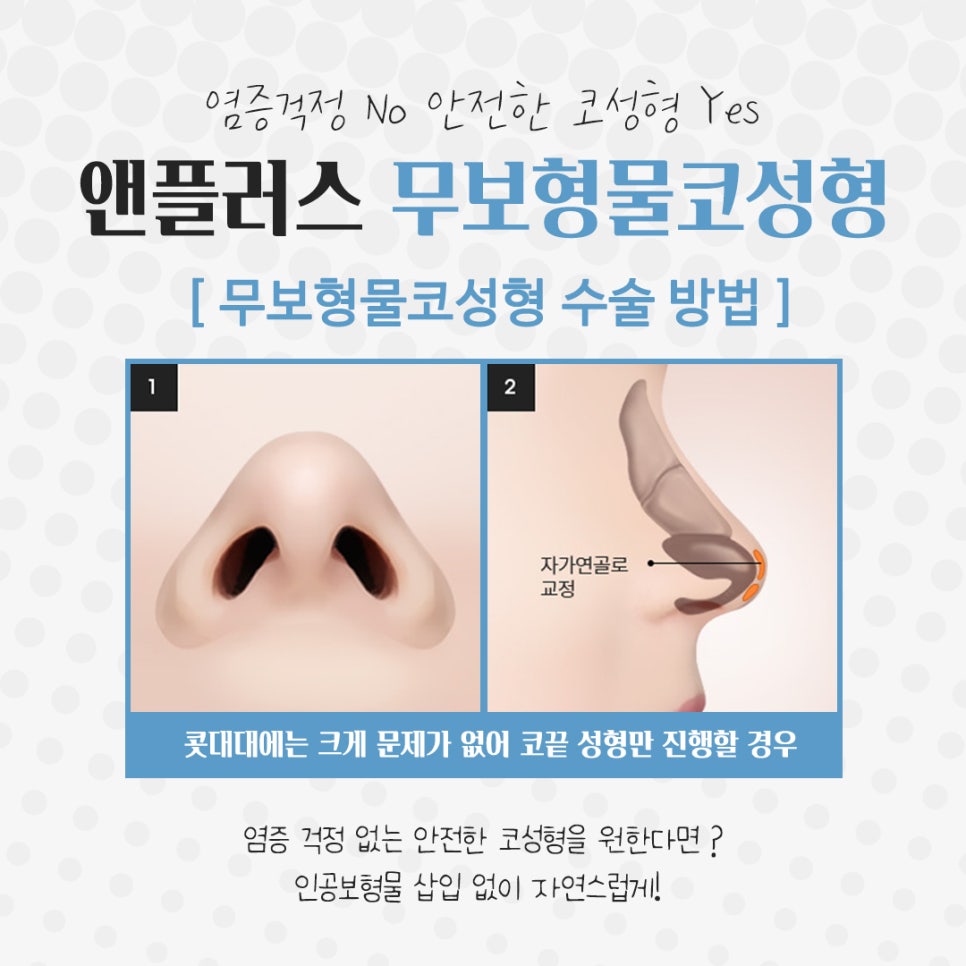
In cases where the bridge is not a problem and only tip surgery is performed, the tip is corrected with autologous cartilage, and it is designed to connect naturally with the bridge.
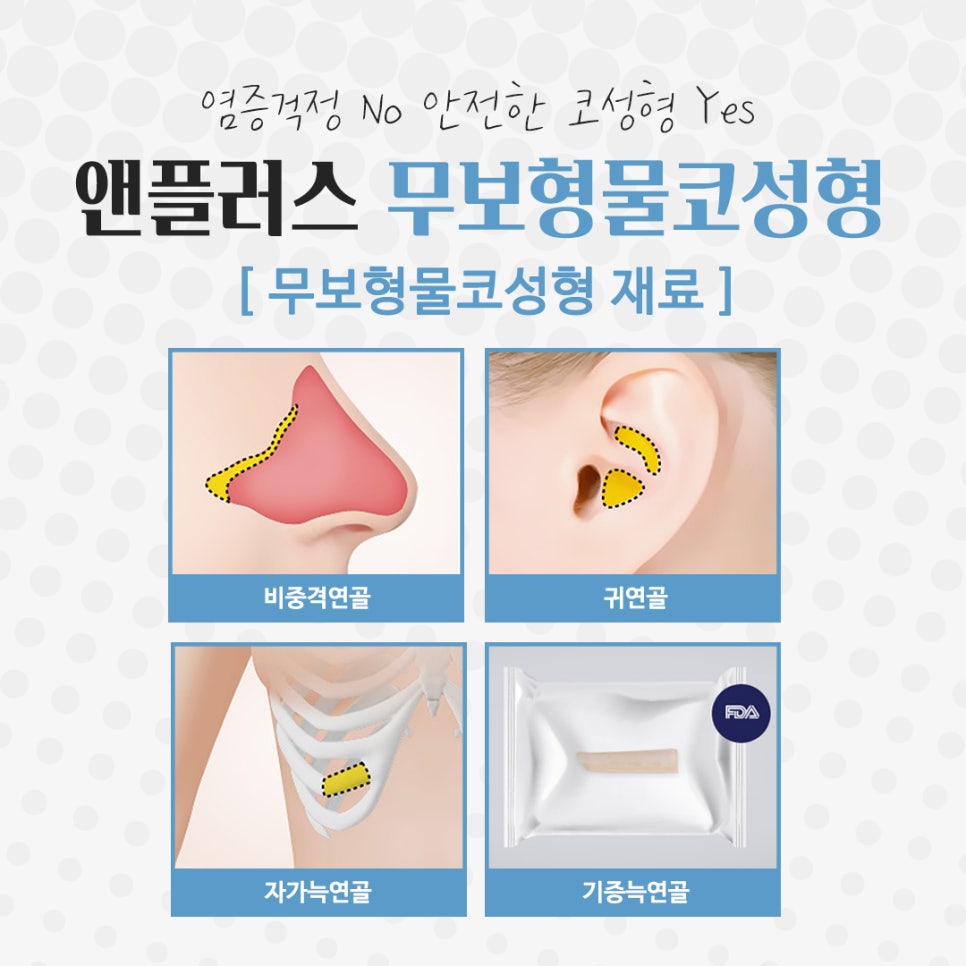
The materials used in non-implant rhinoplasty include septal cartilage, ear cartilage, and autologous rib cartilage. Before surgery, the appropriate material is selected for each person through preoperative examinations. If the use of autologous cartilage is difficult, donated rib cartilage approved by the U.S. FDA is used as a substitute.

In this way, non-implant rhinoplasty reduces the burden of using implants and corrects the overall nose line through autologous cartilage. Because no implant is used, it may seem like a relatively simple procedure, but the nose has a far more complex internal structure than what is visible externally. It is a functional organ responsible for smell and breathing, so among cosmetic surgeries, it is considered a highly difficult procedure.

Therefore, those looking into non-implant rhinoplasty should carefully check whether the medical team has strong anatomical knowledge of the nose, whether they have sufficient experience and expertise, whether they are equipped with devices that can accurately assess the condition of your nose, and whether postoperative care is fully guaranteed. This can help you make a better choice.
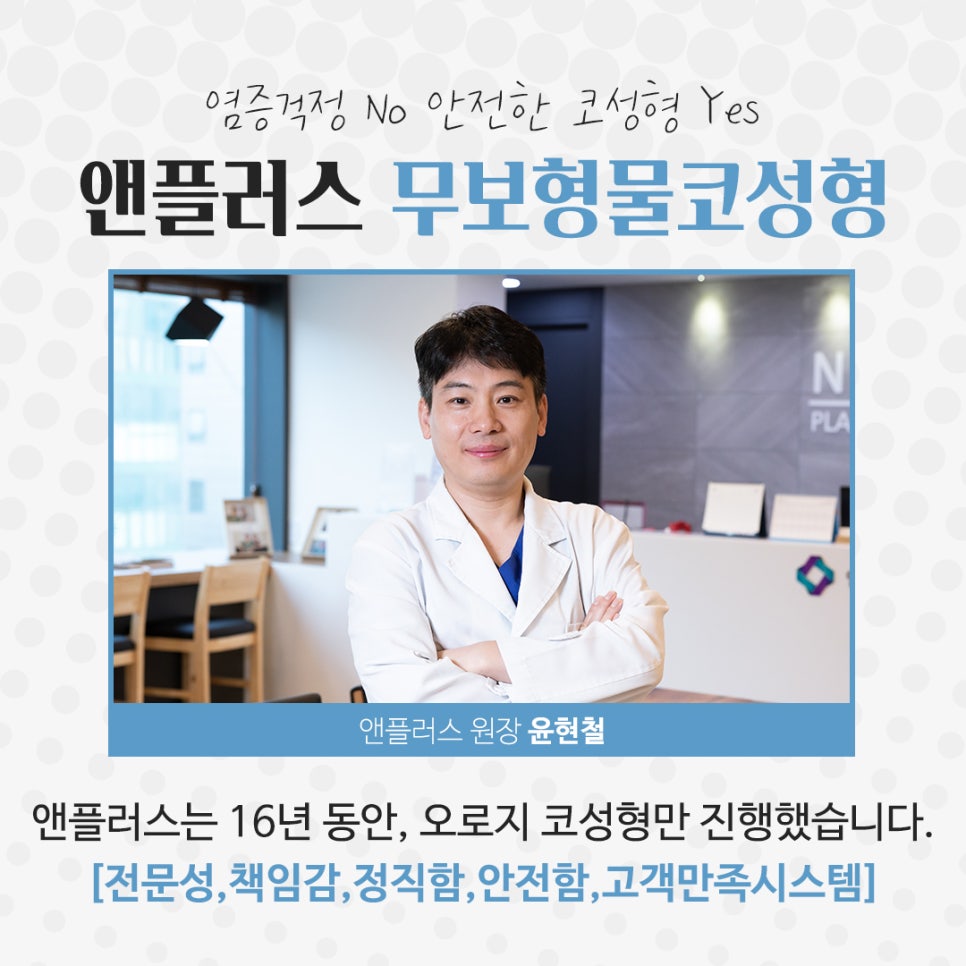
At OJIKO N+ Clinic, Director Yoon Hyun-cheol personally handles every step on a one-to-one basis, from consultation on non-implant rhinoplasty to surgical planning, surgery, treatment, and follow-up visits, allowing for a safer and more satisfying non-implant rhinoplasty.

Postoperative care is also supported by an after-service system that guarantees coverage for one year after surgery, as well as a surgical responsibility guarantee system that prepares for all situations such as postoperative pain, inflammation, and dissatisfaction with the result. If you have an N+ membership card, you can receive postoperative care benefits at any time.
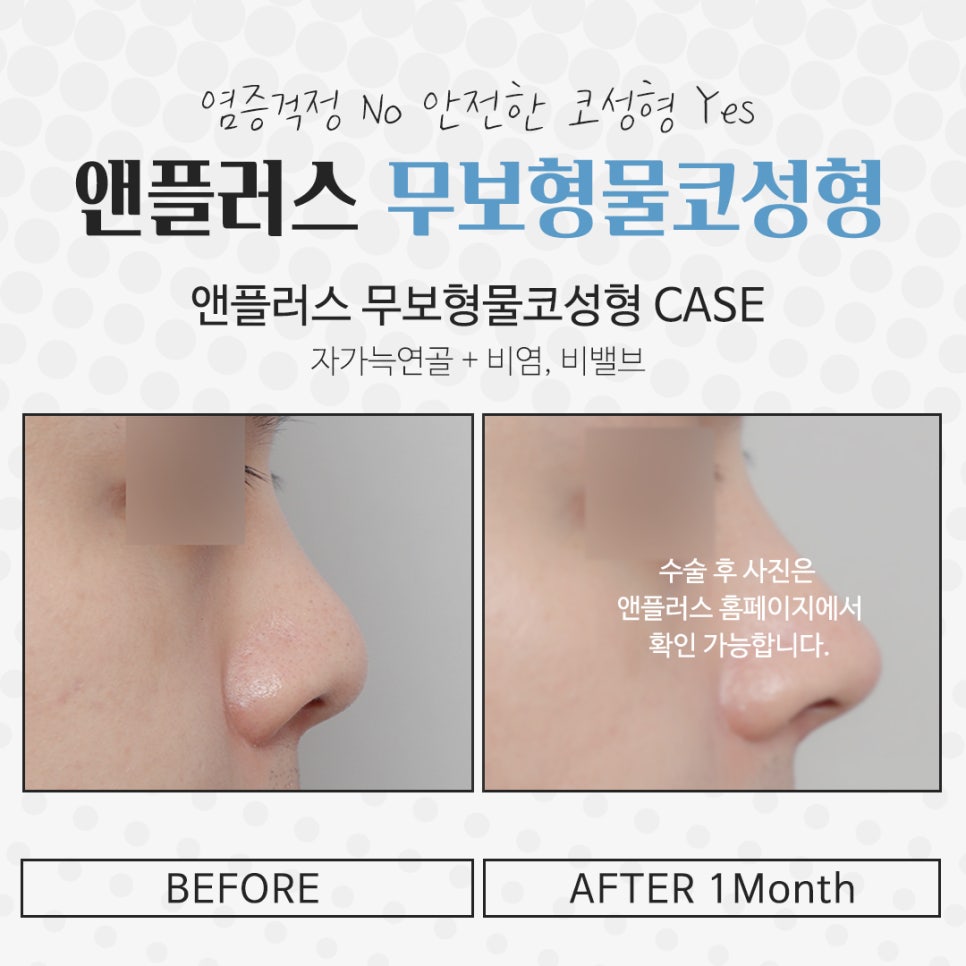
(The image above shows before-and-after photos of non-implant rhinoplasty at OJIKO N+ Clinic.)
That concludes the information about non-implant rhinoplasty at OJIKO N+ Clinic. We hope this article has been helpful for those who are currently looking into rhinoplasty because they are dissatisfied with the shape of their nose. Thank you.
https://youtu.be/6GtwNbh4mrc