Hello. We are OjiKo N+ Clinic, which only thinks about your healthy and beautiful nose.
This time, we will introduce male rhinoplasty with a look at function as well.
Recently, men have been showing greater interest in aesthetic aspects, and interest in plastic surgery is also increasing. Among our facial features, however, men in particular tend to be highly interested in rhinoplasty because the nose is located at the center of the face and is the most three-dimensional feature. The reason is that when the shape of the nose is improved to be straight and neat, it can have a major effect on changing the overall image of the face.
�0b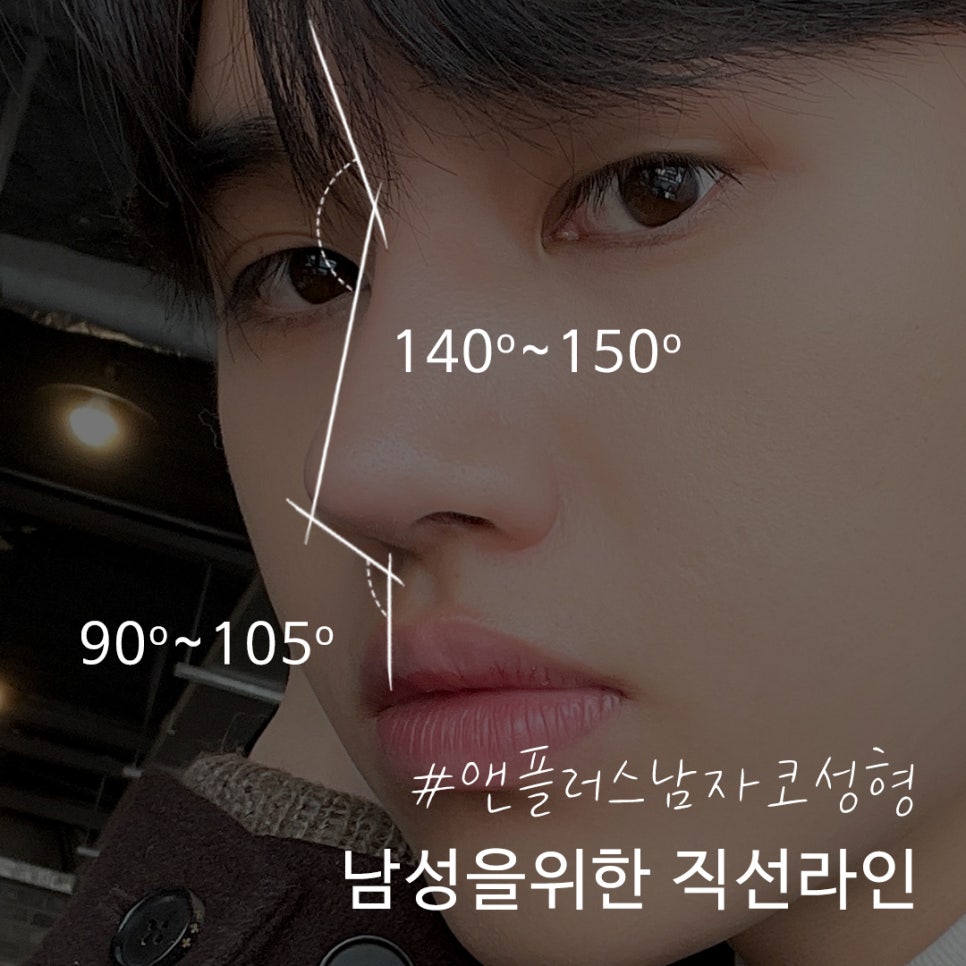
For that reason, the people who look into male rhinoplasty often want the shape of the nose to be improved into a straight and proper form because it is too low, too high, has a hump, is upturned, droops, or is crooked. In such cases, an aesthetic approach can be said to take priority.
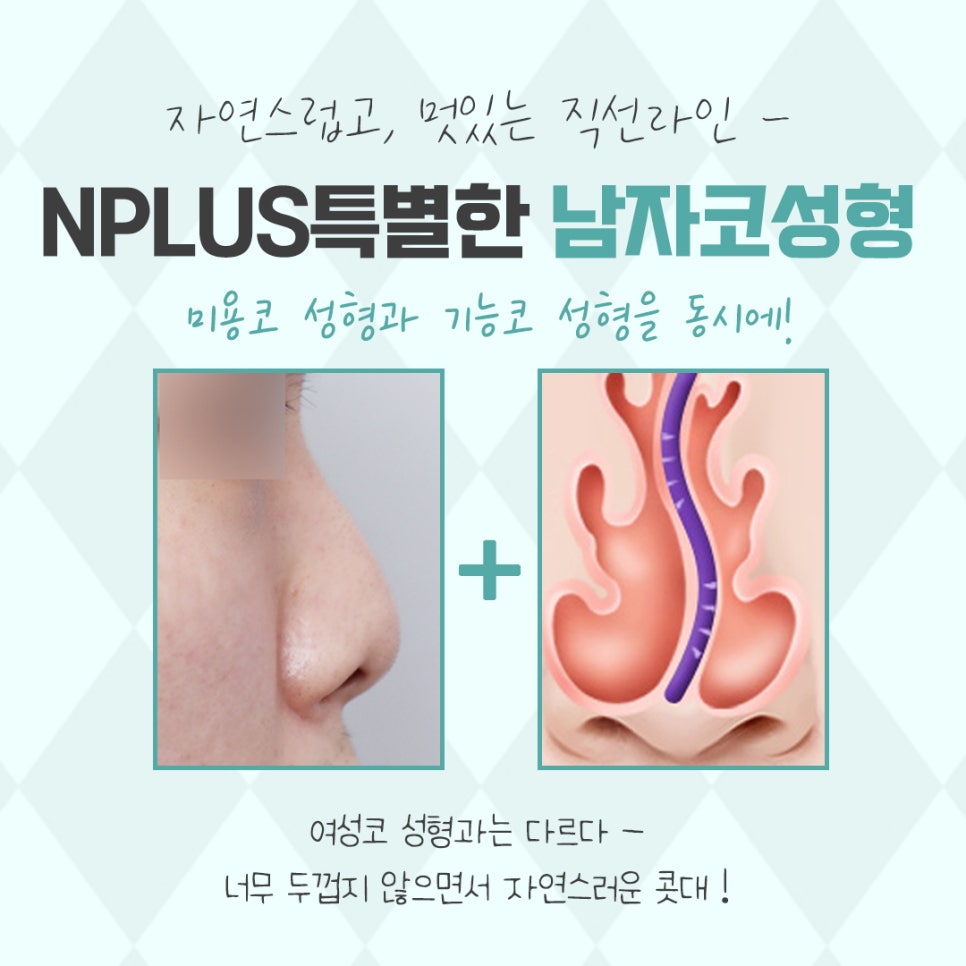
However, our nose plays a major role not only in appearance but also as a functional organ responsible for breathing and smelling. Therefore, when performing rhinoplasty, surgery must also take these functional aspects into account in order to help prevent revision surgery due to functional problems after the operation.
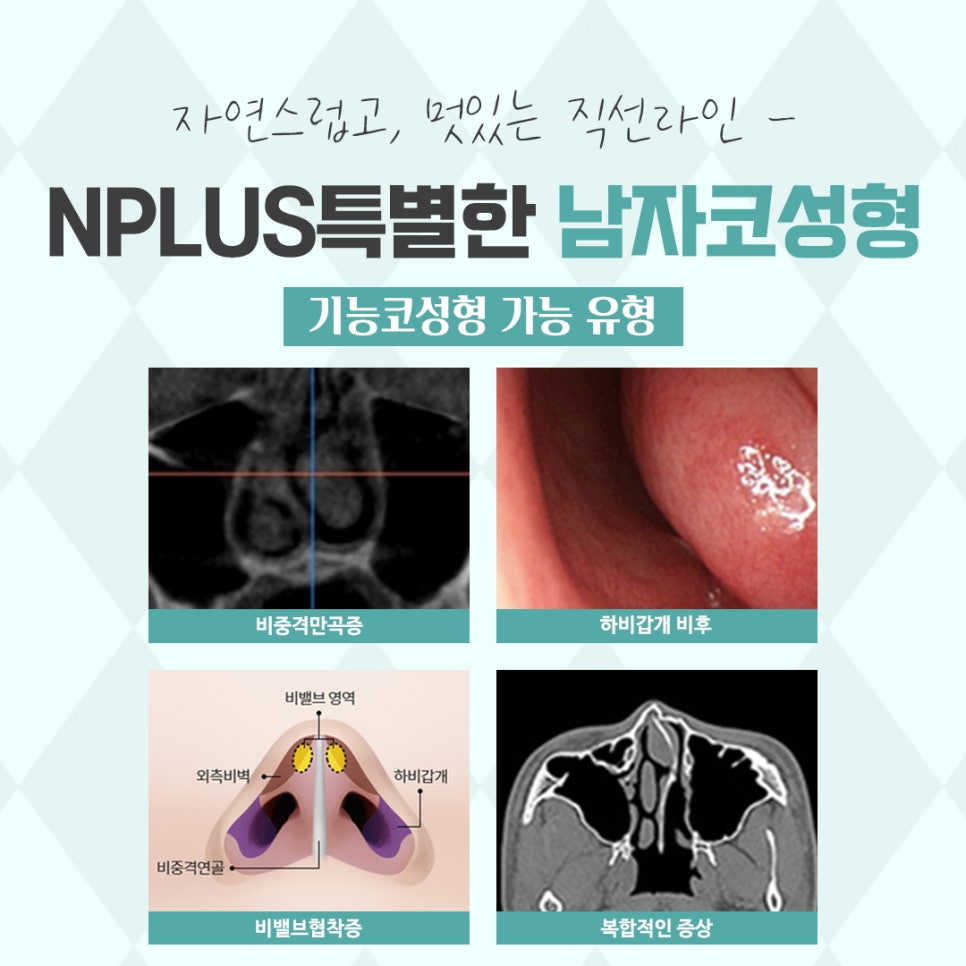
As mentioned above, when functional aspects are considered during male rhinoplasty, the most common symptom is nasal congestion caused by rhinitis. Rhinitis can be divided into allergic rhinitis and structural rhinitis caused by internal structural abnormalities. In the case of allergic rhinitis, since it appears due to specific substances or seasons, a complete cure is difficult, and it is important to prioritize medication treatment or improving immunity. Structural rhinitis, which can be improved through surgery, is important to address surgically in men because compared to women, leisure activities or vigorous exercise are more often involved, and trauma can lead to causes such as deviated septum, nasal valve stenosis, and inferior turbinate hypertrophy.
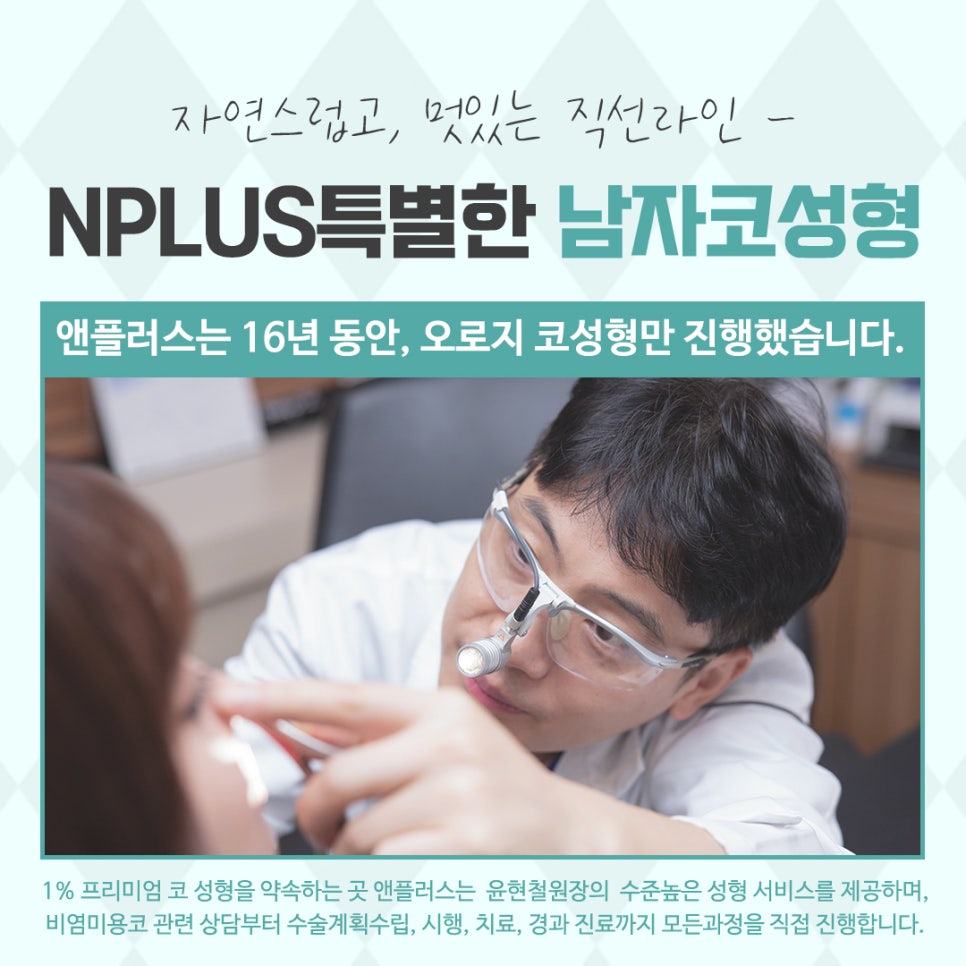
Therefore, for those looking into male rhinoplasty, it is important not to choose based only on before-and-after photos, but to accurately determine whether functional problems are present before proceeding with surgery. In addition, it can be helpful for your decision to check carefully whether the medical staff have strong anatomical knowledge of the nose, whether they have sufficient experience and expertise, whether the clinic is equipped with devices that can accurately examine the condition of your nose, and whether aftercare is reliably guaranteed.
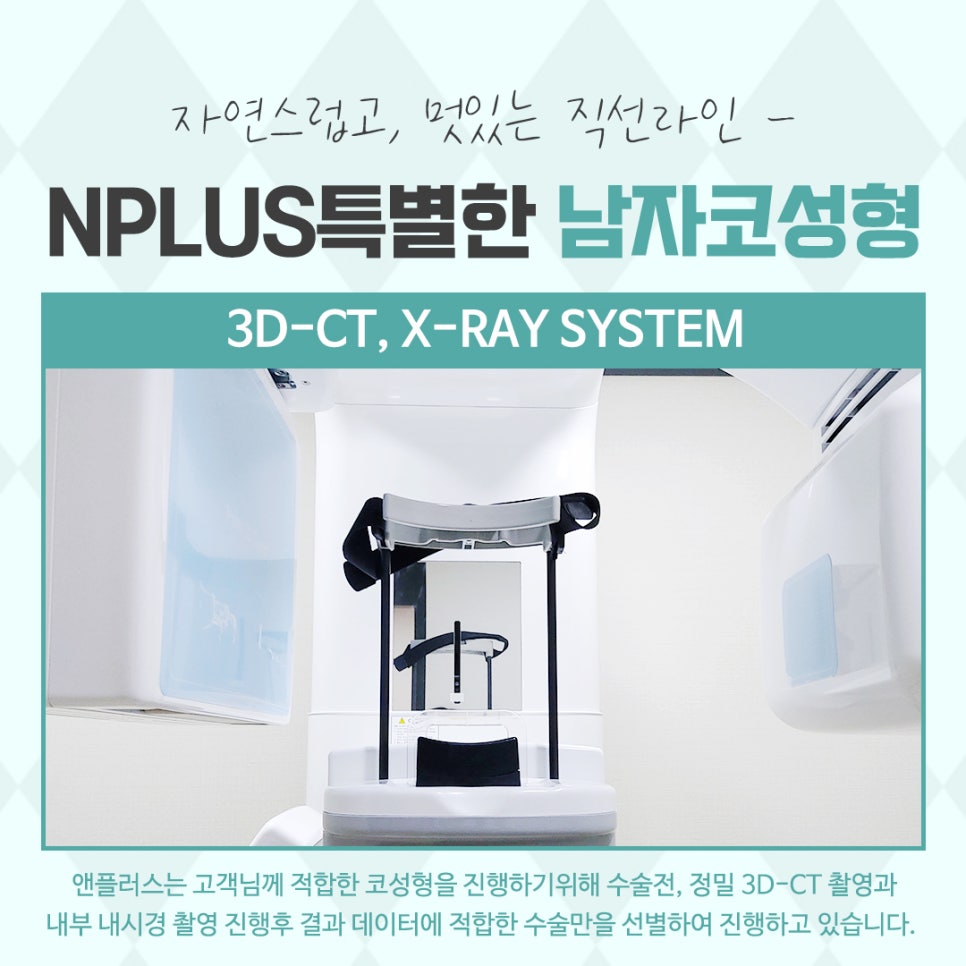
At OjiKo N+ Clinic, we aim to provide safe and satisfying male rhinoplasty by first accurately assessing each individual patient’s nasal condition through preoperative 3D-CT scans, allergy tests, internal endoscopic imaging, and internal function tests. Based on the extracted data, we establish and carry out the surgical plan.
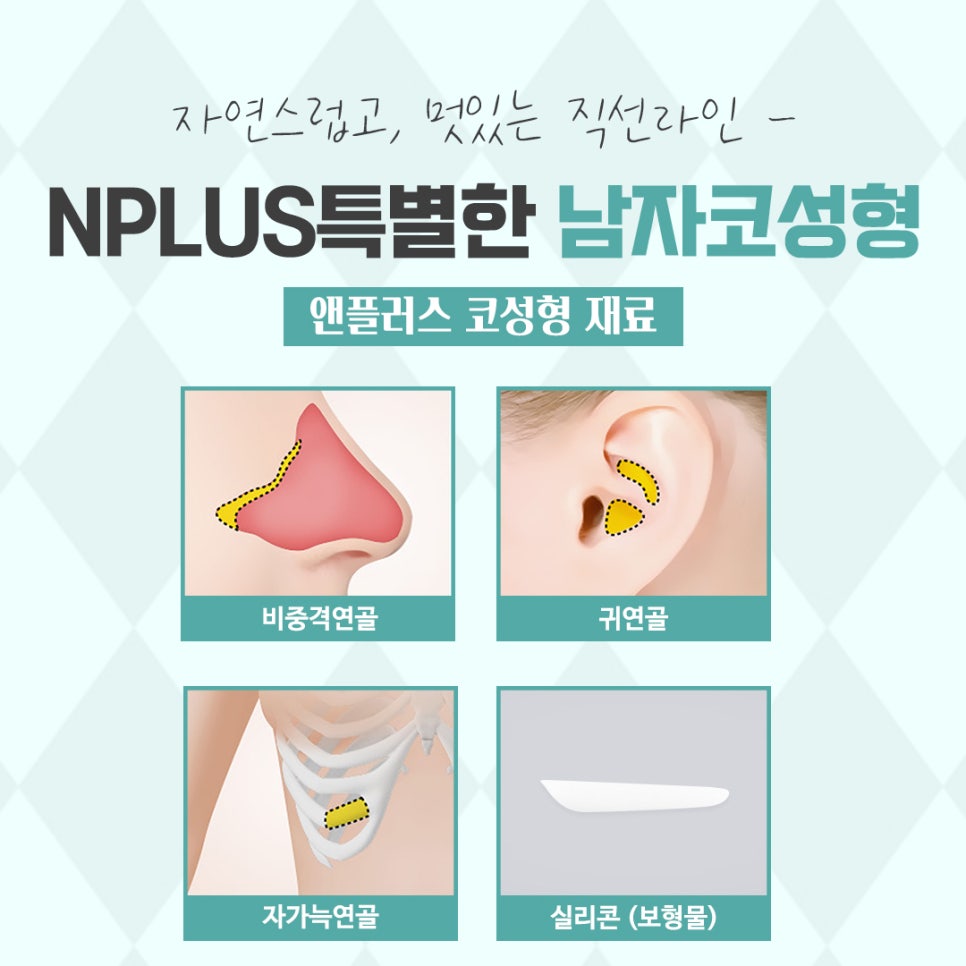
The materials commonly used in male rhinoplasty are silicone for the bridge of the nose and autologous cartilage for the tip. Autologous cartilage may include septal cartilage, ear cartilage, and autologous rib cartilage. The criteria for choosing autologous cartilage can be determined through preoperative examinations so that the material is selected to suit each individual’s current condition.
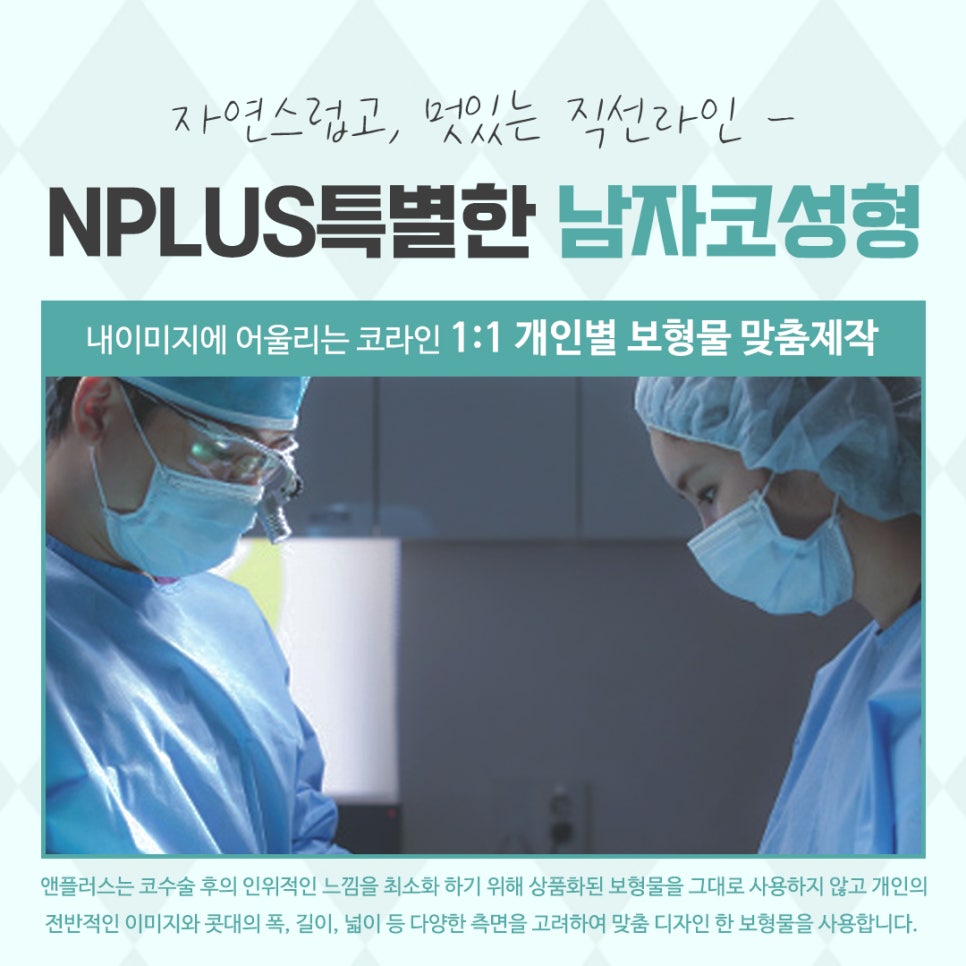
In the case of silicone used for the bridge, we do not use premanufactured silicone as is. Instead, we carefully shape it by hand while considering the person’s overall image as well as the width, length, breadth, and height of the nasal bridge, allowing for a more satisfying male rhinoplasty.

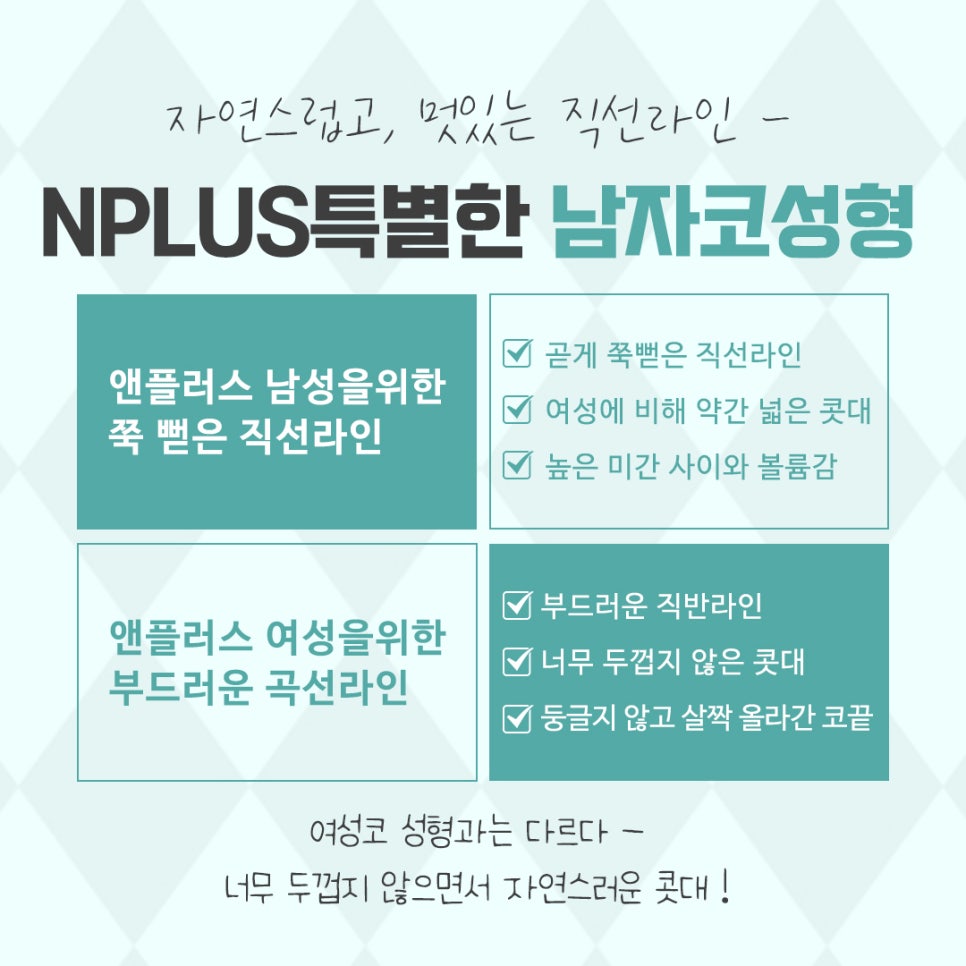
Therefore, in male rhinoplasty, the design of the nasal bridge line is also important. The reason is that men tend to prefer a straight-line nose with a high and masculine image, which is clearly different from the half-curved or straight-half-curved lines often preferred by women.
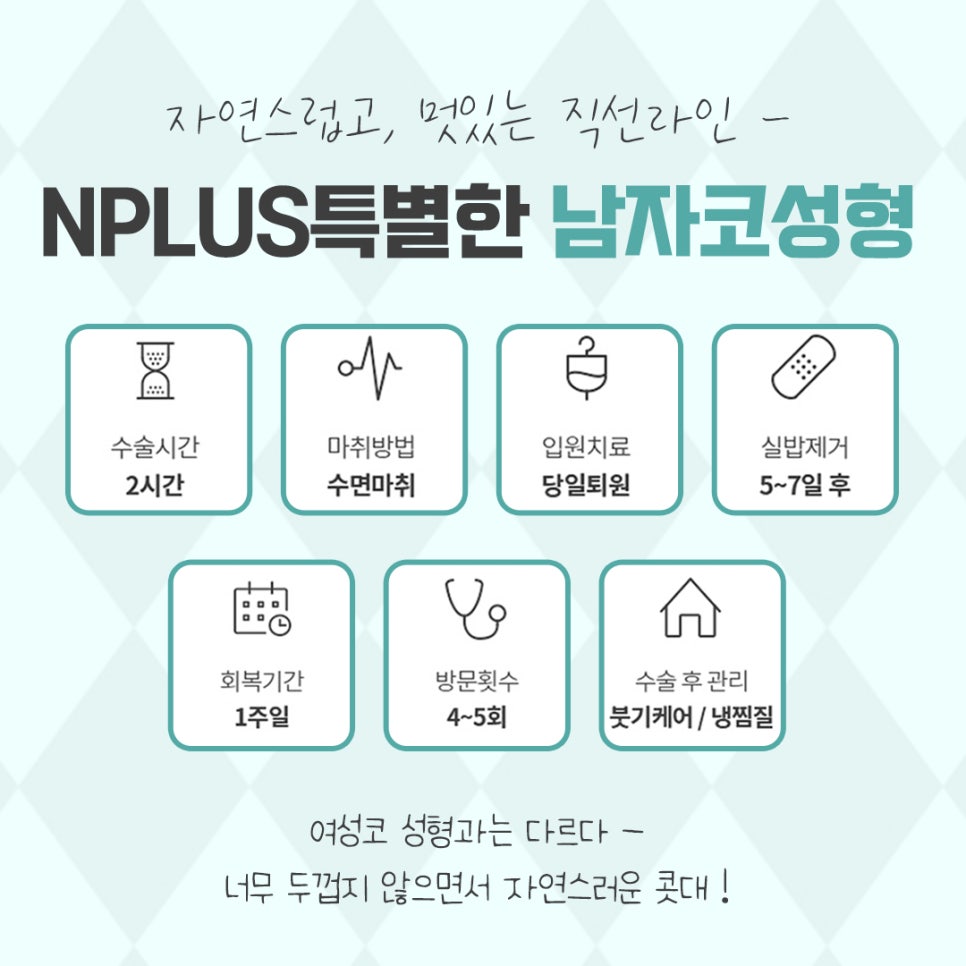
At OjiKo N+ Clinic, Director Yoon Hyun-cheol personally handles every step of male rhinoplasty one-on-one, from consultation and surgical planning to the procedure, treatment, and follow-up care, allowing patients to receive high-level medical services before and after surgery.

Aftercare is also covered by an A/S system that provides a one-year guarantee after surgery, and a surgical responsibility guarantee system is in place to prepare for any situation that may arise after surgery, including pain, inflammation, or dissatisfaction with the result. This allows you to receive reliable aftercare even after the operation.
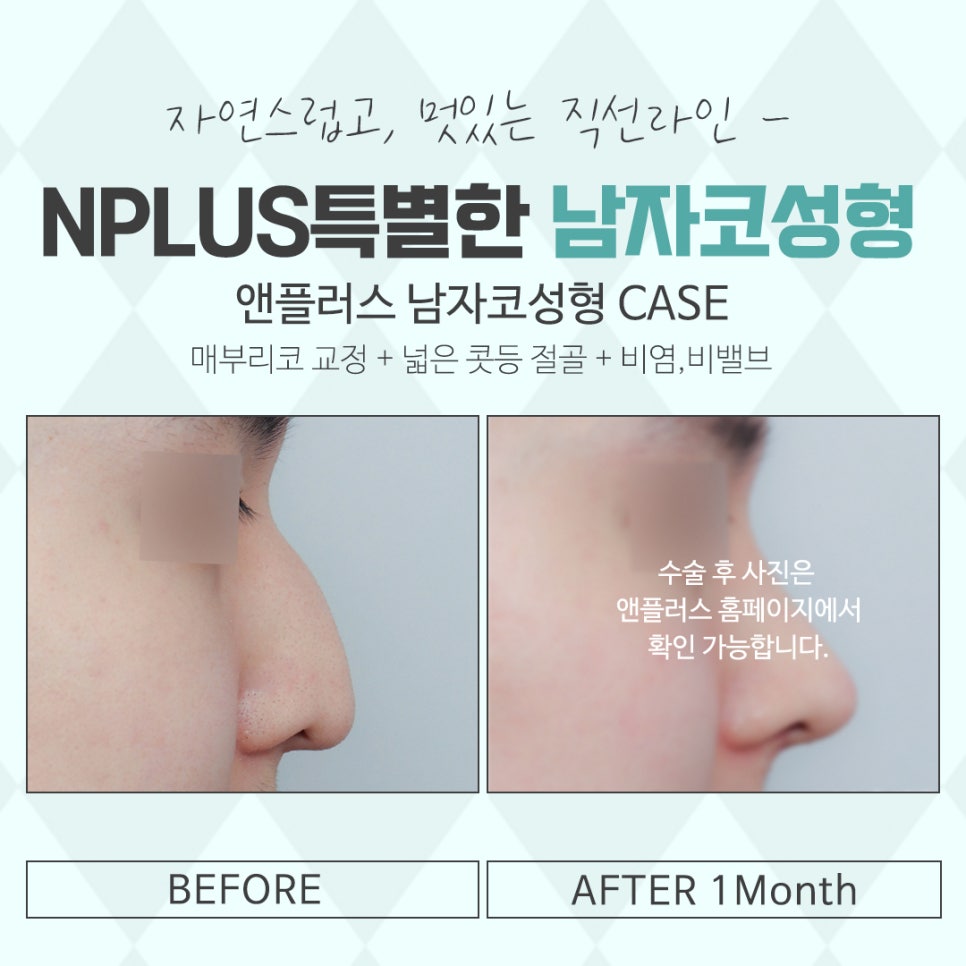
(The image above shows before-and-after photos of male rhinoplasty at OjiKo N+ Clinic.)
That concludes the information we shared about male rhinoplasty at OjiKo N+ Clinic. We hope this article will be very helpful for men who are looking into rhinoplasty because they are dissatisfied with the current shape of their nose. Thank you.
https://youtu.be/untE8qCzTtE