
Hello. This is OjiGo Hospital & Plus, which thinks only about your healthy and beautiful nose.
Today, we will introduce information related to the causes of rhinitis.

Rhinitis is a common condition affecting more than 70% of adults in Korea. The causes of rhinitis are divided into allergic rhinitis and structural rhinitis caused by abnormalities in the internal nasal structure. Allergic rhinitis accounts for 20%, while structural rhinitis accounts for 80%, and the most representative symptoms of rhinitis are nasal congestion, runny nose, and sneezing.
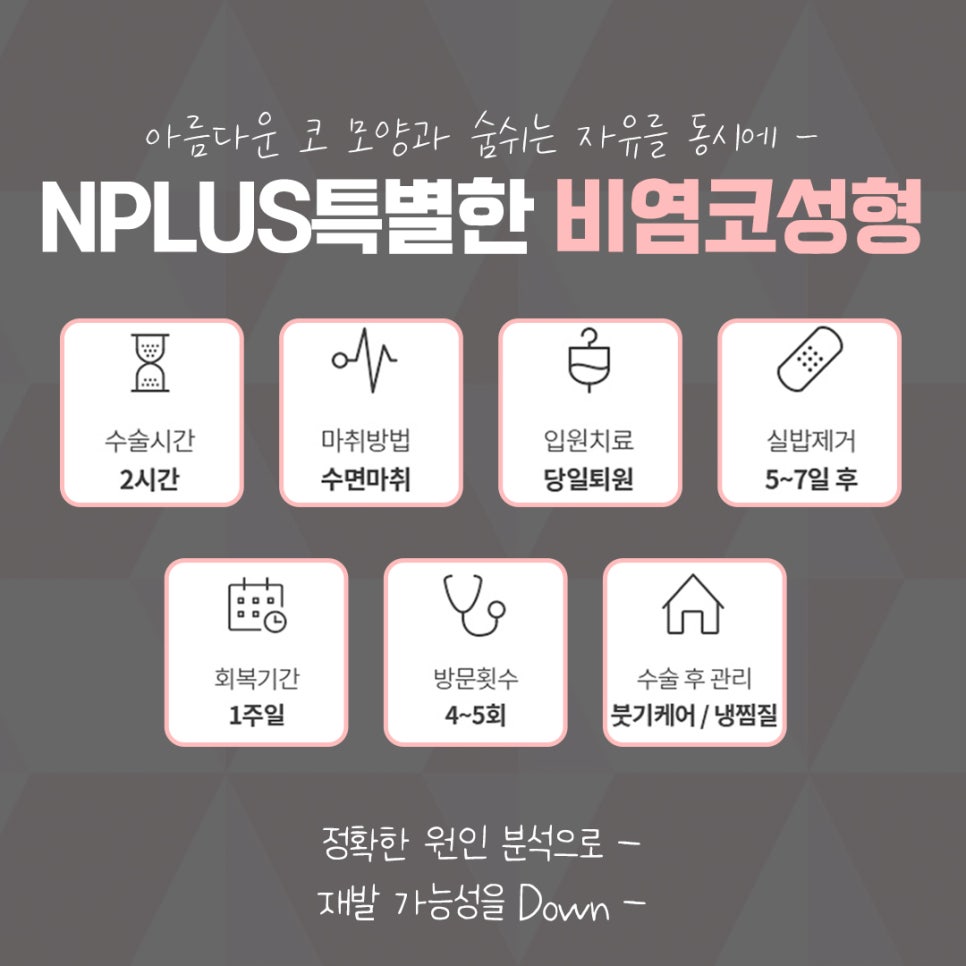
The most commonly known cause of rhinitis, allergic rhinitis, can be said to be related to an individual's constitution, as it reacts to specific substances such as pollen, dust, and food, or to seasons and weather. In the case of allergic rhinitis, improvement through surgery is difficult, and it is important to maintain steady health management, such as ongoing medication treatment or boosting immunity.
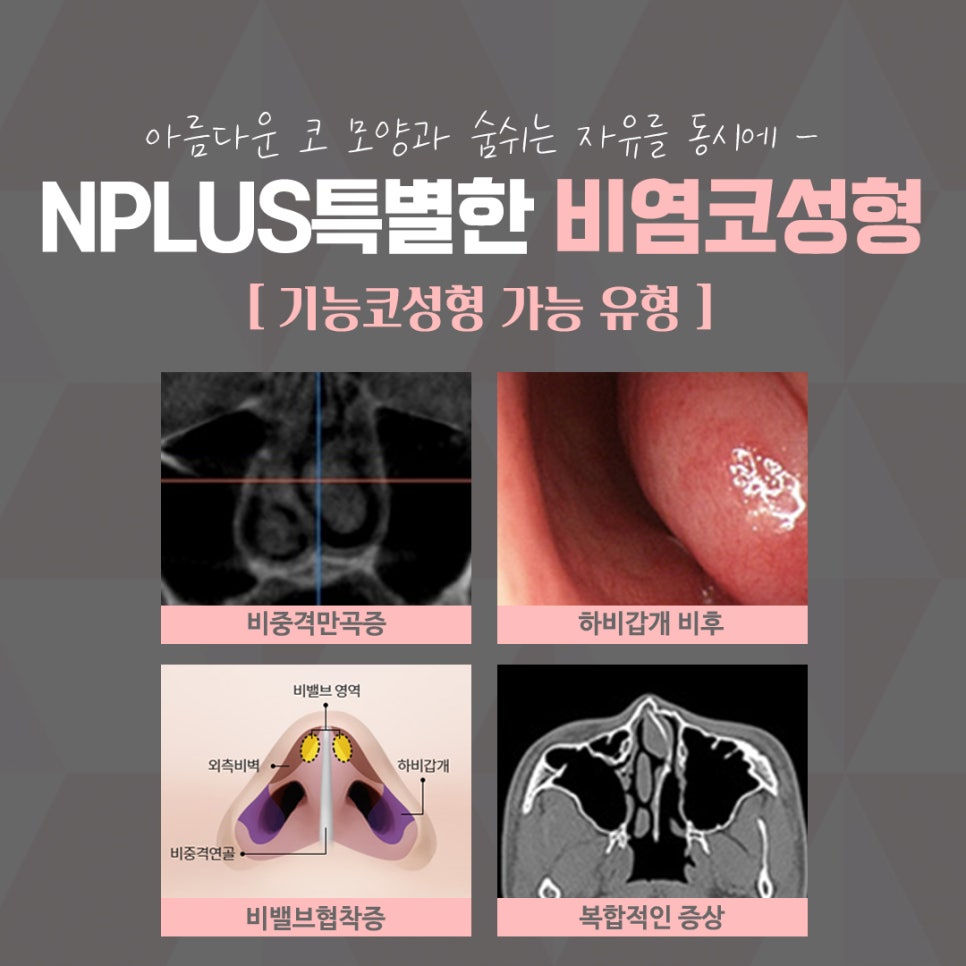
However, in the case of structural rhinitis caused by abnormalities in the internal structure, a cure is possible through surgery and procedures, and it can be divided into deviated septum, inferior turbinate hypertrophy, nasal valve stenosis, and complex symptoms. A deviated septum refers to a bent septal cartilage; the septal cartilage is the cartilage that acts as a partition dividing the nostrils in half. Inferior turbinate hypertrophy refers to enlargement of the inferior turbinates, the tissue made of flesh inside the nose, and nasal valve stenosis refers to narrowing of the nasal valve, which serves as the roof of the nose.
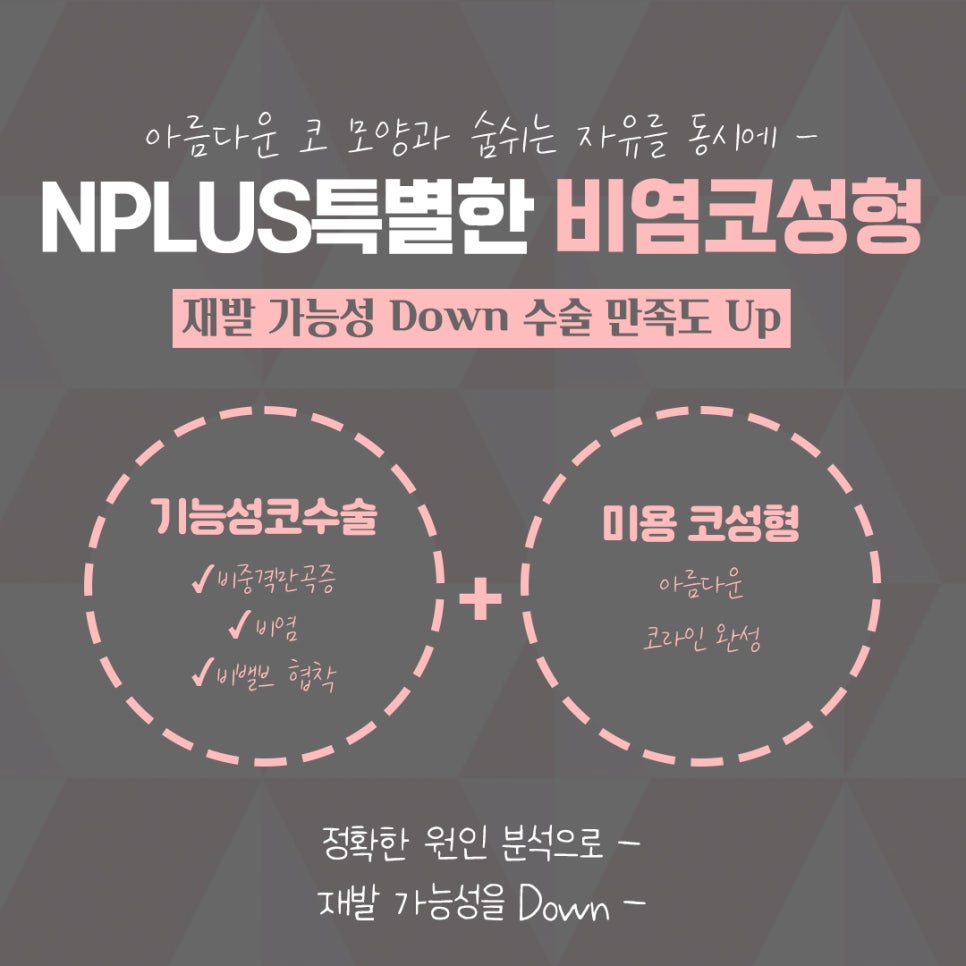
In the case of structural causes of rhinitis such as deviated septum, inferior turbinate hypertrophy, and nasal valve stenosis, each has different causes, but they commonly cause nasal congestion that obstructs the flow of air entering through the nose. In the case of structural rhinitis, a deviated septum may occur alone, or it may occur in combination with other conditions, so it is essential to accurately identify the cause of rhinitis and then perform the appropriate surgery to prevent the need for revision surgery. In addition, because it is difficult to diagnose whether the cause of rhinitis is allergic or structural by visual inspection alone, accurate confirmation is possible through equipment.
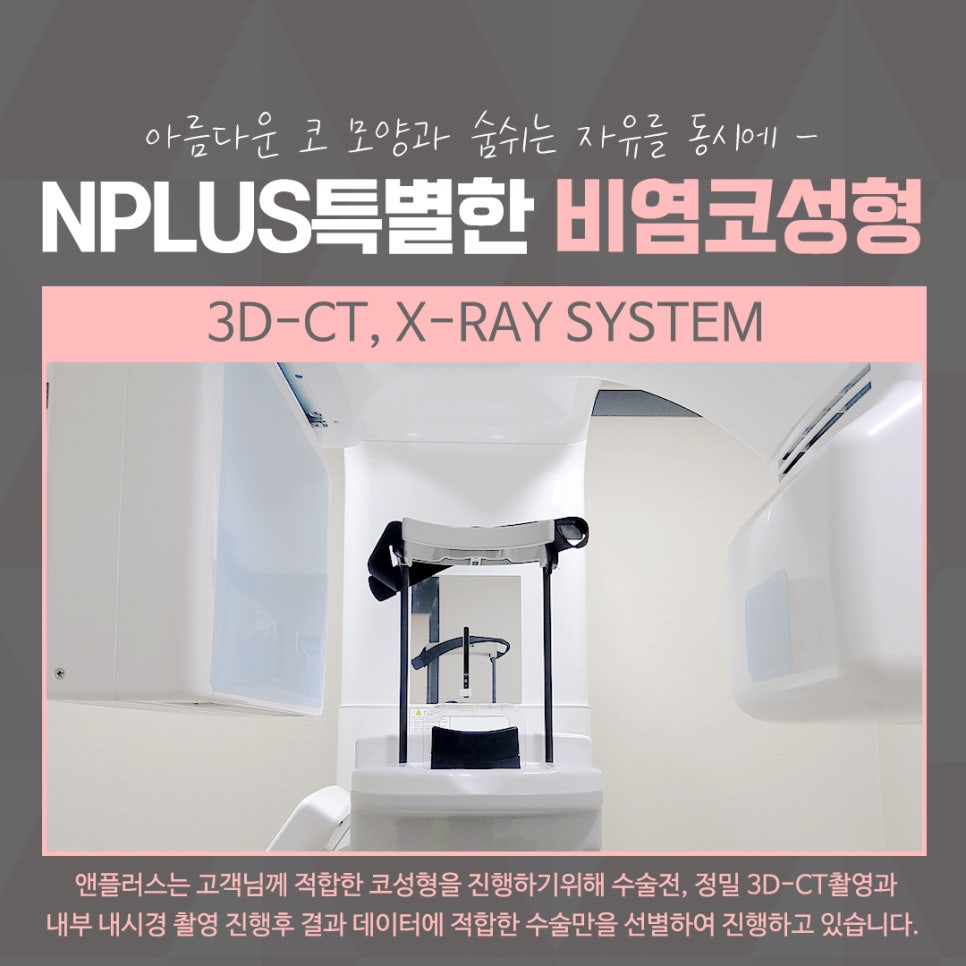
At OjiGo Hospital & Plus Clinic, to ensure safe and satisfying rhinitis surgery, we accurately identify each patient's current cause of rhinitis through internal endoscopy imaging, various allergy tests, internal nasal function tests, and 3D-CT imaging before surgery, and then establish and carry out a surgical plan based on the extracted data.
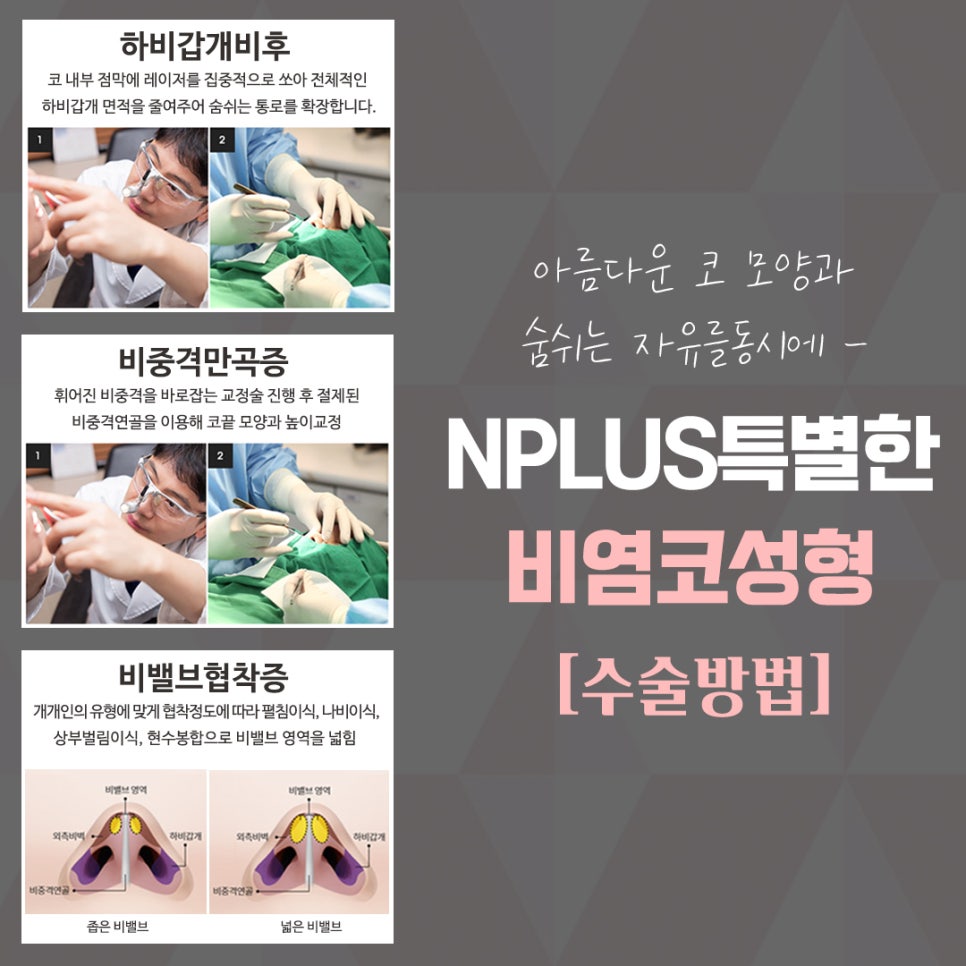
As for rhinitis surgery methods, in the case of a deviated septum, the bent septum is corrected to straighten it properly; for inferior turbinate hypertrophy, the enlarged inferior turbinate is reduced in size using a laser; and for nasal valve stenosis, the narrowed nasal valve is adjusted to an appropriate size. After accurately identifying the causes of rhinitis that obstruct the flow of air, this is surgery that widens narrowed passages through surgery and treatment tailored to each symptom.
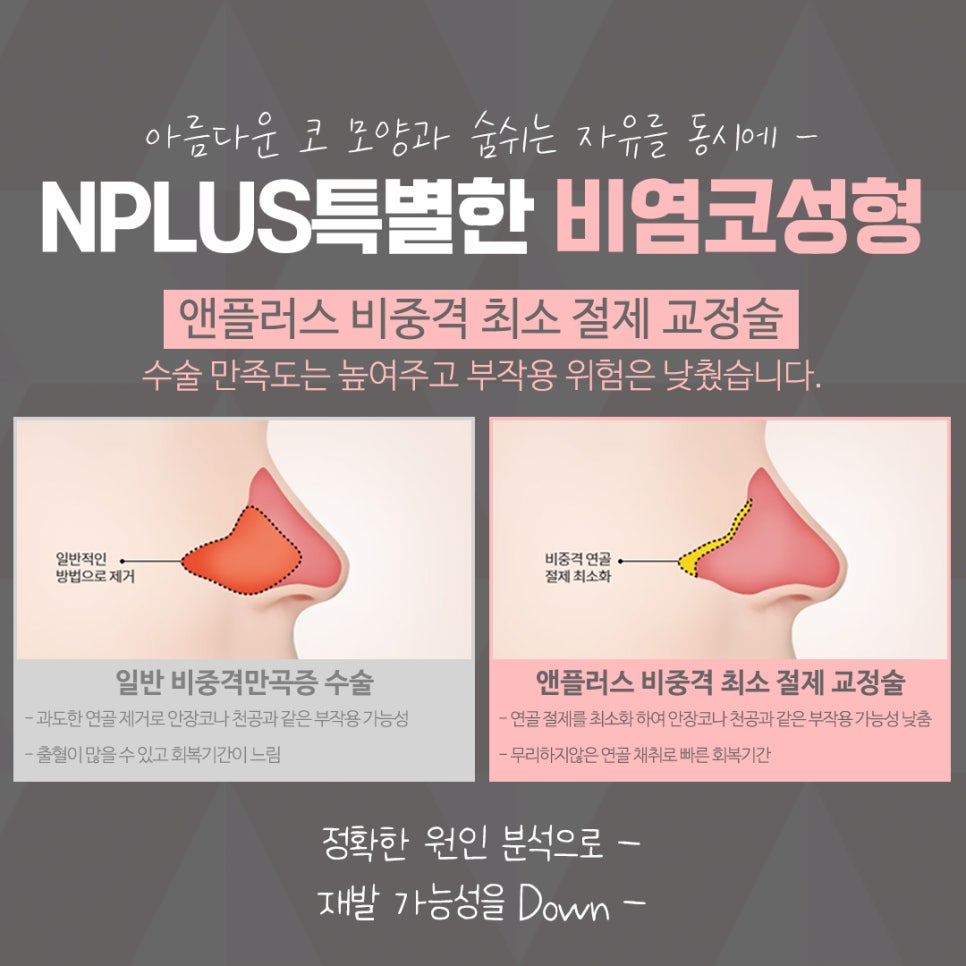
In addition, during deviated septum surgery, some of the septal cartilage is partially removed as part of the procedure. At this time, because the remaining cartilage can be used to correct the nasal tip through cosmetic rhinoplasty at the same time, a more satisfying rhinitis surgery can be performed.

To carry out personalized rhinitis surgery after accurately identifying the cause of rhinitis in this way, it may be helpful to carefully check whether the medical staff have a high level of anatomical knowledge of the nose, whether they have abundant relevant experience and expertise, whether equipment is available to accurately assess the condition of your nose, and whether post-operative care is reliably guaranteed.
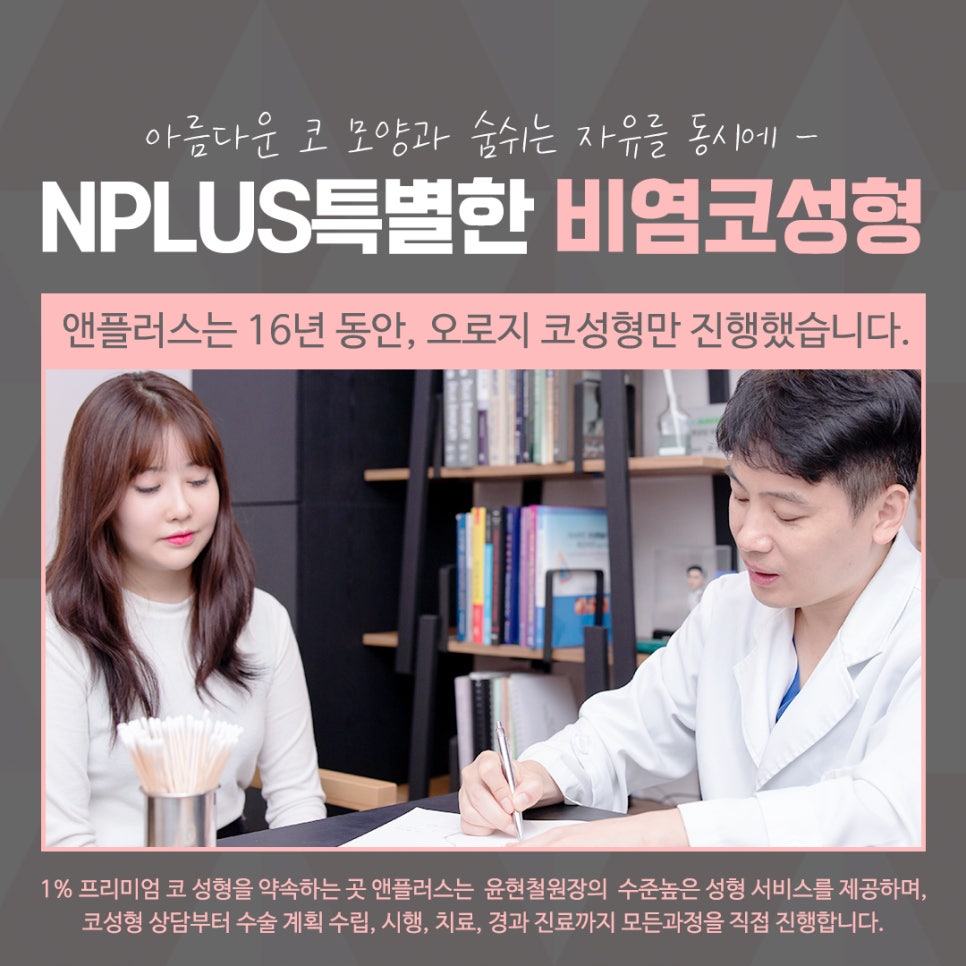
At OjiGo Hospital & Plus Clinic, Director Yoon Hyun-cheol provides one-on-one dedicated care and personally handles every step of the process, from consultation related to rhinitis surgery to surgical planning, implementation, treatment, and follow-up visits. Therefore, by accurately diagnosing the cause of rhinitis and performing customized surgery suited to each individual, you can receive high-level medical services from before surgery through after surgery.

Post-operative care also includes an A/S system that guarantees support for one year after surgery, as well as a surgery responsibility guarantee system prepared for all possible situations such as post-operative pain, inflammation, or dissatisfaction with the appearance, so safe and satisfying rhinitis surgery can be provided even after the operation.
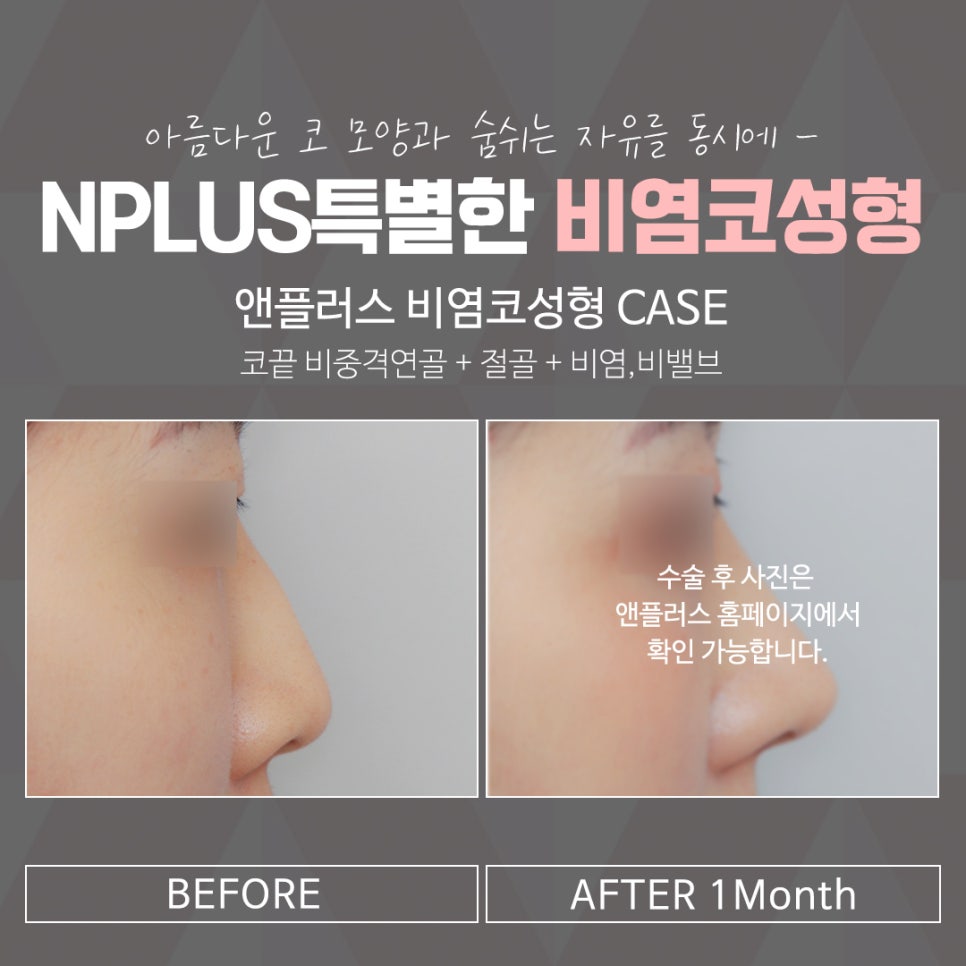
(The image above shows before-and-after photos of rhinitis surgery performed at OjiGo Hospital & Plus after accurately identifying the cause of rhinitis.)
That concludes our summary of the causes of rhinitis at OjiGo Hospital & Plus. We hope this post is very helpful for those who are currently experiencing inconvenience in daily life due to rhinitis. Thank you.
https://youtu.be/XwL1NfFLJvE