
Hello. We are OJIKO Hospital & N Plus Clinic, which thinks only about your beautiful and healthy nose.
This time, we would like to introduce a case of image improvement through non-implant rhinoplasty for a more natural nose line.

In general, many people may think of rhinoplasty as improving the shape of the nose by adding volume to the bridge and tip to make it higher and more well-defined. However, because the nose is located at the center of the face and is the most three-dimensional feature, even a change in its shape can have a significant effect on improving the overall image. For this reason, it is a popular cosmetic procedure, and those who want a more natural change in nose shape may look into information about non-implant rhinoplasty in more detail.
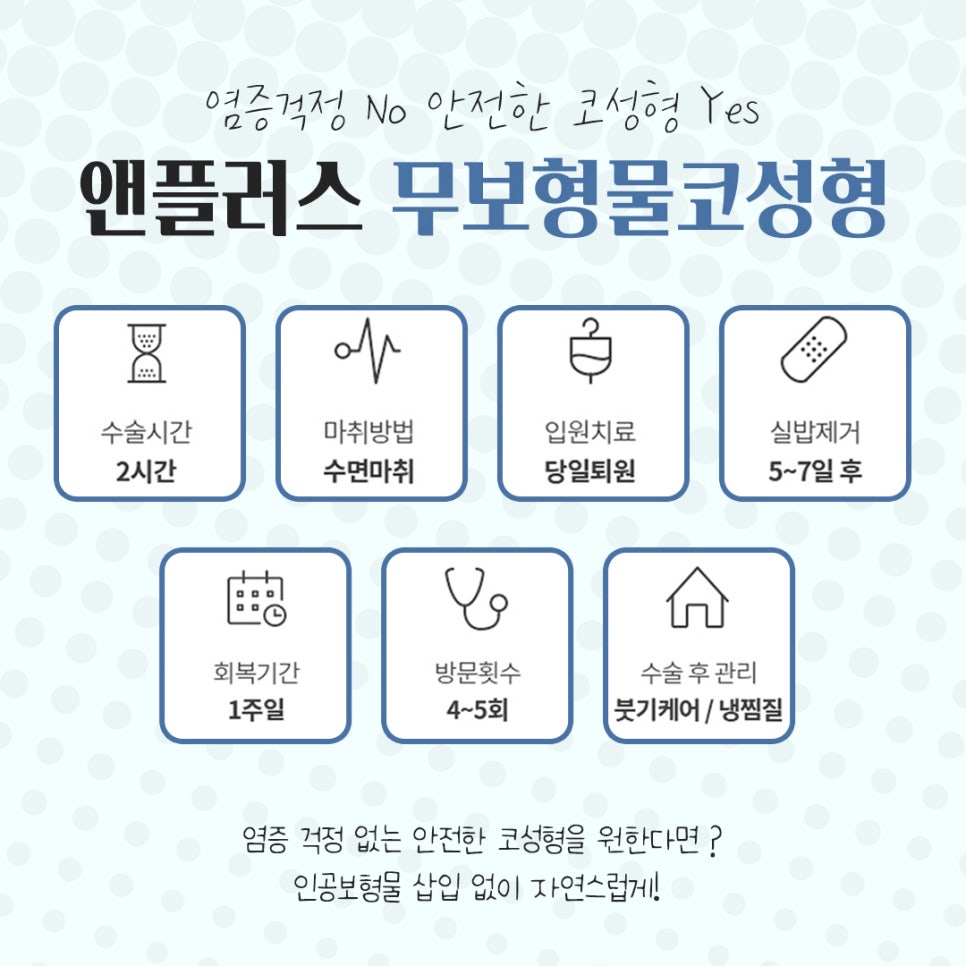
What is non-implant rhinoplasty? In general, in rhinoplasty, the nasal bridge is augmented with silicone and the tip is refined with autologous cartilage to add volume to the entire nose. Non-implant rhinoplasty, however, refers to a procedure that does not use an implant in the nasal bridge and instead corrects the nose tip using autologous cartilage. Because the surgery is performed using autologous cartilage, the likelihood of inflammation is relatively lower than when an implant is used, making it suitable for those who want a natural nose line or are concerned about inflammatory reactions caused by an implant.

Accordingly, the characteristics of those who seek non-implant rhinoplasty include cases such as when the nasal bridge is high but the tip is drooping, when the tip is upturned, or when the tip has the shape of an aquiline nose or a long nose. Also, non-implant rhinoplasty is not performed with the same surgical method and materials for everyone; instead, a customized procedure is carried out based on an accurate diagnosis according to each individual’s condition.
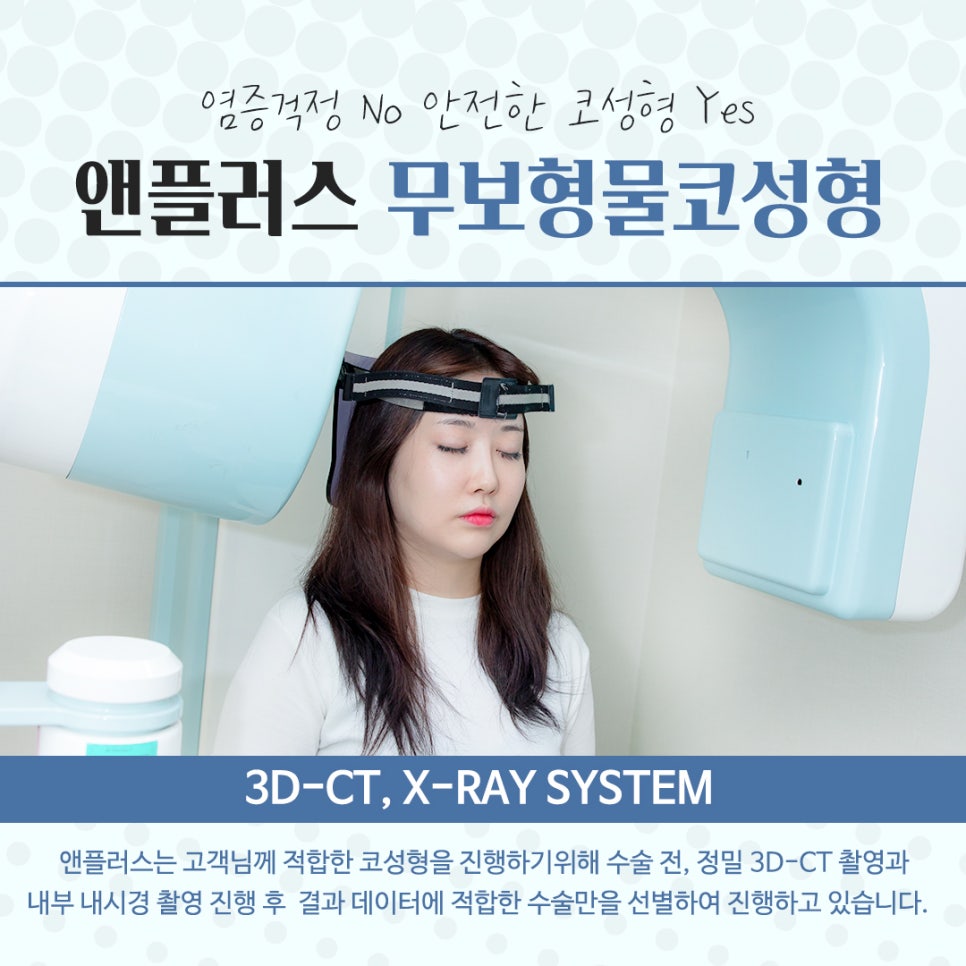
At OJIKO Hospital & N Plus Clinic, various preoperative tests such as allergy testing, internal endoscopy imaging, 3D-CT imaging, and nasal function tests are used to accurately assess each patient’s condition. Based on the extracted data, non-implant rhinoplasty is performed, helping to prevent revision surgery due to postoperative functional problems or dissatisfaction with the result.
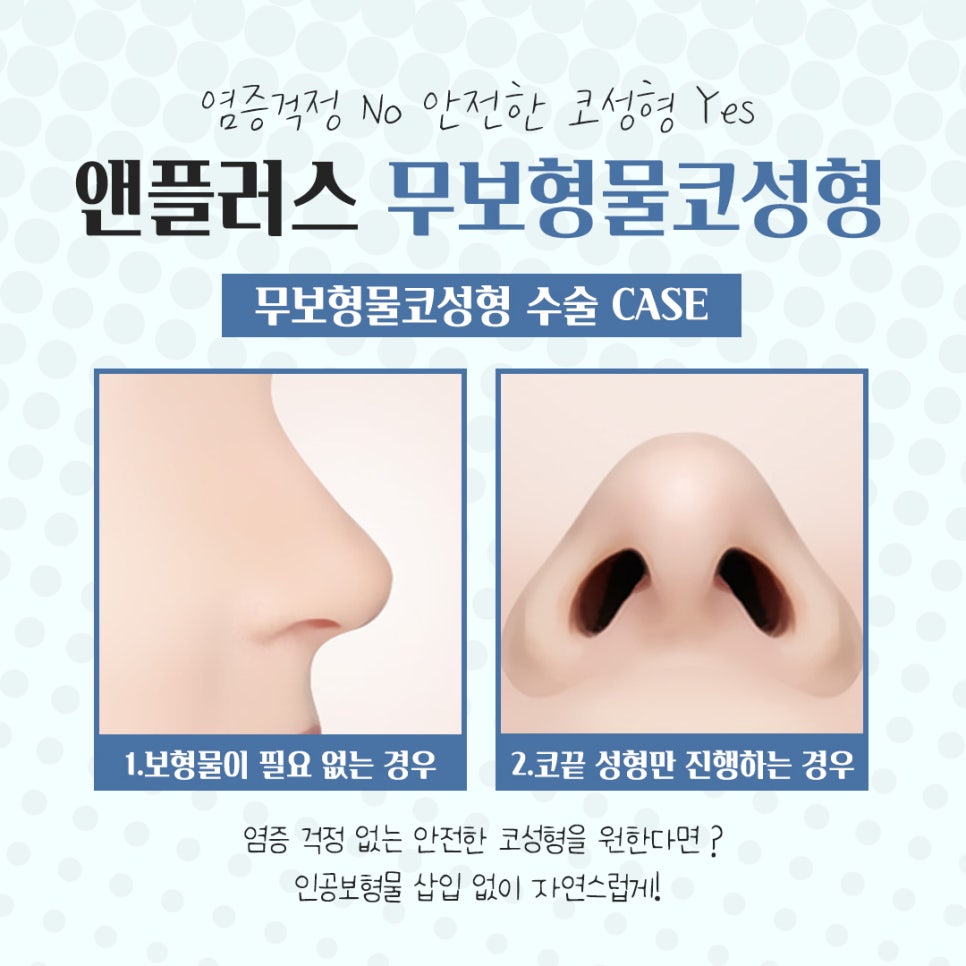
The surgical approach to non-implant rhinoplasty is divided into cases where the nasal bridge is high enough that an implant is not needed, and cases where the bridge is not a concern and only tip surgery is performed.
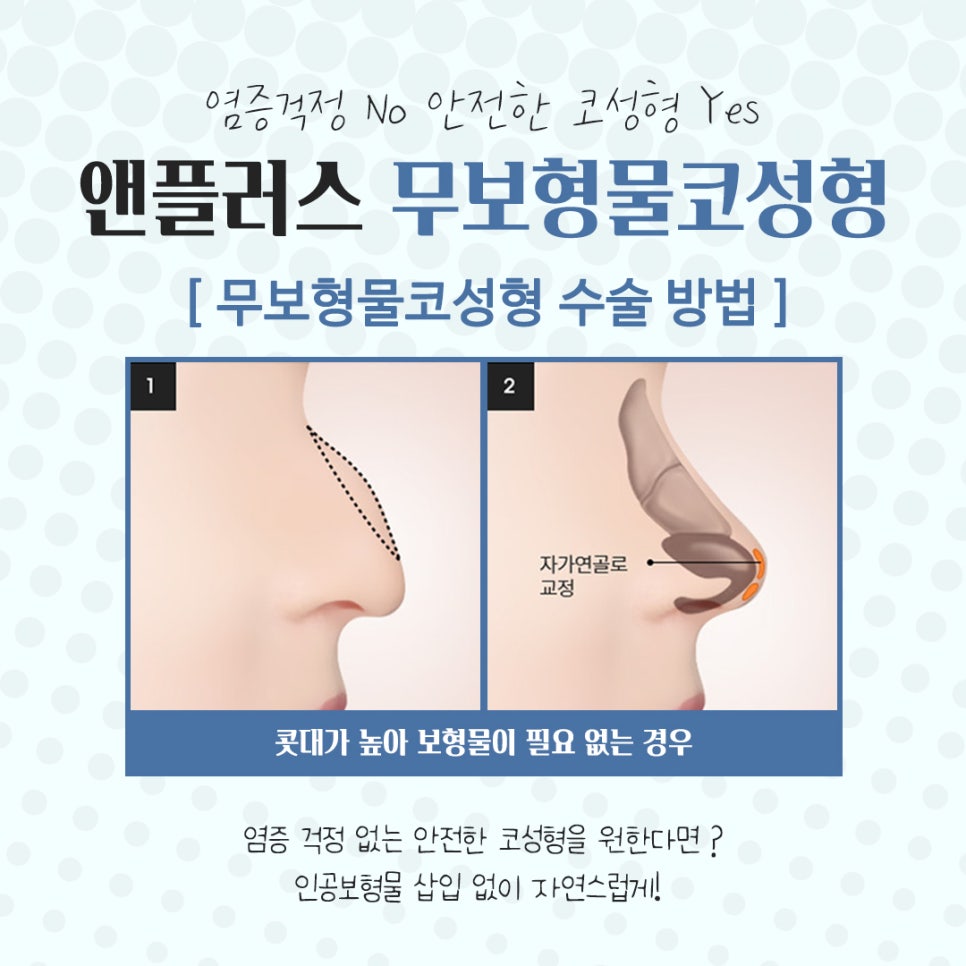
If the nasal bridge is high and an implant is not needed, and if there is a hump on the bridge, hump removal and osteotomy are performed first, after which the overall nasal line can be corrected with autologous cartilage at the tip.
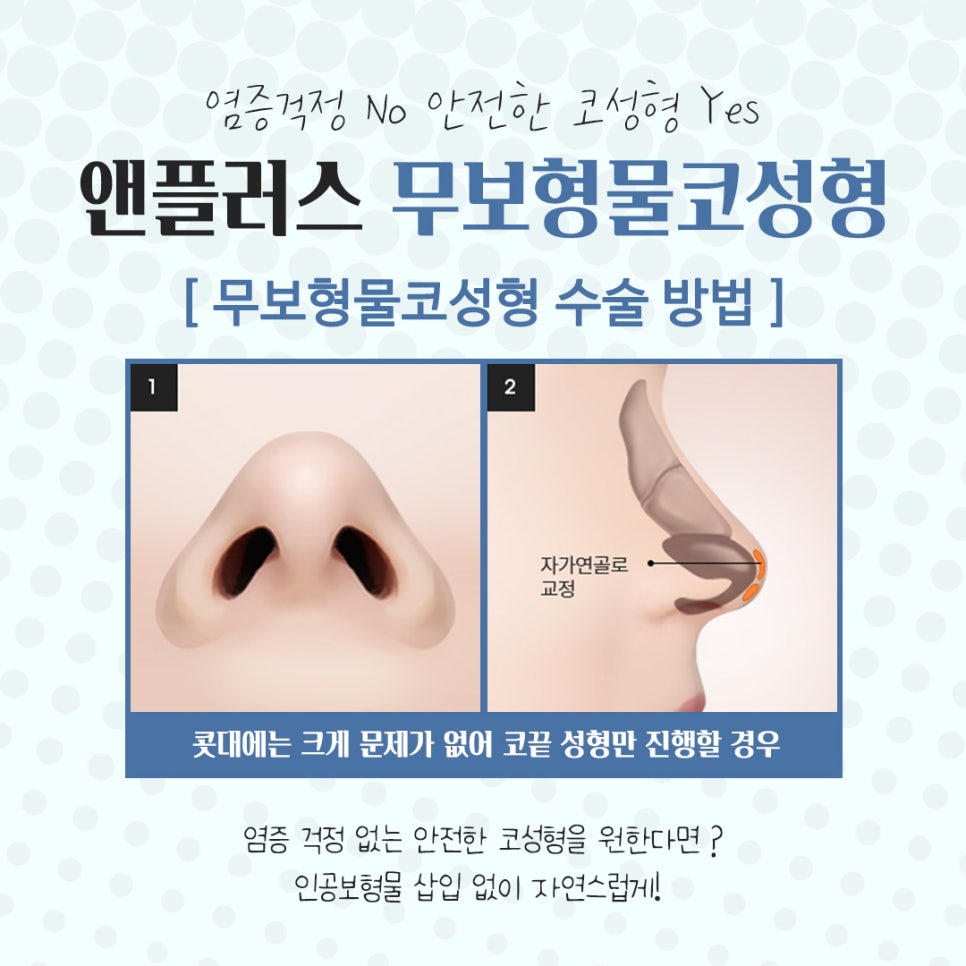
If there is no issue with the nasal bridge and only tip surgery is performed, the tip is corrected using autologous cartilage, and then the overall nose line is designed so that the bridge and line do not appear disconnected.
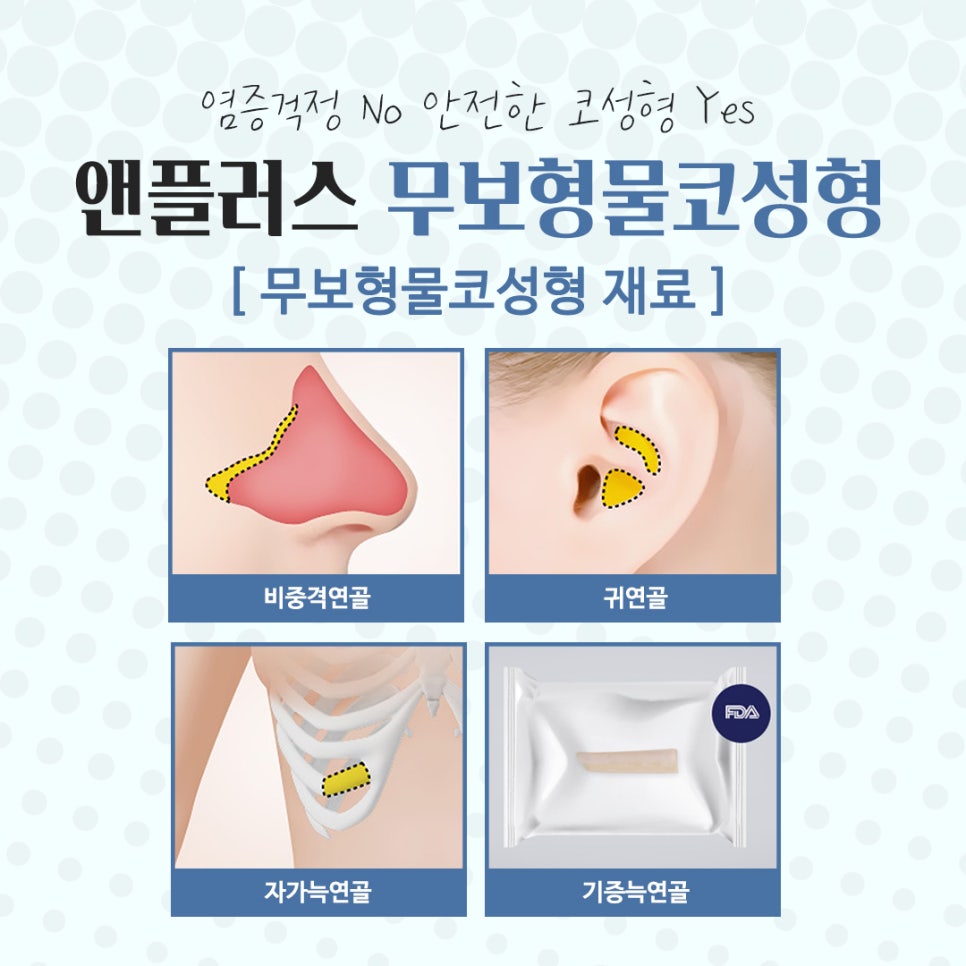
The materials used in non-implant rhinoplasty are autologous cartilage, which includes septal cartilage, ear cartilage, and autologous rib cartilage. If the use of autologous cartilage is difficult, donated rib cartilage approved by the U.S. FDA can be used as an alternative. The appropriate material for each individual is selected through preoperative evaluation before surgery.

In this way, non-implant rhinoplasty reduces the burden of using an implant, corrects the nose line naturally using autologous cartilage, and because no implant is used, many people may think of it as a relatively simple procedure.

However, the nose is not only important in appearance but also a functional organ responsible for breathing and smell, so it is one of the more technically demanding procedures in cosmetic surgery. Therefore, those looking into non-implant rhinoplasty may find it helpful to check whether the medical staff have a high level of anatomical knowledge of the nose, whether they have ample experience and expertise, whether the necessary equipment to assess the condition of your nose is available, and whether reliable postoperative care can be guaranteed.
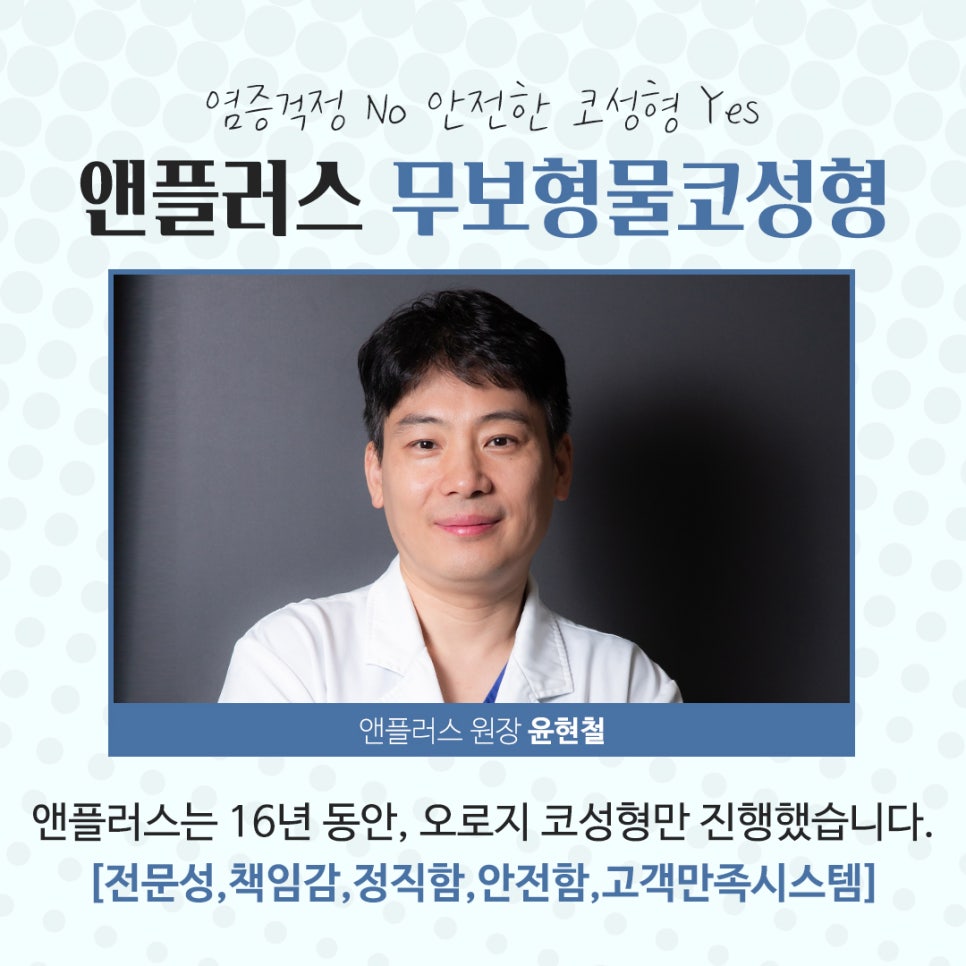
At OJIKO Hospital & N Plus Clinic, to ensure safe and satisfying non-implant rhinoplasty, Chief Director Yoon Hyun-cheol personally handles every step one-on-one, from rhinoplasty consultation to surgical planning, procedure, treatment, and follow-up visits, so you can proceed with peace of mind from before the surgery through aftercare.

For postoperative aftercare, an N Plus membership card is issued, and a warranty system is provided for one year after surgery. In addition, a surgical responsibility guarantee system is in place to prepare for any postoperative pain, inflammation, or dissatisfaction with the appearance that may occur, allowing you to receive safe aftercare benefits even after surgery.
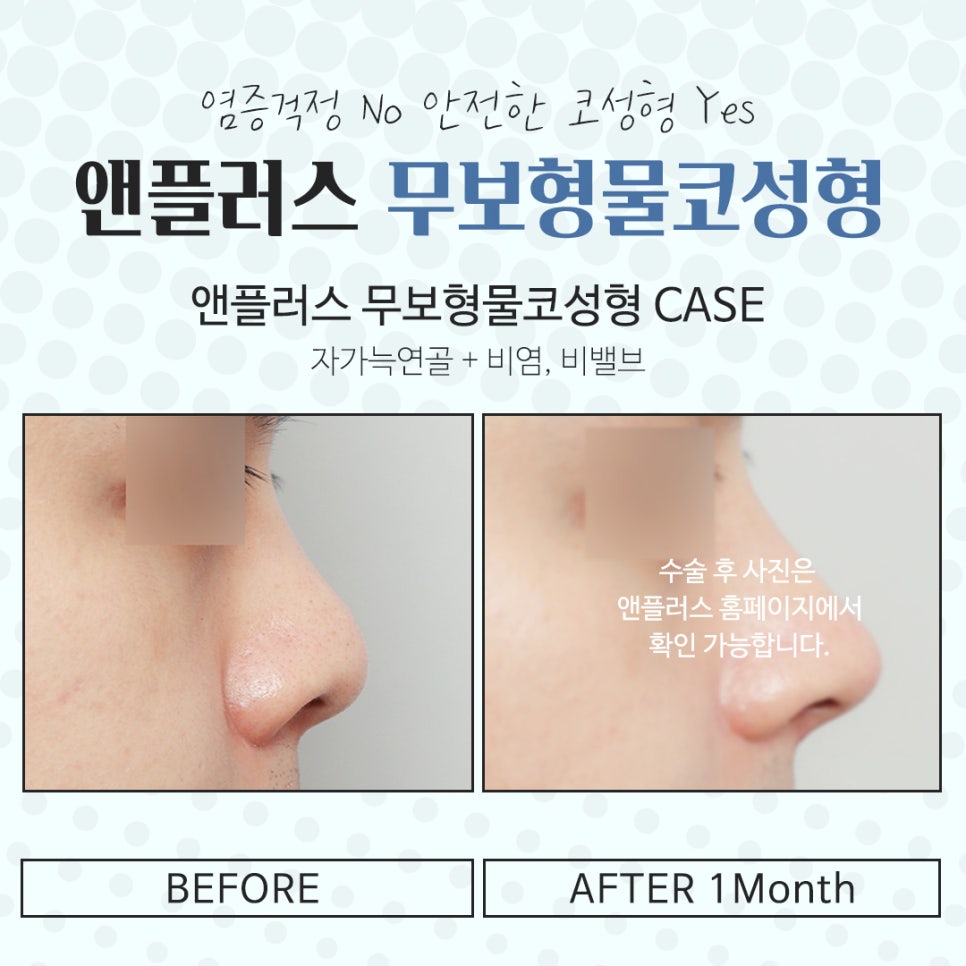
(The above image shows before-and-after photos of non-implant rhinoplasty at OJIKO Hospital & N Plus Clinic.)
Up to this point, we have provided information about non-implant rhinoplasty at OJIKO Hospital & N Plus Clinic, which improves the nose line naturally. We hope this article was helpful for those who want to naturally improve a nose shape they are unhappy with. Thank you.
https://youtu.be/WXBJPNc4fXw