
Hello. This is A&Plus Revision Rhinoplasty Plastic Surgery Clinic, which has spent only the past 16 years thinking about your healthy and beautiful nose.
The content introduced this time is about revision rhinoplasty.

The nose is located at the center of our face and is a three-dimensional area that greatly affects a person’s image. When the shape of the nose is low and broad, crooked, or has a hump, and it does not appear straight or balanced, people may try rhinoplasty as a way to improve an image that looks dull or too strong. On average, the proportion of people who are satisfied with their first surgery is much higher, but those who do not get satisfactory results or have concerns about revision rhinoplasty due to side effects seek more detailed information about revision rhinoplasty plastic surgery clinics.
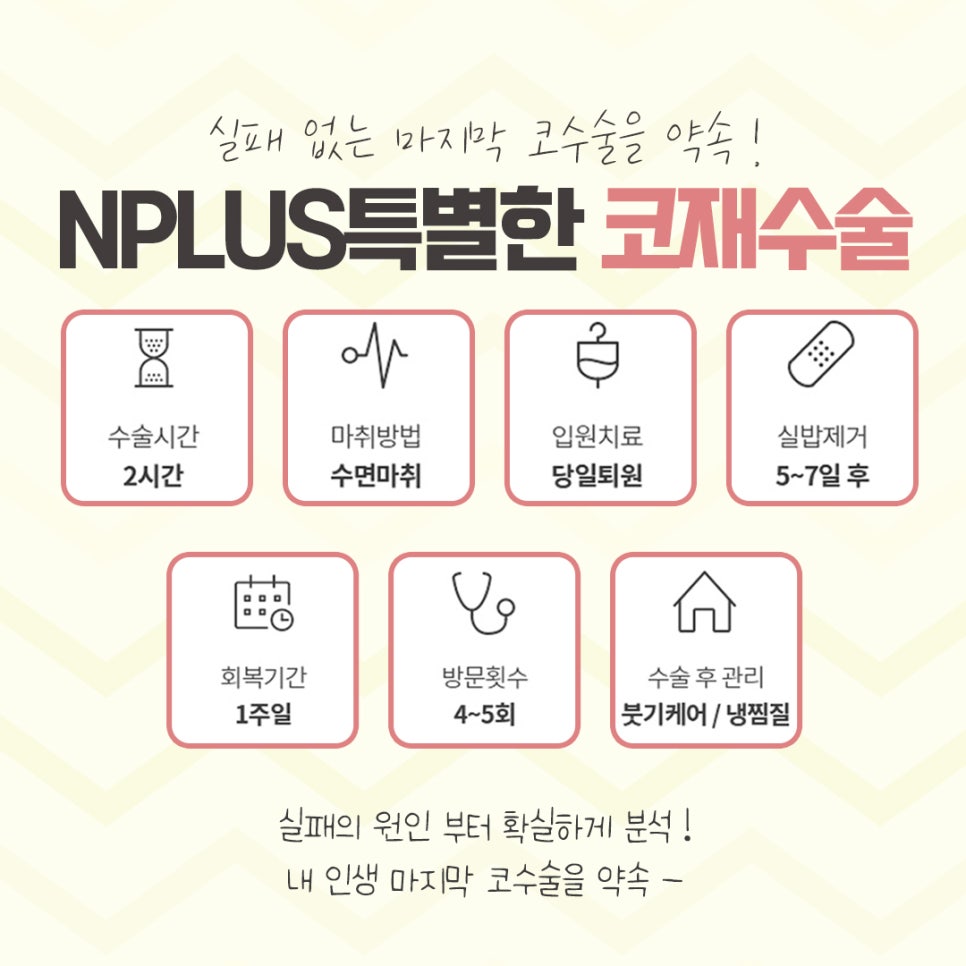
As such, people looking into revision rhinoplasty plastic surgery clinics are usually divided into various cases, such as when they are dissatisfied with the shape of the nose, when nasal function problems occur, or when complications after surgery arise, such as inflammation or contracture.
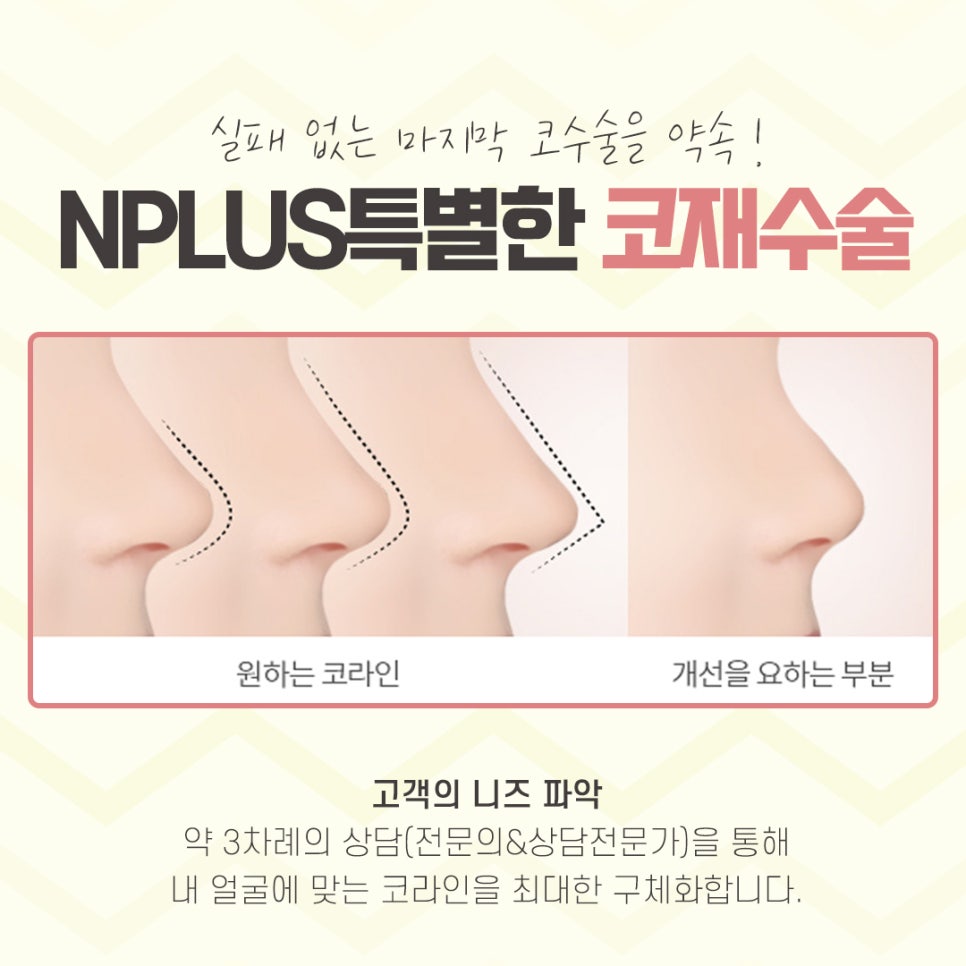
In the case of revision rhinoplasty, it may be helpful to look for examples of noses similar to yours, but because the methods and materials used for revision vary from person to person depending on the different causes, it can be helpful to make a decision only after receiving a more careful consultation about your own nose.
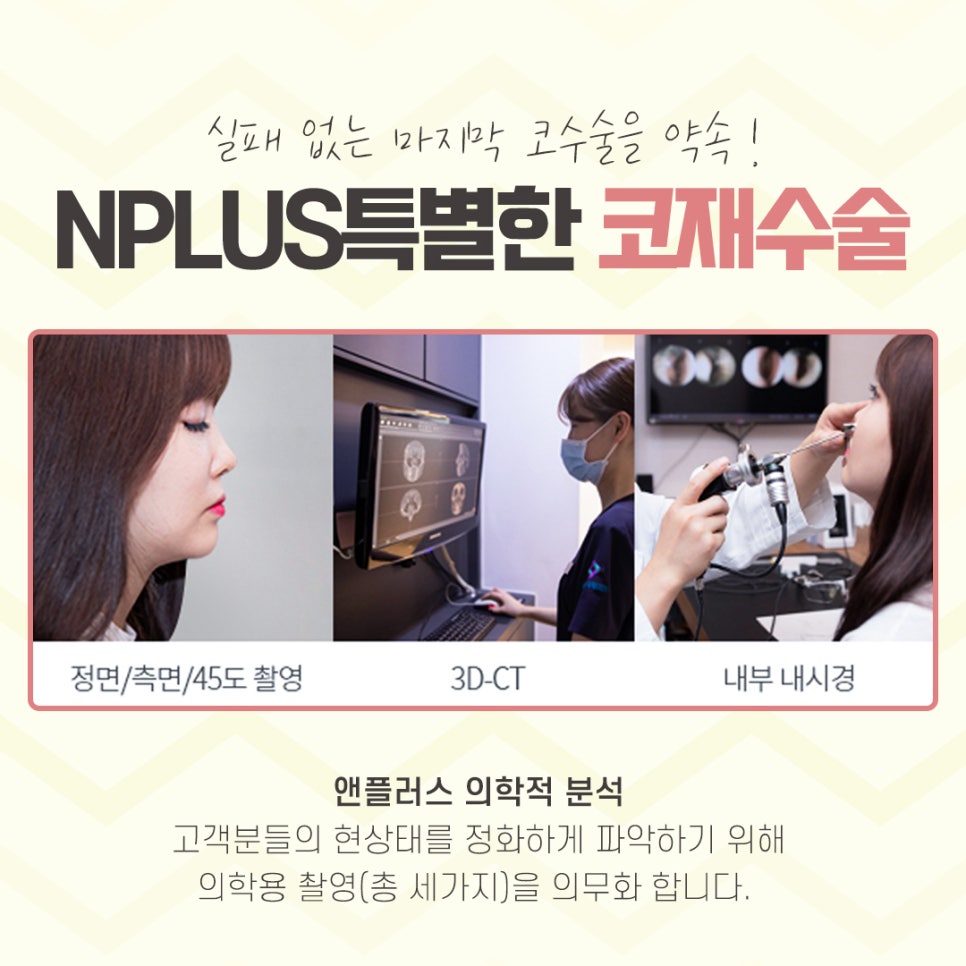
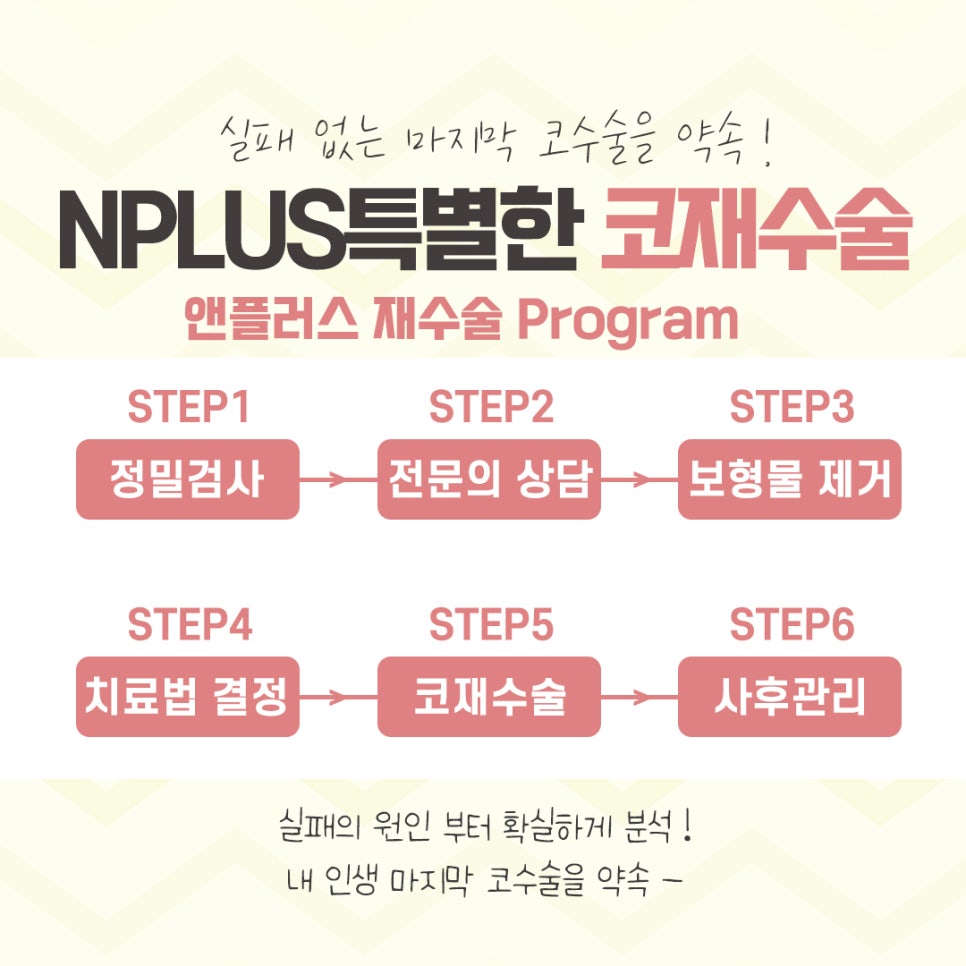
In particular, for those looking into revision rhinoplasty plastic surgery clinics, many first surgeries are approached primarily from an aesthetic standpoint, so they are looking into the revision process. However, the nose plays an important role aesthetically, while also being a functional organ for breathing and smelling. Therefore, it is important that surgery be performed with both aesthetic and functional aspects in mind, while accurately identifying the individual’s condition.
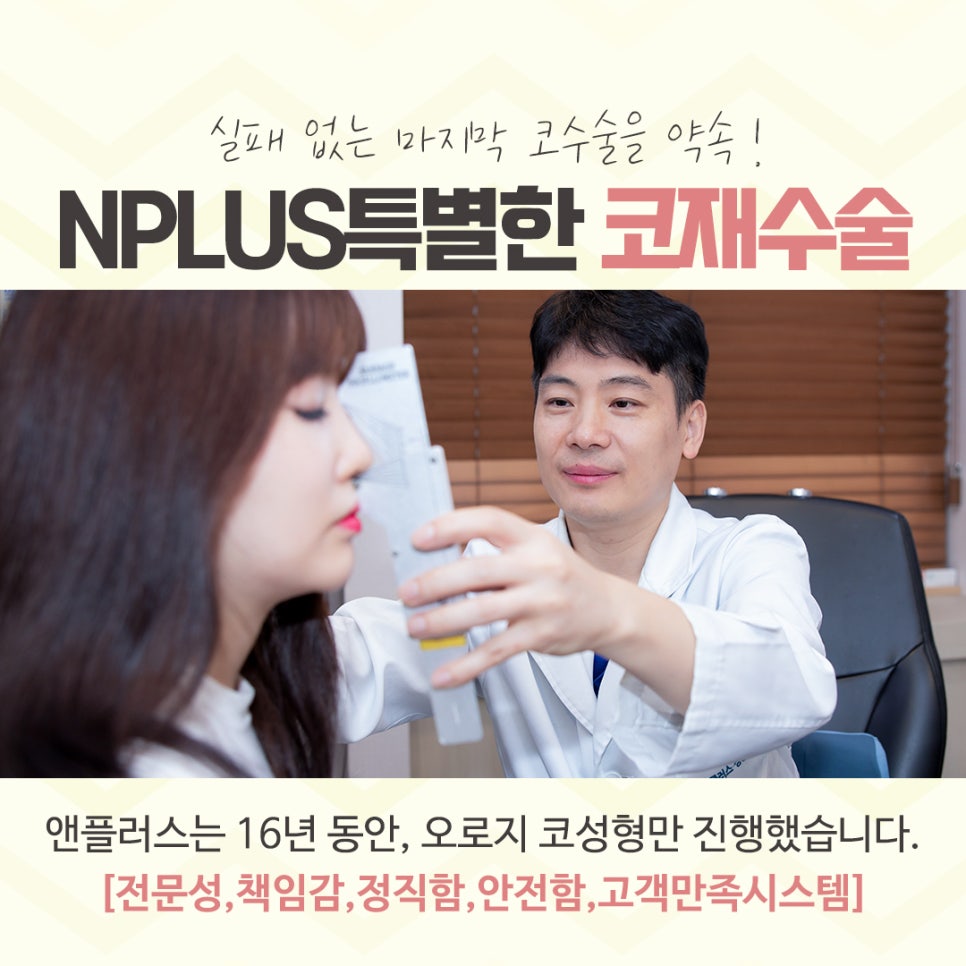
Therefore, when looking for a revision rhinoplasty plastic surgery clinic, it may be helpful to carefully check whether functional aspects can be assessed rather than focusing only on aesthetics, whether the medical team has a high level of anatomical knowledge of the nose, whether they have sufficient experience and expertise, whether equipment is available to accurately assess the condition of your nose, and whether aftercare is reliably guaranteed.
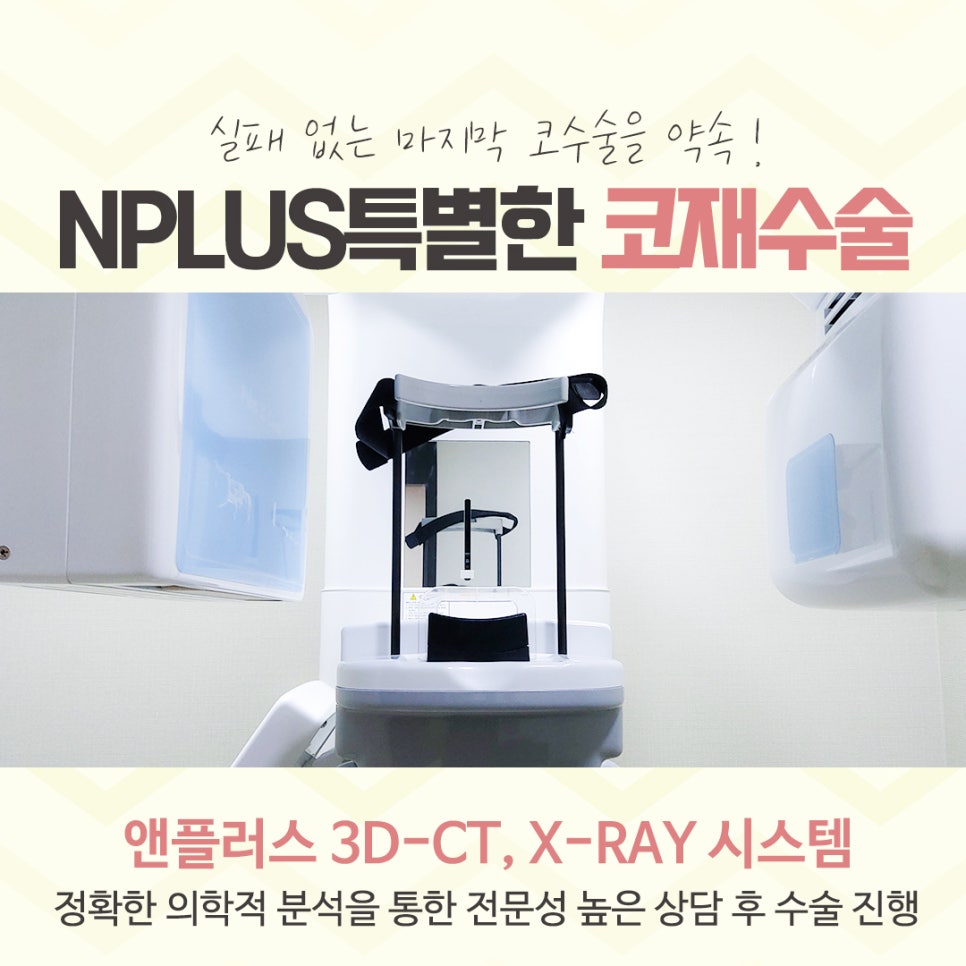
At A&Plus Revision Rhinoplasty Plastic Surgery Clinic, in order to ensure safe and satisfactory revision rhinoplasty, the causes of the revision are accurately identified through preoperative 3D-CT imaging, various allergy tests, internal nasal function tests, and internal endoscopic imaging. Based on the extracted data, a surgical plan is established, and the operation is performed using materials and methods suited to each individual.
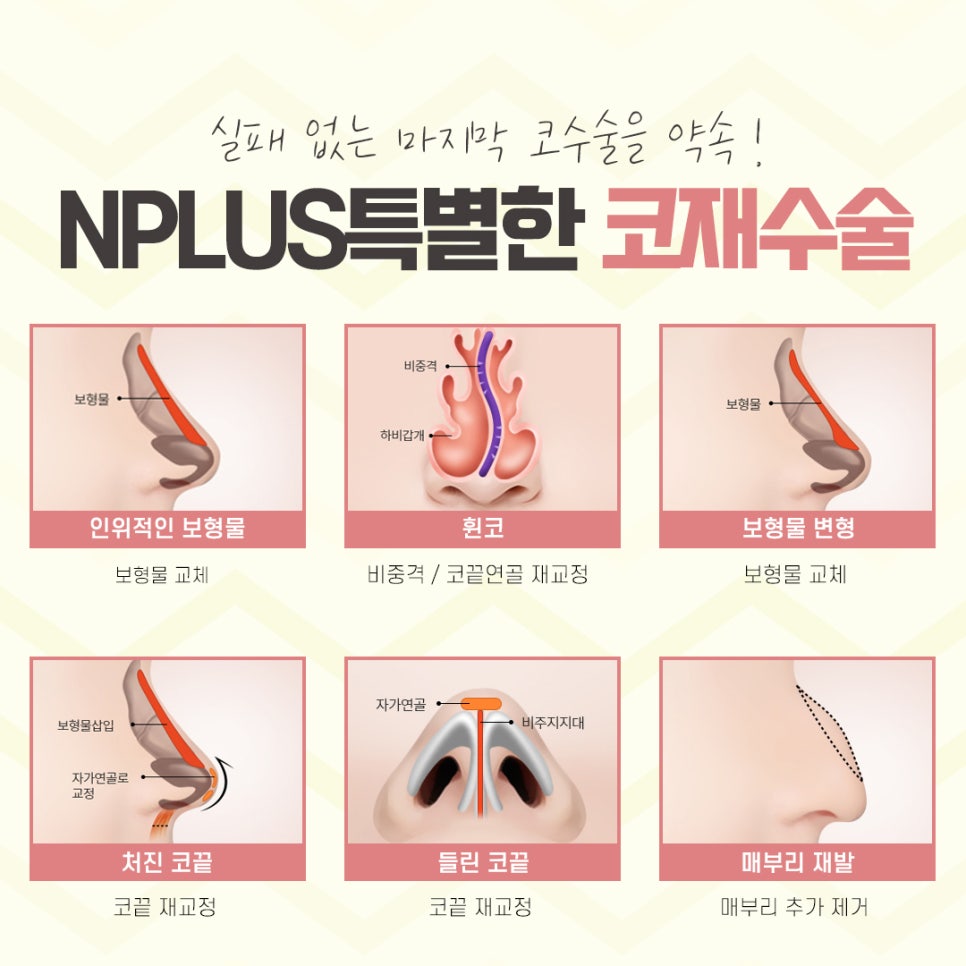
Revision rhinoplasty methods are broadly divided into six categories. On average, the bridge of the nose is corrected with silicone, and the tip of the nose is corrected using the patient’s own cartilage. Procedures include implant replacement, re-correction of the septal cartilage/nasal tip cartilage, implant deformation, drooping nasal tip, upturned nasal tip, and additional hump removal. Since the surgical method and materials for revision rhinoplasty differ depending on the individual’s current cause, considering these various factors can be helpful when looking into revision rhinoplasty plastic surgery clinics.
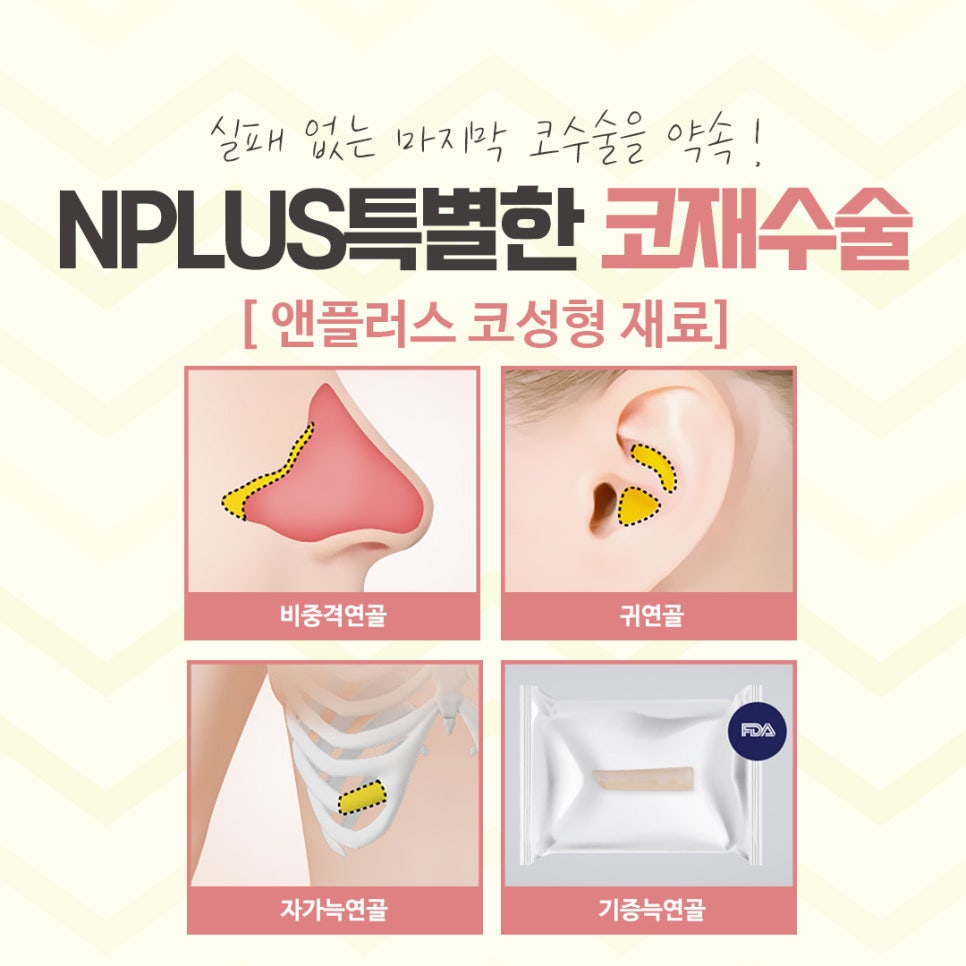
The materials used for revision rhinoplasty are silicone for the bridge and autologous cartilage for the nasal tip. The autologous cartilage used for the tip includes septal cartilage, ear cartilage, and the patient’s own rib cartilage. The material is selected in advance based on preoperative tests to suit the individual’s characteristics, and if the use of autologous cartilage is difficult, it can be replaced with donated rib cartilage approved by the U.S. FDA.
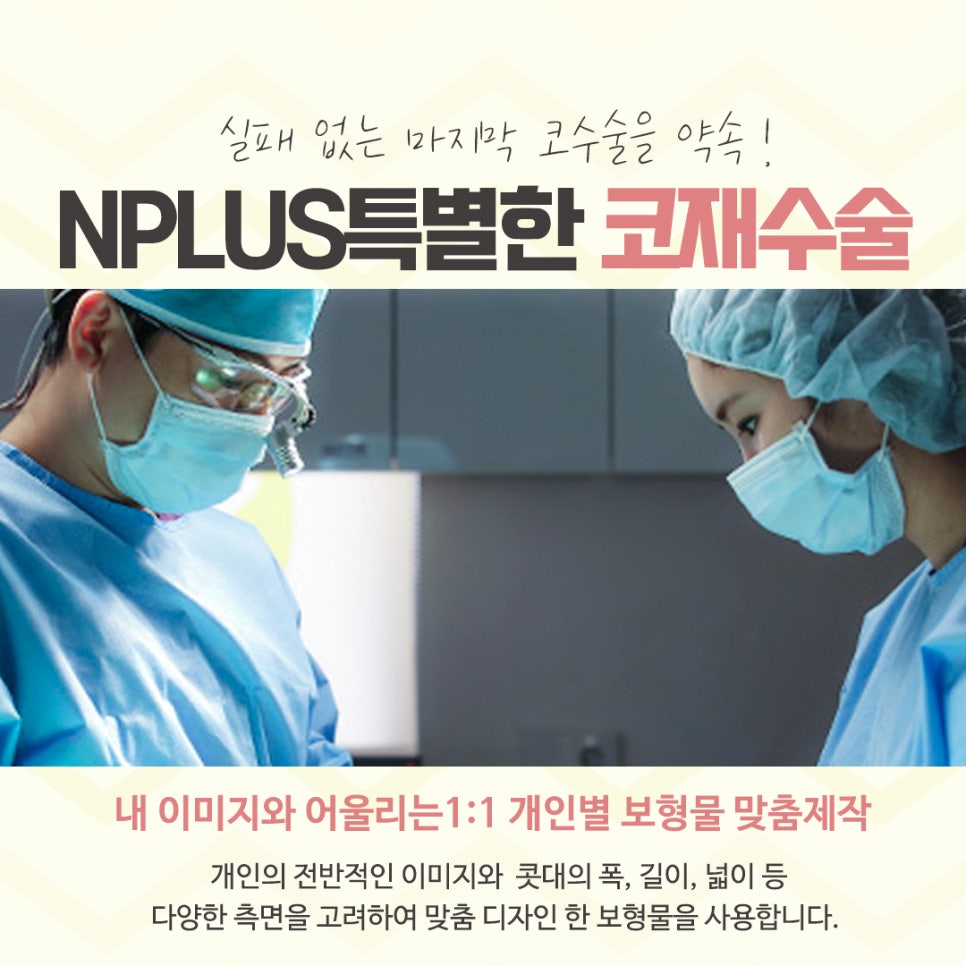
In the case of silicone, the implant used for the bridge is not simply a commercially available silicone product as-is. Instead, it is carefully and delicately shaped by hand while considering the individual’s overall image, as well as the width, length, breadth, and height of the nasal bridge. This allows for a customized nose line design that suits each person.

At A&Plus Revision Rhinoplasty Plastic Surgery Clinic, Director Yun Hyun-cheol personally handles every step from consultation for revision rhinoplasty, to surgical planning, execution, treatment, and follow-up care on a one-on-one basis. By accurately assessing each individual’s condition, the revision rhinoplasty method is refined, and through a systematic aftercare system, patients receive attentive and safe care, allowing for a safer and more satisfactory revision rhinoplasty.

In addition, for aftercare, an A&Plus membership card is issued to provide a warranty service guaranteed for one year after surgery. Not only that, but to prepare for all possible situations such as postoperative pain, inflammation, or dissatisfaction with the result, a surgical responsibility guarantee system is also in place, allowing patients to receive high-level medical service from before surgery through aftercare.
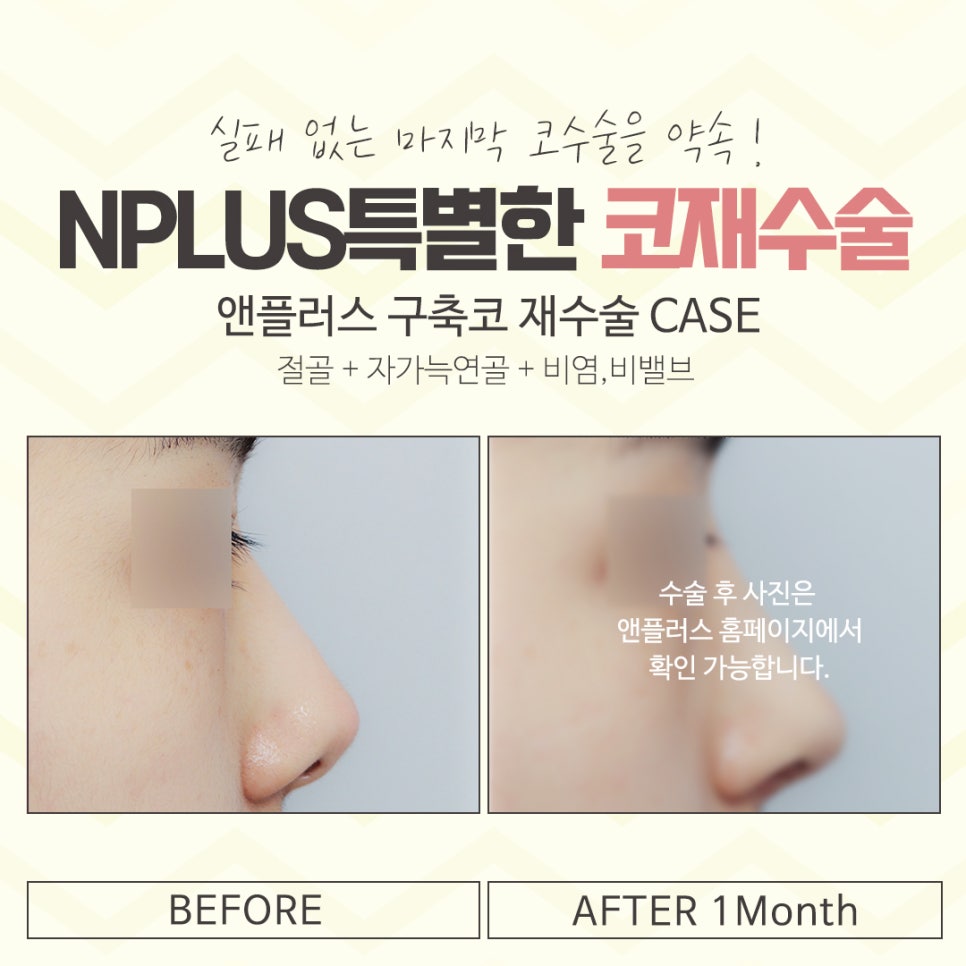
That concludes the information about revision rhinoplasty at A&Plus Revision Rhinoplasty Plastic Surgery Clinic. I hope this article was very helpful for those who are considering revision rhinoplasty for various reasons after nasal surgery. Thank you.
https://youtu.be/PlieJ6KTazM