
Hello. This is N+ Plus, a good ENT clinic that focuses only on your healthy and beautiful nose.
The content prepared this time is about rhinoplasty for rhinitis.
What is rhinoplasty for rhinitis? Rhinitis is a common condition that affects more than 70% of adults in Korea. It is divided into allergic rhinitis, which appears in response to certain substances or weather changes, and structural rhinitis, which is caused by abnormalities in the internal structure of the nose. The most typical symptom is nasal congestion, and when it appears temporarily or continues for a long time, it can cause headaches, migraines, and reduced concentration, leading to discomfort in daily life. The surgery performed to reduce these side effects caused by nasal congestion is called rhinoplasty for rhinitis.
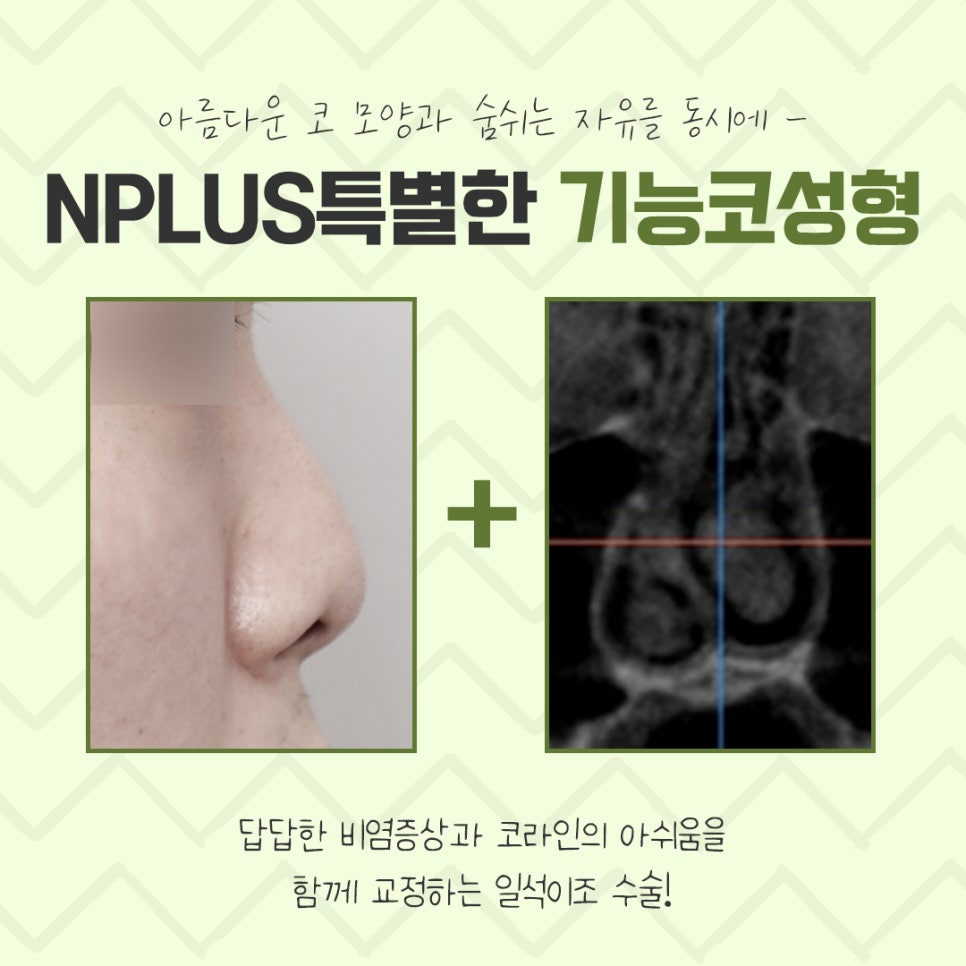
In the case of allergic rhinitis, symptoms usually appear temporarily, so it is difficult to cure completely, and medication treatment or improving immunity should be prioritized. However, in the case of structural rhinitis, problems inside the nose interfere with the flow of air entering through the nose, causing nasal congestion, so it can be cured through surgery.
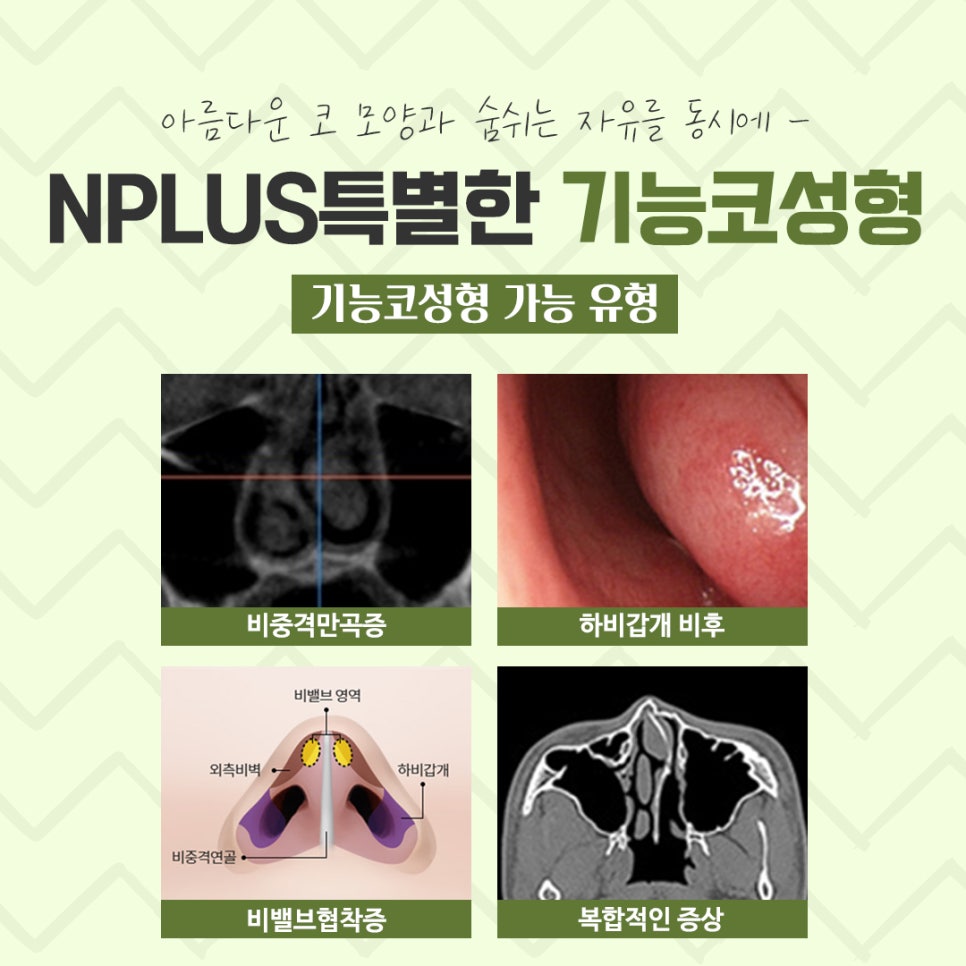
The causes of structural rhinitis include a deviated septum, inferior turbinate hypertrophy, nasal valve stenosis, and combined symptoms. Through rhinoplasty for rhinitis, the airflow entering the nose is improved, and you can learn more detailed information about a good ENT clinic.

When people usually say nose surgery, cosmetic approaches are often prioritized as a means to improve the current appearance into a better one. However, as mentioned above, the nose is a functional organ responsible for breathing and smell, and it plays an important role throughout the body. Therefore, at a good ENT clinic, a satisfactory nose surgery is one that considers both these functional issues and the cosmetic aspects.
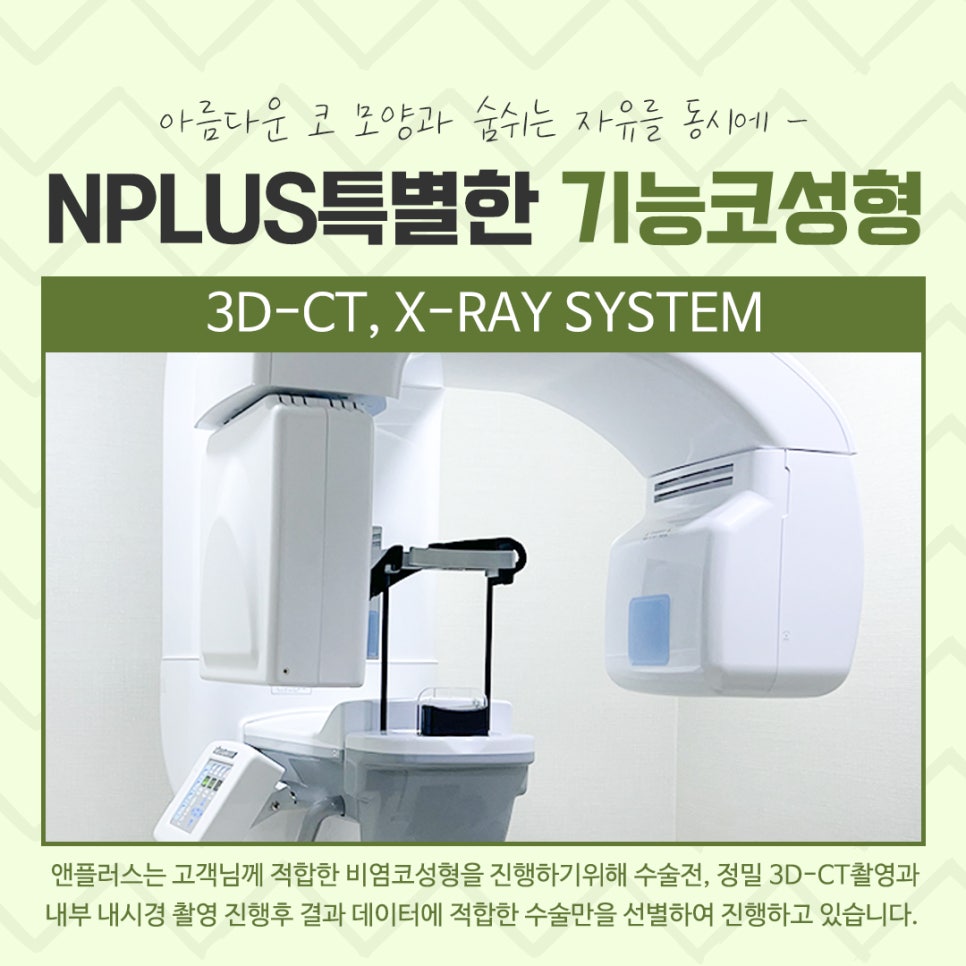
At N+ Plus, a good ENT clinic, before performing rhinoplasty for rhinitis, we accurately identify each individual’s current rhinitis symptoms through 3D-CT scans, various allergy tests, internal endoscopic imaging, and nasal function tests, and based on the extracted data, we establish and carry out a surgical plan tailored to each person.

The method of rhinoplasty for rhinitis is carried out according to each person’s condition. In the case of a deviated septum, the crooked septum is straightened. For inferior turbinate hypertrophy, the enlarged inferior turbinate is reduced using a laser. In the case of nasal valve stenosis, one of spreader grafts, butterfly grafts, upper lateral cartilage flaring sutures, or suspension sutures is selected. Through surgery and procedures suited to the individual, the airway through which air enters the nose is widened to smooth the airflow.

With this type of rhinoplasty for rhinitis, functional surgery is performed first, after which cosmetic rhinoplasty can additionally be carried out. In cosmetic rhinoplasty, silicone is usually used for the bridge of the nose, and the nasal tip is corrected smoothly and neatly using autologous cartilage.
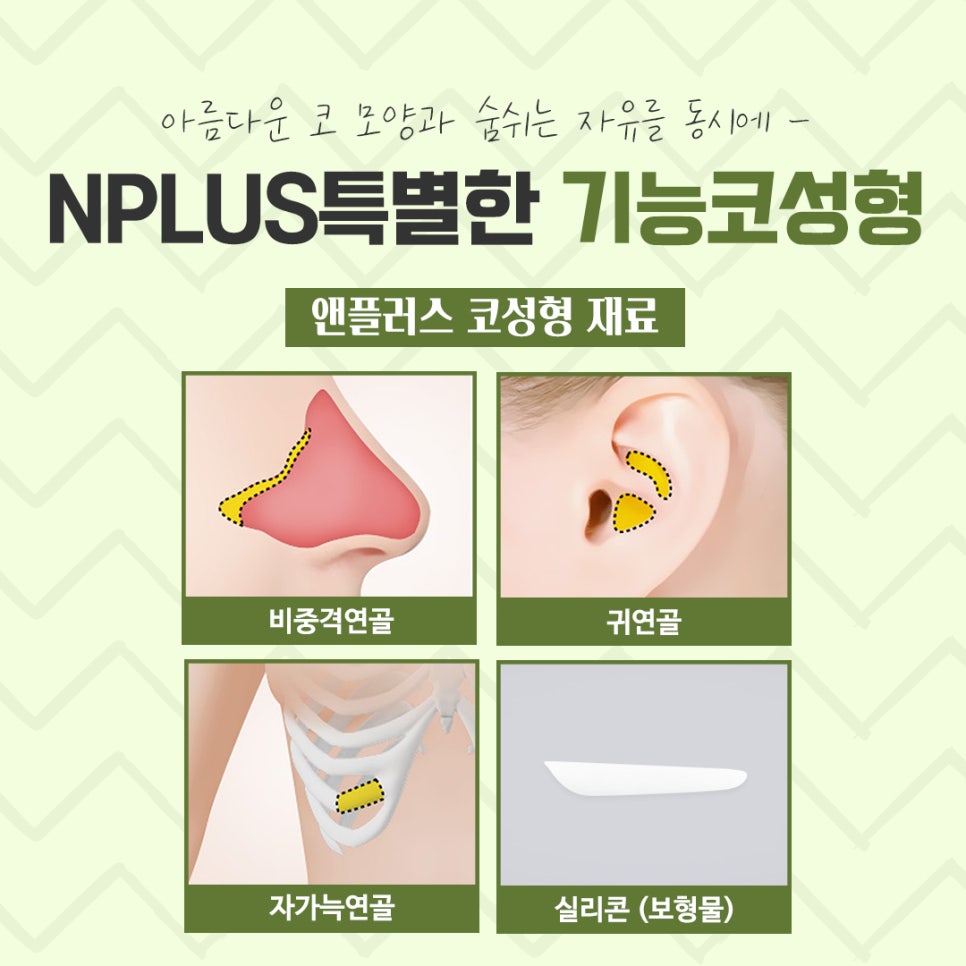
Autologous cartilage is used for the nasal tip. The surgery is performed using ear cartilage, septal cartilage, or autologous rib cartilage, and the appropriate material can be selected for each individual through preoperative testing before surgery.
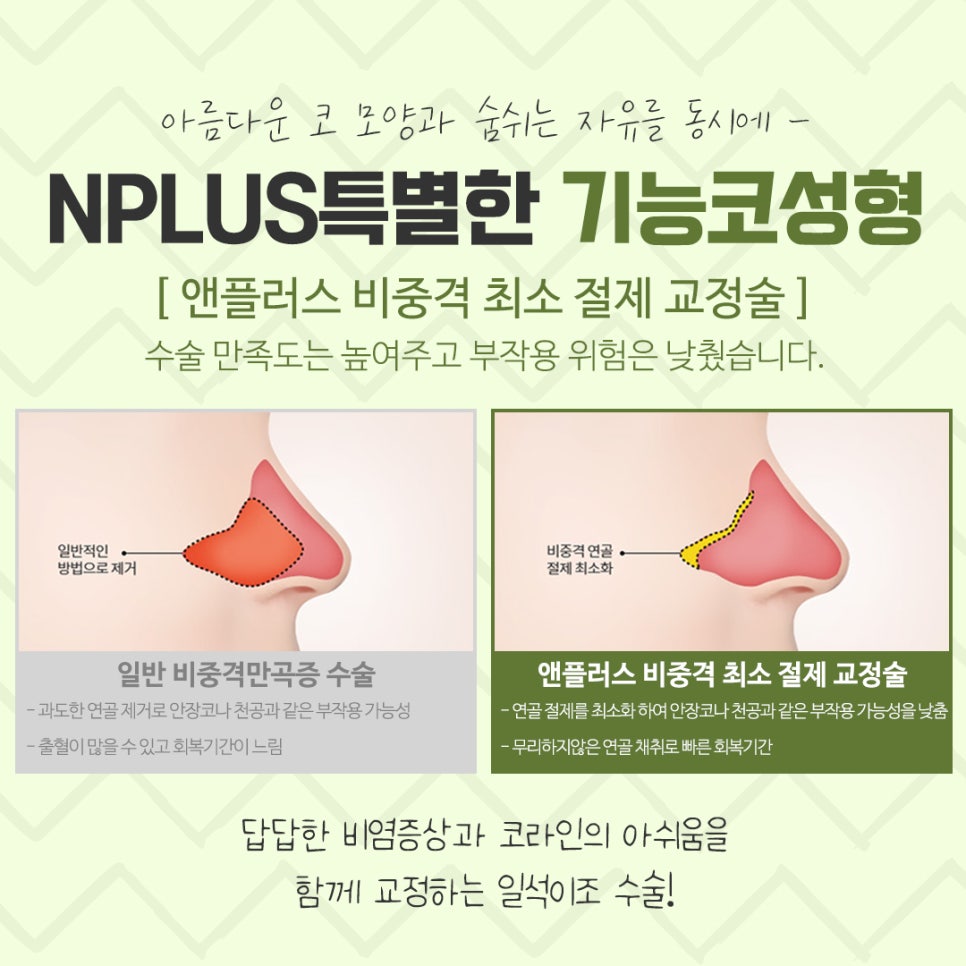
In addition, in the case of septoplasty, partial resection and osteotomy are performed to straighten the bent septal cartilage. At this time, the remaining septal cartilage after resection can be used as nasal tip material for cosmetic rhinoplasty, which is one reason for the high satisfaction with rhinoplasty for rhinitis.
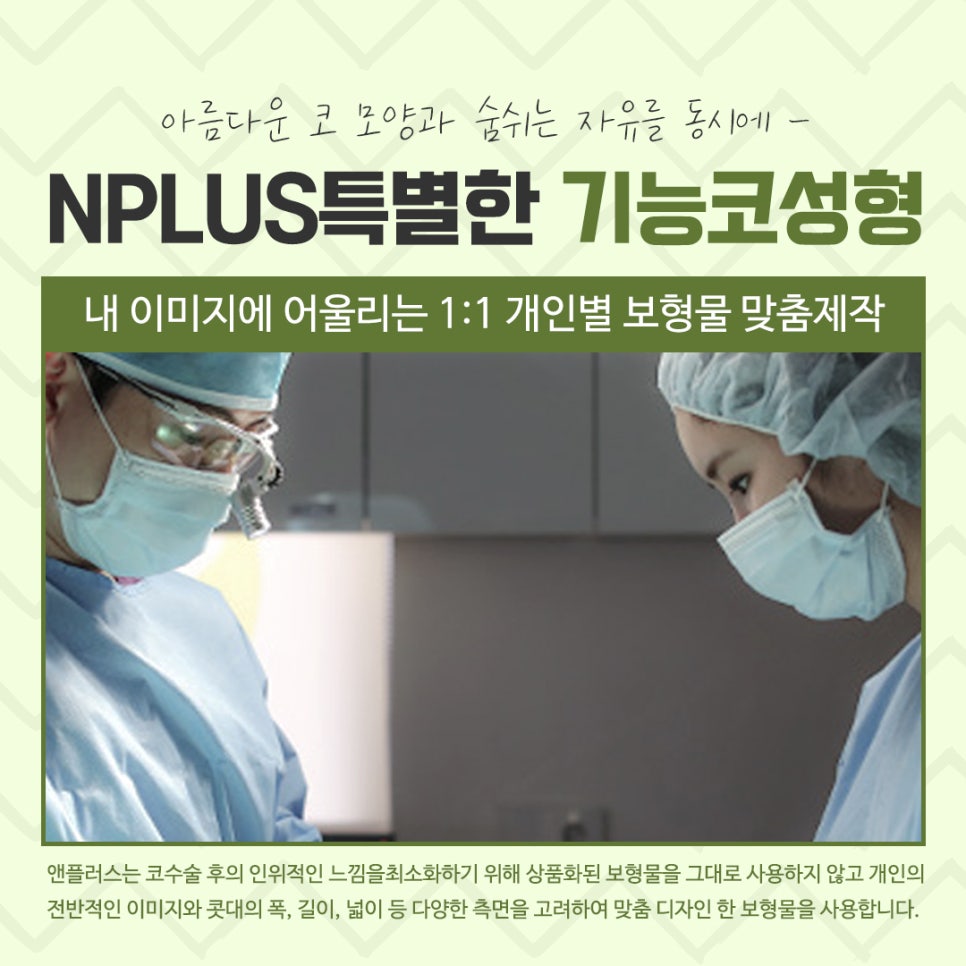
For bridge augmentation performed during cosmetic rhinoplasty, in order to minimize an artificial look after surgery, we do not use commercially produced silicone as is. Instead, we carefully shape it ourselves while considering various aspects such as the person’s overall image, as well as the width, length, breadth, and height of the nasal bridge.

As such, rhinoplasty for rhinitis must diagnose both the cosmetic aspects and the functional problems at the same time, making it a highly difficult surgery even among cosmetic procedures. For those looking for a good ENT clinic, it can be helpful to check whether the medical team has strong anatomical knowledge of the nose, whether they have abundant relevant experience and expertise, whether the clinic is equipped with devices that can accurately assess the condition of your nose, and whether aftercare is firmly guaranteed.
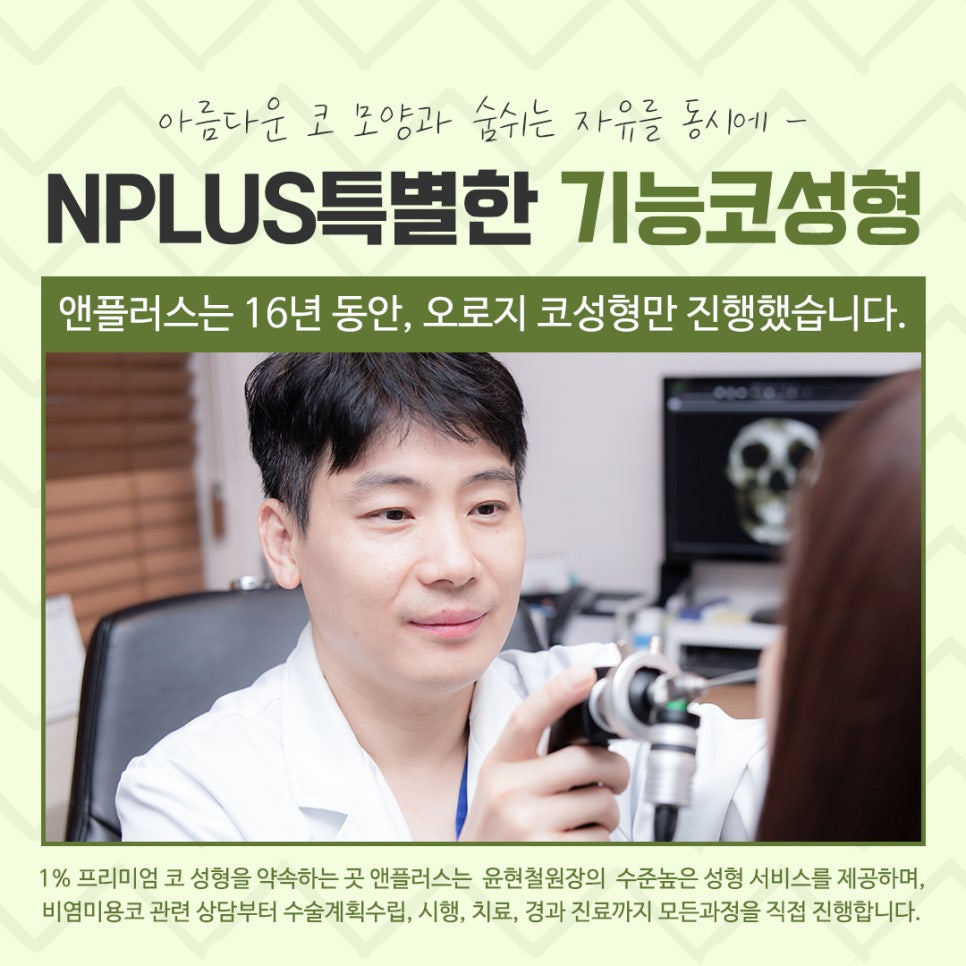
At N+ Plus, a good ENT clinic, Director Yoon Hyun-cheol personally handles every step 1:1, from consultation regarding nose surgery to surgical planning, execution, treatment, and follow-up care, so you can receive high-level medical services before and after surgery.

For aftercare, not only do we provide a free one-year after-sales service guarantee after surgery, but we also operate a surgical warranty system in preparation for any postoperative pain, inflammation, dissatisfaction with appearance, or any other situation that may arise, allowing you to proceed with greater peace of mind.
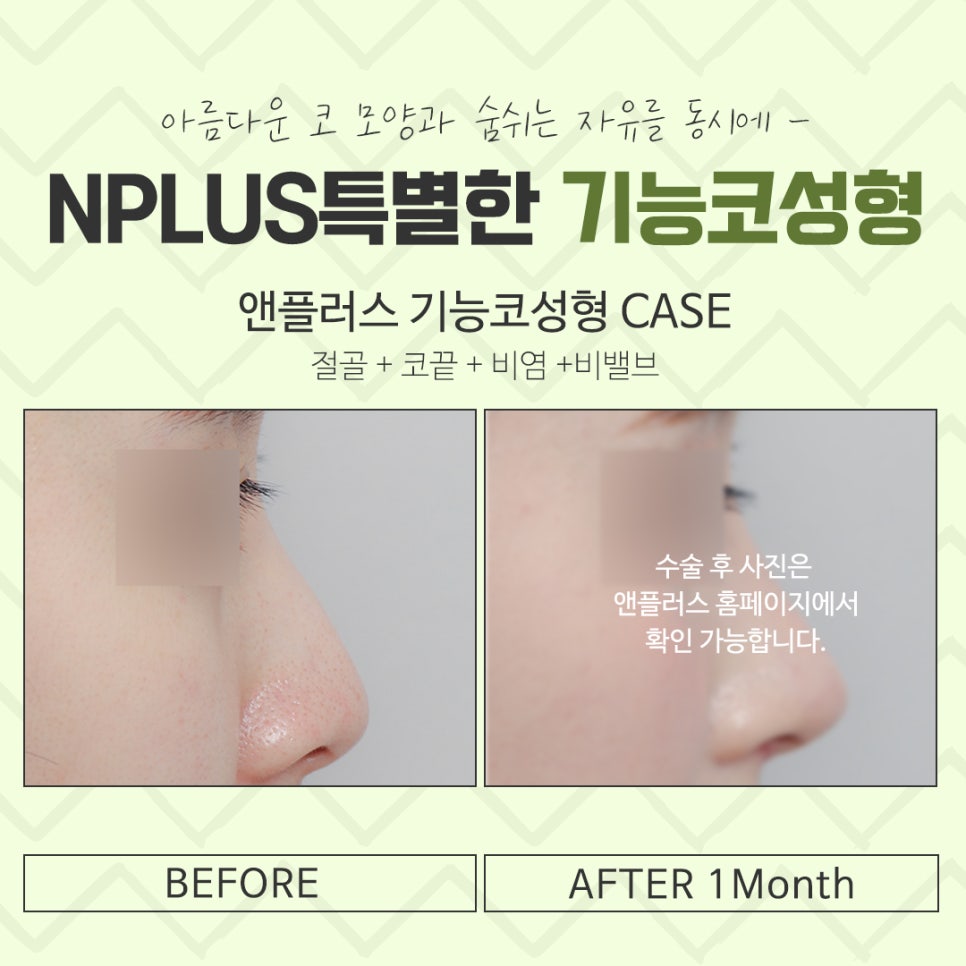
(The image above shows before-and-after photos of rhinoplasty for rhinitis at N+ Plus, a good ENT clinic.)
That concludes the information about rhinoplasty for rhinitis at N+ Plus, a good ENT clinic. I hope this article is very helpful for those who are currently experiencing inconvenience in daily life due to rhinitis. Thank you.
https://youtu.be/a4GpYOCHp-k