Hello. We are Ojiko N Plus, a clinic that has spent 16 years focusing only on your healthy and beautiful nose.
The content introduced this time is about septoplasty surgery experiences.
Recently, many people have been interested in plastic surgery to improve an appearance they are not satisfied with into a more favorable one. Among the many types of plastic surgery, the nose is located in the center of our face and is one of the most three-dimensional features, so even a small change in its shape can have a big effect, making it one of the more popular procedures. However, while rhinoplasty can bring about such shape changes, it can also be used to correct issues when internal nasal function problems cause discomfort in daily life.
Therefore, people who look into rhinoplasty can be broadly categorized by the appearance of their nose: a low nose, a hump nose, a drooping nose, an upturned nose, or a bulbous nose shape. In addition, if nasal congestion caused by rhinitis is present, they may look into rhinoplasty in more detail. However, if the approach is overly focused on aesthetics, it can lead to revision surgery due to functional problems after the operation. So, even if there are no symptoms, I would like to explain in more detail the representative functional rhinoplasty case of septoplasty surgery experiences.
First, when talking about improving the functional aspects of the nose through nasal surgery, the most representative symptom is nasal congestion caused by rhinitis. Rhinitis is divided into allergic rhinitis and structural rhinitis. In the case of allergic rhinitis, because it is affected by specific substances or weather, it is difficult to cure completely, so medication treatment or strengthening the immune system should be prioritized. In the case of structural rhinitis, nasal congestion is caused by abnormalities in the internal structure of the nose, and improvement through surgery can be expected.
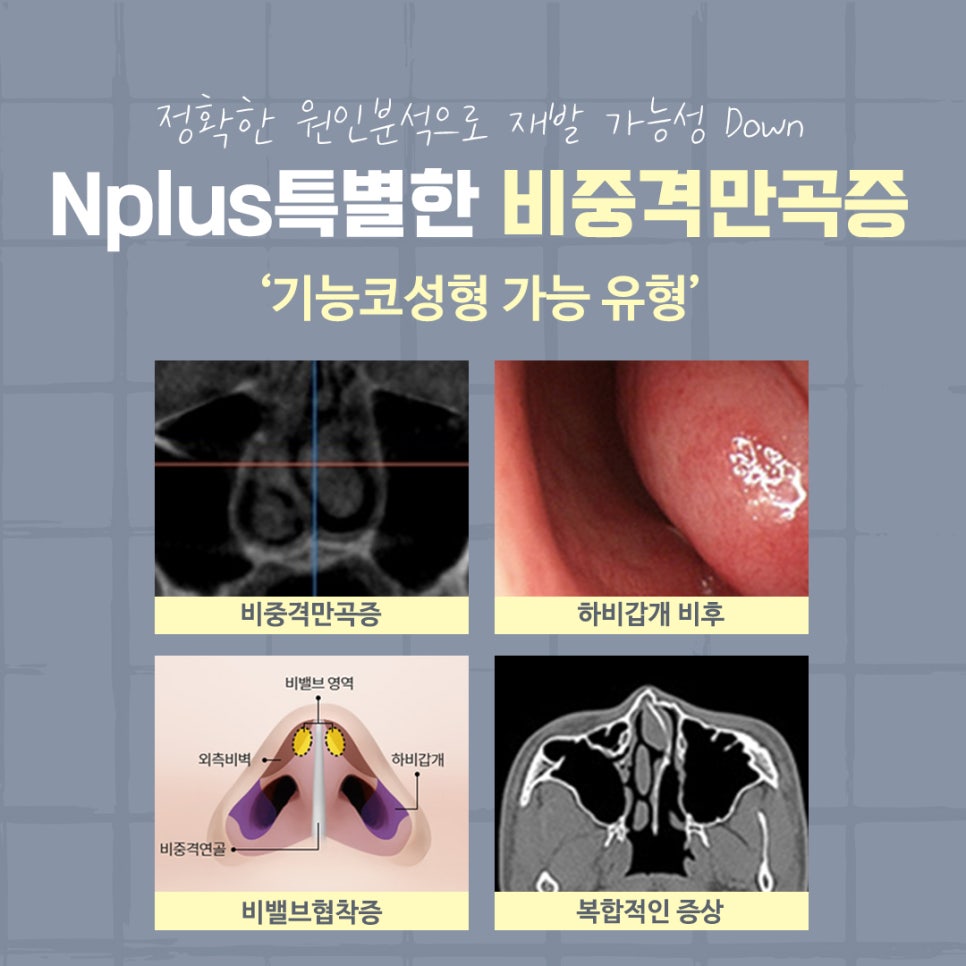
The causes of structural rhinitis that can be cured through such nasal surgery include septal deviation, inferior turbinate hypertrophy, and nasal valve stenosis. These causes each involve different conditions that interfere with the flow of air entering the nose, leading to symptoms such as nasal blockage or a runny nose. Septal deviation can occur on its own, or it can appear as a complex condition accompanied by nasal valve stenosis and inferior turbinate hypertrophy. Therefore, it is important to accurately check the internal condition of the nose and proceed with the appropriate surgery accordingly.
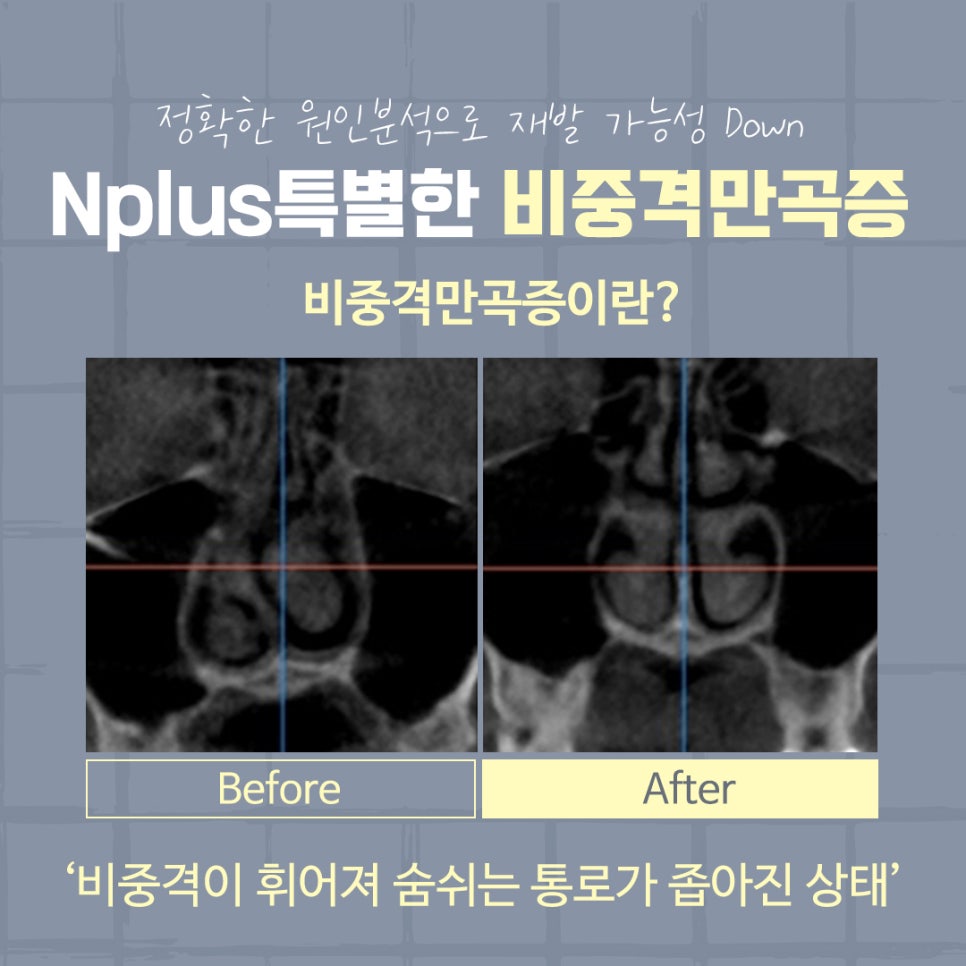
The most representative surgery for structural rhinitis is septoplasty. The cartilage that acts as a partition dividing our nostrils into two is called the septal cartilage, and septal deviation refers to a bent septal cartilage. In cases of septal deviation, treatment may not be necessary if symptoms are not severe, but if symptoms are severe, improvement through treatment is difficult. In such cases, corrective surgery can be performed to straighten the septum through resection and osteotomy. However, even if the symptoms are mild, leaving them untreated can lead to chronic rhinitis and cause headaches, migraines, decreased concentration, and more. Therefore, after checking septoplasty surgery experiences, we recommend visiting a nearby clinic to receive an accurate examination of your condition.
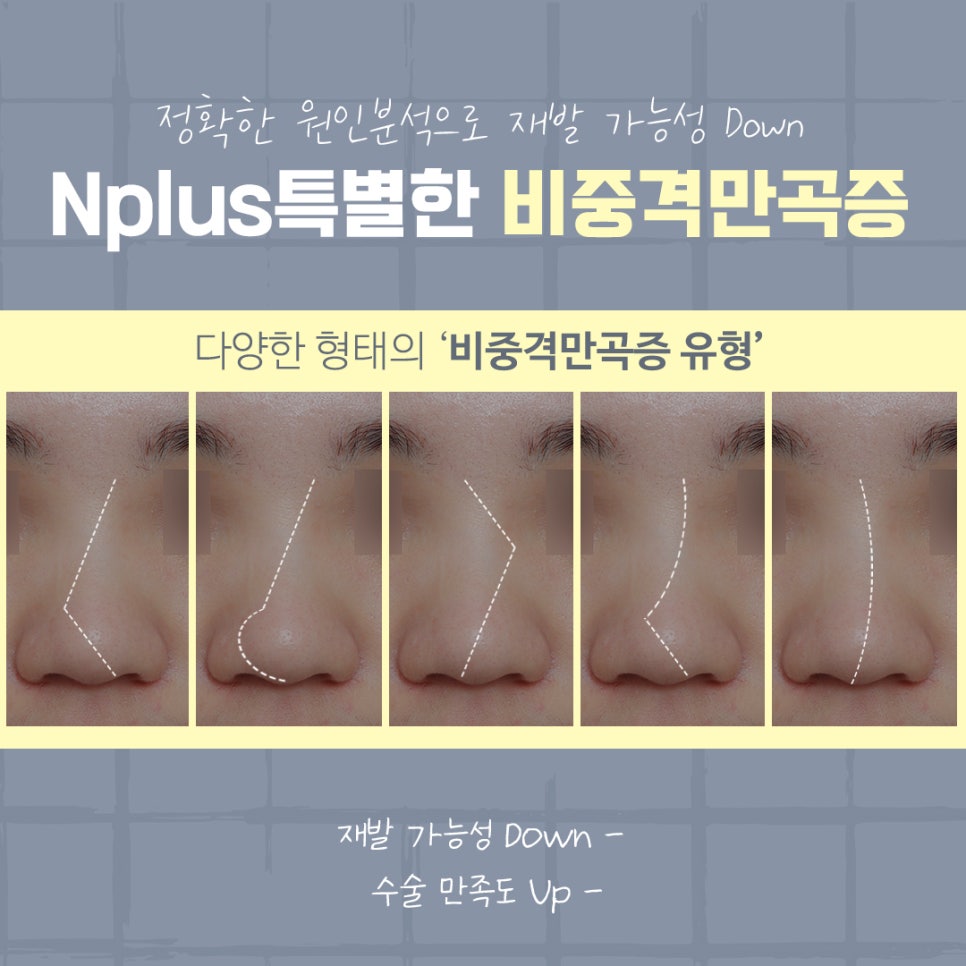
In addition, when septoplasty is performed, many cases are decided by looking only at review images. However, with septal deviation, the condition of the cartilage each person has, the degree to which the nose is bent, and the position of the cartilage all differ. In some cases, this can be confirmed visually, but internal confirmation is difficult, so diagnosis must be made through equipment. That is why choosing a place that accurately checks the condition of your nose and proceeds with surgery is the key to a satisfying septoplasty surgery experience.
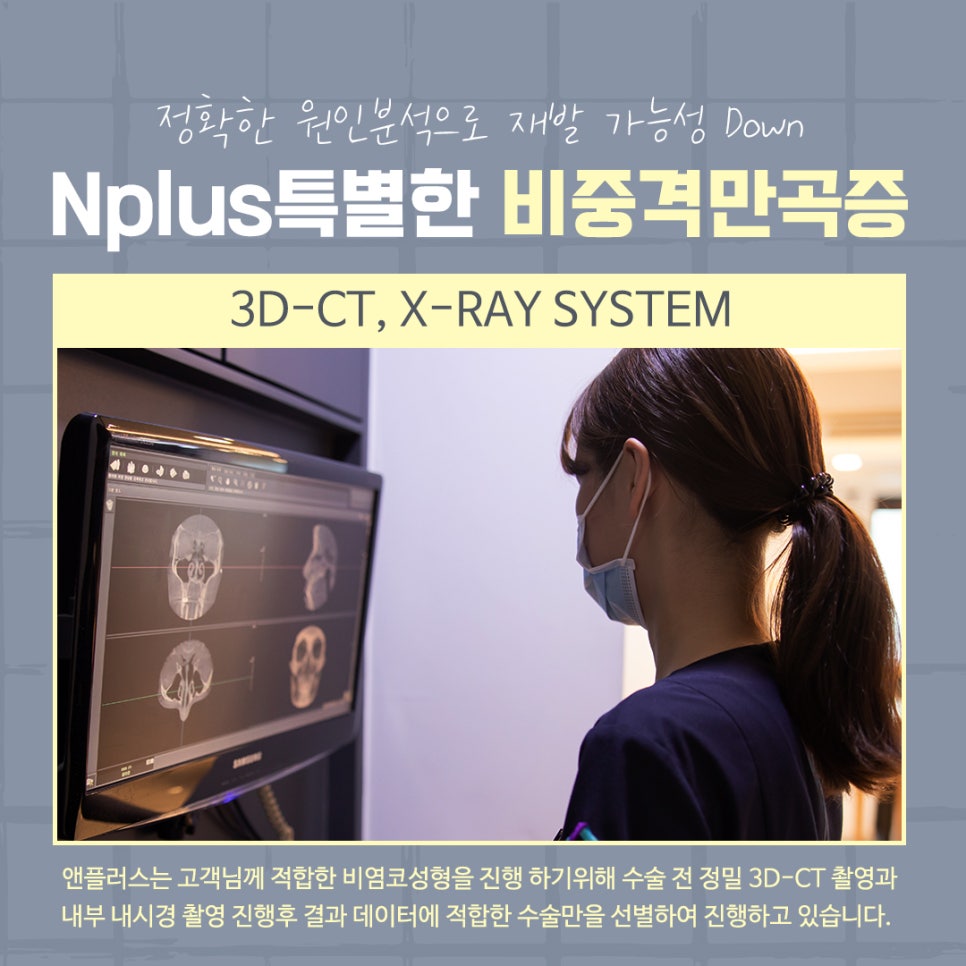
At Ojiko N Plus, before septoplasty, various allergy tests, 3D-CT scans, internal endoscopic imaging, and nasal functional tests are performed to accurately identify the cause of the septal deviation. Based on the extracted data, a surgical plan is established and carried out, helping ensure a safe and satisfying septoplasty surgery experience.

As such, for those looking into septoplasty surgery experiences, aesthetic judgment is important, but it can also be helpful to carefully check whether the medical staff have a high level of anatomical knowledge of the nose, whether they have abundant related experience and expertise, whether the clinic is equipped with devices that can accurately assess the condition of your nose, and whether aftercare is reliably guaranteed.
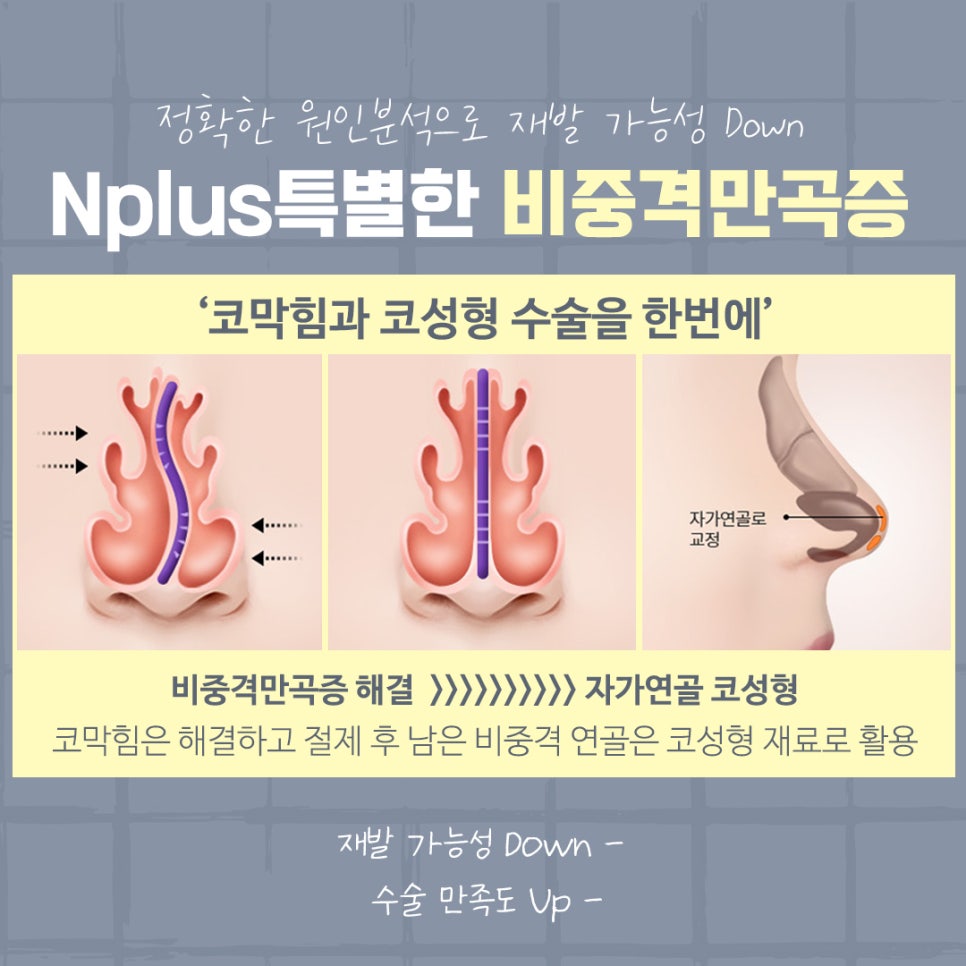
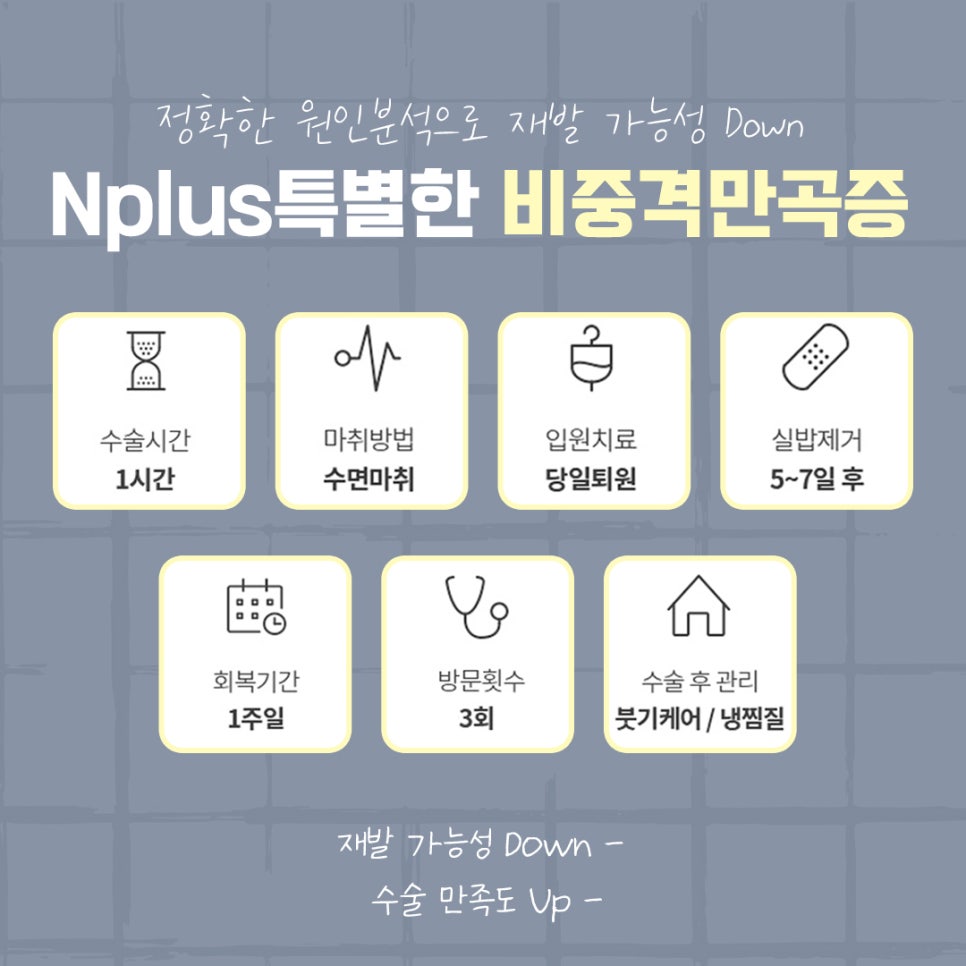
As for the septoplasty method, the first step is to accurately determine the degree of septal deviation, whether the inferior turbinate is enlarged, and the extent of nasal valve stenosis. Then, an incision is made inside the nose to straighten the deviated septal cartilage, and in cases of combined symptoms, additional surgeries and procedures are used to improve them.
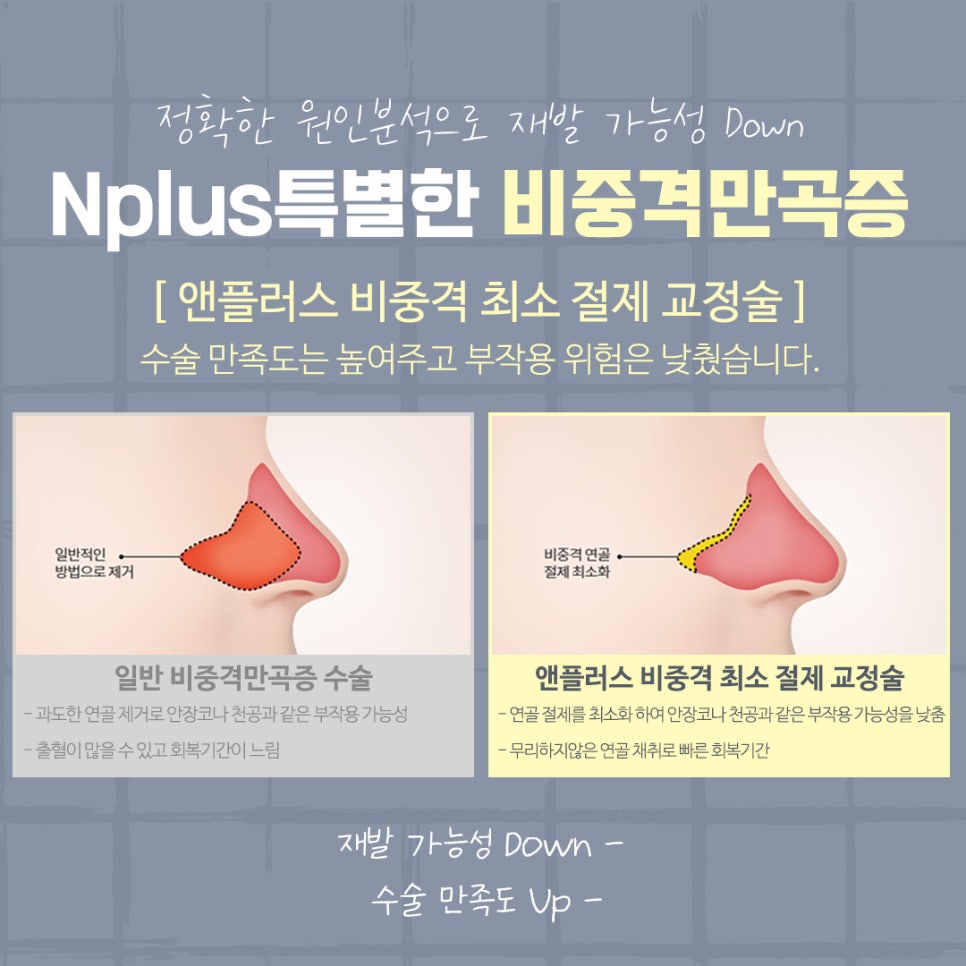
Also, in the case of septal deviation, part of the septal cartilage is removed to correct the bent septum. The remaining septal cartilage after resection can be used as material for rhinoplasty, making it possible to resolve nasal congestion while also achieving aesthetic surgery, which is why this procedure is popular with many people.

At Ojiko N Plus, to ensure a safe and satisfying septoplasty surgery experience, Director Hyeoncheol Yoon personally handles all processes one-on-one, from consultations related to rhinoplasty, to establishing and carrying out the surgical plan, treatment, and follow-up care, so you can receive high-quality medical service from before the surgery through after it.

For aftercare, a warranty system is provided after surgery, and a surgical responsibility guarantee system is in place in preparation for all possible post-surgery situations such as pain, inflammation, or dissatisfaction with the shape, so aftercare is also thoroughly managed.
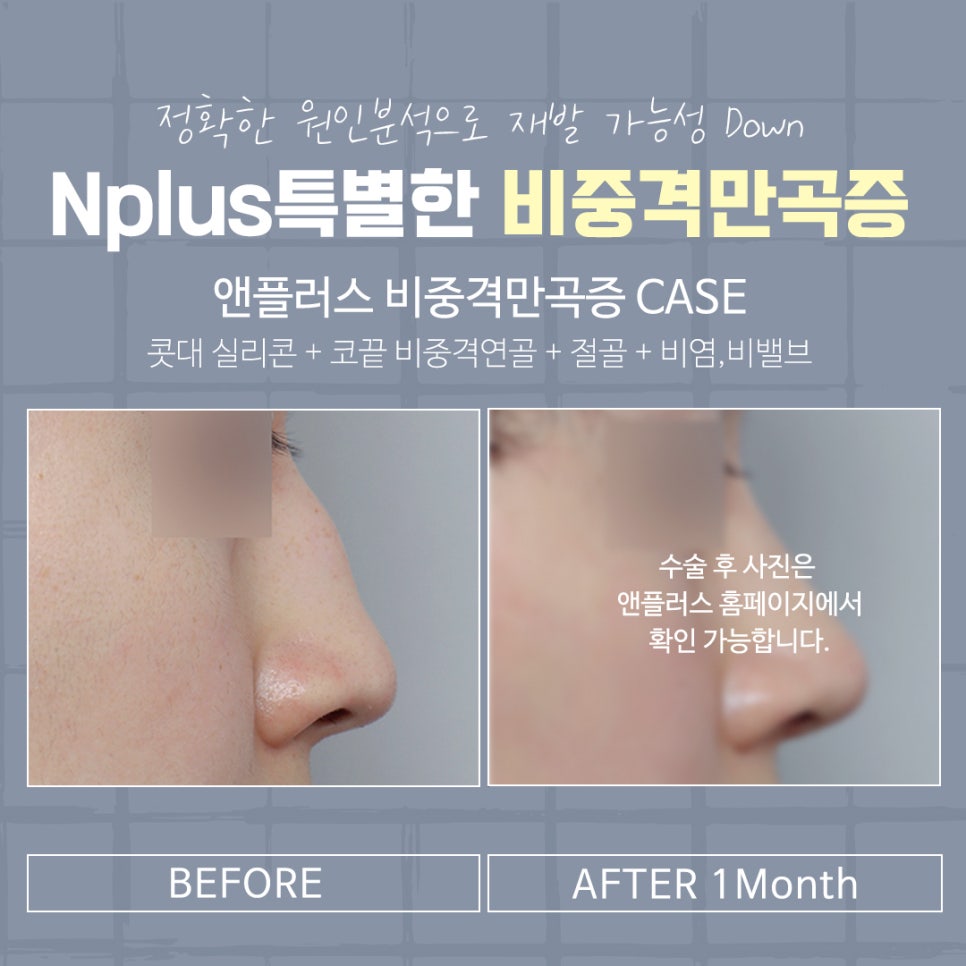
(The above image shows before-and-after photos of Ojiko N Plus septoplasty surgery experiences.)
That concludes my explanation of Ojiko N Plus septoplasty surgery experiences. I hope this post is very helpful for those who are looking into rhinoplasty because of nasal congestion caused by rhinitis. Thank you.
https://youtu.be/Qy5LvR_K4uk