
Hello. We are Ohjico & Plus Clinic, which has focused only on your healthy and beautiful nose for 16 years.
This article covers nose surgery reimbursement coverage.

Usually, people looking into nose surgery may also come across information about nose surgery reimbursement coverage, but many believe that it does not apply because nose surgery is considered cosmetic surgery. However, because benefits may be available under insurance for nose surgery in cases involving conditions such as rhinitis, deviated septum, nasal valve stenosis, and nasal bone fractures, we would like to explain in more detail the cases in which nose surgery is performed for these reasons.
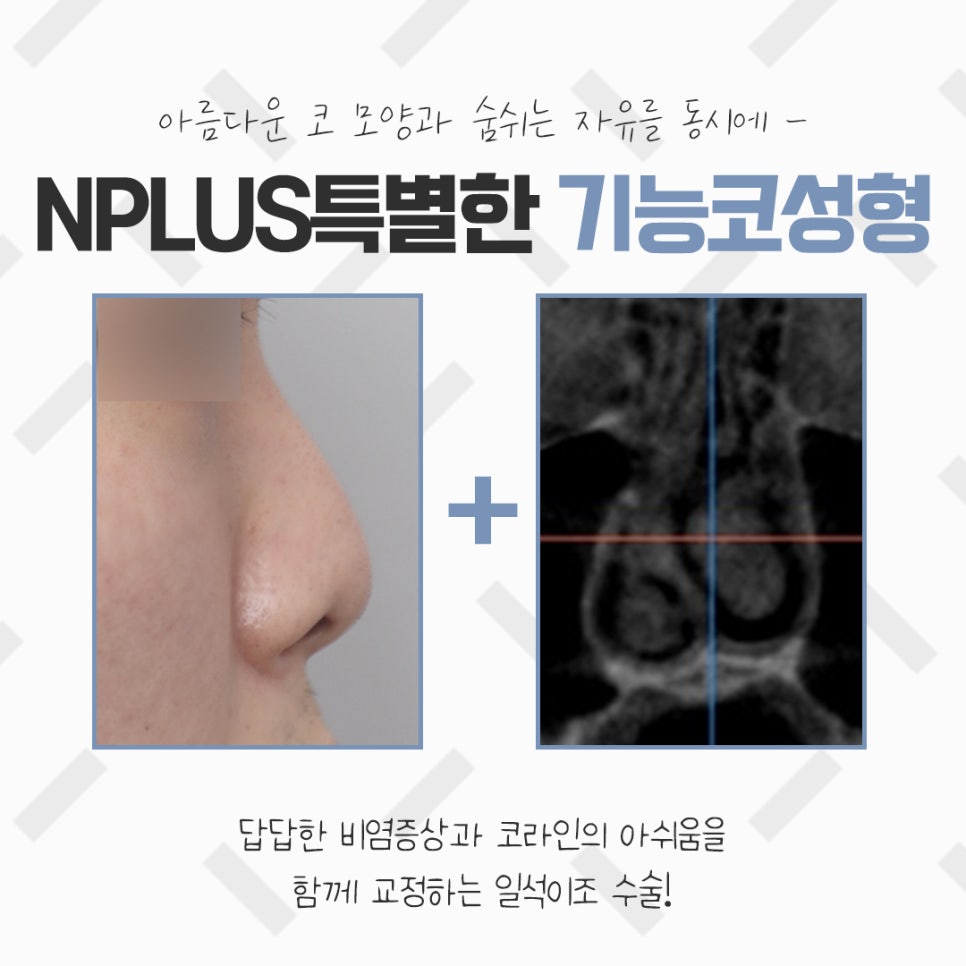
As mentioned earlier, the most representative condition that may qualify for nose surgery reimbursement coverage is rhinitis. Rhinitis is a condition that more than 70% of adults in Korea have, and it is divided into allergic rhinitis and structural rhinitis. The most typical symptom of rhinitis is nasal congestion. In the case of allergic rhinitis, because it is caused by reactions to specific substances such as pollen, mites, food, and dust, a complete cure is difficult, and symptoms can only be temporarily improved through medication aimed at strengthening the immune response.
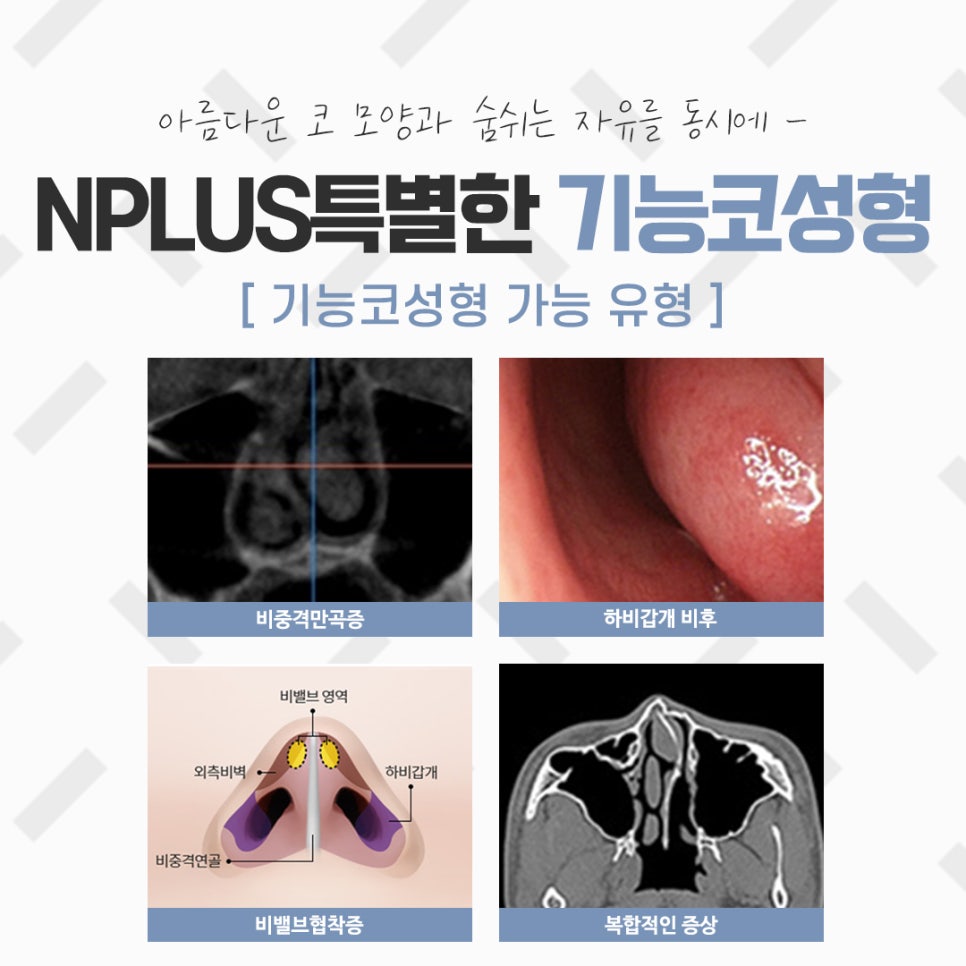
By contrast, in structural rhinitis, deviated septum, inferior turbinate hypertrophy, and nasal valve stenosis are different conditions, but they share the common symptom of nasal congestion caused by obstructed airflow through the nose. In such cases of structural rhinitis, improvement through surgery is possible, so more people are choosing functional rhinoplasty, which combines functional nasal surgery and cosmetic rhinoplasty. Because the surgical materials and methods for functional rhinoplasty vary depending on the diagnosis, those looking into nose surgery reimbursement coverage should check, through consultation, whether benefits apply and accurately confirm the current condition of their nose.

As explained above, with rhinitis, it is difficult to visually diagnose whether it is structural rhinitis, allergic rhinitis, or a cold based only on nasal congestion symptoms. Therefore, surgery must be performed while considering the internal condition of the nose to prevent the need for reoperation due to functional problems after surgery.
Therefore, even if there is no problem with nasal function, for those considering nose surgery, it is important to accurately check the condition of the nose through equipment and then proceed with the appropriate surgery. In addition, carefully checking whether the medical staff have a high level of anatomical knowledge of the nose, whether they have ample related experience and career history, whether equipment is in place to accurately assess the condition of your nose, and whether aftercare is reliably guaranteed can be helpful in making your choice.
That is why, when people who experience inconvenience in daily life due to chronic nasal congestion look into nose surgery reimbursement coverage, there are many cases where they leave symptoms untreated because they seem mild or because of cost concerns, and the condition develops into chronic rhinitis. If it progresses to chronic rhinitis, it can cause decreased concentration, chronic fatigue, headaches, and migraines. Accordingly, conditions that may be eligible for nose surgery insurance benefits include deviated septum, rhinitis-related rhinoplasty, nasal valve stenosis, and nasal bone fractures.
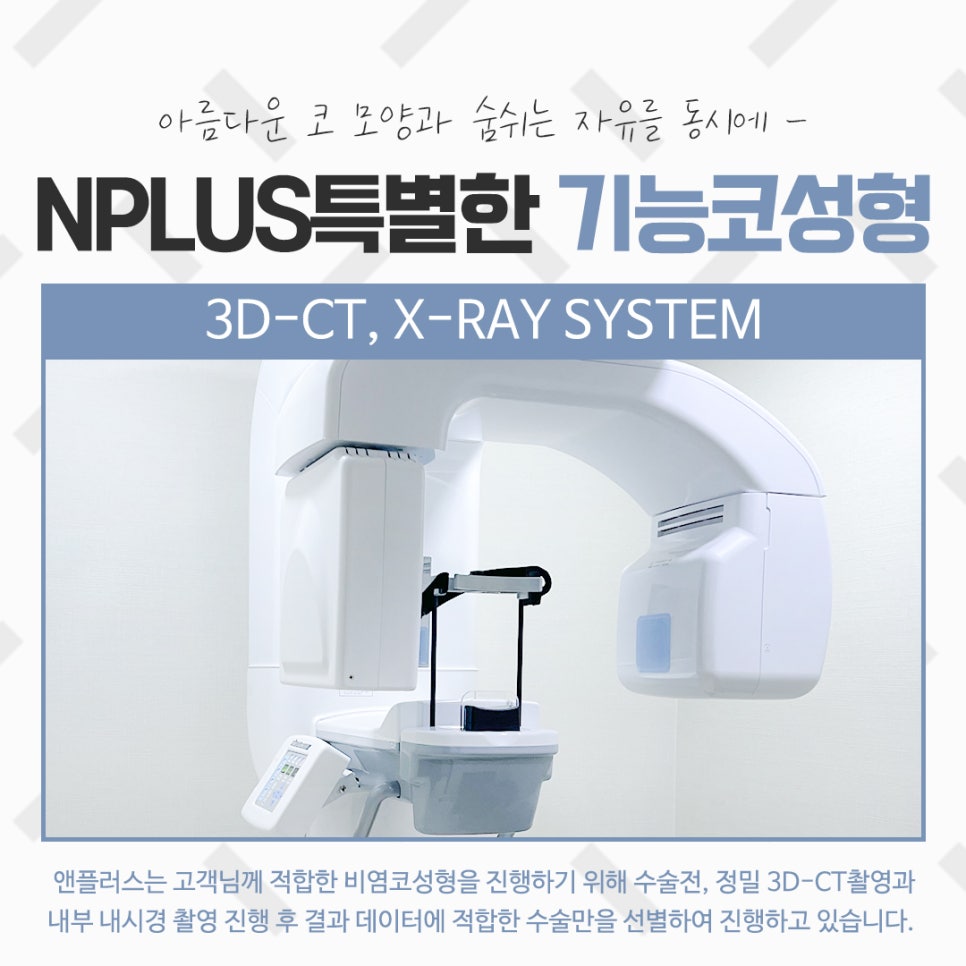
At Ohjico & Plus Clinic, to ensure that safe and satisfactory nose surgery can be performed, preoperative 3D-CT scans, internal endoscopic imaging, various allergy tests, and internal nasal function tests are conducted to accurately identify internal nasal issues as well as the condition, location, and skin thickness of the nasal bones. Surgery is then performed using materials and methods suited to each individual’s condition.

The functional nose surgery methods that may qualify for nose surgery reimbursement coverage are as follows: if there is a deviated septum, correction is performed to straighten the bent septum; if the inferior turbinate is hypertrophied, its enlarged size is adjusted using a laser; and if there is nasal valve stenosis, correction is performed to widen the nasal valve area by choosing among spreader grafts, butterfly grafts, upper lateral cartilage flaring sutures, or suspension sutures. After functional improvement, cosmetic rhinoplasty is then performed. As such, functional nose surgery methods and materials vary depending on each person’s internal nasal condition, so if surgery that does not match the symptoms is performed, the symptoms may not improve at all and may even worsen. It is therefore important to choose a clinic that performs surgery tailored to each individual.

The procedure for nose surgery reimbursement coverage is as follows:
-
Detailed examination
-
Confirmation of eligibility for payment and reimbursement rate
-
Surgery and treatment
-
Confirming the documents required for reimbursement claims and requesting issuance from the hospital
-
Submitting individual documents to the insurance company
-
Receiving insurance payment after the insurer's individual review
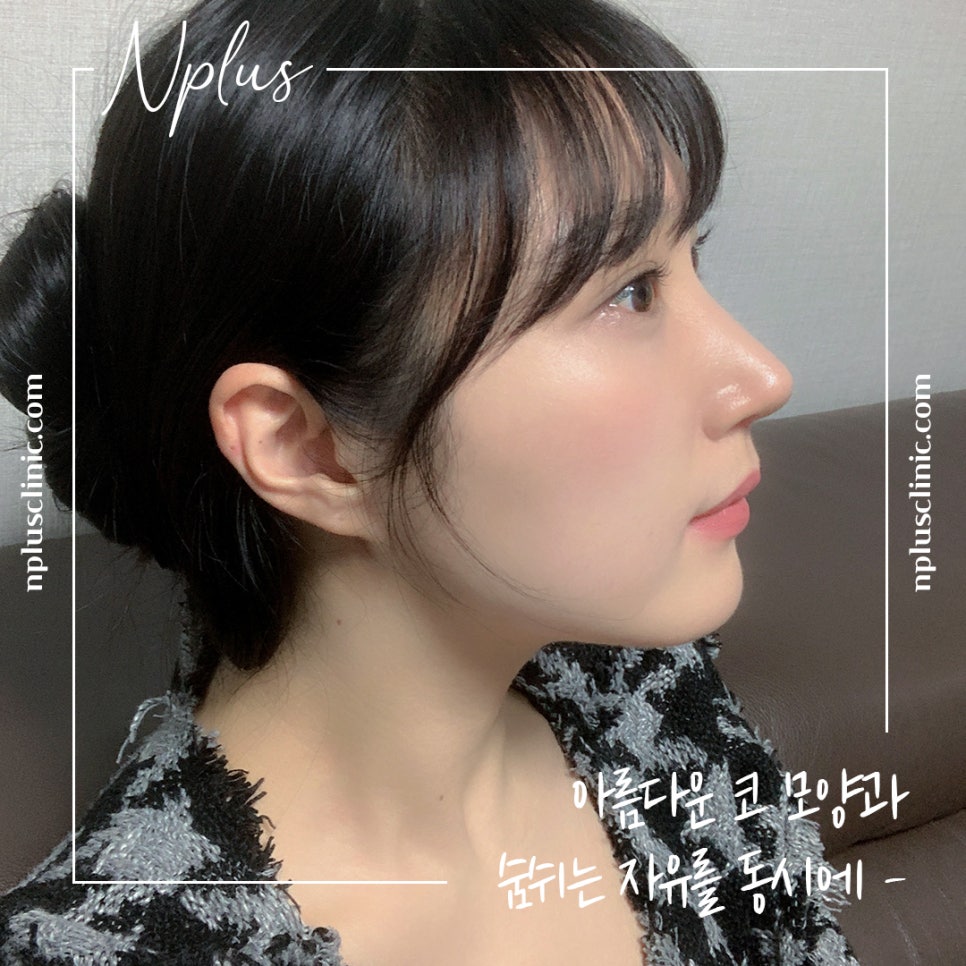
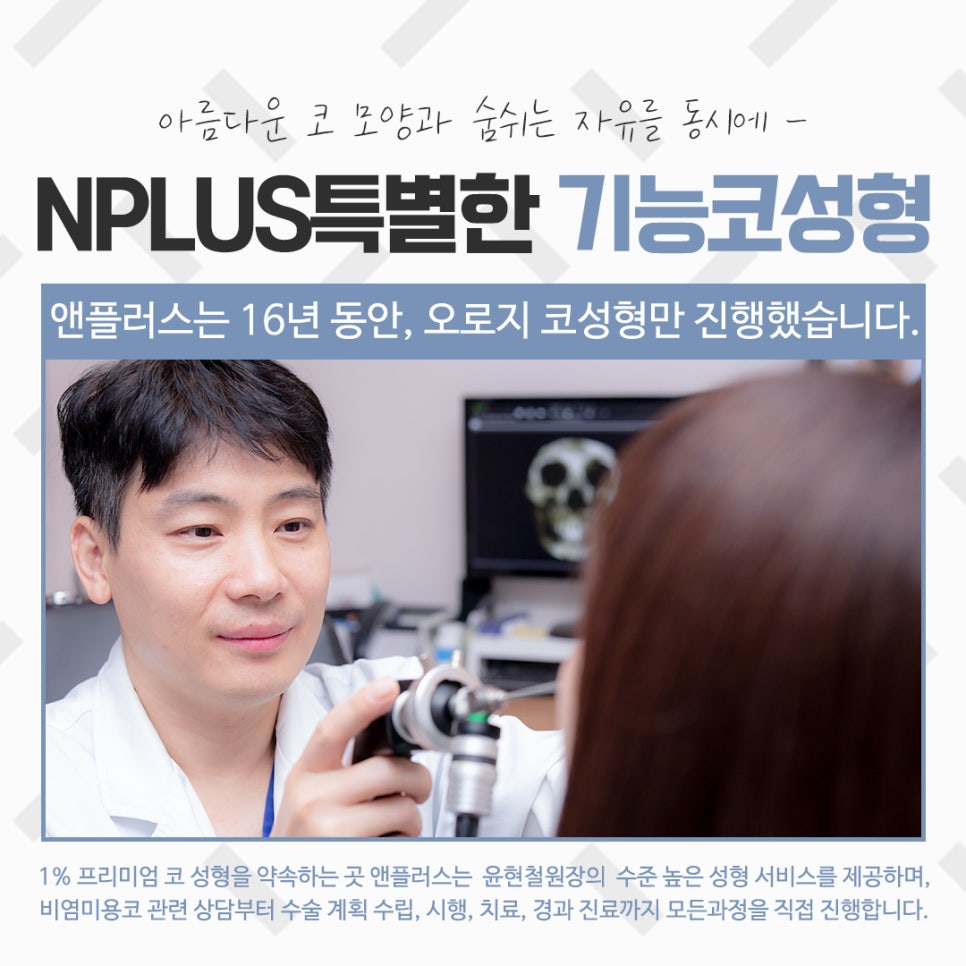
At Ohjico & Plus Clinic, Director Yoon Hyun-cheol personally handles everything one-on-one, from consultation regarding nose surgery to establishing the surgical plan, performing the procedure, treatment, and follow-up care, so you can receive high-quality medical service from before surgery through recovery.

In addition, by issuing the An+ membership card, the clinic not only provides a free after-service system guaranteed for one year after surgery, but also operates a surgery responsibility warranty system that prepares for all possible post-surgery situations, including pain, inflammation, and dissatisfaction with appearance, so you can visit with peace of mind.
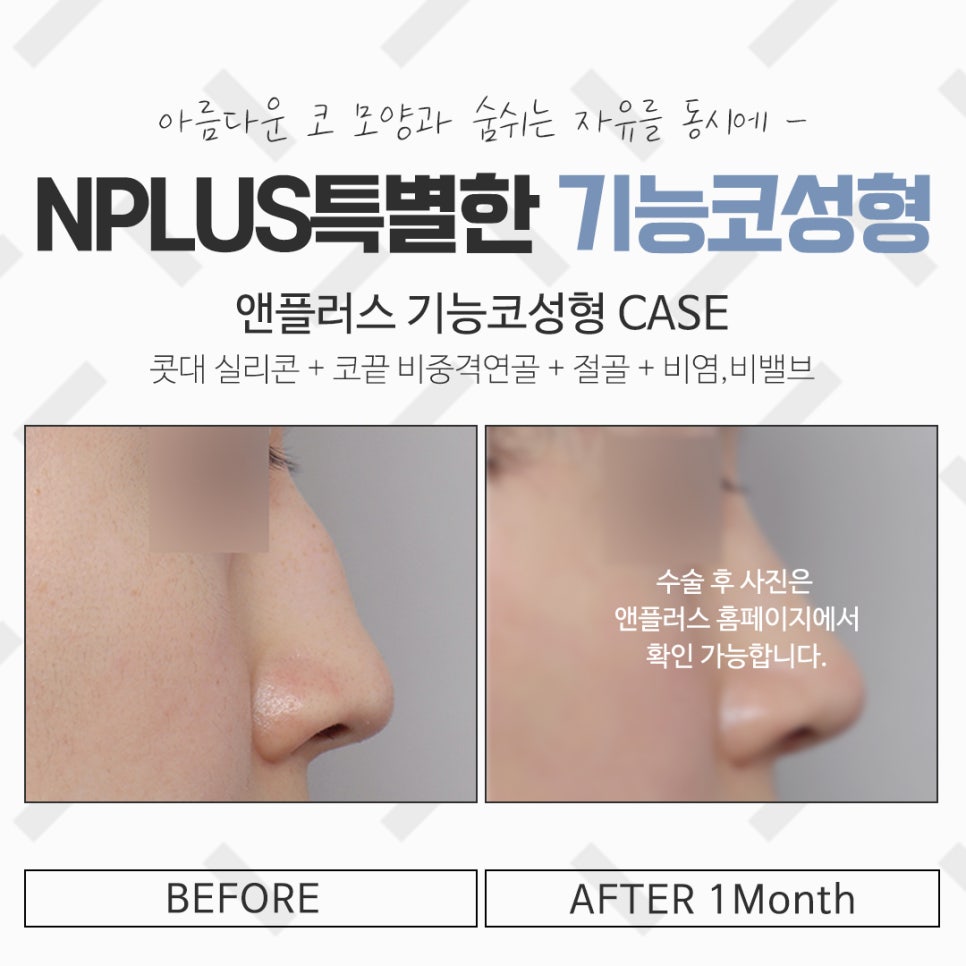
(The image above shows before-and-after photos of nose surgery at Ohjico & Plus Clinic.)
That concludes the detailed information we shared about nose surgery insurance coverage at Ohjico & Plus Clinic. We hope this article is of great help to those who are currently looking into nose surgery reimbursement coverage because they are experiencing inconvenience in daily life due to nasal congestion caused by rhinitis. Thank you.
https://youtu.be/P7pXi8Uo9WA