
This time, I’d like to share information about septoplasty surgery after accurately identifying the cause. In general, people who undergo nose surgery often do so for an image transformation or to refine the shape of the nose so it looks smooth and straight. But the nose is not only important for appearance; it also plays a functional role in breathing and smell. Because it can improve not only external appearance but also internal nasal function problems, you can take a closer look at septoplasty surgery.

When we talk about improving internal nasal function through nose surgery, the most representative symptom is nasal congestion caused by rhinitis. Rhinitis is a condition that more than 70% of adults in Korea have, and it is divided into allergic rhinitis and structural rhinitis. In the case of allergic rhinitis, it occurs due to specific substances, dust, or weather conditions, so it is difficult to cure completely. Symptom improvement can be expected through immune support and medication treatment. On the other hand, structural rhinitis occurs due to problems with the internal structure of the nose, so it can be cured through surgery. The causes of structural rhinitis include a deviated septum, inferior turbinate hypertrophy, and nasal valve stenosis.
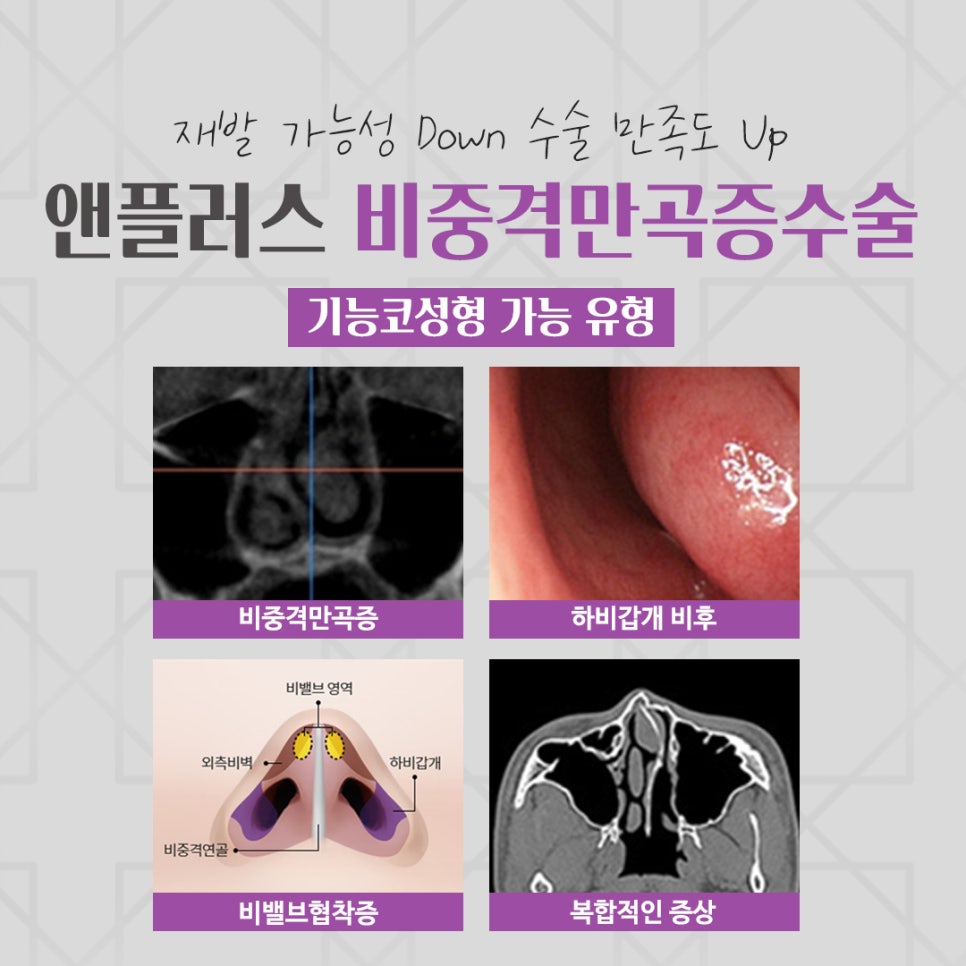
In the case of structural rhinitis, each different condition obstructs the flow of air entering through the nose, causing nasal congestion. That is why it is important to accurately identify internal nasal problems and perform the appropriate surgery. In structural rhinitis, a deviated septum is a representative cause. It can occur on its own, but there are also cases of complex symptoms that occur together with nasal valve stenosis and inferior turbinate hypertrophy, making an accurate diagnosis important.
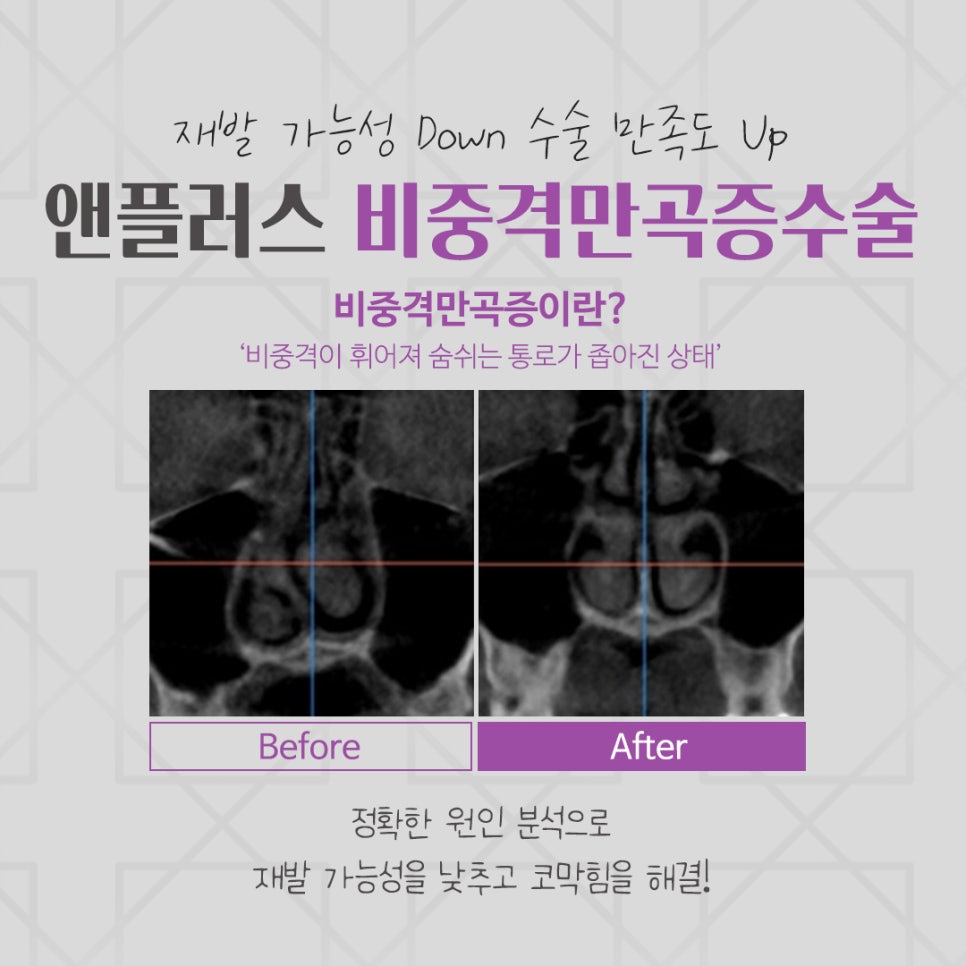
What is septoplasty surgery? The cartilage that divides our nostrils in half is called the septum. When this septum is bent, it is called a deviated septum, and the surgery that straightens and corrects it is called septoplasty.

In the case of septoplasty, if the symptoms are not severe, surgery may not be necessary. However, as symptoms become more severe, there is a higher chance of developing chronic rhinitis. If it develops into chronic rhinitis, the brain may not receive enough oxygen due to nasal congestion, which can lead to migraines, headaches, reduced concentration, chronic fatigue, and loss of motivation. This can interfere with daily life and become a major source of stress, so we recommend checking your current condition.
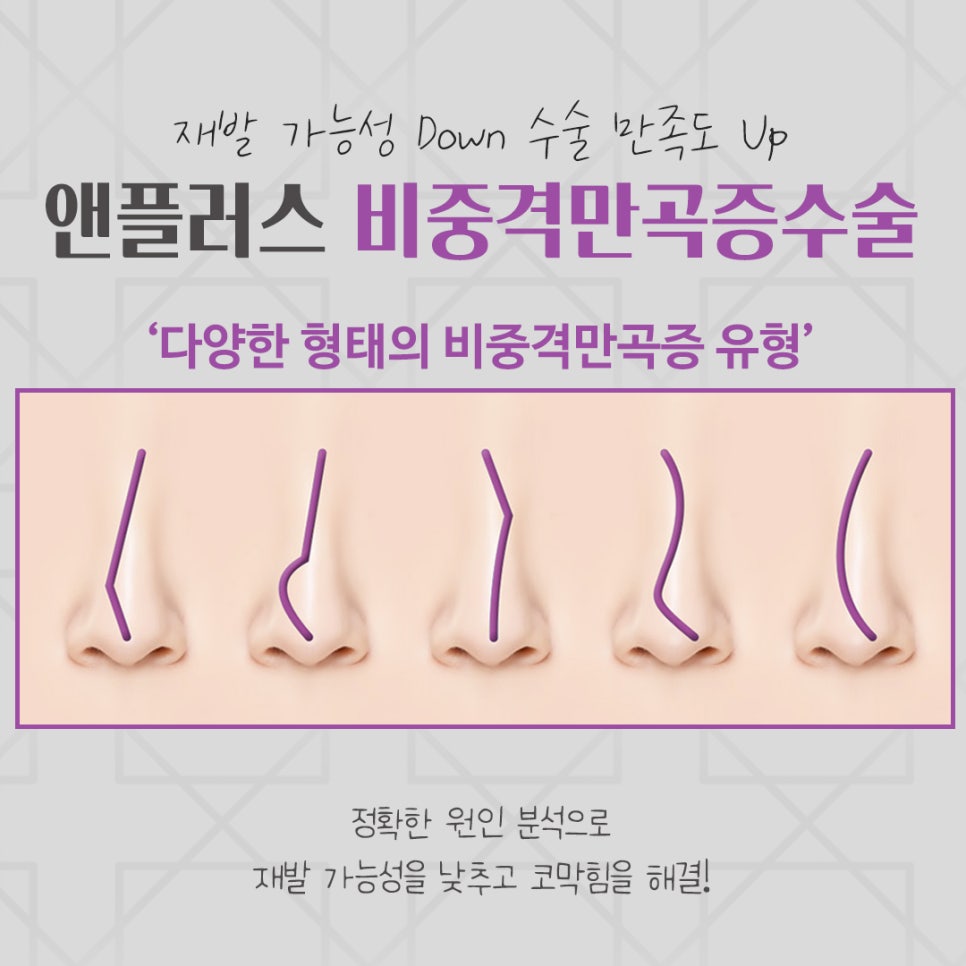
Also, in the case of septoplasty surgery, each person has different characteristics such as the degree of nasal deviation, cartilage condition, cartilage position, and skin condition. To accurately identify these internal factors and whether there are complex symptoms, it is difficult to diagnose by visual inspection alone, and it must be checked accurately using equipment.
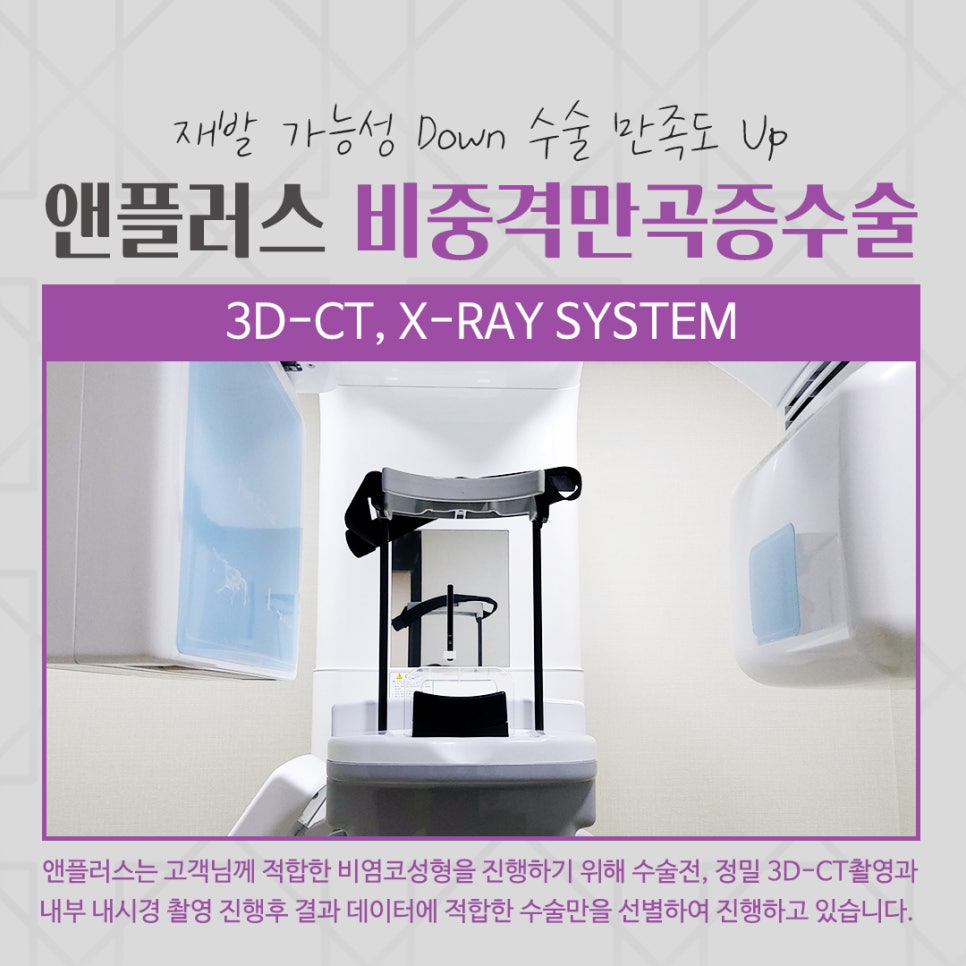
At OjiCo & Plus, when performing septoplasty surgery, we use preoperative 3D-CT scans, various allergy tests, internal nasal function tests, and internal endoscopic imaging to identify internal nasal problems, whether septoplasty is needed, and various other issues. Based on the extracted data, a surgical plan is established and carried out.
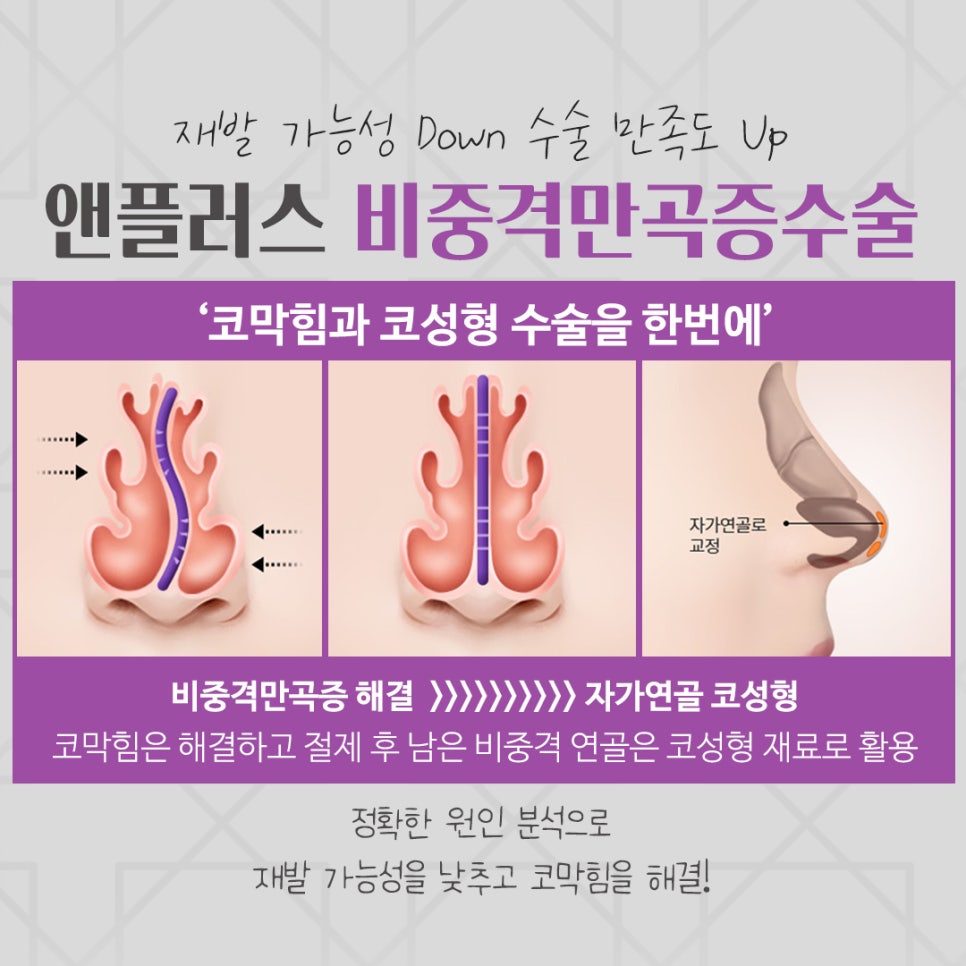
The method of septoplasty surgery involves assessing the degree of septal deviation, whether inferior turbinate hypertrophy is present, and the degree of nasal valve stenosis. Then, an incision is made inside the nose, the deviated septal cartilage is minimally removed, and the septum is straightened and corrected. If inferior turbinate hypertrophy and nasal valve stenosis are present together, laser treatment or various additional surgical methods may be performed to resolve the nasal congestion problem.
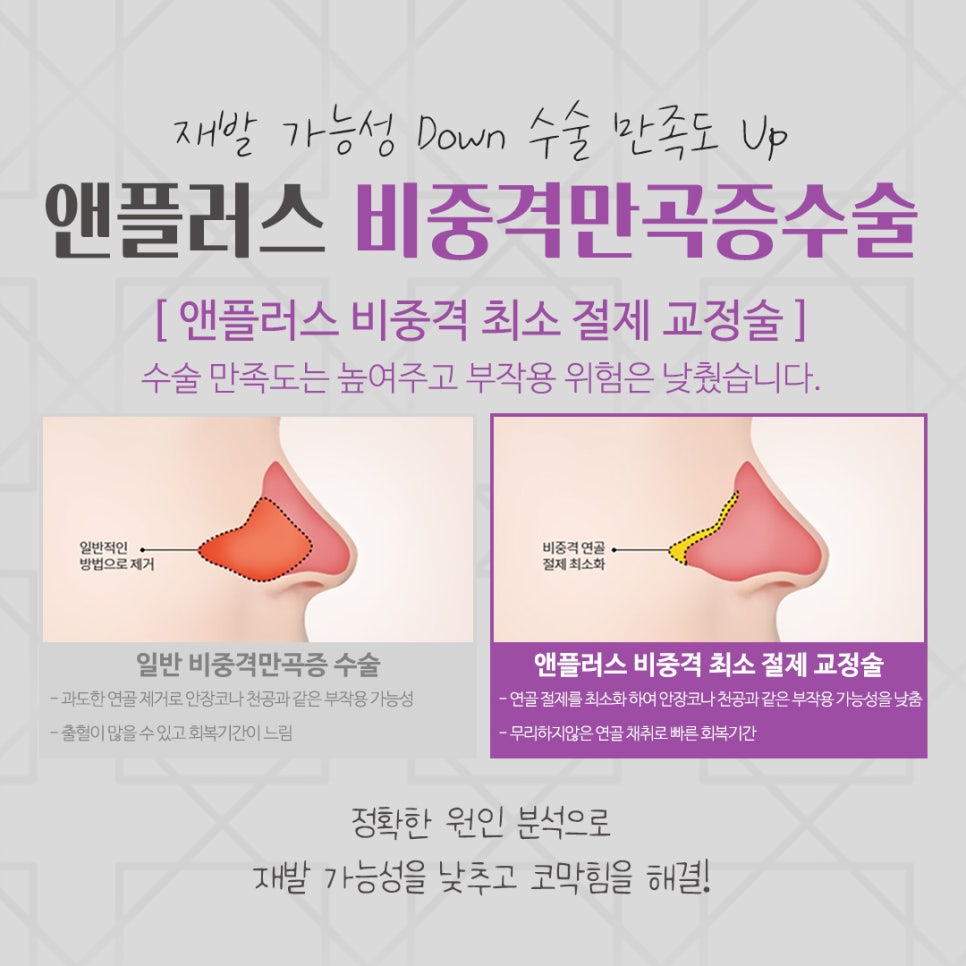
The septal cartilage that is removed and the remaining septal cartilage can also be used as material for cosmetic nose surgery. Since breathing correction and cosmetic nose surgery can be performed at the same time, septoplasty surgery can lead to a higher level of satisfaction.
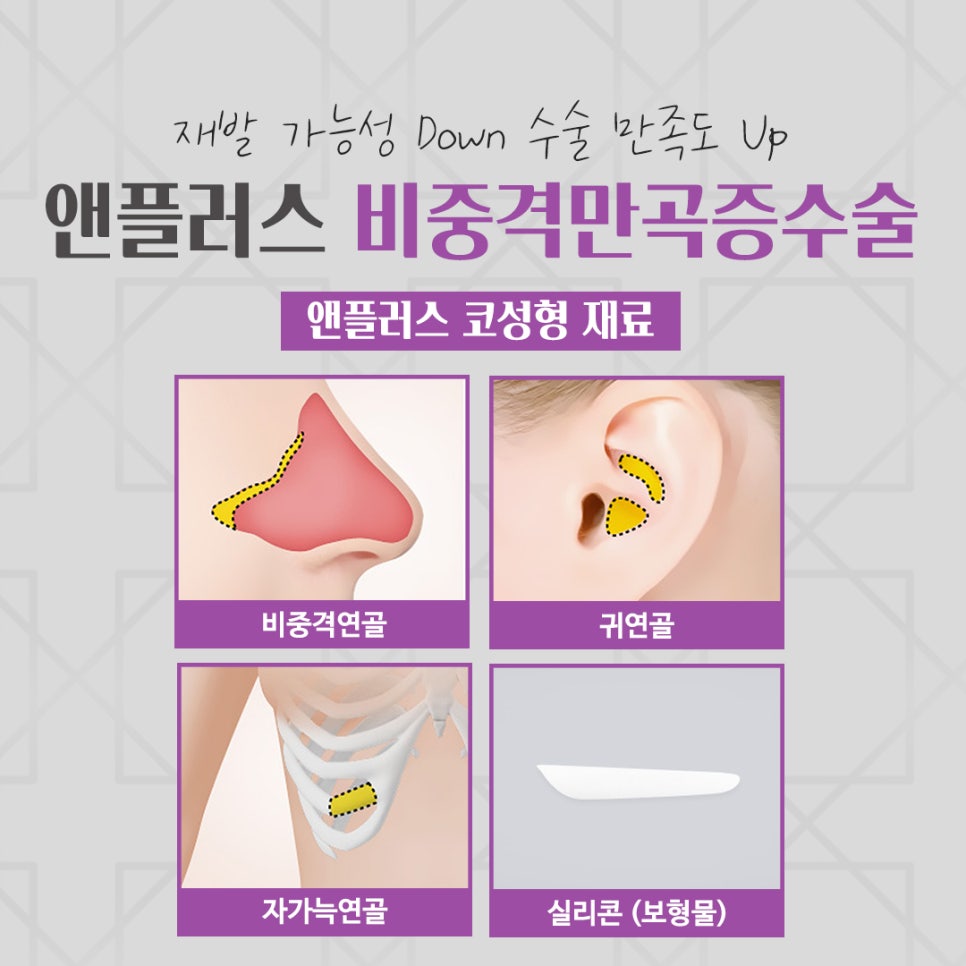
After septoplasty surgery, cosmetic nose surgery can be chosen as well. In cosmetic nose surgery, the bridge is generally corrected with silicone, and the tip is corrected using autologous cartilage. The autologous cartilage used for the tip includes septal cartilage, ear cartilage, and autologous rib cartilage, and it can be selected and used after preoperative testing.

As for the silicone implant used for the bridge of the nose, we do not use a pre-made product. Instead, it is carefully shaped by hand after considering the individual’s overall image, as well as the width, length, breadth, and height of the nasal bridge, allowing for a more satisfying septoplasty surgery.

In this way, septoplasty surgery is not performed as a standalone procedure; because complex symptoms or cosmetic nose surgery can be performed at the same time, it can be helpful to check whether the medical staff have strong anatomical knowledge of the nose, whether they have extensive related experience, whether equipment is available to clearly assess the condition of your nose, and whether aftercare is properly guaranteed before proceeding with surgery.

At OjiCo & Plus, Director Yoon Hyun-cheol personally handles one-on-one care for all processes related to septoplasty surgery, from consultation to surgical planning, procedure, treatment, and follow-up care. This allows you to receive high-quality medical services both before and after surgery.

For aftercare, we provide an A/S system that guarantees support for one year after surgery, and we also operate a surgical responsibility guarantee system prepared for any situation that may arise after surgery, such as pain, inflammation, or dissatisfaction with the appearance. Customers who have the Plus membership card can receive aftercare benefits at any time.
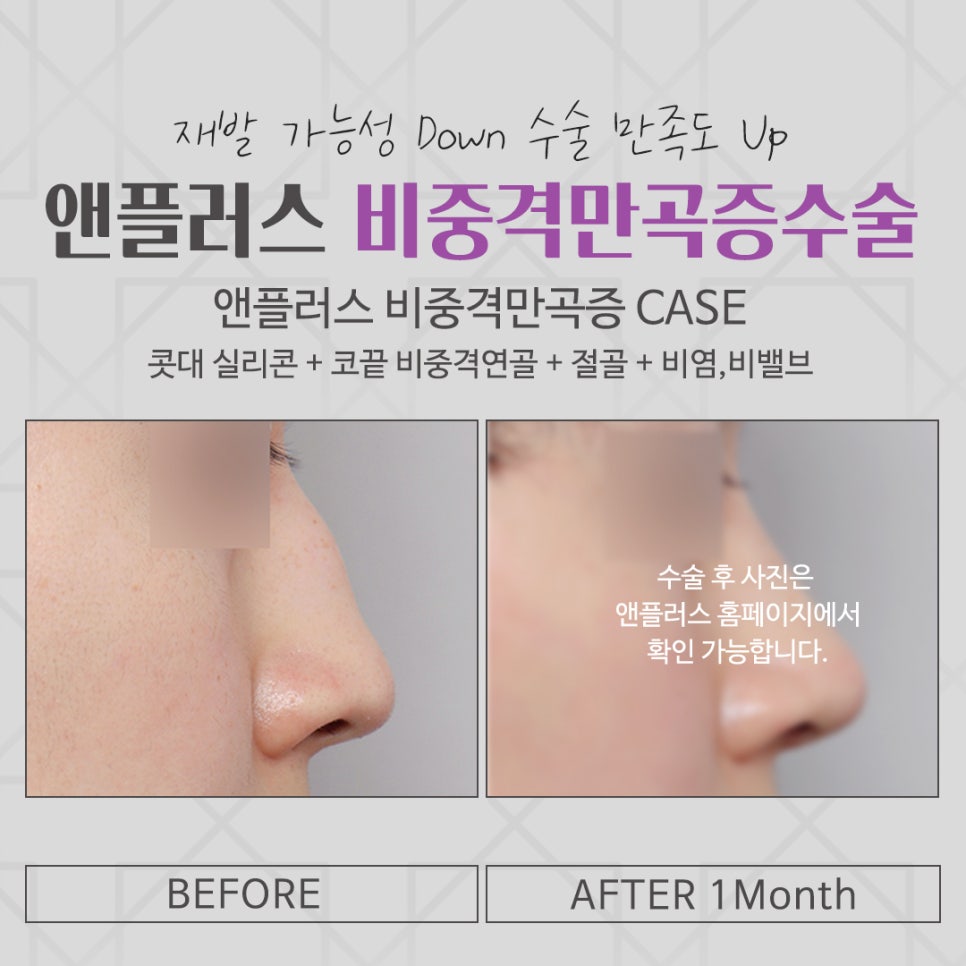
(The image above shows before-and-after photos of septoplasty surgery at OjiCo & Plus.)
That concludes our summary of OjiCo & Plus septoplasty surgery. I hope this article is of great help to those who are currently experiencing nasal congestion due to a deviated septum. Thank you.
https://youtu.be/P7pXi8Uo9WA