
In general, people who try rhinoplasty often do so with the expectation of transforming their image through correction into a refined and sleek nose line by adding volume to the bridge and tip of the nose. However, because the nose plays a major external role in shaping one’s image while also serving the functional purposes of breathing and smell, if nasal congestion or one-sided nasal congestion is present, symptoms may be improved through rhinoplasty. This is why it is considered one of the more popular types of plastic surgery. A surgery that improves both the outward appearance and the functional issues of nasal congestion and one-sided nasal congestion is called functional rhinoplasty.

In the case of functional rhinoplasty, the most common symptoms are nasal congestion or one-sided nasal congestion. These symptoms are often caused by rhinitis. Rhinitis causes inflammation inside the nose and leads to coughing, sneezing, nasal congestion, and one-sided nasal congestion. Rhinitis is divided into allergic rhinitis and structural rhinitis. In the case of allergic rhinitis, it appears due to specific substances or environments, so it is difficult to cure completely, and focusing first on improving immunity and using medication may help with symptoms. In the case of structural rhinitis, symptoms continue regardless of the environment, so it can cause significant inconvenience in daily life. It may be helpful to visit a nearby otolaryngology clinic for an accurate consultation.
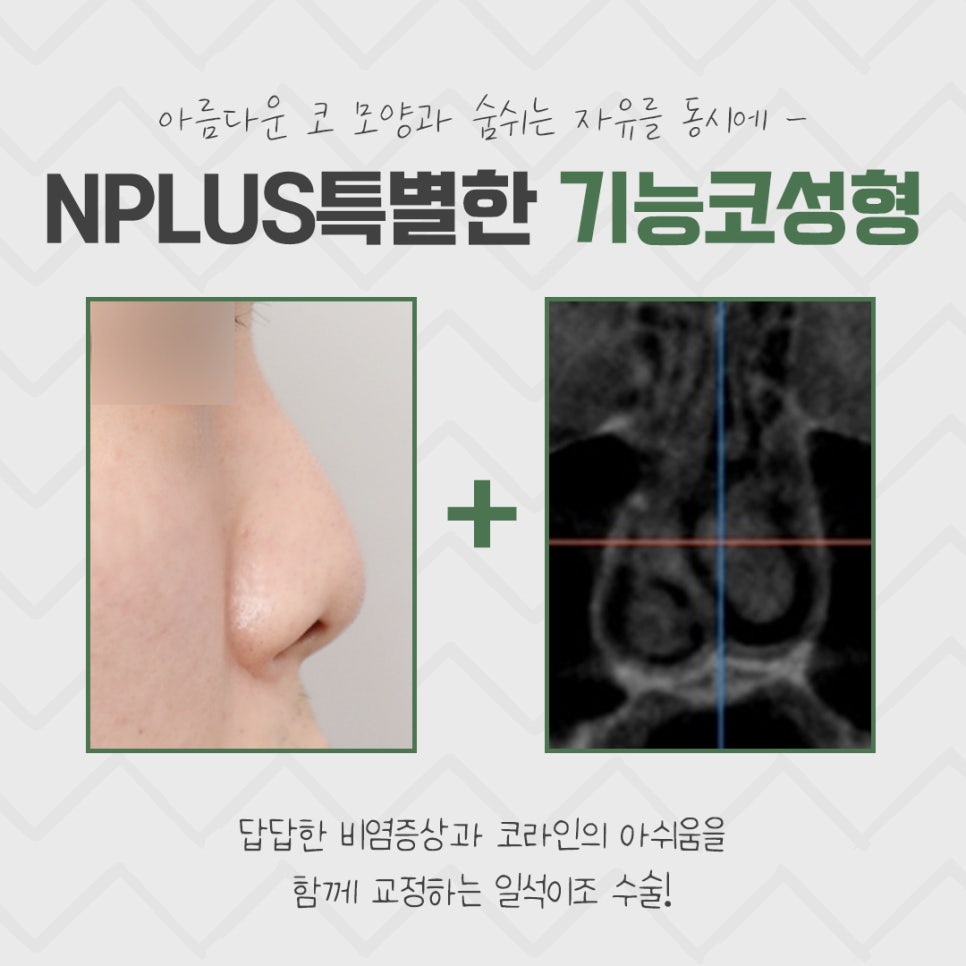
The representative symptoms of the structural rhinitis mentioned above are nasal congestion and one-sided nasal congestion. The causes of structural rhinitis include a deviated septum, inferior turbinate hypertrophy, and nasal valve stenosis. These causes obstruct the flow of air into the nose in different ways, leading to symptoms such as nasal congestion and one-sided nasal congestion. When surgery is performed, it is important that the procedure suited to the individual’s condition is applied.
Accordingly, for those looking into functional rhinoplasty due to nasal congestion and one-sided nasal congestion, the surgical method and materials differ depending on the various causes, so it is important to undergo the procedure at a place where the current condition of the nose is accurately assessed through equipment.

In general, the types of people who consider rhinoplasty are those whose nose appears externally low, upturned, too high, drooping, has a hump, or is shaped like a bulbous nose. In such cases, cosmetic considerations are given priority. However, if surgery is performed only for cosmetic purposes without excluding functional aspects, functional problems such as nasal congestion and one-sided nasal congestion may occur after the procedure. Therefore, even if there are no symptoms, it is important to undergo surgery that also considers these functional aspects.
Therefore, rather than judging based on the image from reviews alone or prioritizing cosmetic or cost-related considerations, it may be helpful to carefully check whether the medical staff have a high level of anatomical knowledge of the nose, whether they have sufficient experience and expertise, whether equipment is available to accurately assess the condition of your nose, and whether aftercare is reliably guaranteed.
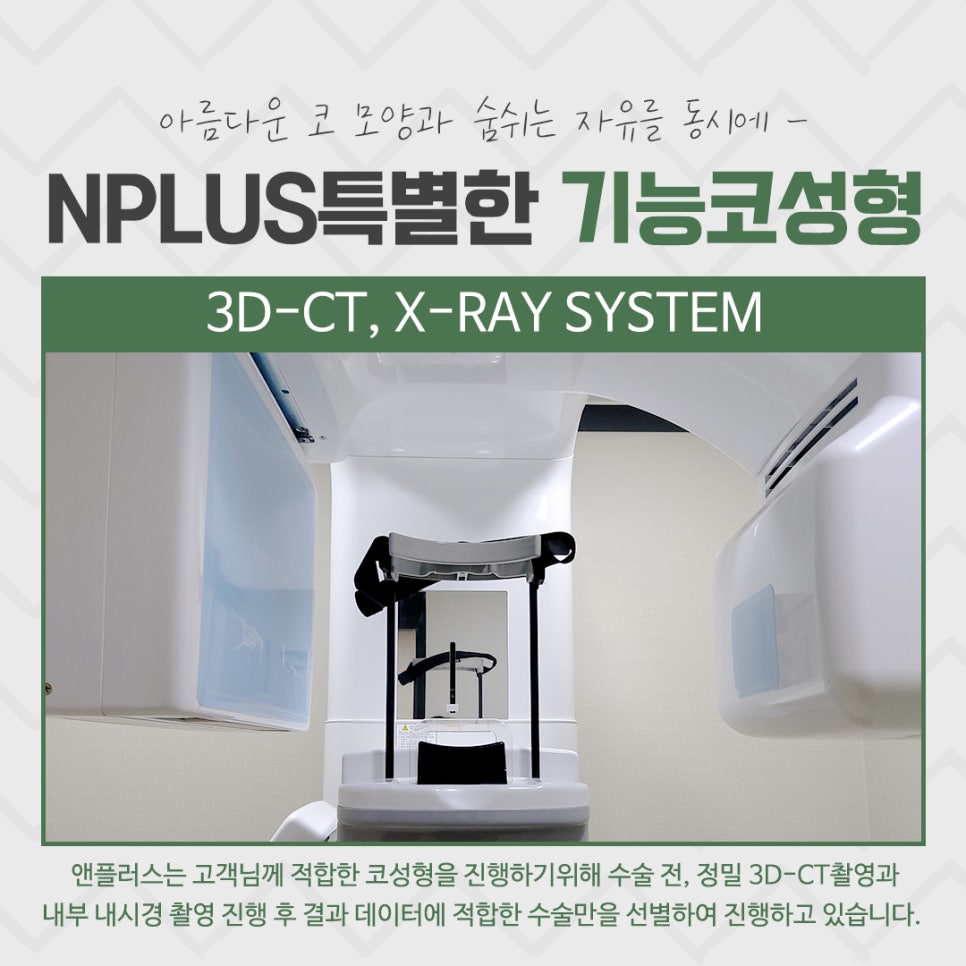
At OJIKO Hospital & N Plus Clinic, in order to provide safe and satisfying functional rhinoplasty, various allergy tests, internal nasal function tests, 3D-CT imaging, and internal endoscopic imaging are performed before surgery to accurately identify the current external issues and the causes of functional nasal congestion and one-sided nasal congestion. Based on the extracted data, a surgical plan is established.

In the case of functional rhinoplasty accompanied by nasal congestion and one-sided nasal congestion, it is performed before cosmetic rhinoplasty. The degree of deviated septum, inferior turbinate hypertrophy, and nasal valve stenosis is accurately assessed, and the procedure appropriate for the individual is applied.
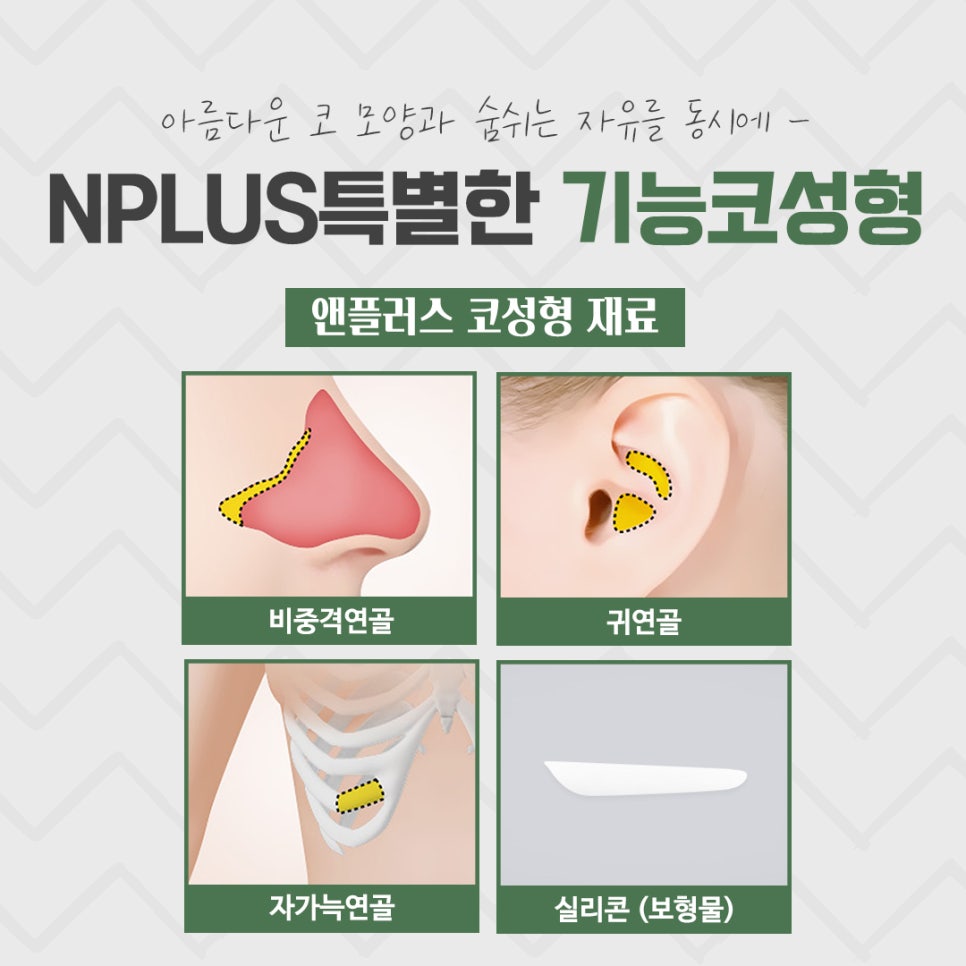
For cosmetic rhinoplasty performed after functional issues are resolved, the bridge is generally corrected with silicone and the tip with autologous cartilage. The autologous cartilage used for the nasal tip can be selected as a material suitable for the individual through preoperative testing,
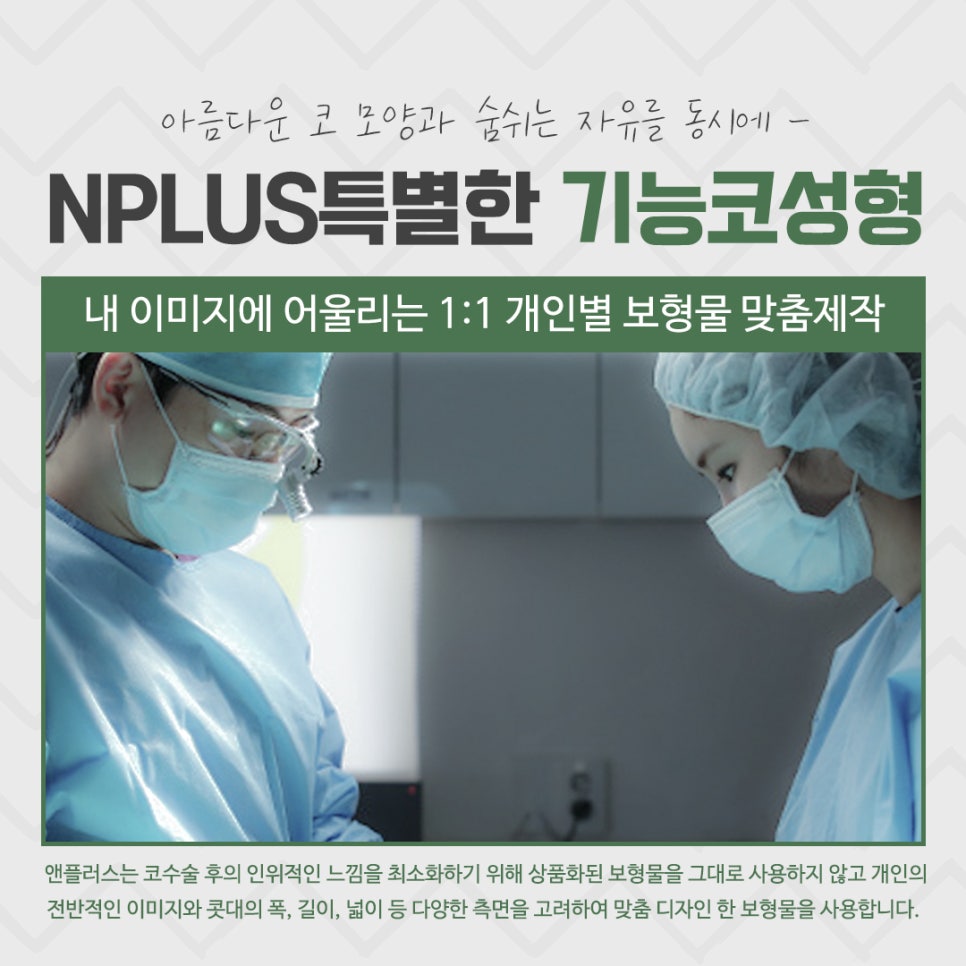
and the silicone used for the bridge is not simply the existing commercial silicone as-is, but is carefully shaped by hand after considering various aspects such as the individual’s overall image, as well as the width, length, breadth, and height of the nasal bridge.

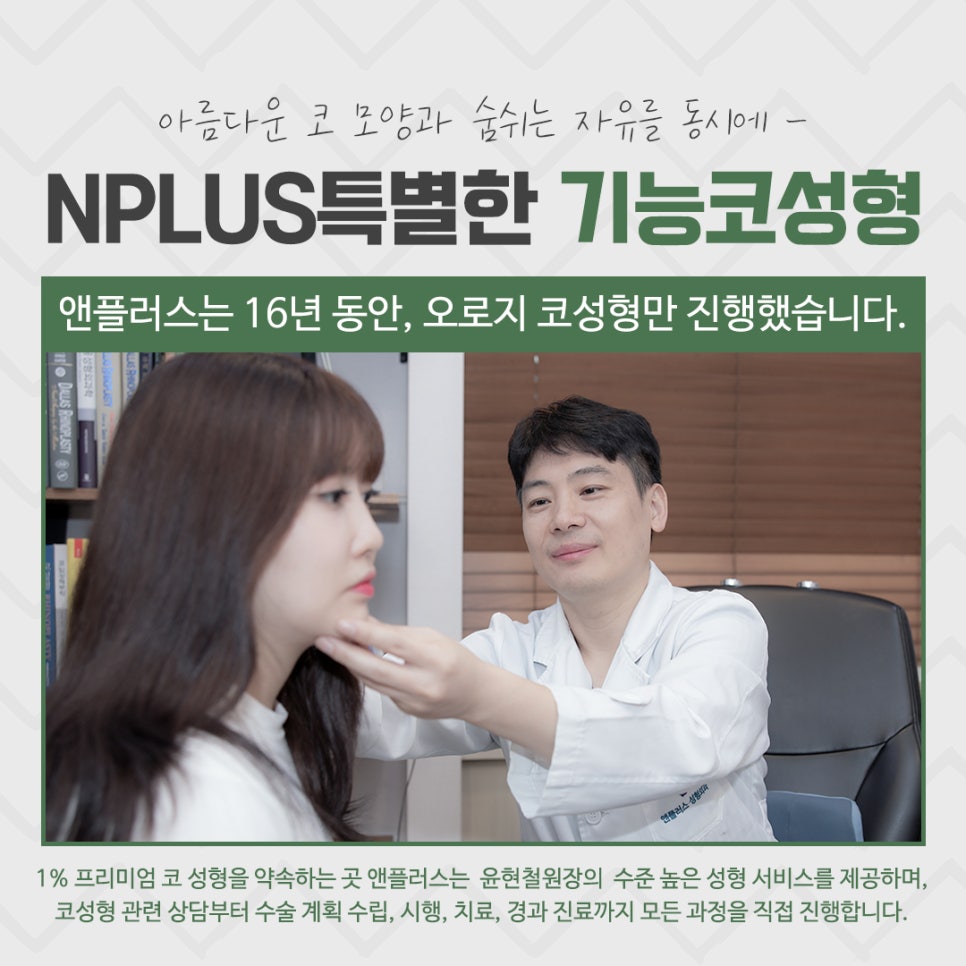
At OJIKO Hospital & N Plus Clinic, Director Yun Hyun-cheol personally handles everything on a one-on-one basis, from consultations related to rhinoplasty, to surgical planning, the procedure itself, treatment, and follow-up care, so you can receive high-level medical services from before surgery through aftercare.

For aftercare, an N Plus membership card is issued, and an A/S system guaranteeing one year after surgery is provided, along with a surgical responsibility guarantee system prepared for all possible post-surgical situations such as pain, inflammation, or dissatisfaction with the appearance, so you can visit with greater peace of mind.
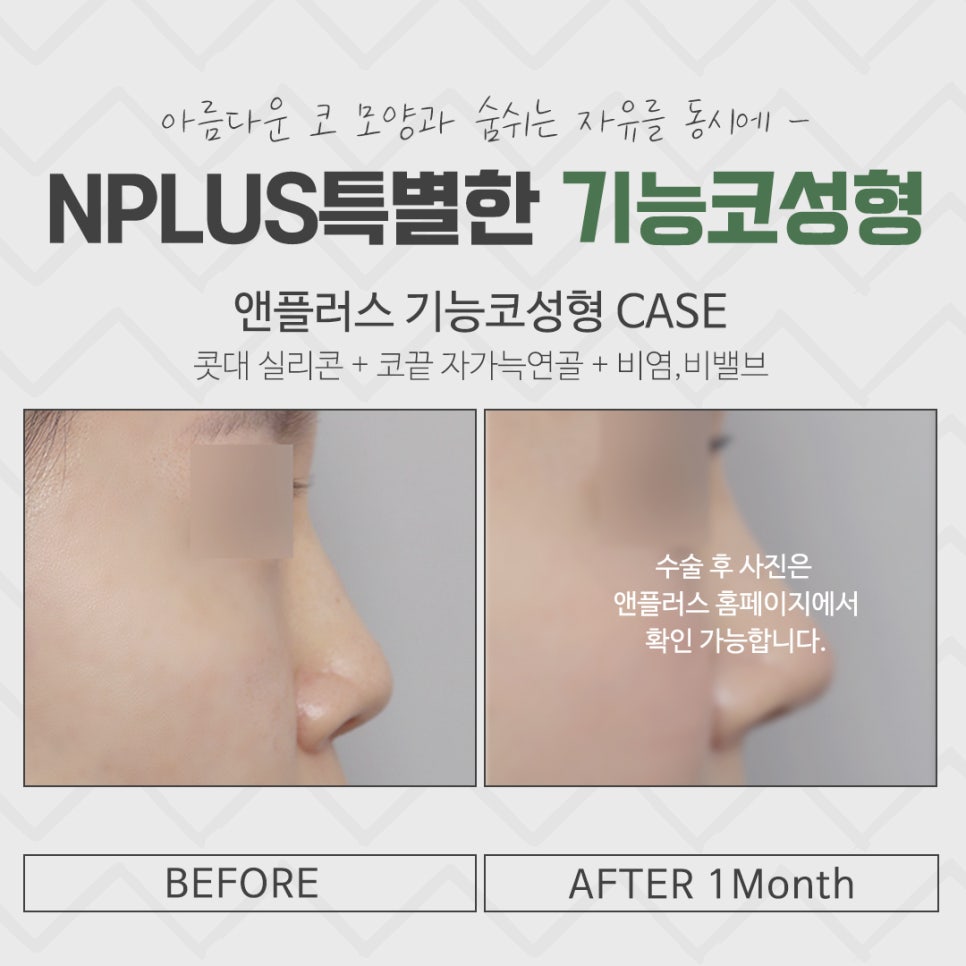
This concludes the information on functional rhinoplasty with nasal congestion and one-sided nasal congestion at OJIKO Hospital & N Plus Clinic. I hope this article is very helpful for those who are looking into rhinoplasty due to these symptoms. Thank you.
https://youtu.be/KtMY9Qc6tN0