
Due to dissatisfaction with their own appearance, many people are becoming more interested in cosmetic procedures to improve it. However, indiscriminate cosmetic surgery can cause side effects, so it requires even more caution. Still, despite various efforts, when stress enters daily life, people may consider cosmetic procedures. Among the many types of cosmetic procedures, rhinoplasty, which can create a major change in appearance, is especially popular. The nose is located at the center of the face and is the most three-dimensional feature, so even a small change in its shape can have a significant effect on improving the overall image.

Those looking into nose surgery may want to improve a nose that is low, high, aquiline, upturned, crooked, or bulbous into a smooth, well-defined shape. Since the nose plays an important role not only in appearance but also as a functional organ responsible for breathing and smell, surgery should also consider these functional aspects. This can help prevent revision surgery caused by functional problems after the operation. For this reason, you can look more closely at functional nose surgery reviews, where functional and aesthetic procedures are performed together.
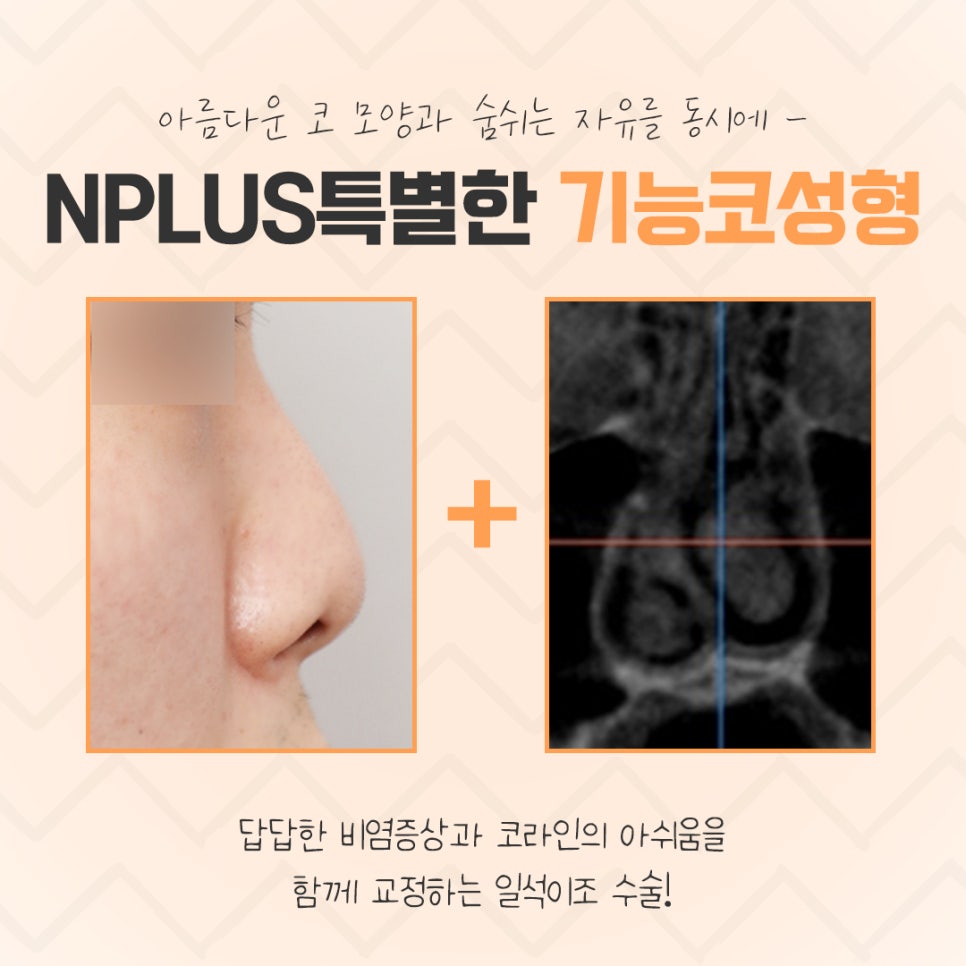
What is functional nose surgery? It is a procedure that simultaneously corrects various uncomfortable functional symptoms inside the nose and improves the current nose shape.

When it comes to correcting internal functional issues through functional nose surgery, the most typical symptom is nasal congestion caused by rhinitis. Rhinitis is a common condition affecting more than 70% of adults in Korea and is divided into allergic rhinitis and structural rhinitis. In the case of allergic rhinitis, symptoms appear due to specific substances or seasonal changes, and because a complete cure is difficult, temporary improvement may be achieved through immune support and medication. In contrast, structural rhinitis caused by abnormalities in internal structure blocks the flow of air into the nose for various reasons, so the cause can be cured through surgery. Since surgery can be performed at the same time as aesthetic rhinoplasty, interest in functional nose surgery reviews is increasing.
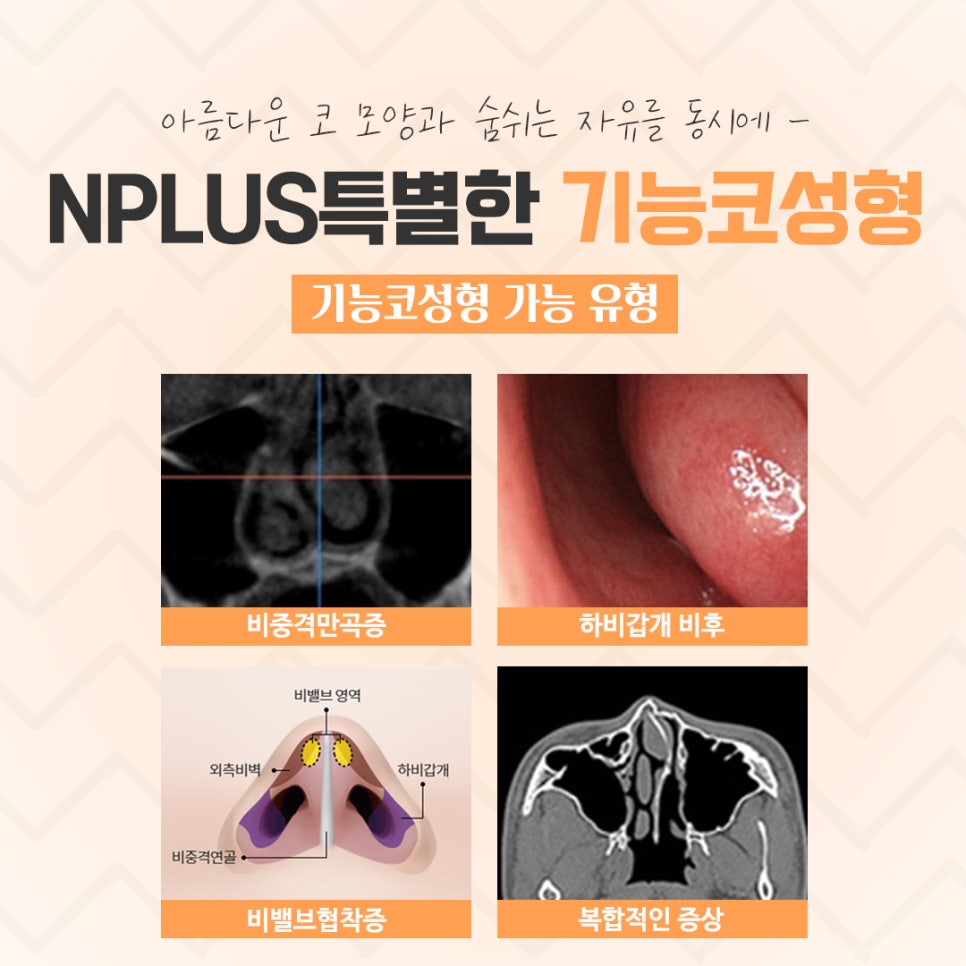
The causes of structural rhinitis arising from the internal structural abnormalities above are divided into deviated septum, inferior turbinate hypertrophy, nasal valve stenosis, and complex symptoms in which these appear together. If you check functional nose surgery reviews, you can see that the surgical methods and procedures applied vary depending on each person's condition.

In the case of structural rhinitis for which functional nose surgery is possible, treatment may not be necessary when symptoms are mild, but there are many cases where symptoms worsen and develop into chronic rhinitis, leading patients to visit the hospital. Therefore, it is recommended that you 반드시 visit a hospital and get a diagnosis. If it develops into chronic rhinitis, nasal congestion may prevent enough oxygen from reaching the brain, which can cause complications such as migraines, headaches, sore throat, and pharyngitis. That is why it is recommended to proceed at a place where your nasal condition can be accurately checked through various tests before surgery.
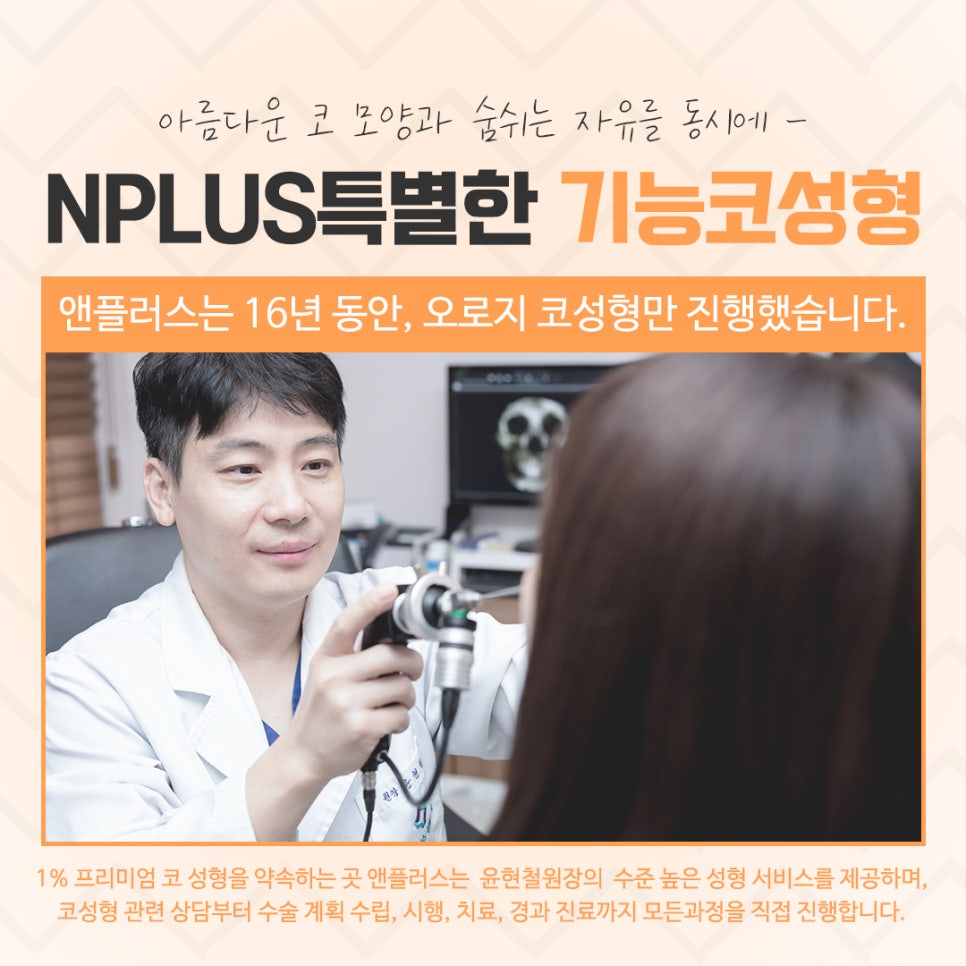
For those looking into functional nose surgery reviews, it is important to refer to before-and-after images, but it is also a good choice to check more carefully whether the medical team has strong anatomical knowledge of the nose, whether they have sufficient relevant experience and expertise, whether the clinic has equipment that can accurately assess the condition of your nose, and whether aftercare can be reliably guaranteed.
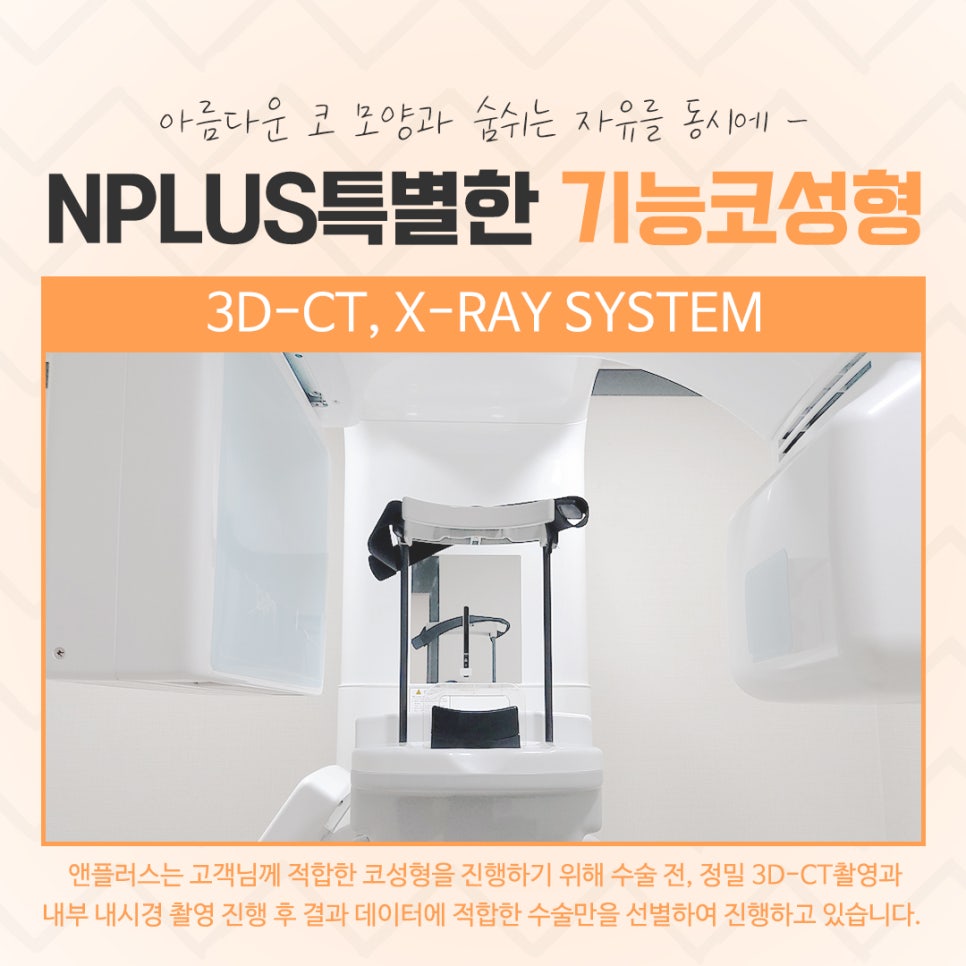
At OJIKO N+ Clinic, to ensure safe and satisfying functional nose surgery reviews, we conduct various allergy tests, internal nasal function tests, 3D-CT scans, and internal endoscopic imaging before surgery to accurately understand the current internal and external condition of each individual’s nose. Based on the collected data, we establish and carry out a surgical plan.

First, if there is a functional problem during functional nose surgery, the functional issue is corrected first, and then aesthetic rhinoplasty is performed. Depending on symptoms such as a deviated septum, inferior turbinate hypertrophy, and nasal valve stenosis, different surgeries and treatments are used. For aesthetic rhinoplasty, the bridge is typically corrected with silicone, and the tip is corrected using autologous cartilage.
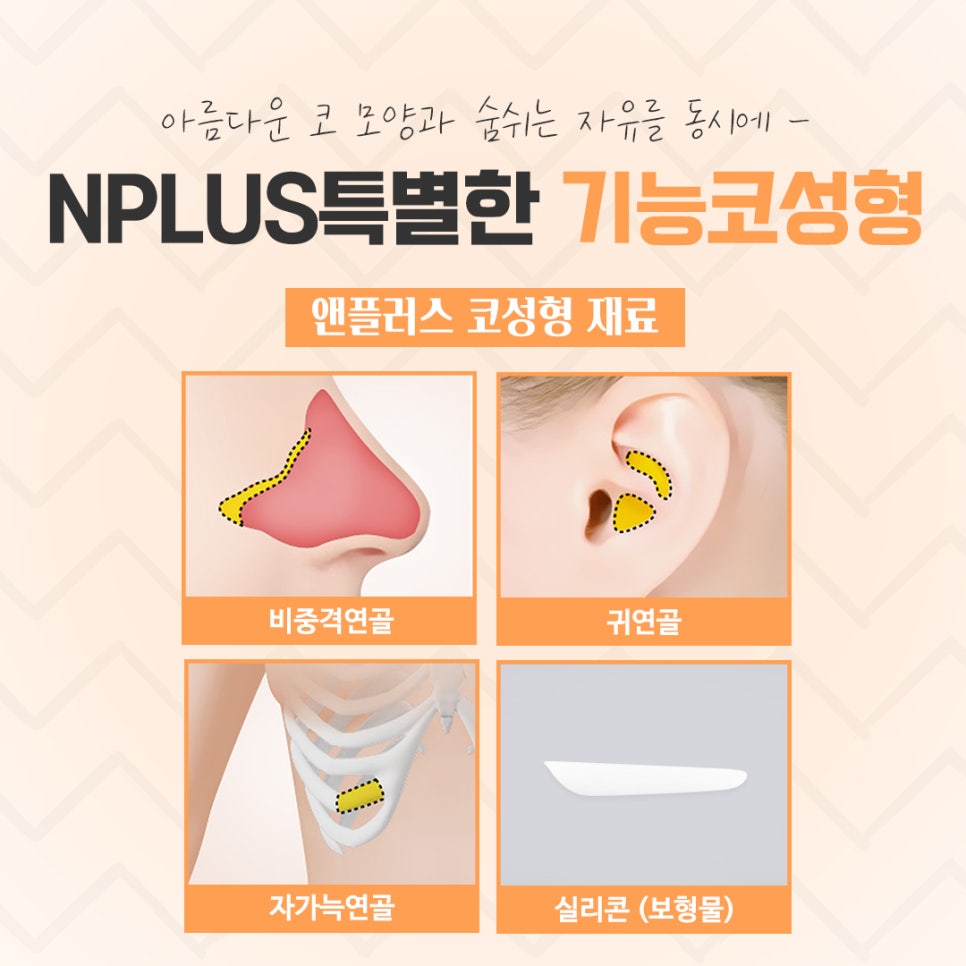
Therefore, if you look into functional nose surgery reviews, you can see that the autologous cartilage material used for the nasal tip also differs. This is because the appropriate material can be selected through preoperative tests according to the individual’s condition. Autologous cartilage includes septal cartilage, ear cartilage, and autologous rib cartilage.

An implant is used for the bridge of the nose. Rather than using a pre-made commercial implant as is, a custom-designed implant is used after being carefully sculpted to consider various aspects such as the person's overall image and the width, length, breadth, and height of the nasal bridge.

At OJIKO N+ Clinic, Director Yoon Hyun-cheol personally oversees one-on-one consultations, surgical planning, the procedure itself, treatment, and follow-up care related to functional nose surgery, providing a high level of medical service from before surgery through aftercare.

For aftercare, an N+ membership card is issued, providing a warranty service guaranteed for one year after surgery. In addition, a surgery responsibility guarantee system is in place to prepare for any situation that may arise after surgery, such as postoperative pain, inflammation, or dissatisfaction with the result, making for even more satisfying functional nose surgery reviews.
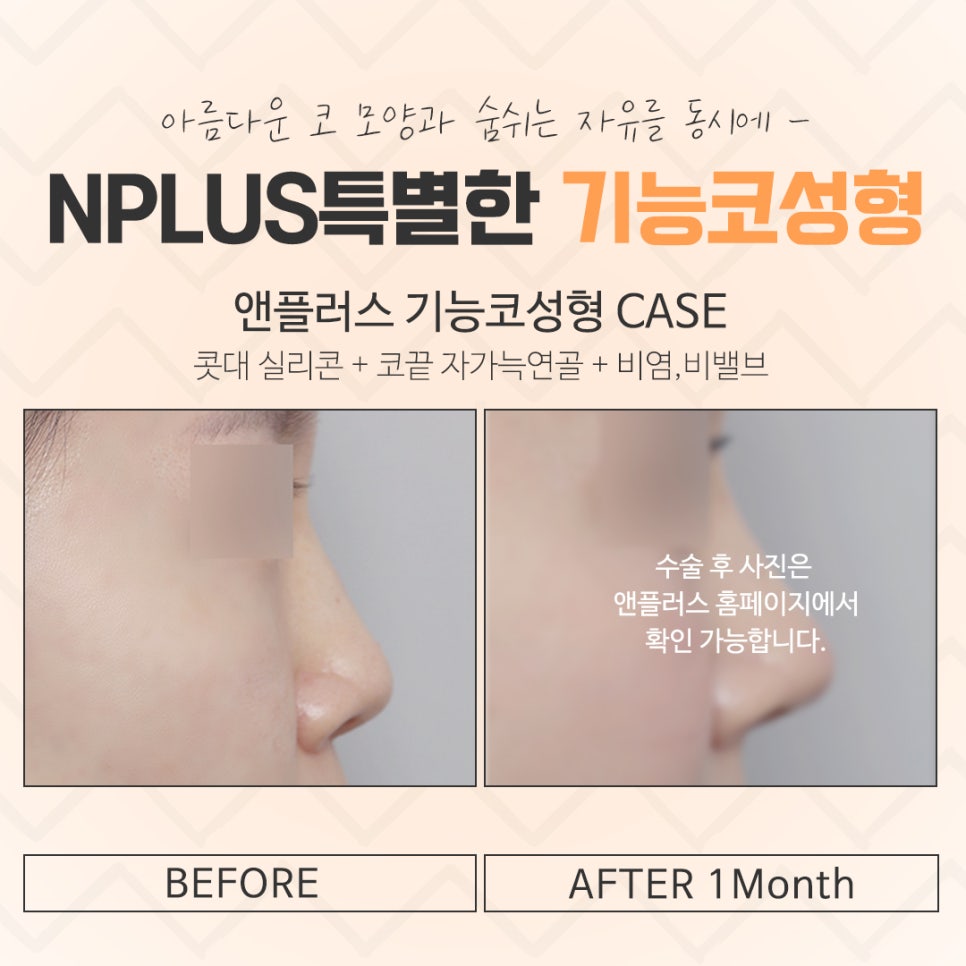
(The image above shows before-and-after photos of functional nose surgery reviews from OJIKO N+ Clinic.)
That concludes the information shared about functional nose surgery reviews from OJIKO N+ Clinic. I hope this article is very helpful for those who are looking into rhinoplasty because they are unhappy with the shape of their nose or have functional issues with their nose. Thank you.
https://youtu.be/KtMY9Qc6tN0