
People may choose plastic surgery when they want to transform their image or improve facial features they are not satisfied with, aiming for greater self-satisfaction or a more favorable impression from others. However, indiscriminate cosmetic surgery can lead to side effects, so it requires greater caution. Among the many types of plastic surgery, many people first consider rhinoplasty because the nose is located at the center of the face and is one of its most three-dimensional features. In particular, when the shape of the nose does not match an individual's own 기준, the overall balance of the facial features can appear disrupted. On the other hand, even a small change to the shape of the nose can have a significant effect on improving the overall image, which is why it is considered one of the most popular procedures.

Therefore, for those looking into rhinoplasty, there are various nasal shapes. The nose may be low, have a hump, be crooked, droop, turn up, or have a hook-like shape. In particular, if there is a pronounced bumpy hump or the nasal tip is drooping, the overall image may look fierce or sharp, so more people are seeking information on hump nose surgery reviews to improve this.
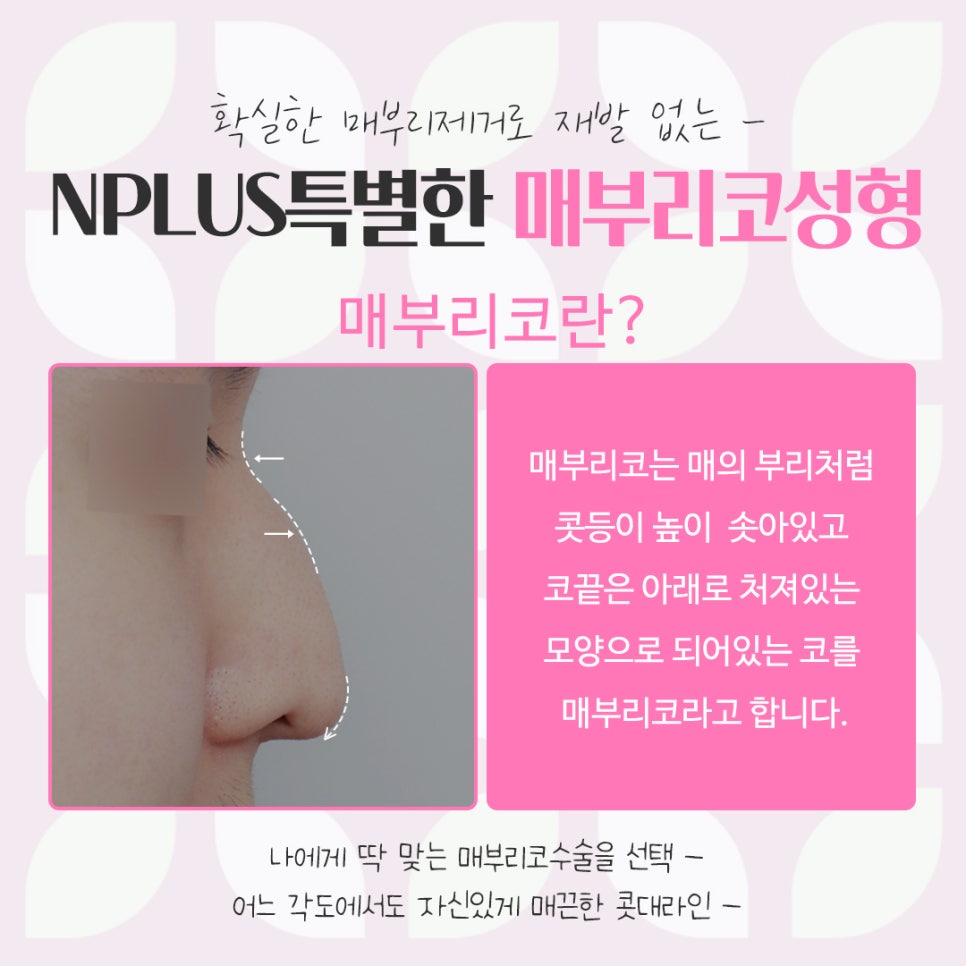
What is a hump nose? It refers to a nose shape in which the bridge rises like a hawk's beak or the nasal tip droops. Hump noses are divided into congenital causes and those caused by acquired trauma. For most people, acquired cases caused by trauma are relatively more common. If you look at hump nose surgery reviews, you will see that hump noses develop for various reasons, and surgery must be performed after accurately identifying the cause. Only then can recurrence of the hump after surgery be prevented.

Therefore, for those looking into hump nose surgery reviews, the nose shapes are classified into drooping nasal tip, upturned nasal tip, a wide nasal bridge bone, a hooked nose, a severe hump, and a mild hump. Surgical plans are established and carried out according to the cause of the hump nose.

In particular, in many cases of a hump nose, the condition is clearly visible to the naked eye. However, it is difficult to identify internal nasal problems by visual inspection alone. Therefore, it is essential to accurately check the current condition of the nose through equipment so that revision surgery due to functional problems after hump nose surgery can be prevented. It can be very helpful to undergo the procedure at a clinic that can accurately diagnose both internal and external factors before surgery.
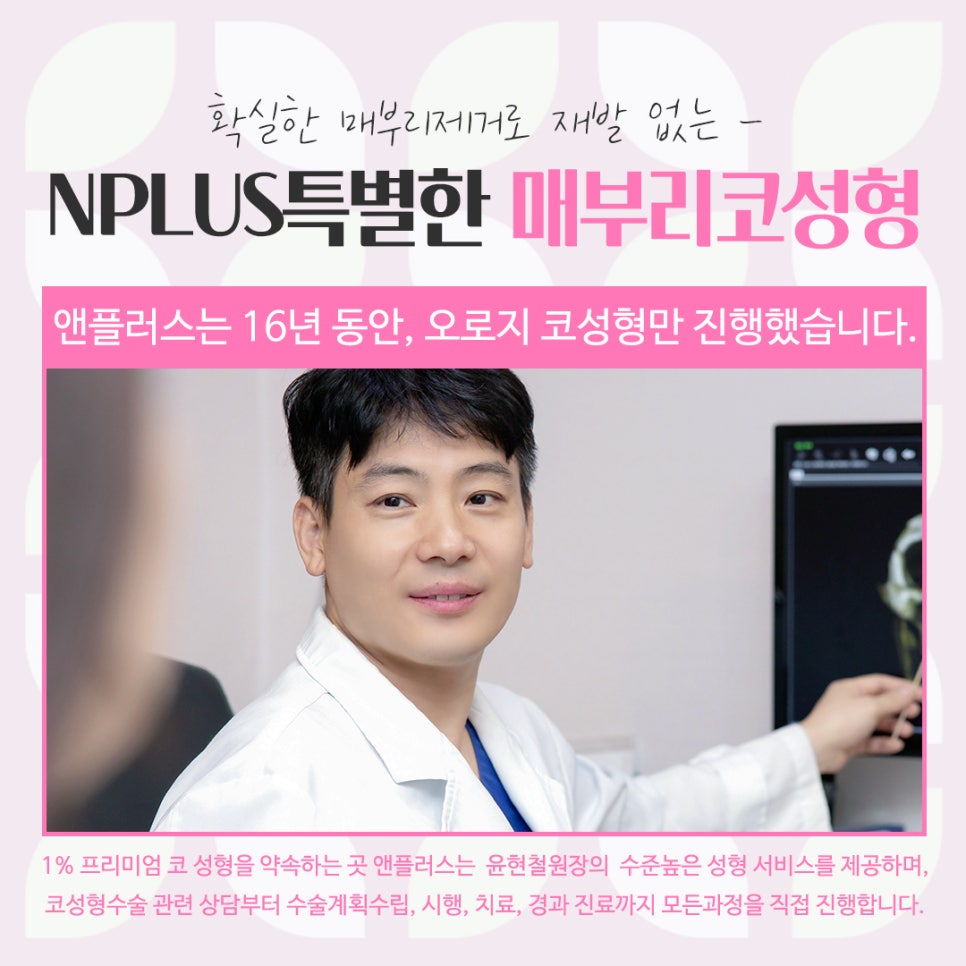
The functional role of the nose includes breathing and the sense of smell. To accurately assess these functional aspects, those looking into hump nose surgery reviews should check whether the medical team has strong anatomical knowledge of the nose, whether their experience and expertise are extensive, whether equipment is available to accurately examine the condition of the nose, and whether aftercare is reliably guaranteed. Checking these points can help with making a decision.
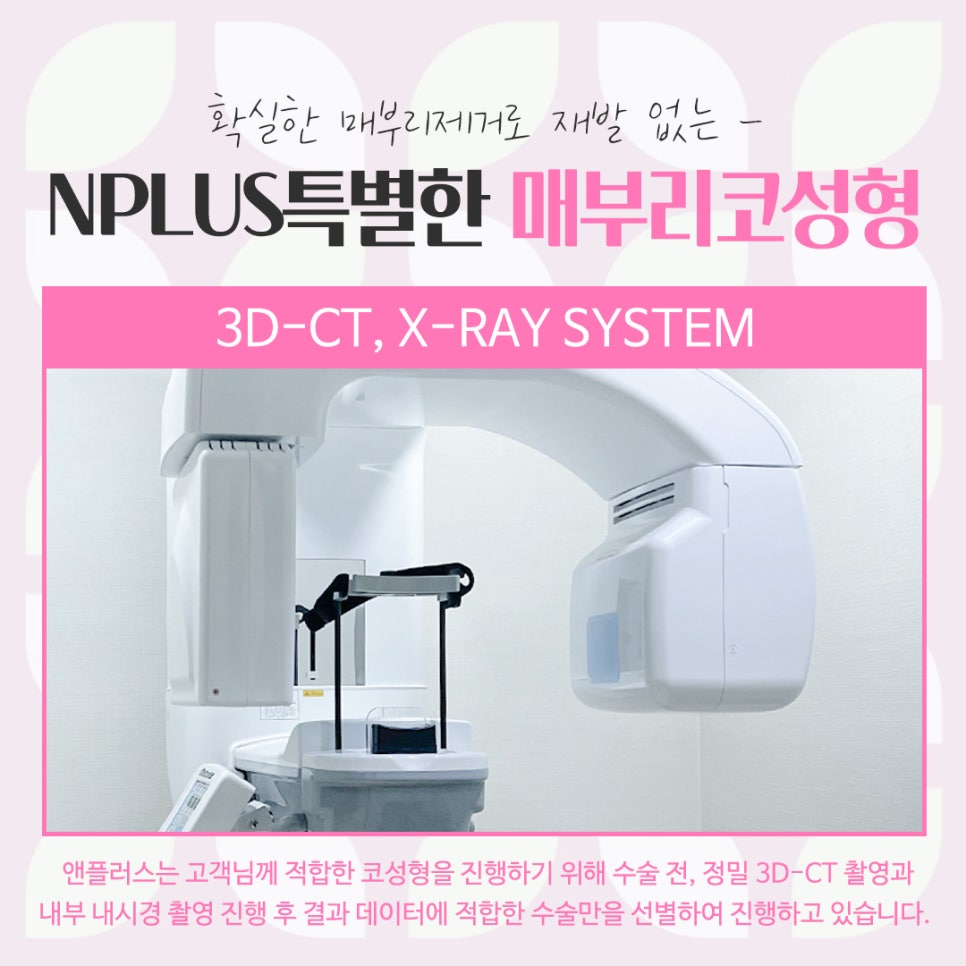
At Ozziko Hospital & Plus, to provide hump nose surgery reviews tailored to each individual, the clinic accurately identifies and analyzes the cause of the hump through preoperative 3D-CT scans, internal endoscopic imaging, various allergy tests, internal nasal function tests, and internal endoscopic imaging. Based on the extracted data, a surgical plan is established and carried out.

The hump nose surgery methods are divided into cases with a high bridge line, a low bridge line, and a mild hump.
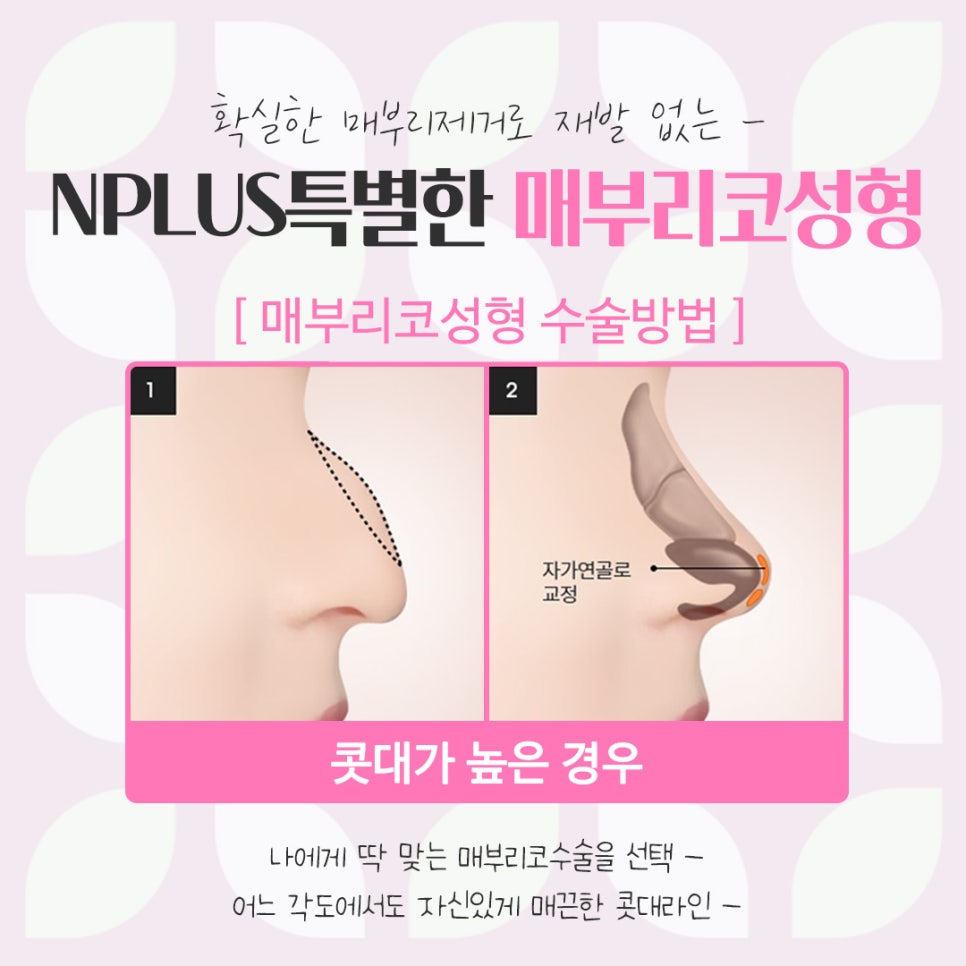
In cases of a hump nose with a high bridge line, the bridge hump is removed and osteotomy is performed, and then the nasal tip is corrected with autologous cartilage without using silicone in the bridge.
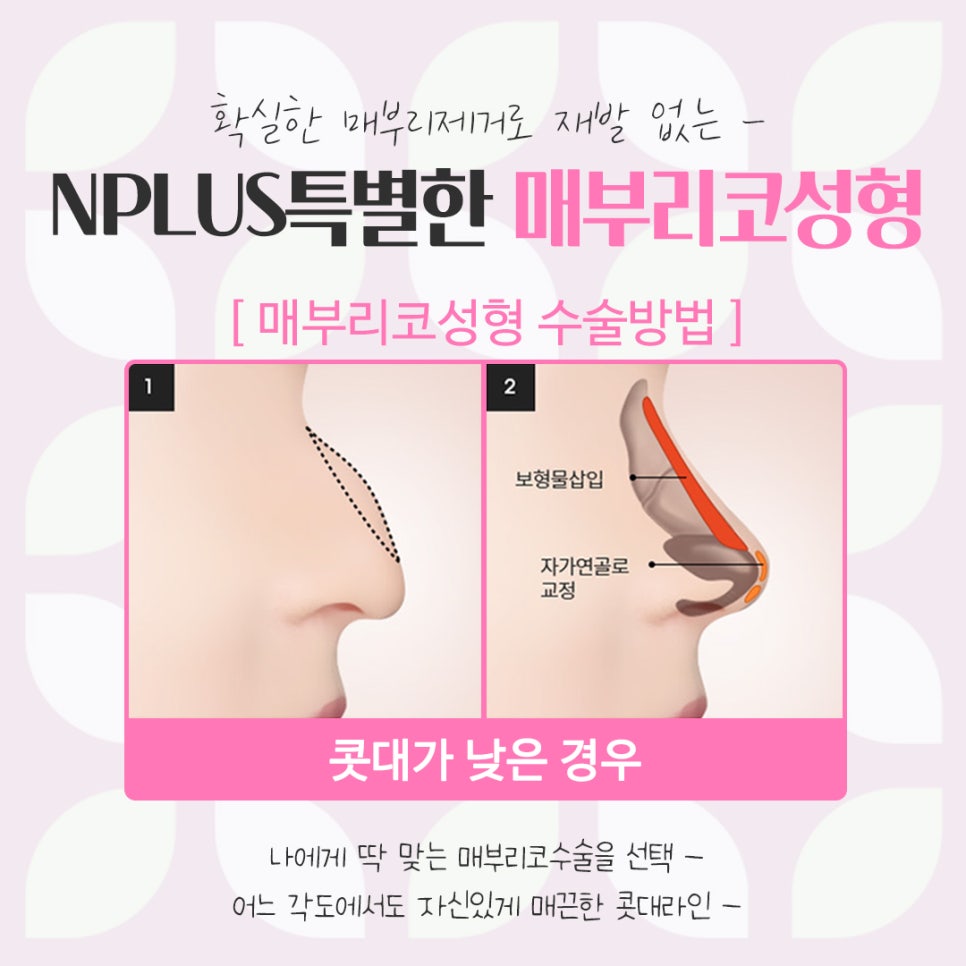
In cases of a hump nose with a low bridge line, the bridge hump is removed and osteotomy is performed, and then silicone is used in the bridge and autologous cartilage is used for the nasal tip to correct the overall nose line.
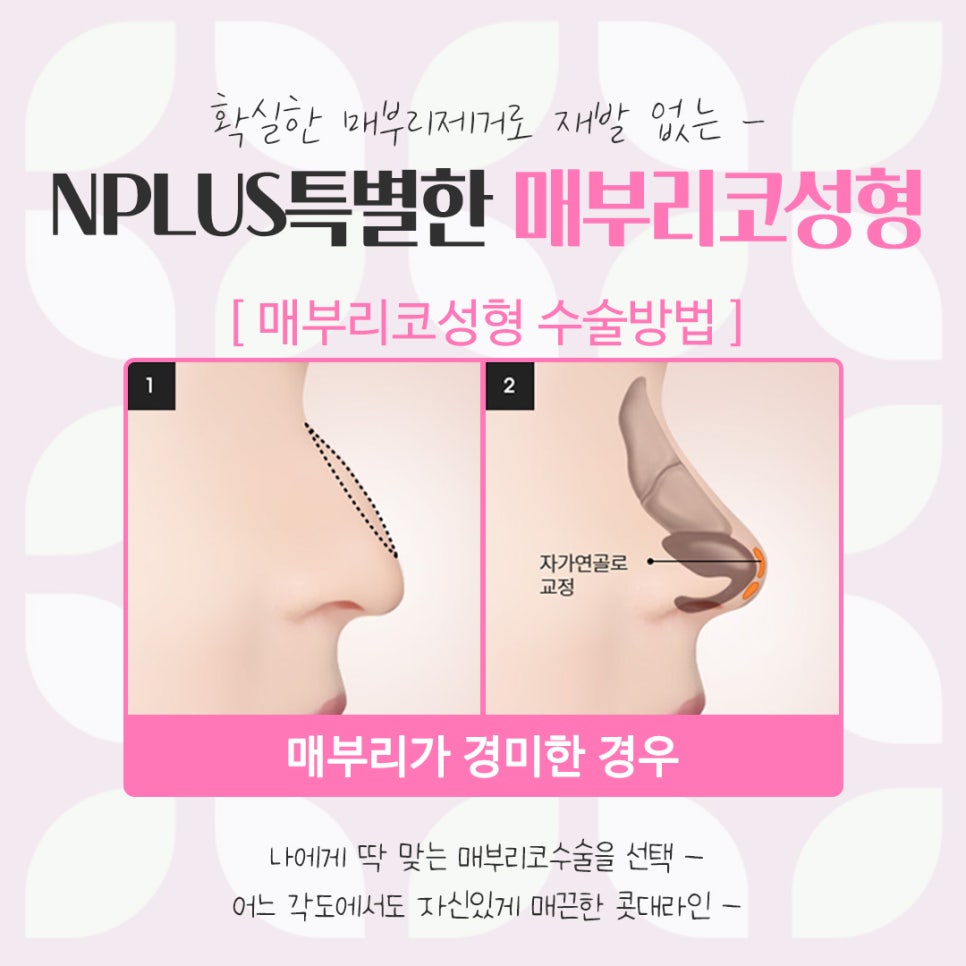
When the hump is mild, the bridge hump is removed and osteotomy is performed, and if necessary, the nasal tip is corrected with autologous cartilage.
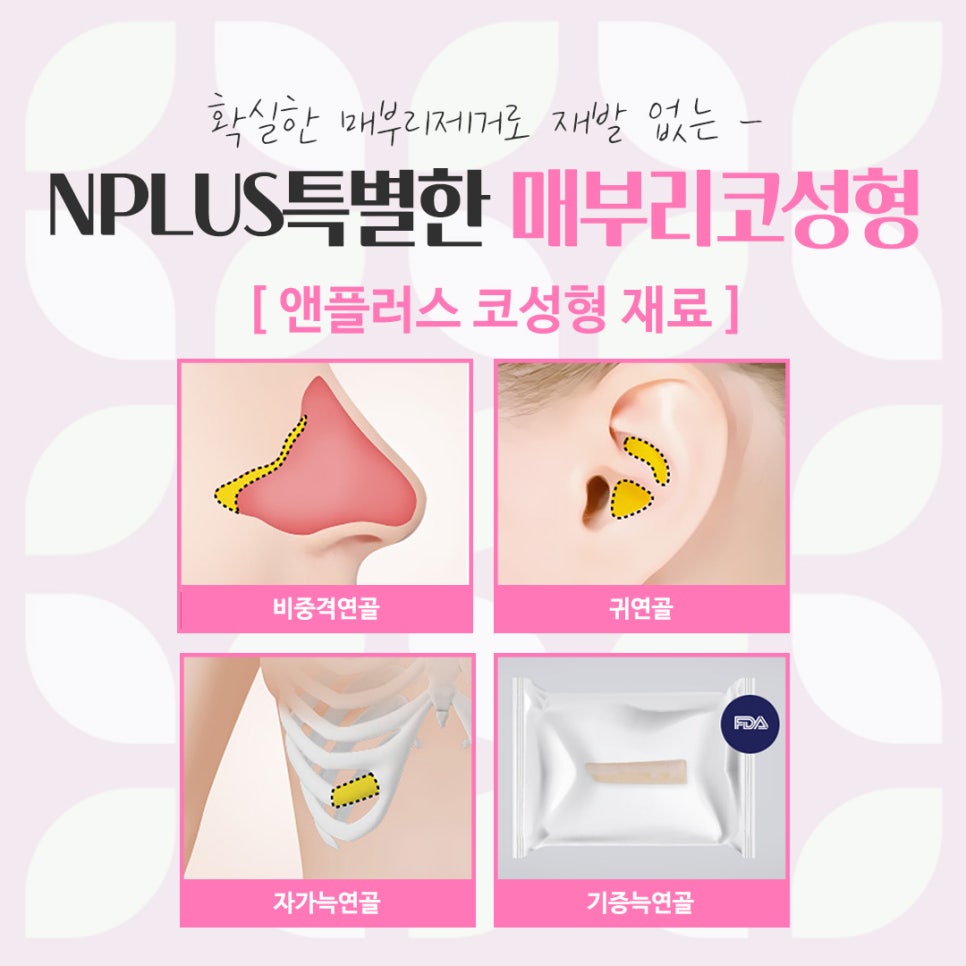
The materials used in hump nose surgery are typically silicone for the bridge and autologous cartilage for the nasal tip. The autologous cartilage used for the nasal tip is selected through preoperative examinations to suit the individual. Autologous cartilage includes ear cartilage, septal cartilage, and autologous rib cartilage. If the use of autologous cartilage is difficult, the nasal tip can be corrected using donated rib cartilage approved by the U.S. FDA.

Silicone, the implant used for the bridge, is not used as a mass-produced product as is in order to minimize an artificial feeling after nose surgery. Instead, it is carefully shaped by hand, taking into account the individual's overall image and various aspects of the bridge such as width, length, breadth, and height. This can lead to a more satisfying hump nose surgery review.

At Ozziko Hospital & Plus, to ensure a safe and satisfying hump nose surgery review, Director Yoon Hyun-cheol personally handles one-on-one care and directly oversees the entire process, from consultation related to hump nose surgery, surgical planning, and the procedure itself, to treatment and follow-up visits. High-level medical service is provided from before surgery through aftercare.

For aftercare, the clinic issues an Nplus membership card and provides a free A/S system that guarantees one year after surgery. In addition, it operates a surgery responsibility guarantee system prepared for all possible situations, including postoperative pain, inflammation, and dissatisfaction with the shape.
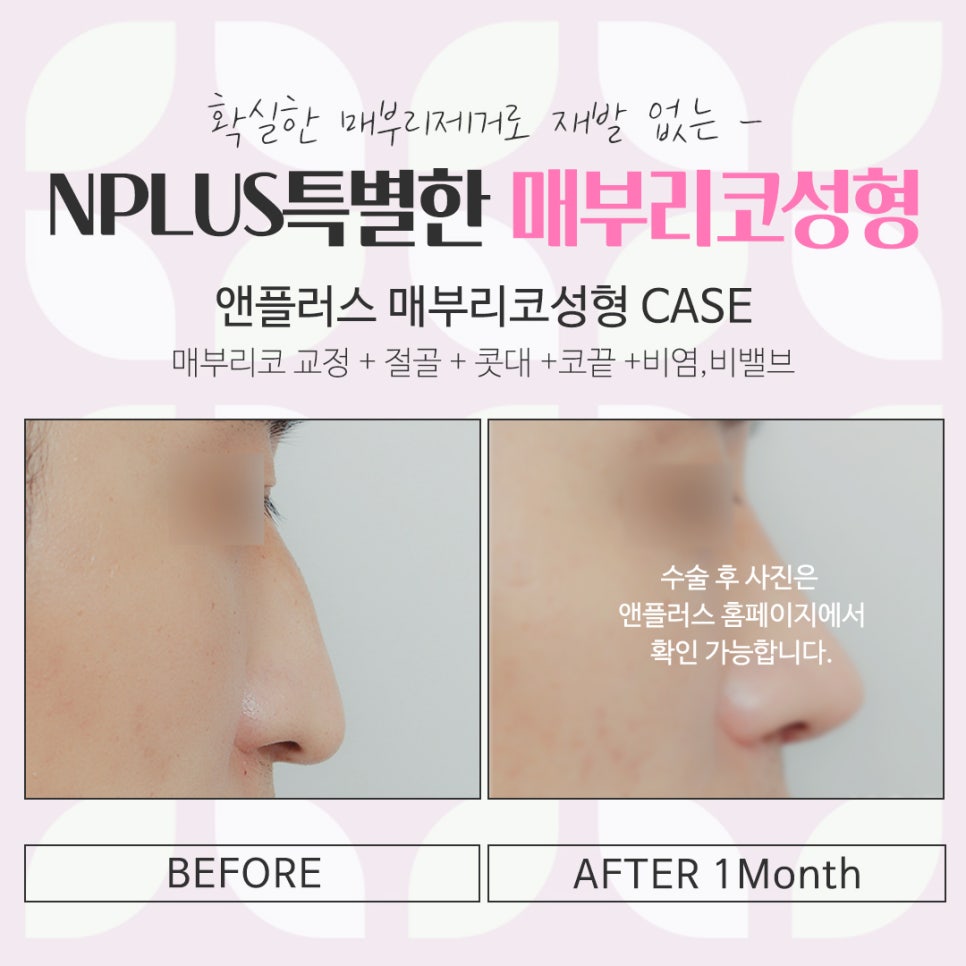
(The images above are before-and-after photos from Ozziko Hospital & Plus hump nose surgery reviews.)
That concludes the summary of the hump nose surgery review at Ozziko Hospital & Plus. We hope this article is very helpful for those currently considering rhinoplasty due to a hump nose. Thank you.
https://youtu.be/6GtwNbh4mrc