In modern times, the standards for beauty have become much higher than before, so while personal individuality is important, more and more people are turning to cosmetic procedures to improve their appearance for greater self-satisfaction or to seem more appealing to others. In particular, rhinoplasty is popular because the nose sits at the center of the facial features and helps balance the overall harmony of the face. However, while most people are satisfied after rhinoplasty, if the result is not the shape they expected or if a functional problem develops inside the nose, you can look into rhinoplasty revision reviews in more detail.

Accordingly, for those looking into rhinoplasty revision reviews, cases can be divided into shape-related dissatisfaction with the nose, problems with nasal function after surgery, or situations where revision rhinoplasty is essential due to inflammation or contracture after surgery.
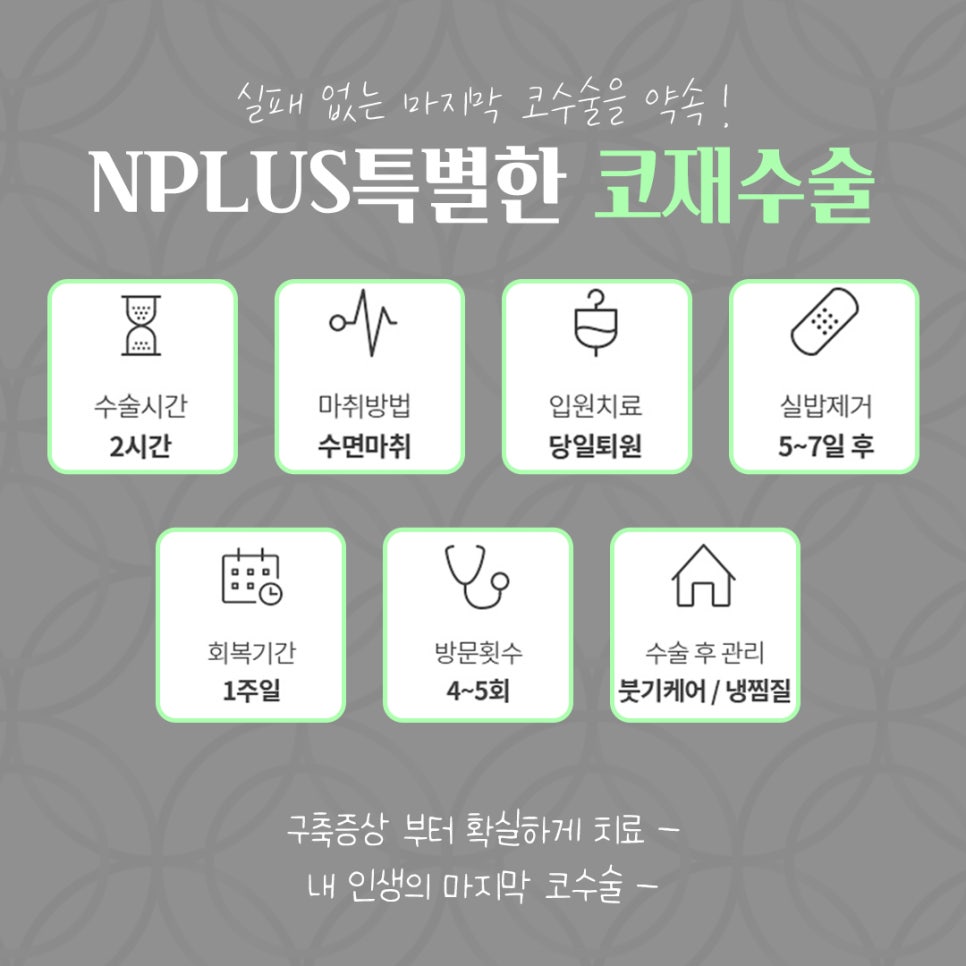
As mentioned earlier, rhinoplasty plays an important aesthetic role because it is located at the center of the face. However, if the initial rhinoplasty was performed with only cosmetic or cost considerations in mind, it can lead to revision surgery due to functional issues. Also, because the nose is not only important cosmetically but also an essential organ responsible for breathing and smelling, it is safer and can lead to a more satisfying rhinoplasty revision review to make a more careful decision than with other areas.
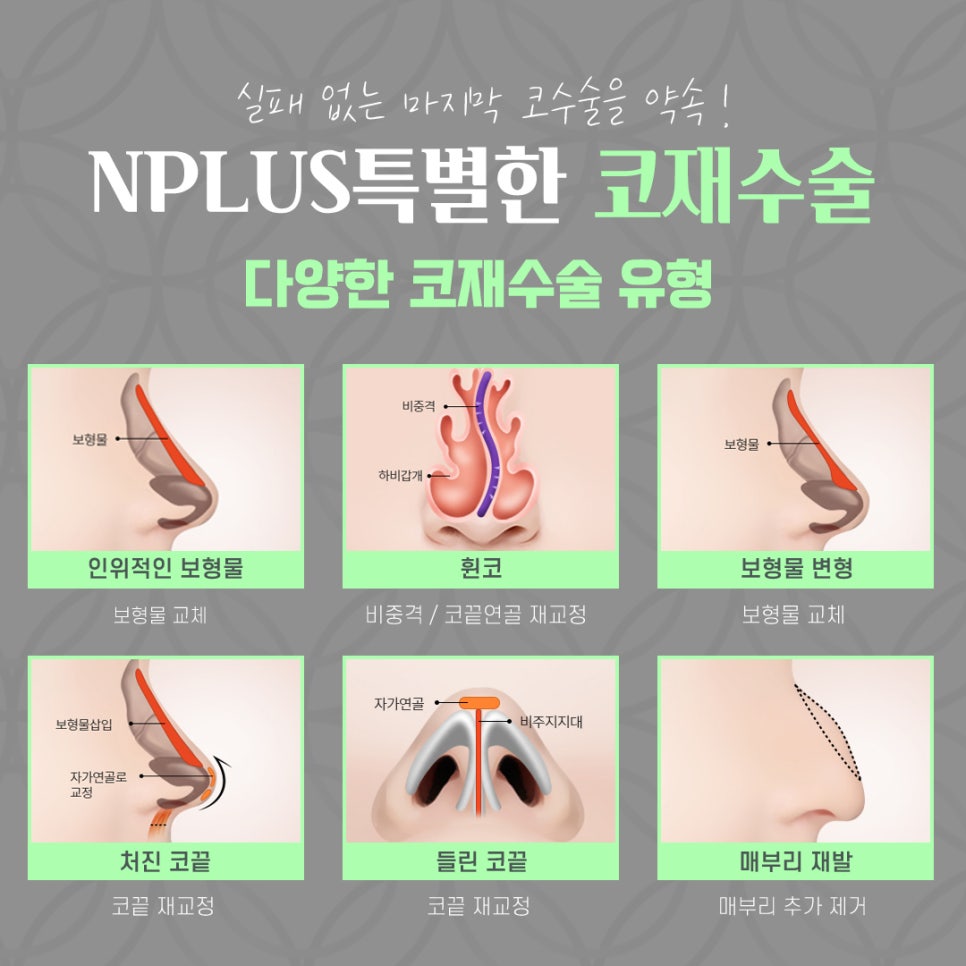
Therefore, if you look into rhinoplasty revision reviews, the reasons for revision are varied. They may include artificial implants, a crooked nose, implant deformation, a drooping nasal tip, an upturned nasal tip, recurrence of a hump nose, or cases where revision is absolutely necessary due to complications such as contracture or inflammation. Because the revision method differs depending on the cause, it is important to identify the reason revision is required and proceed with a clear diagnosis so that recurrence can be prevented.
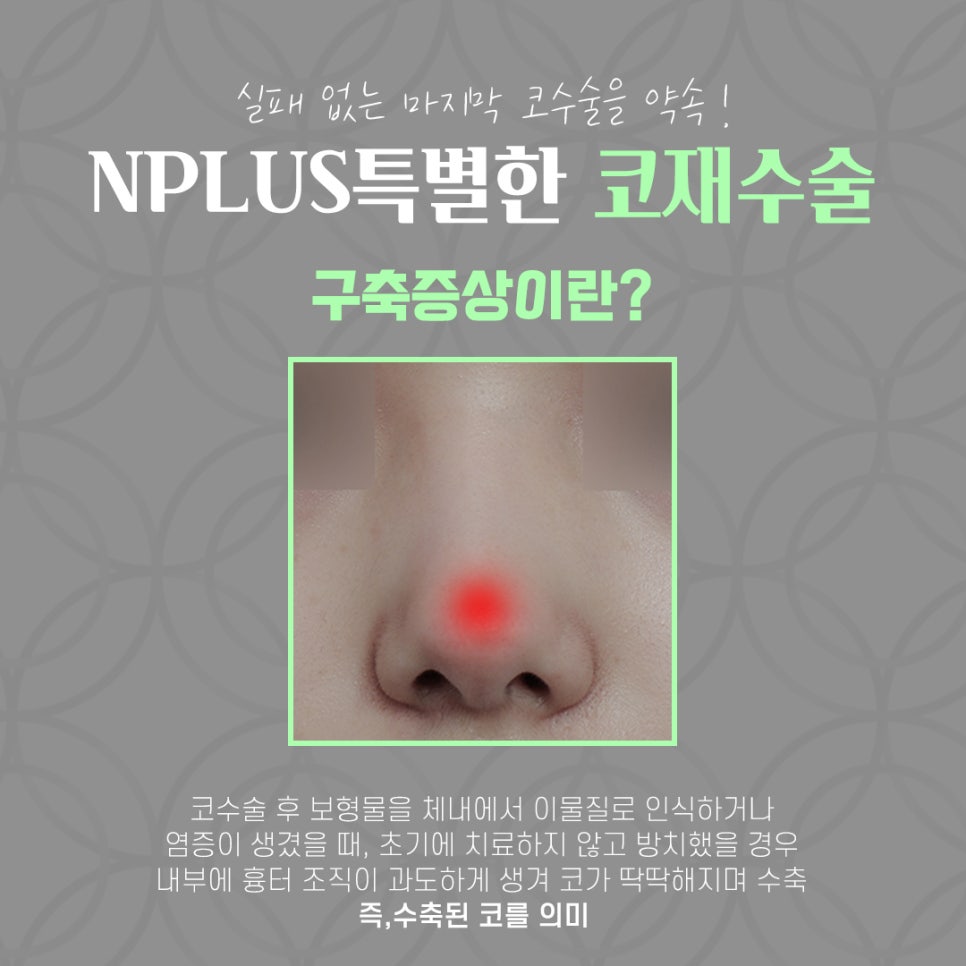
On average, revision rhinoplasty may be chosen because of the appearance of the nose, but when contracture symptoms occur, they must be corrected through revision surgery. What are contracture symptoms? They refer to a case in which, after rhinoplasty, the body recognizes the implant as a foreign substance and inflammation develops. If left untreated, scar tissue inside the nose progresses excessively, causing the nose to become hard and shrink. In other words, it means the nose has contracted.
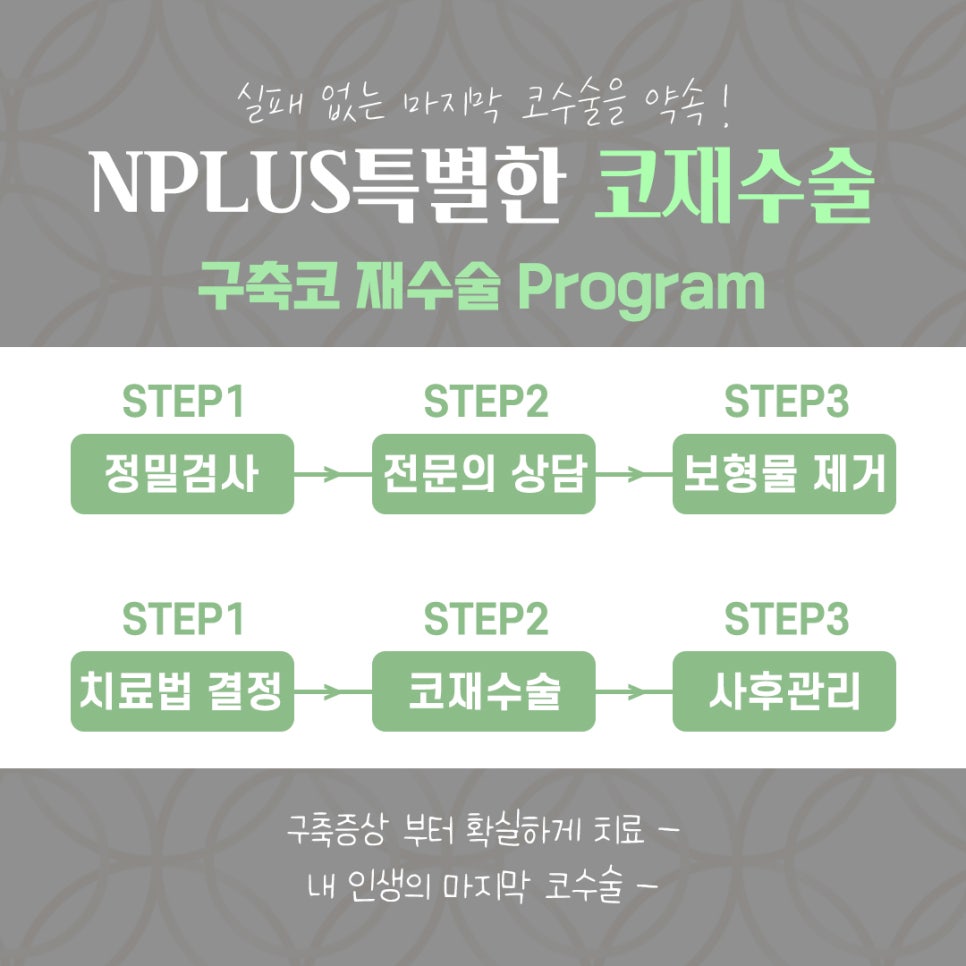
If you are looking into rhinoplasty revision reviews because of nasal contracture or inflammation, the internal nasal tissue has already been damaged, and because the causes of contracture or inflammation can vary, the surgery should be performed using a method suited to the analyzed cause. This helps prevent the need for another revision and leads to a more satisfying rhinoplasty revision review.
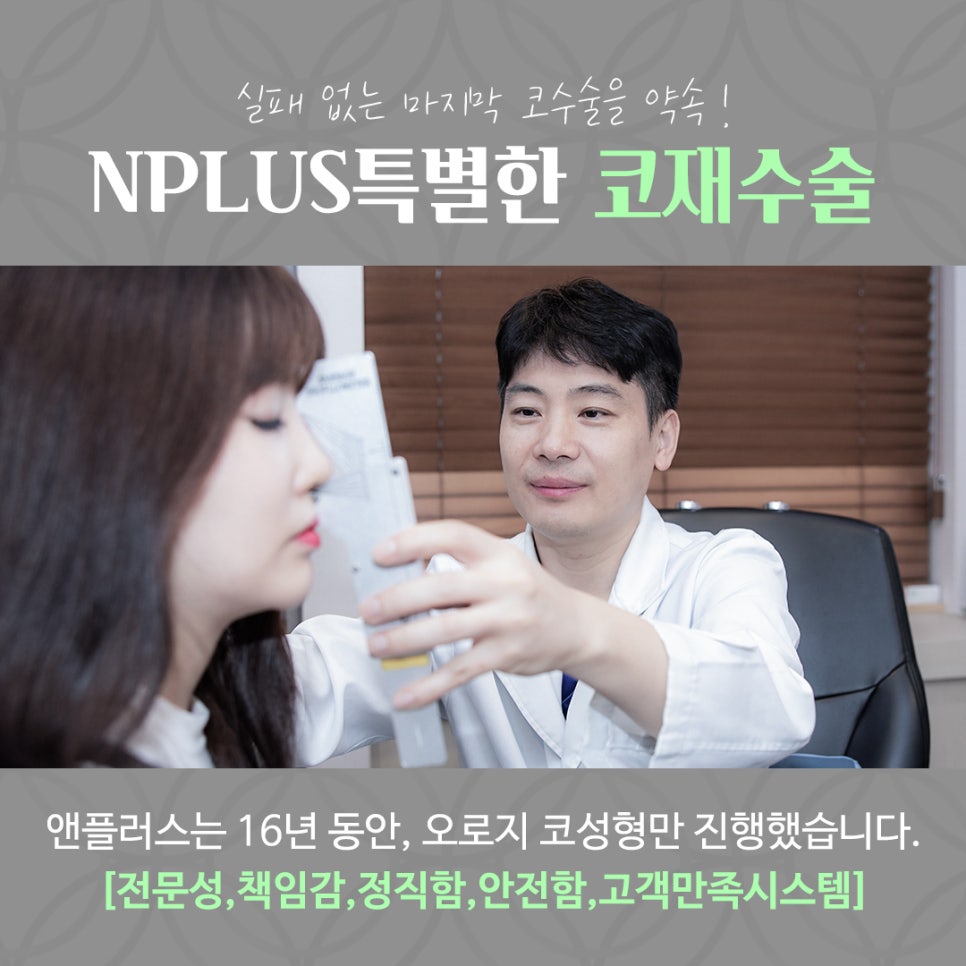
Therefore, those looking into rhinoplasty revision reviews should undergo the procedure at a place that can identify the cause of the revision as well as the functional aspects inside the nose. In addition, it can be helpful to carefully check whether the medical team has a high level of anatomical knowledge of the nose, whether they have sufficient experience and expertise, whether equipment is in place to accurately assess the condition of your nose, and whether aftercare can be reliably guaranteed.
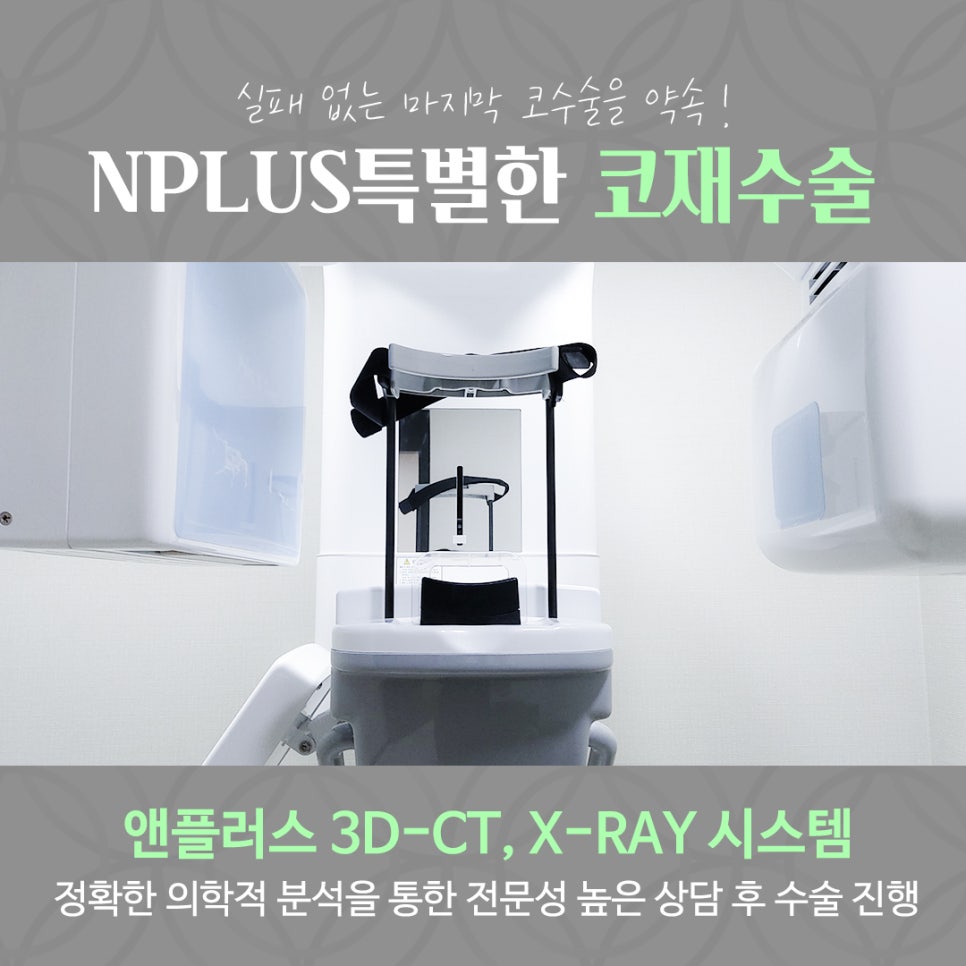
At Ojigo N Plus, to ensure that revision rhinoplasty is not needed again, we accurately identify and analyze the cause and underlying issues that led to the revision through preoperative 3D-CT scans, internal endoscopic imaging, various allergy tests, and nasal function tests. Based on accurate data, a surgical plan is established and carried out.
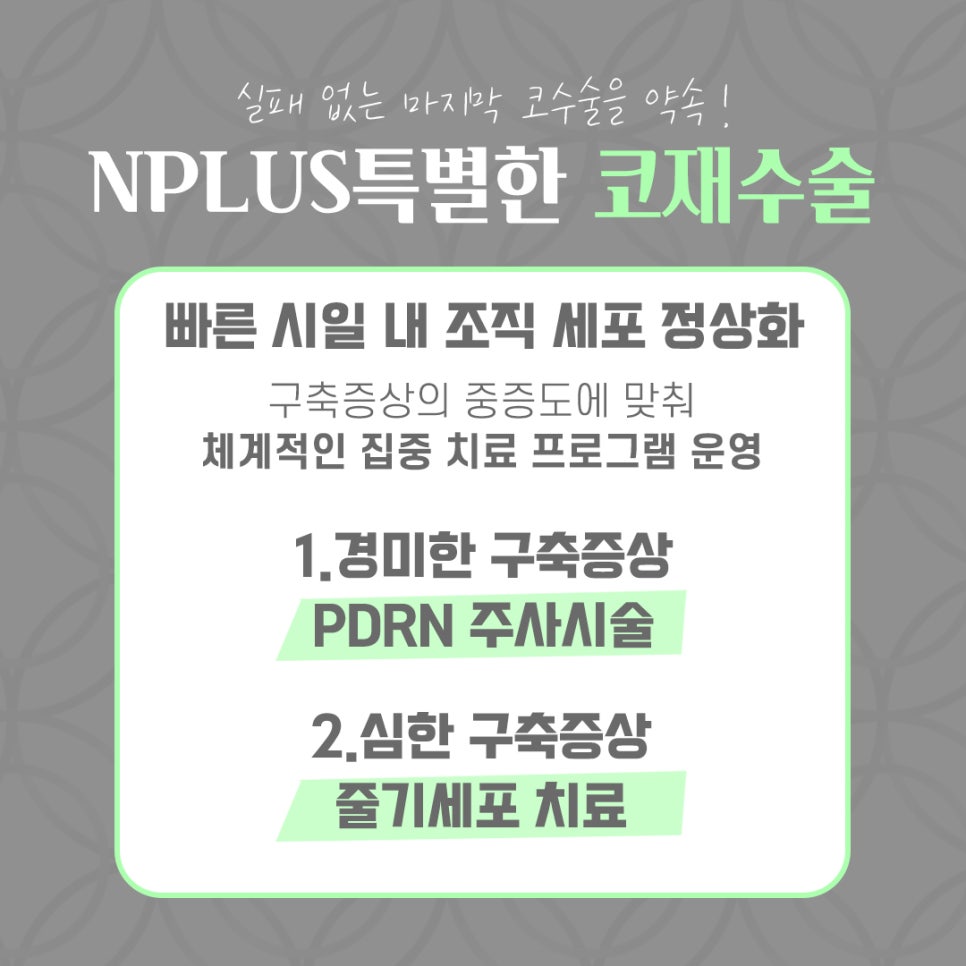
In general, revision rhinoplasty is safest when performed at least 6 months to 1 year after the last surgery, and it is recommended after the recovery period from the first surgery. However, if contracture symptoms occur in the nose due to an inflammatory reaction to the implant or other causes, the timing of revision surgery may be advanced. Through a systematic treatment program, damaged tissue around the nose is restored and treated so that revision surgery can be performed as soon as possible. The program for restoring a damaged nose is tailored to the degree of contracture, and revision rhinoplasty is carried out separately for mild and severe contracture symptoms.
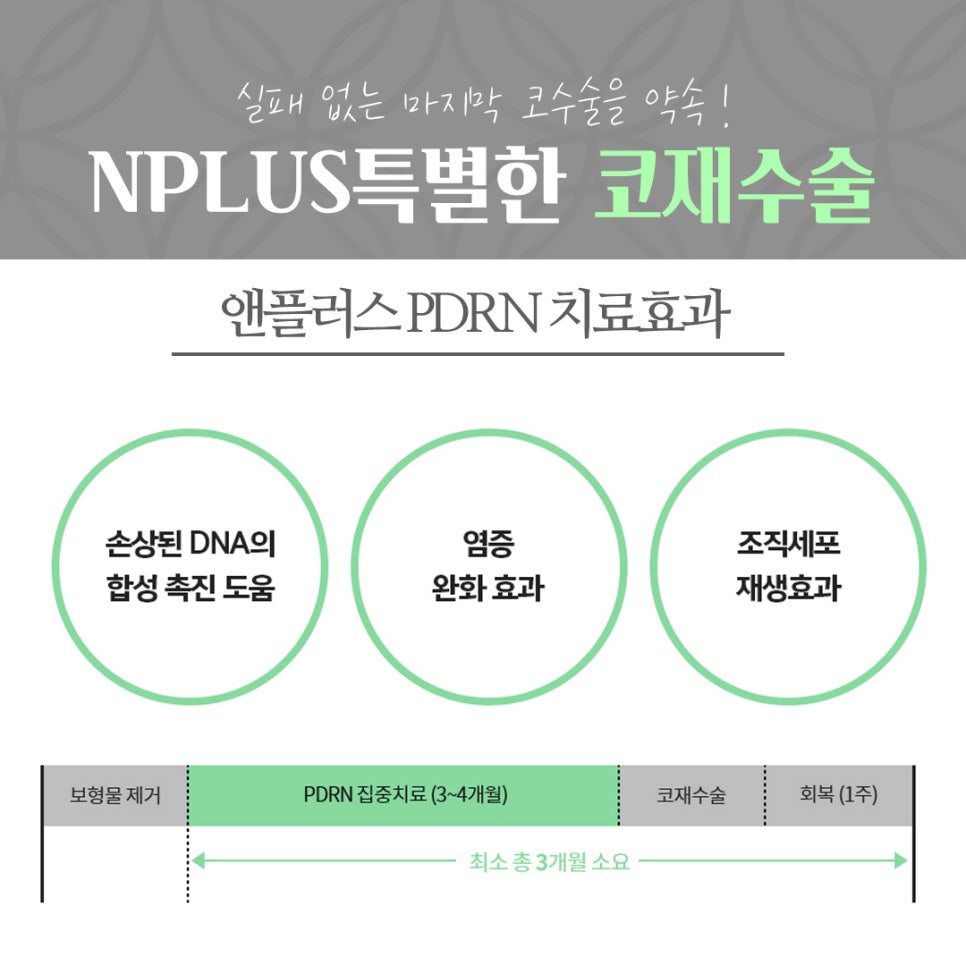
For revision rhinoplasty with mild contracture symptoms, treatment is carried out using PDRN injections. PDRN is a DNA fragment extracted and processed from salmon DNA. Because PDRN is effective for tissue regeneration and reducing inflammation, it is the first treatment program considered when contracture symptoms are not severe, and it may continue for at least about 3 months.
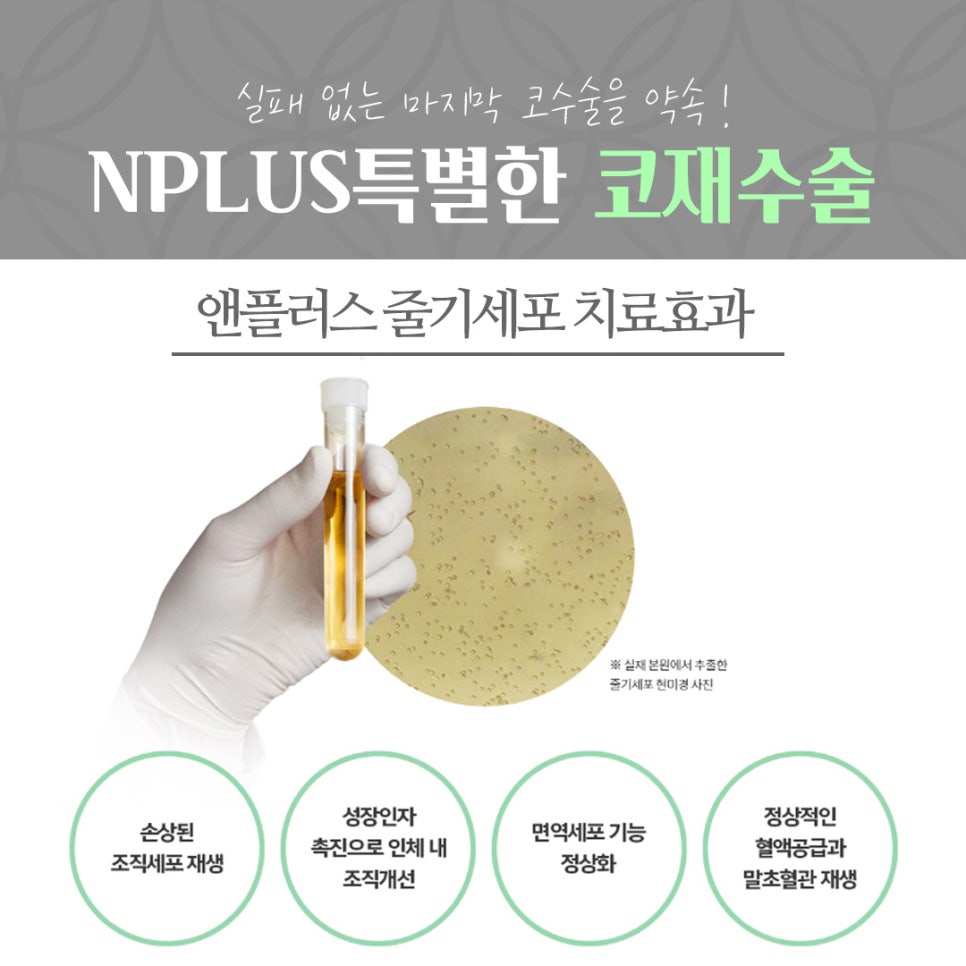
For revision rhinoplasty with severe contracture symptoms, stem cell treatment is performed. In the case of stem cell treatment, stem cells extracted from the patient's adipose tissue are separated and concentrated, made into an injectable product, and then injected periodically. Stem cell injection treatment is carried out for about 2 months depending on the individual's condition, and the timing of revision rhinoplasty is determined according to the patient's tissue regeneration speed.
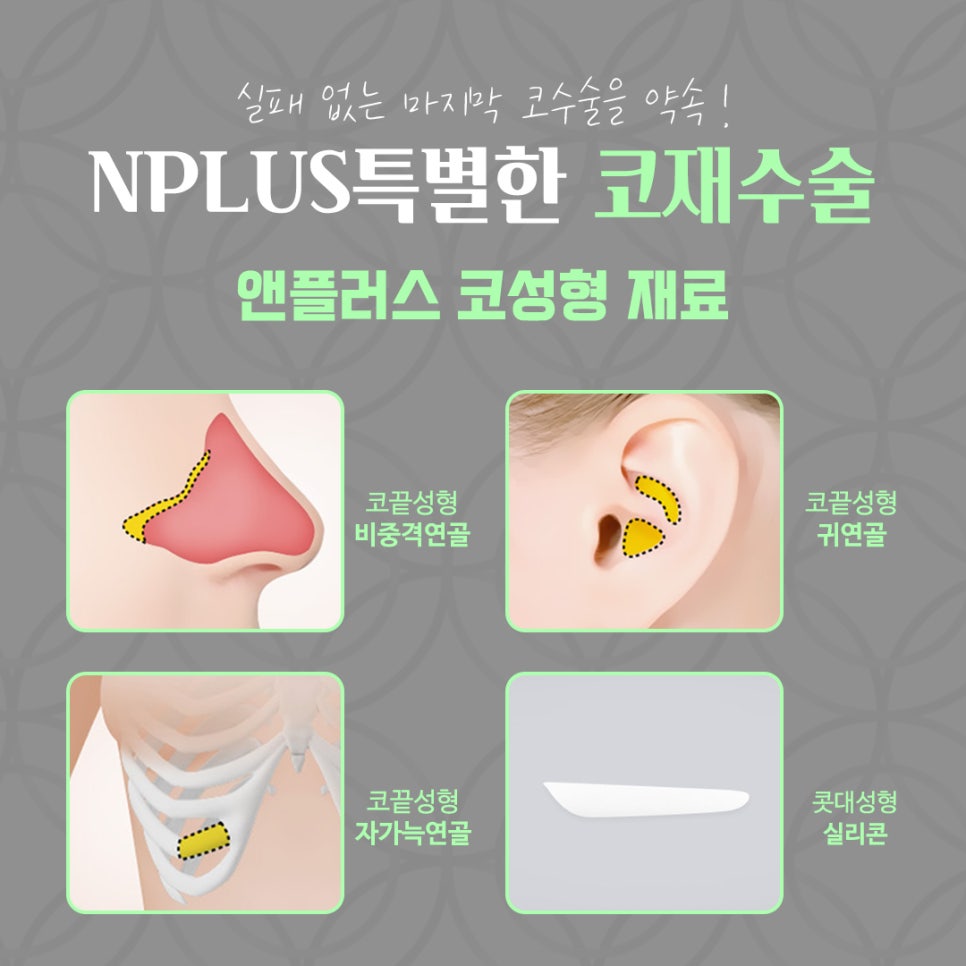
At Ojigo N Plus, in cases of cosmetic revision rhinoplasty performed after contracture and inflammation treatment has been completed, the use of implants is minimized. Skin deficits caused by damage are addressed with autologous skin grafting, and the nasal tip is corrected using autologous cartilage. Autologous cartilage includes septal cartilage, ear cartilage, and autologous rib cartilage, and the cartilage material is also selected through preoperative testing to suit the patient's condition.
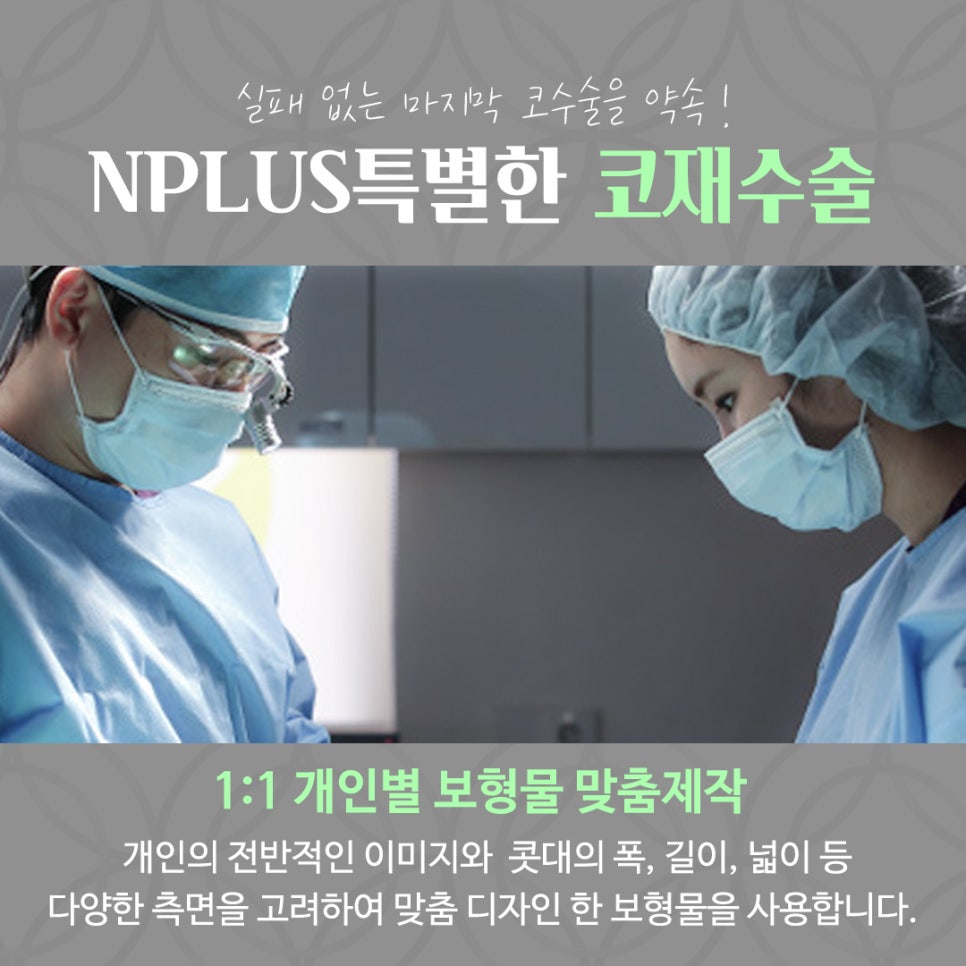
For the nasal bridge, an implant may be used if necessary. In such cases, rather than using a pre-made commercial implant as is, a custom-designed implant is created by carefully shaping it to consider various aspects such as the person's overall facial image, and the width, length, breadth, and height of the nasal bridge, allowing for a more beautiful and natural nasal bridge line.

At Ojigo N Plus, Director Yoon Hyun-cheol personally oversees every step from consultation for revision rhinoplasty to surgical planning, execution, treatment, and follow-up care, providing high-level medical services from before surgery through after surgery, resulting in a more satisfying rhinoplasty revision review.

For aftercare, an A/S system guarantees support for one year after surgery, and a surgical responsibility guarantee system is in place to prepare for any post-surgery pain, inflammation, shape-related dissatisfaction, or other situations that may arise, so you can receive aftercare benefits at any time.
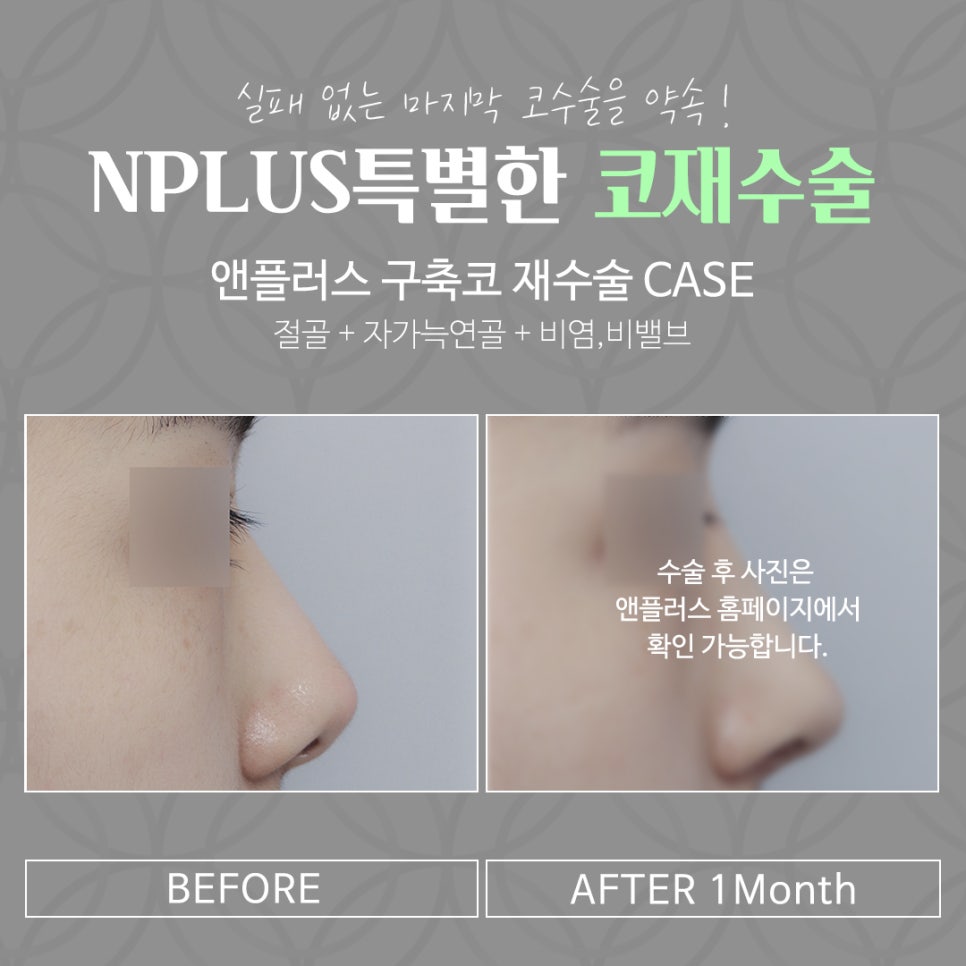
(The image above shows before-and-after photos of rhinoplasty revision at Ojigo N Plus.)
So far, I have shared information about Ojigo N Plus's rhinoplasty revision review. I hope this article is of great help to those considering rhinoplasty again because they are not satisfied with the shape of their nose after rhinoplasty, or because of contracture or inflammation. Thank you.
https://youtu.be/KtMY9Qc6tN0