The causes of rhinitis can be found in many things. The most common are viral illnesses, allergic or seasonal rhinitis,
and acute rhinitis caused by non-allergic or perennial rhinitis.

Allergic rhinitis occurs when airborne allergens trigger the release of histamine in the body.
Histamine causes itching, swelling, and fluid buildup in the delicate lining of the nasal passages, sinuses, and eyelids.

Rhinitis refers to a reaction that causes nasal congestion, runny nose, sneezing, and itching.
Most types of rhinitis are caused by inflammation and are associated with symptoms in the eyes, ears, or throat.
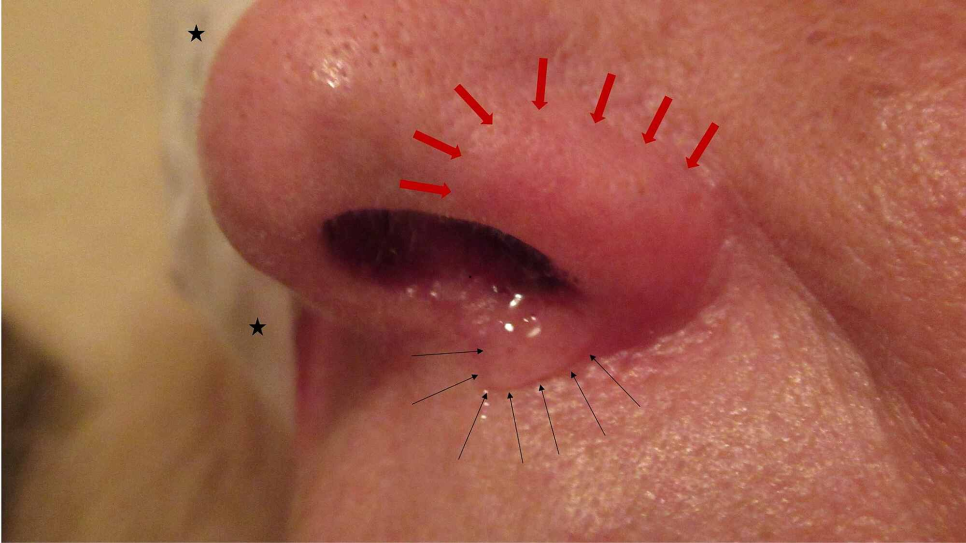
What causes rhinitis?
The most common causes of rhinitis are:
- Pollen released from trees, grass, and weeds





- Overuse of certain medications and topical nasal sprays
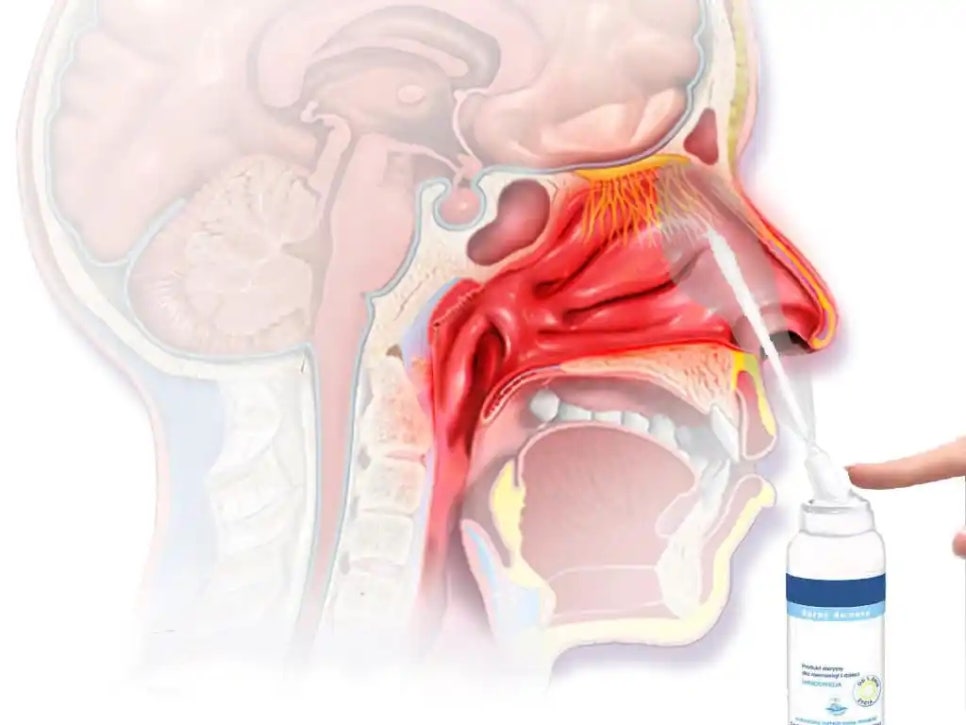
- Changes in the environment


and others.
Then who is at risk of developing rhinitis?
People with asthma are at higher risk of developing rhinitis.
Allergic rhinitis may be associated with asthma.

Experts believe that because rhinitis makes it harder to breathe through the nose,
it becomes more difficult for the nose to function normally.
Breathing through the mouth does not warm, filter, or humidify the air before it enters the lungs.
This can worsen asthma symptoms.
What are the symptoms of rhinitis?
-
Sneezing
-
Nasal congestion
-
Runny nose
-
Itching
-
Nosebleeds
-
Discharge
-
Ear infections
-
Fatigue
Then how can rhinitis be diagnosed?
In most cases, a healthcare provider makes the diagnosis based on a detailed medical history and physical examination.
In addition to the signs above, there may also be symptoms such as:
When rhinitis is severe due to these causes, surgery for rhinitis is often performed.
At Anplus Clinic, these rhinitis surgeries are performed, and
the main symptoms that may require rhinitis surgery include a deviated septum and inferior turbinate hypertrophy.
A deviated septum occurs when the septal cartilage inside the nose is bent, causing nasal congestion, headaches, and breathing problems,
and inferior turbinate hypertrophy also causes nasal congestion because the inferior turbinates on both sides become enlarged.
A deviated septum, which can be a cause of rhinitis, requires accurate analysis and diagnosis.
A deviated septum refers to a condition in which the septum, the wall that divides the nostrils into two, is bent and causes functional abnormalities in the nose.
It can occur due to genetic factors, but it most often occurs due to trauma, and may lead to hypertrophic rhinitis and migraines caused by nasal congestion.
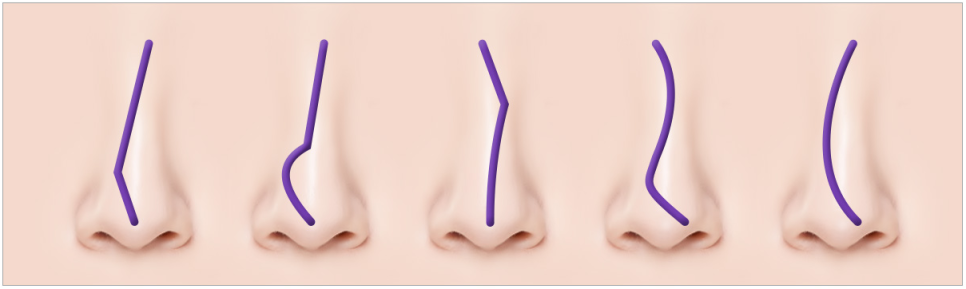
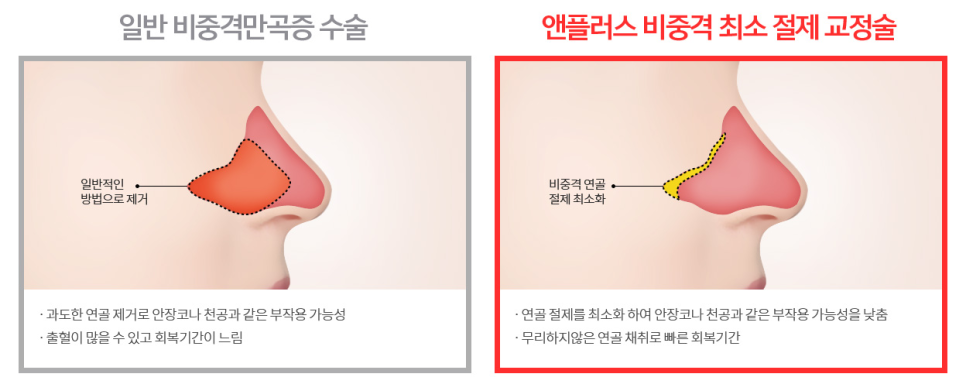
Corrective surgery for a deviated septum is a highly difficult procedure, and it is important to be treated by an experienced specialist who understands the structure of the nose.
To reduce the possibility of side effects, it is important to minimize septal cartilage resection and lower the risk of recurrence through abundant clinical experience and analysis of accumulated data.
At Anplus, correcting the deviated septum to relieve nasal congestion, while also using the removed septal cartilage as a material for rhinoplasty,
can create a beautiful nasal line.
Anplus septoplasty pursues both nasal health and beauty at the same time.
In cases of rhinitis caused by inferior turbinate hypertrophy, laser surgery to adjust the size of the inferior turbinates
and rhinoplasty should be performed. Conversely, in cases of a deviated septum,
rhinoplasty should be performed after first correcting the deviated septum.
Hypertrophied nasal tissue (inferior turbinate or middle turbinate) can cause nasal congestion, rhinitis, and sinusitis,
and in these cases medication will not cure it, and recurrence is frequent.
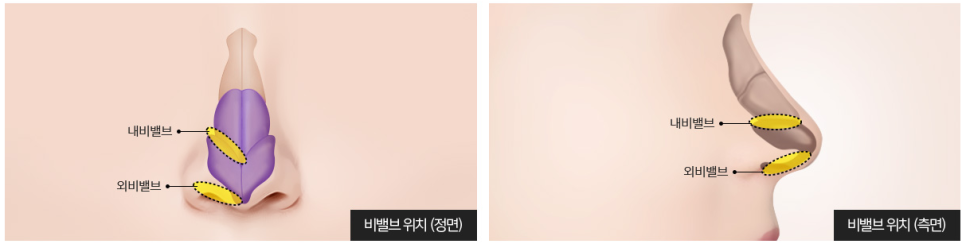
The entrance of the nose and its narrowest part is called the nasal valve area.
If the nasal valve area is narrowed by a deviated septum or enlarged inferior turbinates,
nasal congestion becomes more severe.
If you regularly experience rhinitis symptoms, you must check whether the inferior turbinates have become hypertrophied.
If there is hypertrophy of the nasal tissue, a simple radiofrequency rhinitis surgery or inferior turbinate submucosal resection can be performed.
Coblater radiofrequency rhinitis surgery is very simple, with a short procedure time and the advantage of no bleeding, but
because it is a surgery that reduces only the mucosa and does not reduce the bone of the inferior turbinate,
its effect may be limited, and as the mucosa grows back, rhinitis often recurs.
Anplus's inferior turbinate submucosal resection reduces even the hypertrophied bone of the inferior turbinate,
so the likelihood of rhinitis recurring is low. It is suitable for people who previously underwent radiofrequency rhinitis surgery but experienced recurrence,
or for those who want reliable rhinitis treatment with less recurrence.
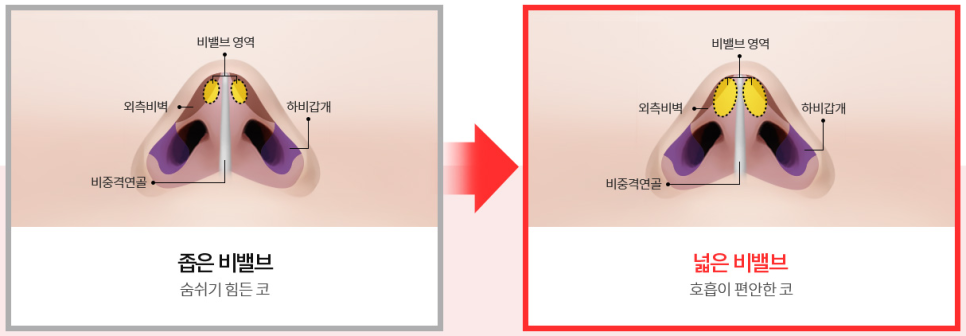
1:1 customized surgery suitable for Anplus's nasal valve narrowing structure
Case 1.
Spread graft
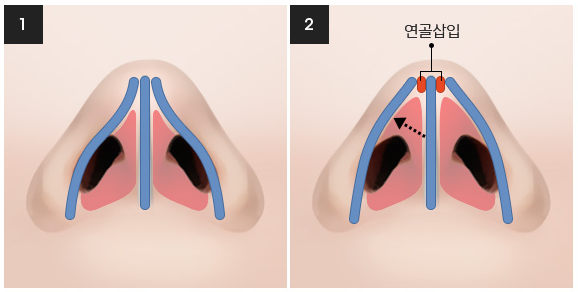
This is a simple way to widen the nasal valve.
Cartilage is grafted between the septum and the upper lateral cartilage to secure nasal valve space.
Because of the inserted cartilage, both nasal valves widen immediately, allowing comfortable breathing.
It is usually used for nasal valve reconstruction, but sometimes it is also used in difficult crooked-nose surgery.
Case 2.
Butterfly graft
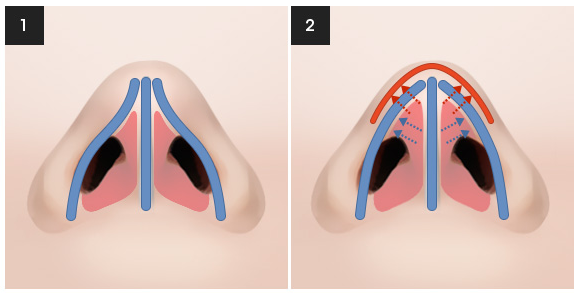
The cartilage is grafted in an overlapping form that covers the upper lateral cartilage.
The grafted cartilage expands the upper nasal cavity and strengthens support, widening the nasal valve area.
Case 3.
Upper lateral cartilage graft
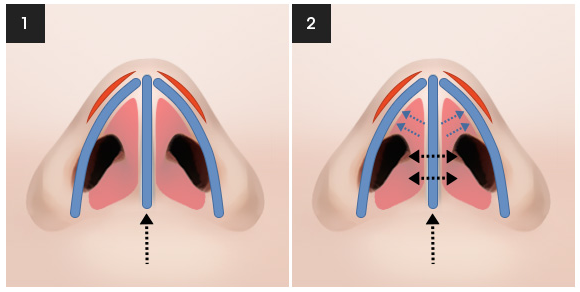
The nasal mucosa is separated, and cartilage is layered between them like a sandwich graft.
The grafted cartilage opens the space between the nasal mucosa and secures nasal valve space.
Case 4.
Suspension suture
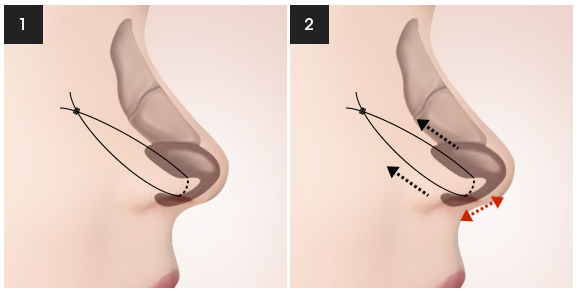
A non-absorbable thread is inserted into the nose and then pulled inward and tied.
The pulled thread acts as support, preventing collapse of the lateral wall and indirectly securing the nasal valve area.
If appropriate rhinitis surgery is not performed according to the symptoms during rhinitis rhinoplasty,
rhinitis symptoms may not improve at all, and you may even feel that they have worsened.
Therefore, accurately identifying the symptoms and choosing the appropriate surgical method are
the only ways to minimize the possibility of repeat rhinitis surgery.
In addition, Anplus has the experience and know-how to perform functional nose surgery and cosmetic rhinoplasty at the same time,
so both functional and aesthetic aspects can be satisfied.

Thank you~
https://youtu.be/a4GpYOCHp-k