
Because the shape of the nose is located at the center of our face and is a three-dimensional area that helps balance our facial features, it can have a major impact on appearance. For that reason, many people may choose rhinoplasty as a way to improve a nose that is not straight or well aligned and that gives off a strong or dull impression. In most cases, people are satisfied with their first nose surgery, but the number of people seeking information about revision rhinoplasty clinics in hopes of achieving a more satisfying shape is increasing.

Therefore, for those considering revision rhinoplasty due to dissatisfaction with the shape after the first surgery, internal functional problems, or side effects such as inflammation or contracture, it may be helpful to learn more detailed information about revision rhinoplasty clinics before proceeding.
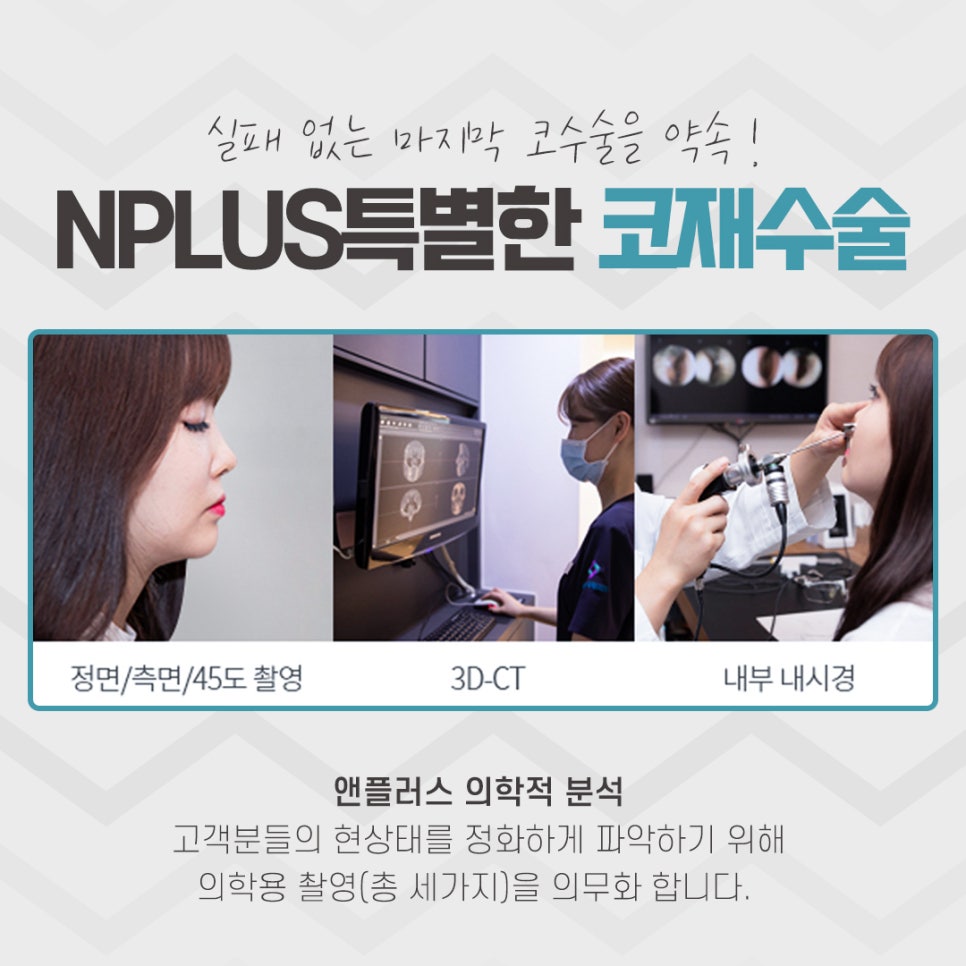
People looking into revision rhinoplasty clinics often refer to before-and-after photos and find a nose shape similar to their own, focusing only on appearance. However, while the nose plays an important aesthetic role, it is also a functional organ responsible for breathing and smelling. It is important to consider both the aesthetic approach and these functional aspects, accurately assess each person's condition, and then perform surgery accordingly.
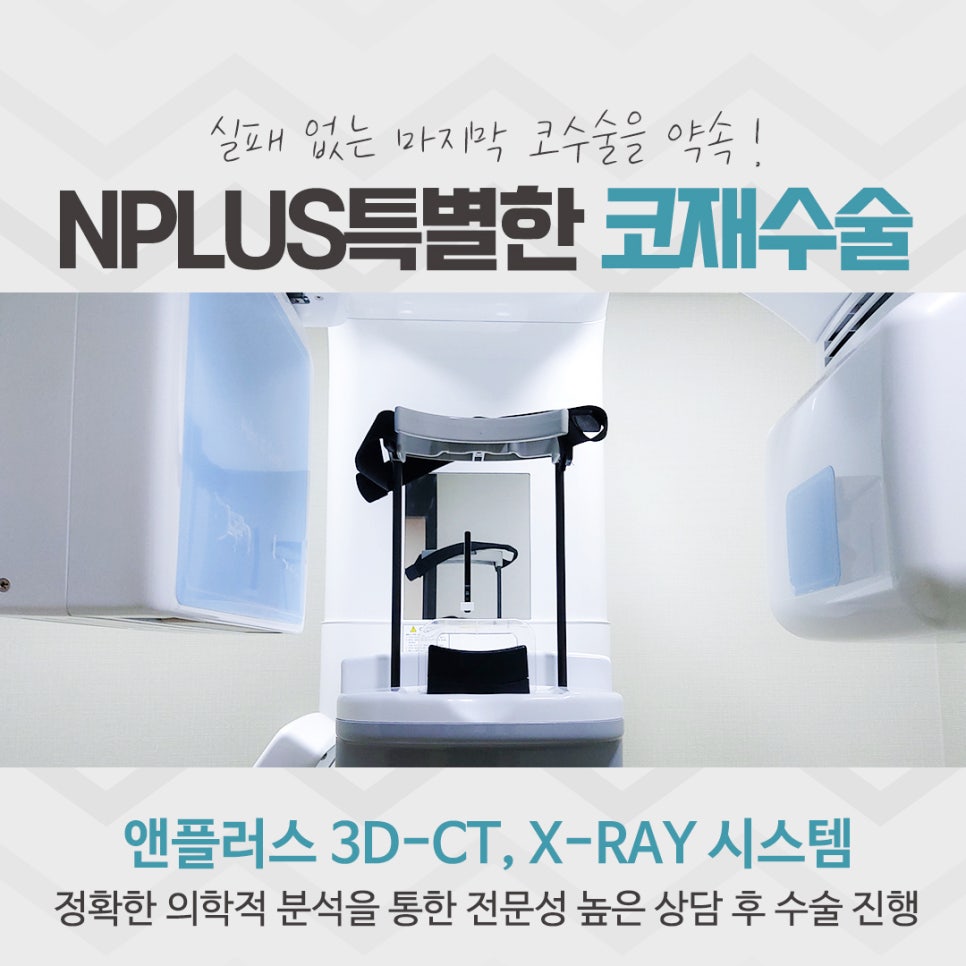
At An Plus Clinic, a revision rhinoplasty clinic, the cause of the revision surgery is accurately identified through preoperative 3D-CT scans, internal endoscopic imaging, various allergy tests, and nasal functional tests. Based on the collected data, a surgical plan is established and carried out.
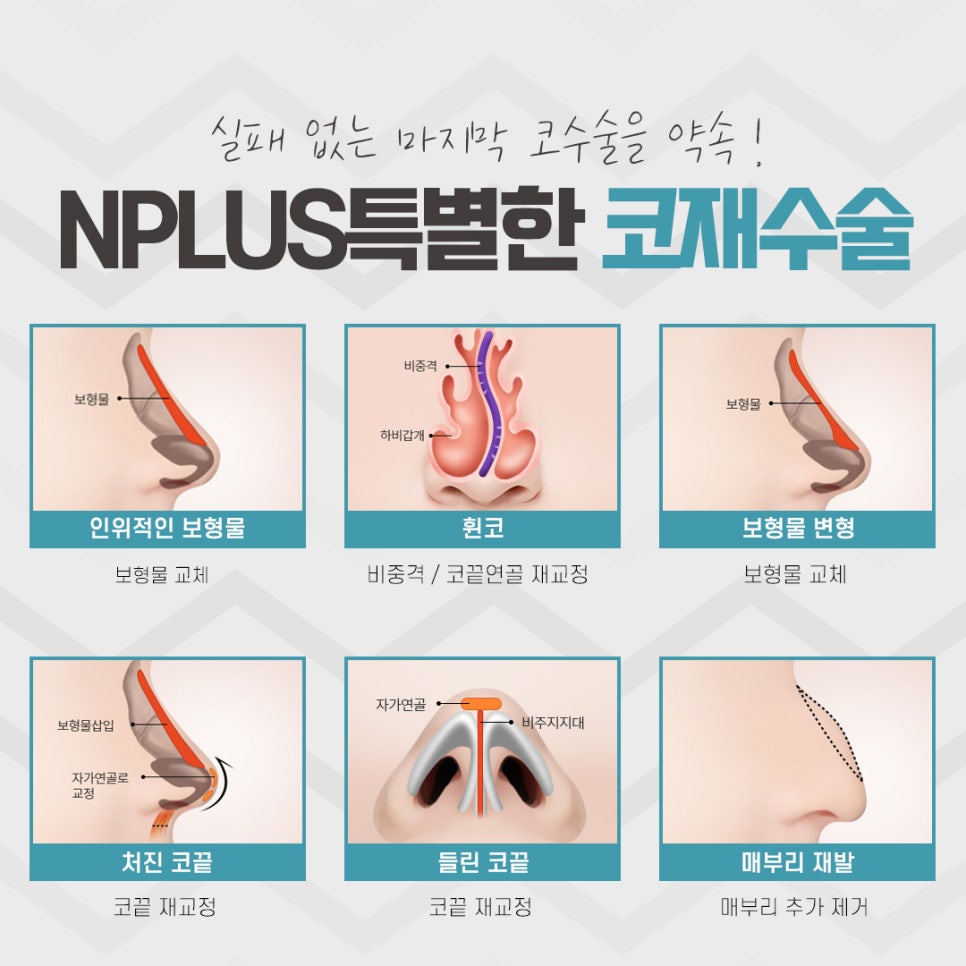
As for revision rhinoplasty methods, aesthetic correction is performed for issues such as artificial implants, crooked noses, implant deformation, drooping nasal tips, upturned nasal tips, and recurrence of a hump nose. If there is a functional problem, surgery and treatment to improve function are prioritized before cosmetic rhinoplasty is performed. In addition, if there is contracture or inflammation, various factors such as treatment methods according to the cause and surgery are considered through different programs, which may be helpful when looking into revision rhinoplasty clinics.
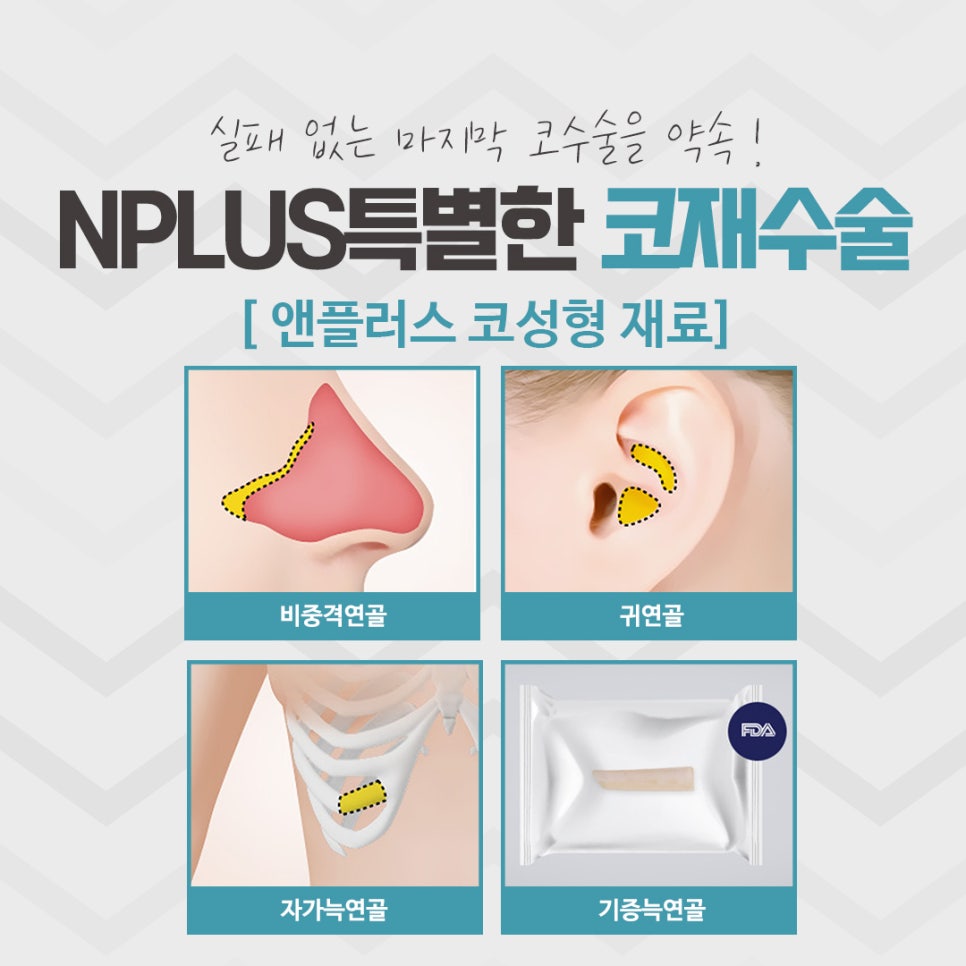
For materials used in revision rhinoplasty, autologous cartilage is first used for the nasal tip. Autologous cartilage includes septal cartilage, ear cartilage, and autologous rib cartilage. If the use of autologous cartilage is unavoidably difficult, donated rib cartilage approved by the U.S. FDA is used as a substitute.
Silicone, an implant material, is used for the bridge of the nose. When using silicone, the clinic does not simply use a pre-made commercial product as is; instead, it carefully refines the overall image of the individual as well as the width, length, breadth, and height of the nasal bridge, then designs a nose line suited to each person so that a more satisfying revision rhinoplasty can be performed.

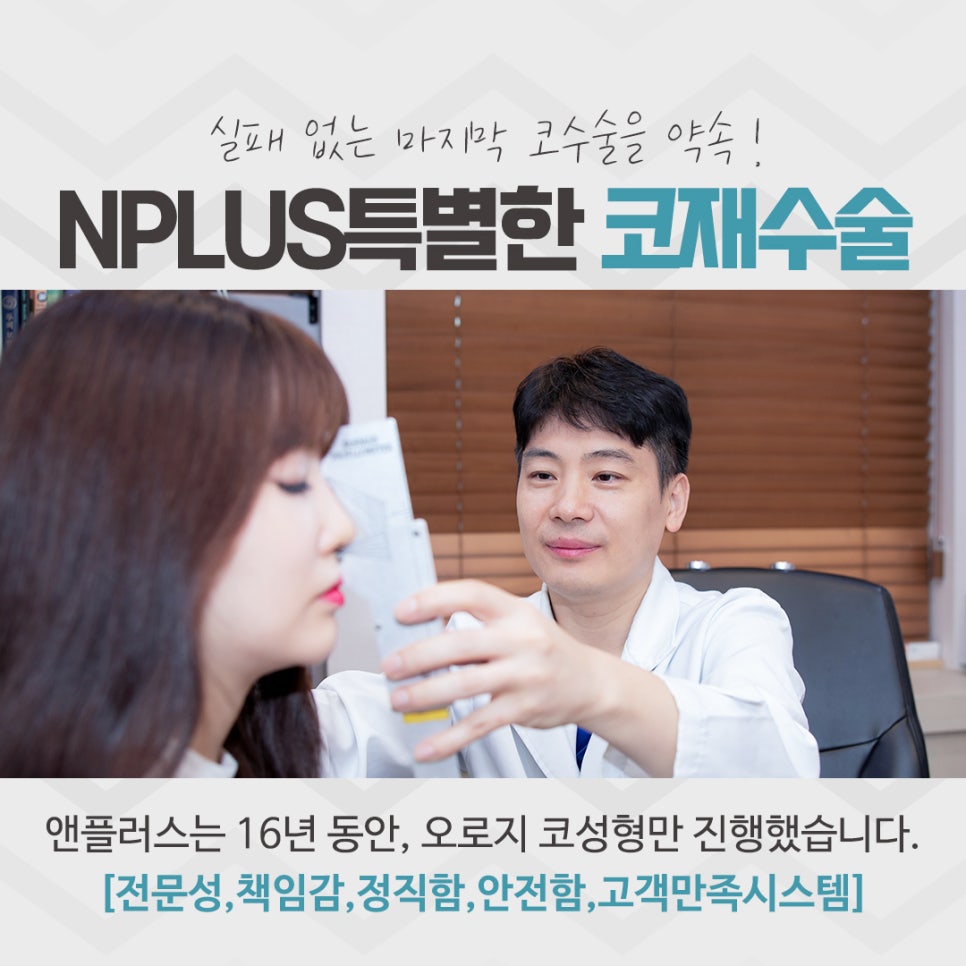
At An Plus Clinic, Director Yoon Hyun-cheol personally handles one-on-one care throughout the entire process, from consultation for revision rhinoplasty to surgical planning, procedure, treatment, and follow-up visits, allowing patients to receive high-level medical services from before surgery through aftercare.

For post-operative care, the clinic issues an An Plus membership card and provides a free A/S service guaranteed for one year after surgery, as well as a surgery responsibility guarantee system that prepares for any situation that may arise after surgery, including pain, inflammation, or dissatisfaction with the result.
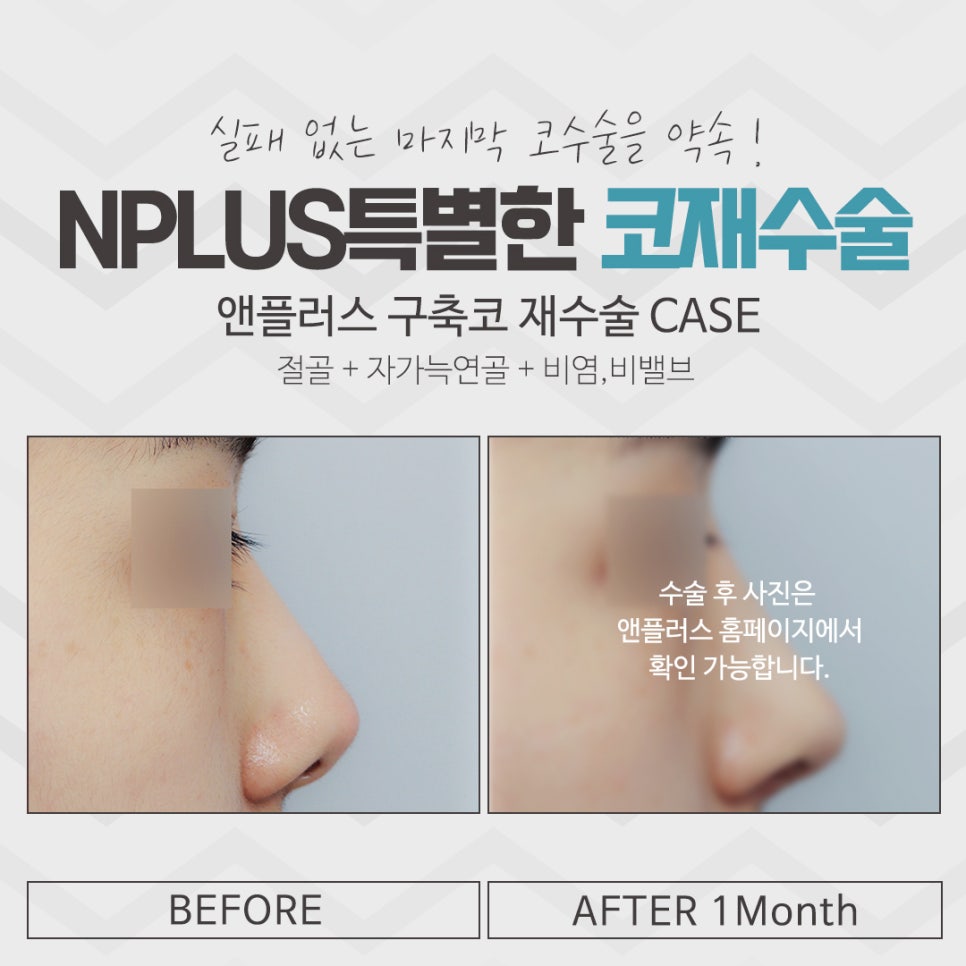
(The image above shows before-and-after photos of revision rhinoplasty at An Plus Clinic.)
This concludes the information about revision rhinoplasty at An Plus Clinic. I hope this article has been very helpful for those who are looking into revision rhinoplasty clinics because they are unhappy with the shape of their nose after their first surgery, or because of functional issues, inflammation, or contracture. Thank you.
https://youtu.be/wq0uEjBGoGg