The nose is located at the center of our entire face and is the most three-dimensional feature among the facial features, so when the nose becomes deformed, it is easy to notice at a glance. If such a visible change in appearance occurs, you may look into nose surgery to improve your image. Among the various types of nose surgery, when the nose is bent, the face can feel asymmetrical. For those considering nose surgery for a bent nose, you can learn more about bent nose surgery reviews in greater detail.
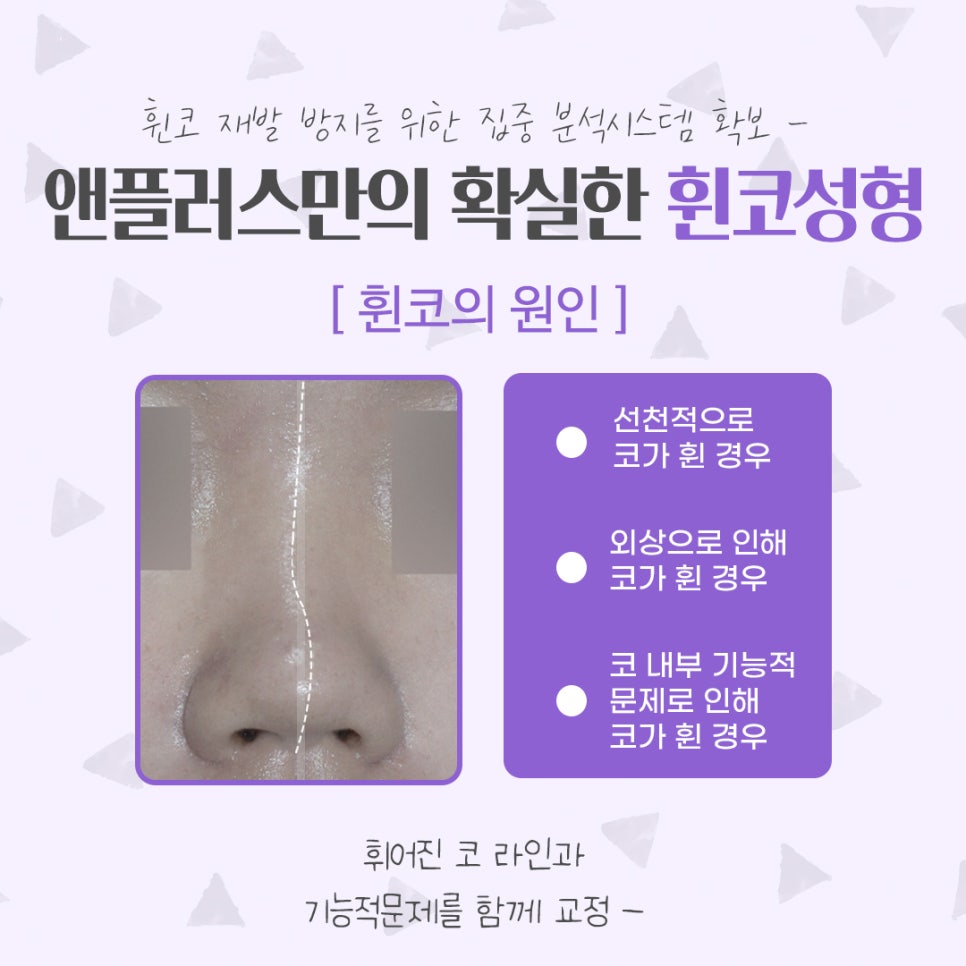
Therefore, for those looking into bent nose surgery reviews, some cases involve a nose that is bent from birth, while others can be divided into cases where the nose became bent due to later trauma and cases where the nose bent because of functional problems inside the nose.
As such, for those looking into bent nose surgery reviews, external aesthetic standards are often prioritized. However, the nose is a functional organ responsible for breathing and smelling. A bent nose can be confirmed visually, but functional issues cannot be easily seen with the naked eye. Therefore, surgery should only be performed after accurately diagnosing the current condition of the nose through equipment, so that the nose does not become bent again.
When improving the functional parts of the nose along with bent nose surgery, the most representative symptom is nasal congestion caused by rhinitis. Rhinitis is divided into allergic rhinitis and structural rhinitis. Allergic rhinitis is caused by specific substances or environments, so it is difficult to cure completely. Symptoms may be temporarily improved through strengthening the immune system or medication treatment. In contrast, structural rhinitis can be cured through surgery.
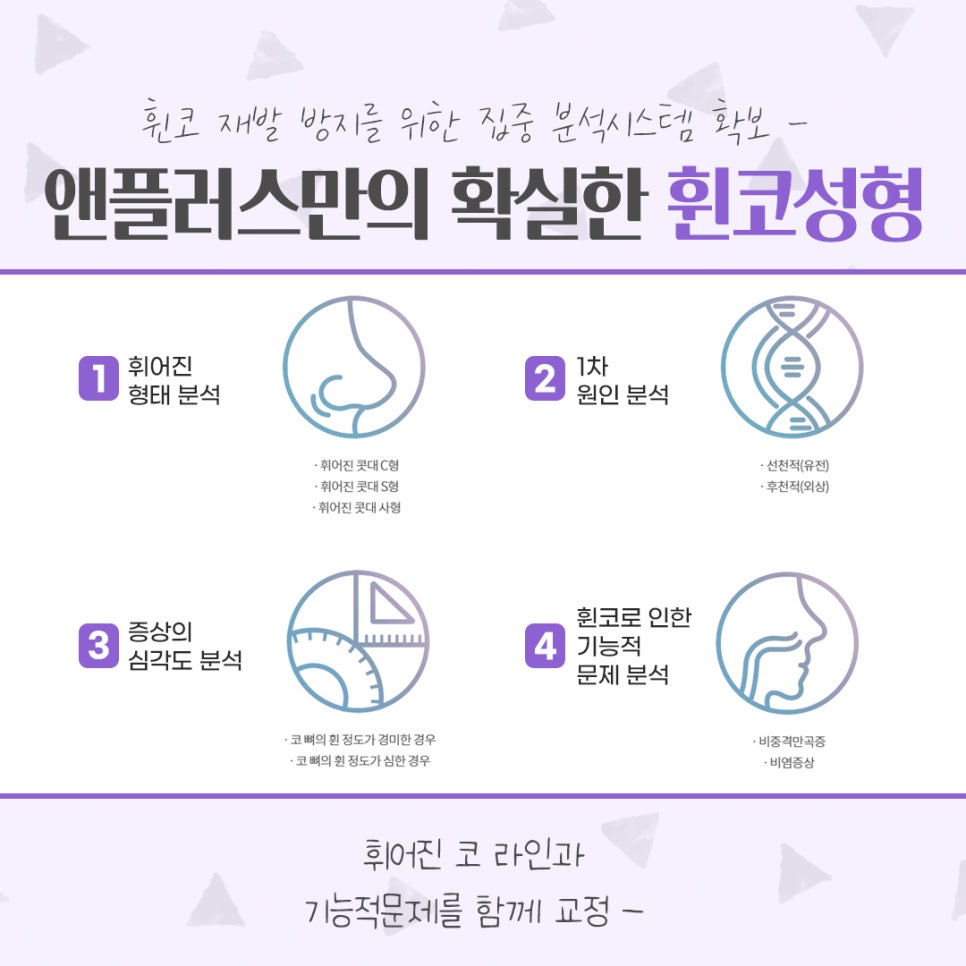
That is why it is important to accurately identify the cause of the bent nose and proceed with the appropriate surgical method and materials for each person. For those looking into bent nose surgery reviews, it can be helpful to choose a place where functional issues can also be checked through such equipment.
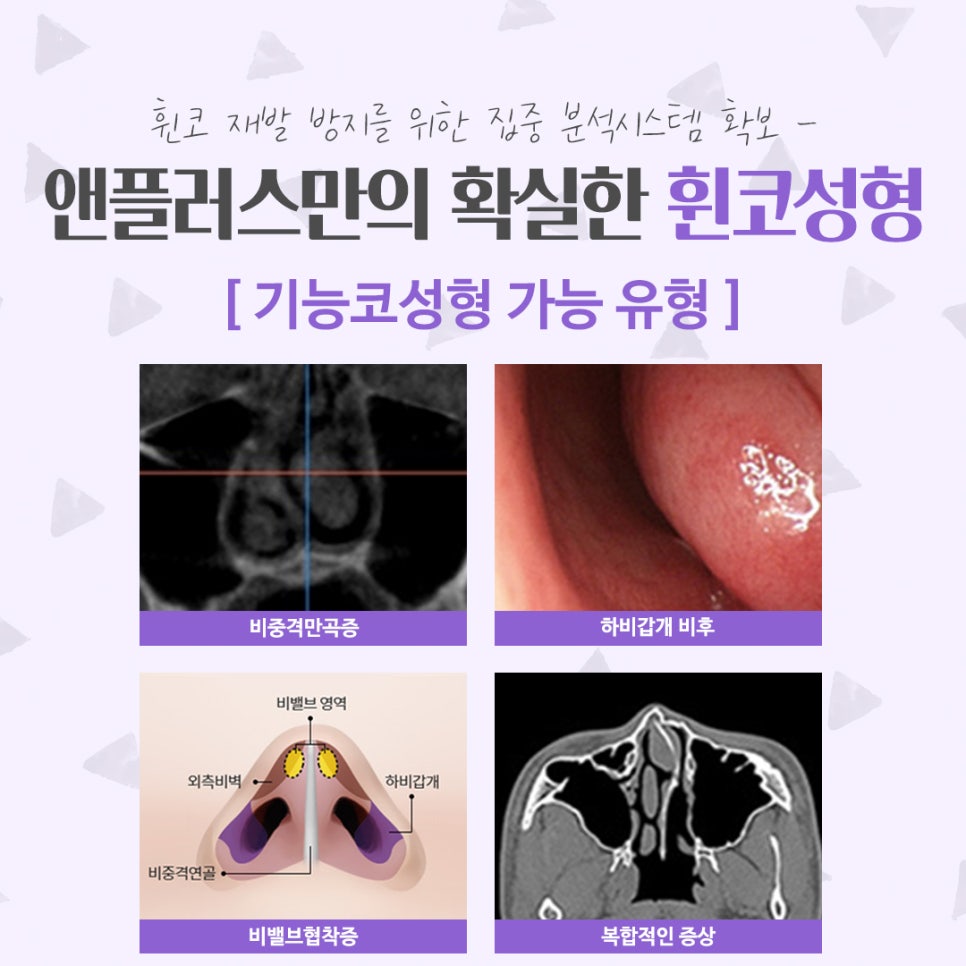
If you look at bent nose surgery reviews, many cases are accompanied by the structural rhinitis described above. Structural rhinitis can be divided into deviated septum, inferior turbinate hypertrophy, nasal valve stenosis, and complex symptoms in which these conditions appear together. Although these are different conditions, they commonly obstruct airflow through the nose and typically cause nasal congestion. In particular, bent noses are relatively more likely to be associated with a deviated septum inside the nose, so even if you do not have nasal congestion symptoms, we recommend checking carefully whether there are any functional problems inside the nose.
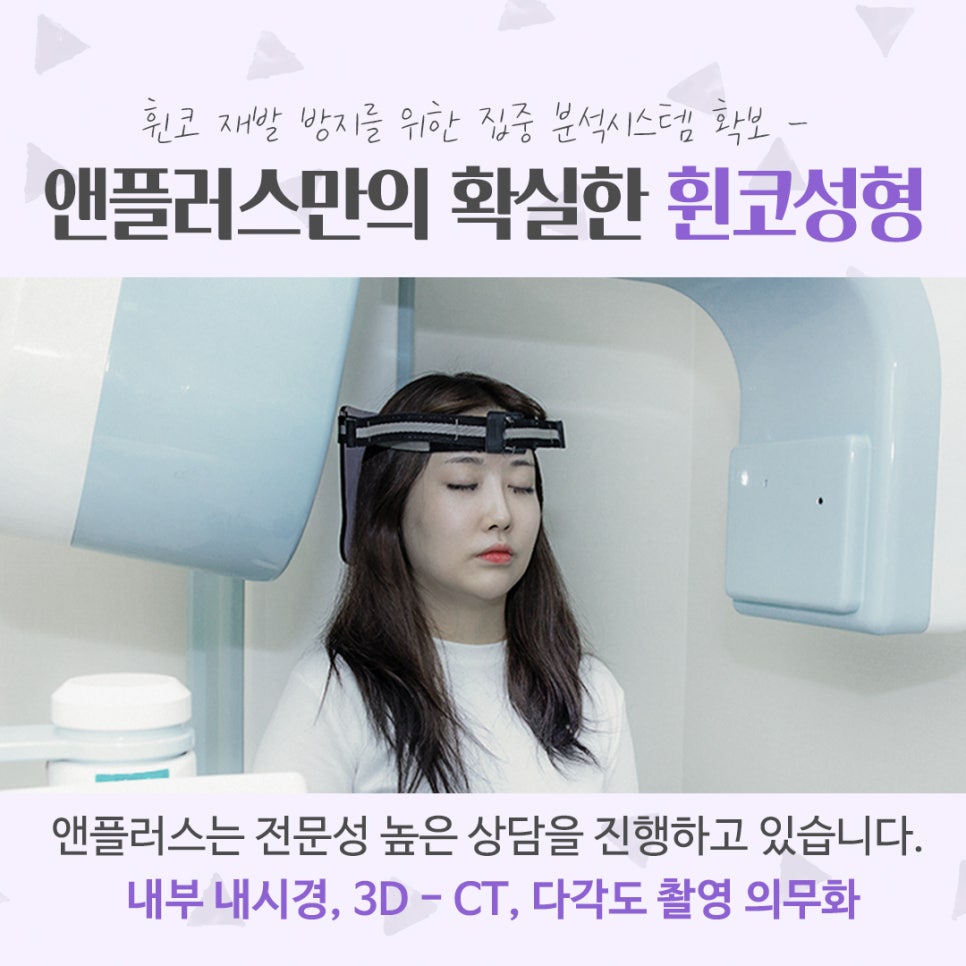
At Ojigo N+Plus, before surgery, a 3D-CT scan, internal endoscopy, various allergy tests, and nasal function tests are used to accurately determine the cause of the bent nose. Based on the collected data, a surgical plan is established and carried out, leading to a safer and more satisfying bent nose surgery review.

Bent nose surgery methods are broadly divided into three types: cases where the degree of bending is mild, cases where the degree of bending is severe, and cases where functional problems occur along with the bent nose.
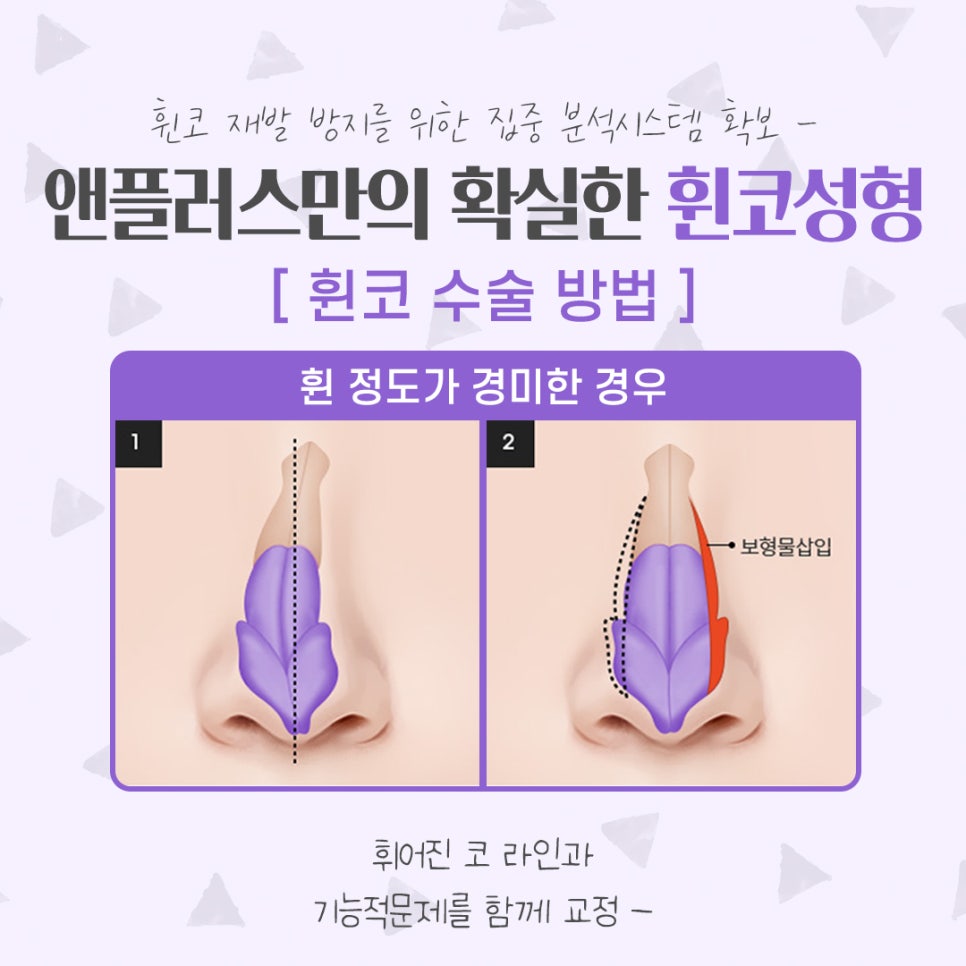
In cases of bent nose surgery where the degree of bending is mild, the cause and degree of the bend are accurately identified and analyzed, and an implant is custom-made to match the direction opposite to the bend, correcting the nose so it appears straight.
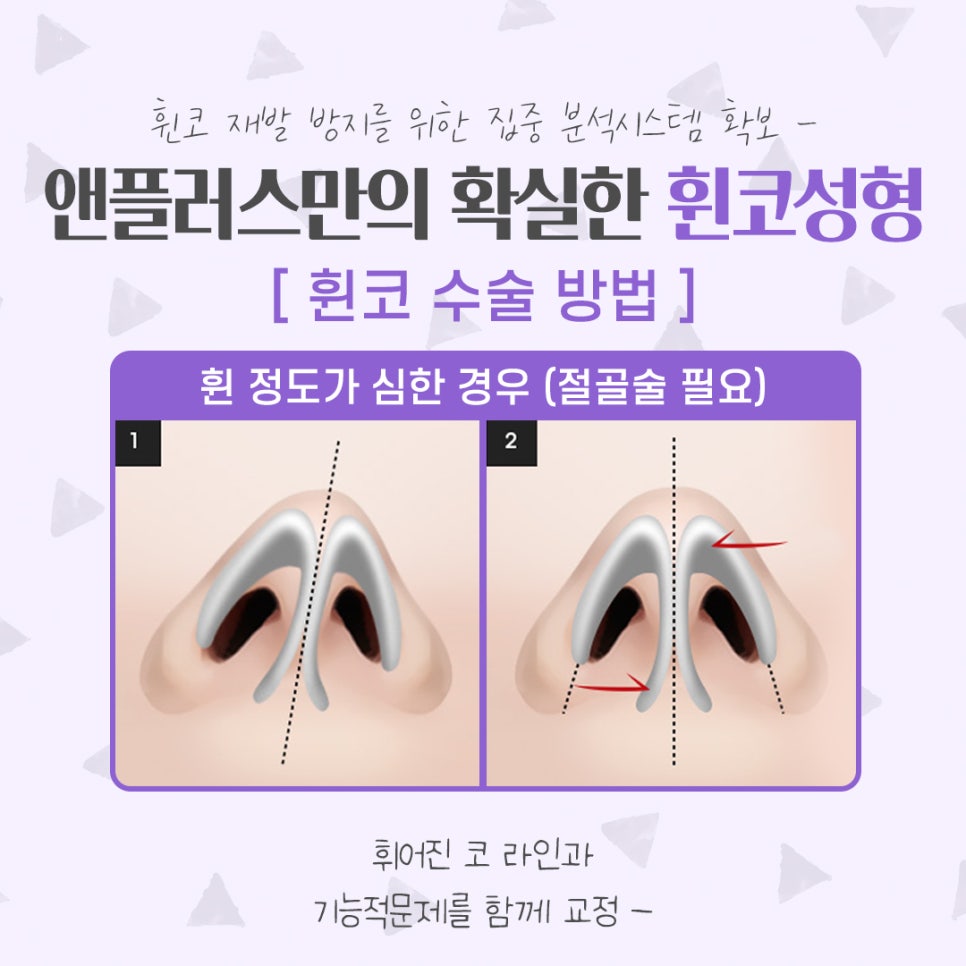
In cases of bent nose surgery where the degree of bending is severe, the cause and degree of the bend are accurately identified, the areas to be corrected are determined, and the inward-bent nasal bone can be corrected by osteotomy and moved outward, while the outward-bent nasal bone can be corrected by osteotomy and moved inward.
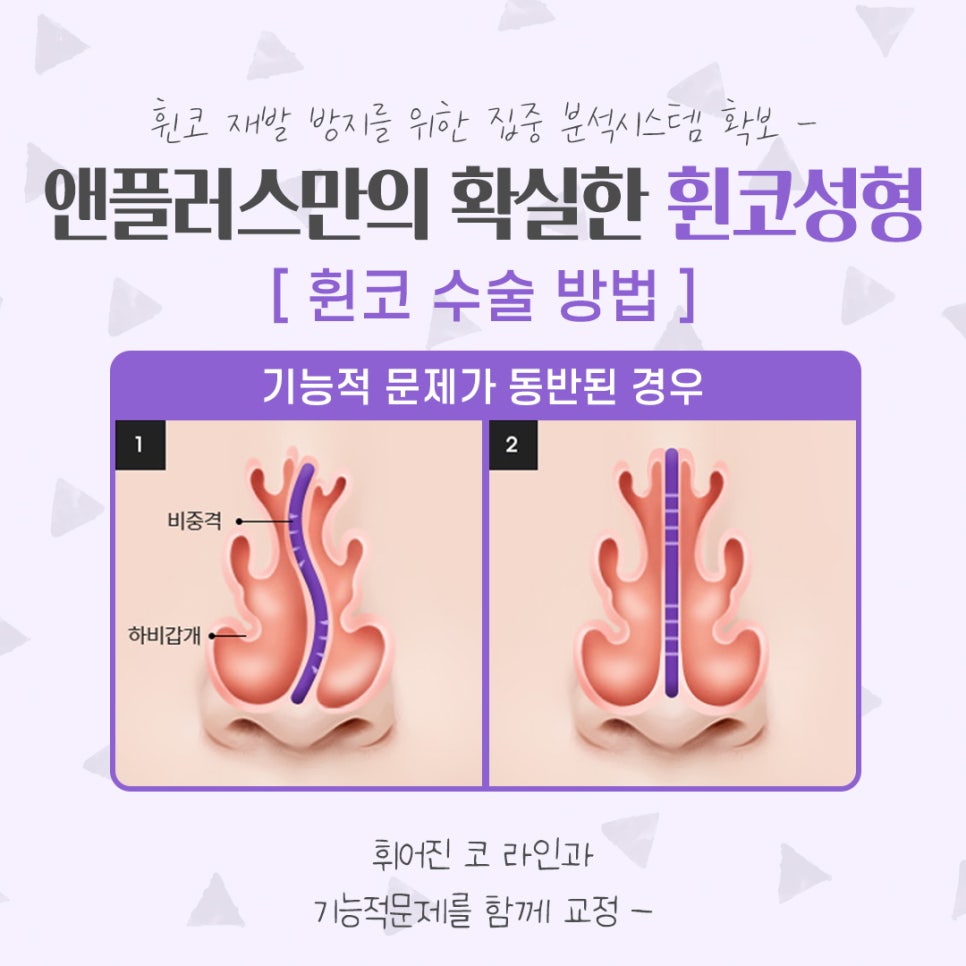
In cases of bent nose surgery accompanied by functional problems such as a deviated septum, inferior turbinate hypertrophy, nasal valve stenosis, or complex symptoms, the cause and degree of the bend are accurately identified first. Functional correction is then performed first, and depending on the degree of the bent nose, correction can be carried out using an implant or osteotomy.

Also, when silicone is needed for bent nose surgery, they do not use a pre-made commercial silicone as is. Instead, it is carefully shaped by hand while considering the individual’s overall image as well as the width, length, breadth, and height of the nasal bridge, making for a safer and more satisfying bent nose surgery review.
As explained above, a bent nose requires surgery that considers both external and internal aspects at the same time, so it is among the more difficult types of plastic surgery. For those looking into bent nose surgery reviews, it can be very helpful to carefully check whether the medical staff have strong anatomical knowledge of the nose, whether they have abundant experience and expertise in this field, whether equipment is available to accurately assess the condition of your nose, and whether aftercare is fully guaranteed.

At Ojigo N+Plus, Chief Director Yoon Hyun-cheol personally handles everything one-on-one, from consultation related to bent nose surgery to surgical planning, procedure, treatment, and follow-up care, providing a high level of medical service from before surgery to after.

For aftercare, they issue an N+Plus membership card and operate a warranty service that guarantees support for one year after surgery, as well as a surgery responsibility guarantee system that covers all possible situations such as post-surgery pain, inflammation, and dissatisfaction with the shape, so you can receive reliable aftercare as well.
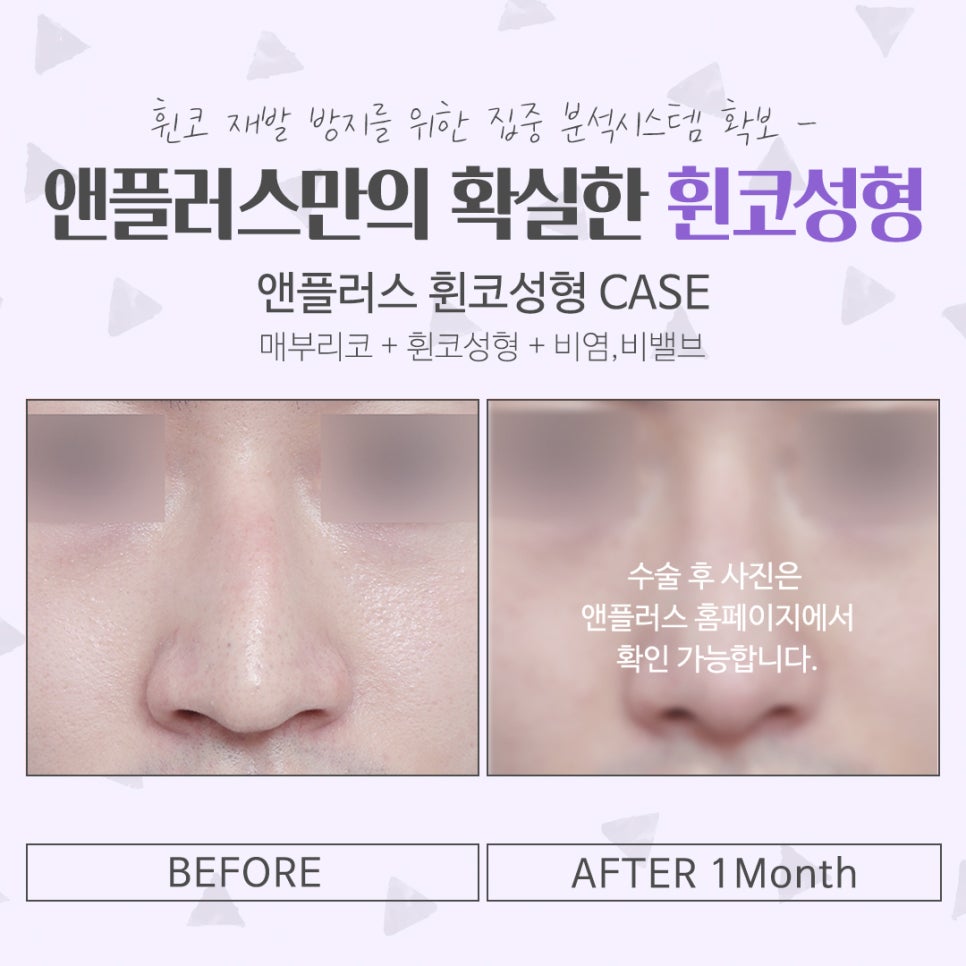
(The image above shows before-and-after photos from Ojigo N+Plus bent nose surgery reviews.)
That concludes the information I shared about Ojigo N+Plus bent nose surgery reviews. I hope this article is very helpful for those who are currently considering nose surgery because of the shape of a bent nose. Thank you.
https://youtu.be/_CUJvuQIOzI