
When judging first impressions, appearance should not be the top priority. However, because appearance is what people notice first, many people feel dissatisfied with their looks. Although you can try various things on your own, there are still areas that are difficult to change, and those can be improved through cosmetic surgery. Among the many types of plastic surgery, if the nose is low and wide, it can give a flat impression and seem old-fashioned. To improve it into a more refined and three-dimensional look, you can look into low nose surgery in more detail.
Accordingly, the characteristics of people looking into low nose surgery can be divided into cases such as a low nasal bridge, a low nasal tip, an overall low nose, a hump, or a drooping nose. Among those considering low nose surgery, there are especially many cases where both the bridge and the tip are low. Therefore, while some people want an excessively high and glamorous nose line, in the case of low nose surgery, it is important to create a nose line that suits the individual and matches the balance of the face.

However, while our nose plays an important external role in balancing the face, it is also a functional organ responsible for breathing and smell. Surgery must be performed with the internal functional aspects in mind to help prevent revision surgery caused by functional problems after the operation.
Therefore, for those looking into low nose surgery, it is important to consider the external appearance, but it can also help your decision to check whether the medical team has strong anatomical knowledge of the nose, whether they have abundant related experience and expertise, whether equipment is available to accurately assess the condition of your nose, and whether aftercare is reliably guaranteed.
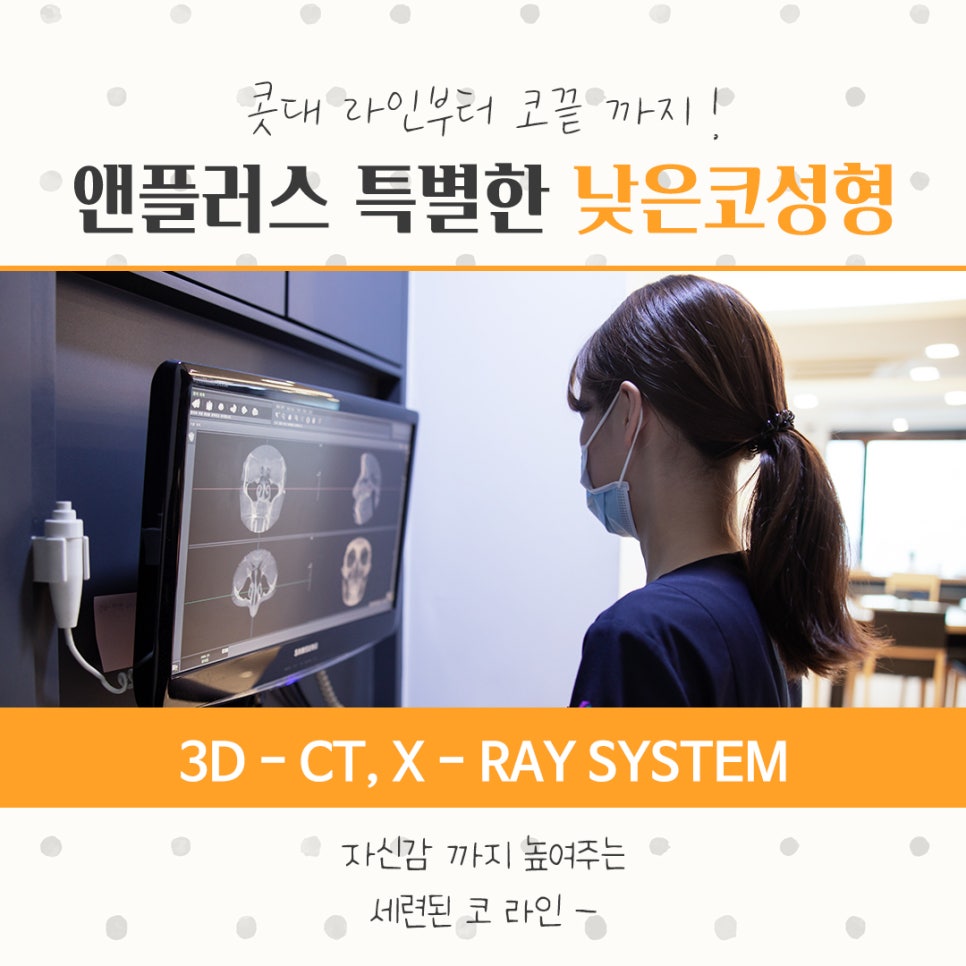
At OJIKO N Plus, to ensure safe and satisfactory low nose surgery, the clinic accurately identifies and analyzes the cause of the low nose through internal endoscopic imaging, various allergy tests, 3D-CT scans, and internal nasal function tests. Based on the extracted data, a surgical plan is established so that the procedure is tailored to each individual.

Low nose surgery is performed by dividing cases into those where both the nasal bridge and tip are low, and those where only the nasal bridge is low.
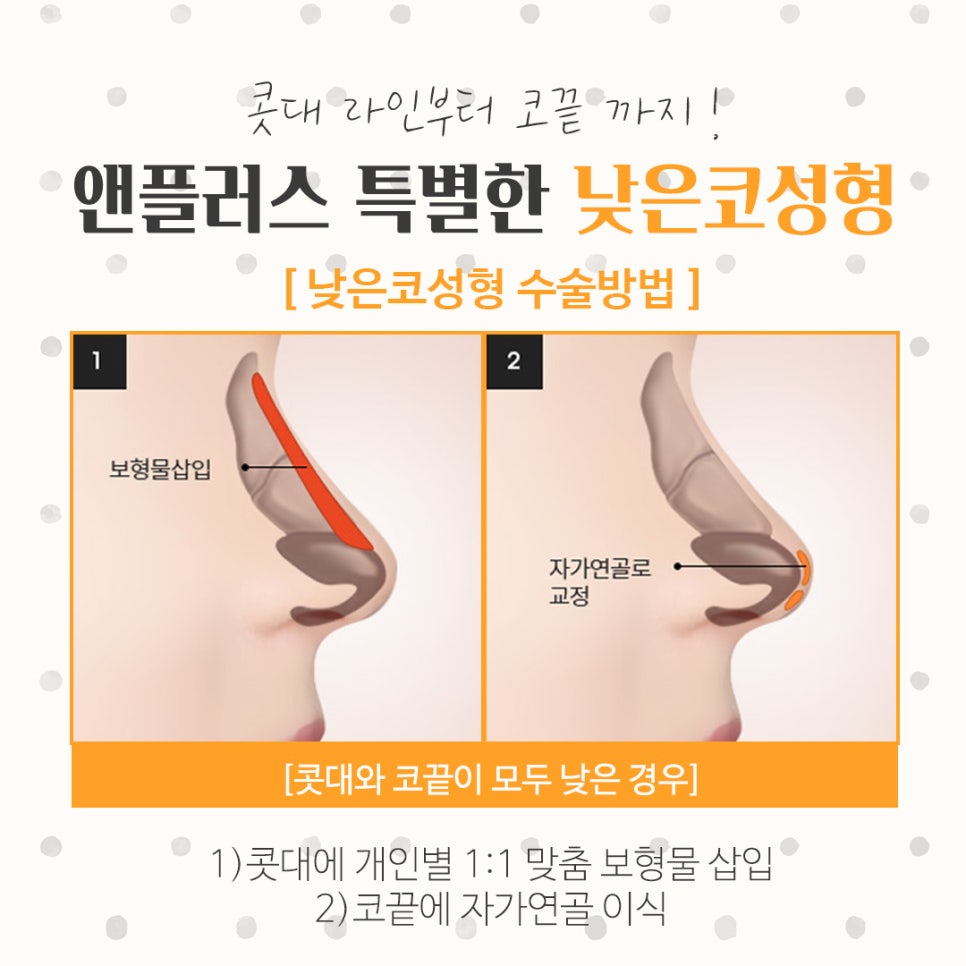
In cases where both the bridge and tip are low, correction is performed using silicone for the bridge and autologous cartilage for the tip.
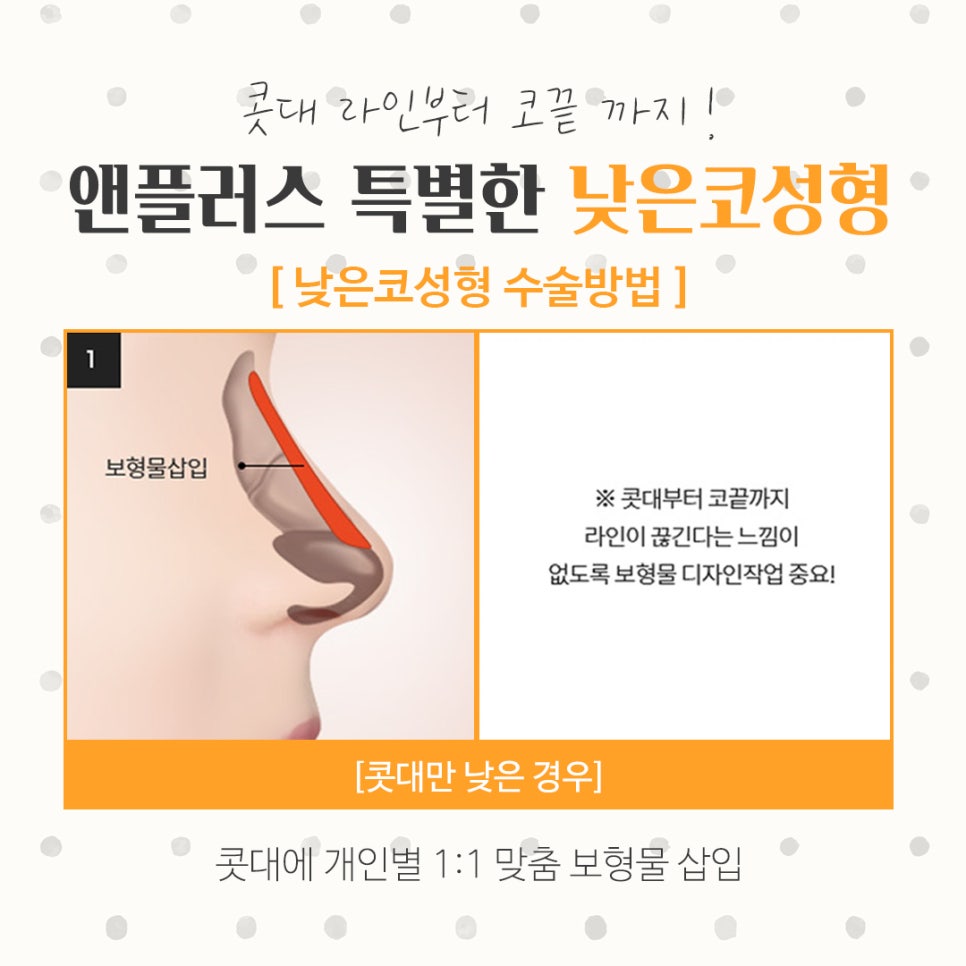
If only the nasal bridge is low, an implant is inserted into the bridge, and the implant is designed and corrected so that the line from the bridge to the tip is not interrupted.
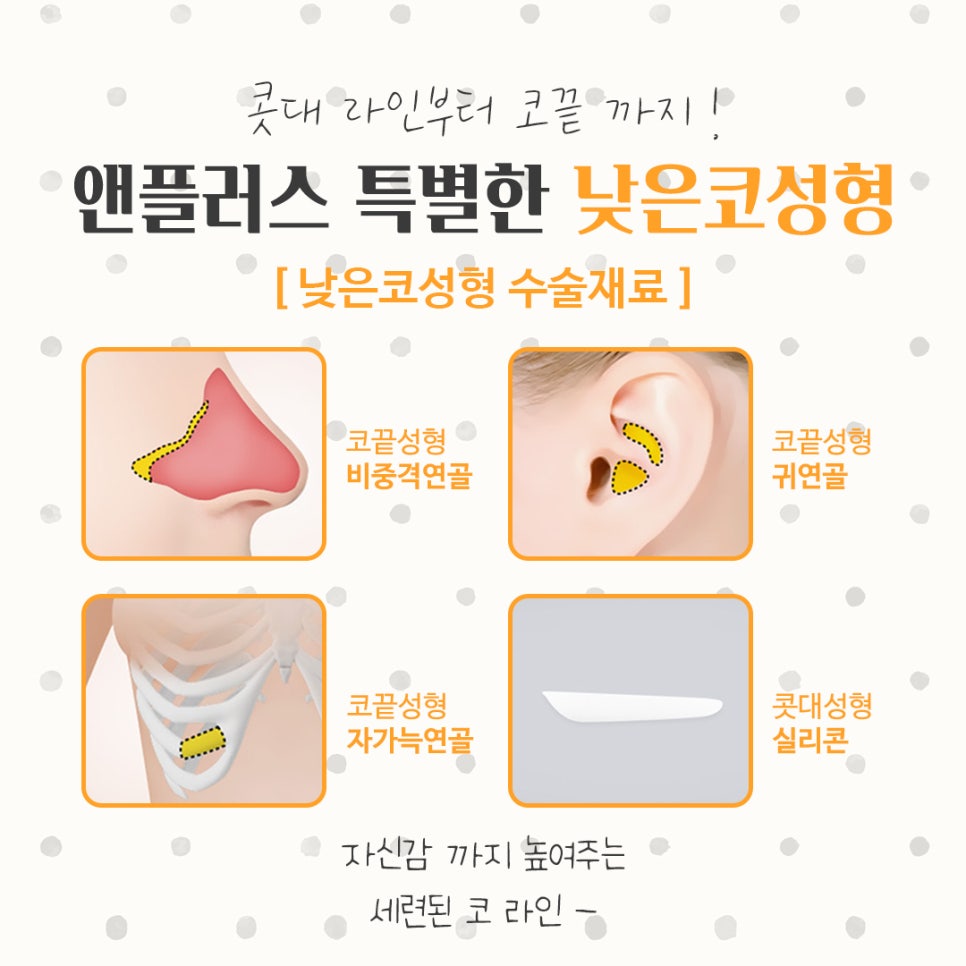
For low nose surgery, the bridge is corrected with an implant, silicone, while the tip is corrected with autologous cartilage. The type of autologous cartilage can be selected based on preoperative tests to suit the individual. Autologous cartilage includes septal cartilage, ear cartilage, and rib cartilage.

In the case of silicone, the implant used for the nasal bridge is not taken directly from an existing commercial product. To minimize an artificial look, it is carefully shaped by hand while considering the individual’s overall appearance, as well as the width, length, breadth, and height of the nasal bridge, allowing for a more satisfying low nose surgery.

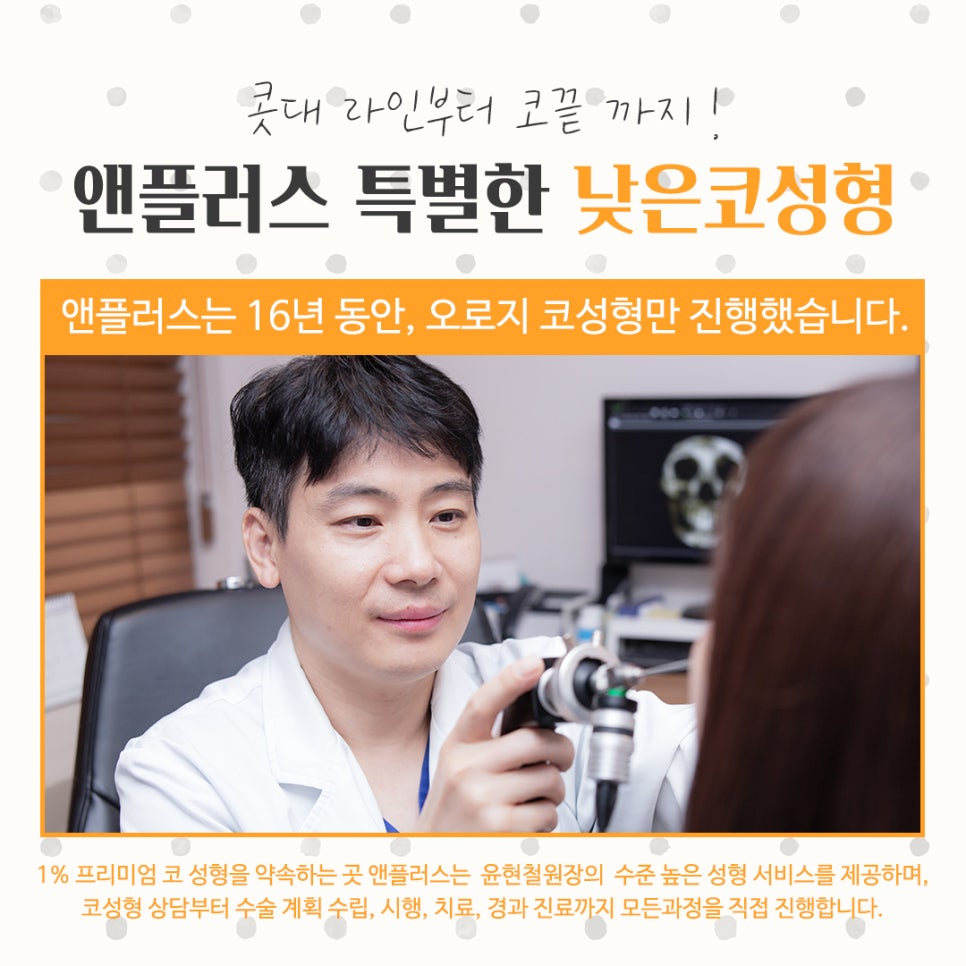
At OJIKO N Plus, Director Yoon Hyun-cheol personally handles each case one-on-one, taking charge of every process from consultation on rhinoplasty, to surgical planning, the procedure itself, treatment, and follow-up care, so you can feel reassured before and after surgery.

Aftercare is supported by a one-year warranty system after surgery, as well as a surgical responsibility guarantee system prepared for all situations that may arise after surgery, such as pain, inflammation, or dissatisfaction with the shape. Those who have an N Plus membership card can receive aftercare benefits at any time.
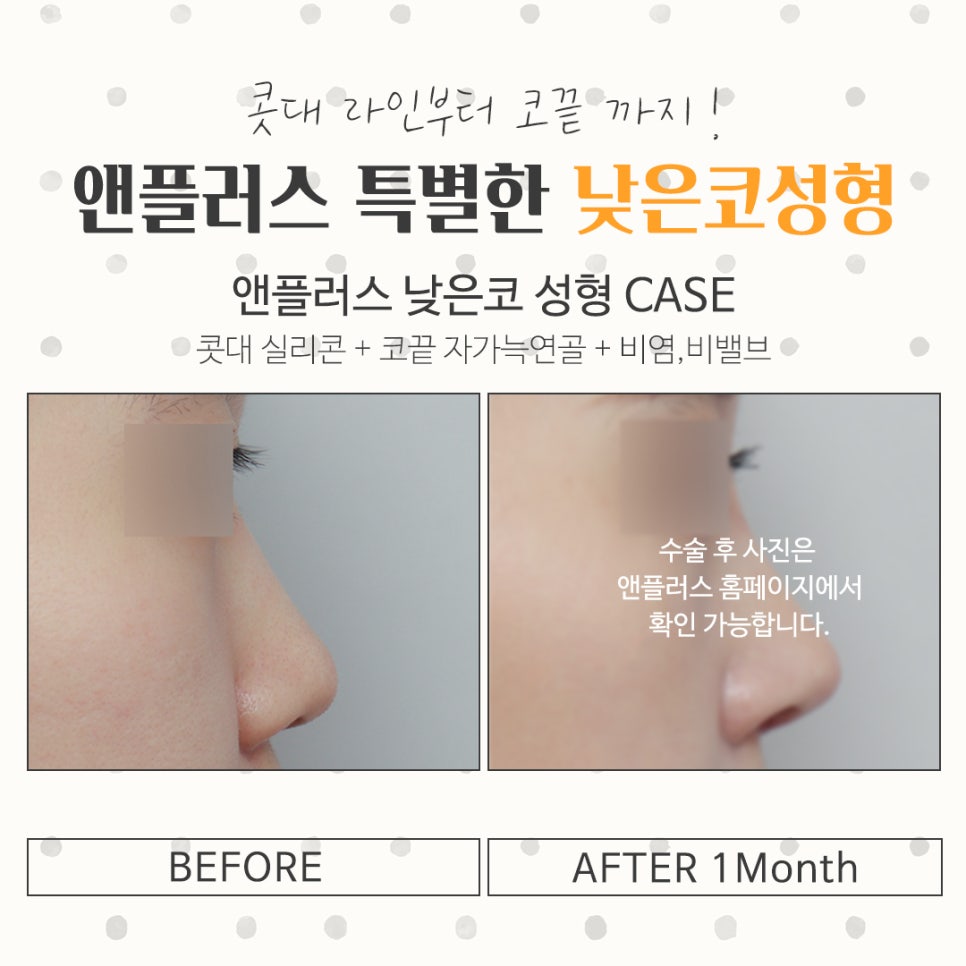
(The image above shows before-and-after photos of low nose surgery at OJIKO N Plus.)
That concludes the information about low nose surgery at OJIKO N Plus. I hope this post was helpful for those considering rhinoplasty because of a low and flat nose shape. Thank you.
https://youtu.be/dSBxqOR43IU