You may undergo nose surgery because of dissatisfaction or discomfort with your nose,
and in some cases, you may end up needing revision nose surgery for various reasons.
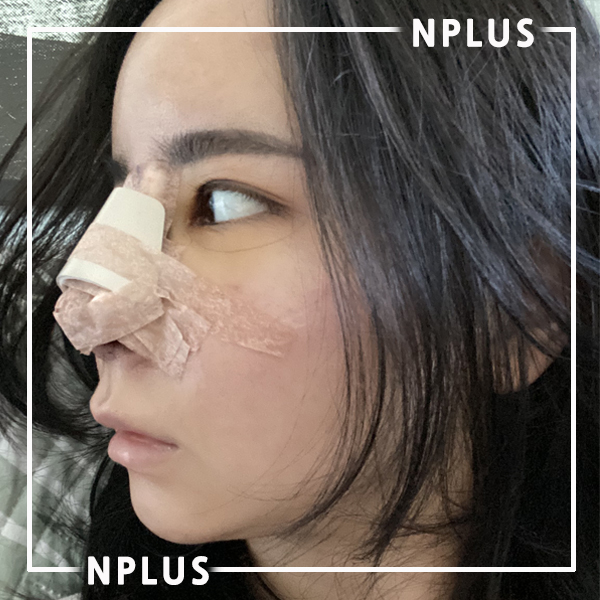
Let’s take a look at the cases in which revision nose surgery becomes necessary.
And let’s also go over the common-sense points that must be considered when revision nose surgery is needed.
Revision nose surgery, in other words, refers to reoperation on the nose.
There are many cases in which revision nose surgery is performed, but
broadly speaking, it can be divided into three main categories.
The first is when there is dissatisfaction with the shape of the nose.
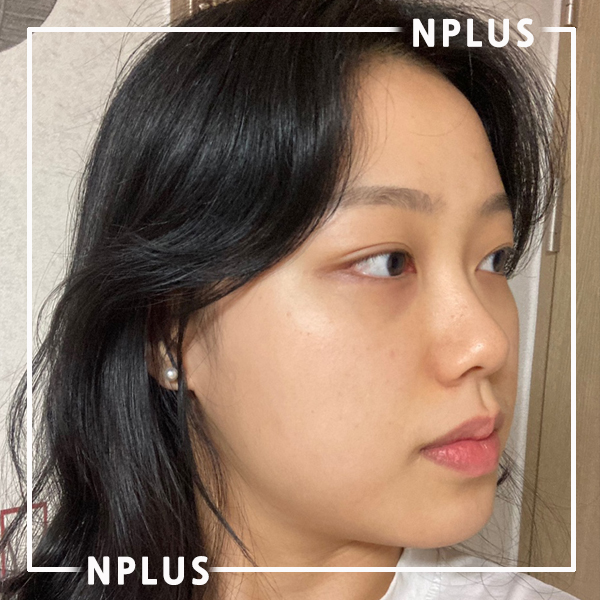
If you had surgery to raise a low bridge, tip surgery, long-nose surgery, crooked-nose surgery,
or cosmetic procedures such as alar reduction,
but the bridge does not rise to the desired height,
the tip droops, the nose is crooked, or the nostrils are narrowed too much,
and you are dissatisfied with the shape of your nose,
you may want revision nose surgery.
In such cases, the unsatisfactory parts can be corrected,
but revision nose surgery is only possible when the basic conditions for correction are met.
Generally, the most common revision nose surgery is one related to the height of the nasal bridge.
It is important to decide the bridge height with the medical staff after 충분한 time before surgery,
but the height can change depending on the characteristics of the implant or your constitution.
Generally, the most commonly used implant is silicone.
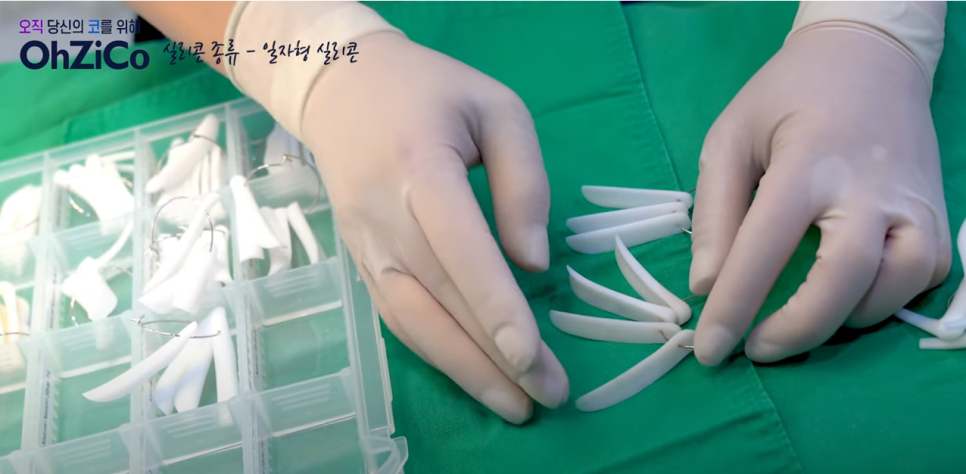
Even though silicone implants are the most stable among implants
and the most widely used,
the bridge height before the implant is inserted and the height after it is inserted
can differ from what was estimated, so patient satisfaction may change after the implant is placed.
Before surgery, you may think 4 mm will be enough,
but after surgery, you may feel it would have been better if the bridge were slightly higher,
or you may feel it looks too high and artificial,
so you may want it a little lower.
If you are unhappy with the bridge height in this way,
when performing revision nose surgery, the implant that was placed in the nose may be removed,
and silicone may be added or trimmed to readjust the bridge height to the desired level.
However, if you want a subtle height that cannot be matched with a silicone implant,
the implant material may be changed entirely to something like Gore-Tex or autologous dermis.
In particular, compared with silicone implants, Gore-Tex and autologous dermis have a higher absorption rate,
so it is not easy to match the height precisely.
In the case of Gore-Tex,
the absorption rate can be as high as 30–50%,
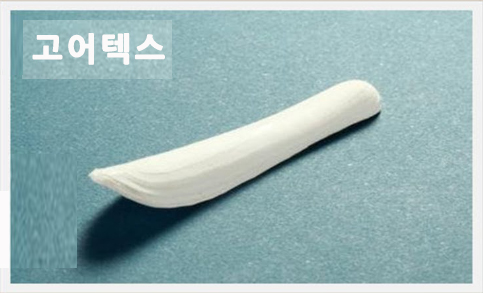
and in the case of autologous dermis,
because up to 50–70% may be absorbed into our tissues,
the bridge height can become noticeably lower over time than it was when the implant was first inserted.
Therefore, during consultation, it is important to clearly explain the nose shape and style you want,
and to fully understand the medical staff’s experience and advice as well.
The same applies to tip surgery: the tip height is determined in line with the bridge,
and whether the nose line will be straight, slightly curved, or with a gentler curved line will determine the tip height.
In particular, the type of implant used for the tip can change depending on the height,
so it is better to be more careful and discuss thoroughly with the medical staff.
If you say you want to raise the tip height by only 2 mm and the tip is augmented with only septal cartilage,
but after surgery the tip is still too low,
then when revision nose surgery is done again,
septal cartilage alone can no longer increase the height,
so ear cartilage may need to be harvested and combined again with the septal cartilage
to add more height,
which can make the surgery larger.
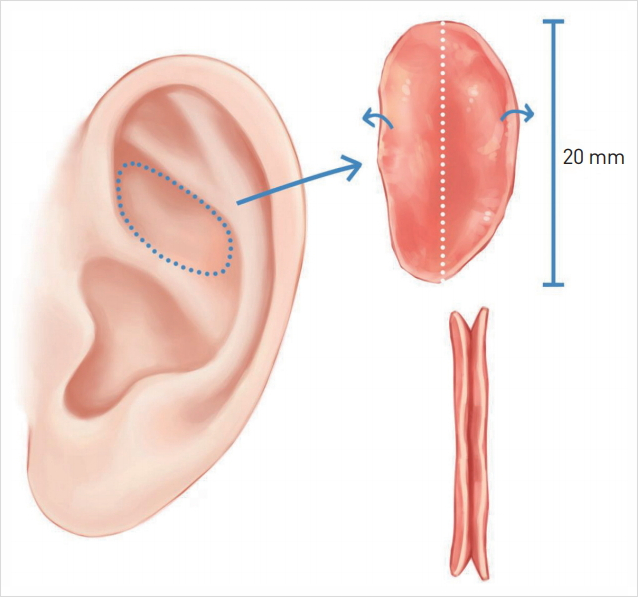
Even so, if the tip height still does not satisfy you,
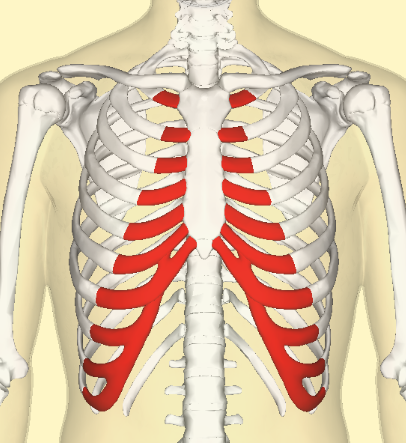
autologous rib cartilage is available as an autologous tissue option,
so the only choice may be to make an incision in the skin over the rib area and harvest autologous rib cartilage.
The harvested autologous rib cartilage can then be shaped to the desired height
and carved so that warping does not occur,
and then the tip can be raised.
If the bridge height and line that you are satisfied with are not properly decided at the beginning,
many procedures, costs, and time can be required,
so it is important to decide on the exact measurements in consultation with the medical staff during the first surgery.
The second case in which revision nose surgery is performed is
when there are aftereffects from a previous nose surgery.
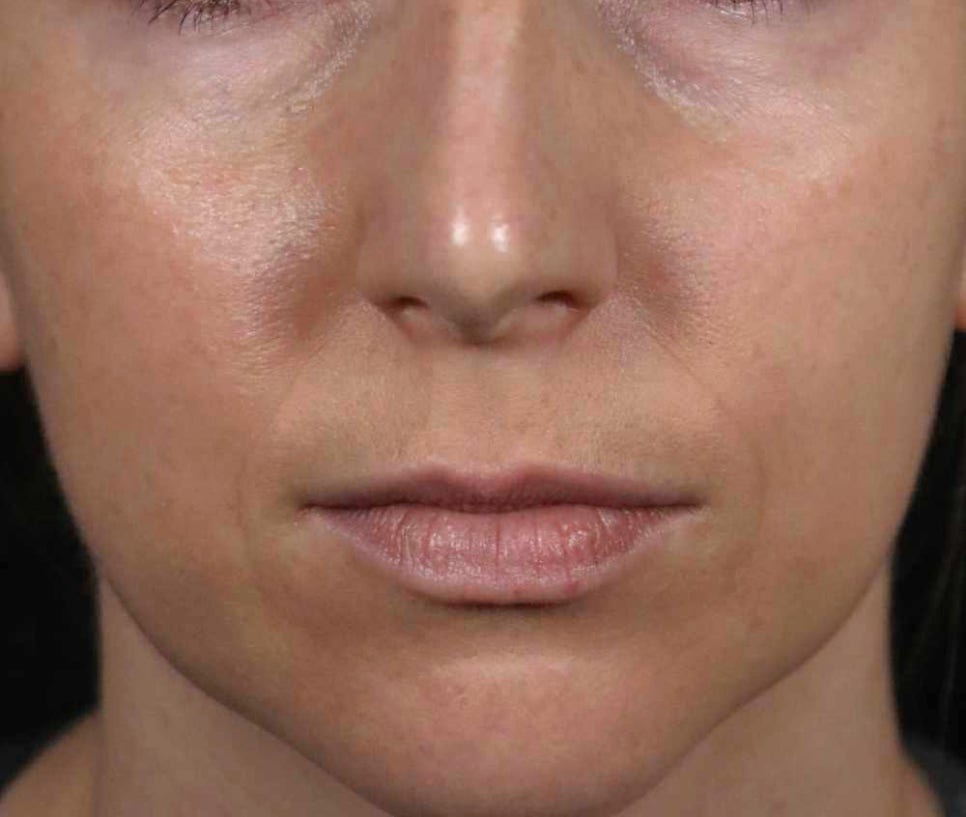
<Nasal bridge deviation>
This is when the surgery was done but the tip becomes red, silicone protrudes through the tip,
the nose becomes crooked, the bridge becomes uneven, or the nose shape gradually changes in an abnormal way.
When such aftereffects occur after nose surgery,
they often arise from unreasonable demands by the patient.
For example, if the patient wants the bridge raised by 5 mm
but the skin tension and available space can only accommodate 3 mm,
even if the medical staff explains this to the patient,
the patient may insist on a 5 mm increase,
and in the past, this sometimes caused the skin to rub against the implant, leading to discoloration,
or in severe cases, the implant even protruded.
In addition, after nose surgery, due to a medical error or the patient’s carelessness,
if the nose is bumped somewhere or the nose is blown forcefully,
the septum can become deviated.
If problems arise in the nose due to such aftereffects from nose surgery,
they can be corrected through revision nose surgery.
Finally, the third case in which revision nose surgery is performed is
when capsular contracture occurs.
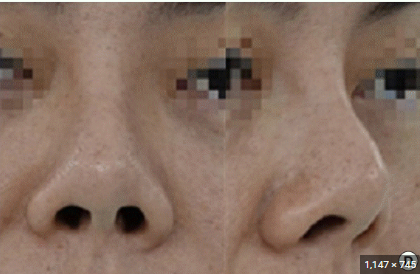
Capsular contracture refers to a serious nasal deformity caused by the contraction of the nasal skin,
or by tissue damage due to implants or incorrect surgical methods,
or by poor blood flow in the skin’s blood vessels, leading to adhesions and other changes.
In general, revision nose surgery is safest when performed at least 6 months to 1 year after the last surgery.
However, if capsular contracture develops due to implant inflammation or other causes,
it is not easy to wait the full 6 months.
At N+ Plus, to bring forward the timing of revision nose surgery for people who develop contracture symptoms after nose surgery,
we operate a systematic regenerative treatment program (PDRN/stem cell treatment).
By restoring damaged tissue around the nose as quickly as possible,
it may be possible to move the revision surgery earlier.
PDRN injection treatment
PDRN is a DNA fragment extracted and processed from salmon DNA.
PDRN is effective for tissue regeneration and reducing inflammation, so if the contracture symptoms are not severe,
it is the first treatment program to consider.
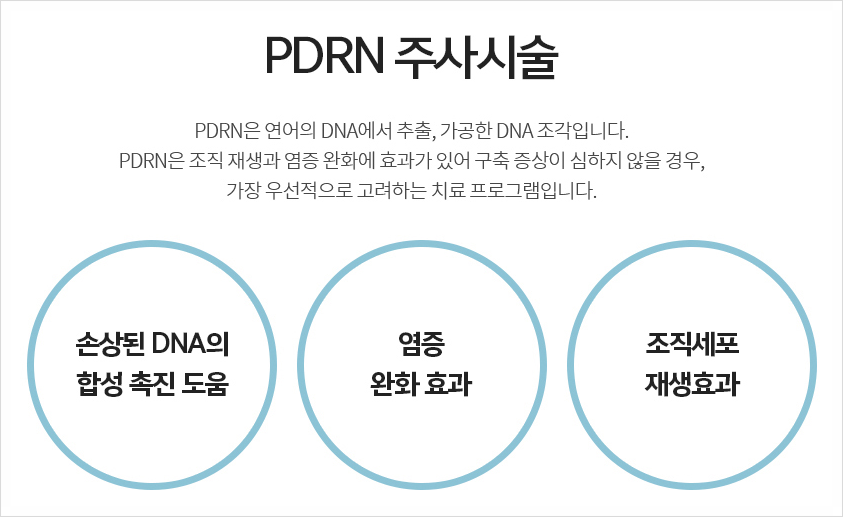
PDRN effects
-
Helps promote synthesis of damaged DNA
-
Anti-inflammatory effects
-
Tissue cell regeneration effects
If contracture symptoms are severe, stem cell treatment may be considered.
Stem cell treatment is a program in which stem cells extracted from the patient’s fatty tissue are separated,
concentrated, made into an injectable product, and then administered periodically.
Stem cell injection treatment is carried out intensively over a period of about 1 to 2 months,
and the timing for revision nose surgery is determined according to the patient’s tissue regeneration speed.
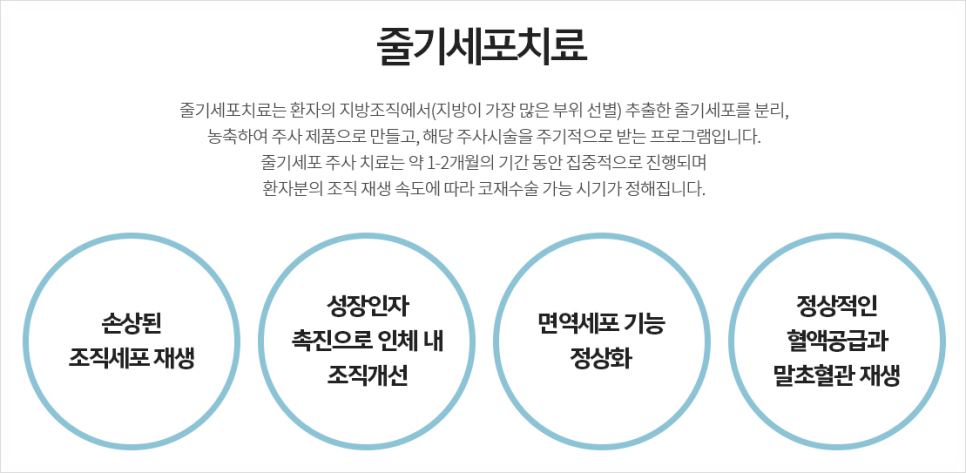
Stem cell effects
-
Regeneration of damaged tissue cells
-
Improvement of tissues in the body through growth factor promotion
-
Normalization of immune cell function
-
Normal blood supply and peripheral blood vessel regeneration
In cases where revision nose surgery is needed, there are many reasons, such as the patient’s wishes, medical staff error, or a mismatch between the patient and the medical staff’s agreed-upon point.
If you carefully consider the exact condition of your nose, the shape you want, and whether it is possible,
and discuss it well with experienced medical staff who have strong expertise,
I believe even the first nose surgery can be successful without revision surgery.
Thank you for reading.
https://youtu.be/i6wH9H9mL98