
When looking at your own face, if one of your facial features feels like the part you like least and becomes a complex, you may gather information about plastic surgery as a way to improve it. However, because indiscriminate plastic surgery can cause side effects, even if you try to improve your image through changes in makeup or hairstyle, the shape of the nose is difficult to change. For that reason, if you want to improve this complex, you can look into before-and-after female nose surgery in more detail.

In particular, for those looking into before-and-after female nose surgery, the reason is that the shape of the nose is low, has a hump, is crooked, upturned, drooping, or has a bulbous shape that does not match their personal standards, making the overall balance of the face feel off and leading them to want improvement.
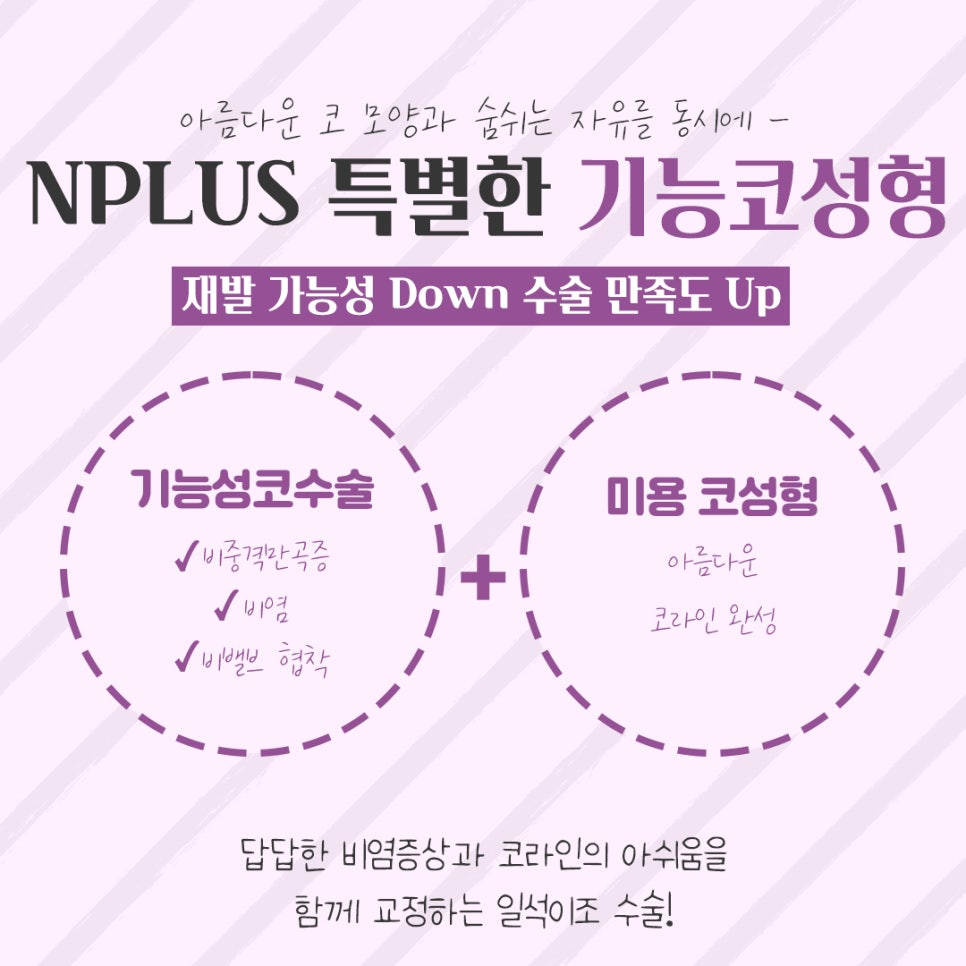
However, if you look at before-and-after female nose surgery, there are relatively many cases where the aesthetic standards mentioned above are prioritized, but the nose is also a functional organ that is important externally and responsible for breathing and smell. Therefore, surgery should consider both the external and internal functional aspects of the nose at the same time to help prevent revision surgery caused by functional problems after the operation.
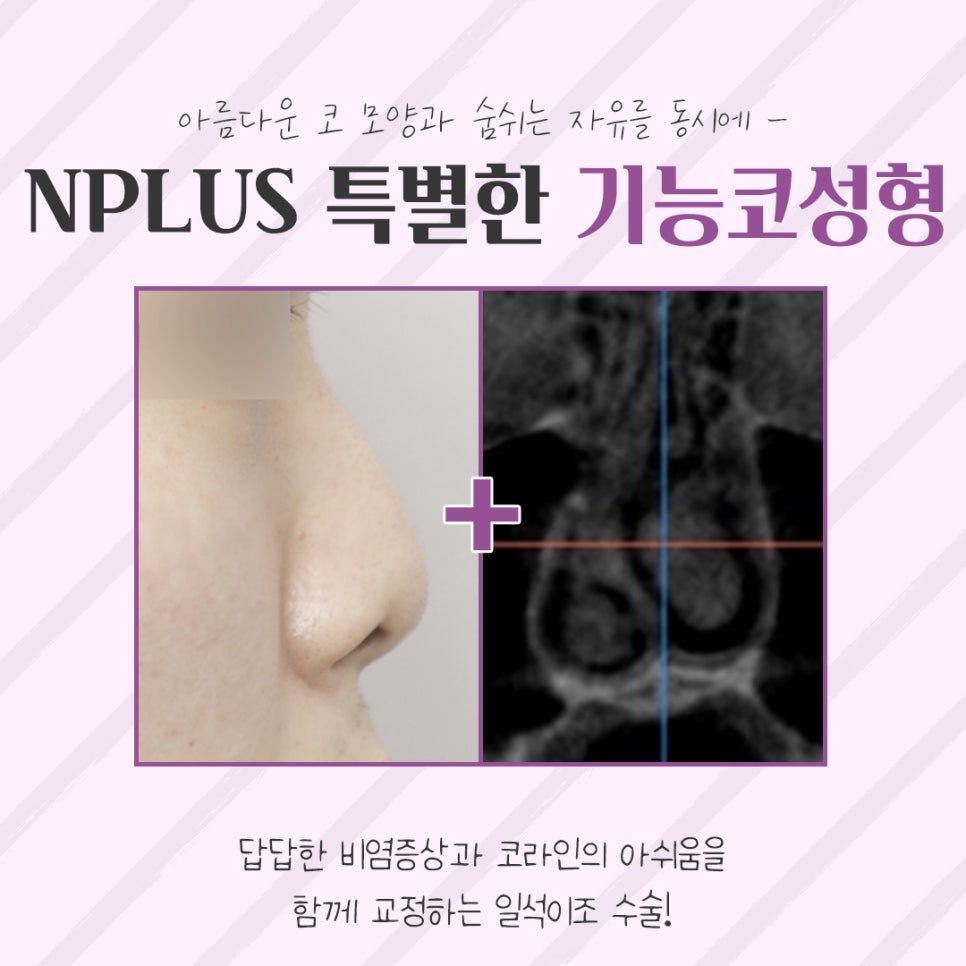
When talking about improving function through rhinoplasty, the most representative example is structural rhinitis caused by abnormalities in the internal nasal structure. The main symptom is nasal congestion. The causes of structural rhinitis can be classified into deviated septum, inferior turbinate hypertrophy, nasal valve stenosis, and combined symptoms in which these conditions appear together.

Therefore, if surgery is performed only from a cosmetic or cost-based approach, situations may arise in which revision surgery is required due to functional problems after the operation. For those looking into before-and-after female nose surgery, it may be helpful to choose a place that accurately examines both the inside and outside of the nose before proceeding with surgery.

For that reason, if you are looking into before-and-after female nose surgery, it is a good idea to check whether the medical team has strong anatomical knowledge of the nose, whether they have abundant experience and expertise in this field, whether they are equipped with devices that can accurately assess the condition of your nose, and whether aftercare is fully guaranteed.
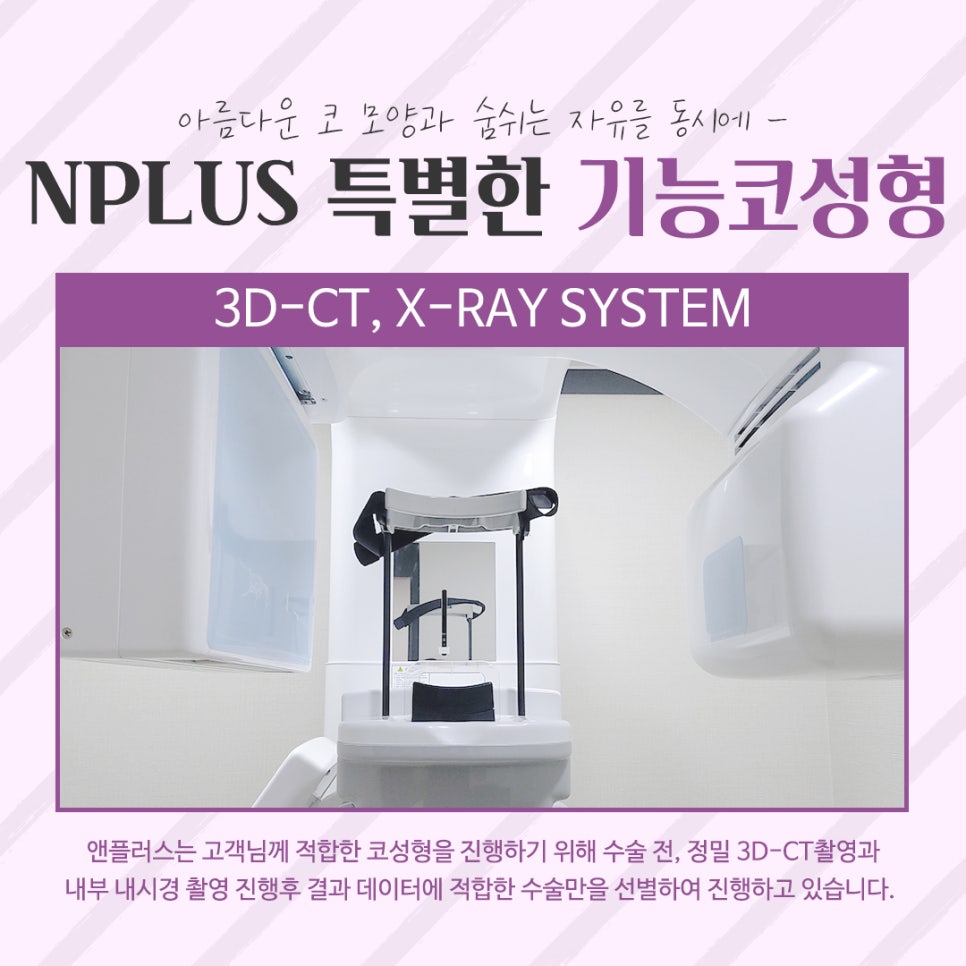
At Ozigo N Plus, to ensure safe and satisfying before-and-after female nose surgery, we conduct various allergy tests, internal nasal function tests, 3D CT scans, and internal endoscopic examinations before rhinoplasty. Through these, we carefully analyze hidden problems inside the nose and the nasal lines that need improvement, then establish and carry out a surgical plan.
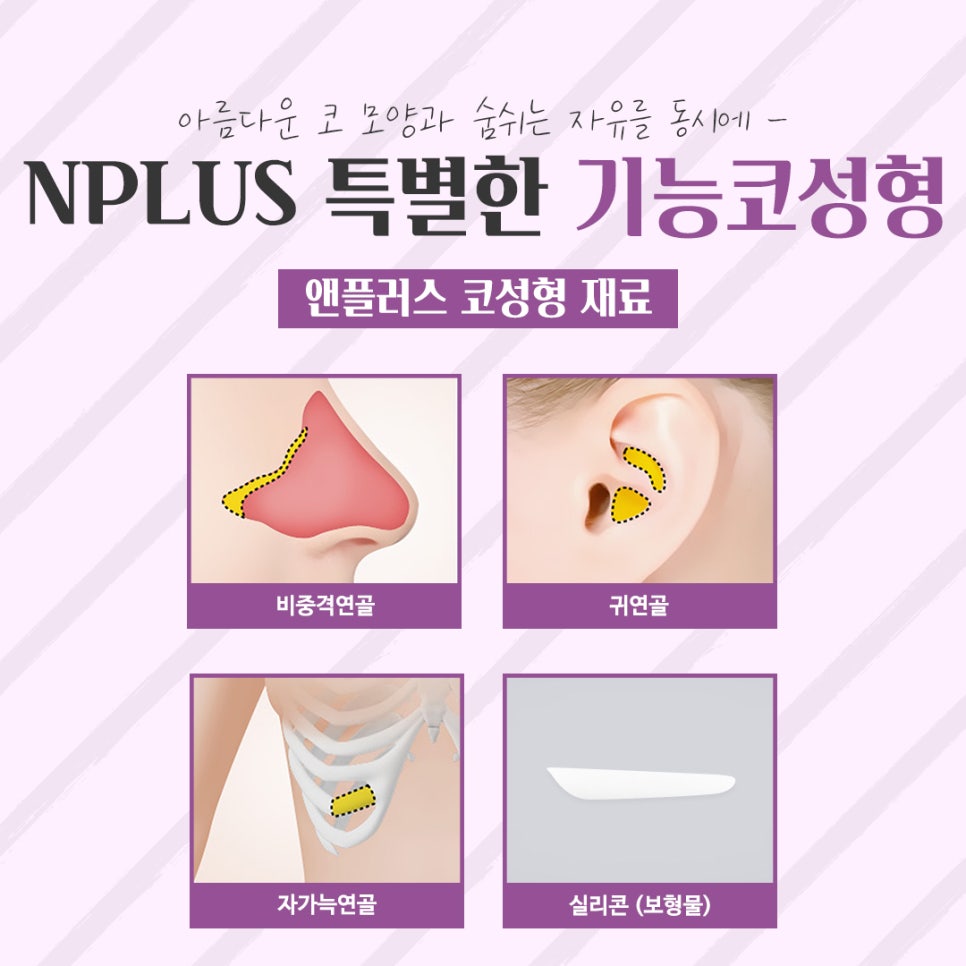
The average surgical method for female rhinoplasty is to correct the overall nasal line by using silicone for the bridge and autologous cartilage for the tip. The autologous cartilage used for the tip includes septal cartilage, ear cartilage, and autologous rib cartilage, and the appropriate material for each individual can be selected through preoperative testing.

Silicone is used for the nasal bridge. Rather than using a pre-manufactured silicone product, it is carefully shaped by hand while taking into account the person's overall image as well as the width, length, breadth, and height of the nasal bridge. As a result, rather than an artificial line after surgery, a custom-designed silicone that suits the individual is used.
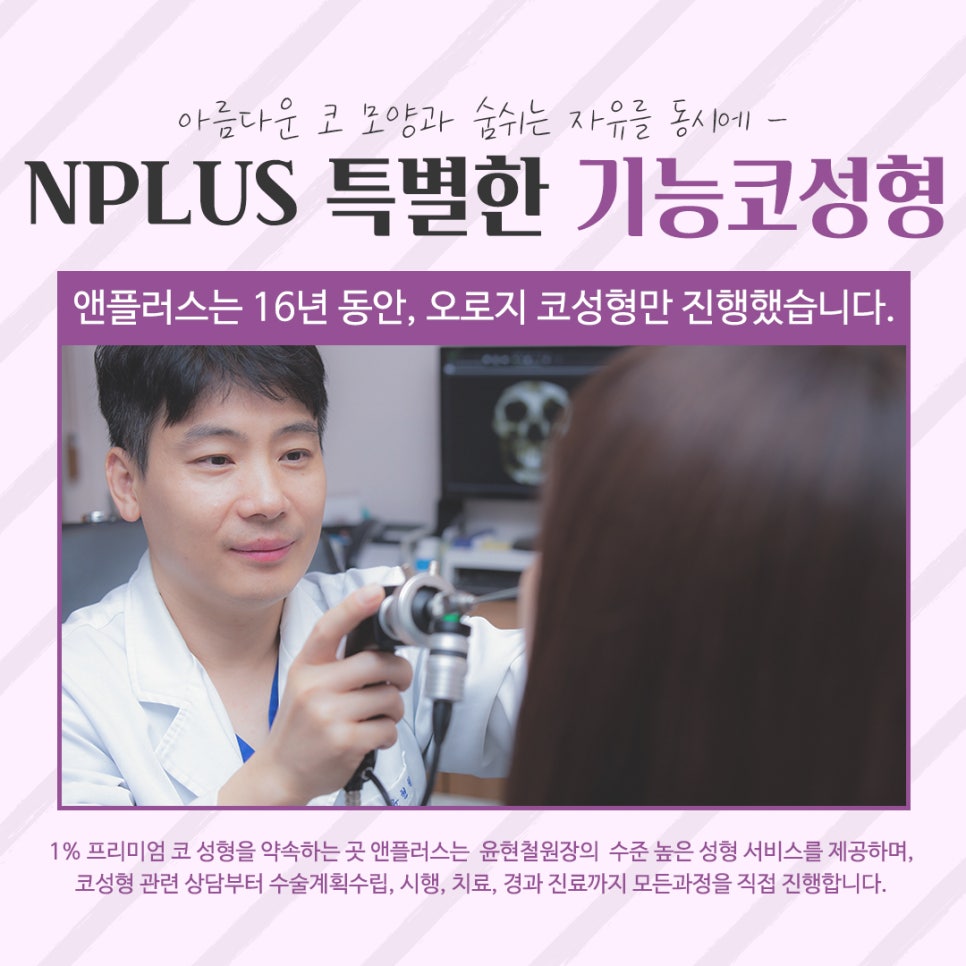
At Ozigo N Plus, Director Yoon Hyun-cheol personally handles everything one-on-one, from consultations related to female nose surgery to surgical planning, performance, treatment, and follow-up visits, providing a high level of medical service from before surgery through aftercare.

The aftercare provided at N Plus includes an A/S system guaranteed for one year after surgery, as well as a surgical responsibility guarantee system prepared for all situations that may arise after surgery, such as postoperative pain, inflammation, or dissatisfaction with the appearance. This allows you to receive aftercare benefits even after the procedure.
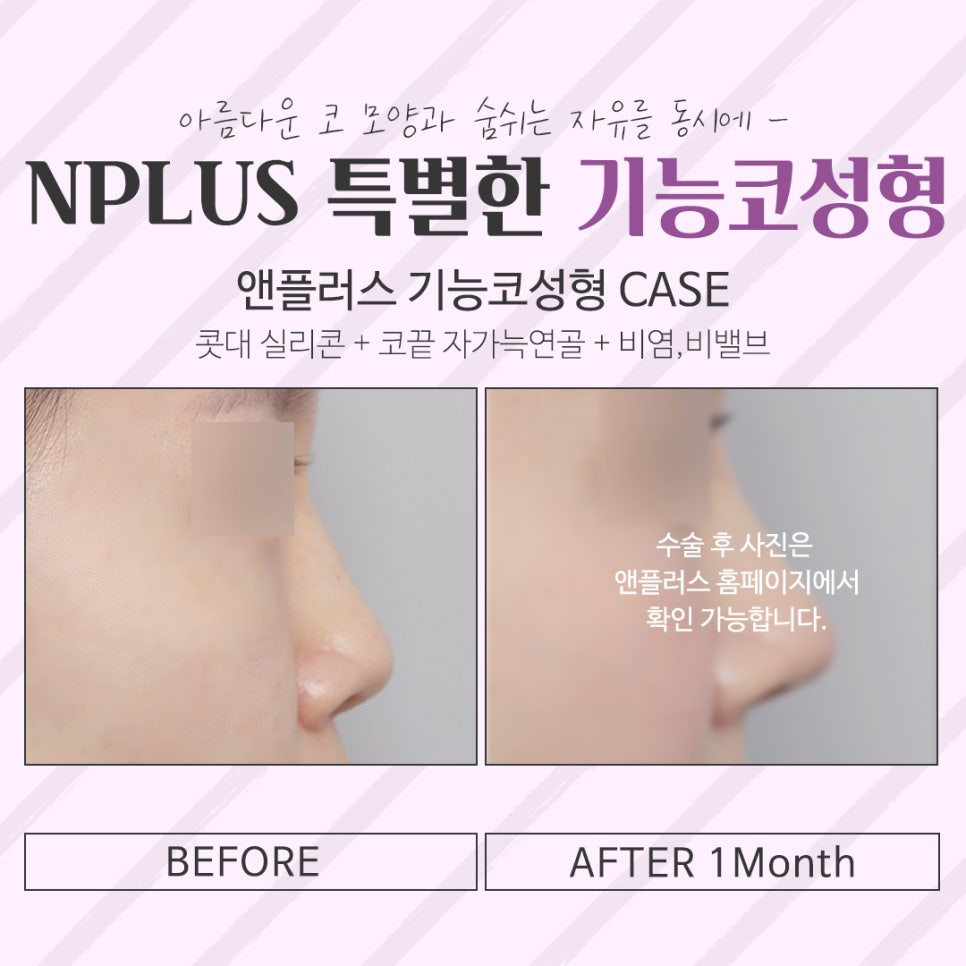
(The image above is an actual before-and-after female nose surgery photo from Ozigo N Plus.)
That concludes my explanation of Ozigo N Plus’s before-and-after female nose surgery. I hope this post is of great help to those who are looking into rhinoplasty because they are unhappy with the shape of their nose or because nasal congestion caused by rhinitis is bothering them. Thank you.
https://youtu.be/wxZpUwN4Gy4