
For those looking into before-and-after rhinoplasty, you may search for a nose shape similar to your own as a means of improving your current image. In particular, the nose is located at the center of our face and is one of the most three-dimensional features, so when its shape does not match the standard you have in mind, the balance of the entire facial features can appear off.

For this reason, many people try various self-directed approaches, but because the shape of the nose is difficult to change, it tends to become a daily-life complex, and more people are looking into before-and-after rhinoplasty as a way to improve it through surgery.
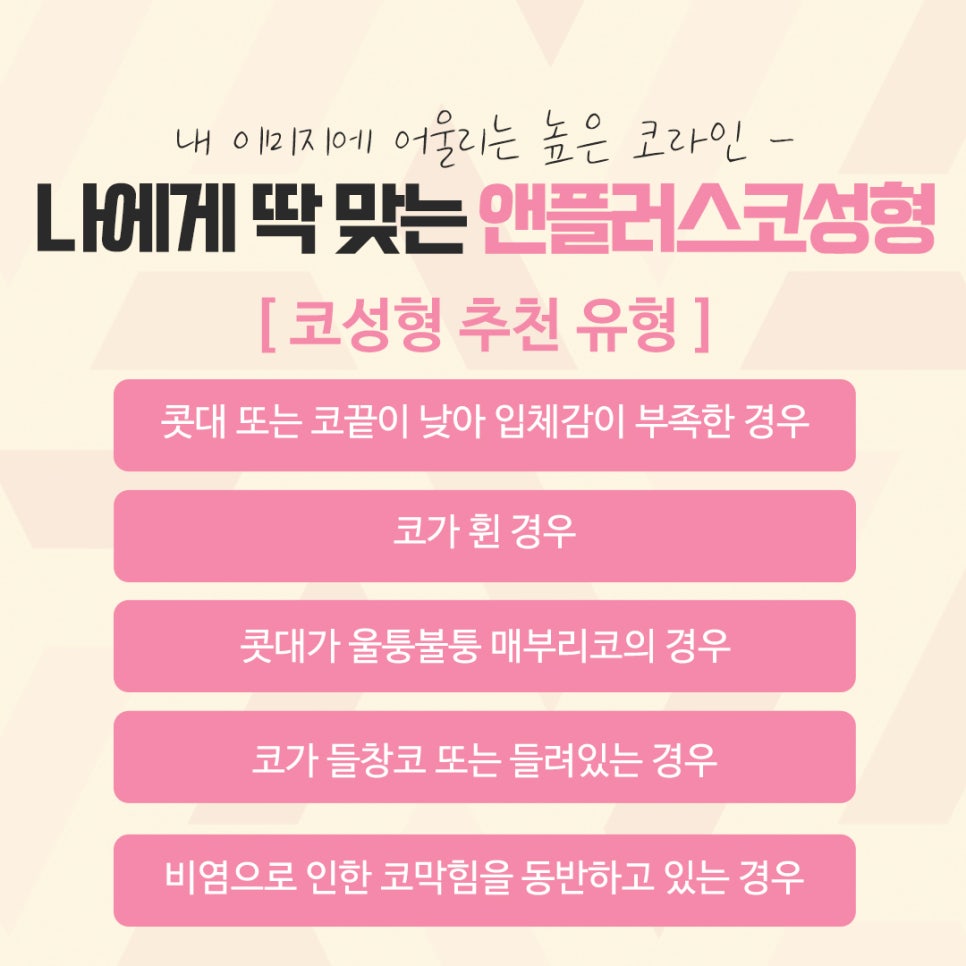
Common characteristics among those looking into before-and-after rhinoplasty include a low nose, a hump, a drooping nose, an upturned nose, a crooked nose, or a bulbous nose shape, meaning the overall nose shape is not straight or balanced.

As such, when many people think about before-and-after rhinoplasty, aesthetic standards may take priority on average. However, the nose is not only important in appearance but also a functional organ responsible for breathing and smell. Surgery must therefore consider both the external and functional aspects of the nose to help prevent revision surgery caused by postoperative functional problems.
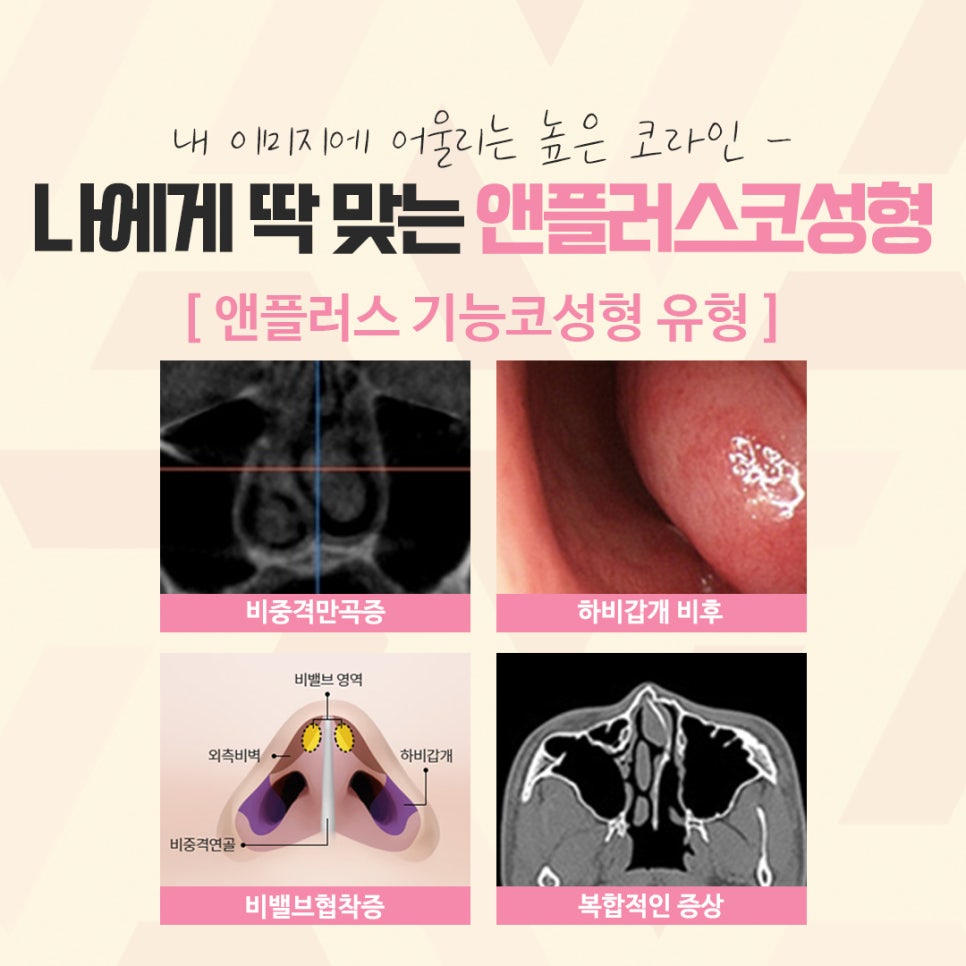
If you look into before-and-after rhinoplasty, you can see that in many cases the functional aspects of the nose are improved at the same time as the aesthetic aspects. When surgery is performed for functional concerns, the most representative symptom is nasal congestion caused by rhinitis. Rhinitis is divided into allergic rhinitis and structural rhinitis. In the case of allergic rhinitis, surgery is not performed; instead, temporary improvement can be achieved through immune enhancement or medication. In contrast, structural rhinitis can be cured through surgery. The causes of structural rhinitis include a deviated septum, inferior turbinate hypertrophy, and nasal valve stenosis.
Because the internal functional aspects of the nose are difficult to confirm with the naked eye, if surgery is performed based only on cost-related or aesthetic considerations, revision surgery may become necessary due to postoperative functional problems. For those looking into before-and-after rhinoplasty, it may be helpful to choose a place that uses equipment to accurately examine both the inside and outside of the nose.
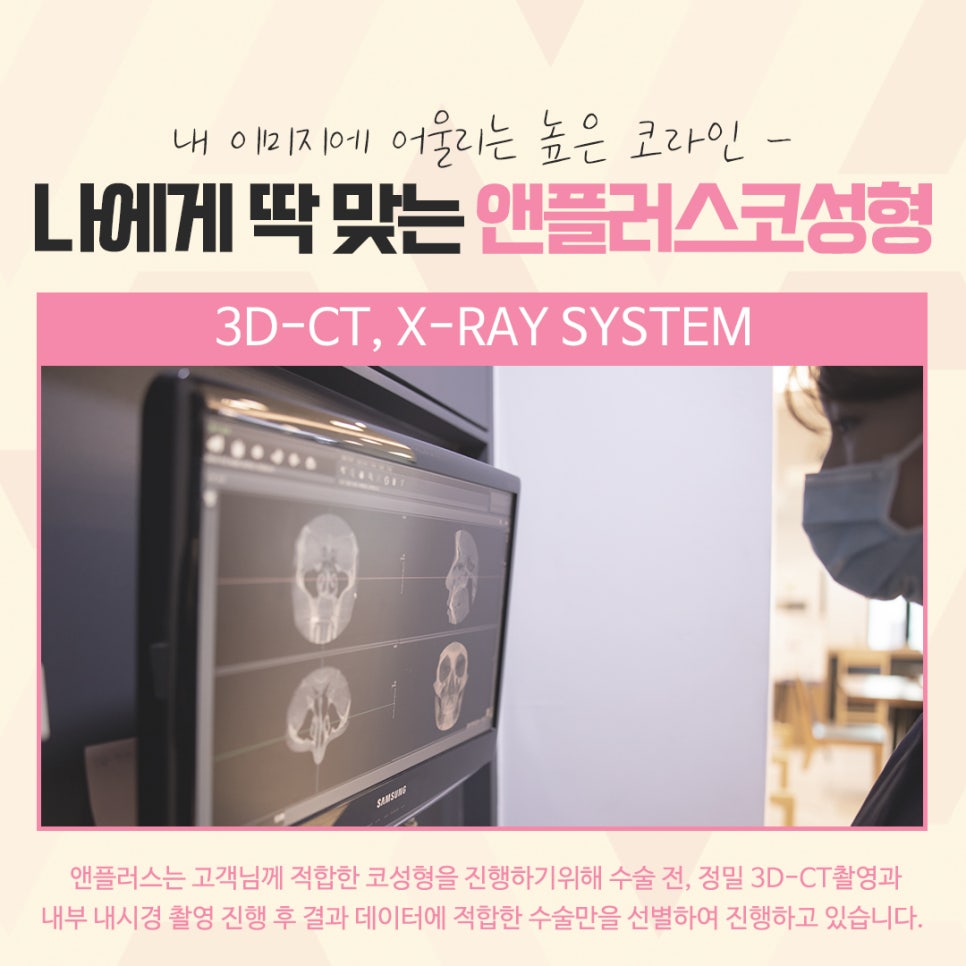
At Ojiqo & Plus, to ensure safe before-and-after rhinoplasty, we establish surgical plans based on extracted data after sufficiently considering each individual's internal functional issues and other factors through preoperative 3D-CT scans, internal endoscopic imaging, various allergy tests, and internal nasal function tests.
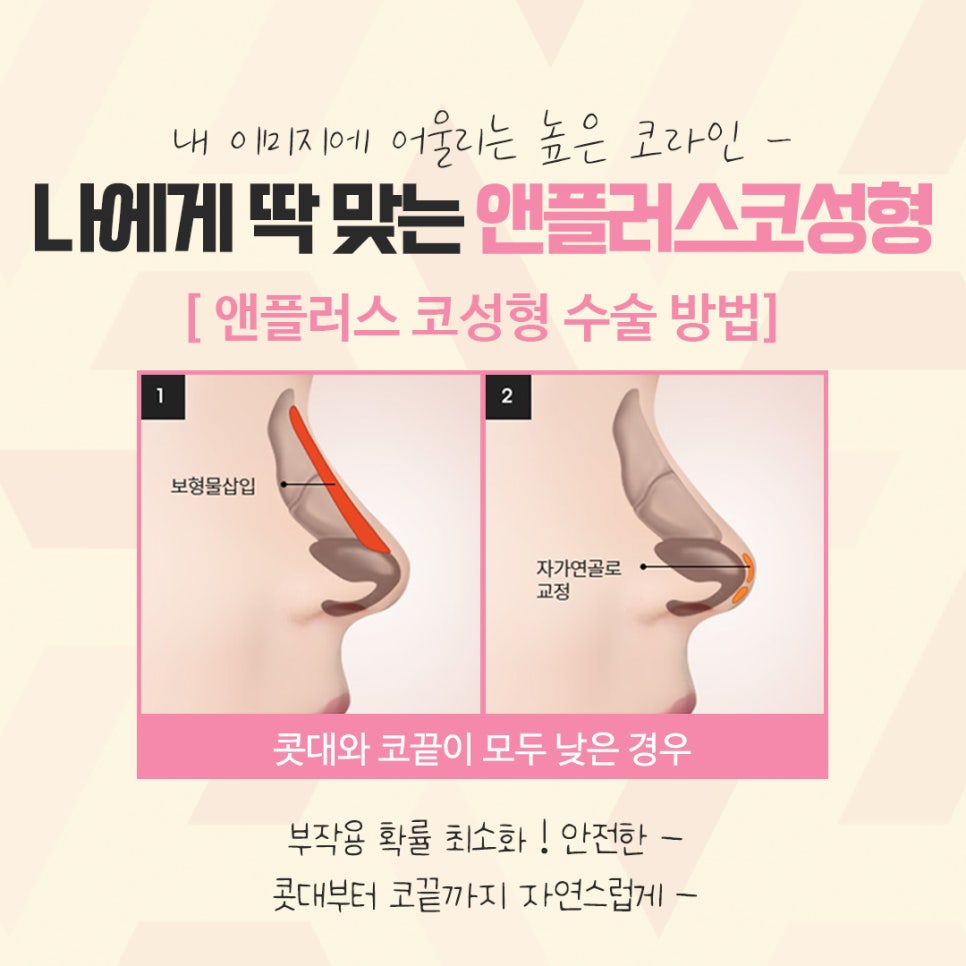
Generally, when you look at before-and-after rhinoplasty cases, silicone is used for the bridge of the nose, and autologous cartilage is used for the nasal tip to design the overall nasal line.
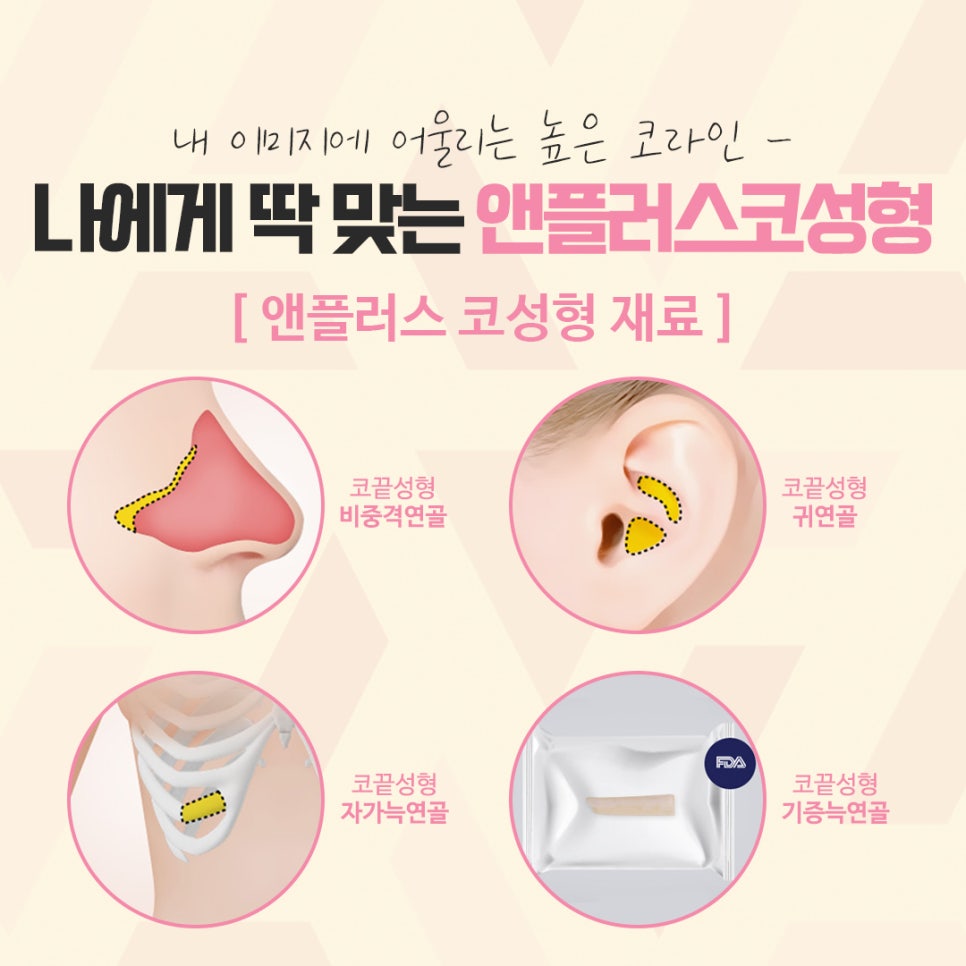
The autologous cartilage used for the nasal tip includes ear cartilage, septal cartilage, and autologous rib cartilage. Through preoperative testing, the material best suited to each individual is selected and used. If the use of autologous cartilage is difficult, donated rib cartilage approved by the U.S. FDA can be used as a substitute.

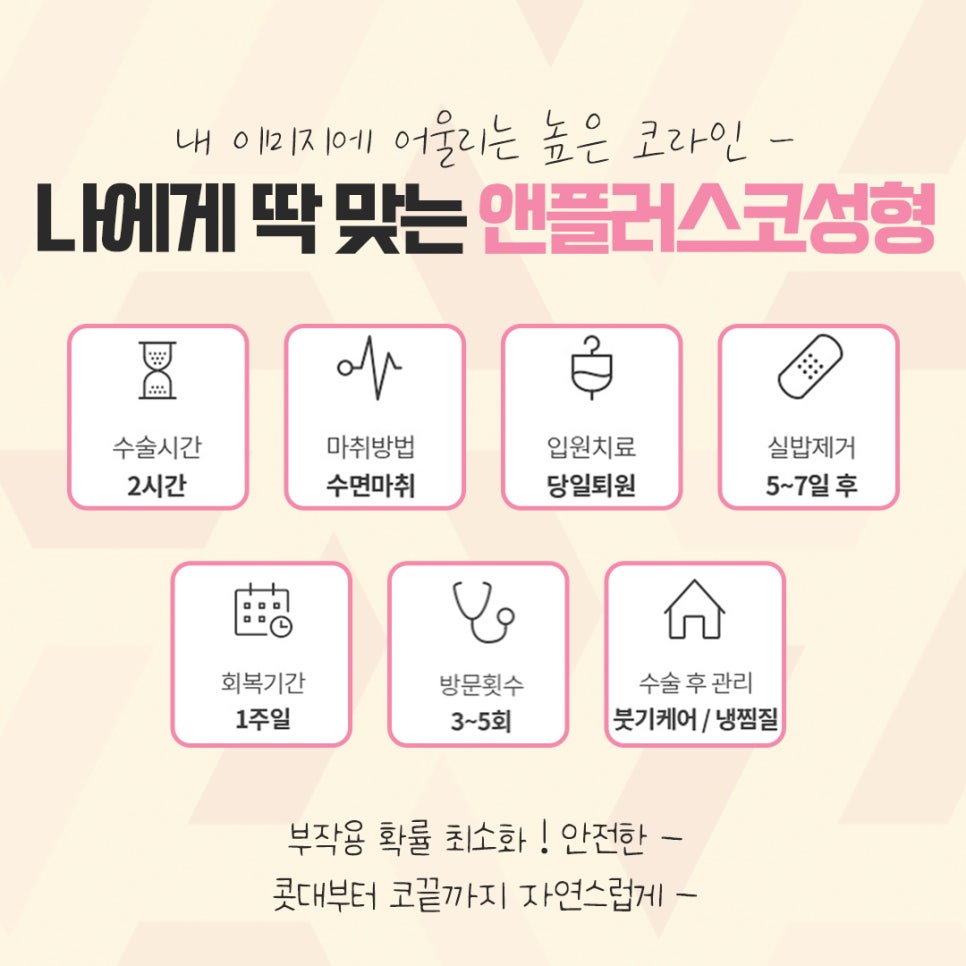
Silicone can be inserted into the bridge of the nose to add volume. At & Plus, to minimize an artificial look after nose surgery, we do not use commercial implants as they are; instead, we carefully hand-shape them by considering various aspects such as the individual's overall image and the width, length, breadth, and height of the nasal bridge.

At Ojiqo & Plus, Director Yoon Hyun-cheol personally handles every step one-on-one, from consultation related to rhinoplasty to surgical planning, the procedure itself, treatment, and follow-up visits, allowing you to proceed with peace of mind from before surgery through after.

In addition, postoperative care includes not only a complimentary A/S system guaranteed for one year after surgery, but also a surgery responsibility guarantee system prepared for all possible situations such as postoperative pain, inflammation, and dissatisfaction with the result, making for a more satisfying before-and-after rhinoplasty experience.
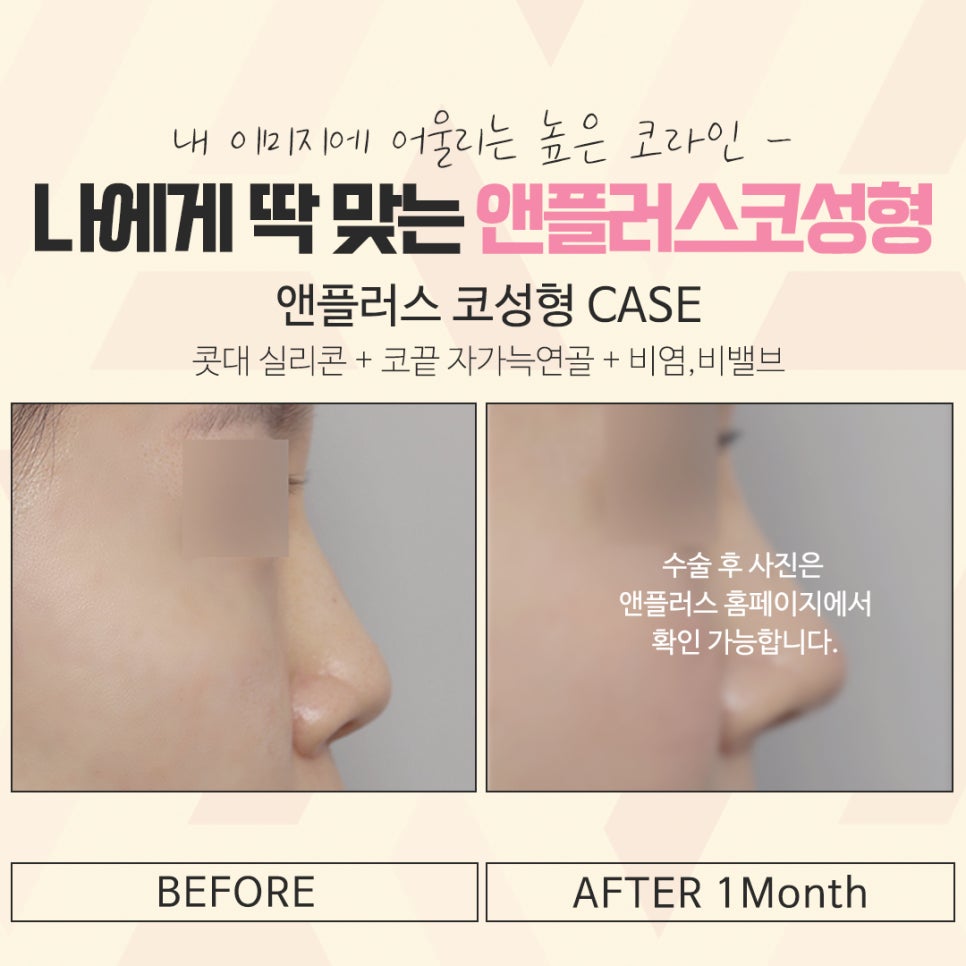
(The image above is a before-and-after rhinoplasty photo from Ojiqo & Plus.)
This concludes the information about before-and-after rhinoplasty at Ojiqo & Plus. I hope this article was helpful to those who are currently unhappy with the shape of their nose and are looking into before-and-after rhinoplasty. Thank you.
https://youtu.be/GD714lY3tKI