
Because the nose is located at the center of the face and is the most three-dimensional feature, its shape can be said to greatly influence our impression. When the nose is low, has a hump, droops, or is upturned, many people become interested in rhinoplasty as a way to improve its shape. For those who find full nasal surgery 부담스러운, you can look into nose tip surgery reviews in more detail.
The nose is located at the center of our face and balances the facial features while also serving as a functional organ responsible for breathing and smell. When looking at the overall image, facial balance varies from person to person, and it is important to proceed with surgery that is suited to each individual's condition after checking whether there are any internal functional issues.
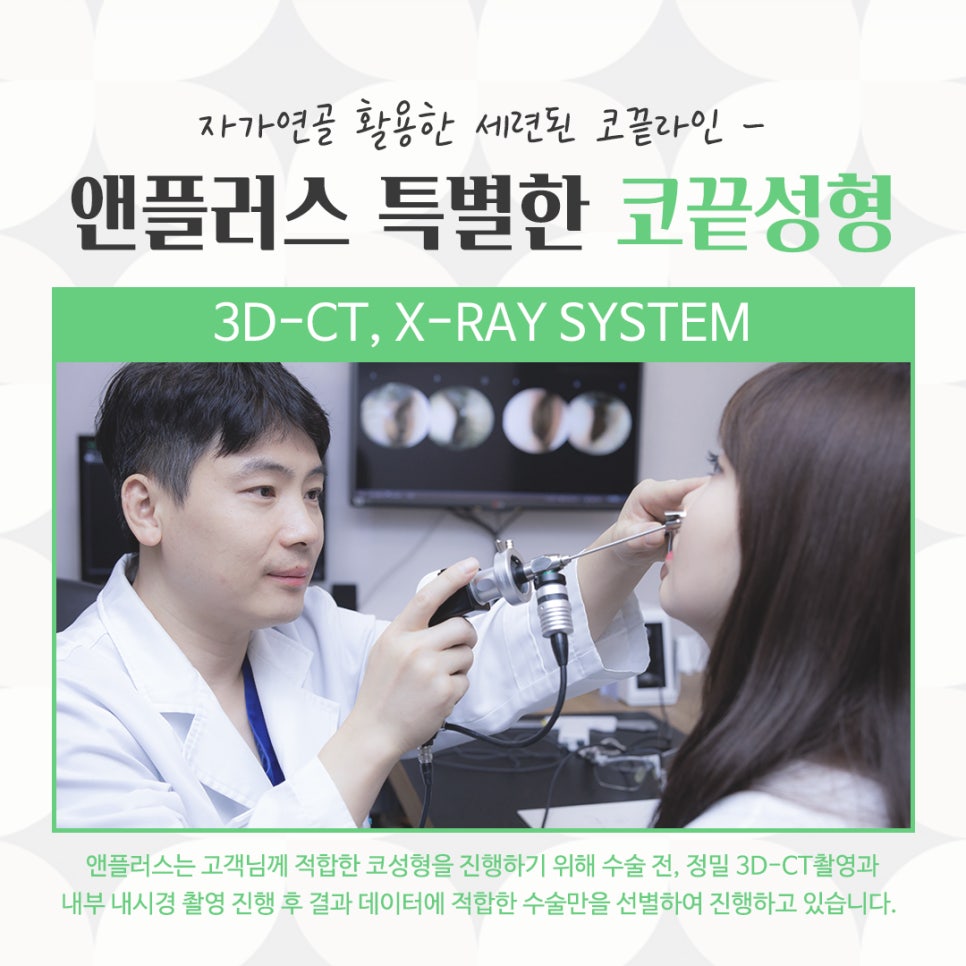
At Oziko N Plus Clinic, to ensure a safe and satisfactory nose tip surgery review, various preoperative allergy tests, internal nasal function tests, 3D-CT imaging, internal endoscopic imaging, and multi-angle photography are performed to accurately identify and analyze each person's nose tip issues. Based on the extracted data, a surgical plan is established and the most effective method is selected for the nose tip surgery.

Types that may require nose tip surgery include a low nose tip, an upturned nose tip, a short nose, a drooping nose tip, a parrot-beak nose / long nose, and a broad nose tip.
Therefore, when looking at nose tip surgery reviews, different surgical methods are performed for each individual, depending on the current condition of the nose tip. Accordingly, nose tip surgery is broadly classified into four methods, and the procedure is performed according to whether the nose tip is low, upturned, drooping, or broad.
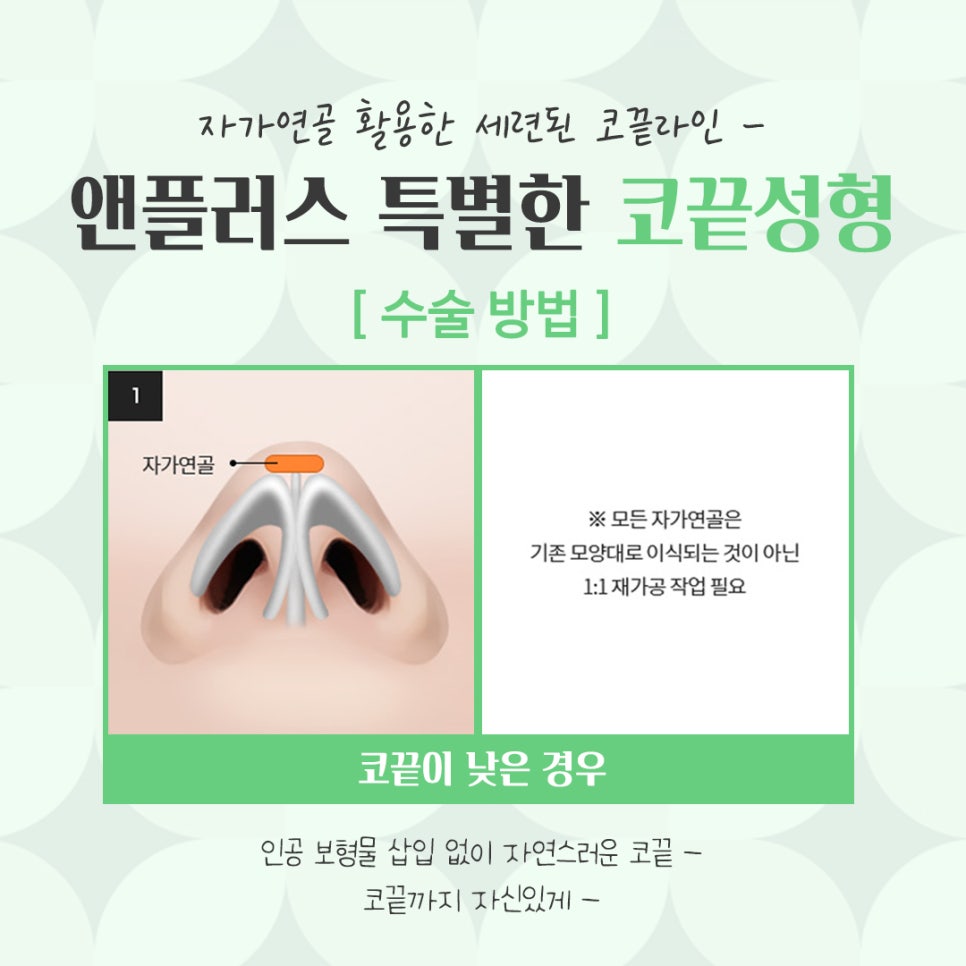
When the nose tip is low, the shape of the nose tip can be corrected by placing additionally processed autologous cartilage on top of the nose tip cartilage.
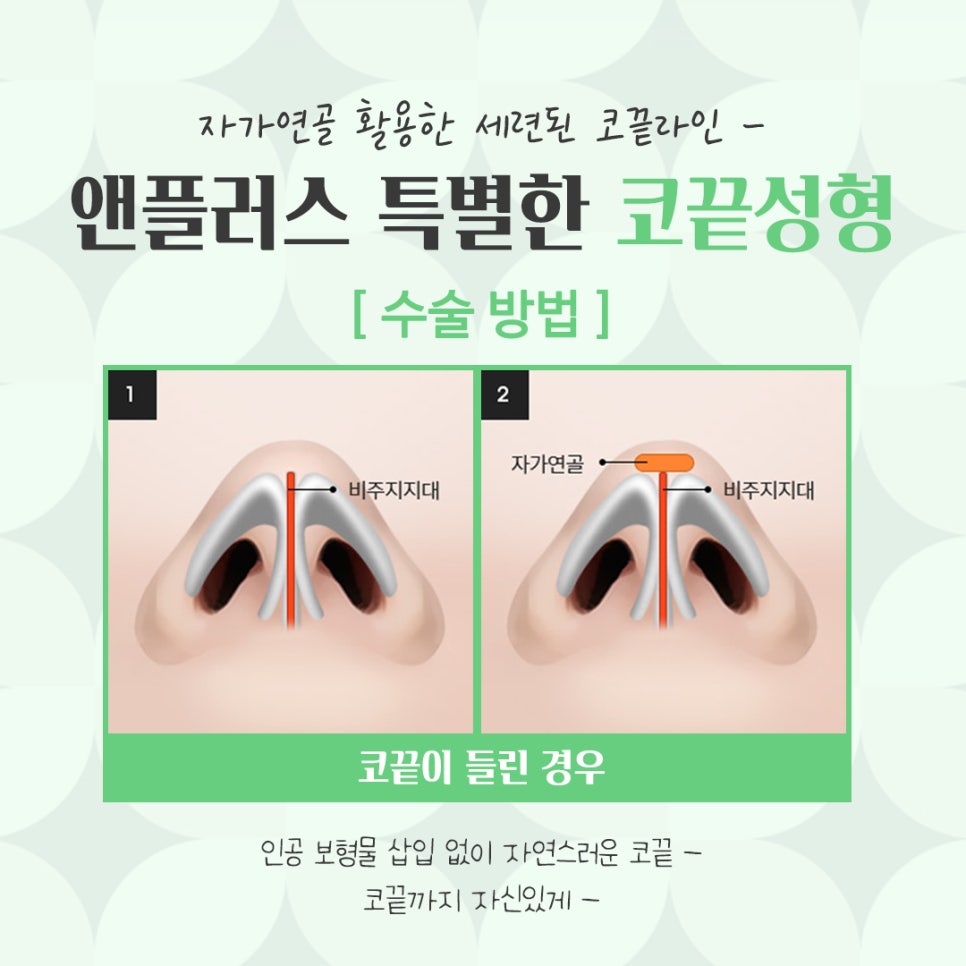
When the nose tip is upturned, a columellar strut or septal extension is performed so that the nose does not turn up again after surgery, and the shape of the nose tip can be corrected by placing autologous cartilage on top of the supported nose tip cartilage.
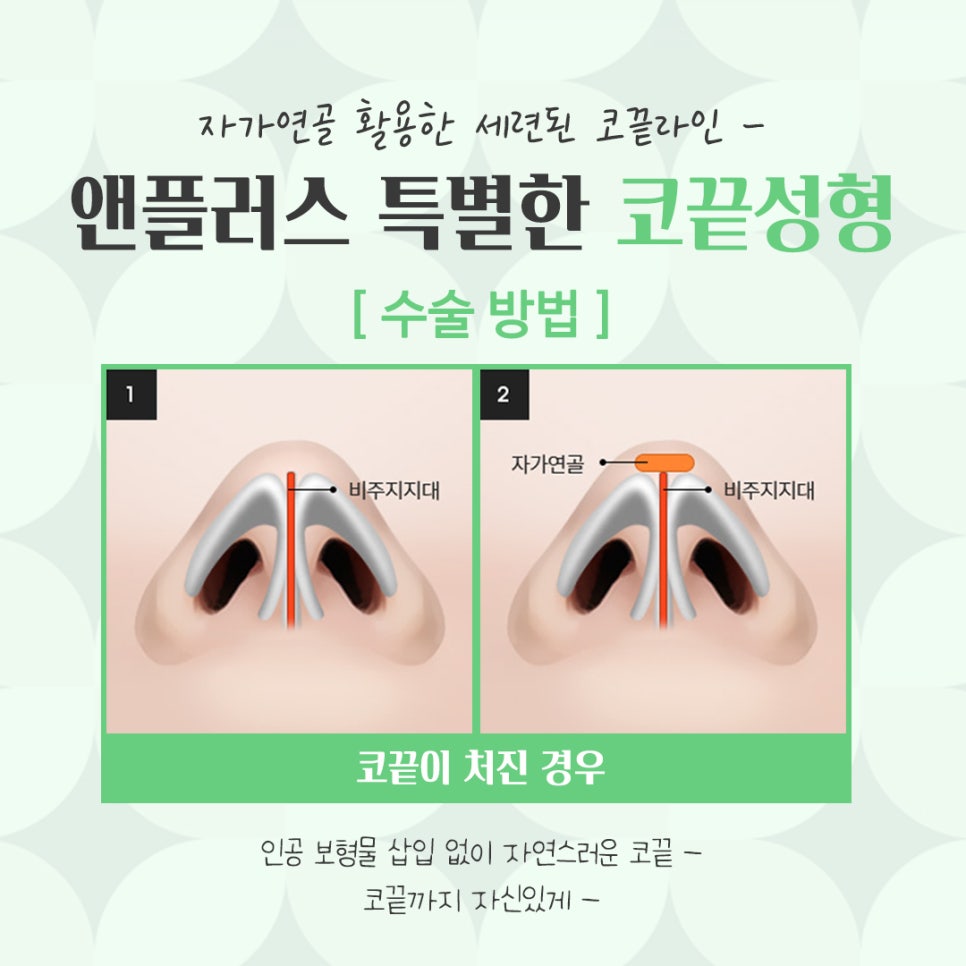
When the nose tip droops, if it is weak and sagging, the nose tip cartilage can be firmly fixed with a columellar strut, and then autologous cartilage can be additionally placed on top of the supported nose tip cartilage to correct the shape.
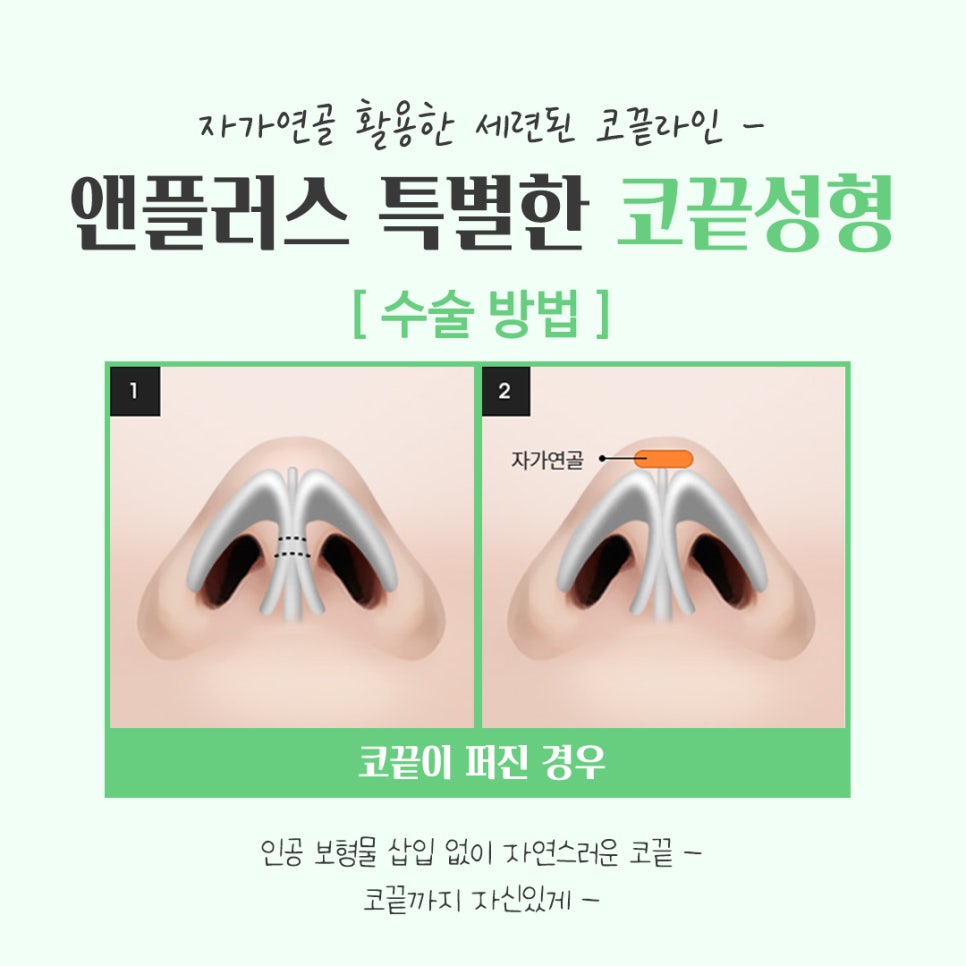
For a broad nose tip, the nasal cartilages can be brought together and firmly fixed with special sutures. If bringing the cartilages together does not produce sufficient results, autologous cartilage can be additionally grafted to correct the shape of the nose tip.
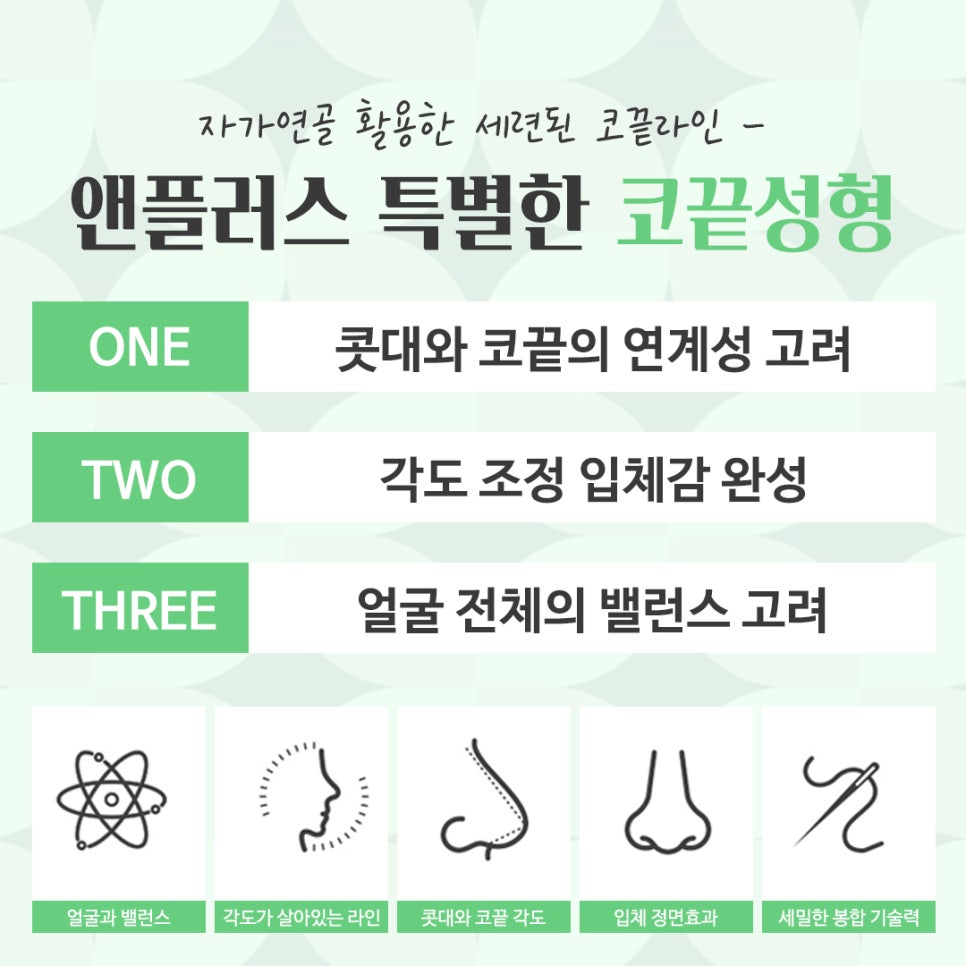
Accordingly, in the case of nose tip surgery, each person has different characteristics such as septal cartilage, alar cartilage, surrounding soft tissue, skin thickness, and nasal framework. So for those who want to improve the nose tip into a sharper and more refined image, it is important to refer to nose tip surgery review images, but we also recommend visiting a clinic and receiving an accurate diagnosis of your current nose condition through equipment.
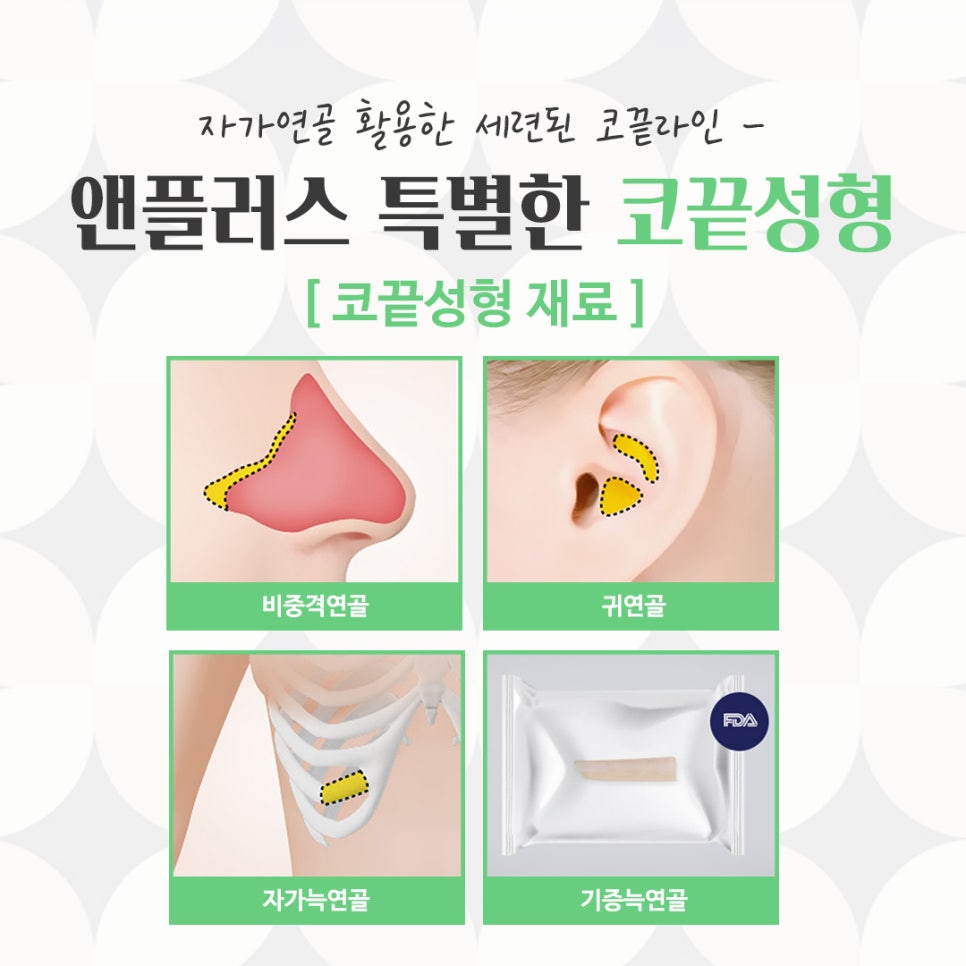
Also, when you check nose tip surgery reviews, the autologous cartilage material used for the nose tip may differ from person to person. This can be carried out by selecting the most suitable material for the individual through preoperative testing. Autologous cartilage includes septal cartilage, ear cartilage, autologous rib cartilage, and donated rib cartilage. If using autologous cartilage is difficult, it can be replaced with donated rib cartilage approved by the U.S. FDA.
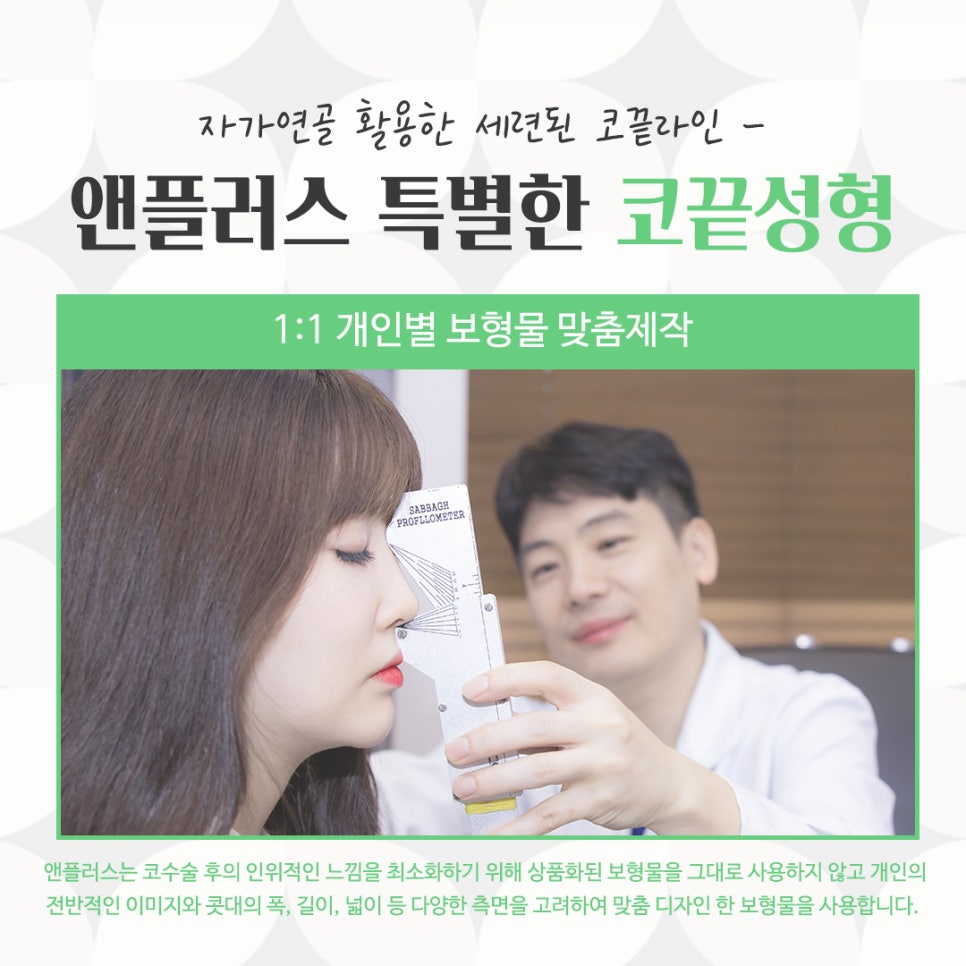
If you want a higher and more voluminous nose line during nose tip surgery, additional bridge augmentation can be performed. Silicone is used for the nasal bridge, and rather than using a pre-manufactured silicone product as is, it is carefully trimmed by hand after considering various aspects such as the overall image, the width, length, breadth, and height of the bridge. This allows the line to be designed to suit the person's face, achieving a more natural and refined line rather than an artificial one.
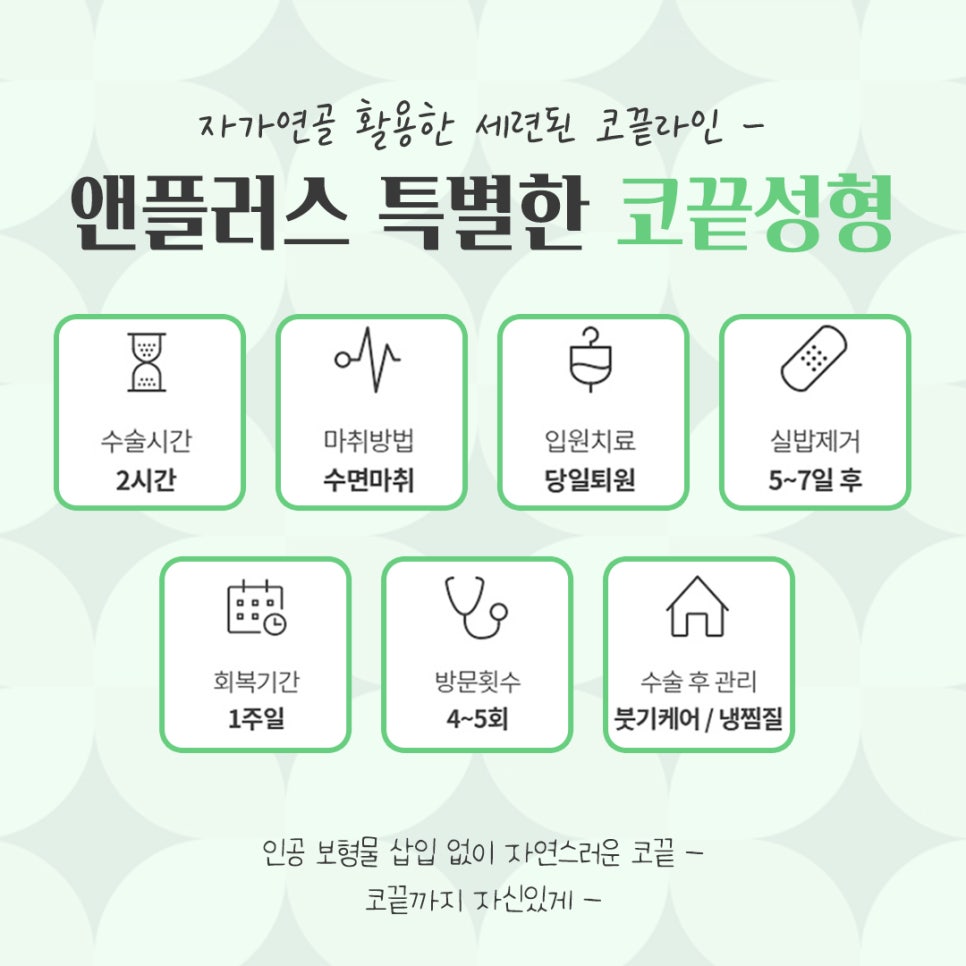
When looking into nose tip surgery reviews, it is important not to simply check the images, but also to review the characteristics of the methods and materials, and to choose a place that checks both the inside and outside of the nose. In addition, it may be helpful to carefully check whether the medical staff have strong anatomical knowledge of the nose, whether they have sufficient experience and expertise, whether equipment is available to clearly assess the condition of your nose, and whether aftercare is reliably guaranteed.
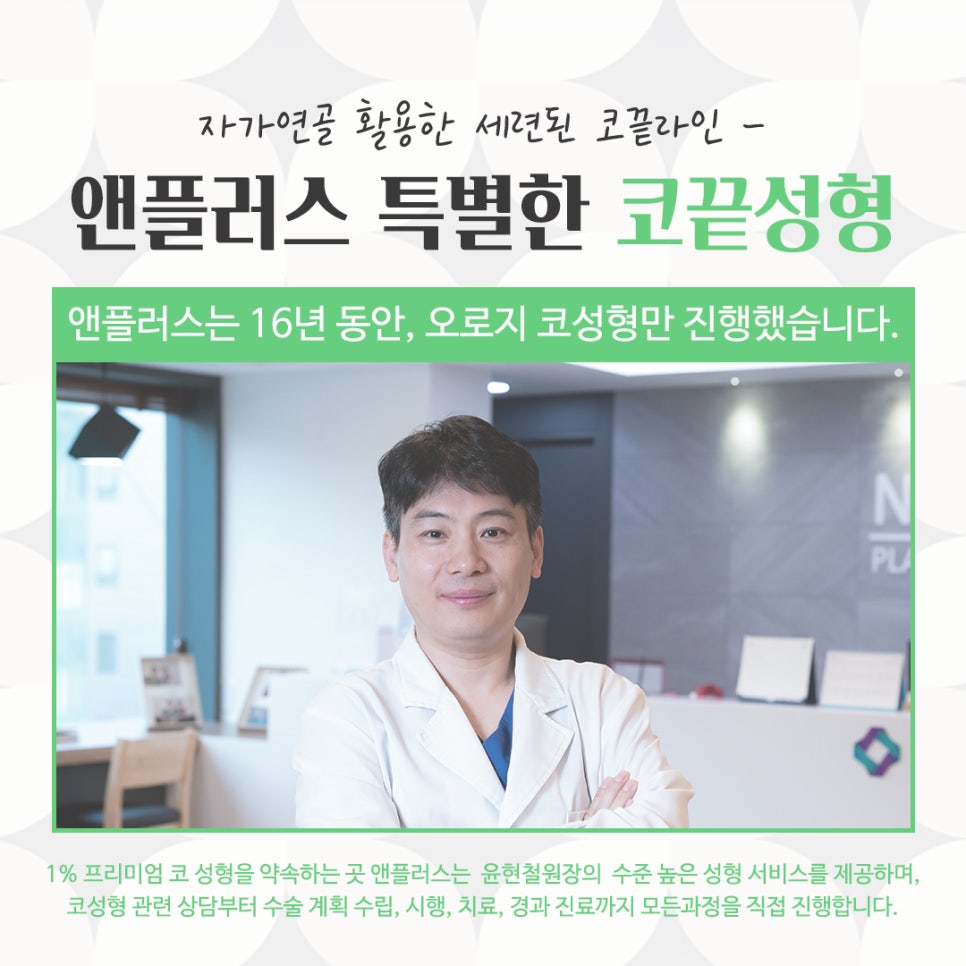
At Oziko N Plus Clinic, Director Yoon Hyun-cheol personally handles everything one-on-one, from consultations related to nose tip surgery to surgical planning, the procedure itself, treatment, and follow-up care, so you can visit with confidence from before surgery through after.

The post-surgery aftercare includes not only a free one-year A/S guarantee after surgery, but also a surgical responsibility guarantee system in preparation for all possible situations such as postoperative pain, inflammation, and dissatisfaction with the appearance, so you can receive aftercare benefits as well.
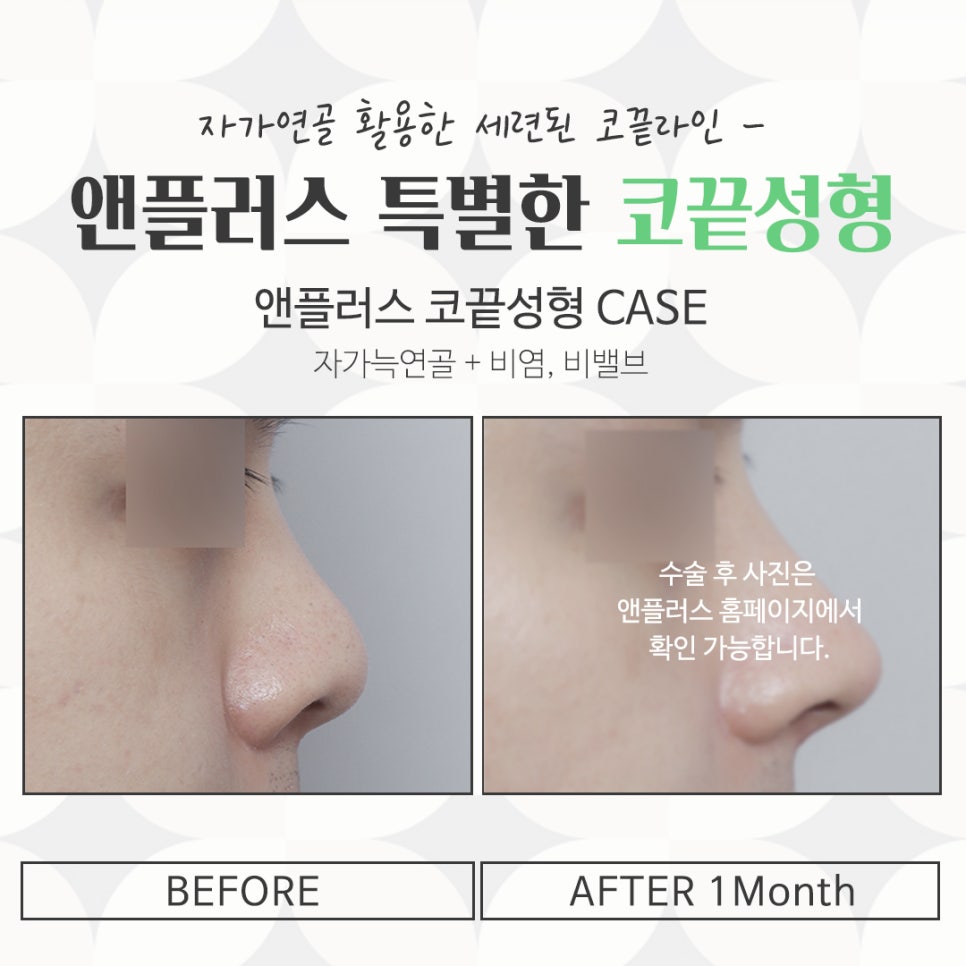
(The above image shows before-and-after photos of nose tip surgery using autologous cartilage at Oziko N Plus Clinic.)
That concludes our summary of nose tip surgery reviews using autologous cartilage performed at Oziko N Plus Clinic. We hope this article is very helpful for those who are looking into rhinoplasty to improve the shape of the nose tip. Thank you.
https://youtu.be/WXBJPNc4fXw