
In modern times, as standards for appearance have become higher, the idea that appearance is also a qualification has emerged. As appearance has come to occupy a larger role, interest in cosmetic surgery has been increasing among many people as a way to identify perceived shortcomings in their looks and improve them.

Among various types of cosmetic surgery, the nose is located at the center of our face and is the most three-dimensional area. Even a small change can have a major effect on improving one’s image, so it is one of the most prioritized procedures. Those who want to improve the shape of their nose can learn more detailed information about Apgujeong nose surgery.
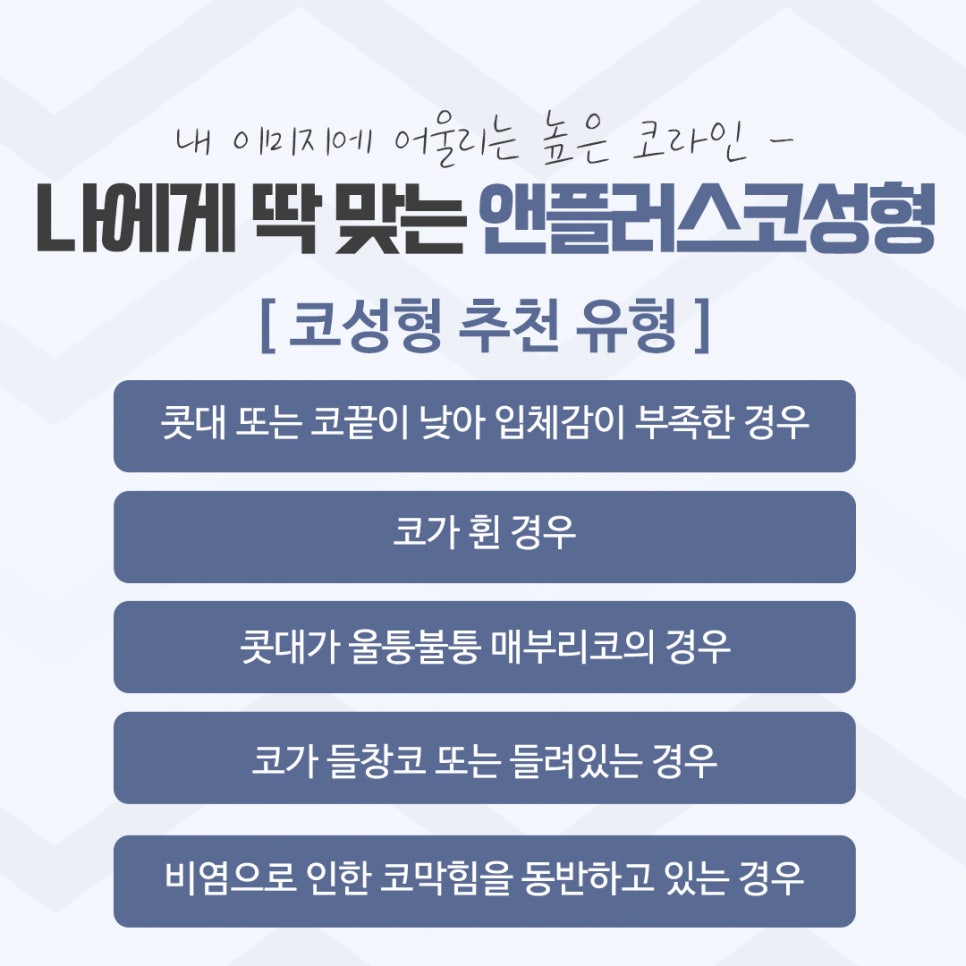
Therefore, the nose shapes of those looking into Apgujeong nose surgery can be categorized in various ways, such as a nose that is too low, has a hump, is upturned, crooked, drooping, or has a hook-like shape. Since different surgical methods and materials are applied depending on each individual’s condition, it can be helpful to confirm the state of your nose through a consultation.

As mentioned above, the nose is not only important for appearance due to its shape, but also a functional organ responsible for breathing and smelling. Therefore, it is important that surgery be performed with consideration for functional aspects as well, rather than being conducted only from an aesthetic or cost-focused approach.
So when looking into Apgujeong nose surgery, it is important not only to check before-and-after photos, but also to review the details carefully. For an accurate diagnosis, it is best to visit in person and have the condition checked through equipment. Those considering Apgujeong nose surgery may also find it helpful to carefully check whether the medical staff have strong anatomical knowledge of the nose, whether they have sufficient experience and expertise, whether they are equipped with tools that can clearly assess the condition of your nose, and whether post-operative care can be firmly guaranteed.
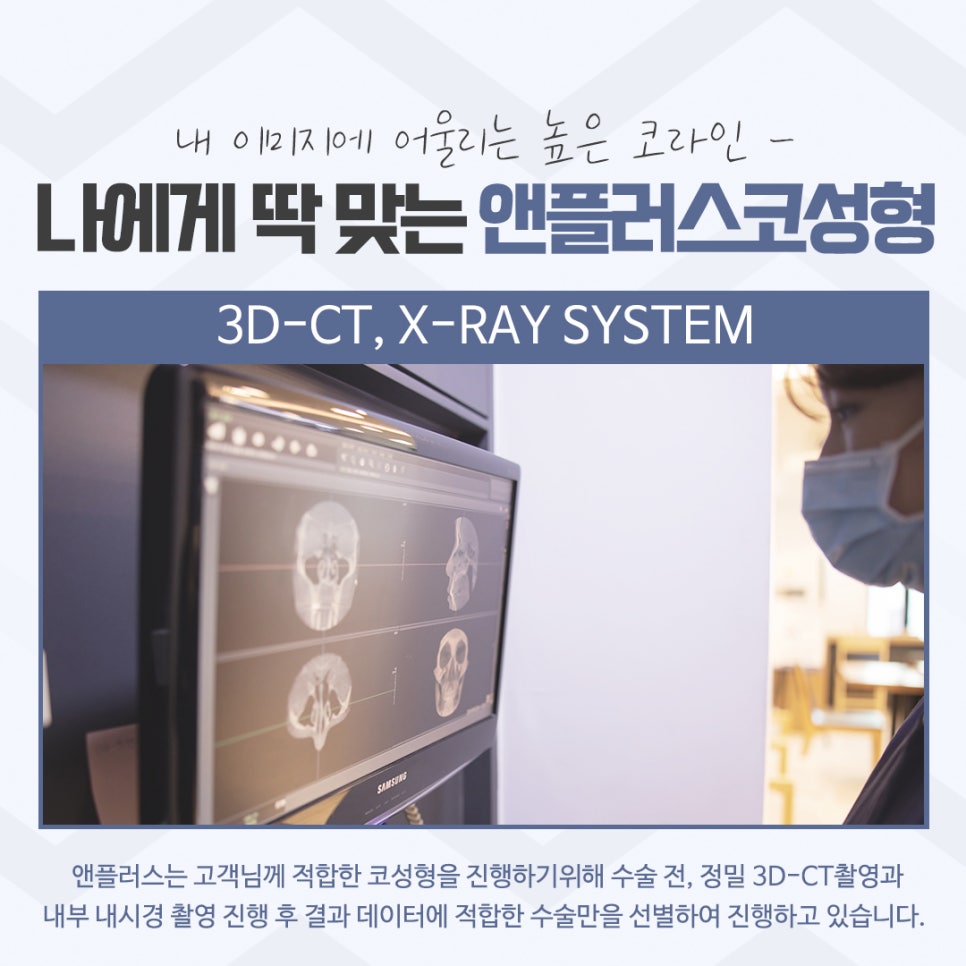
At Apgujeong nose surgery clinic N+Plus, to ensure safe and satisfying rhinoplasty, preoperative precision 3D-CT imaging, internal endoscopic imaging, various allergy tests, and internal nasal function tests are performed to accurately identify and analyze the current external and internal issues of each individual’s nose. Based on the extracted data, a surgical plan is established and carried out.
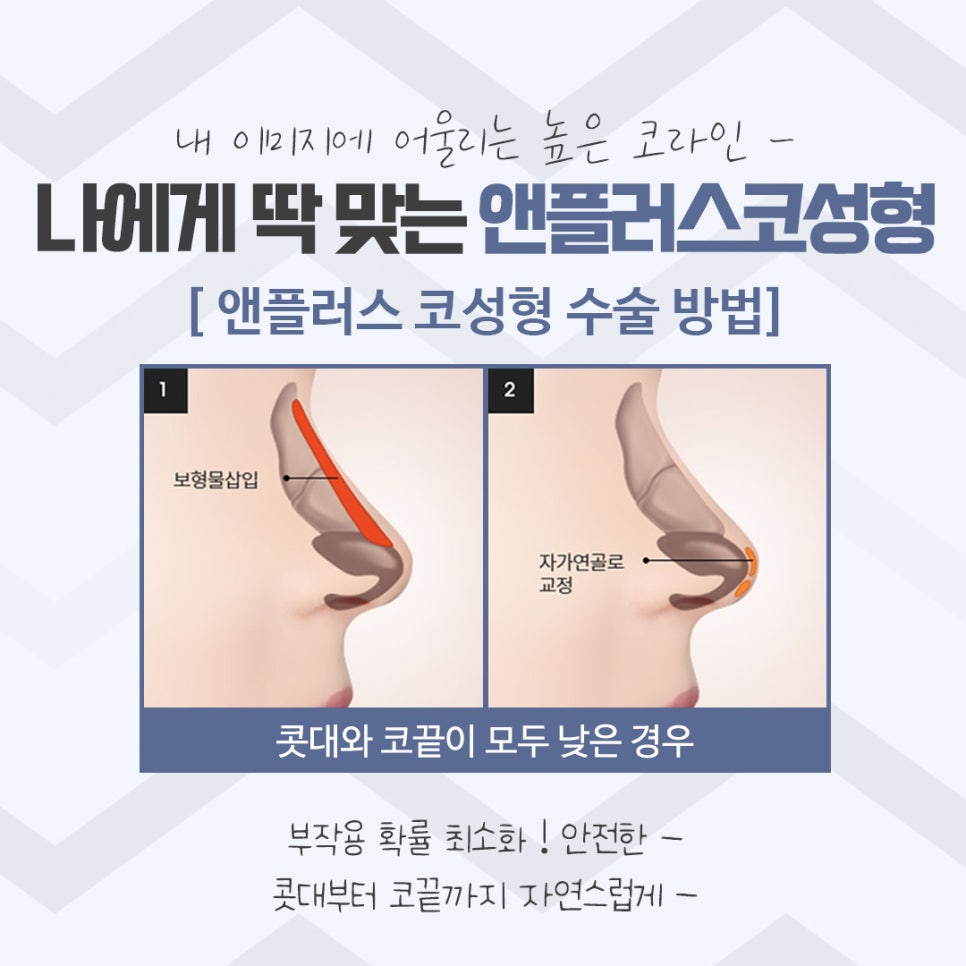
On average, rhinoplasty can correct the overall line of the nose by using silicone for the bridge and autologous cartilage for the tip.
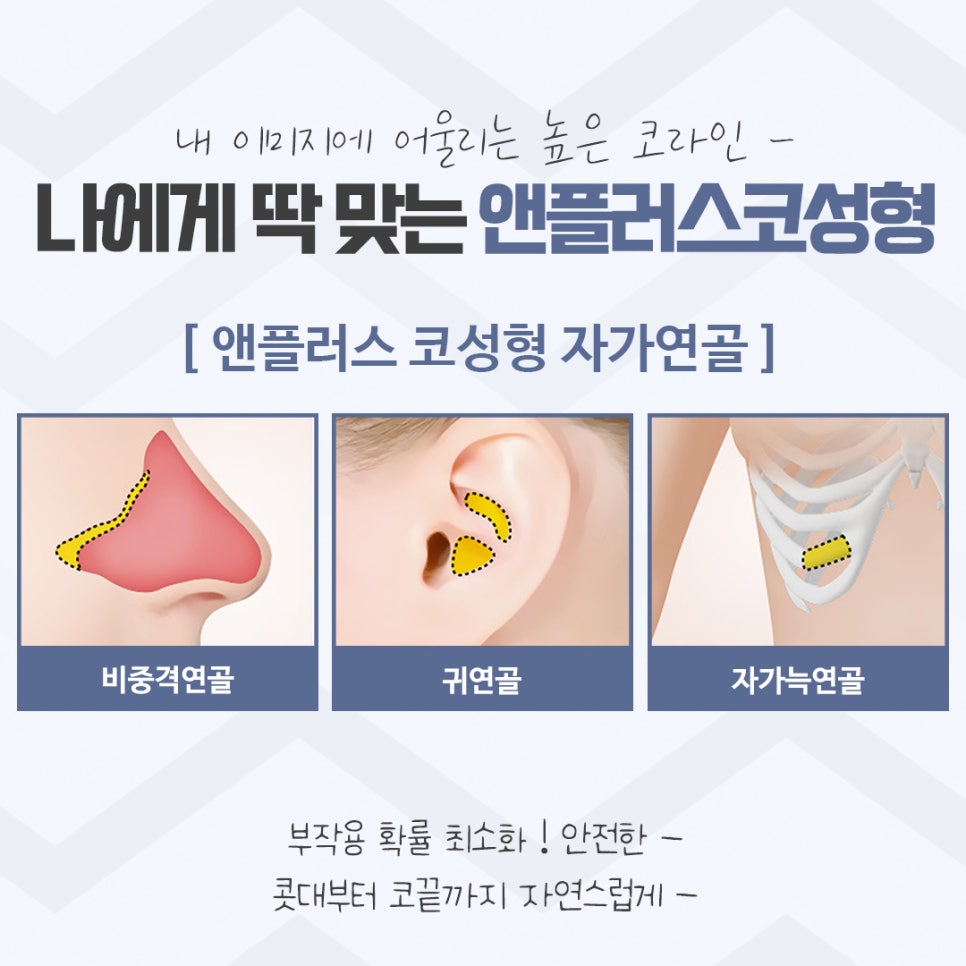
One of the materials used in rhinoplasty is autologous cartilage. In the case of autologous cartilage, it is applied as material for the nose tip, and types include septal cartilage, ear cartilage, and autologous rib cartilage.

For the bridge of the nose, the line is corrected with silicone, which is an implant. Rather than using a standardized, commercially available silicone as is, customized silicone designed by considering various aspects such as the individual’s overall image and the width, length, breadth, and height of the nasal bridge is used to minimize an artificial look after surgery and achieve greater satisfaction with rhinoplasty.
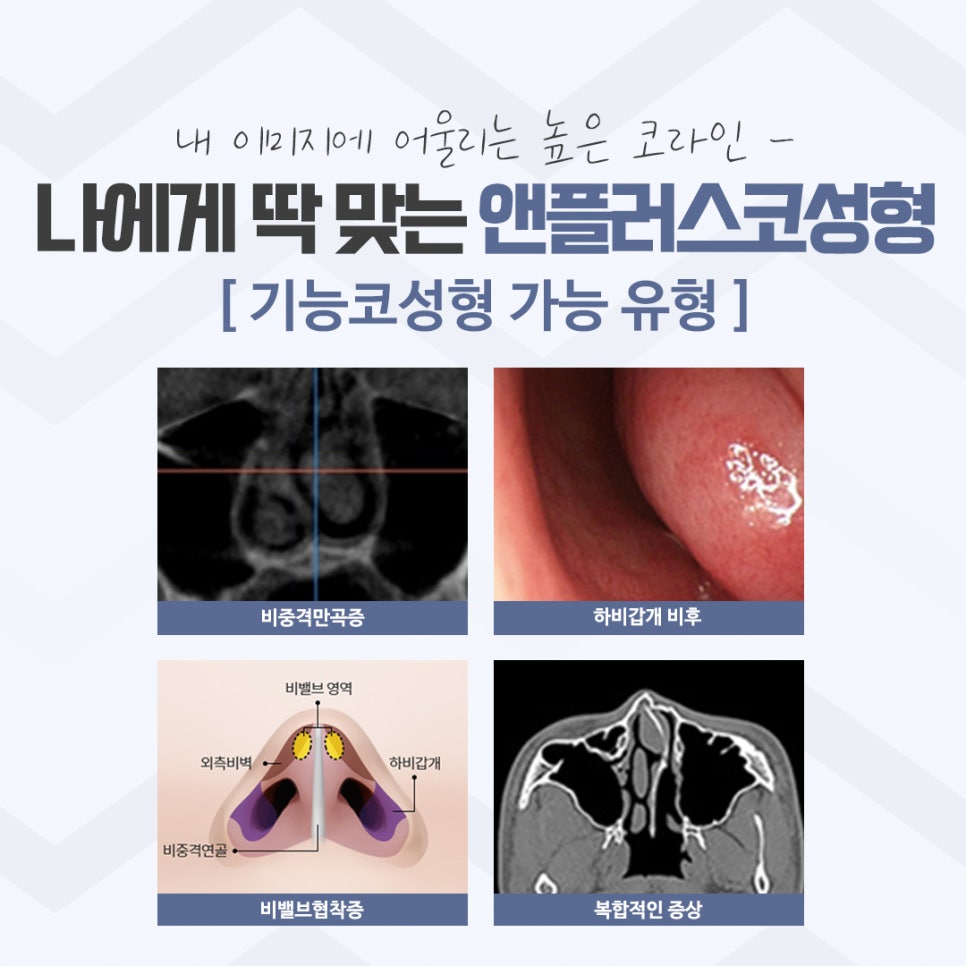
In addition, functional issues of the nose can be improved at the same time as cosmetic rhinoplasty. When addressing nasal function through surgery, the most representative symptom is nasal congestion caused by rhinitis. Rhinitis is divided into allergic rhinitis and structural rhinitis. In the case of allergic rhinitis, it appears due to specific substances or environments, so a complete cure is difficult, but symptoms can be relieved by combining immune-strengthening measures or medication. In contrast, structural rhinitis occurs due to problems in the internal structure of the nose, so it can be cured by correcting the deformed structure. Causes of structural rhinitis include a deviated septum, inferior turbinate hypertrophy, and nasal valve stenosis.
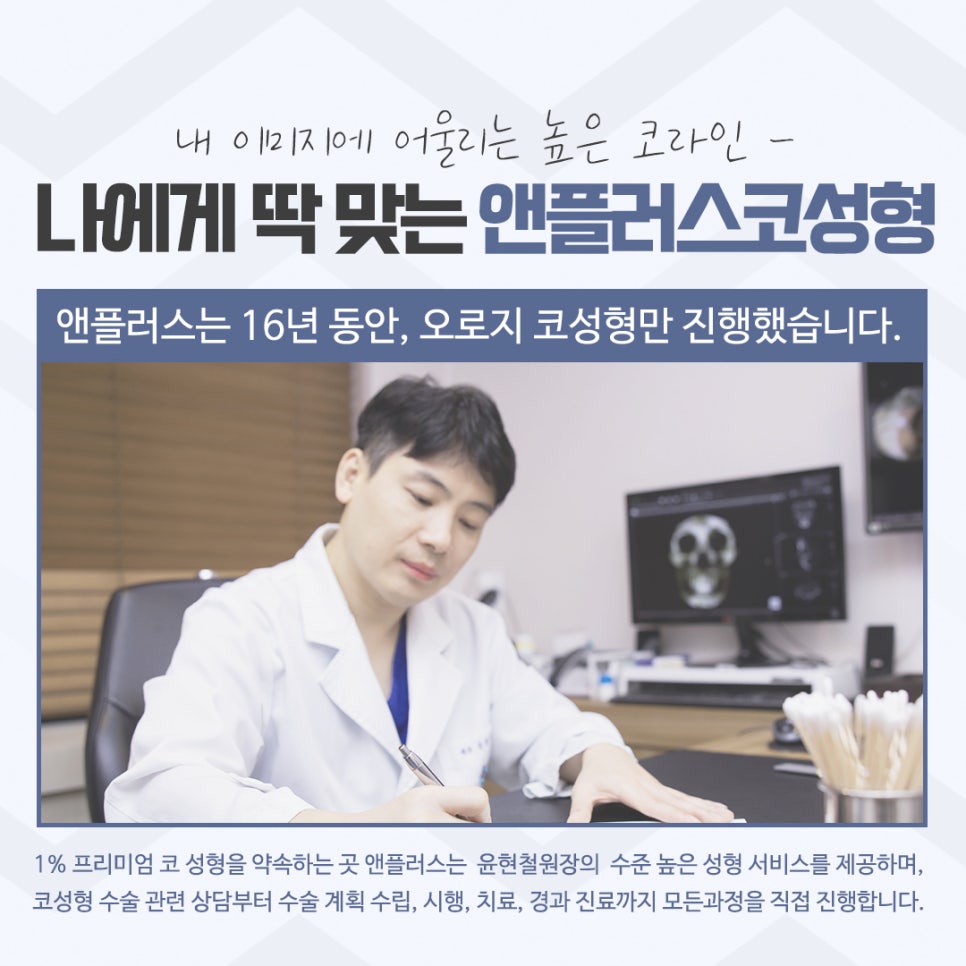
At Apgujeong nose surgery clinic N+Plus, CEO surgeon Yun Hyun-cheol personally handles one-on-one care throughout the entire process, from consultation related to rhinoplasty, to surgical planning, procedure, treatment, and follow-up visits, allowing patients to receive high-level medical services from before surgery through aftercare.
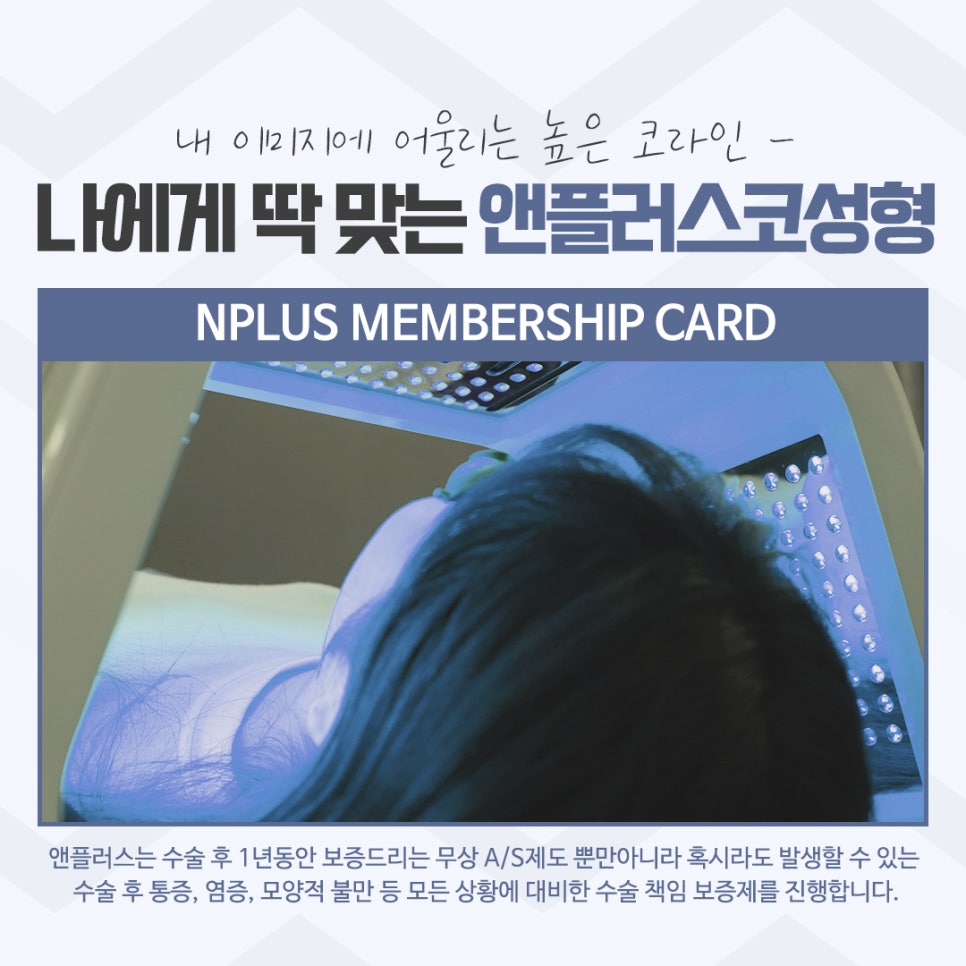
Post-operative care is also supported by an after-sales service system that guarantees one year after surgery, as well as a surgical responsibility guarantee system that prepares for all possible situations such as post-operative pain, inflammation, and dissatisfaction with the outcome. This allows patients to visit with peace of mind even after surgery.
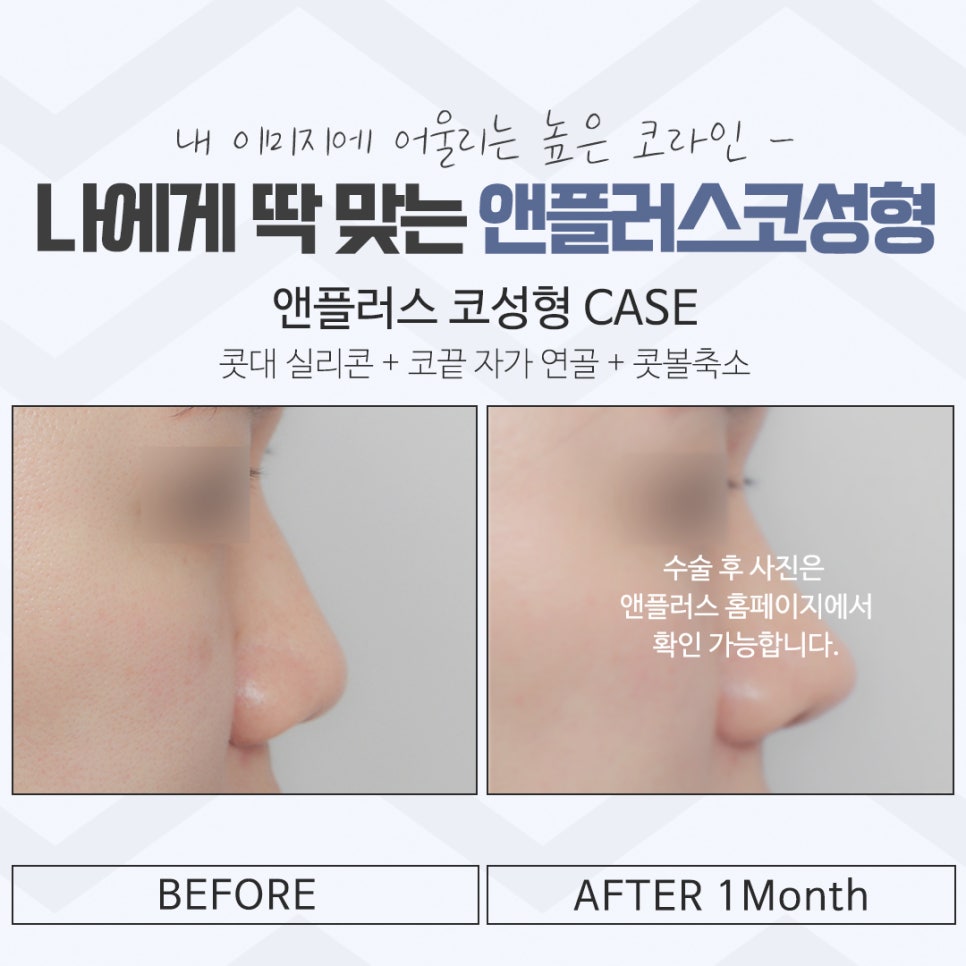
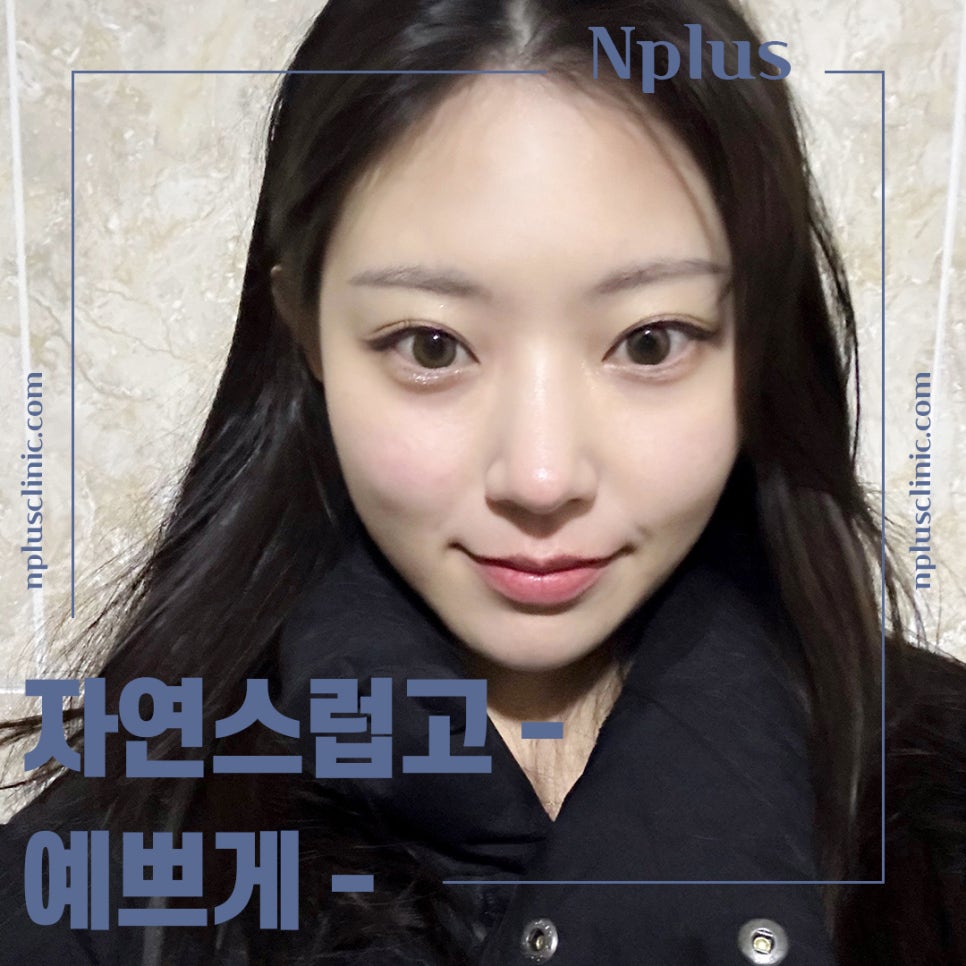
(The images above are before-and-after photos of rhinoplasty at Apgujeong nose surgery clinic N+Plus.)
This concludes the summary of information related to rhinoplasty at Apgujeong nose surgery clinic N+Plus. I hope this article is very helpful for those who are not satisfied with the shape of their nose or are looking into Apgujeong nose surgery information because of nasal congestion caused by rhinitis. Thank you.
https://youtu.be/OZx3QP8YN5o