More and more people are looking to improve parts of their appearance that they felt were disappointing through cosmetic surgery. The reason is that modern standards for appearance have become higher, so people can look into cosmetic procedures to improve their looks. Among the many types of cosmetic surgery, nose surgery is especially popular. Even a small change to the nose can have a significant effect on improving one’s image, so it can be considered a top priority.

When looking into nose surgery, cases can include a low nose, a bumpy hump, a crooked nose, a drooping nose, an upturned nose, or a short nose shape. If the nose is relatively small or upturned, surgery may feel burdensome because you may need to consider the limits of short nose surgery in advance, which can lead to more concern. For those who have these concerns, you can learn more detailed information about short nose surgery.
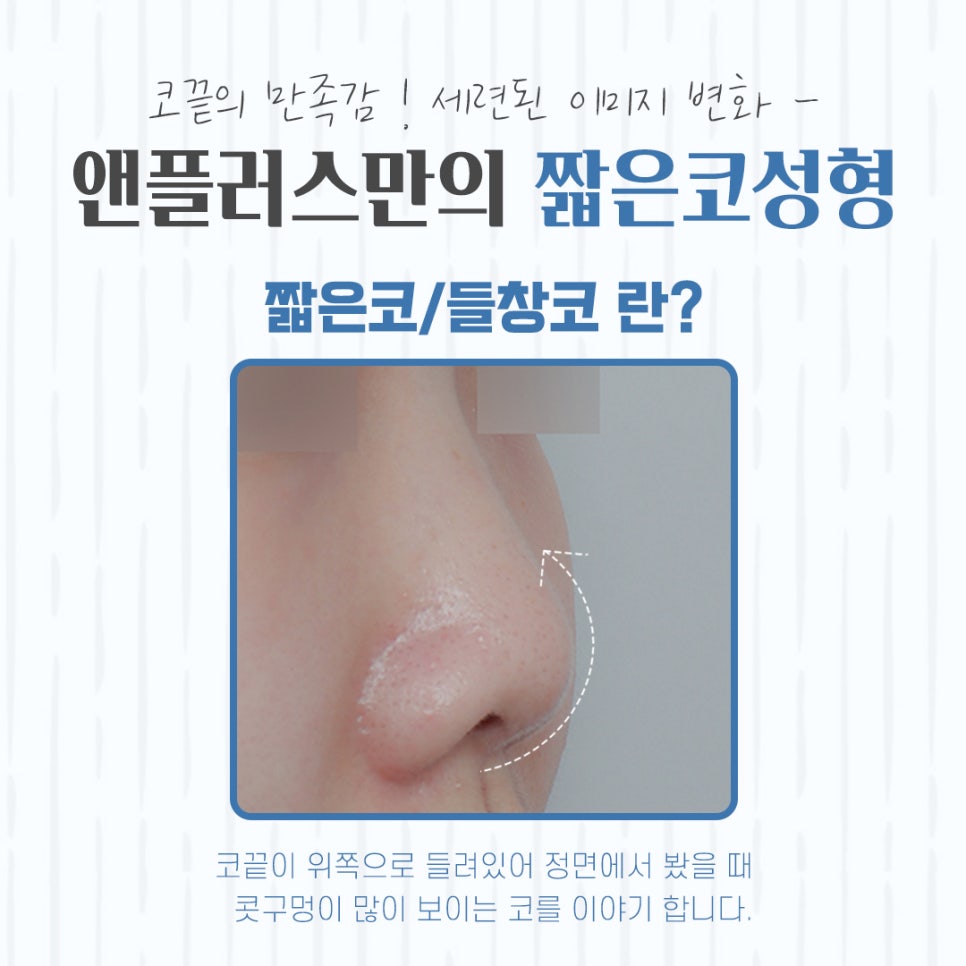
Short nose surgery refers to a nose that looks short from the front because the tip is turned upward, exposing the nostrils prominently. In the case of a short nose, there are congenital causes and acquired causes, such as the nose tip becoming shorter due to contracture after surgery. For short nose surgery, it is important to accurately analyze the cause of the shortened nose and then proceed with the appropriate surgery.
Therefore, for those looking into short nose surgery, it is not the case that the same surgical method and materials will be used simply because a post-surgery photo looks like the shape of their own nose. Since each person’s nasal bone, skin, cartilage, and internal function differ, the images should be used only as a reference. It is best to visit the clinic and receive a diagnosis using equipment.
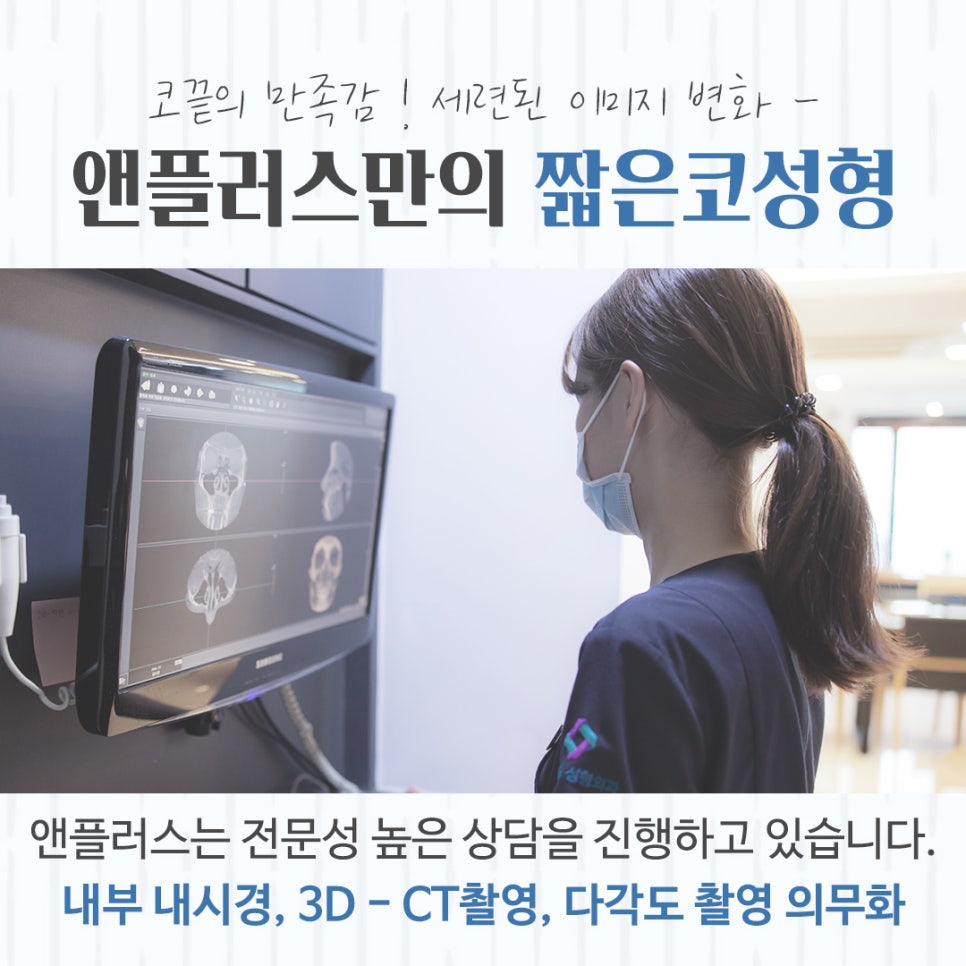
At Ojigo N Plus, when performing short nose surgery, the clinic conducts preoperative 3D-CT imaging, internal endoscopy, multi-angle photography, various allergy tests, and nasal function tests to accurately analyze the cause of each person’s shortened nose. Based on the collected data, a plan is established and the surgery is performed.
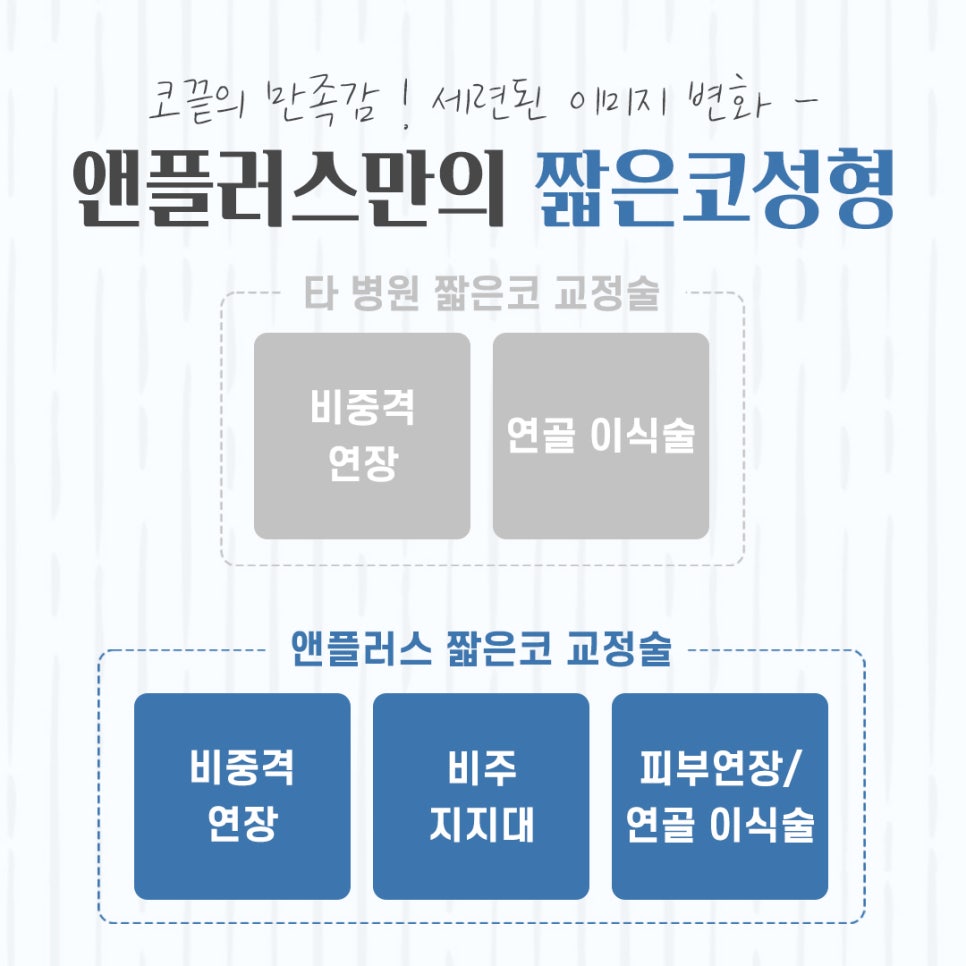
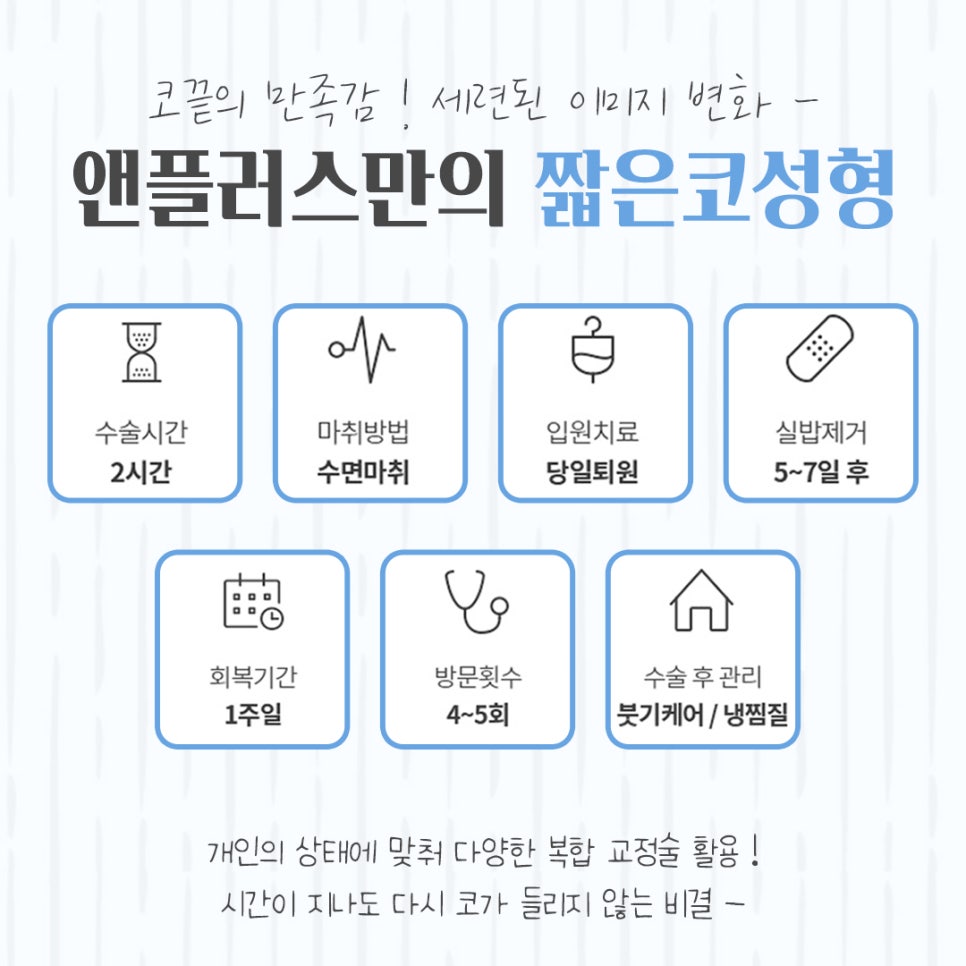
As mentioned above, because the causes of short nose surgery vary and the surgical methods and materials differ, Ojigo N Plus has built a more detailed program and performs combined correction surgery. Combined correction surgery applies columellar support, septal extension, skin extension, and cartilage grafting.
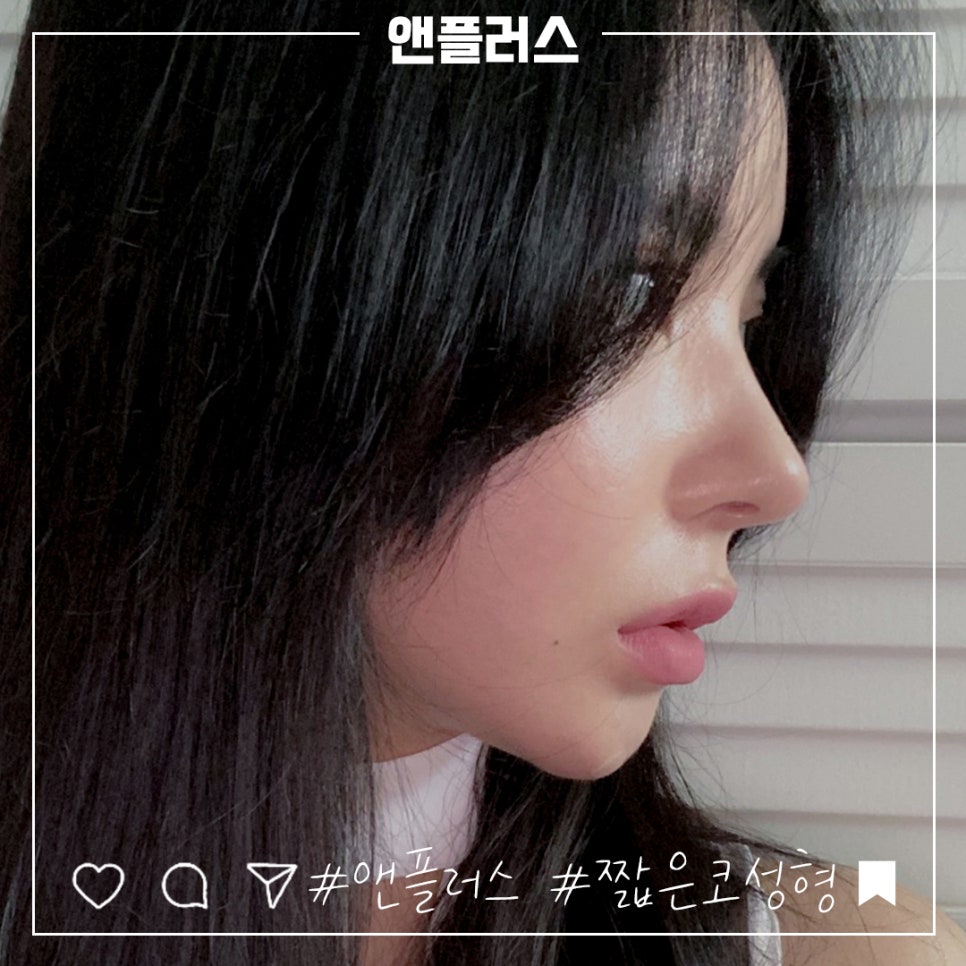
The methods used in short nose surgery are divided into cases where the upward tip rotation is mild and cases where it is severe.
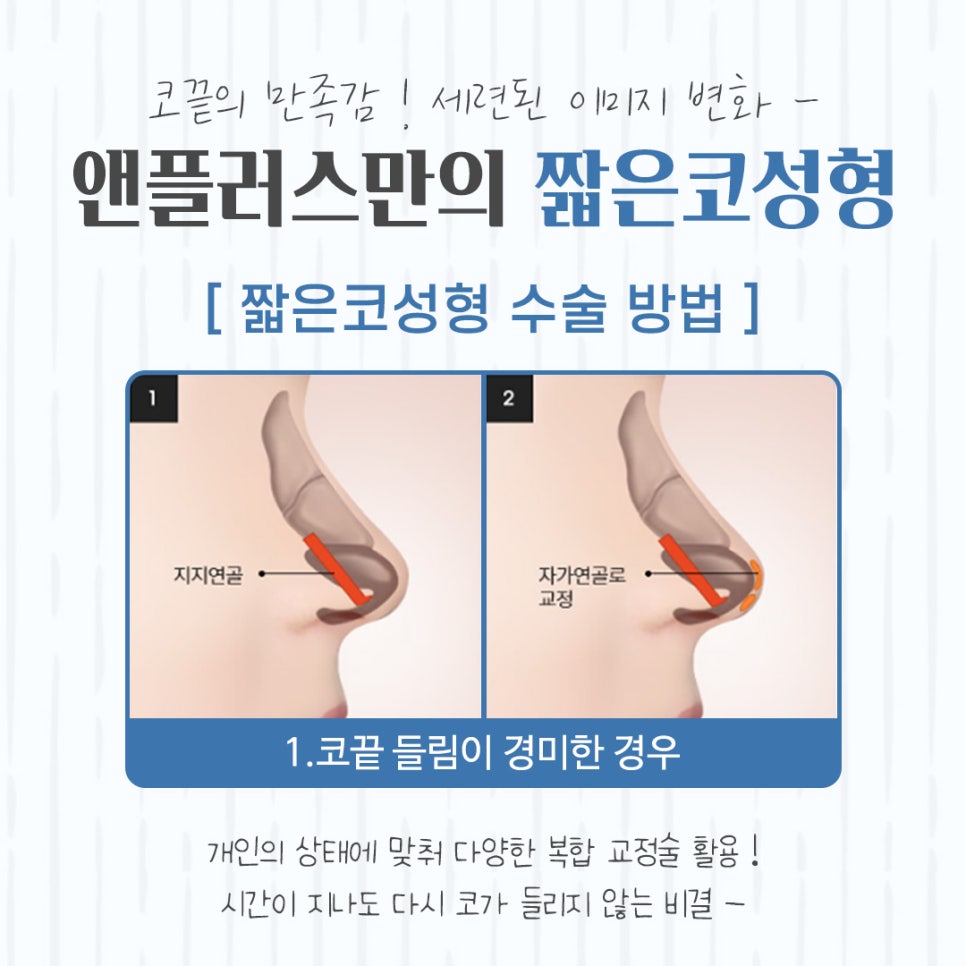
When the upward tip rotation is mild, a sturdy support cartilage is grafted between the columellae to stabilize the tip cartilage, and then the patient’s own cartilage is grafted to the tip to correct the overall nose line.
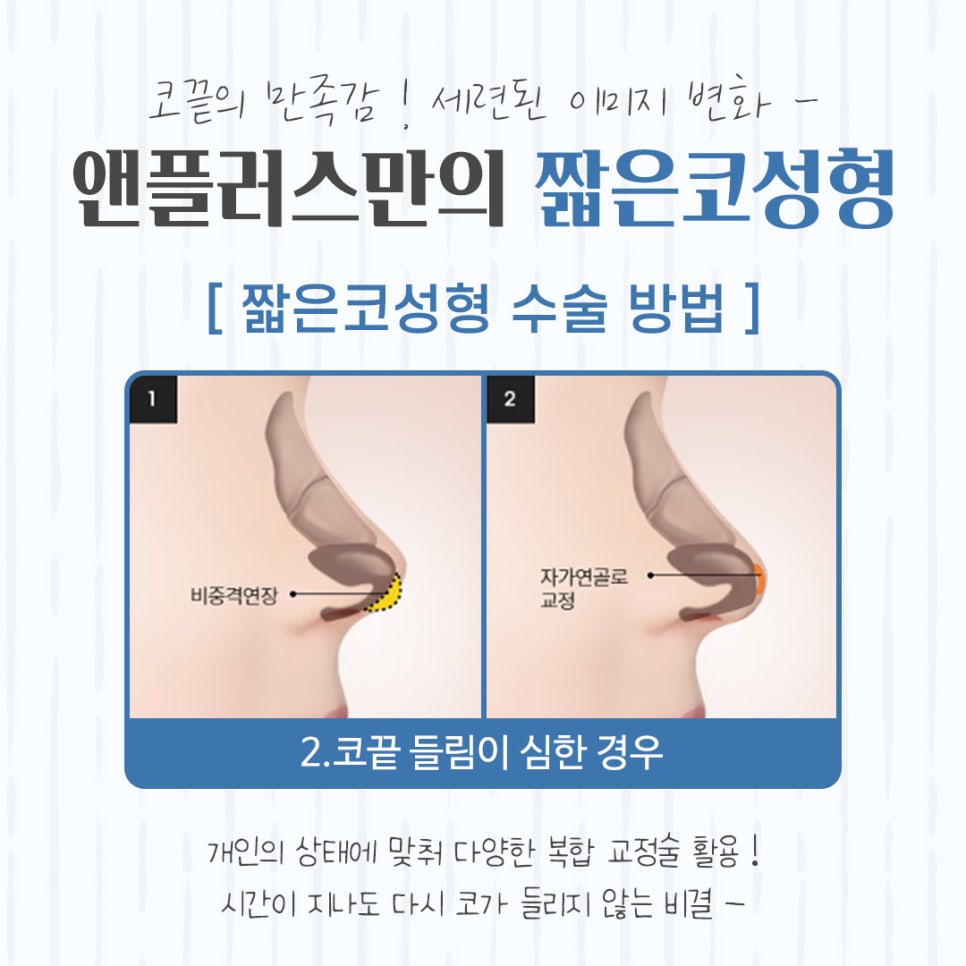
When the upward tip rotation is severe, the length of the nose tip is sufficiently extended using sturdy autologous cartilage, and then the patient’s own cartilage is grafted to the tip to correct the overall nose line.
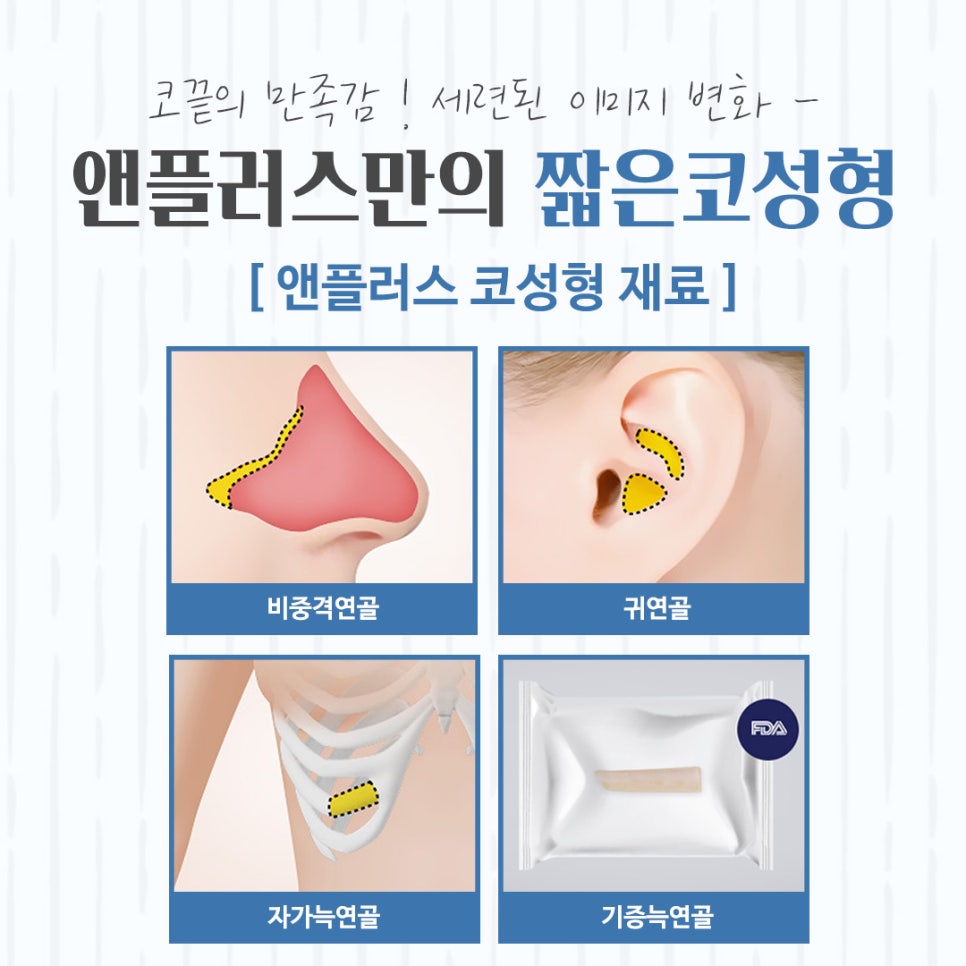
The materials used in short nose surgery can correct the overall line by using silicone for the nasal bridge and autologous cartilage for the tip. In the case of autologous cartilage, surgery is performed after preoperative examinations to select the material best suited to the individual. Autologous cartilage includes septal cartilage, ear cartilage, and rib cartilage. If using autologous cartilage is unavoidable or difficult, donated rib cartilage approved by the U.S. FDA can be used.
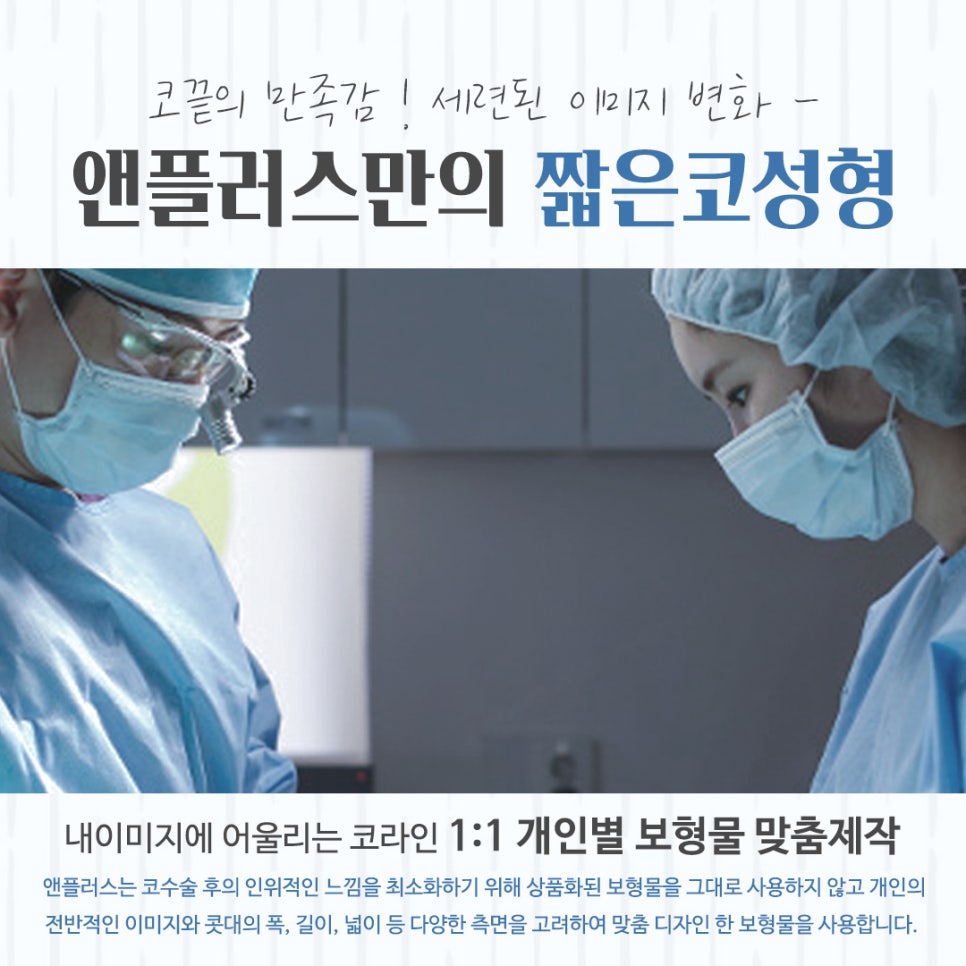
For the silicone used in the nasal bridge, the clinic does not simply use a commercially produced silicone implant as is. Instead, it is carefully and individually shaped by hand after considering various aspects such as the person’s overall image, and the width, length, breadth, and height of the nasal bridge.

Since short nose surgery involves a complex procedure and is considered one of the more difficult cosmetic surgeries, it is important to make a careful decision. In addition, it can be very helpful to thoroughly check whether the medical team has a high level of anatomical knowledge of the nose, whether they have sufficient experience and expertise, whether they have equipment that can accurately assess the condition of your nose, and whether aftercare is clearly guaranteed.
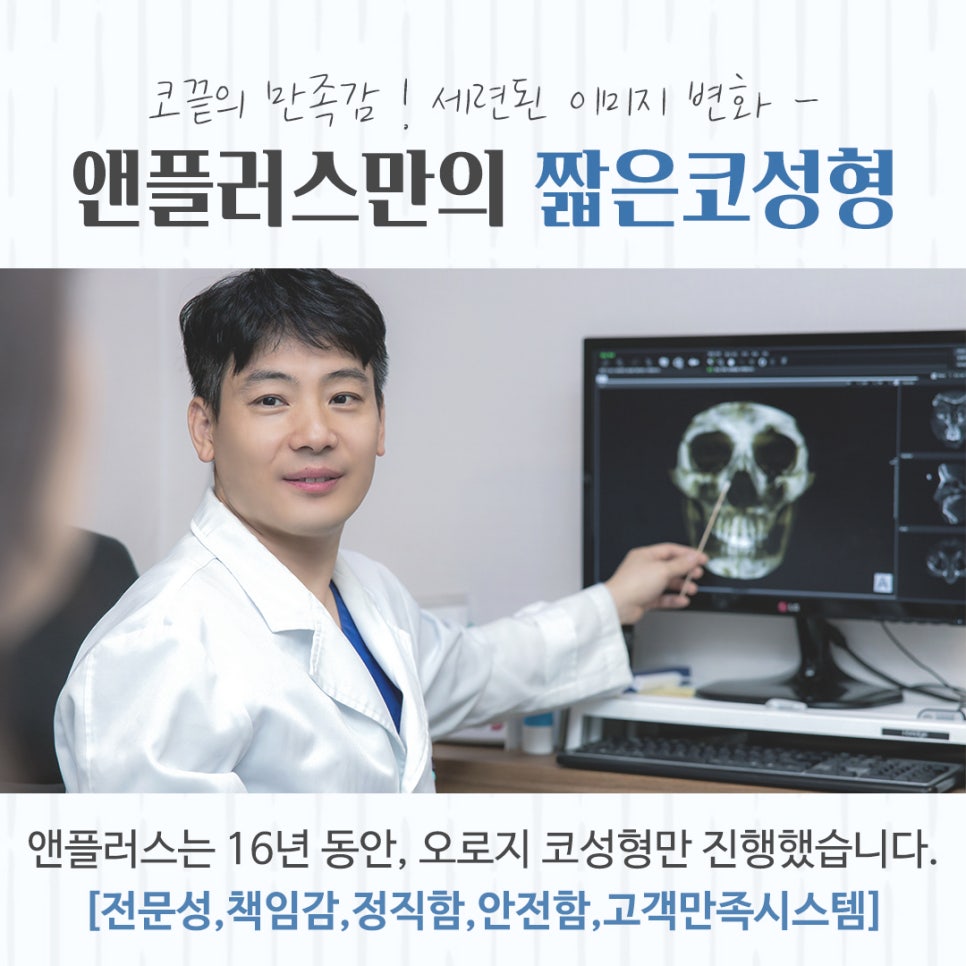
At Ojigo N Plus, Director Yoon Hyun-cheol personally handles everything one-on-one, from consultation related to short nose surgery to surgical planning, the procedure itself, treatment, and follow-up care. This means you can visit with peace of mind from before surgery through after surgery.

Aftercare includes not only a free A/S system guaranteed for one year after surgery, but also a surgical responsibility guarantee system that covers all situations that may arise, such as postoperative pain, inflammation, and dissatisfaction with the shape. All customers who undergo surgery at N Plus can receive reliable aftercare benefits as well.
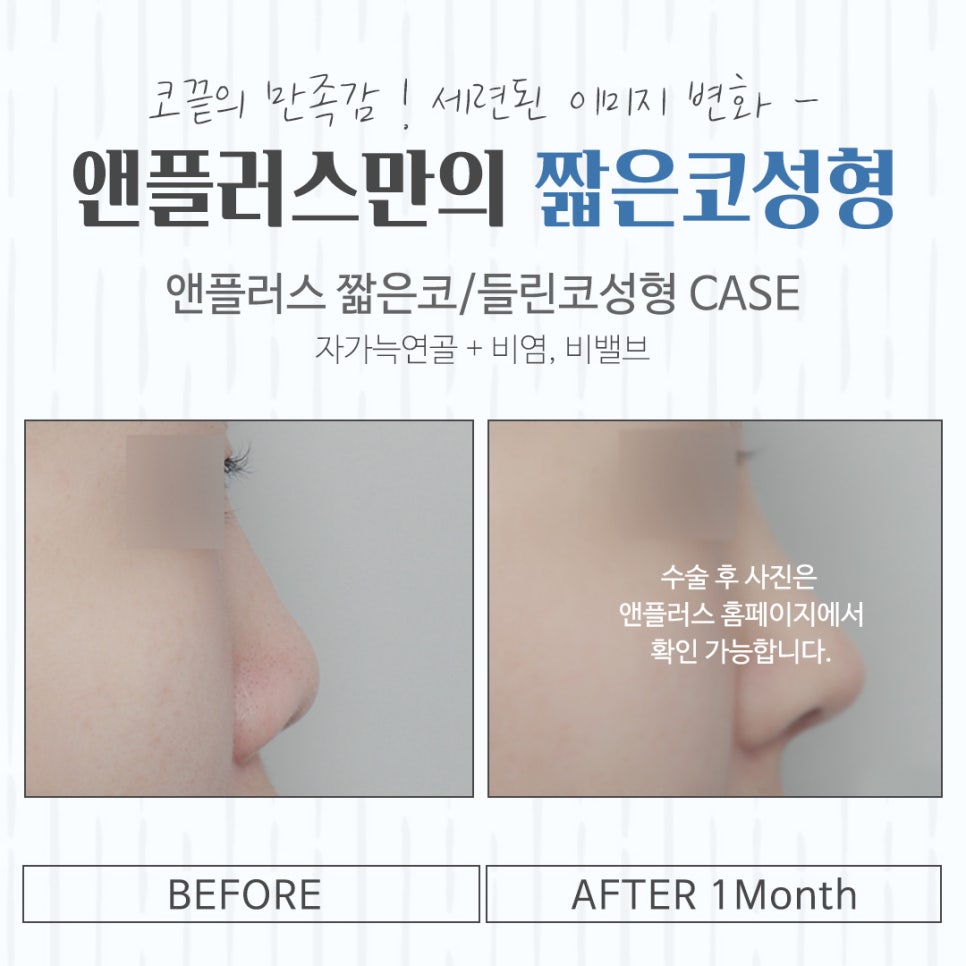
(The image above shows before-and-after photos of short nose surgery at Ojigo N Plus.)
That concludes the explanation of Ojigo N Plus short nose surgery. I hope this article was very helpful to those who are looking into nose surgery because their nose looks small or upturned. Thank you.
https://youtu.be/GD714lY3tKI