
When we consider rhinoplasty, the first reason that comes to mind is often that the shape of the nose does not meet the standards we personally think it should. Among our facial features, the nose is located at the center of the face and is the most three-dimensional area. If the shape of the nose seems out of balance with those standards, it draws even more attention, making the entire face look unbalanced and leading to concerns that can deepen into a complex and prompt thoughts about rhinoplasty.

Because of this complex, the types of noses that people often look into for rhinoplasty include noses that are too low, have a bumpy hump, are crooked, turned up, drooping, or have a bulbous shape, with the hope of improving them into a straighter and more refined shape.
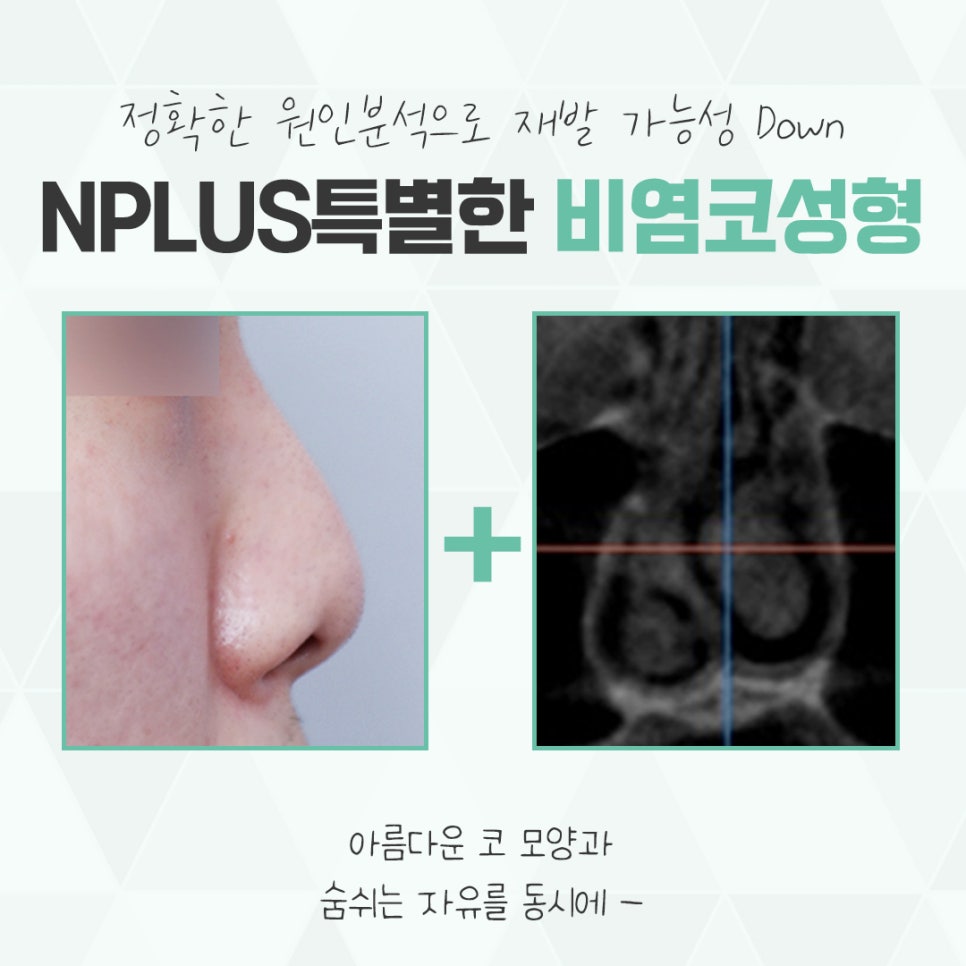
Therefore, those considering rhinoplasty may generally prioritize the cosmetic approach in terms of appearance, but the nose also plays an important external role and is a functional organ responsible for breathing and the sense of smell. It is important to consider the functional aspects of the nose as well. If surgery is performed only from a cosmetic or cost-focused perspective, postoperative functional problems may lead to revision surgery.

When improving the functional aspects at the same time during rhinoplasty, one of the most common symptoms is nasal congestion caused by rhinitis. Rhinitis is a condition that more than 70% of Korean adults have. It can be divided into allergic rhinitis, which accounts for 20%, and structural rhinitis, which accounts for 80%. Many people often mistake nasal congestion for a cold or allergic rhinitis. However, because structural rhinitis is more likely, I would like to explain in more detail the information about nasal surgery and rhinoplasty.

In the case of allergic rhinitis, it appears due to specific substances or environments, so it is difficult to cure completely. Only by continuing medication and strengthening immunity can you expect temporary symptom improvement. On the other hand, structural rhinitis caused by internal structural abnormalities may be cured through nasal surgery and rhinoplasty. The causes of structural rhinitis include a deviated septum, inferior turbinate hypertrophy, and nasal valve stenosis.
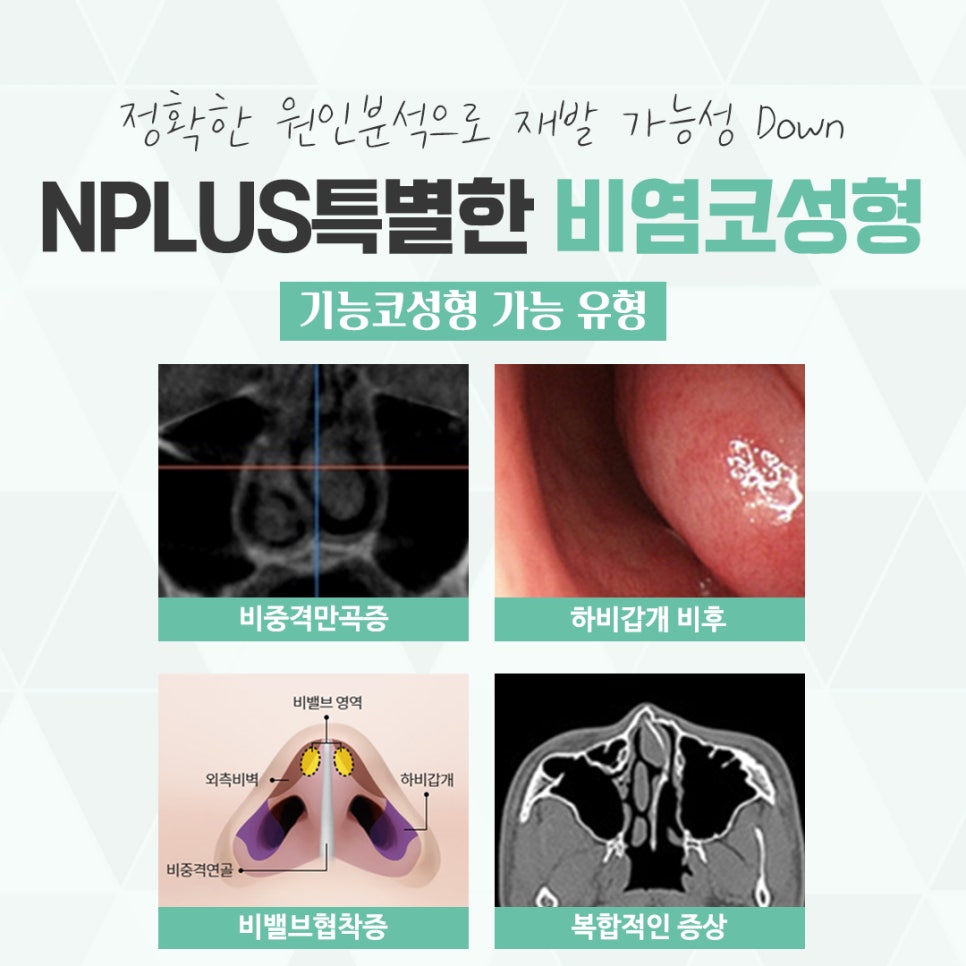
A deviated septum, which is one of the causes of structural rhinitis that can be cured through nasal surgery and rhinoplasty, refers to a condition in which the cartilage that separates the nostrils is bent. Inferior turbinate hypertrophy means enlargement of the inferior turbinate, the soft tissue inside the nose. Nasal valve stenosis refers to a narrowed nasal valve, which serves as the roof of the nose. All of these causes are different conditions, but they all commonly obstruct the flow of air into the nose and cause nasal congestion. Therefore, it is important that surgery be performed through an accurate diagnosis.
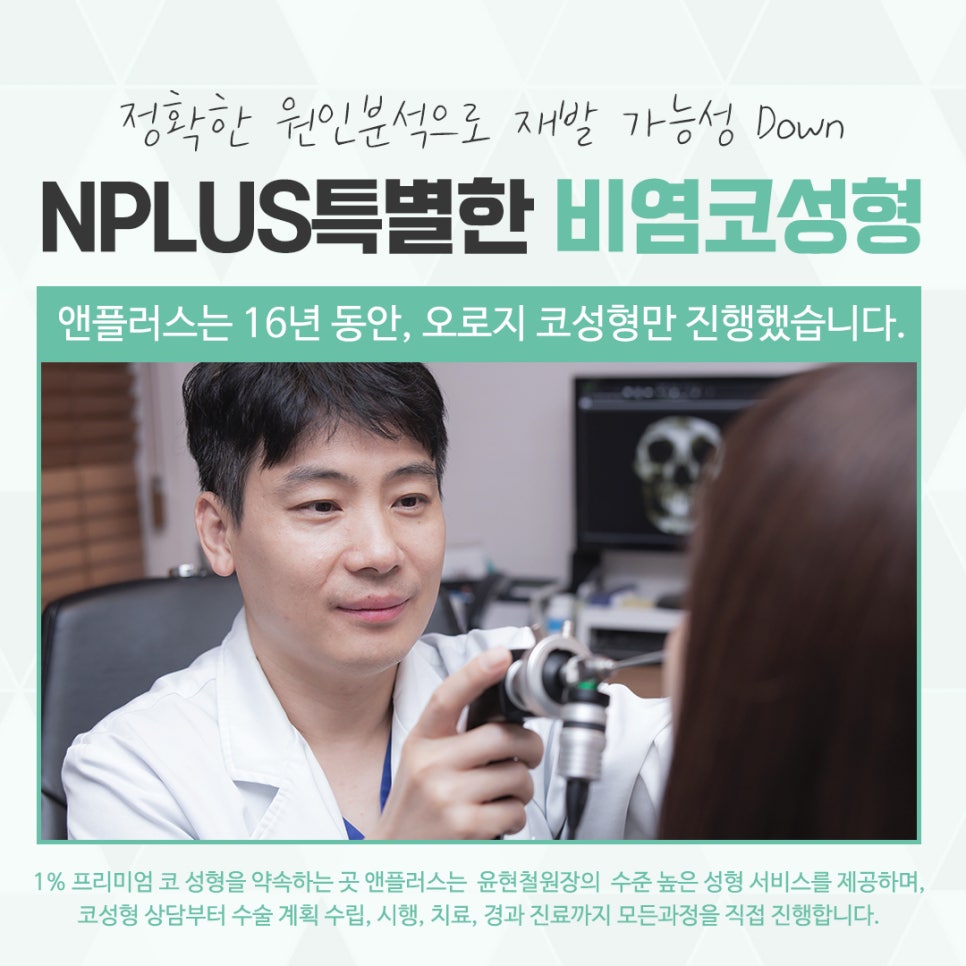
In the case of structural rhinitis, it is difficult to distinguish with the naked eye whether it is a cold or allergic rhinitis. Therefore, it is important to check the inside and outside of the nose through equipment, determine the cause, and then perform the appropriate surgery. For those looking into nasal surgery and rhinoplasty, it can be helpful to carefully check whether the medical staff have a high level of anatomical knowledge of the nose, whether they have abundant experience and expertise, whether equipment is available to clearly assess the condition of your nose, and whether aftercare can be reliably provided.

At OJIKO N Plus Clinic, to ensure safe and satisfactory nasal surgery and rhinoplasty, we accurately assess each person's current internal and external nasal condition through preoperative 3D-CT scans, various allergy tests, internal nasal function tests, and multi-angle photography. Based on the collected data, a surgical plan is established and nasal surgery and rhinoplasty are performed.

The method of nasal surgery and rhinoplasty involves accurately identifying the causes of rhinitis, such as a deviated septum, inferior turbinate hypertrophy, and nasal valve stenosis, and then, according to the diagnosis, correcting the airflow into the nose through surgery and treatment. In addition, cosmetic rhinoplasty can be performed.
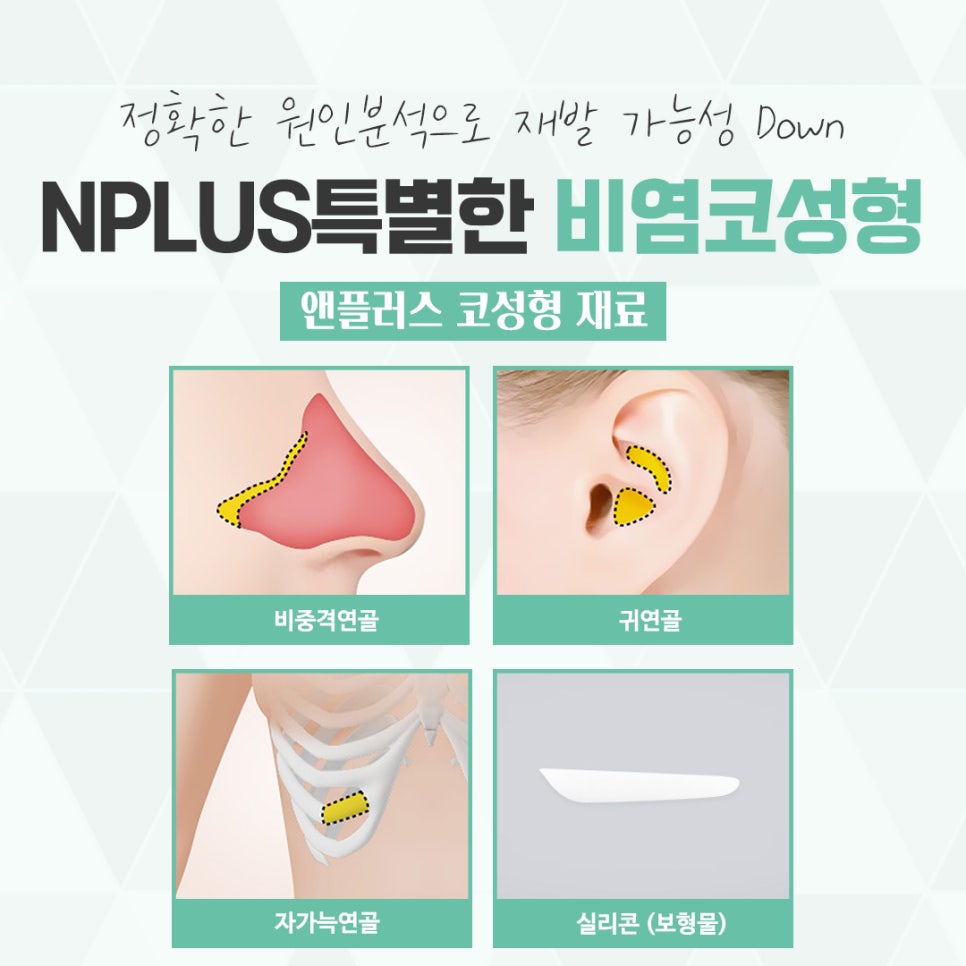
The materials commonly used for cosmetic rhinoplasty include silicone implants for the bridge of the nose and autologous cartilage for the tip of the nose to correct the overall line. Autologous cartilage includes ear cartilage, septal cartilage, and autologous rib cartilage. The material can be selected according to what is suitable for the individual through preoperative examinations.
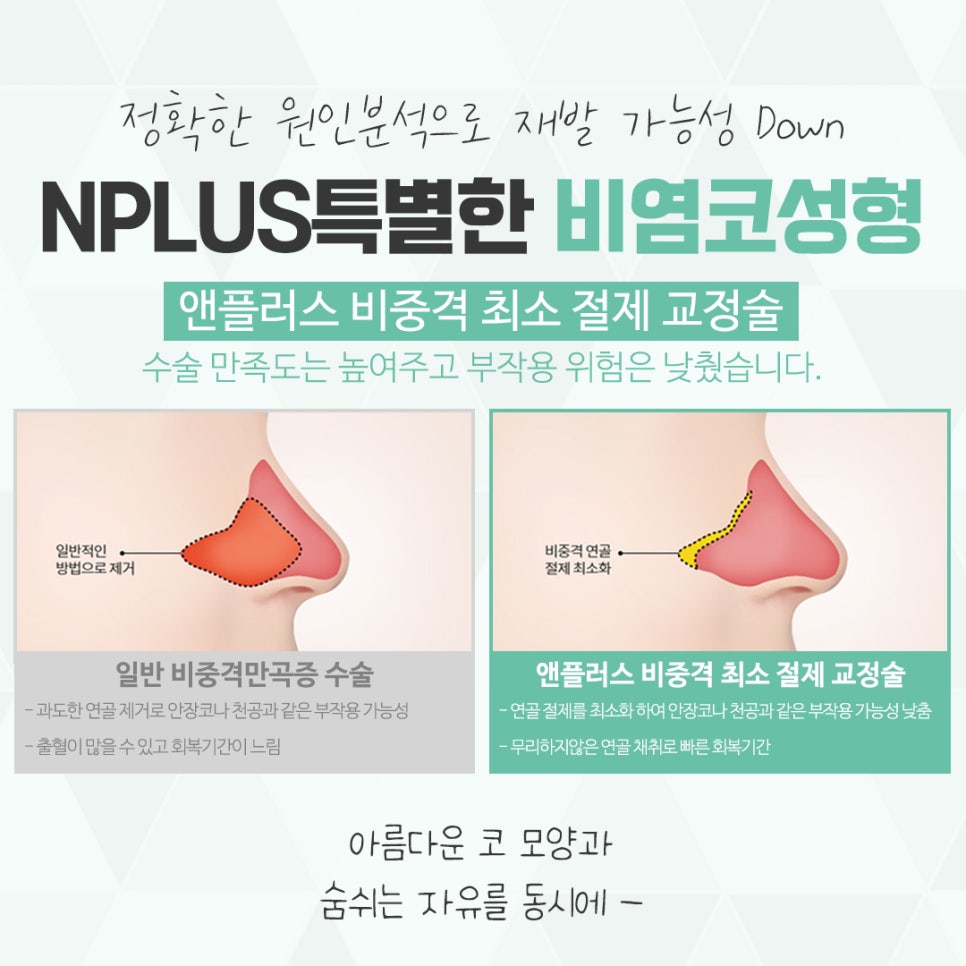
If nasal surgery and rhinoplasty are performed with priority, and the septal cartilage is resected, the remaining septum can be used as tip material for cosmetic rhinoplasty, making it a surgery with even higher satisfaction.
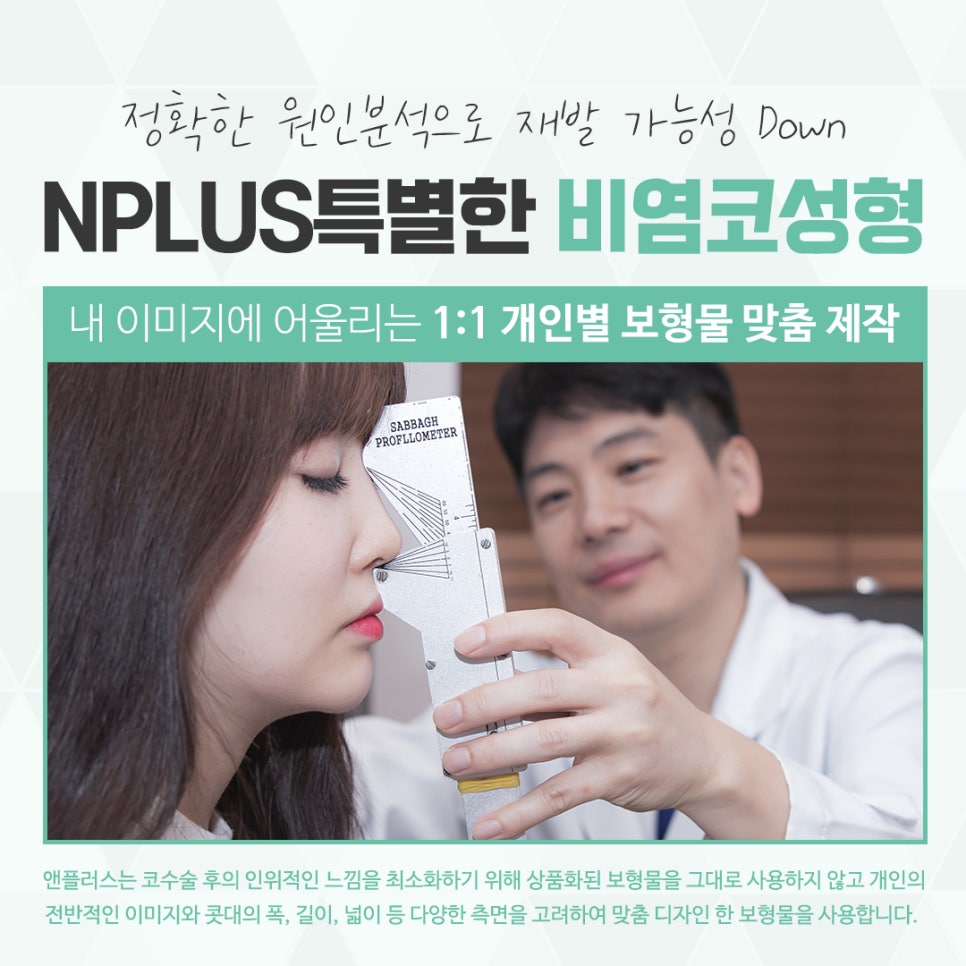
For the implant used in the bridge of the nose, we do not use a commercially available implant as is. Instead, we carefully shape it by hand while considering the person's overall image as well as the bridge width, length, breadth, and height, and then use a custom-designed implant.

At OJIKO N Plus Clinic, Director Yoon Hyun-cheol personally handles one-on-one care, directly managing every step from consultation about nasal surgery and rhinoplasty, to surgical planning, procedure, treatment, and follow-up visits, allowing patients to visit with peace of mind from before surgery through after.

For aftercare as well, an N Plus membership card is issued, providing an after-service system that guarantees one year after surgery, along with a surgery responsibility guarantee system in preparation for any postoperative pain, inflammation, or dissatisfaction with the shape that may arise.
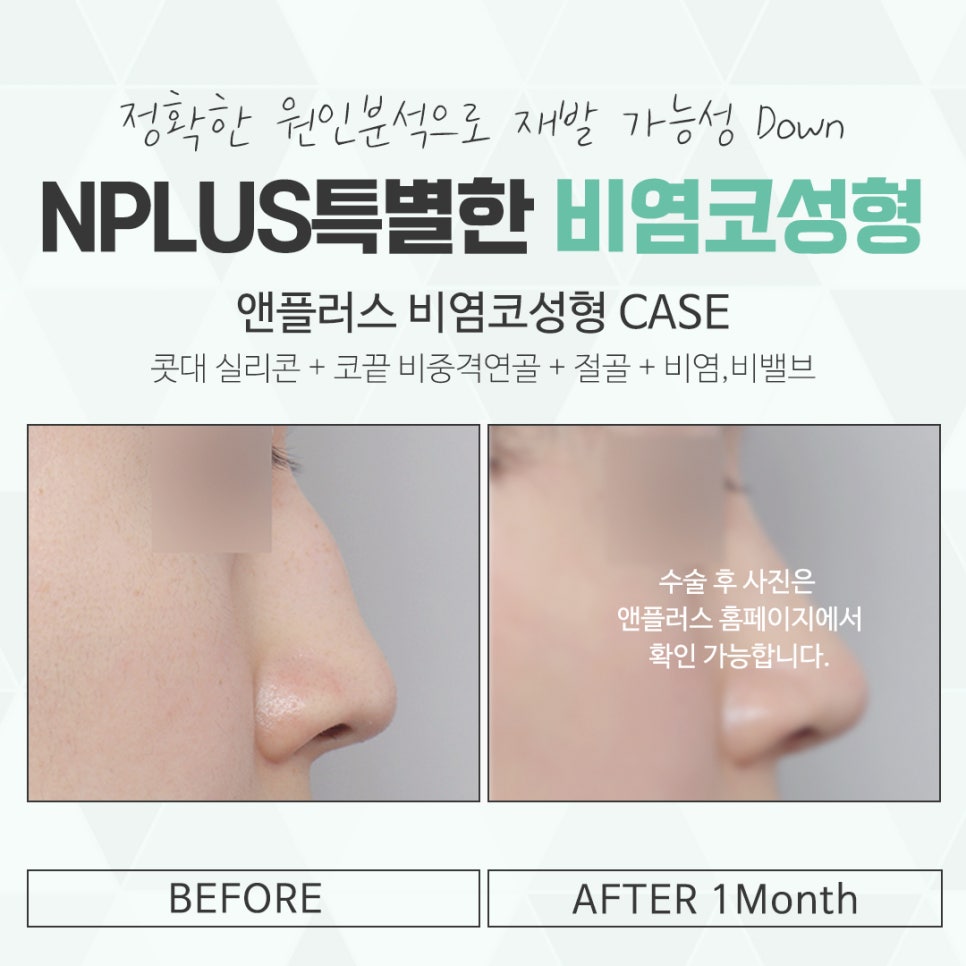
This concludes the explanation of nasal surgery and rhinoplasty at OJIKO N Plus Clinic. I hope this article is very helpful for those who are looking into rhinoplasty because of nasal congestion caused by rhinitis or a nose shape they are unhappy with. Thank you.
https://youtu.be/M0Prd6k5b3I