
Taking care of one’s appearance and refining oneself has become a modern trend, and many people spare no time or investment in skin care, dieting, exercise, hairstyles, and other changes. They work to improve their current appearance into a more likable image. As a result, more people are considering plastic surgery for areas that are difficult to change despite these various efforts. In particular, because the nose is located at the center of the face and is one of the most three-dimensional features, even a small improvement to its shape can have a significant effect on improving one’s image, making it a very popular type of plastic surgery. For those considering rhinoplasty, it is natural to want information about places that do it well.

Therefore, if you are looking for a place that does rhinoplasty well, you may feel self-conscious when your nose is not straight or well aligned. The types of noses people often want to improve through rhinoplasty include noses that are too low, have a hump, are upturned, drooping, crooked, or bulbous. While the appearance of the nose is important, the nose is also a functional organ responsible for breathing and smell, so when performing rhinoplasty, it is very important that surgery is carried out with consideration for both the external and internal aspects of the nose.

When improving functional issues through rhinoplasty, the most representative symptom is nasal congestion caused by rhinitis. Rhinitis is a condition that more than 70% of adults in Korea have, with 20% being allergic rhinitis and the remaining 80% being structural rhinitis. In the case of allergic rhinitis, symptoms appear due to specific substances or environments, so it can be considered difficult to cure completely. In everyday life, you can see symptom improvement by combining efforts to boost immunity with medication treatment.
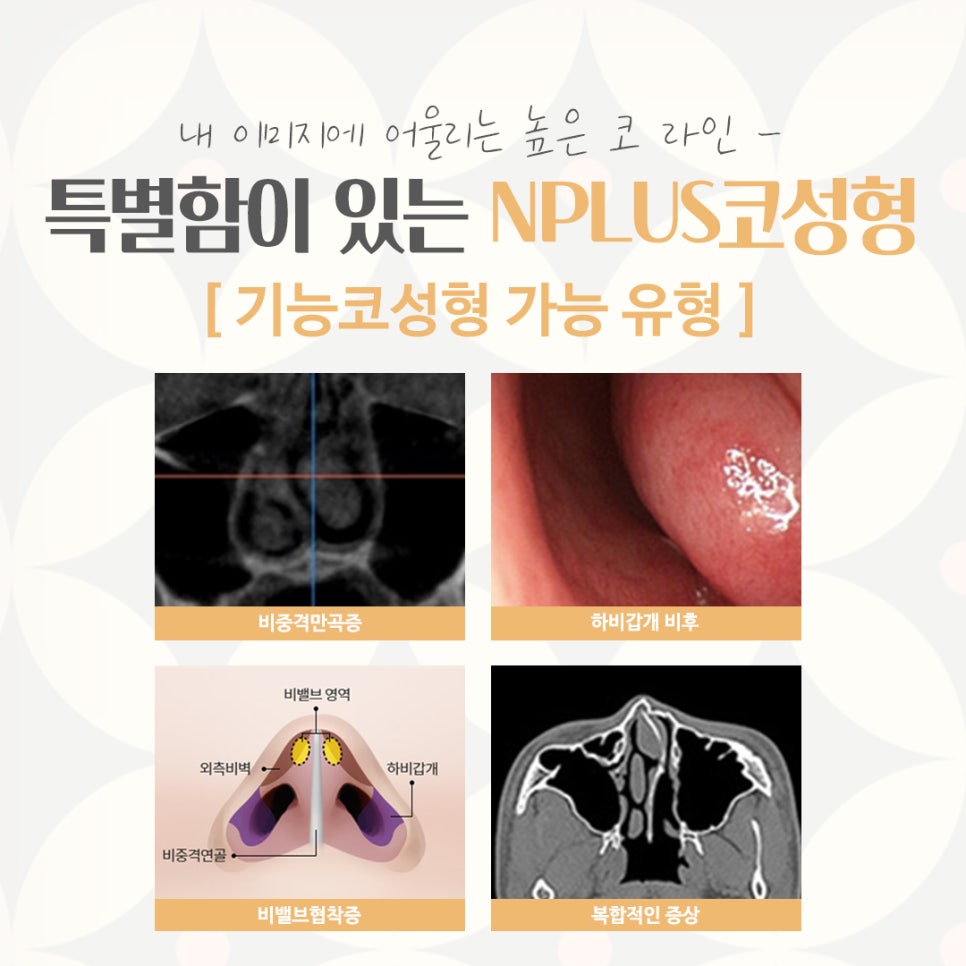
On the other hand, structural rhinitis caused by abnormalities in the internal structure can be cured through surgery. The causes of structural rhinitis include a deviated septum, inferior turbinate hypertrophy, and nasal valve stenosis. Each of these conditions obstructs the flow of air entering through the nose and commonly causes nasal congestion.

A surgery that addresses both the external concerns of the nose and functional problems at the same time is called functional rhinoplasty. However, even if you do not usually have nasal congestion symptoms, if surgery is performed while focusing only on cosmetic or cost-related factors, it may lead to revision surgery due to functional issues after the operation. Therefore, it is best to choose a place that does rhinoplasty well and can accurately diagnose your current condition using proper equipment.
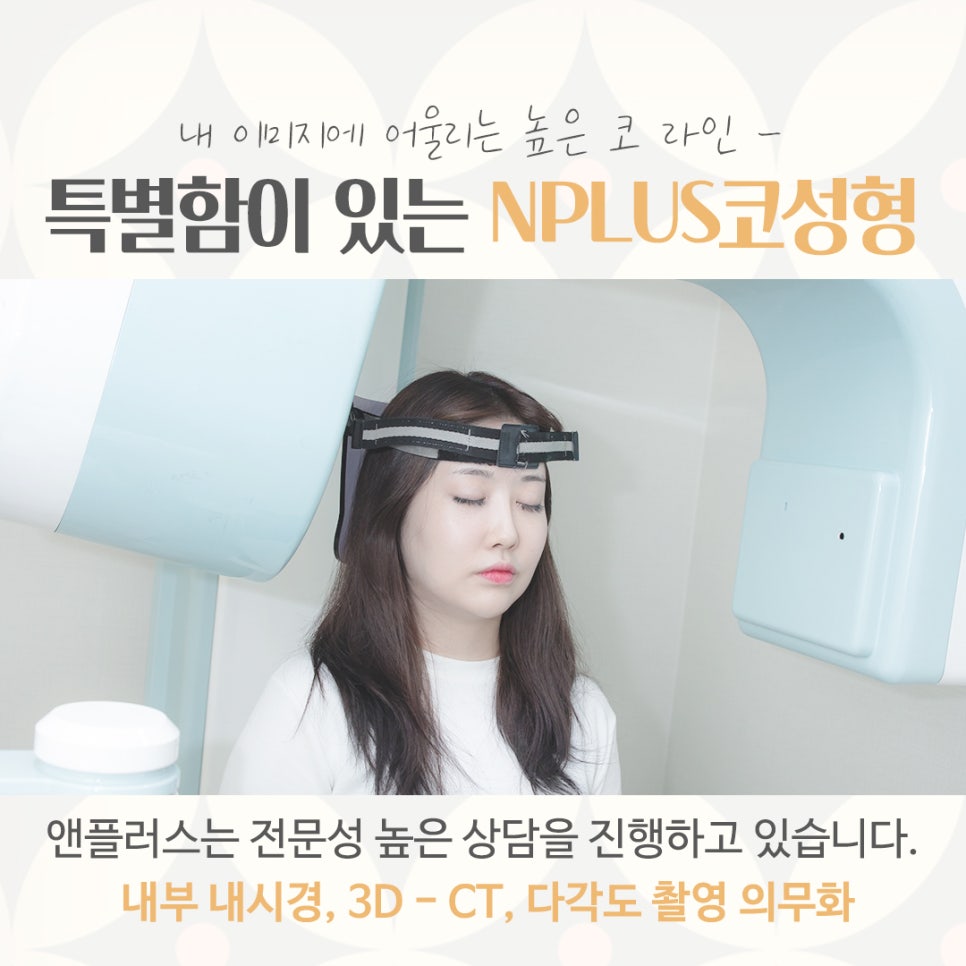
At A+ Plus, which is known as a place that does rhinoplasty well, preoperative multi-angle photography, internal endoscopic imaging, 3D-CT scanning, internal nasal function testing, and various allergy tests are mandatory. After accurately identifying each individual’s condition, the surgery plan is established and performed based on the collected data.
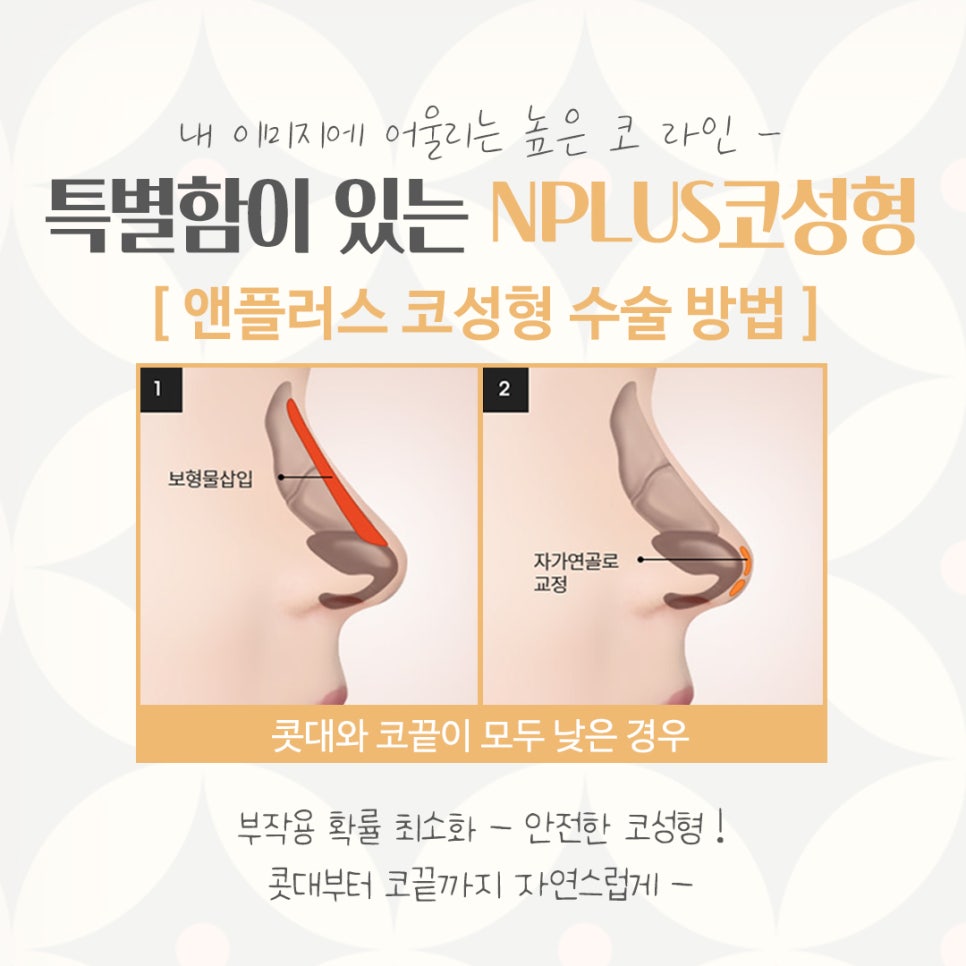
As for rhinoplasty methods, the nasal bridge is generally corrected with silicone and the tip with autologous cartilage. If there is a problem with function, surgery may be performed with priority given to improving function.
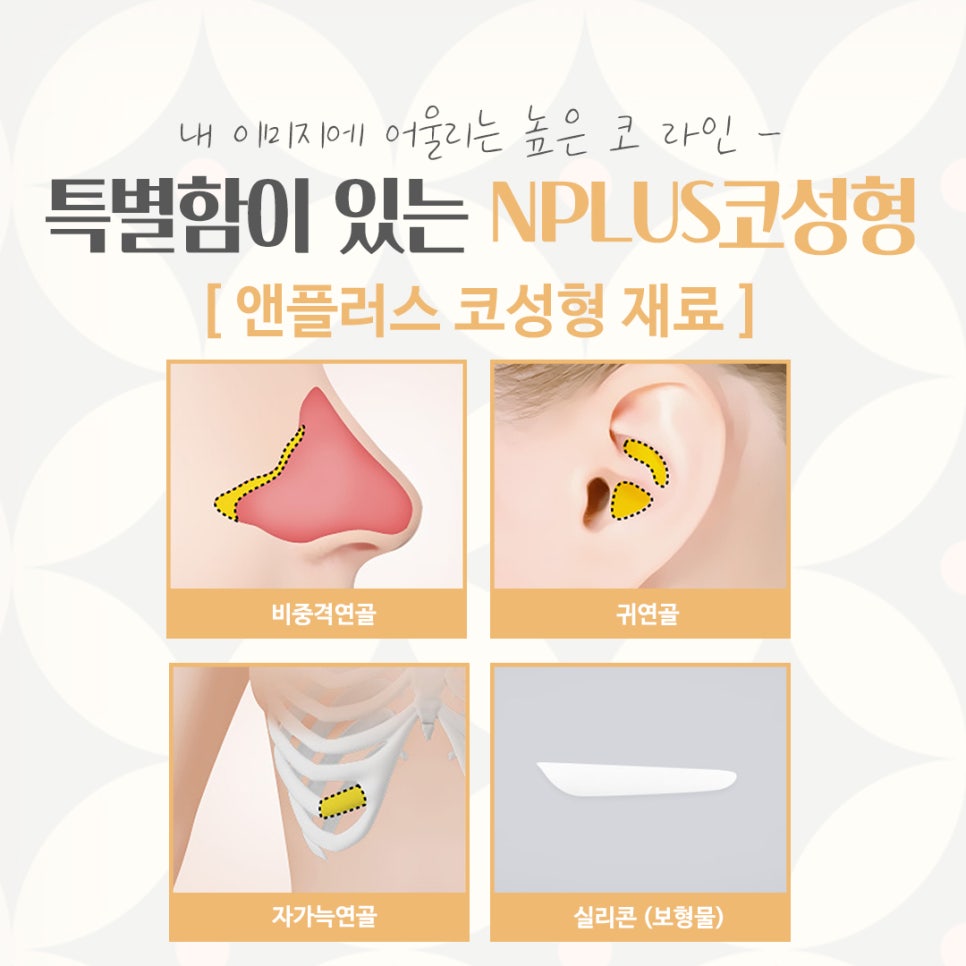
First, in the case of autologous cartilage used for the nasal tip, it can be selected through preoperative testing as the material most suitable for the individual’s current nasal condition. The autologous cartilage used includes septal cartilage, ear cartilage, and autologous rib cartilage.
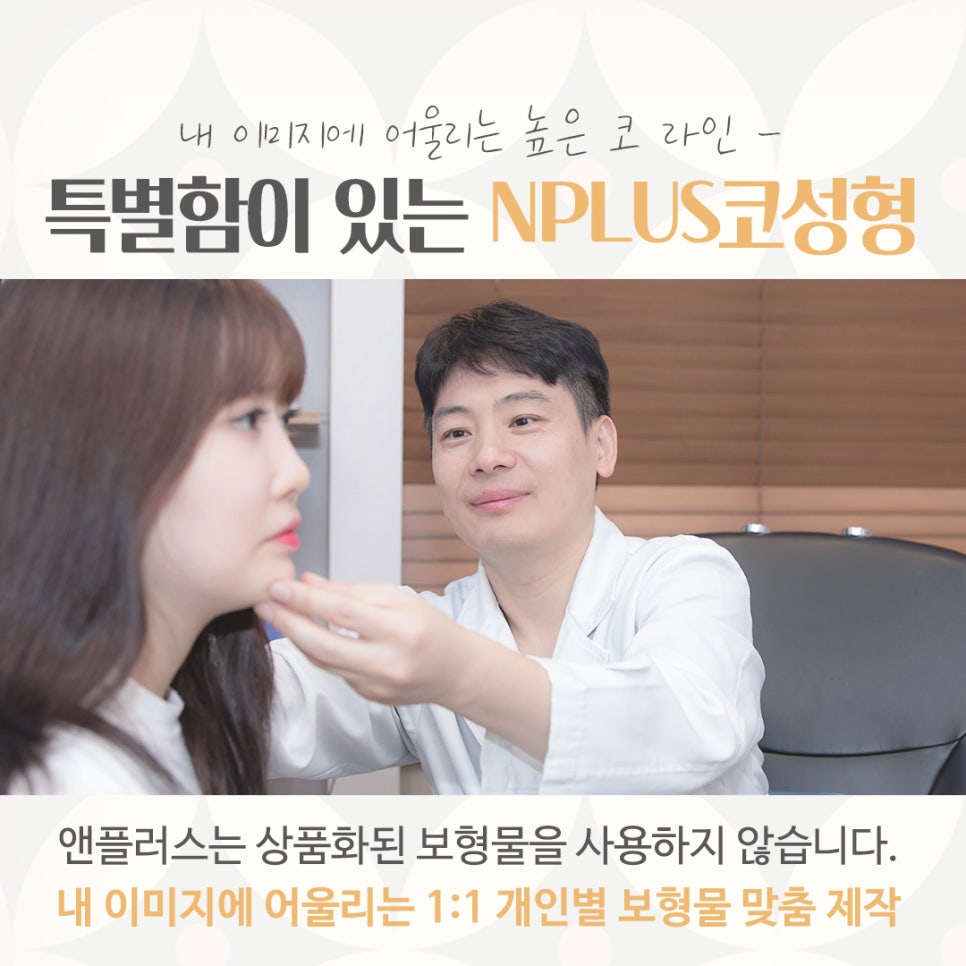
Silicone is used for the nasal bridge. Rather than using a premanufactured silicone product as is, it is carefully trimmed by hand after considering various aspects such as the individual’s overall image and the width, length, breadth, and height of the nasal bridge. This allows for a high and beautiful nose line that looks natural and suits the individual.

In addition, if preoperative testing shows problems with function (inferior turbinate hypertrophy, nasal valve stenosis, deviated septum), functional improvement can be prioritized, followed by cosmetic rhinoplasty after surgery.

As such, rhinoplasty must be performed with consideration not only for the external appearance but also for the internal functional aspects. Because it is one of the more technically demanding surgeries, those looking for a place that does rhinoplasty well should check carefully whether the medical team has strong anatomical knowledge of the nose, whether they have abundant relevant experience and expertise, whether they are equipped with devices that can accurately assess the condition of your nose, and whether aftercare is fully guaranteed.
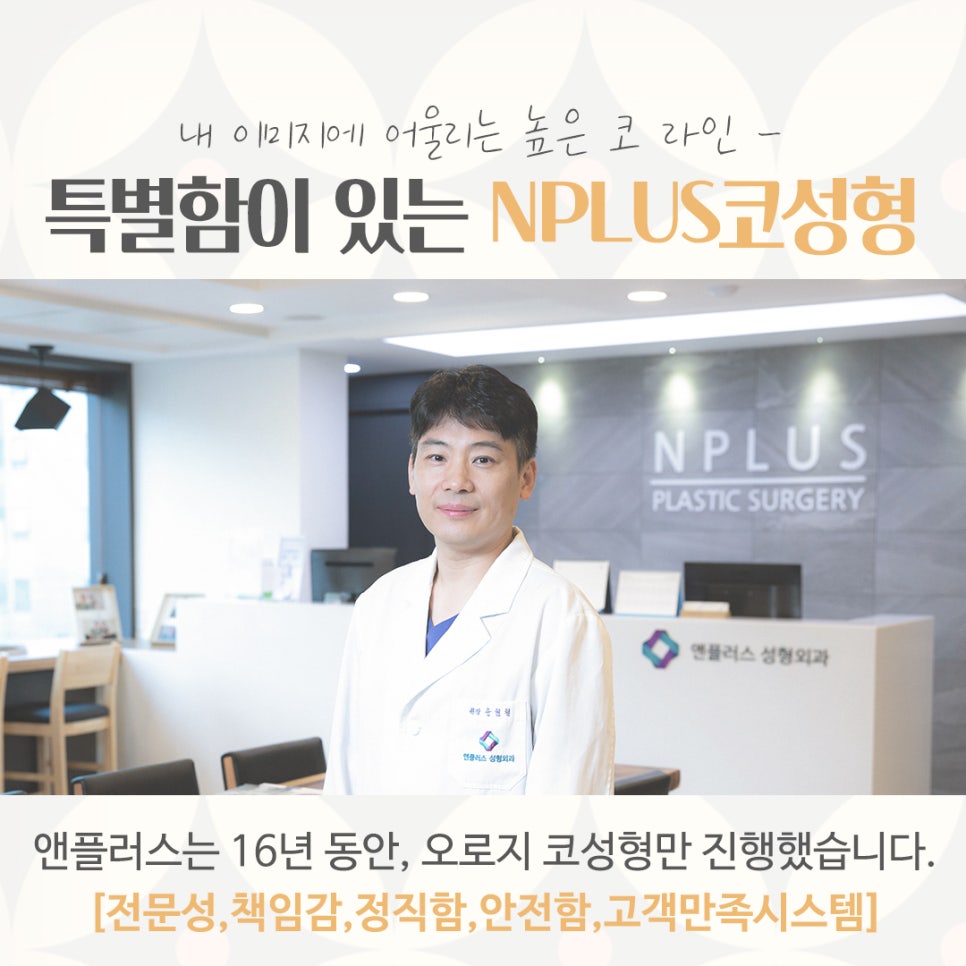
At A+ Plus, which is known as a place that does rhinoplasty well, Director Yoon Hyun-cheol personally handles every process one-on-one—from consultation about rhinoplasty, to planning, execution, treatment, and follow-up care—so you can visit with peace of mind from before surgery to after surgery.

For aftercare, they operate an A/S system that guarantees support for one year after surgery, as well as a surgery responsibility guarantee system in preparation for any possible postoperative pain, inflammation, or dissatisfaction with the result. This allows you to receive thorough post-surgery care as well.
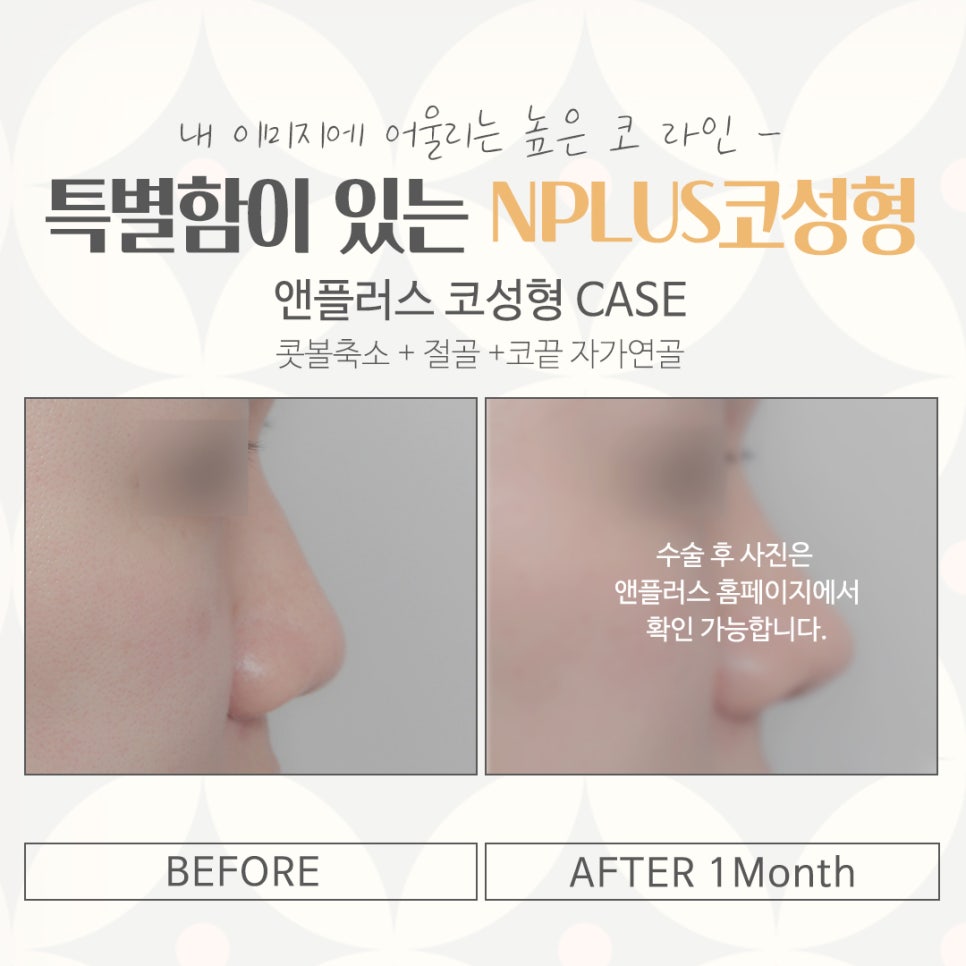
(The image above shows before-and-after rhinoplasty photos from A+ Plus, a place that does rhinoplasty well.)
That concludes my explanation of rhinoplasty at A+ Plus, a place that does rhinoplasty well. I hope this article is very helpful for those who are looking into rhinoplasty because they are unhappy with the shape of their nose or because they have nasal congestion symptoms due to rhinitis. Thank you.
https://youtu.be/gpcz676vFx4