For those who are not satisfied with their current appearance, interest in cosmetic surgery is increasing as a way to improve their look into a more favorable image. So although various attempts can be made, such as dieting, exercise, procedures, and changes in hairstyle, one area that is still difficult to change is the shape of the nose. The nose is located at the center of the face and is one of its most three-dimensional features, so even a small change in its shape can have a significant effect on improving one's image, which is why rhinoplasty is one of the most popular cosmetic surgeries.

There are more cases than you might think where people attempt this popular rhinoplasty for the various reasons above. Most people are satisfied with their first surgery, but after the initial operation, the expected shape may not be achieved, or abnormal internal nasal function may lead to concerns about revision rhinoplasty. Those who have such concerns can look into revision rhinoplasty reviews in more detail.
First, for those looking into revision rhinoplasty reviews, the types of nasal issues can be classified as dissatisfaction with the shape after the first surgery, problems with internal nasal function, or cases involving inflammation and contracture after nasal surgery. As such, in revision rhinoplasty, it is important to accurately analyze the reason the revision is being performed and then carry out the appropriate surgery accordingly.

When looking into revision rhinoplasty reviews, there are relatively many cases where surgery fails because it is approached primarily from an aesthetic or cost-focused perspective. However, the nose is not only important for appearance but also a functional organ responsible for breathing and smell, and therefore plays an important role throughout the body. For this reason, it is better to choose a clinic that takes these functional aspects into account when performing surgery.
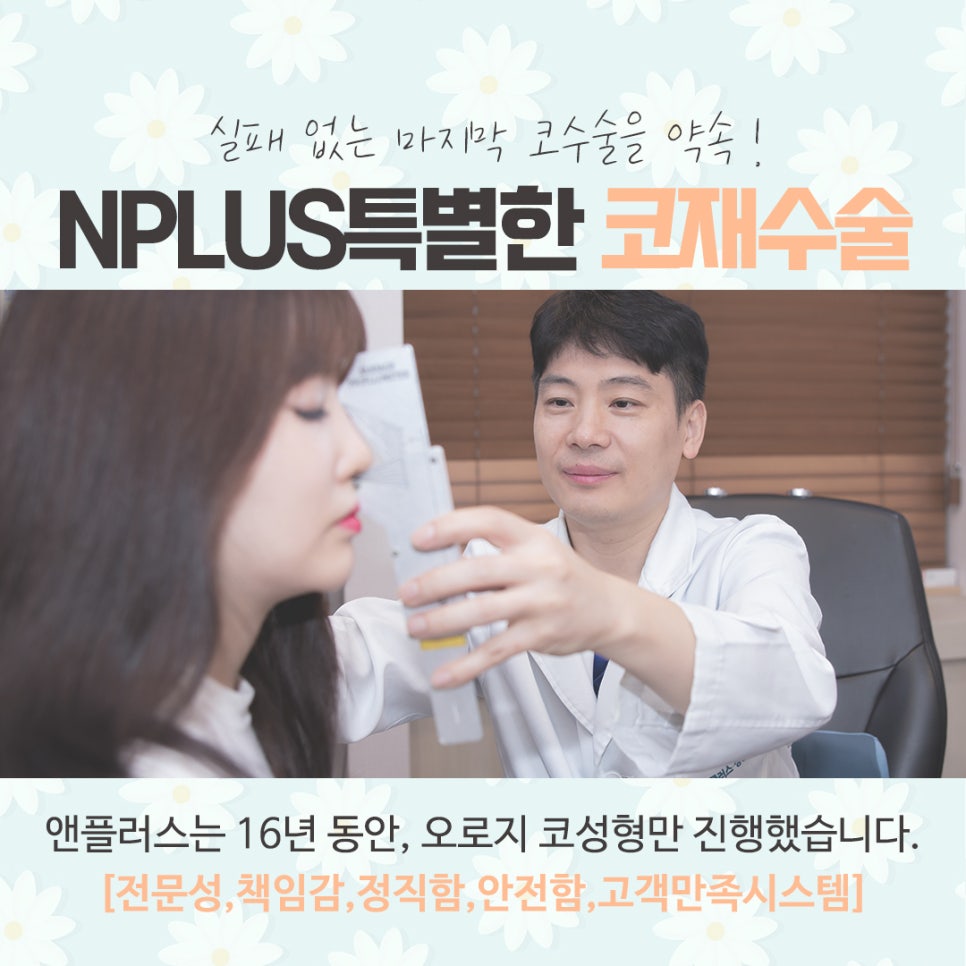
Therefore, when checking revision rhinoplasty reviews, it may be helpful to carefully examine whether the medical staff have a high level of anatomical knowledge of the nose, whether they have extensive relevant experience, whether equipment is available to clearly assess the condition of your nose, and whether aftercare is reliably guaranteed before proceeding.

Also, as explained above, the nose must be considered from a functional standpoint as well. Cases that can be improved through rhinoplasty include nasal congestion caused by rhinitis. Rhinitis is a common condition affecting more than 70% of Korean adults and is divided into allergic rhinitis and structural rhinitis.
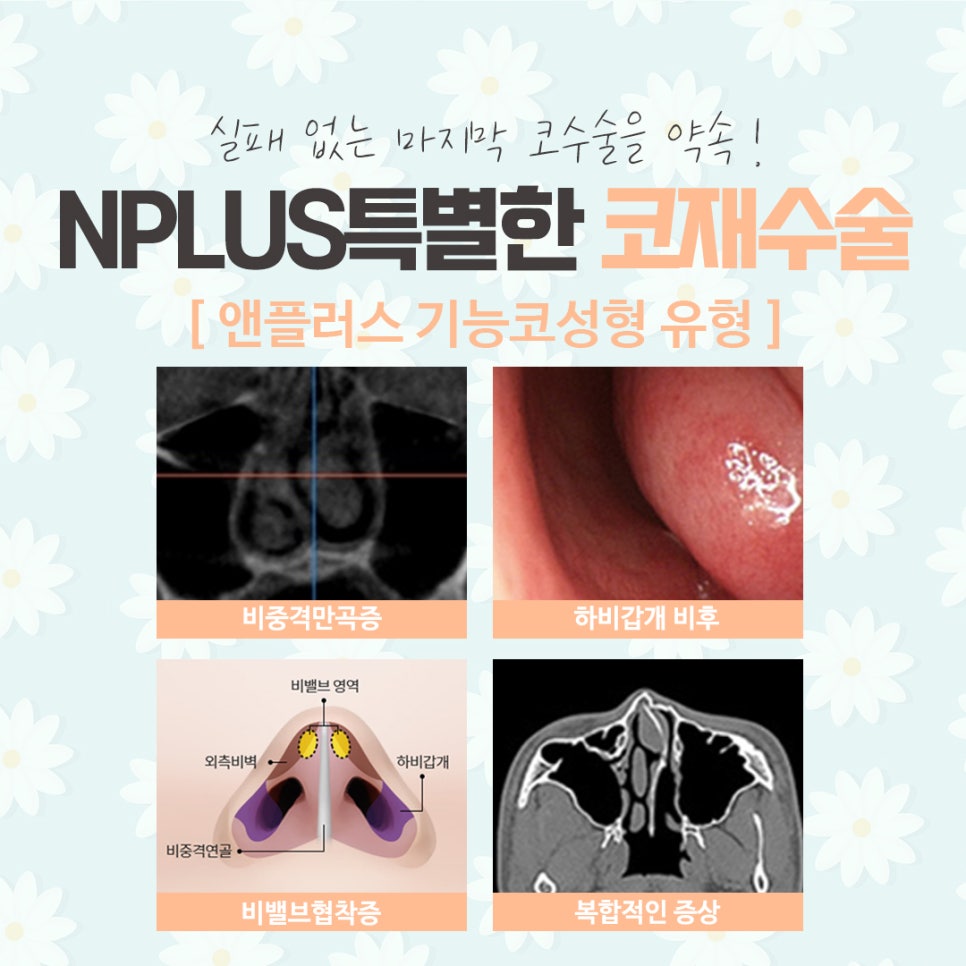
In the case of allergic rhinitis, symptoms appear due to certain substances or environmental factors. A complete cure is difficult, but symptoms can be temporarily improved through continued immune enhancement and medication treatment. In contrast, structural rhinitis occurs due to changes in the internal structure of the nose. Causes of structural rhinitis include a deviated septum, inferior turbinate hypertrophy, and nasal valve stenosis. Each condition obstructs the flow of air into the nose in different ways, with nasal congestion being the most common symptom, and surgery tailored to the cause must be performed for satisfactory rhinoplasty.
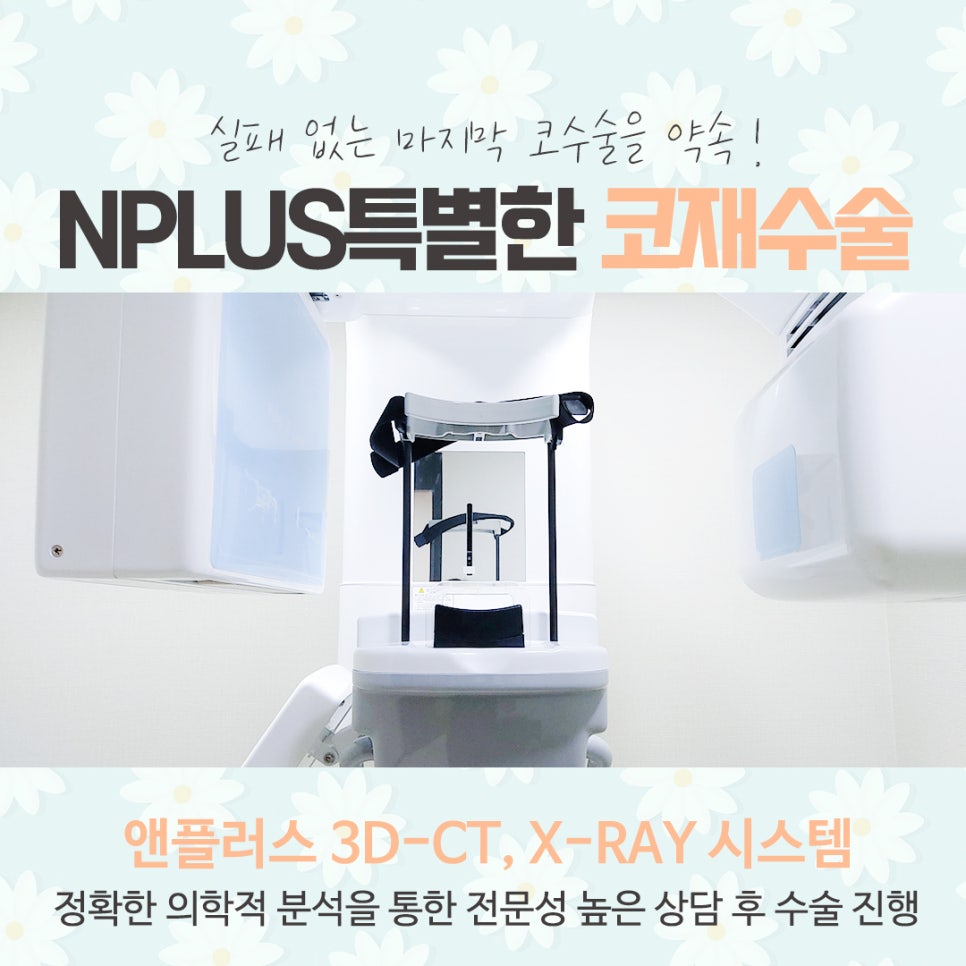
At Ohji-go Hospital N+Plus, before revision rhinoplasty is performed, the cause is accurately identified through multi-angle photography, internal endoscopic imaging, various allergy tests, and internal nasal function tests. Based on the extracted data, a surgical plan is established and carried out.
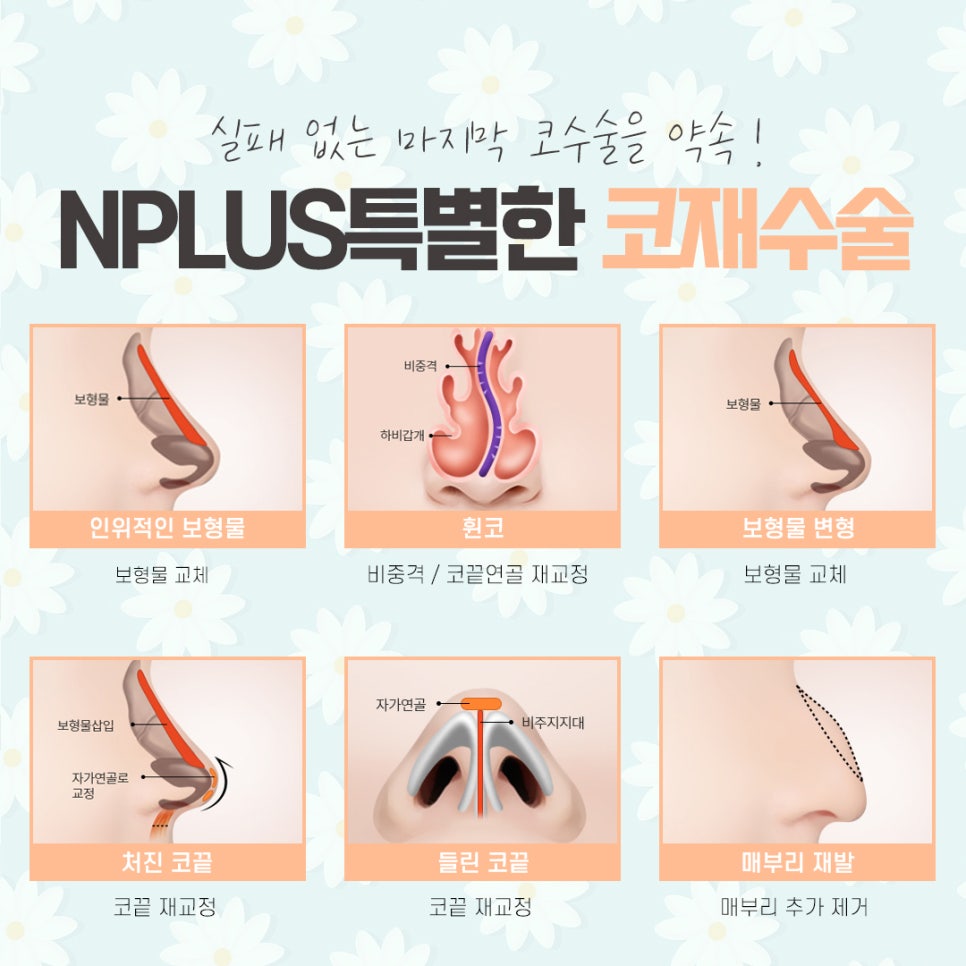
As for revision rhinoplasty methods, if you look at revision rhinoplasty reviews, you can see that they vary depending on the individual's condition, and they are classified and performed according to issues such as artificial implants, a crooked nose, implant deformation, a drooping nasal tip, an upturned nasal tip, and recurrence of a hump nose.
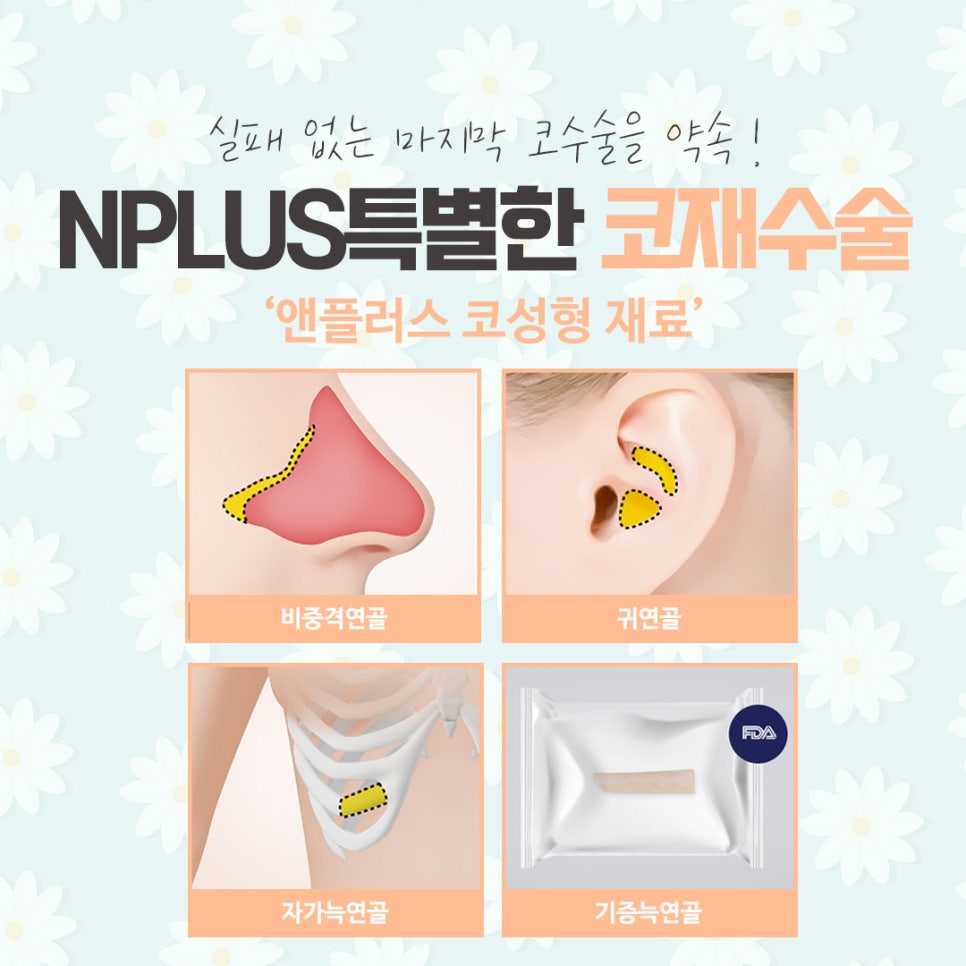
On average, the materials used in revision rhinoplasty correct the nasal bridge with silicone and the nasal tip with autologous cartilage. Before surgery, preoperative examinations make it possible to choose materials appropriate for each individual. Materials used for the nasal tip include septal cartilage, ear cartilage, and autologous costal cartilage. If autologous cartilage cannot be used, donated rib cartilage approved by the U.S. FDA can be substituted.
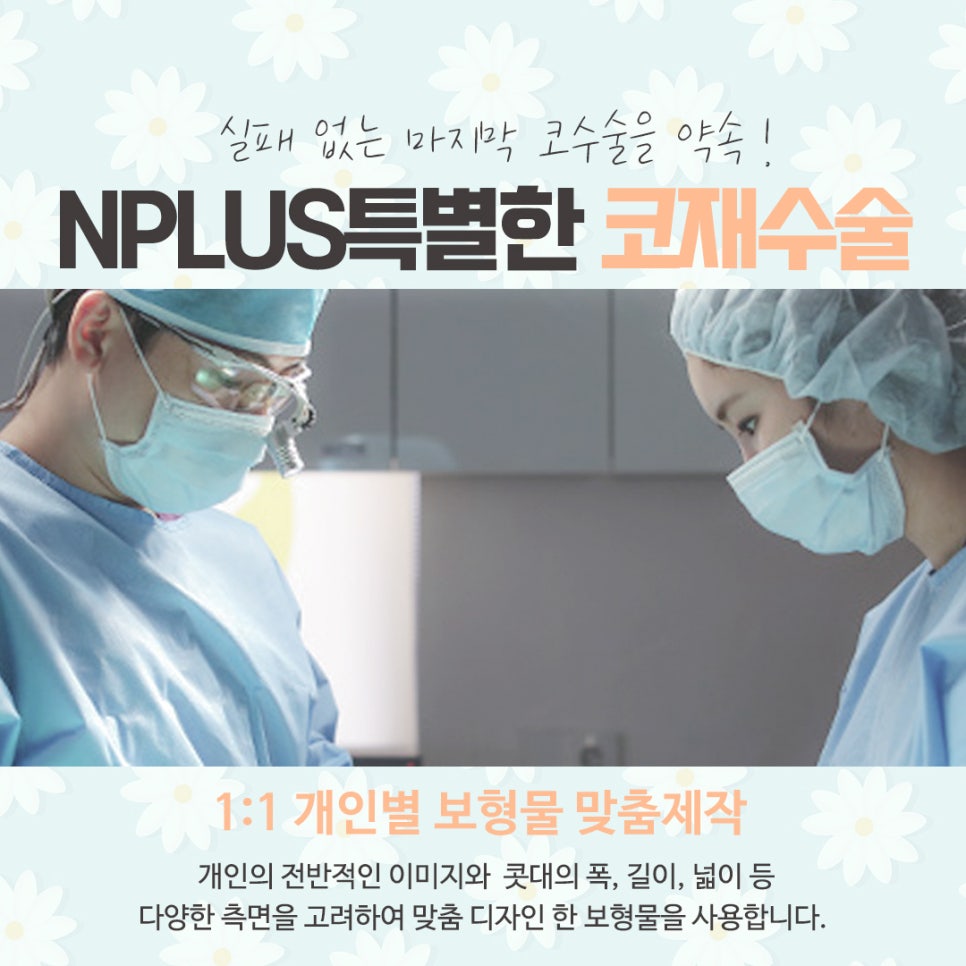
Silicone is used for the nasal bridge. In the case of silicone used for the nasal bridge, they do not use a pre-manufactured silicone product as is, but instead carefully shape it by hand after considering various aspects such as the individual's overall image and the width, length, breadth, and height of the nasal bridge, leading to more satisfying revision rhinoplasty reviews.
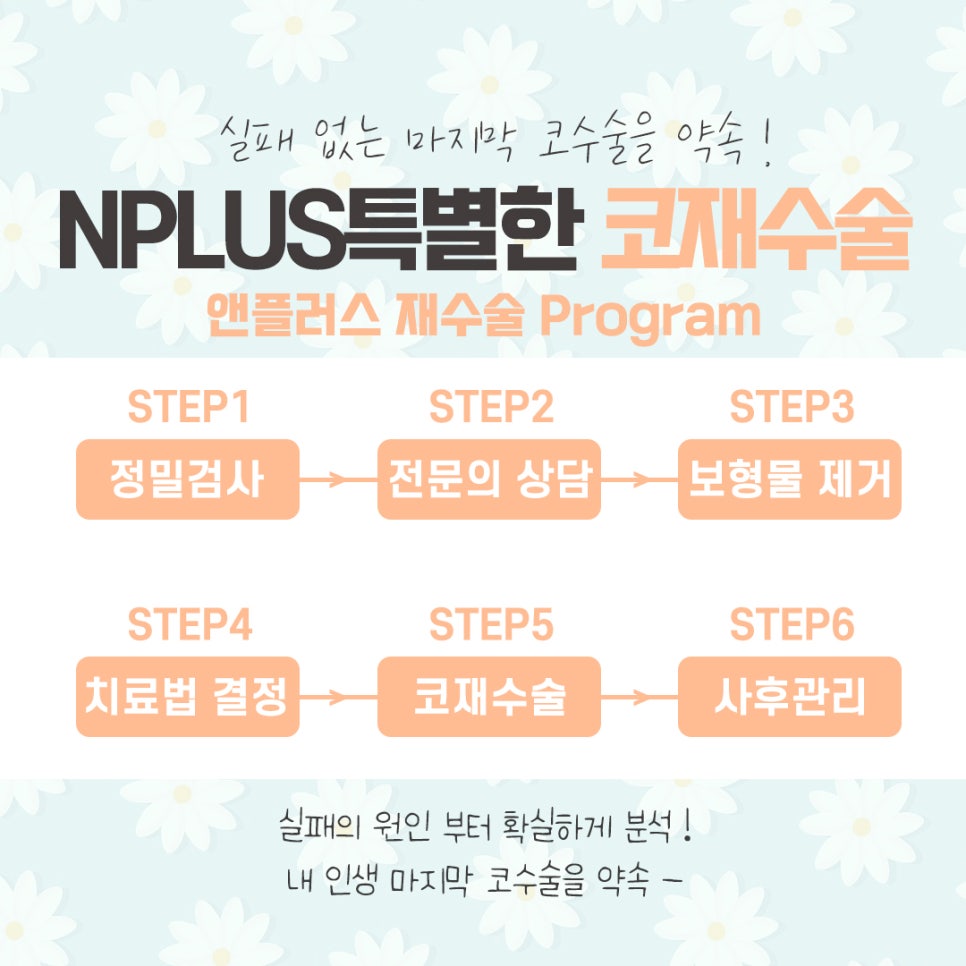
At Ohji-go Hospital N+Plus, when performing revision rhinoplasty, the cause of the first surgery failure is identified through accurate analysis, the revision method is made more specific, and a systematic system is used to carefully manage scars and swelling that may worsen after revision rhinoplasty.

In addition, Director Yoon Hyun-cheol personally handles everything one-on-one, from consultation regarding revision rhinoplasty to surgical planning, implementation, treatment, and follow-up visits, so you can receive high-level medical care from before surgery through aftercare.

For postoperative care, an N+Plus membership card is issued, and an A/S system is provided with a one-year warranty after surgery. A surgical responsibility warranty system is also in place to prepare for all situations that may arise after surgery, such as postoperative pain, inflammation, and dissatisfaction with the result, so aftercare benefits are firmly guaranteed.
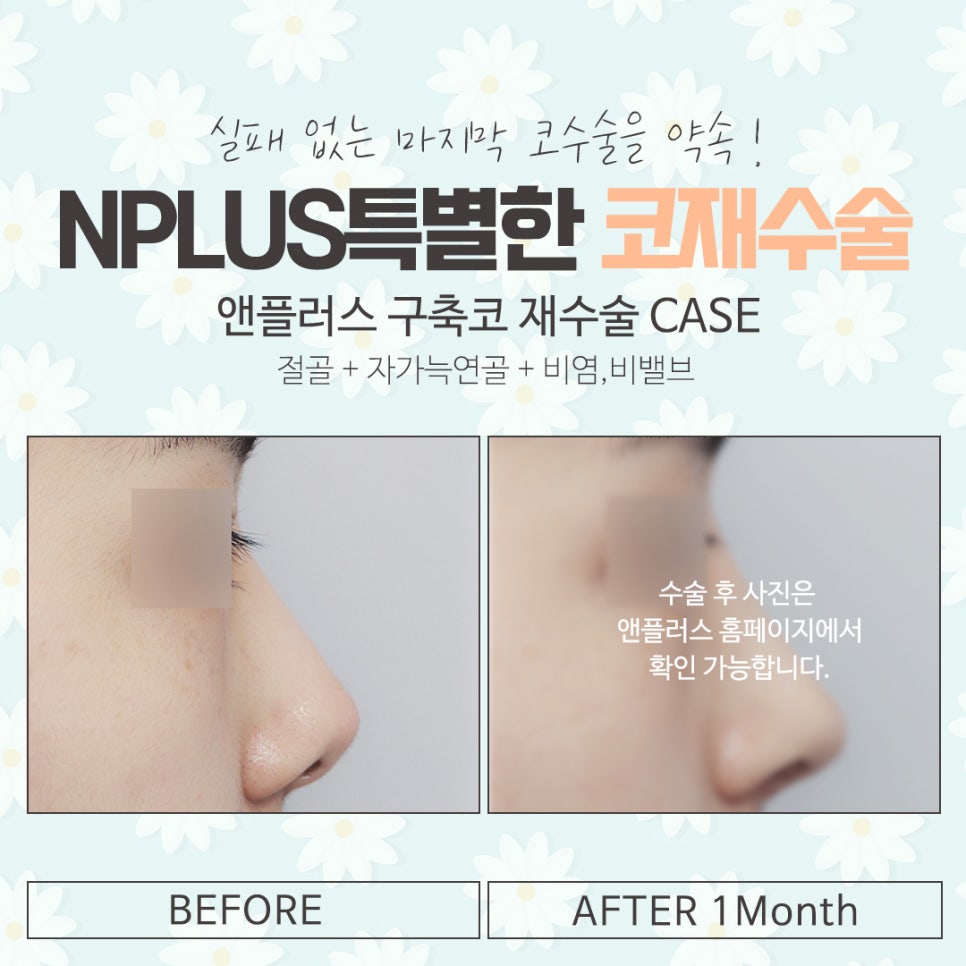
(The image above shows before-and-after photos of revision rhinoplasty at Ohji-go Hospital N+Plus.)
Up to this point, I have shared information about revision rhinoplasty reviews for Ohji-go Hospital N+Plus. I hope this article is very helpful for those who are not happy with the shape of their nose, or who are looking into revision rhinoplasty because of contracture, inflammation, or problems with internal nasal function. Thank you.
https://youtu.be/wq0uEjBGoGg