
As social standards for judging appearance become higher, many people try to address dissatisfaction with their looks through cosmetic surgery. Among the many types of cosmetic procedures, the nose, which is located at the center of the face, plays an important role in creating dimension and contour, so it is often considered first. For those with these concerns, you can learn more detailed information about Apgujeong nose surgery.

Accordingly, people looking into Apgujeong nose surgery can be grouped by nose shape, such as when the bridge or tip is low and lacks dimension, when the nose is crooked, when the bridge is bumpy with a hump nose, when the nose tip is upturned or lifted, or when nasal congestion caused by rhinitis is also present. In these cases, they hope to improve the nose into a straight and refined line.

As shown above, most people looking for information about Apgujeong nose surgery are primarily approaching it from an aesthetic standpoint. However, the nose not only affects facial appearance, but also serves functional roles in breathing and smelling, so it is important that surgery considers both the outside and the inside of the nose.
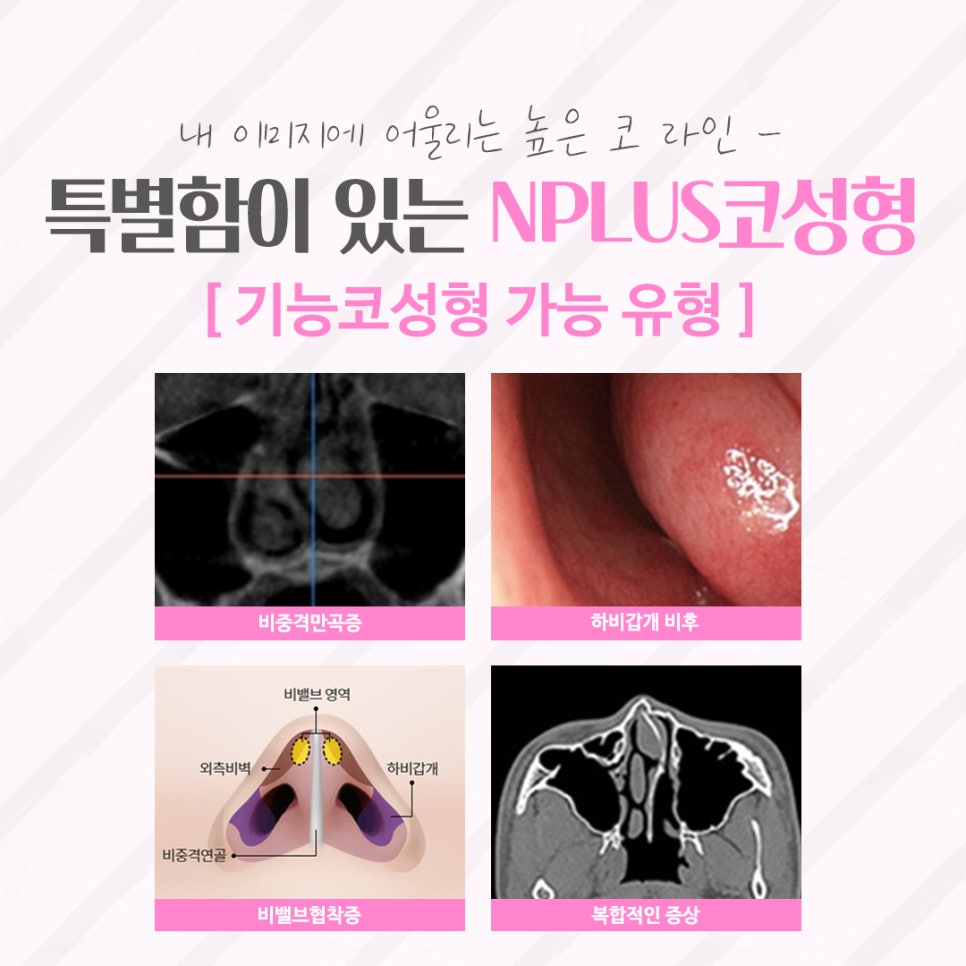
Therefore, symptoms that may require rhinoplasty while considering the functional aspects of the nose include nasal congestion caused by rhinitis. Rhinitis is a common condition found in more than 70% of Korean adults, and it is divided into allergic rhinitis and structural rhinitis. In the case of allergic rhinitis, because it appears due to specific objects or environments, a complete cure is difficult, and medication or strengthening the immune system should be prioritized. In the case of structural rhinitis, a cure is possible through surgery, so identifying the cause accurately is important. Causes of structural rhinitis can be divided into septal deviation, inferior turbinate hypertrophy, nasal valve stenosis, and combined conditions in which these symptoms appear together, and it is important that surgery is performed according to each symptom.
In this way, cosmetic rhinoplasty and surgery for treatable structural rhinitis are called functional rhinoplasty. Even if these symptoms are not present, if rhinoplasty is performed solely from a cost-based or cosmetic standpoint, it may lead to revision surgery due to postoperative functional problems. Therefore, an accurate diagnosis of the current condition through equipment is essential, and only when the appropriate surgery is applied can the results of both functional improvement and cosmetic surgery be satisfying.
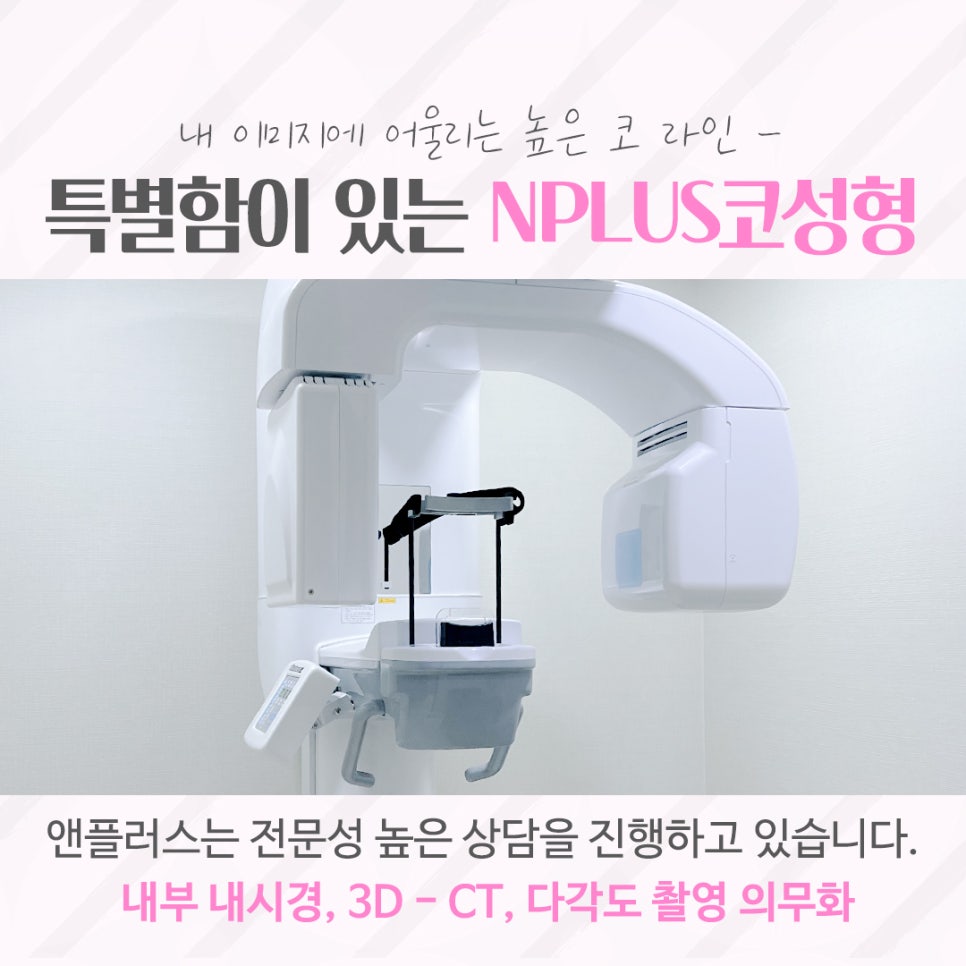
At Oziko N Plus Clinic, to ensure safe and satisfying rhinoplasty, we accurately identify and analyze the current problems inside and outside each individual’s nose through preoperative 3D-CT scanning, internal endoscopy, various allergy tests, internal nasal function tests, and multi-angle photography. Based on the collected data, we establish and carry out the surgical plan.
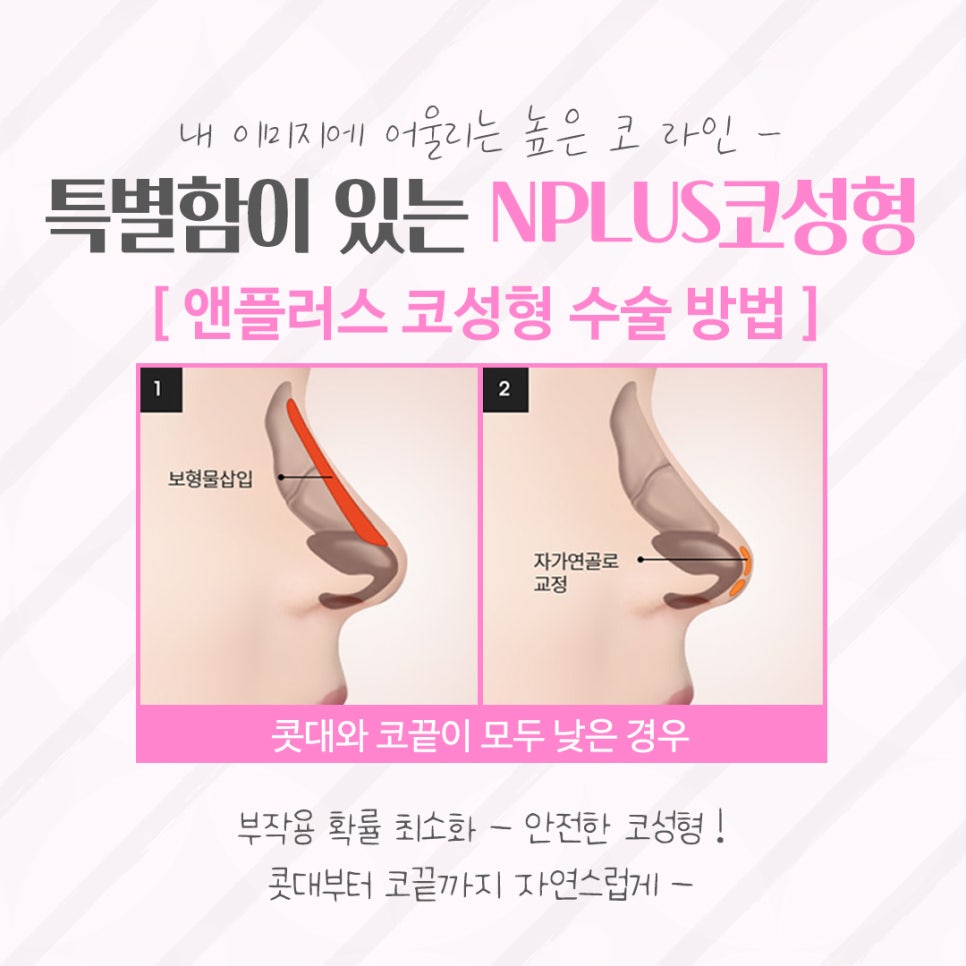
The Apgujeong nose surgery method performed at Oziko N Plus Clinic usually involves correcting the bridge with silicone and the tip with autologous cartilage. If there is a functional problem, rhinoplasty is performed with priority given to functional improvement.
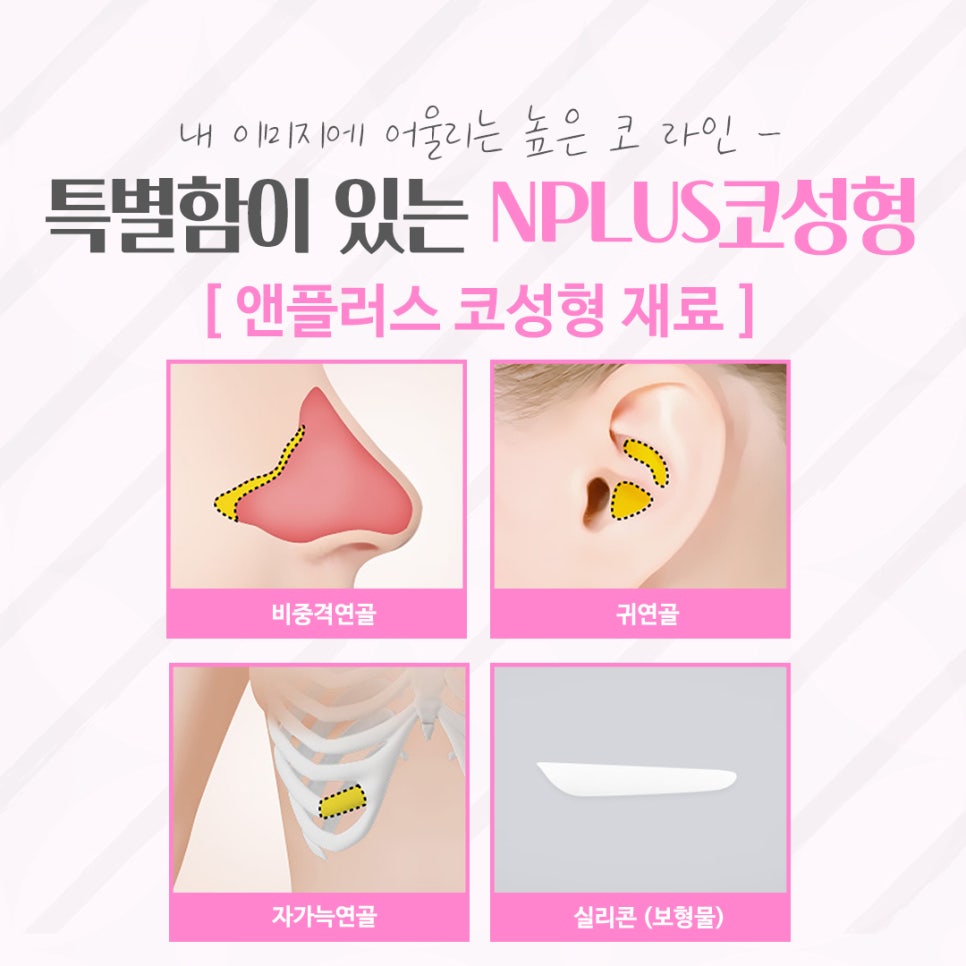
The materials used in rhinoplasty can be selected through preoperative examinations to suit each individual. Autologous cartilage used for the nasal tip includes ear cartilage, septal cartilage, and autologous rib cartilage.

In the case of silicone implants, they are used for the nasal bridge. Rather than using commercially available silicone as is, it is carefully shaped by hand after considering various aspects such as the individual’s overall appearance and the bridge’s width, length, breadth, and height.

If there is a functional problem, correction is performed with priority given to improving septal deviation, inferior turbinate hypertrophy, and nasal valve stenosis, followed by cosmetic rhinoplasty.
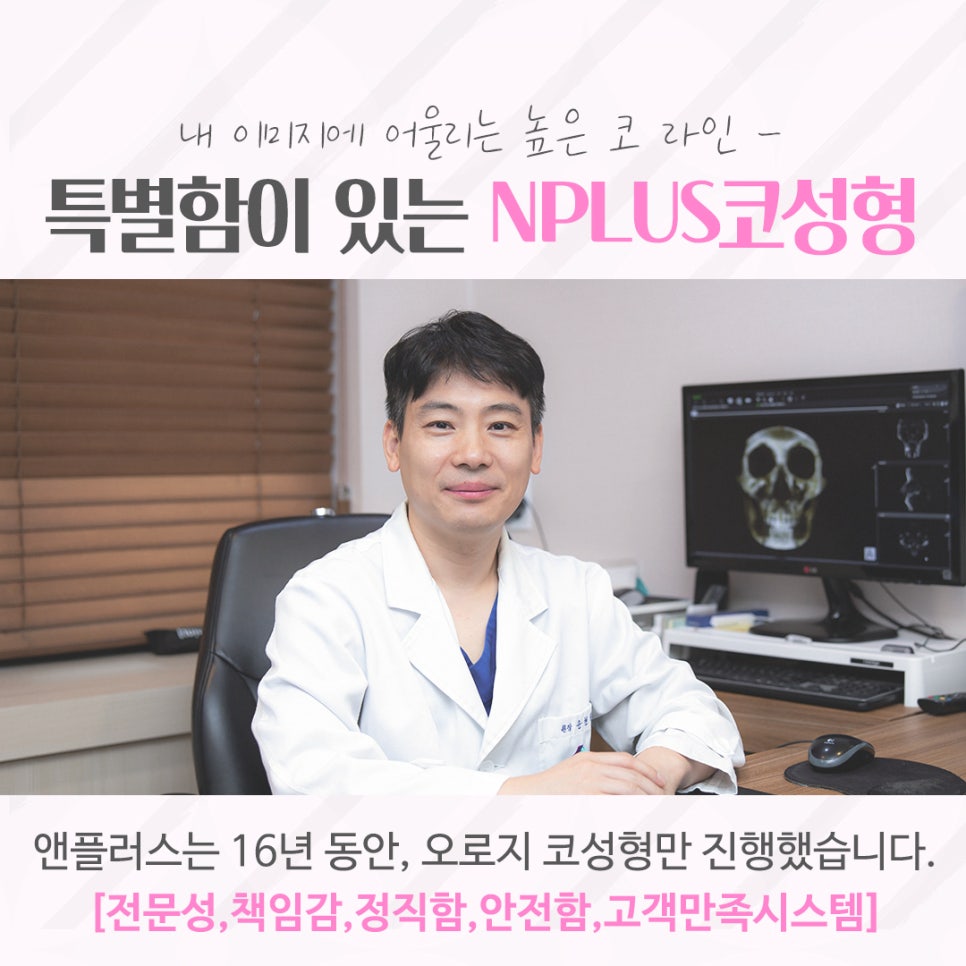
Therefore, those looking into Apgujeong rhinoplasty should not only consider the external appearance of the nose, but also choose a place that can identify internal nasal problems. In addition, it is very helpful to carefully check whether the medical staff have a high level of anatomical knowledge of the nose, whether they have ample relevant experience and expertise, whether equipment is available to accurately assess the condition of your nose, and whether aftercare is reliably guaranteed before proceeding.
At Oziko N Plus Clinic, Director Yoon Hyun-cheol personally handles each step one-on-one, from consultations related to nose surgery to surgical planning, execution, treatment, and follow-up care, so you can visit with confidence.

For postoperative care, we provide a one-year after-sales service guarantee and a surgical responsibility guarantee system prepared for all possible situations, including postoperative pain, inflammation, and dissatisfaction with the shape. This allows you to receive reliable aftercare benefits even after surgery.
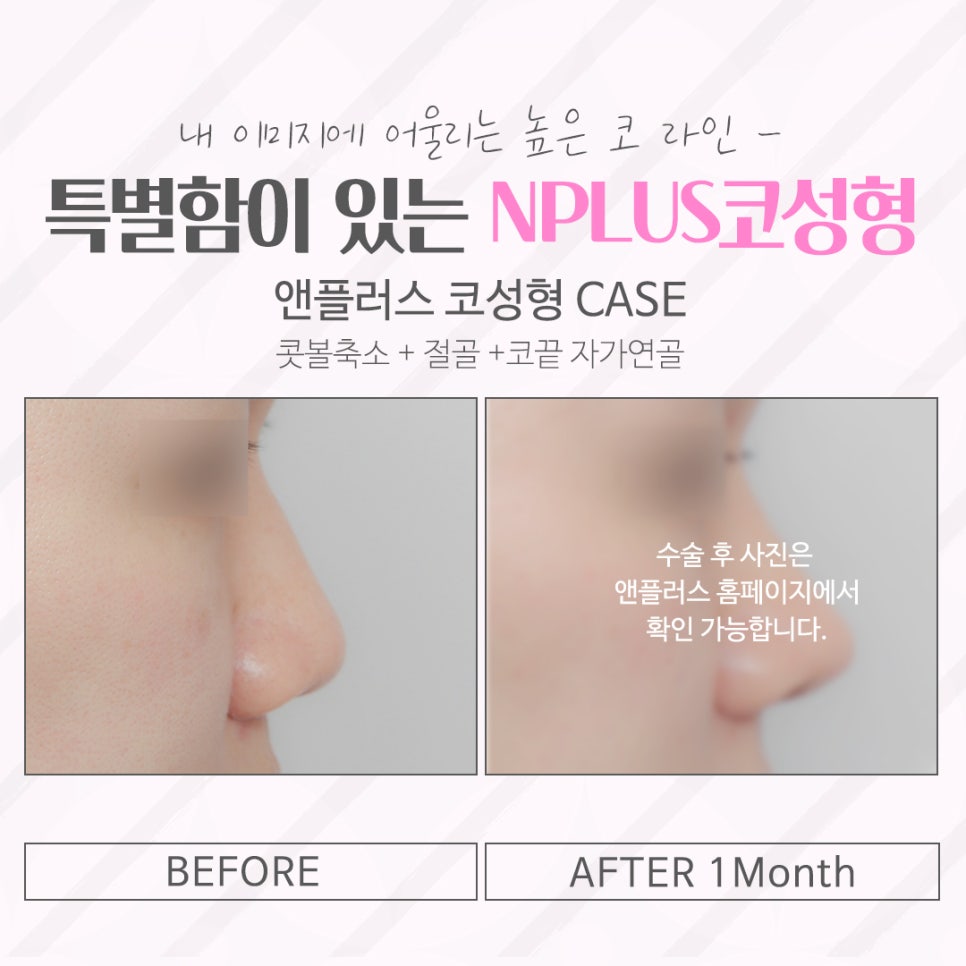
(The image above shows before-and-after photos of Apgujeong nose surgery at Oziko N Plus Clinic.)
This concludes the information about Apgujeong nose surgery at Oziko N Plus Clinic. I hope this article is very helpful for those who are looking into rhinoplasty because they are unhappy with the shape of their nose or want to improve their image. Thank you.
https://youtu.be/wcmlYFmqckQ