
These days, as beauty standards have risen, appearance is increasingly becoming a form of competitiveness. As a result, people of all ages and genders want to improve their appearance into a more polished and appealing image, so there is growing interest in media that covers beauty. One area that cannot be fully satisfied by makeup or filming techniques alone is the nose. The nose is located at the center of the face and is the most three-dimensional feature, so even a small change can have a significant effect on improving one’s image. For this reason, people who have complexes about their appearance often seek information about rhinoplasty to improve the shape of their nose.

Among the various types of rhinoplasty, there is strong interest in hump nose surgery for a drooping nasal tip or an uneven nasal bridge. People who feel stressed because a hump nose makes them look harsh or stubborn can learn more detailed information about hump nose surgery reviews.
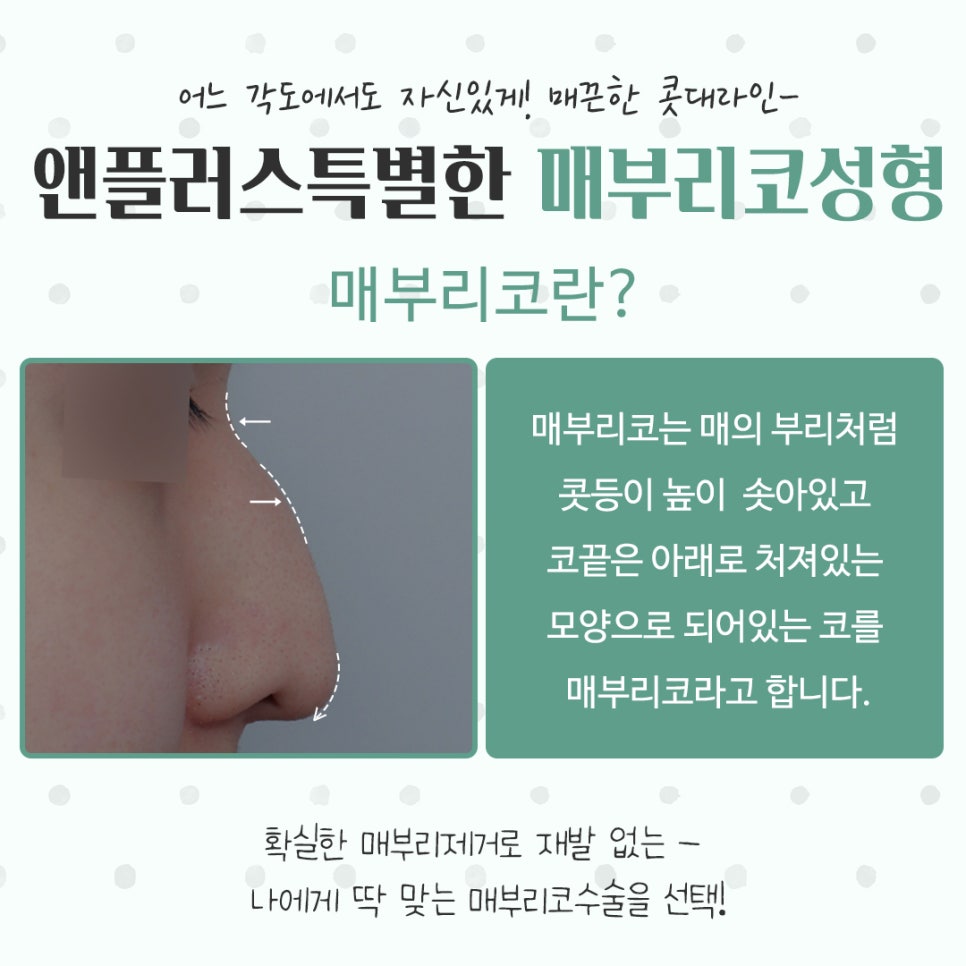
A hump nose refers to a nose shape where the tip droops like a hawk’s beak, or the bridge is bent or protrudes in a raised bump. The causes of a hump nose include genetic factors, congenital factors, or acquired trauma. On average, cases caused by acquired trauma are relatively common among those considering surgery.
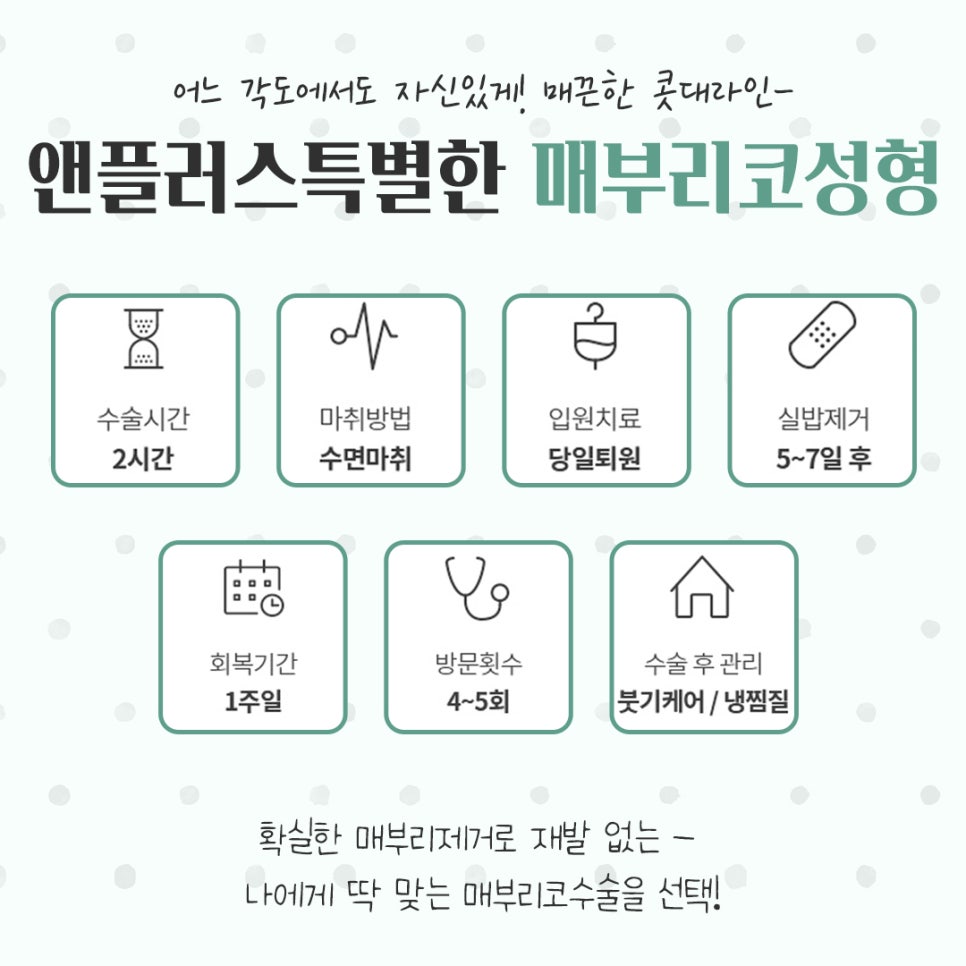
More specifically, if you look at hump nose surgery reviews, you will see that the surgical method differs from person to person. Even though it is called hump nose surgery, the same method is not applied to everyone. It is important to analyze each individual’s condition and cause and then perform the surgery that best fits them.
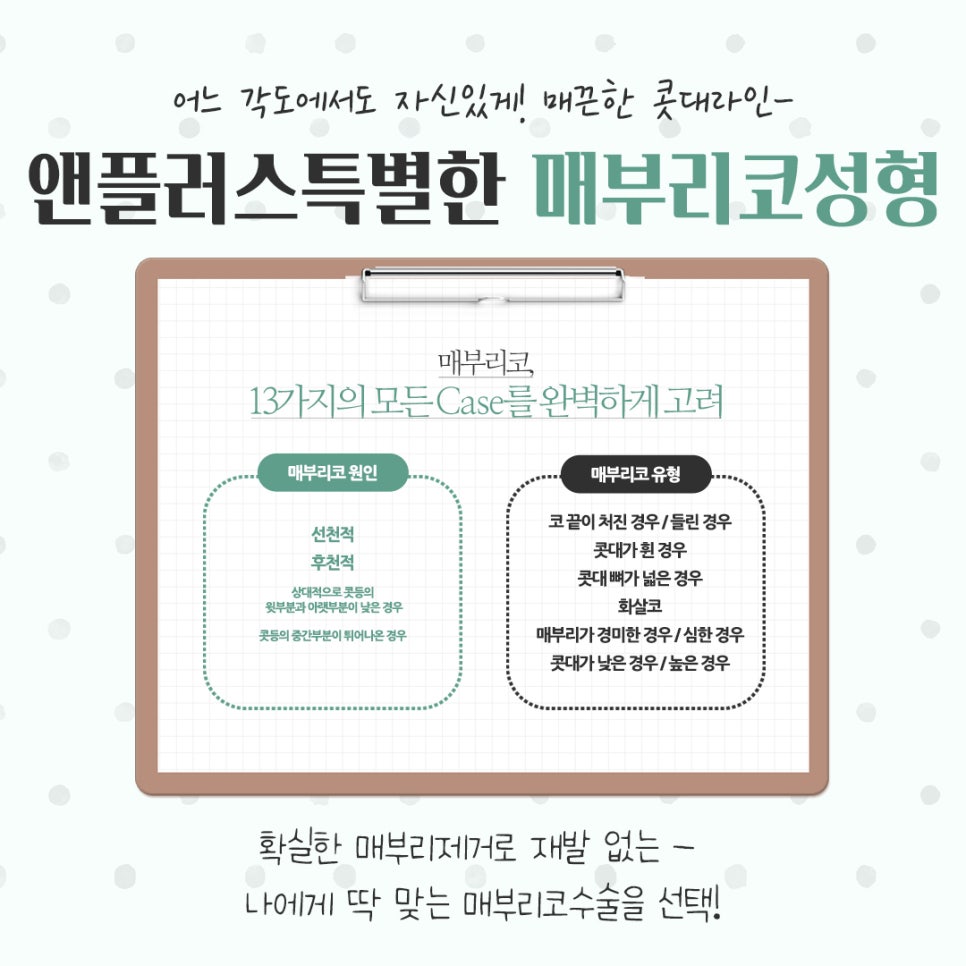
Therefore, the cases that require hump nose surgery are divided into various types, such as a drooping or upturned nasal tip, a curved nasal bridge, a wide nasal bridge bone, an arrow-like nose, a mild hump, a severe hump, a low nasal bridge, or a high hump nose.

In addition, when performing hump nose surgery, the aesthetic aspect is important, but in many cases of hump nose there are also functional issues inside the nose. If surgery is performed with only an aesthetic approach, postoperative functional problems may lead to revision surgery. If nasal congestion due to rhinitis is also present, it is important that these functional aspects are considered together during surgery.
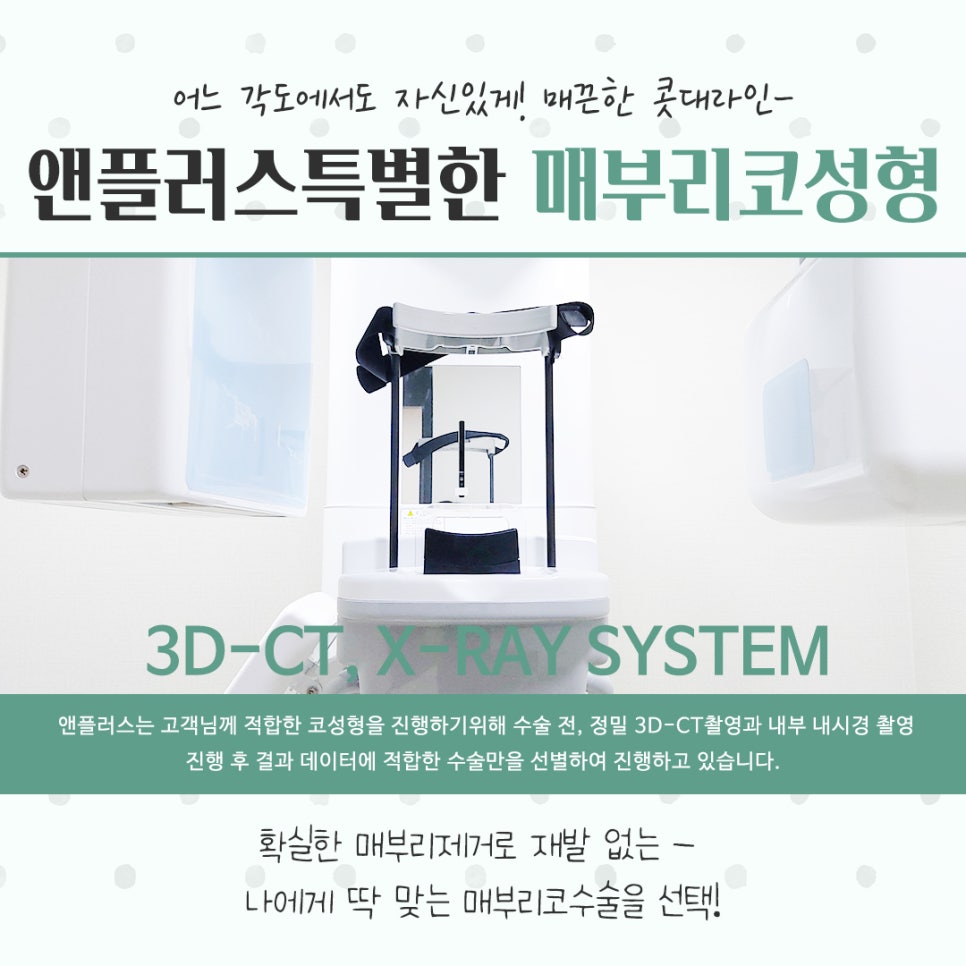
At Oziko Hospital & Nplus, when performing hump nose surgery, the hospital conducts preoperative 3D-CT imaging, internal endoscopic imaging, various allergy tests, nasal function tests, and multi-angle photography to accurately analyze the causes and types of the hump nose. Based on the collected data, a surgical plan is established and carried out.

The surgical methods for hump nose surgery are divided into three types: a high bridge hump, a low bridge hump, and a mild hump. The key to hump nose surgery is to remove the hump completely in order to minimize recurrence. When planning hump nose surgery, it may help to refer to hump nose surgery review images, but it is also important to carefully check whether the medical staff have strong anatomical knowledge of the nose, whether they have sufficient experience and expertise, whether equipment is available to clearly assess the condition of your nose, and whether aftercare is reliably guaranteed.
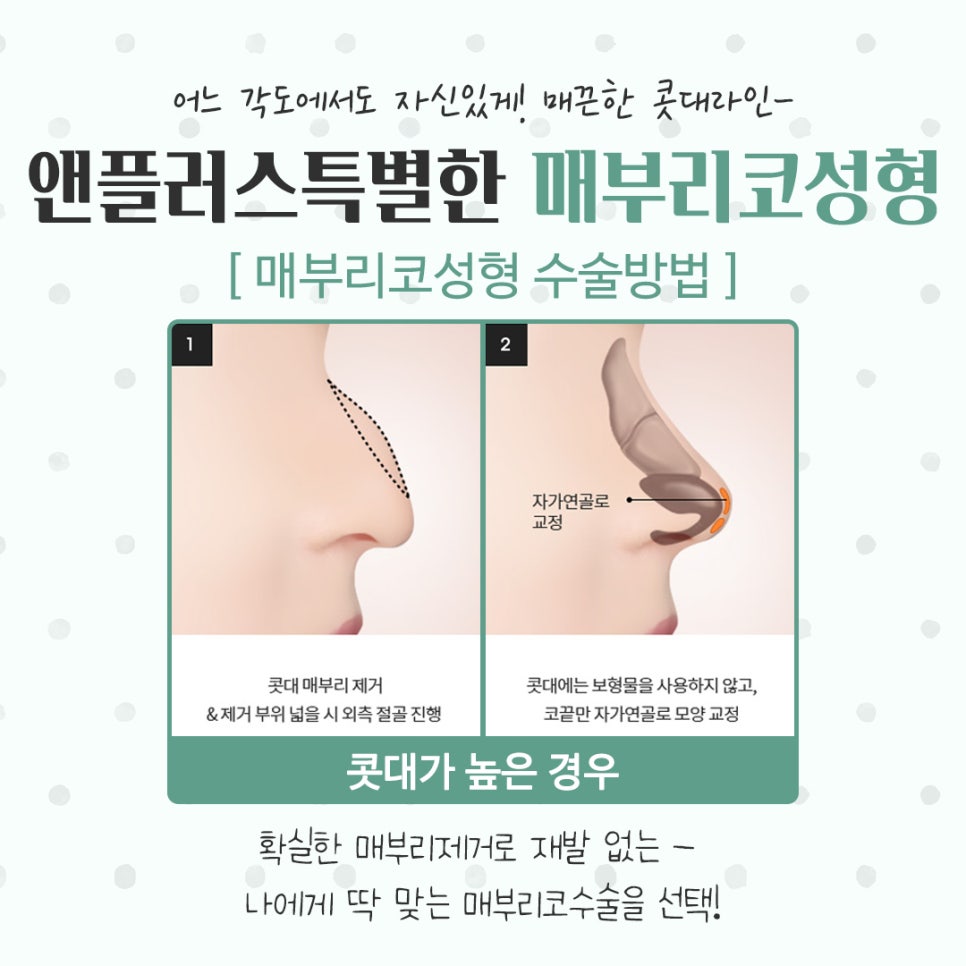
First, in the case of a high-bridge hump nose, the hump on the bridge is removed or the bone is cut, and then the bridge is not augmented with an implant; instead, the nasal tip is corrected using autologous cartilage.
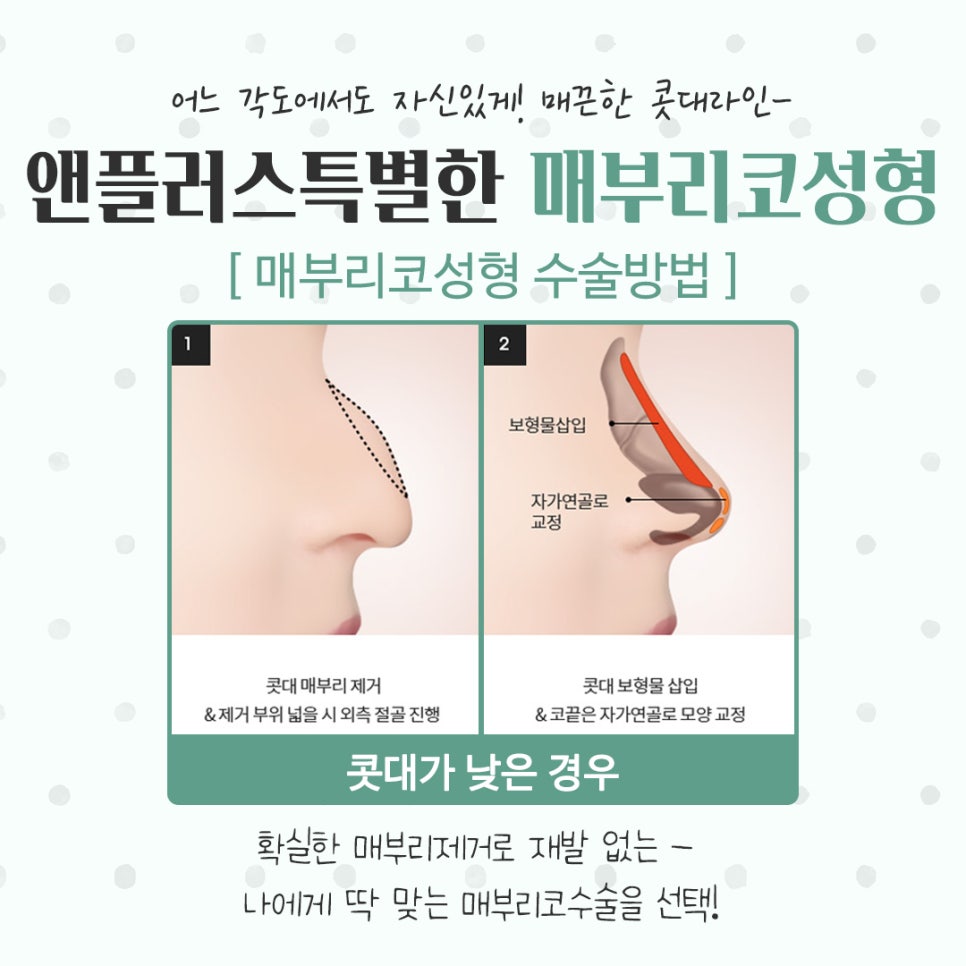
In the case of a low bridge, after removing the hump on the bridge or performing osteotomy, an implant can be inserted into the bridge, and the nasal tip can be corrected with autologous cartilage.
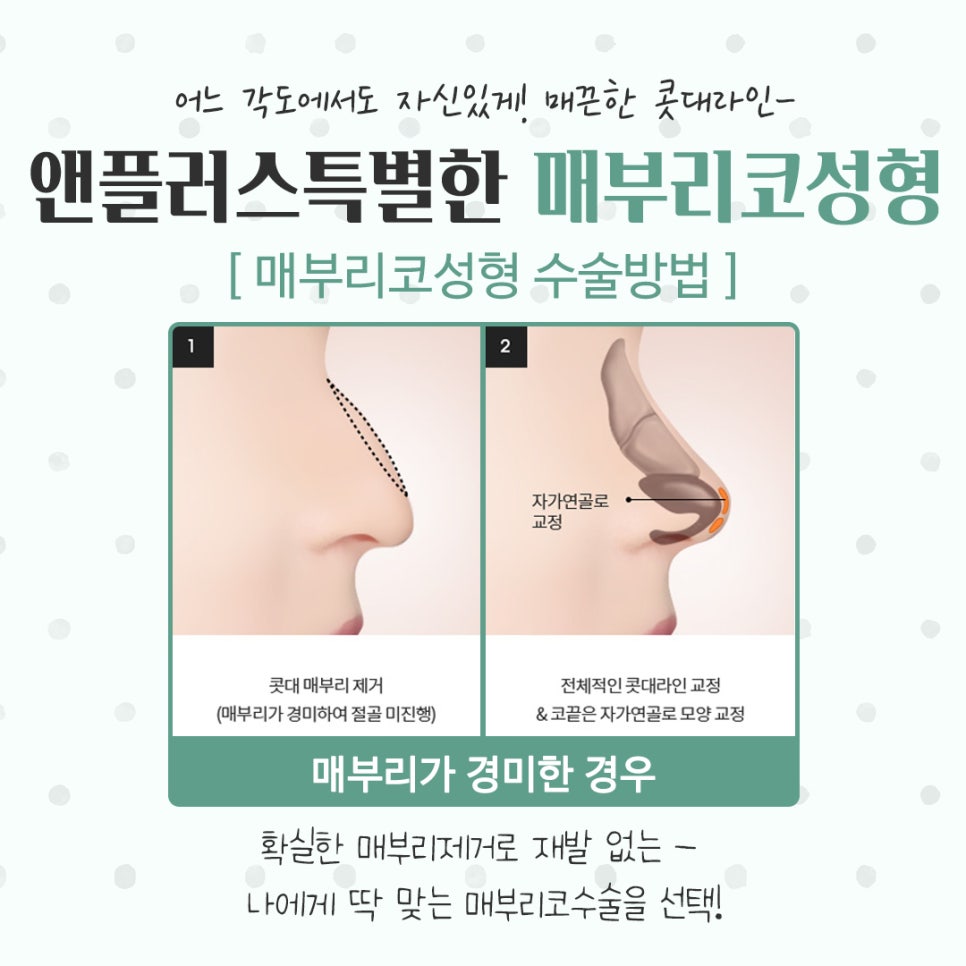
If the hump is mild, the hump on the bridge is removed and the overall bridge line is corrected, and correction of the nasal tip with autologous cartilage may be selected.
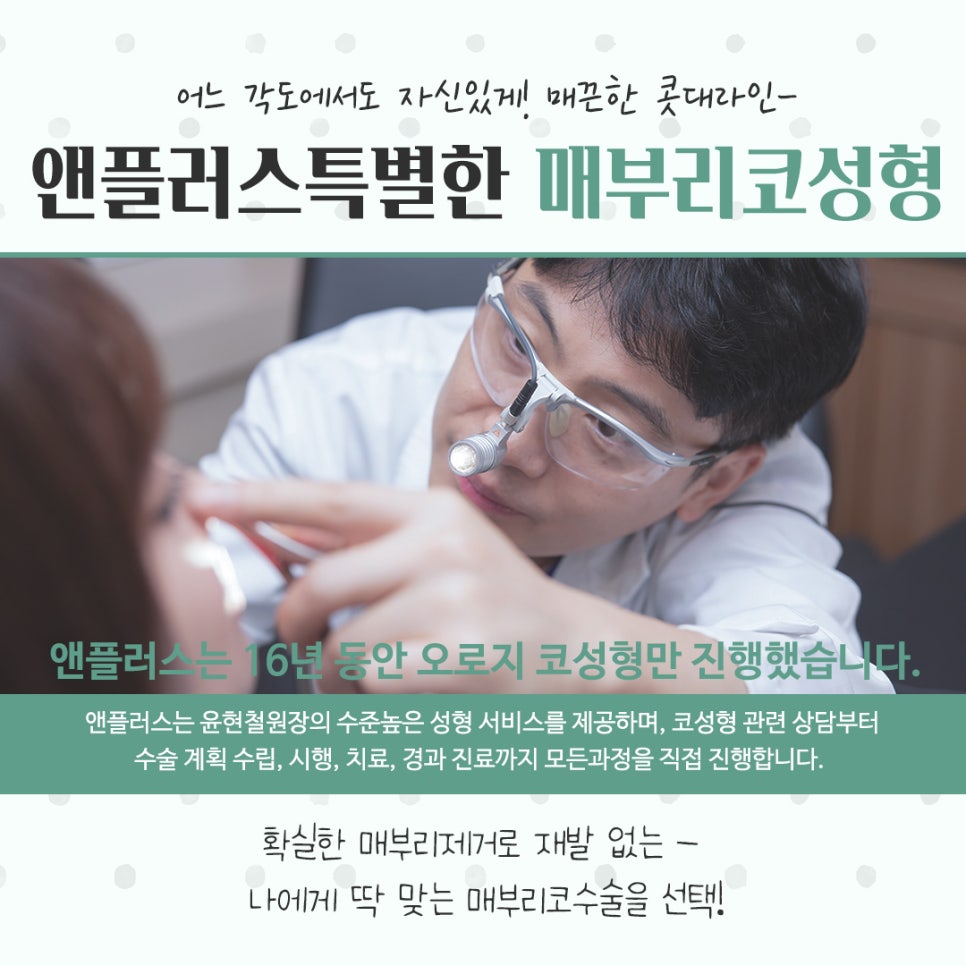
At Oziko Hospital & Nplus, to minimize the chance of revision surgery, Chief Director Yoon Hyun-cheol personally handles every step one-on-one, from consultation related to hump nose surgery to surgical planning, execution, treatment, and follow-up care, allowing patients to receive high-level medical service from before surgery through recovery.
Even after the one-month aftercare program, the clinic issues an Nplus membership card and provides a repair service guarantee for one year after surgery. It also operates a surgery responsibility guarantee system to prepare for all possible situations after surgery, such as pain, inflammation, or dissatisfaction with the shape.
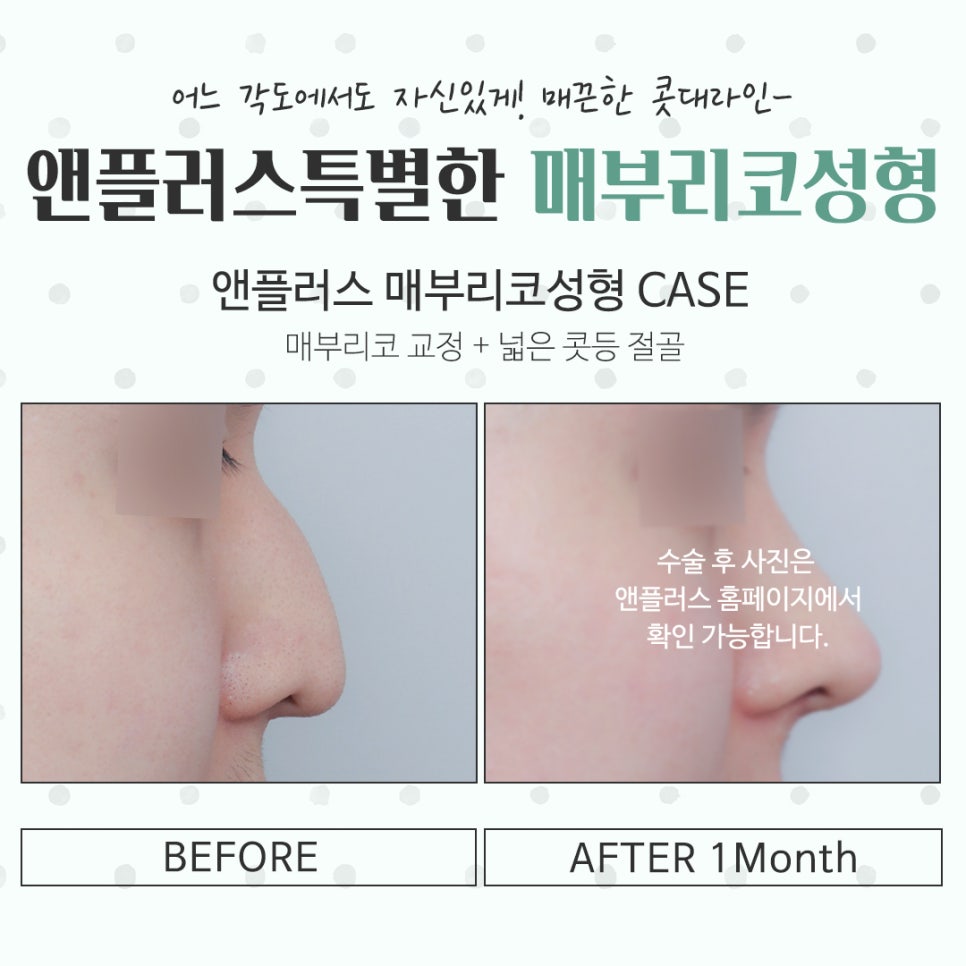
(The image above is before-and-after photos of a hump nose surgery review showing improvement in a drooping nasal tip at Oziko Hospital & Nplus.)
That concludes my explanation of the hump nose surgery review regarding improvement of a drooping nasal tip at Oziko Hospital & Nplus. I hope this article is very helpful for those who are looking into rhinoplasty to improve their impression because of a hump nose. Thank you.
https://youtu.be/gpcz676vFx4