
As a means of managing appearance, interest in cosmetic surgery is growing rapidly. Therefore, among the facial features you are currently dissatisfied with, you can improve the parts that have caused you stress through surgery. However, indiscriminate surgery can lead to side effects, so it is better to proceed only after carefully researching the procedure. Among the many types of cosmetic surgery, the shape of the nose is especially popular because it is difficult to change with makeup or by yourself, and even a small change to the nose can have a major effect on improving the overall image.

That is why, for people looking into nose surgery, nose shapes are classified in various ways, such as a nose that is too low, a hooked nose, a crooked nose, an upturned nose, or a short nose. Because the surgical methods and materials differ depending on the type, it is important to consult a specialist to get an accurate understanding. In particular, when the nose is short and small, the overall image can look plain and unsophisticated, so you may want to learn more about short nose surgery reviews to improve this.
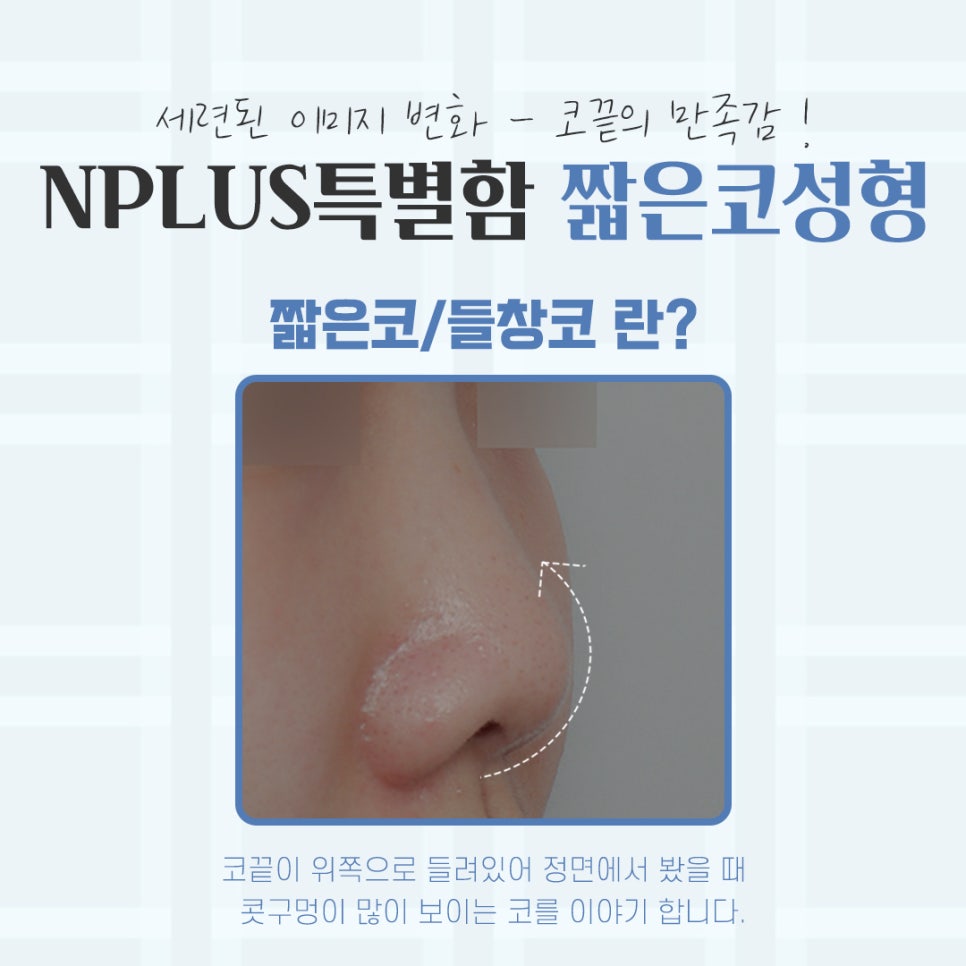
Short nose surgery refers to a nose whose tip is turned upward, making the nostrils highly visible from the front. A short nose can be congenital, but there are also cases where it becomes shortened because of contracture after nose surgery, as the tip shrinks due to complications. To improve this, the columellar support structure can be built up or the skin can be lengthened to lower and correct the tip.

For those looking into short nose surgery reviews, concerns about the tip and the small size of the nose often come first in terms of appearance. However, nose surgery is not only important aesthetically; it is also a functional organ responsible for breathing and smell. For this reason, surgery should be performed only after checking whether there are issues with the internal structures, so that postoperative functional problems or recurrence of the nose tip turning up again can be prevented.

Even if the nose has the same short shape, the surgical methods and materials used can differ from person to person when you look at short nose surgery reviews. This is because, even for short noses, the approach varies depending on the type, skin condition, cartilage condition, and bone condition. Since it is important to apply the appropriate surgery while considering these factors, rather than prioritizing a cosmetic approach or a cost-based approach, it may be helpful to choose a place that can accurately check the current internal and external condition of the nose.

At Ojiko Hospital & N+ Clinic, preoperative internal endoscopy, various allergy tests, internal nasal function tests, 3D CT scans, and multi-angle imaging are mandatory. Based on the data collected after accurately understanding each patient’s nasal condition, a surgical plan is established and carried out, so you can proceed with greater peace of mind.

In the case of short nose surgery, many people generally think there are limits because the skin is thin and the nose is small. In the past, it was performed through septal extension and cartilage grafting, but at N+ Clinic now, various methods such as septal extension, columellar support, skin extension, and cartilage grafting are applied in combination so that the tip can be firmly corrected and not turn up again. The surgical method for short nose surgery is divided and performed according to whether the tip-up is mild or severe.
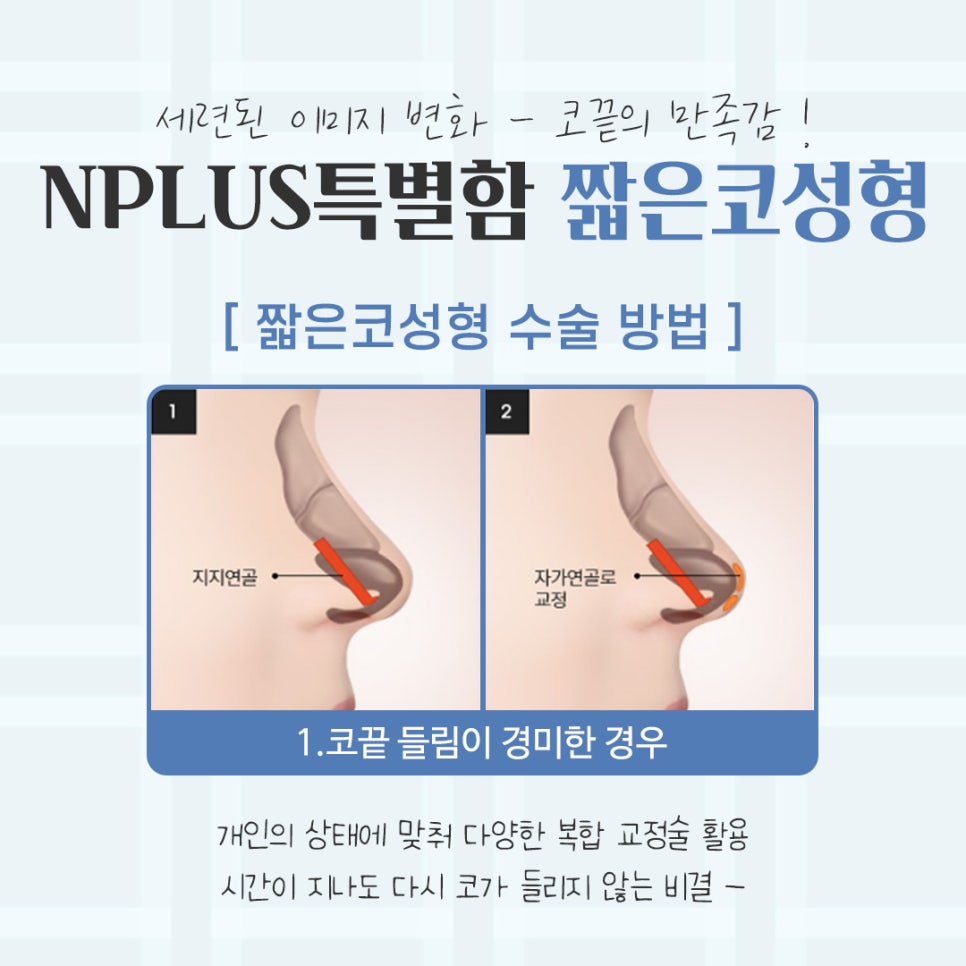
First, when the tip-up is mild, a strong supporting cartilage is grafted between the columella to create a columellar support structure, and after firmly fixing the tip cartilage so it does not move, autologous cartilage is grafted to the tip to correct it.
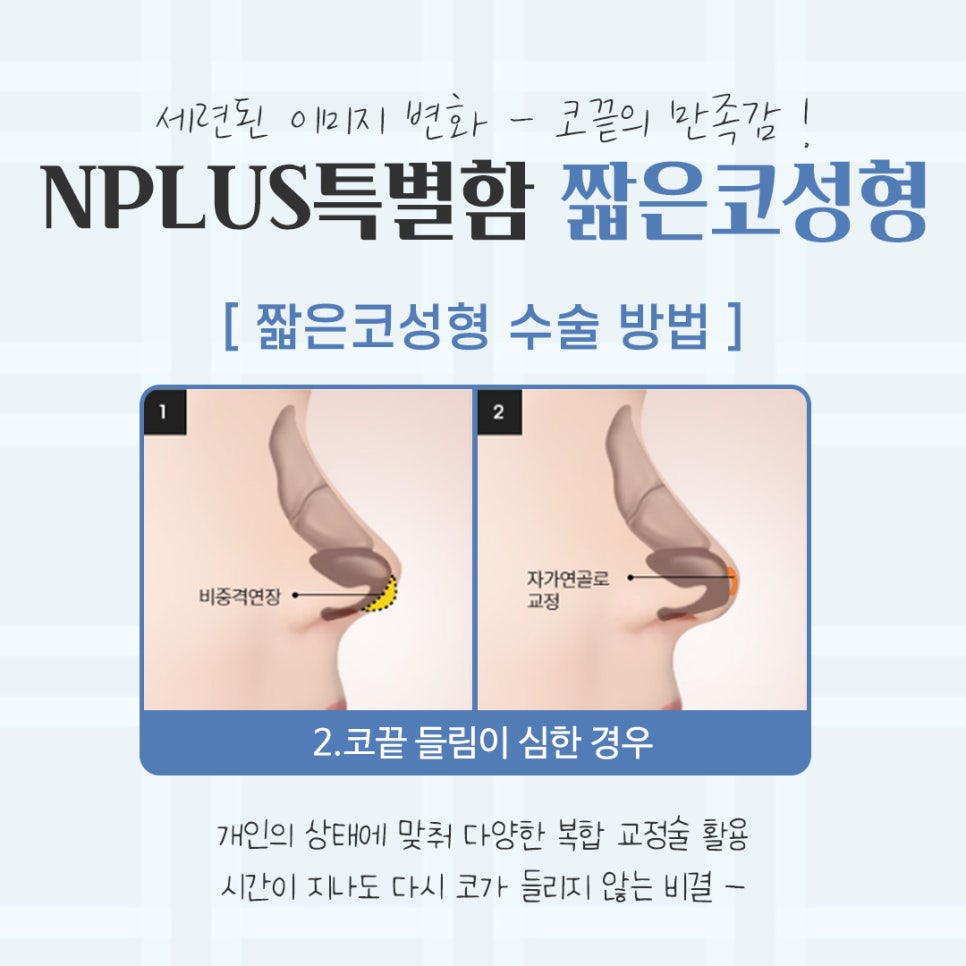
When the tip-up is severe, sufficient septal extension is performed at the tip using strong autologous cartilage, and then autologous cartilage is grafted to the tip to correct the overall nasal line.
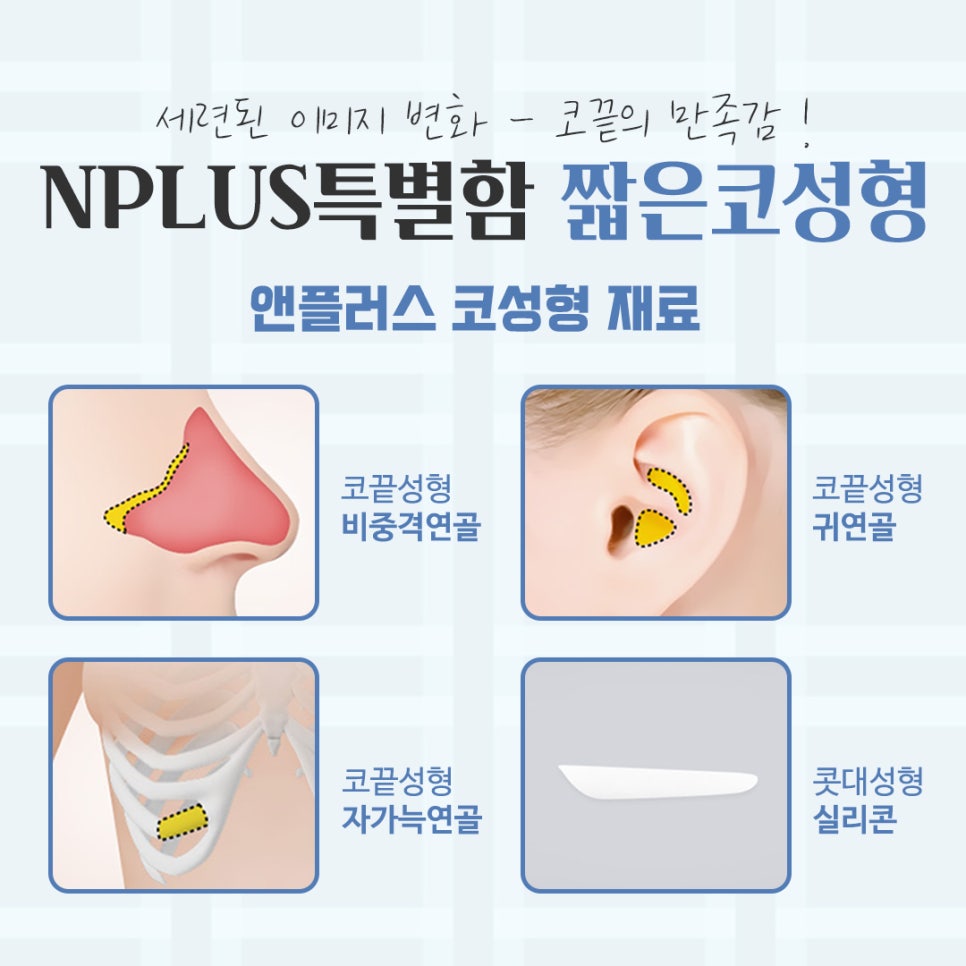
The materials used in short nose surgery are autologous cartilage for the tip and silicone for the bridge. Autologous cartilage includes septal cartilage, ear cartilage, and autologous rib cartilage. Through preoperative tests, the most suitable material for each individual can be selected and used.
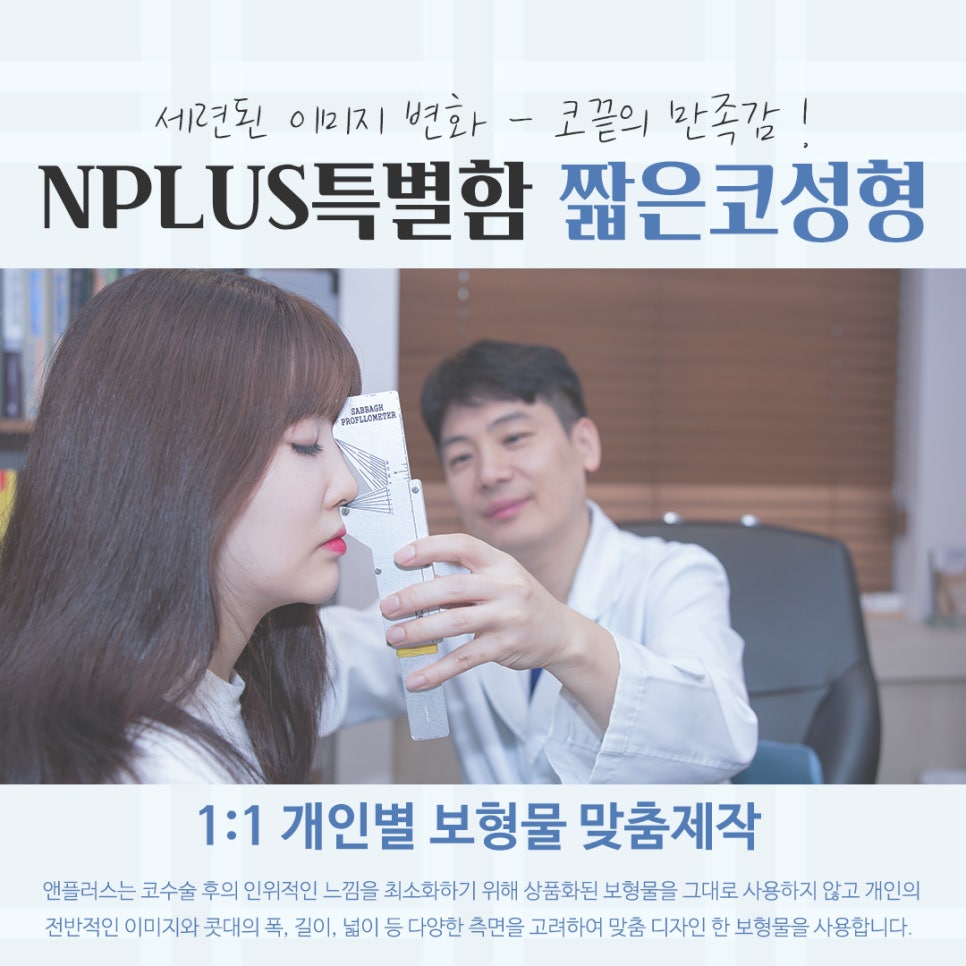
For the silicone used on the bridge of the nose, commercially produced silicone is not used as-is in order to minimize an artificial look after surgery. Instead, it is carefully hand-shaped after considering various aspects such as the patient’s overall image and the bridge width, length, breadth, and height. Therefore, when silicone is added to the nasal bridge, it can make for a more satisfying short nose surgery review.
�
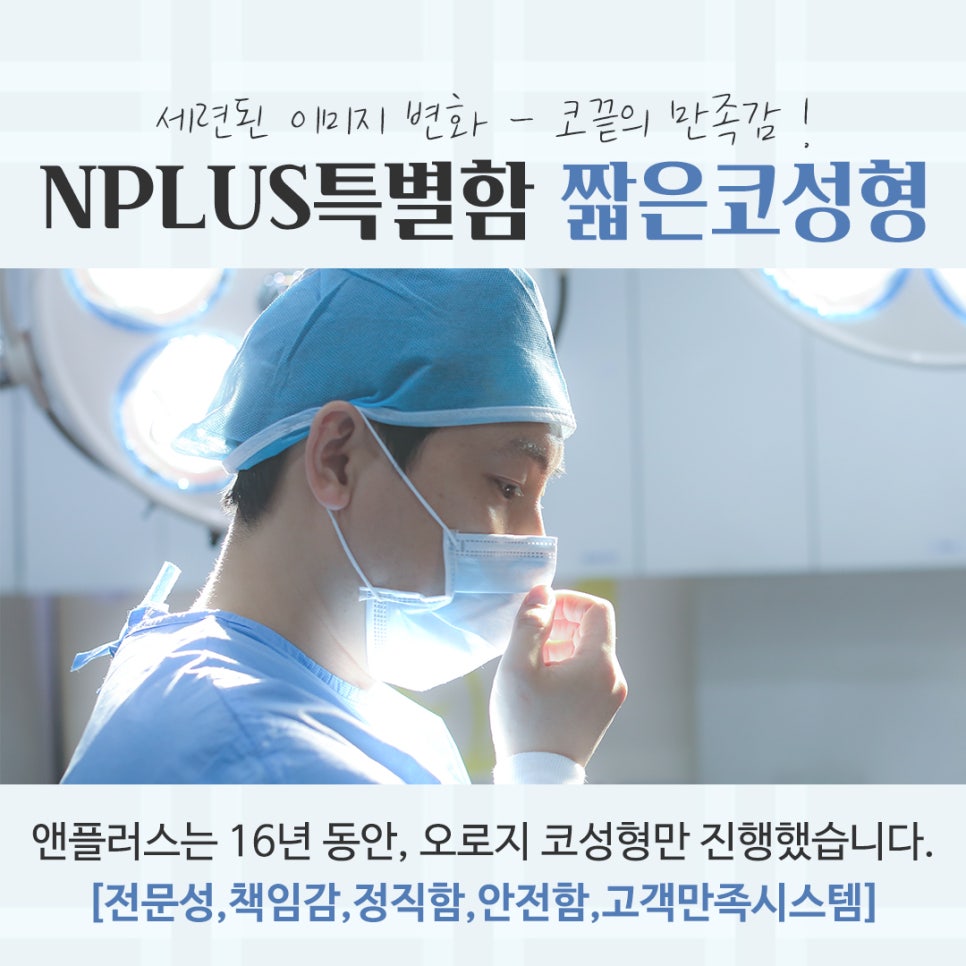
In addition, at Ojiko Hospital & N+ Clinic, Director Yun Hyun-cheol personally oversees every step one-on-one, from consultation related to nose surgery to surgical planning, the procedure itself, treatment, and follow-up visits, so you can receive high-level medical services from before surgery through aftercare.

Postoperative care also includes an after-sales service system that guarantees support for one year after surgery, as well as a surgery responsibility guarantee system prepared for all possible situations such as postoperative pain, inflammation, or dissatisfaction with the appearance. This ensures that aftercare benefits are firmly covered.
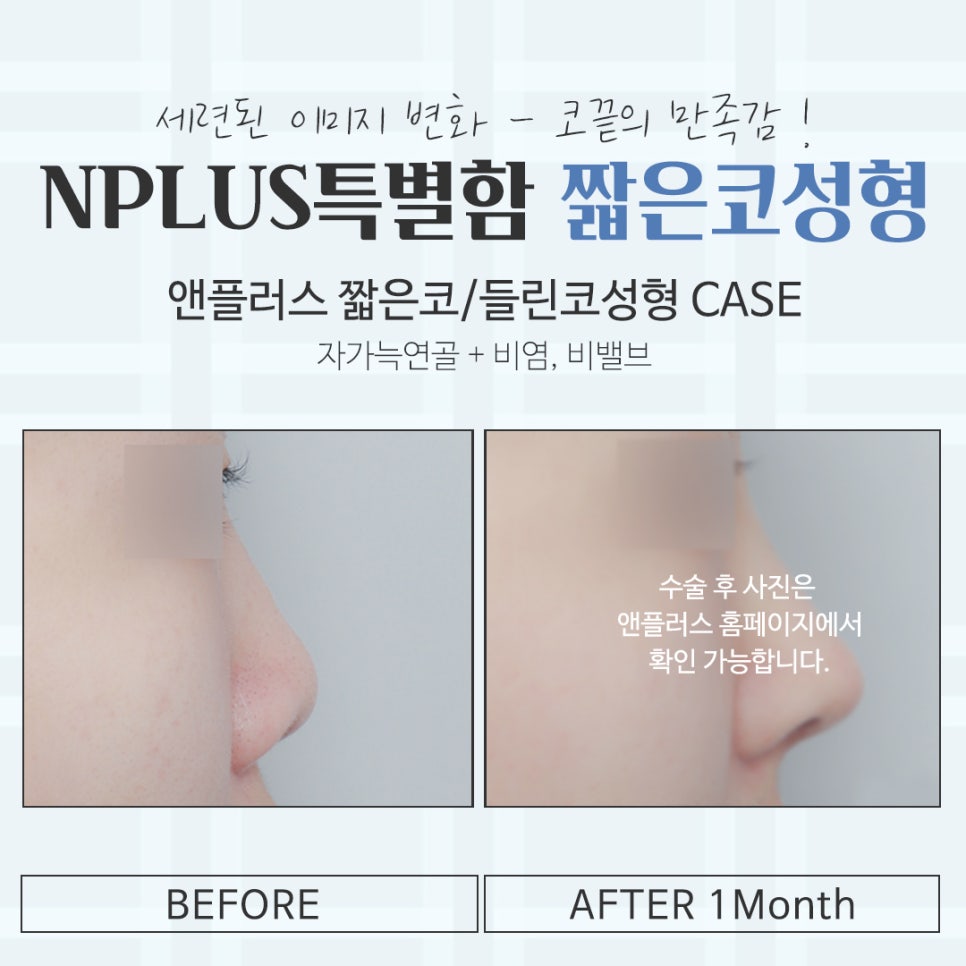
That concludes our summary of short nose surgery reviews at Ojiko Hospital & N+ Clinic. I hope this article is very helpful for those who are looking into nose surgery because their nose is short or small. Thank you.
https://youtu.be/wcmlYFmqckQ