
People often try various forms of care in order to feel more satisfied with themselves or to appear more appealing to others. For example, they may try hairstyles, makeup, exercise, and dieting. Even so, when it comes to areas that are difficult to change, they may consider plastic surgery, and among the many types of plastic surgery, many people first think about changing the shape of the nose. This is because the nose is located at the center of the face and is the most three-dimensional feature, so even a small change in the shape of the nose can have a major effect on improving the overall image.

On the other hand, if the shape of the nose deviates even slightly from an individual’s standards, the balance of the entire face can look off. That is why many people want information about hospitals that are good at rhinoplasty. The types of noses of people looking into such hospitals can be broadly classified as a low bridge or tip, a bumpy dorsal hump, a drooping nose, an upturned nose, a crooked nose, or a cleft-nose shape.

In cases like these, people looking into hospitals that specialize in rhinoplasty tend to approach surgery with cosmetic standards as the top priority. However, because the nose plays an important external role as well as a functional role in breathing and smell, it is important that surgery also takes the inside of the nose into account.

When improving the functional aspects of the nose described above through rhinoplasty, the most common symptom is nasal congestion caused by rhinitis. Rhinitis is a common condition affecting more than 70% of Korean adults and is divided into allergic rhinitis and structural rhinitis. In the case of allergic rhinitis, since it appears due to specific substances or environments, immune enhancement and medication can be used, but a complete cure is difficult. However, in the case of structural rhinitis caused by abnormalities in the internal structure, the flow of air entering the nose is obstructed, leading to nasal congestion. Causes of structural rhinitis include a deviated septum, hypertrophy of the inferior turbinate, and nasal valve stenosis. If surgery is applied according to the cause, a cure can be expected.
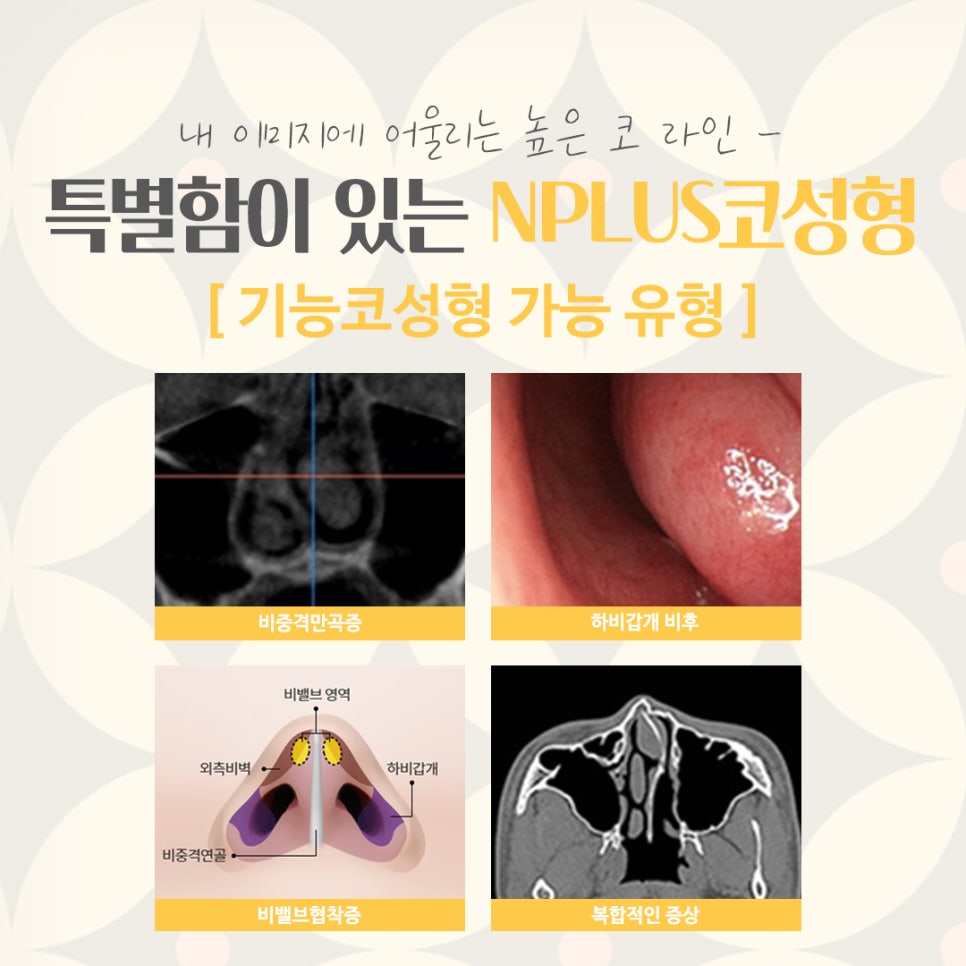
Therefore, rhinoplasty that improves the functional aspects of the nose while also addressing unsatisfactory cosmetic features is called functional rhinoplasty. Functional rhinoplasty should be performed after preoperative tests using equipment to accurately determine the current internal and external condition of the nose, and then the appropriate surgery should be carried out. Referring to the image of a hospital that specializes in rhinoplasty and visiting the hospital to receive an accurate diagnosis of your current condition through equipment may help you make your decision.
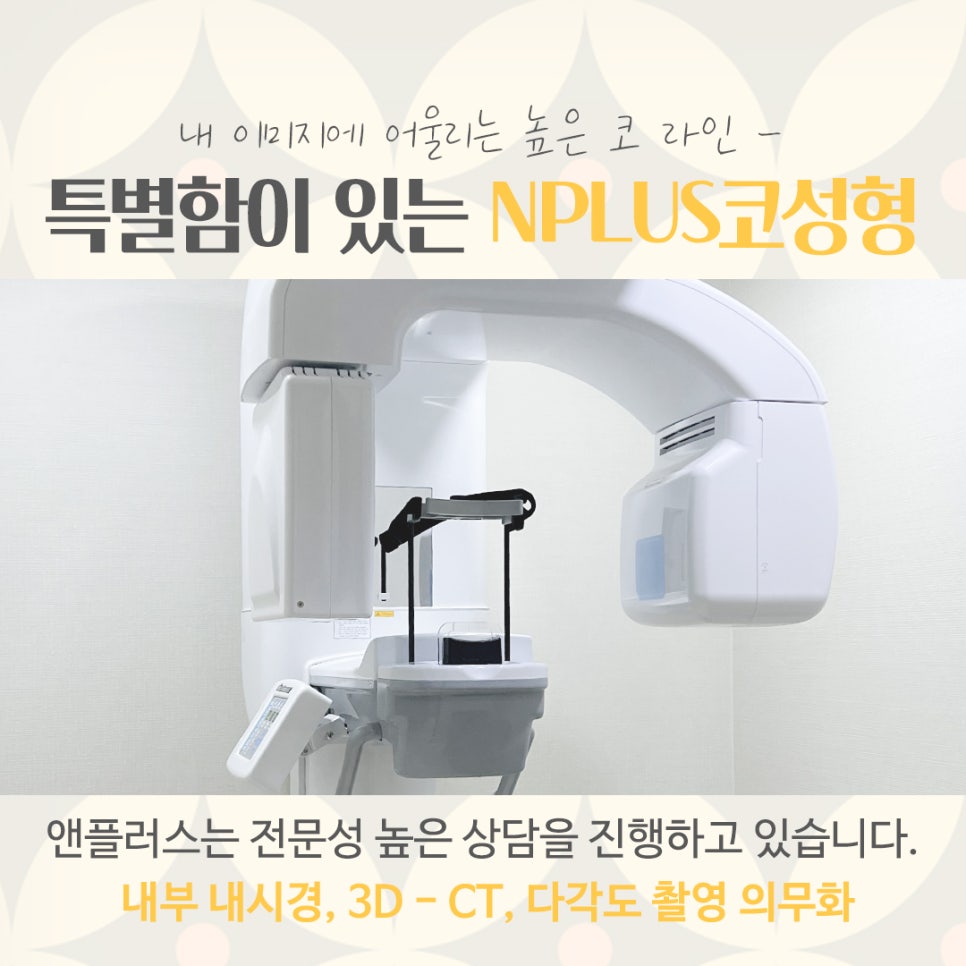
At A+ Clinic, a hospital known for rhinoplasty, before surgery they accurately assess the patient’s current nasal condition through internal endoscopic imaging, various allergy tests, internal nasal function tests, and 3D-CT scans. Based on the extracted data, they establish and carry out a surgical plan.
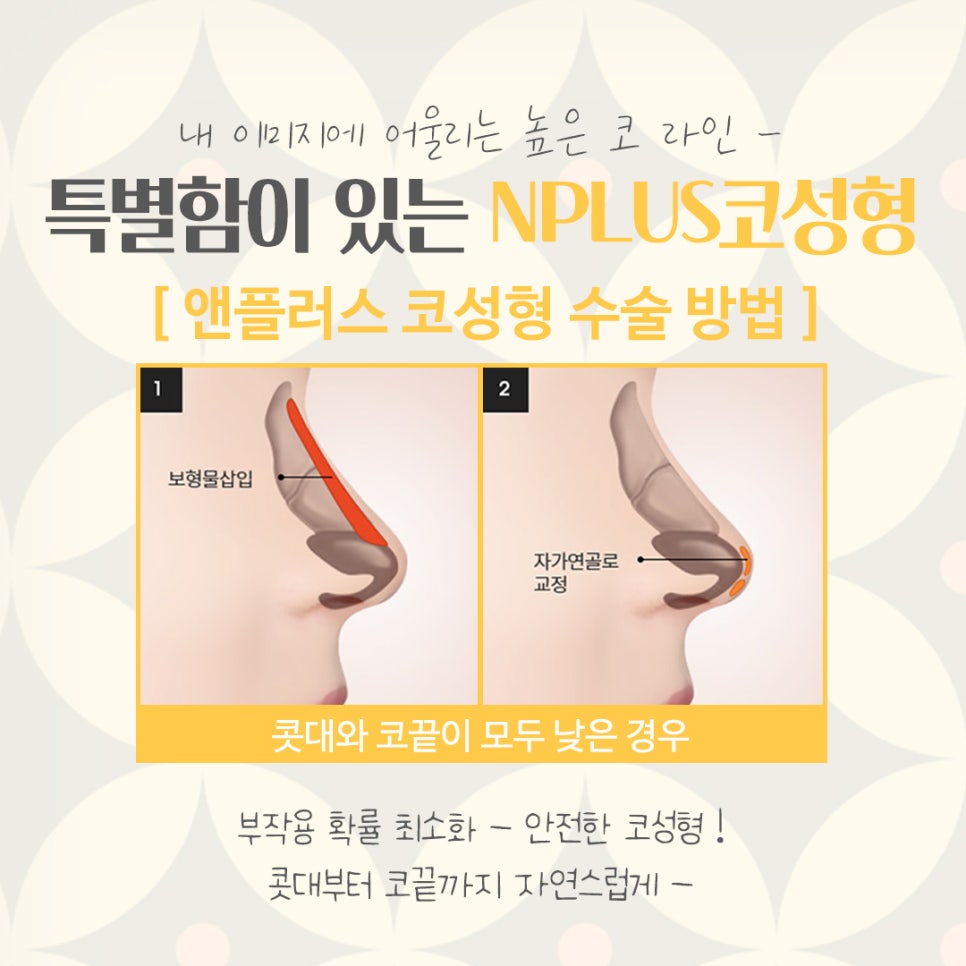
In the case of standard cosmetic rhinoplasty, the nasal bridge is corrected with silicone and the nasal tip with autologous cartilage to refine the overall nose line. If preoperative tests reveal a functional problem, functional improvement may be performed first, followed by cosmetic rhinoplasty.
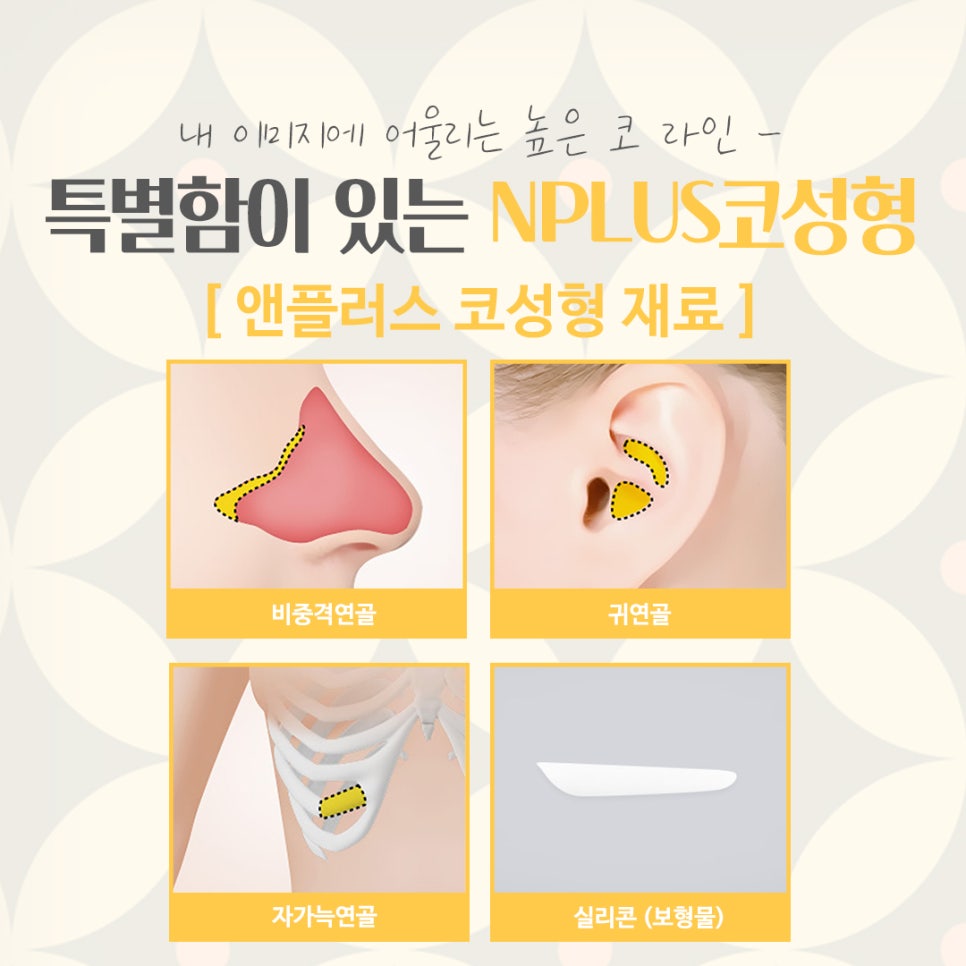
The materials used in rhinoplasty are silicone for the nasal bridge and autologous cartilage for the nasal tip. The autologous cartilage used for the tip includes ear cartilage, septal cartilage, and autologous rib cartilage. Depending on the results of the preoperative tests and the individual’s condition, the appropriate autologous cartilage can be selected.

Silicone is used for the nasal bridge. At A+ Clinic, they do not simply use pre-made commercial silicone as-is to create an artificial-looking bridge line. Instead, they carefully shape it by hand while considering various aspects such as the individual’s overall image and the bridge’s width, length, breadth, and height, resulting in more natural and satisfying rhinoplasty.

If there is a problem with internal nasal function, functional improvement of a deviated septum, hypertrophy of the inferior turbinate, nasal valve stenosis, or combined symptoms may be performed before cosmetic rhinoplasty.
Therefore, for those looking into hospitals that are good at rhinoplasty, it is important not to judge for themselves based only on before-and-after images or by thinking that a nose shape similar to theirs means the same approach should apply. It is important to accurately identify the current condition of the individual and proceed with surgery that matches it. In addition, it may help to carefully check whether the medical staff have strong anatomical knowledge of the nose, whether they have sufficient experience and expertise, whether the necessary equipment to clearly assess the condition of your nose is available, and whether aftercare can be reliably guaranteed.
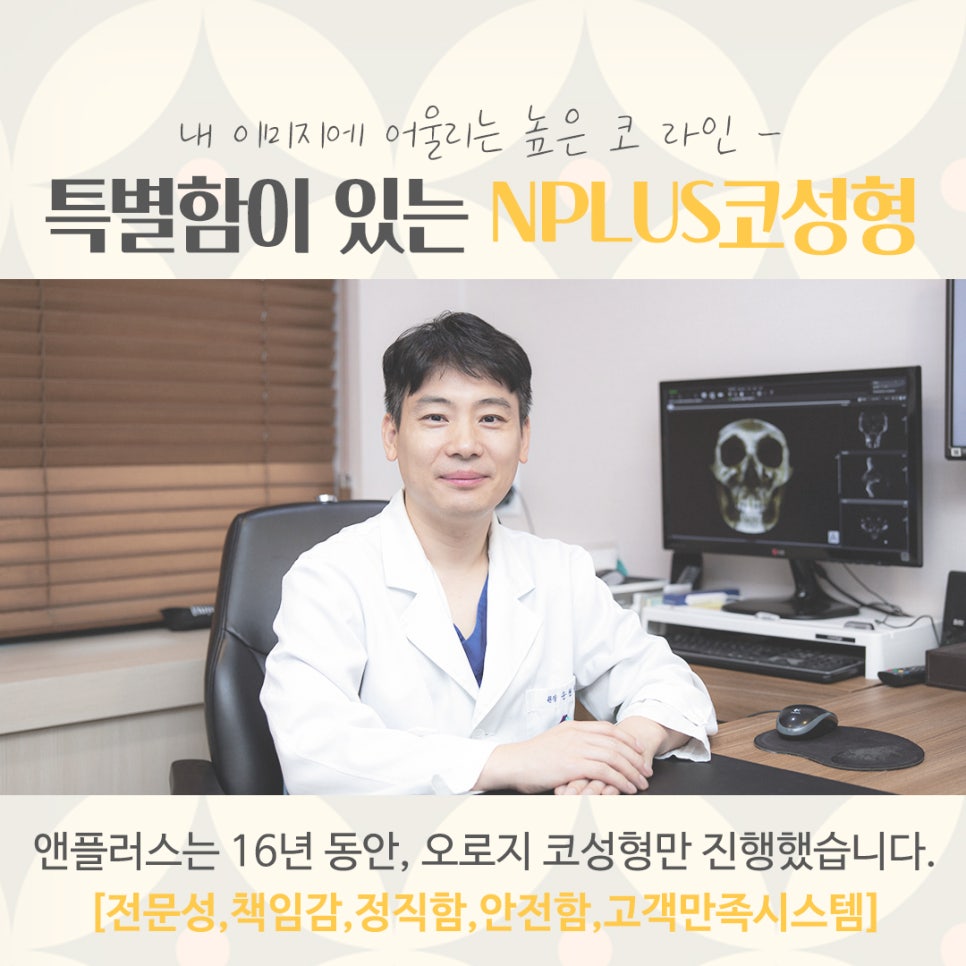
At A+ Clinic, which specializes in rhinoplasty, Director Yoon Hyun-cheol personally handles every step from consultation on rhinoplasty, to establishing the surgical plan, performing the procedure, treatment, and follow-up care on a one-to-one basis. This allows patients to receive a high level of medical service from before surgery through after.

For postoperative aftercare, A+ Clinic issues a membership card and provides a one-year warranty after surgery through its A/S system. In addition, it operates a surgery responsibility guarantee system prepared for any possible situation after surgery, such as pain, inflammation, or dissatisfaction with the appearance, making rhinoplasty safer and more satisfying.
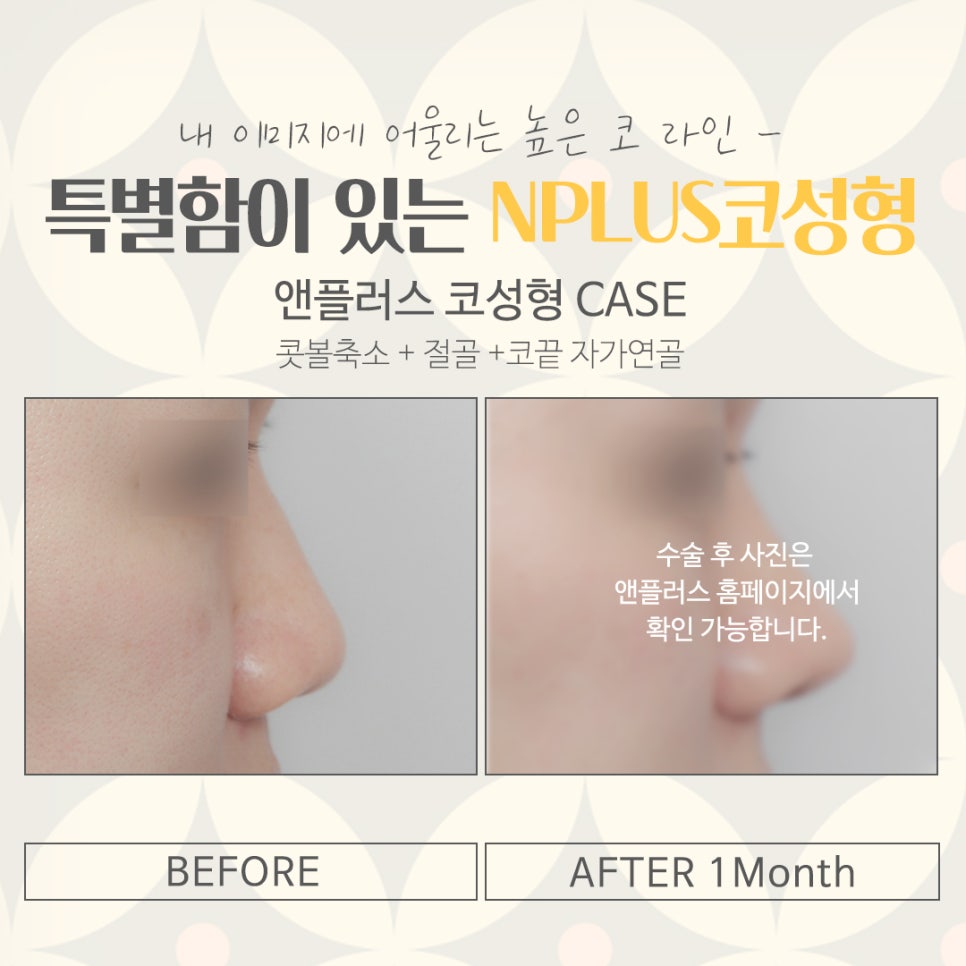
That concludes the information about rhinoplasty performed at A+ Clinic, a hospital that specializes in rhinoplasty. I hope this article is very helpful for those who are considering rhinoplasty because they are unhappy with the shape of their nose or are dealing with nasal congestion caused by rhinitis. Thank you.
https://youtu.be/ikUp0zIMZvQ