
Because many people are unhappy with their current appearance and want to feel satisfied with themselves or appear more appealing to others, interest in cosmetic surgery has been increasing. Among the many types of cosmetic procedures, the shape of the nose plays a role in balancing the center of our facial features, and because the nose is the most three-dimensional area, when its shape is not straight or well-proportioned, an unfavorable image can stand out even more. For that reason, you may look into rhinoplasty to improve it.

The nose can be improved when there are shape-related concerns, but rhinoplasty is also popular because it can help when internal nasal function is affected. First, for those looking into rhinoplasty, the nose may be too low, have a hump, be upturned, drooping, or otherwise show a hooked-nose shape, and it can additionally be categorized as cases accompanied by internal rhinitis.

When looking at rhinoplasty itself, many people generally prioritize the external appearance, but in the case of the nose, the functional aspects mentioned above must also be considered. Only then can reoperation caused by functional problems after surgery be prevented.
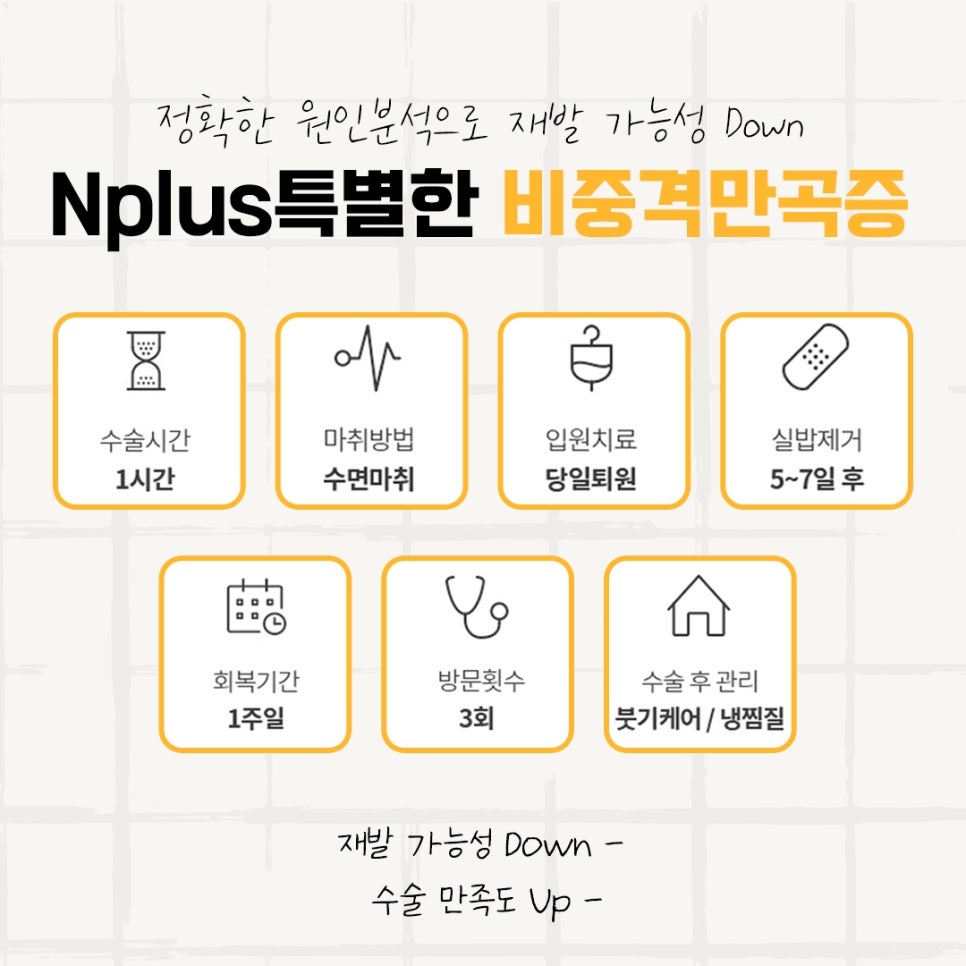
When improving nasal function through rhinoplasty, the most representative symptom is nasal congestion caused by rhinitis. Rhinitis can be divided into allergic rhinitis and structural rhinitis. In the case of allergic rhinitis, because it appears due to specific substances or environments, it is difficult to cure completely. You may see temporary improvement through immune enhancement or medication treatment.
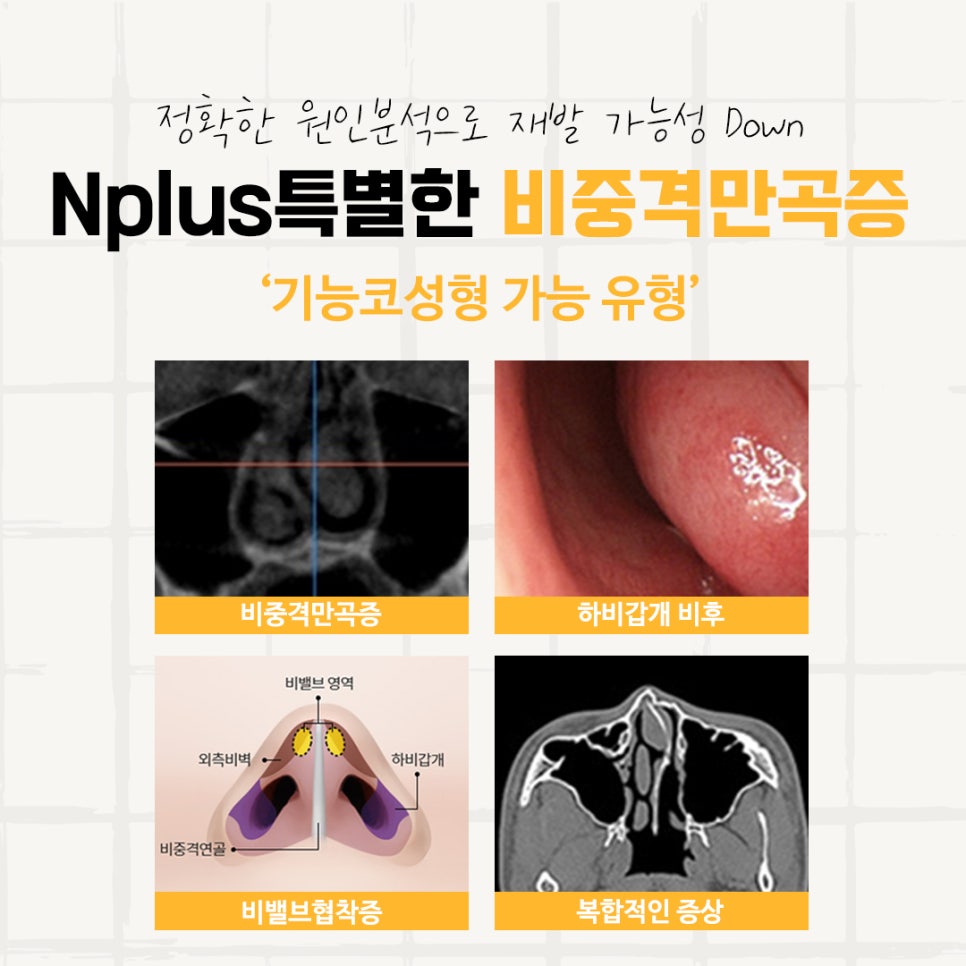
On the other hand, structural rhinitis can be improved through rhinoplasty, but it is important that the appropriate surgery be performed according to the cause. The causes of structural rhinitis include deviated septum, inferior turbinate hypertrophy, and nasal valve stenosis. Each of these conditions obstructs airflow into the nose and causes nasal congestion. Among them, I will explain septoplasty-related information, which is most commonly performed together with rhinoplasty.
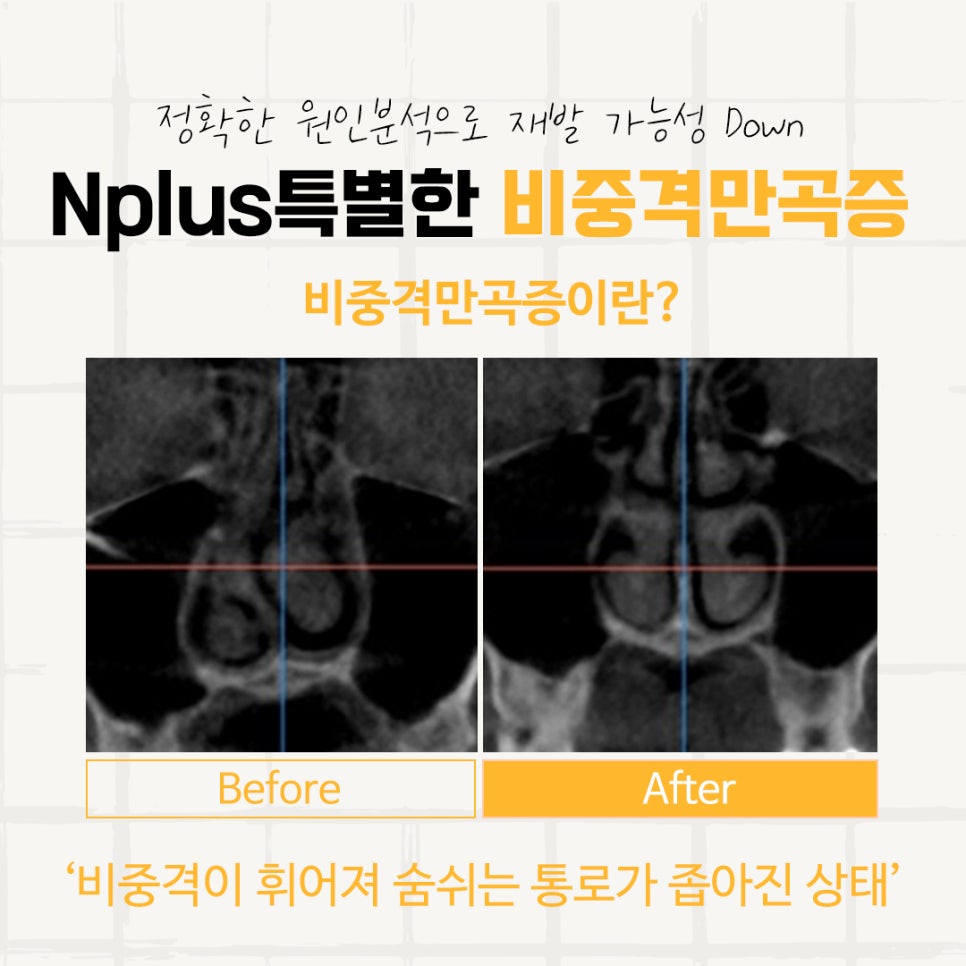
In the case of septoplasty, the partition that divides our nostrils into two is called the septal cartilage, and when this septum is bent and the breathing passage becomes narrower, it is called a deviated septum. The surgery that correctly straightens this bent septum is called septoplasty. In such cases, if the symptoms are mild, treatment may not be necessary, but if the symptoms are left untreated, they can develop into chronic rhinitis. If it progresses to chronic rhinitis, it can lead to headaches, migraines, decreased concentration, and other issues in daily life, making everyday activities difficult. Therefore, even if the symptoms are mild, it is advisable to undergo an evaluation of your current condition.
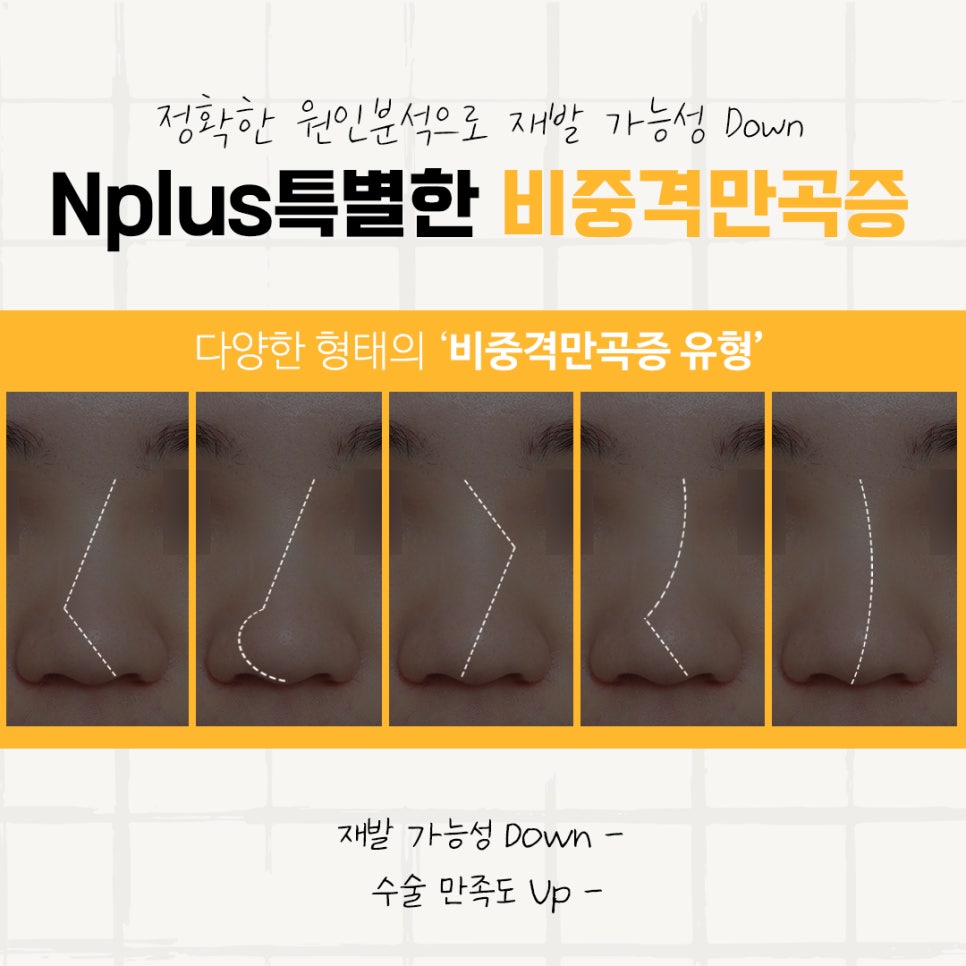
In some cases, people decide on surgery just by looking at photos of septoplasty reviews, but with a deviated septum, the condition of the cartilage, the degree of nasal deviation, the position of the cartilage, and the condition of the nasal bones differ from person to person. Because these are difficult to confirm with the naked eye, an accurate diagnosis using equipment is essential. It is therefore very helpful to choose a clinic that can accurately identify your condition and perform surgery accordingly.
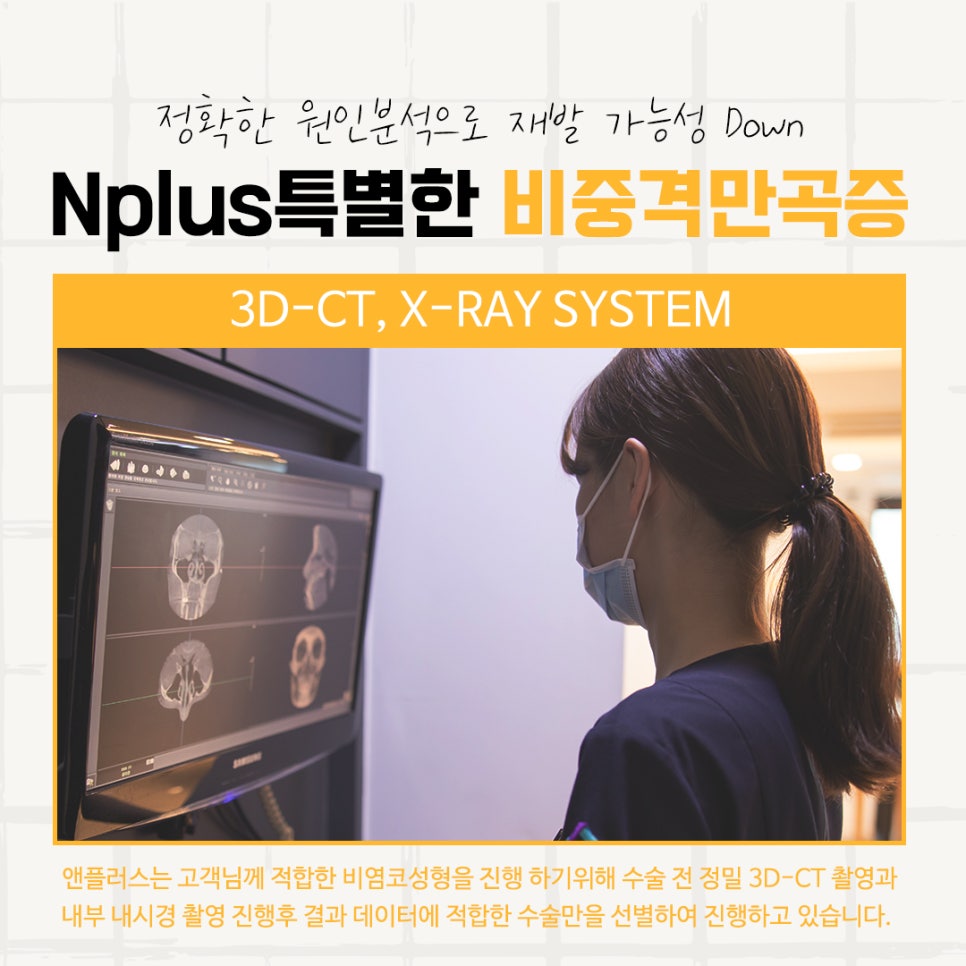
At Ojiko N Plus Clinic, before surgery, internal endoscopic imaging, various allergy tests, 3D-CT imaging, and internal nasal function tests are performed to accurately determine the current external and internal condition of each patient's nose. Based on the extracted data, a surgical plan is established and the procedure is carried out.

Therefore, for those looking into septoplasty reviews, it is good to check not only the visual aspects of the surgery results but also whether the medical staff have a high level of anatomical knowledge of the nose, whether they have sufficient experience and expertise, whether the clinic is equipped with devices that can accurately assess the condition of your nose, and whether aftercare can be reliably guaranteed.
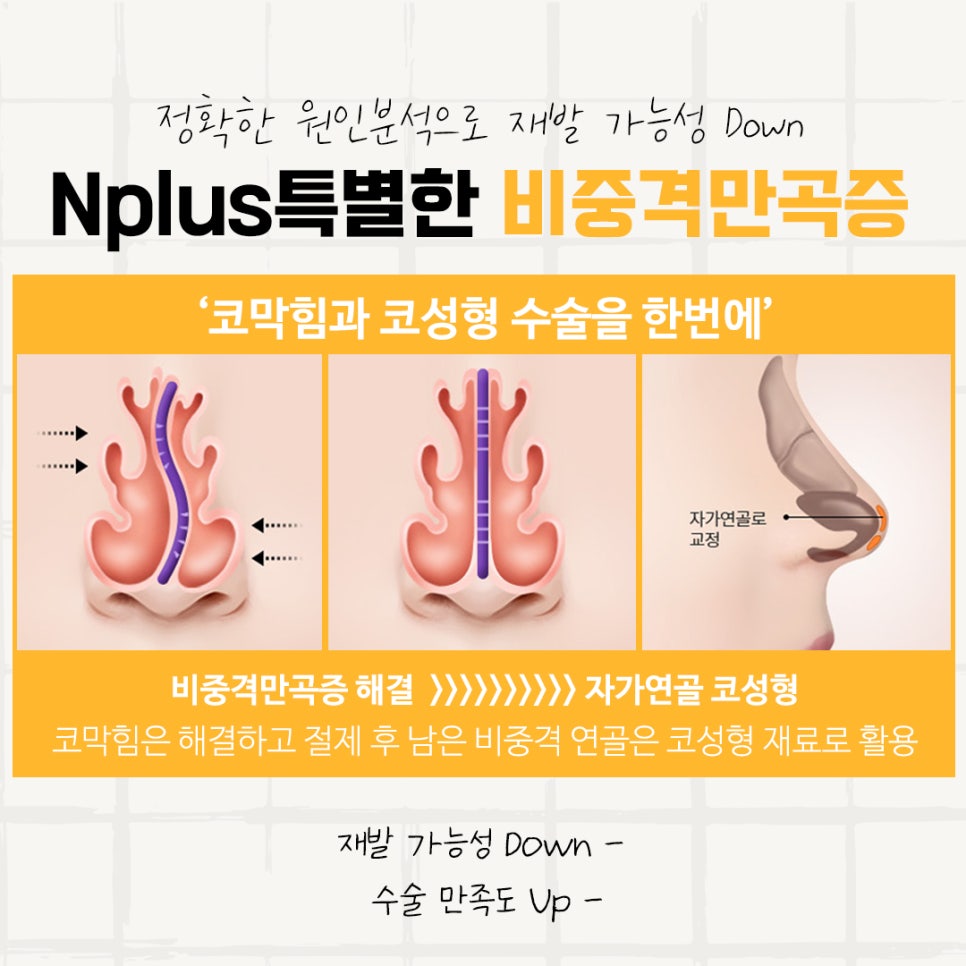
In the case of septoplasty, after accurately diagnosing the degree of septal deviation, inferior turbinate hypertrophy, and whether nasal valve stenosis is present, the inside of the nose can be incised to straighten and correct the deviated septum. If multiple symptoms are present together, additional surgeries and procedures may be applied.
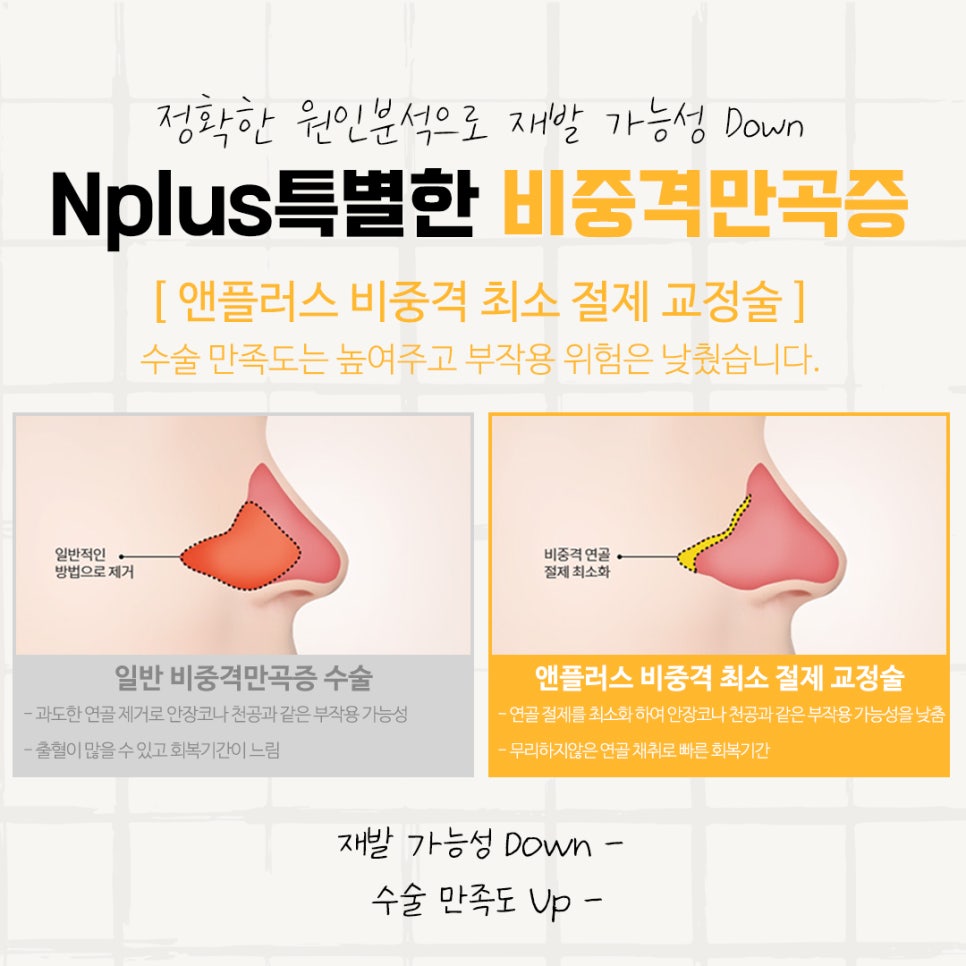
During septoplasty, part of the septal cartilage is removed to correct the bent septum. The remaining septal cartilage after removal can be used as material to reshape the nasal tip, making cosmetic nose surgery possible. This is one reason it is considered a highly satisfying and popular procedure.

At Ojiko N Plus Clinic, Director Yoon Hyun-cheol personally handles everything one-on-one, from consultations related to rhinoplasty to surgical planning, execution, treatment, and follow-up visits, so you can receive a high level of medical service from before surgery through aftercare.

For aftercare, not only is there a free A/S system guaranteed for one year after surgery, but the clinic also operates a surgery responsibility guarantee system to prepare for any post-surgery pain, inflammation, or dissatisfaction with the appearance that may occur, so you can visit with greater peace of mind.
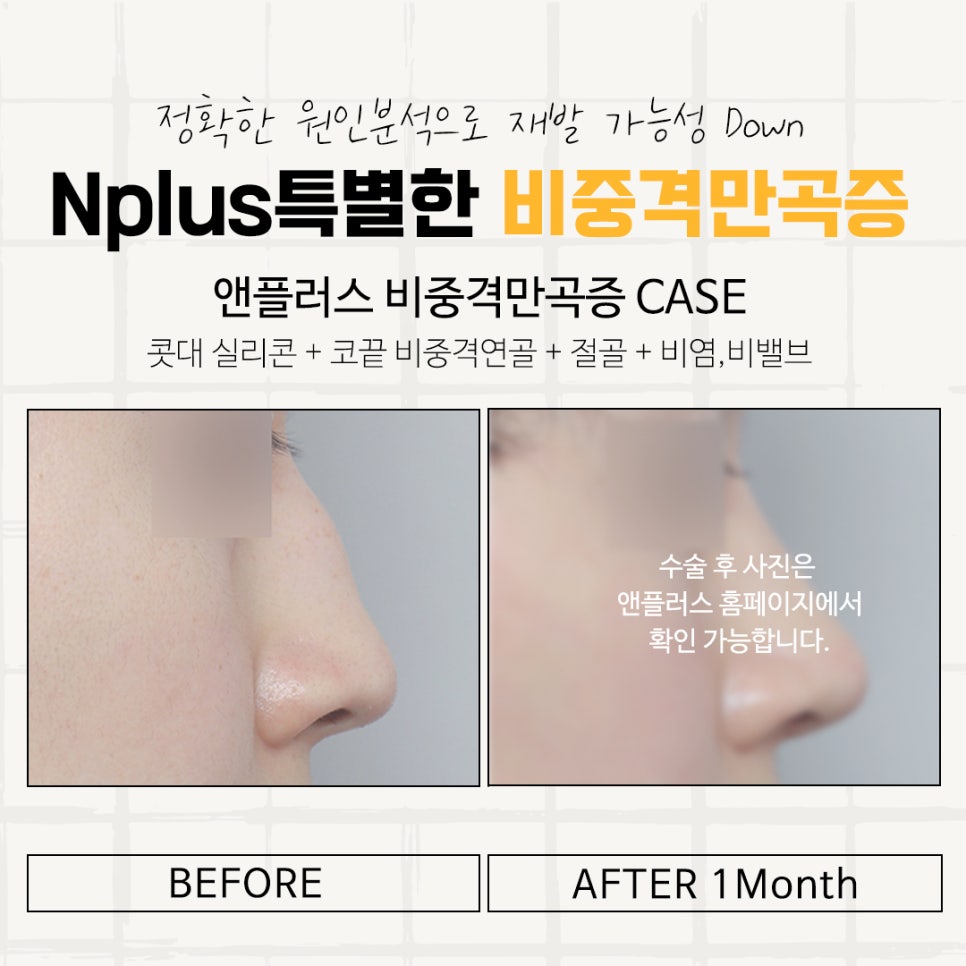
(The image above shows before-and-after photos from Ojiko N Plus Clinic's septoplasty review.)
This concludes the explanation of Ojiko N Plus Clinic's septoplasty review. I hope this article will be very helpful for those who are looking into rhinoplasty due to nasal congestion or dissatisfaction with the shape of their nose. Thank you.
https://youtu.be/Qy5LvR_K4uk