
When you look in the mirror and feel that your face looks harsh or intimidating, you may try changing your makeup or hairstyle to improve it. If those efforts are still not enough to address certain concerns, you may consider plastic surgery. There are many types of plastic surgery, but the nose is located at the center of the face and is one of the most three-dimensional features. Even a small change in the shape of the nose can have a significant effect on improving your overall image, so it is often one of the first procedures people consider.

Because the shape of our nose alone can determine the overall image of the face, rhinoplasty plays an important aesthetic role and is therefore very popular. In particular, among the various nose shapes, if you have a hump nose, the difference before and after surgery can be quite noticeable. People who feel their overall image looks harsh or strong may look into hump nose surgery reviews in more detail to help create a more favorable impression.
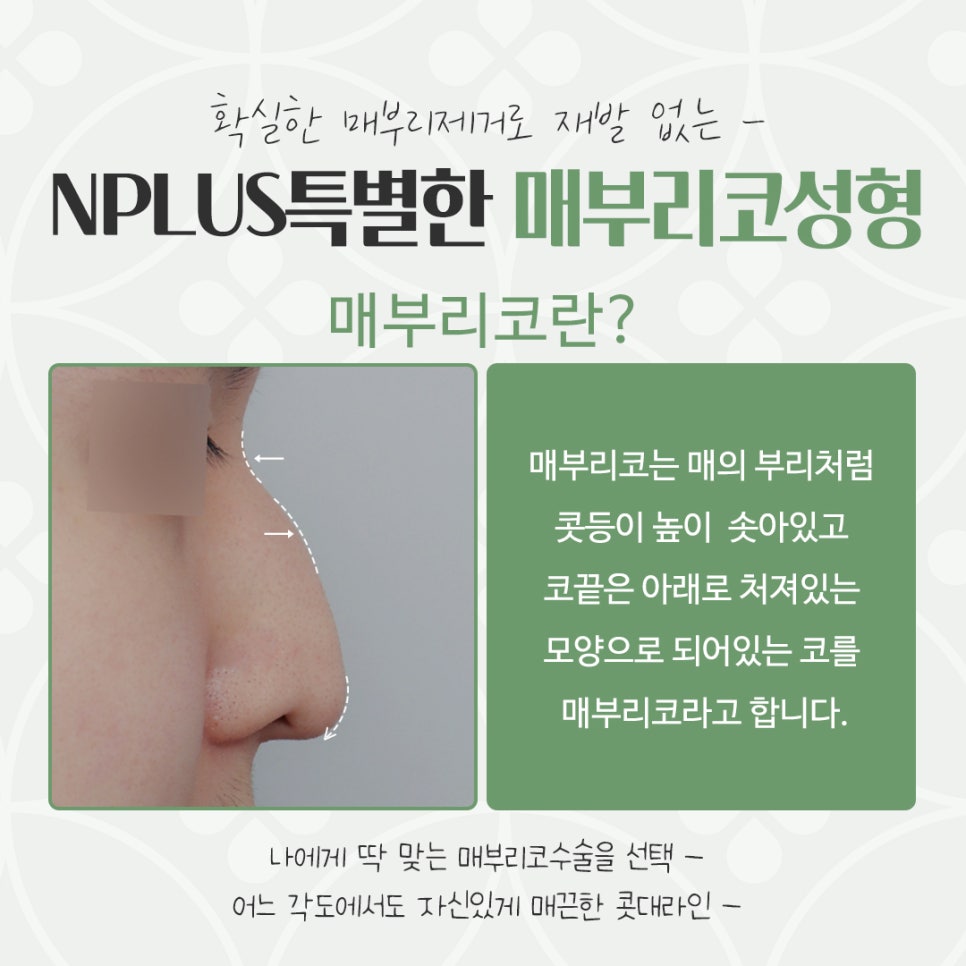
A nose with an uneven bridge, a protruding hump like a hawk's beak, and a drooping tip is called a hump nose. Hump noses can be caused by genetic factors or can develop later due to trauma. Surgery that removes or reshapes the hump and corrects the nasal tip is called hump nose surgery.

As you can see in hump nose surgery reviews, people may decide to undergo surgery for a variety of reasons. These include a hump on the bridge, a drooping or upturned nasal tip, a crooked bridge, a wide nasal bridge bone, a pronounced hump, a mild hump, or a low hump nose. Because the cause of the hump nose differs, the surgical method and materials used also differ, making an accurate diagnosis and cause-based treatment essential.
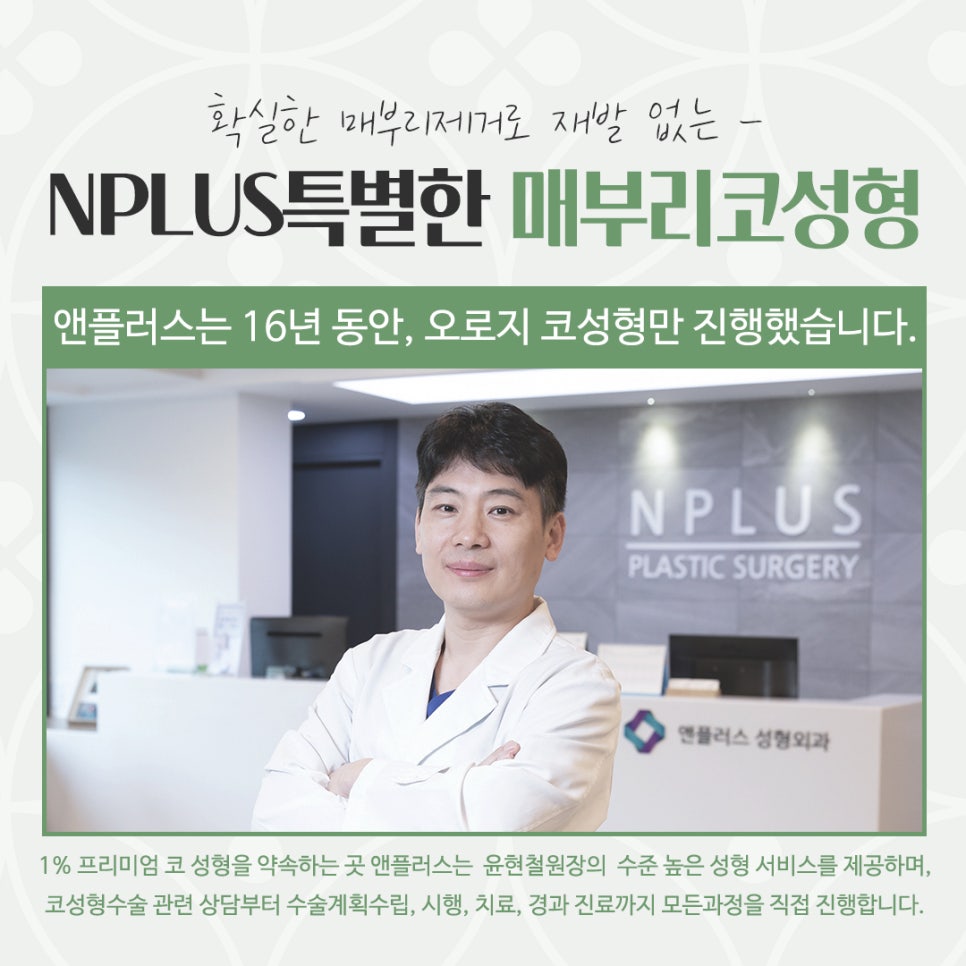
Therefore, when looking at hump nose surgery reviews, many cases can be identified visually, but it is difficult to assess internal nasal function or the condition of the internal bones. For that reason, it is important to receive an accurate diagnosis using equipment. In addition, carefully checking whether the medical team has strong anatomical knowledge of the nose, whether they have extensive experience and expertise, and whether post-operative care is clearly guaranteed can help with your decision.
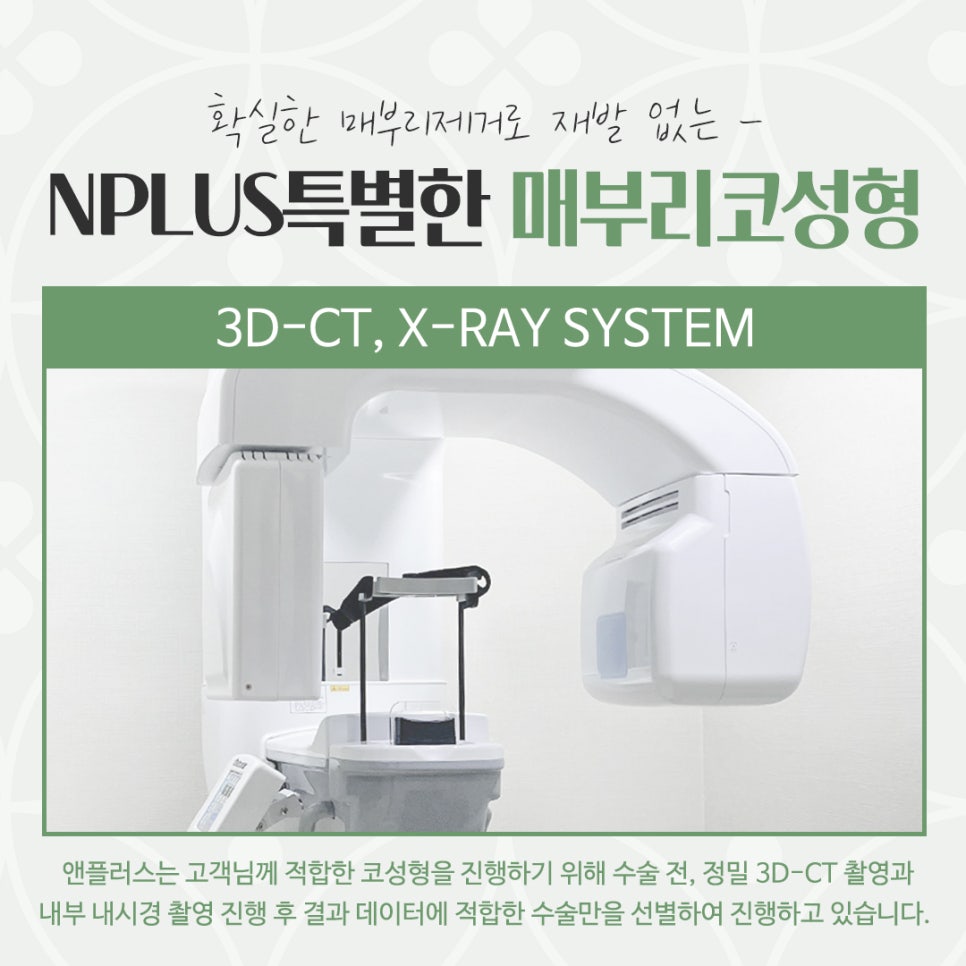
At Oji Nose Hospital & N+ Clinic, before rhinoplasty, we thoroughly perform 3D CT scans, internal endoscopy, multi-angle photography, various allergy tests, and internal nasal function tests. Based on the extracted data after accurately understanding each person's current nasal condition, we establish and carry out a surgical plan.

In hump nose surgery, the nasal bridge can generally be corrected by removing the hump and performing osteotomy on the bridge, while using silicone for the bridge and the patient's own cartilage for the nasal tip to correct the overall nose line. Surgery is performed by classifying cases into a high bridge line, a low bridge line, and a mild hump on the bridge.
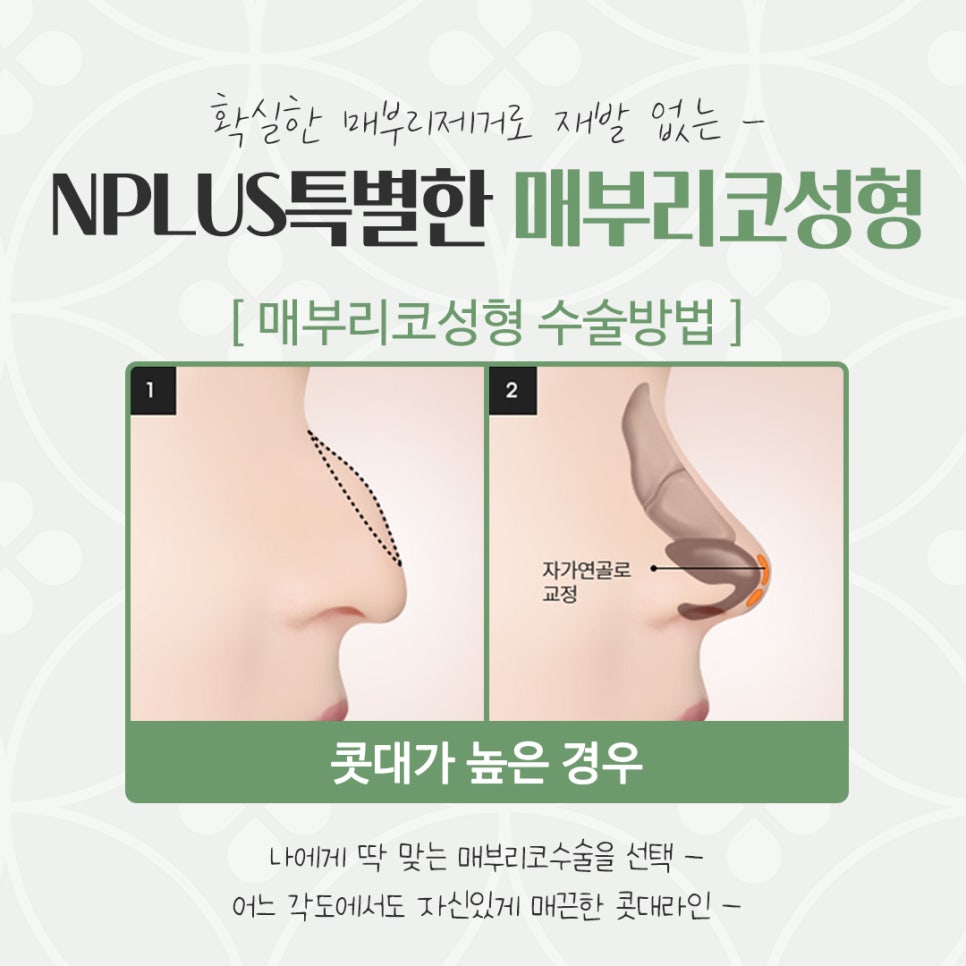
If the bridge is high, the protruding hump on the bridge can be removed and the bone reshaped, and the nasal tip can be corrected with autologous cartilage to improve the overall nose line.
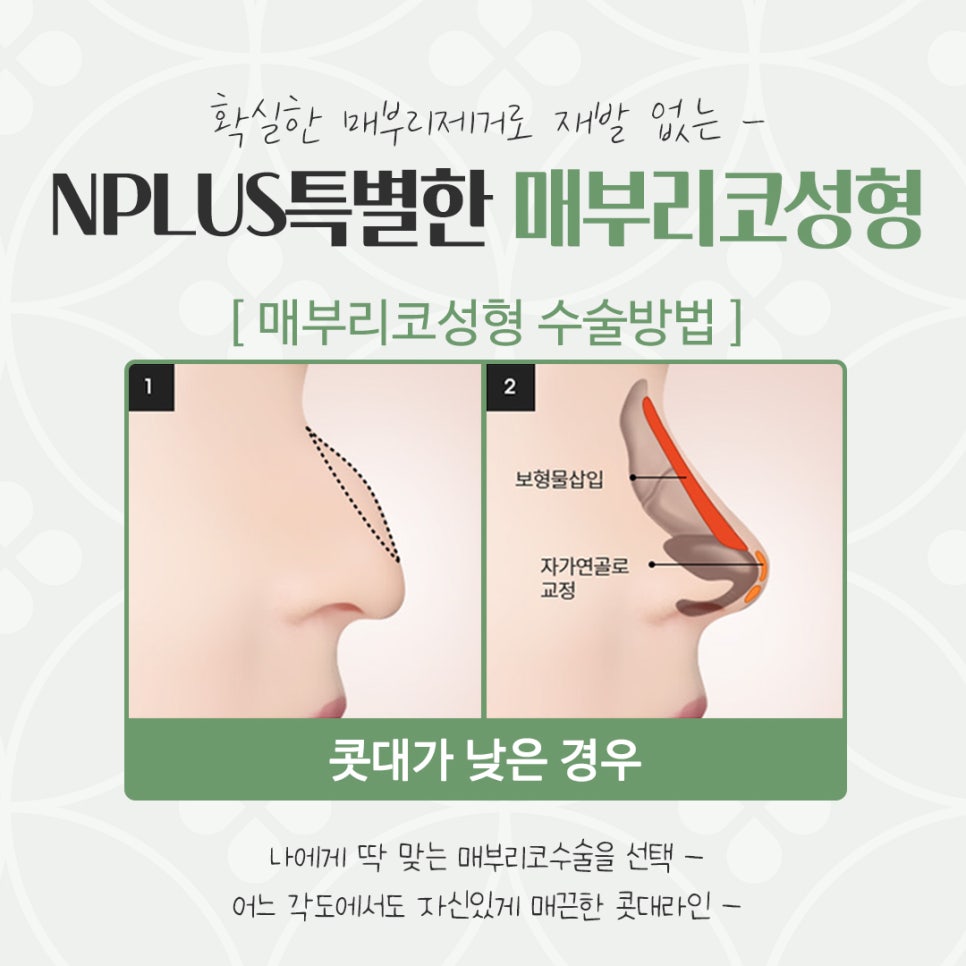
If the bridge is low, the protruding hump on the low bridge can be removed, an implant can be inserted, and the nasal tip can be corrected with autologous cartilage to improve the overall nose line.
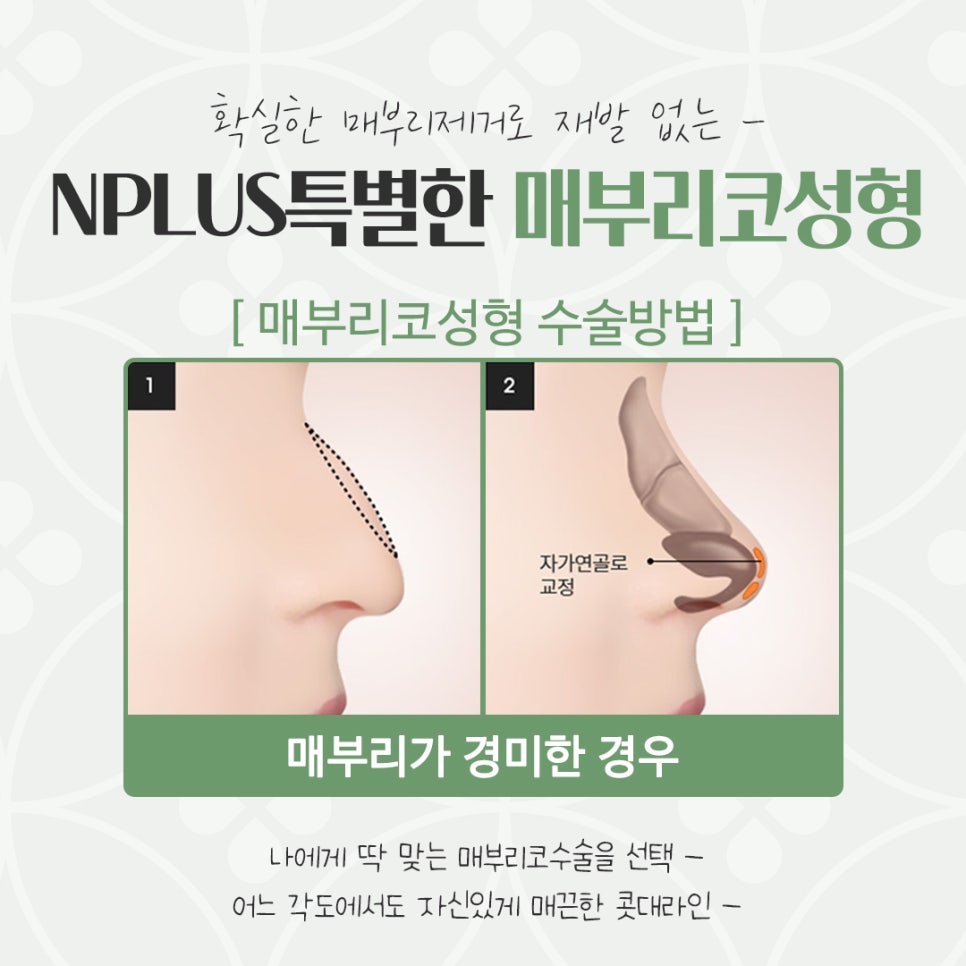
If the hump is mild, the hump on the bridge can be removed and the nasal tip can additionally be corrected with autologous cartilage to improve the overall nose line.
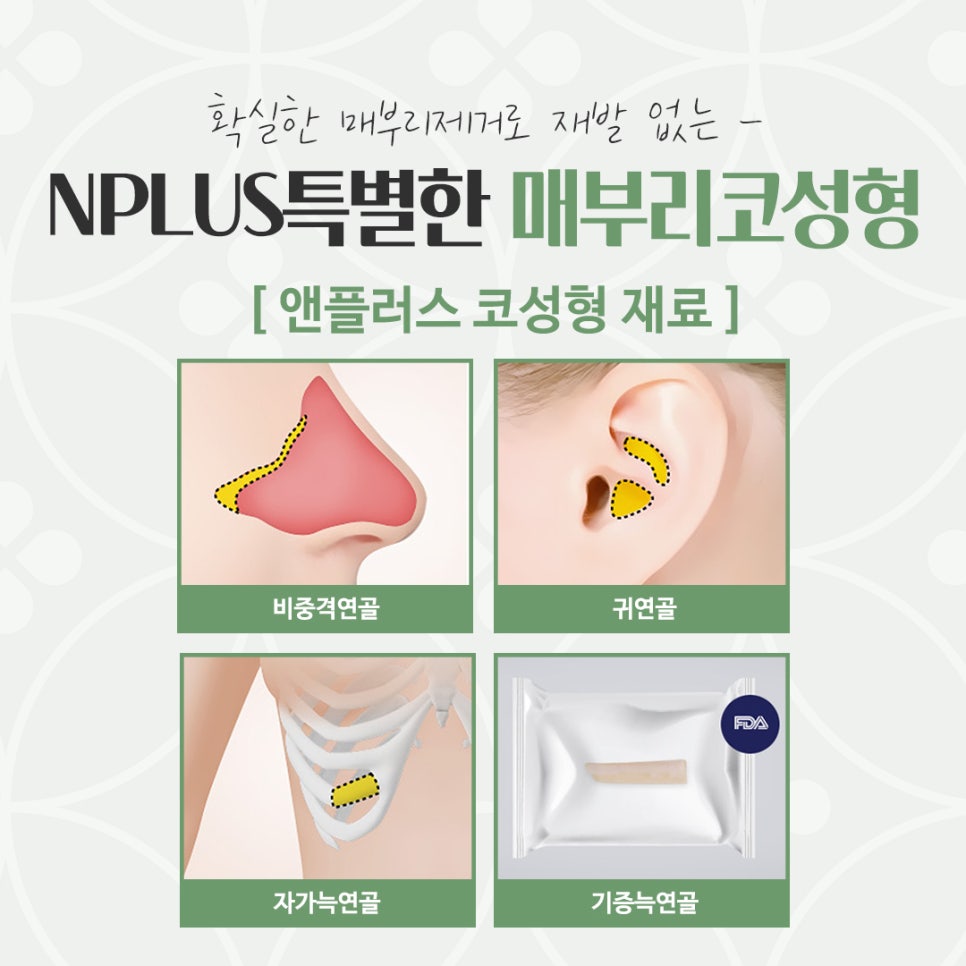
For the autologous cartilage used in hump nose surgery, the appropriate material can be selected after preoperative testing. Autologous cartilage includes septal cartilage, ear cartilage, and the patient's own costal cartilage. If use of autologous cartilage is difficult, donated costal cartilage approved by the U.S. FDA can be used.

Silicone is used for the nasal bridge. To minimize an artificial look after nose surgery, commercially made implants are not used as-is. Instead, they are carefully sculpted by hand while considering various factors such as the person's overall image and the bridge's width, length, breadth, and height.

In hump nose surgery, the surgical method and materials differ from person to person depending on the size of the hump, the condition and position of the nasal bones, skin condition, and whether there are internal functional problems. Therefore, rather than judging only from review photos, it can be helpful to visit the hospital in person for a diagnosis. Since the hump must be clearly removed in hump nose surgery to help prevent recurrence after surgery, it is better to check everything carefully before proceeding.

At Oji Nose Hospital & N+ Clinic, Director Yoon Hyun-cheol personally oversees all aspects of care one-on-one, from consultations related to rhinoplasty to surgical planning, surgery, treatment, and follow-up visits, allowing patients to receive a high level of medical service before and after surgery.

Postoperative care includes free after-sales service guaranteed for one year after one month of follow-up care following surgery. A surgical responsibility guarantee system is in place to prepare for any situations that may arise after surgery, such as pain, inflammation, or dissatisfaction with the shape, so you can also receive clear post-operative care benefits.
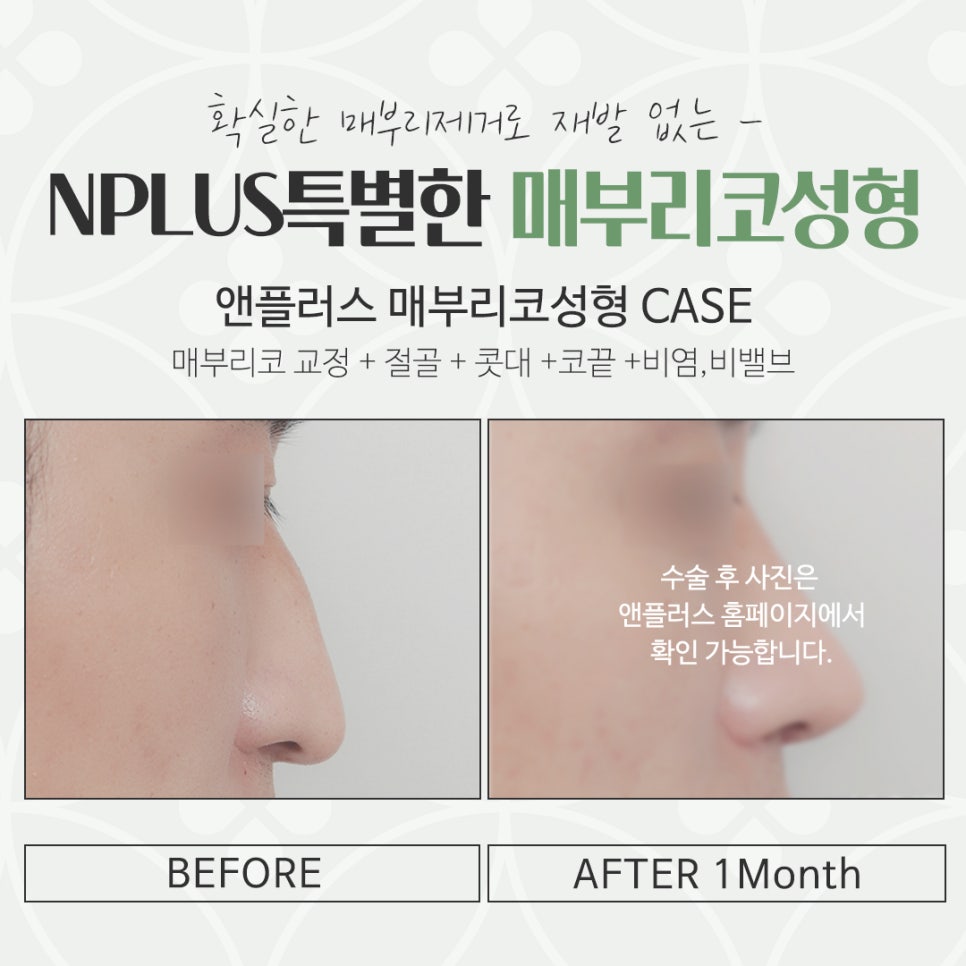
(The image above shows before-and-after photos of hump nose surgery at Oji Nose Hospital & N+ Clinic.)
That concludes my explanation of hump nose surgery reviews at Oji Nose Hospital & N+ Clinic. I hope this article is very helpful for those who are considering rhinoplasty because their nasal bridge is uneven or their nasal tip is drooping. Thank you.
https://youtu.be/ATM8id7qV3M