A person can make various efforts to achieve self-satisfaction with their appearance or to look more favorable to others. Even so, if there are areas that are difficult to change, they may try to improve them through plastic surgery. In particular, as technology has advanced in modern times, surgery is no longer limited to conventional methods but is performed in ways suited to each individual. As a result, the likelihood of side effects is lower than before, and the burden on patients is also decreasing.

Among various types of plastic surgery, the nose is located at the center of the face and is the most three-dimensional feature. Even if the shape of the nose deviates only slightly from a person’s idea of balance, the entire facial harmony can appear disrupted. On the other hand, even a small improvement in the nose can have a strong effect on improving the overall image. For that reason, rhinoplasty is a popular procedure, and interest in rhinoplasty reviews is increasing.

Therefore, when looking into rhinoplasty, many people focus first on shape-related improvements, such as a nose that is too low, a hump on the bridge, a crooked nose, an upturned nose, a drooping nose, or a bulbous nose.

Those researching rhinoplasty reviews may consider surgery when they are not satisfied with the shape of the nose, but the nose plays an important role not only in appearance but also as a functional organ responsible for breathing and smell. Therefore, surgery should address both aesthetic and functional aspects to help prevent revision surgery caused by postoperative functional problems.
A representative functional issue of the nose is nasal congestion caused by rhinitis. Rhinitis is a common condition affecting more than 70% of adults in Korea and is divided into allergic rhinitis and structural rhinitis. In the case of allergic rhinitis, symptoms appear due to specific substances or environments, so a complete cure is difficult. Temporary improvement may be achieved through strengthening immunity and medication treatment,
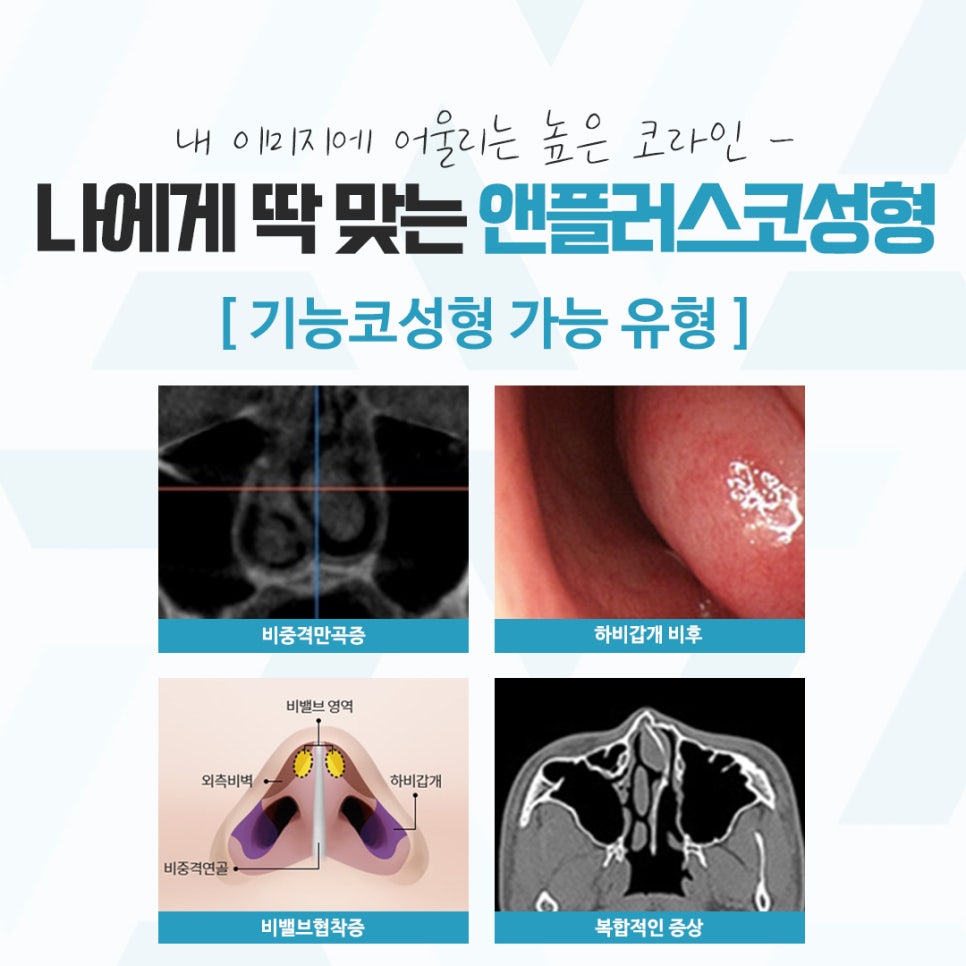
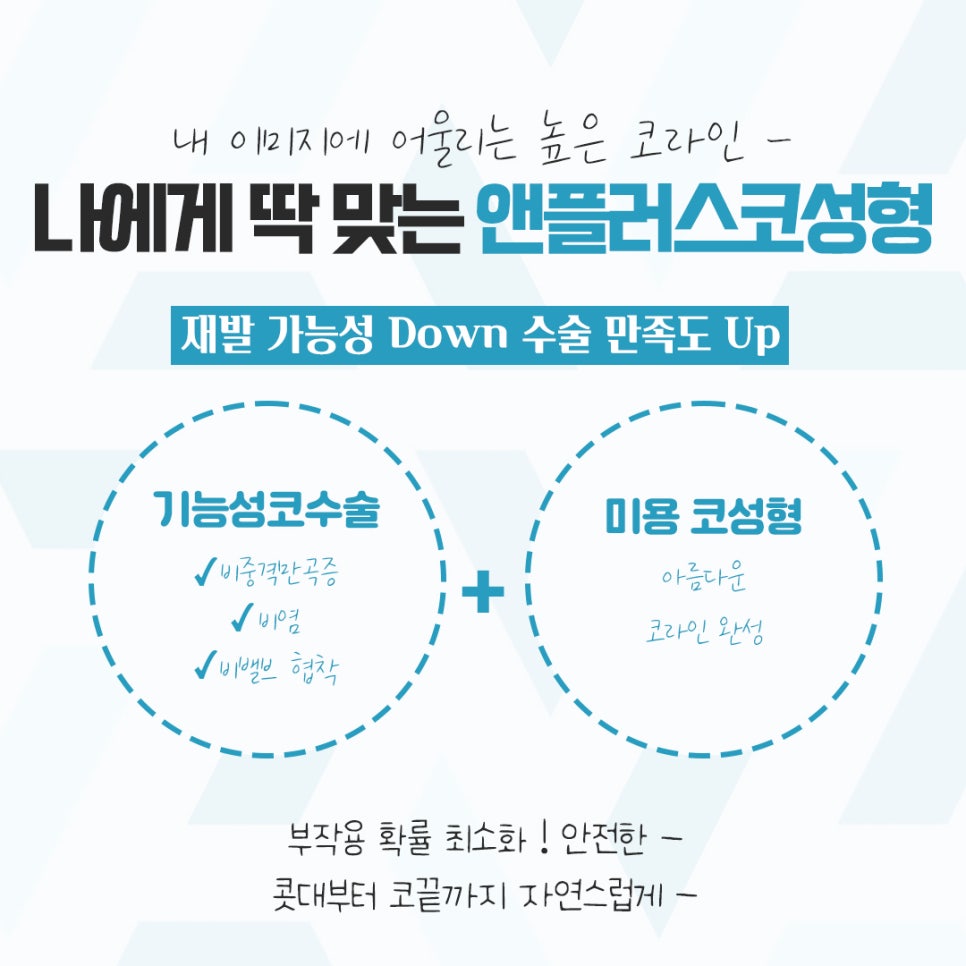
In the case of structural rhinitis, the causes may include deviated septum, inferior turbinate hypertrophy, nasal valve stenosis, or a combination of symptoms. Although the conditions differ, they all obstruct airflow entering through the nose and cause nasal congestion. Therefore, unlike allergic rhinitis, a cure may be expected through surgery. Also, because surgery can be performed at the same time as cosmetic rhinoplasty, it may be helpful to choose a clinic that can identify internal nasal issues.
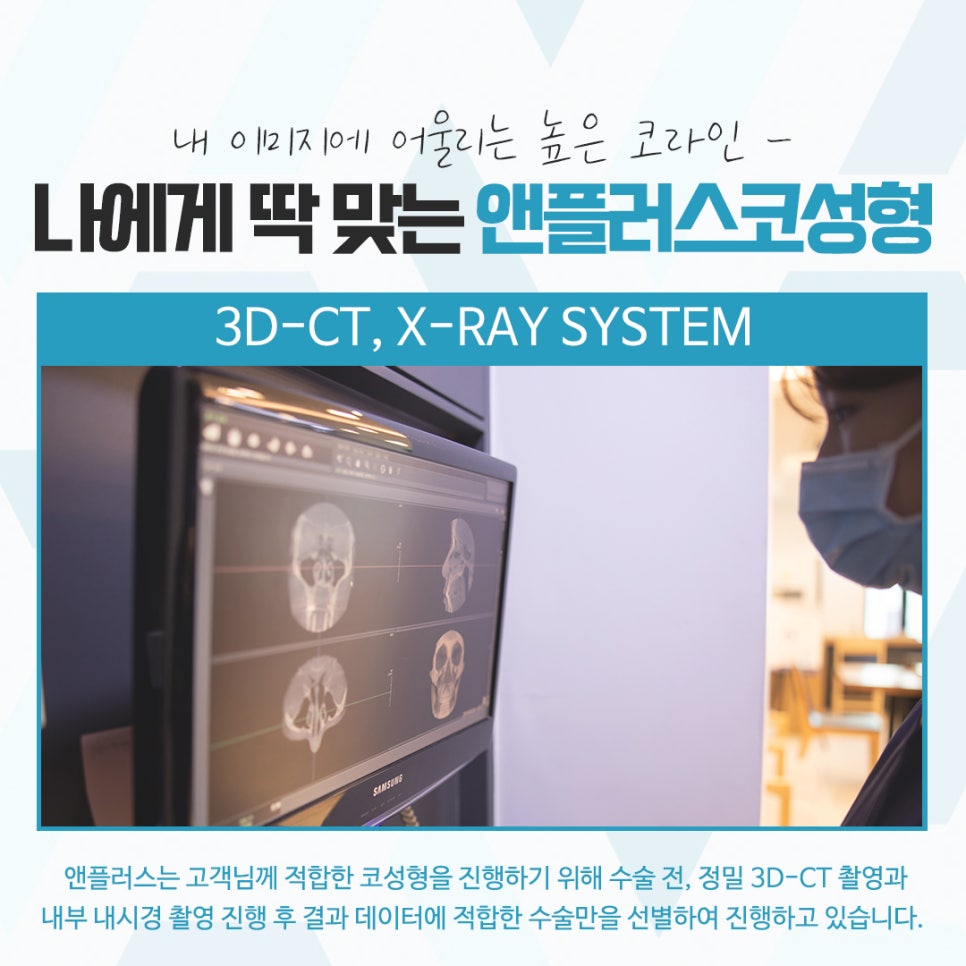
At OJIKO & Plus, before rhinoplasty, internal endoscopic imaging, various allergy tests, internal nasal function tests, and 3D-CT scans are performed to accurately assess the individual’s current internal and external nasal condition. Based on the collected data, a surgical plan is established and carried out.
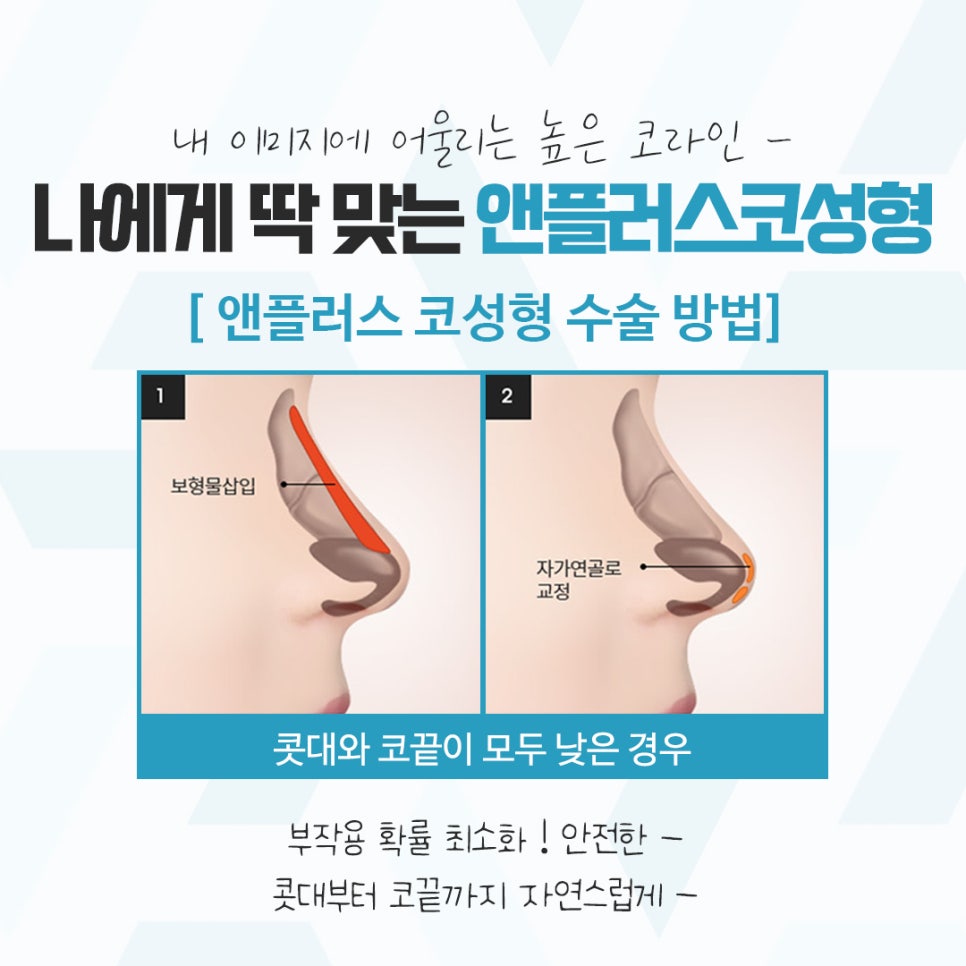
If you look at rhinoplasty reviews, the average procedure corrects the nasal bridge with silicone and the tip with autologous cartilage. If a functional problem is found, the surgery may proceed after first addressing the functional issue.

In the case of silicone used for the nasal bridge, ready-made commercial silicone is not used as-is. Instead, it is carefully trimmed by hand after considering various aspects such as the individual’s overall image and the width, length, height, and breadth of the nasal bridge.
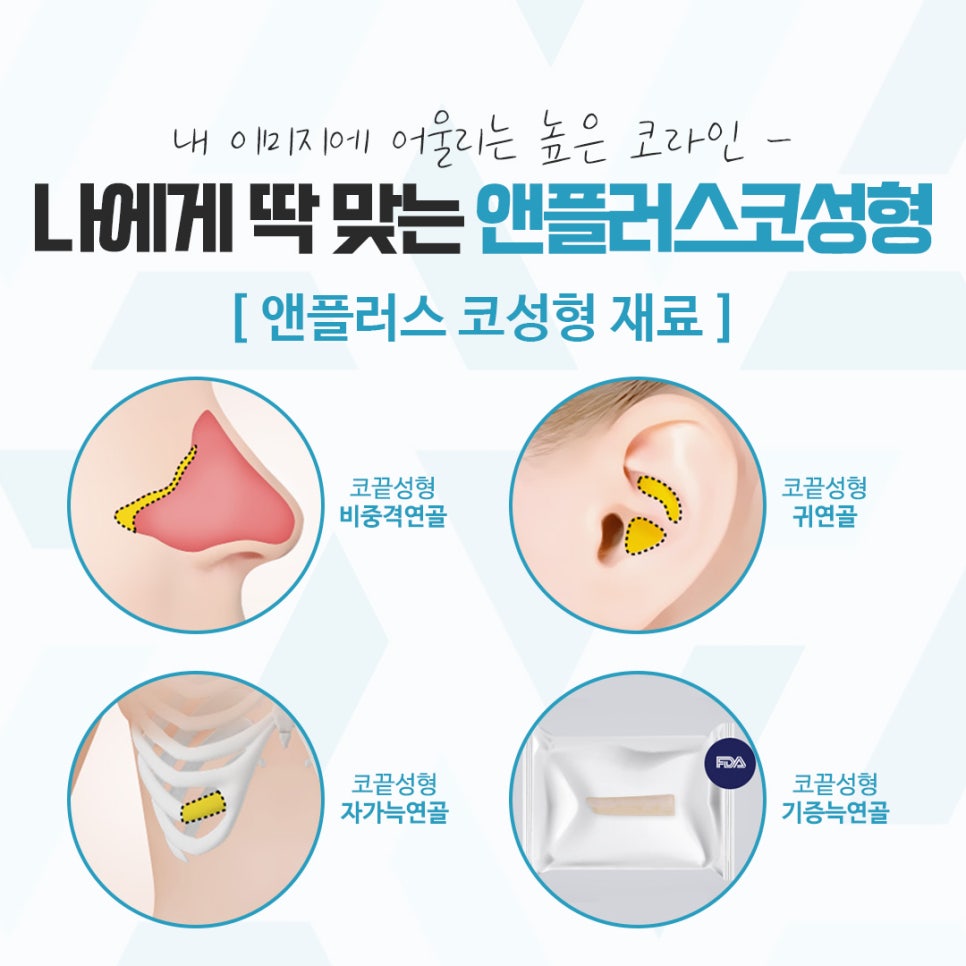
For the autologous cartilage used at the nasal tip, the material is selected according to the individual through preoperative testing. Autologous cartilage includes septal cartilage, ear cartilage, and autologous rib cartilage. If the use of autologous cartilage is unavoidably difficult, it can be replaced with donated rib cartilage approved by the U.S. FDA.
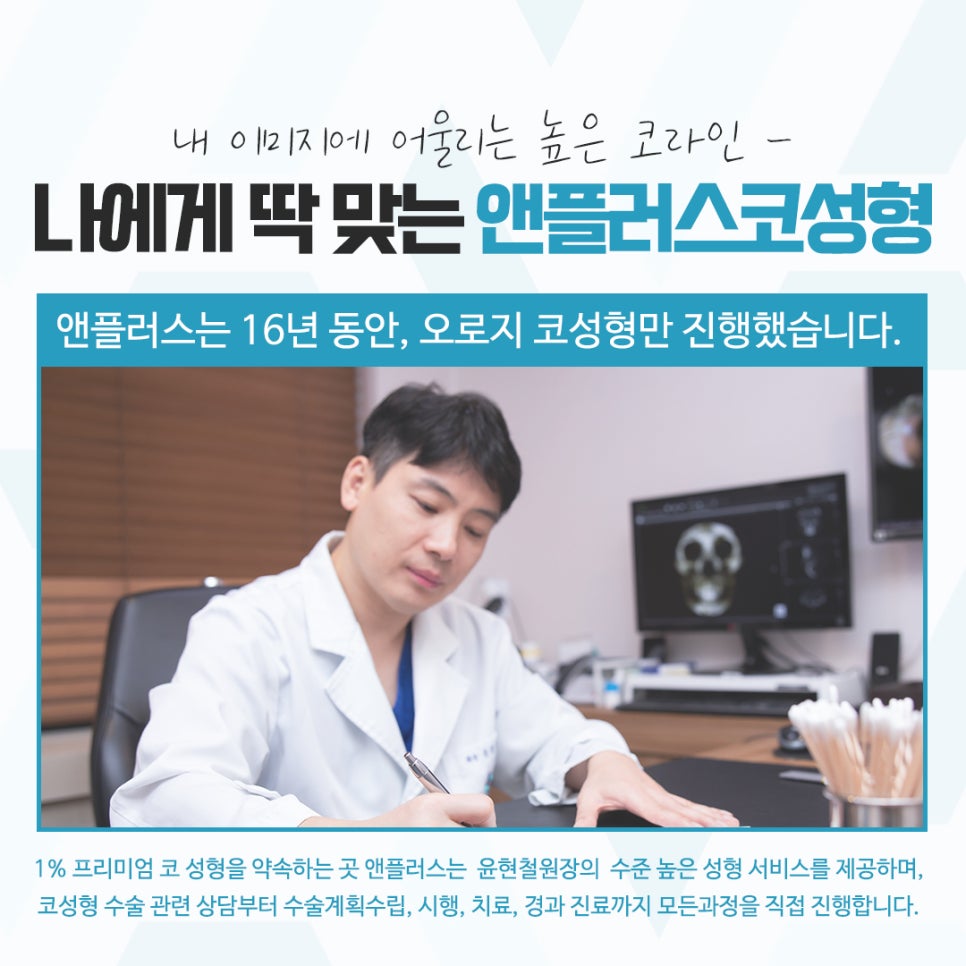
At OJIKO & Plus, Director Yoon Hyun-cheol personally handles everything one-on-one, from consultation related to rhinoplasty to surgical planning, execution, treatment, and follow-up care, making the rhinoplasty experience safer and more satisfying.

For aftercare, an ANDPLUS membership card is issued, and not only is there a free A/S system guaranteed for one year after surgery, but a surgical responsibility guarantee system is also in place to prepare for all possible postoperative situations such as pain, inflammation, or dissatisfaction with the appearance. This allows patients to receive more reliable aftercare benefits.

For those looking into rhinoplasty reviews, as explained above, it is important not to approach the procedure solely from a cosmetic standpoint. Choosing a place that can also assess the internal condition of the nose is essential. In addition, it may be helpful to carefully check whether the medical staff have strong anatomical knowledge of the nose, whether they have abundant relevant experience and expertise, whether the necessary equipment to accurately assess the condition of your nose is available, and whether aftercare can be reliably guaranteed.
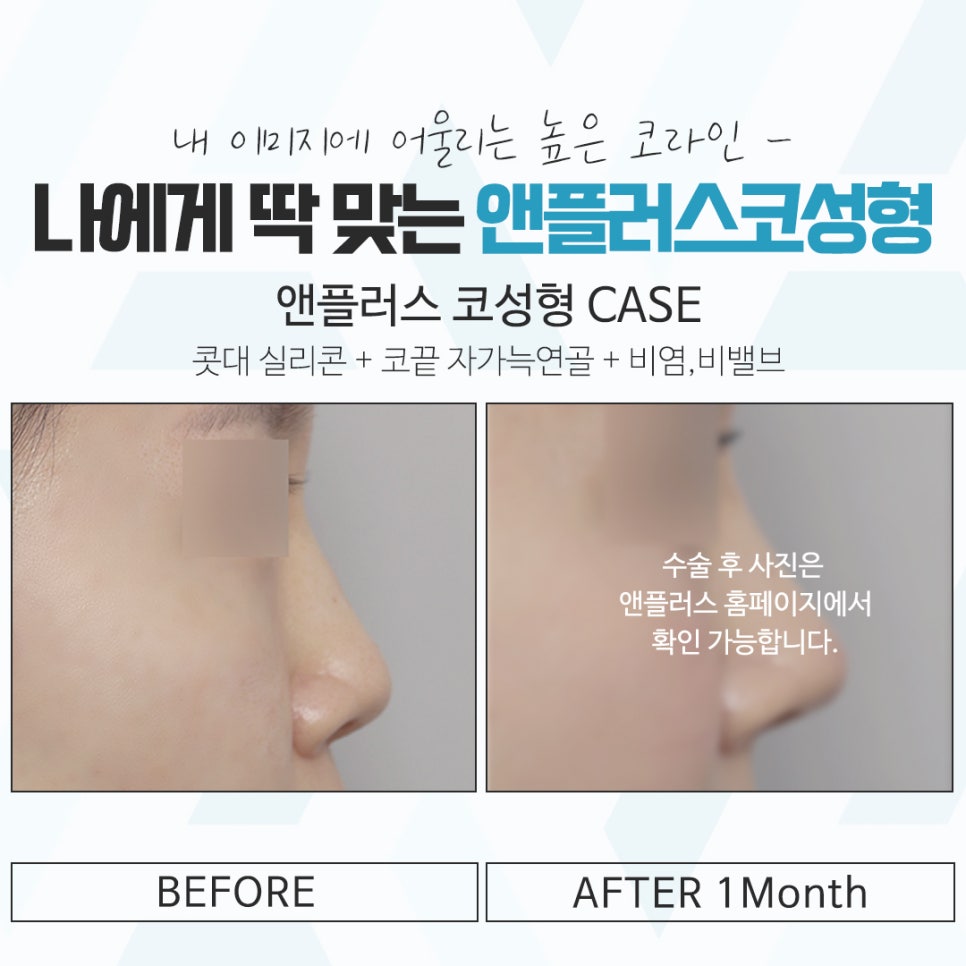
(The image above shows before-and-after photos from OJIKO & Plus rhinoplasty reviews.)
This concludes the information about OJIKO & Plus rhinoplasty reviews. I hope this post is of great help to those who are looking into rhinoplasty information because they are unhappy with the shape of their nose or are dealing with nasal congestion caused by rhinitis. Thank you.
https://youtu.be/8eyjf7nVBHI