
It can be said that many people are interested in dieting, skin care, hair styling, and other forms of self-care in order to enhance their individuality while improving areas that were lacking. As self-care has become a trend, people try various efforts to make their personal image appear more favorable. However, despite these efforts, some features are difficult to change, which can lead people to consider plastic surgery. Among various procedures, the nose is a particularly popular area because it sits at the center of the face and helps balance all facial features, so many people look into autologous cartilage rhinoplasty in more detail.

First, people who are looking into autologous cartilage rhinoplasty often want to improve nose shapes such as a nose that is too low, a hump nose, a crooked nose, an upturned nose, a drooping nose, or a bifid nose so that the nose becomes straight and well-balanced. Because nose shape differs from person to person and each person’s concern has a different cause, surgery that is tailored to the individual is necessary to help prevent revision surgery.

Many people may first focus on the external appearance, as in the cases that require autologous cartilage rhinoplasty. However, the nose is not only important for appearance; it is also a functional organ responsible for breathing and smell. Therefore, surgery must also consider the internal functional aspects of the nose in order to help prevent revision surgery caused by functional problems after the operation.
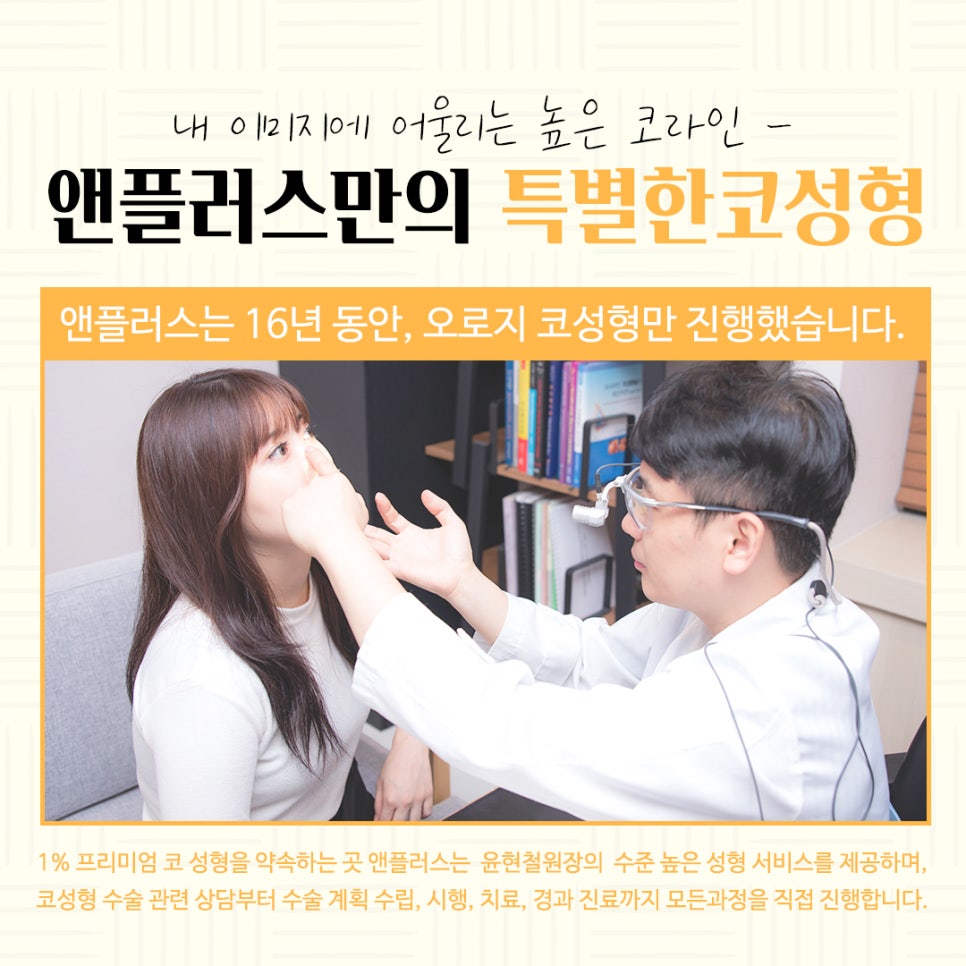
For this reason, those who are looking into autologous cartilage rhinoplasty may find it helpful not only to refer to before-and-after photos, but also to carefully check whether the medical team has strong anatomical knowledge of the nose, whether they have extensive related experience and expertise, whether equipment is available to assess the condition of your nose, and whether aftercare can be firmly guaranteed.
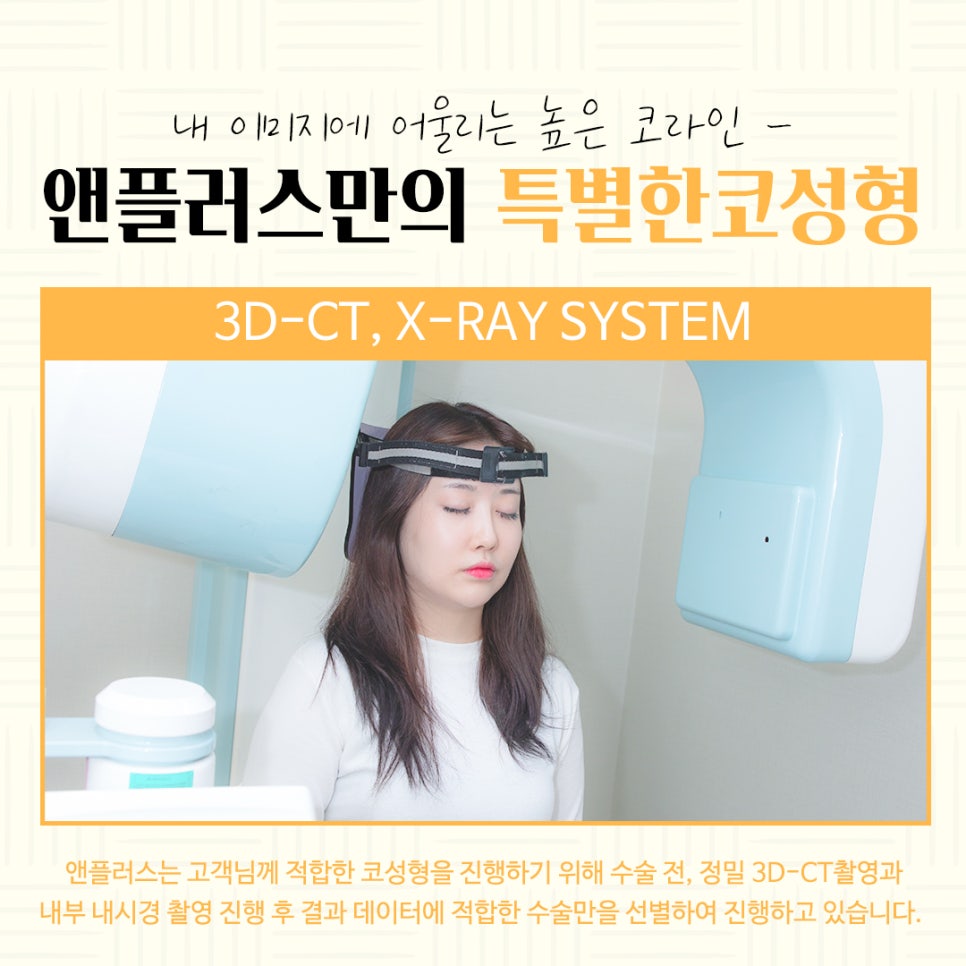
At Oji Nose Hospital and N+ Clinic, various preoperative tests such as allergy testing, multi-angle photography, internal nasal function testing, 3D-CT imaging, and internal endoscopic imaging are used to accurately identify the current problems inside and outside each patient’s nose. Based on the extracted data, a surgical plan is established and carried out.
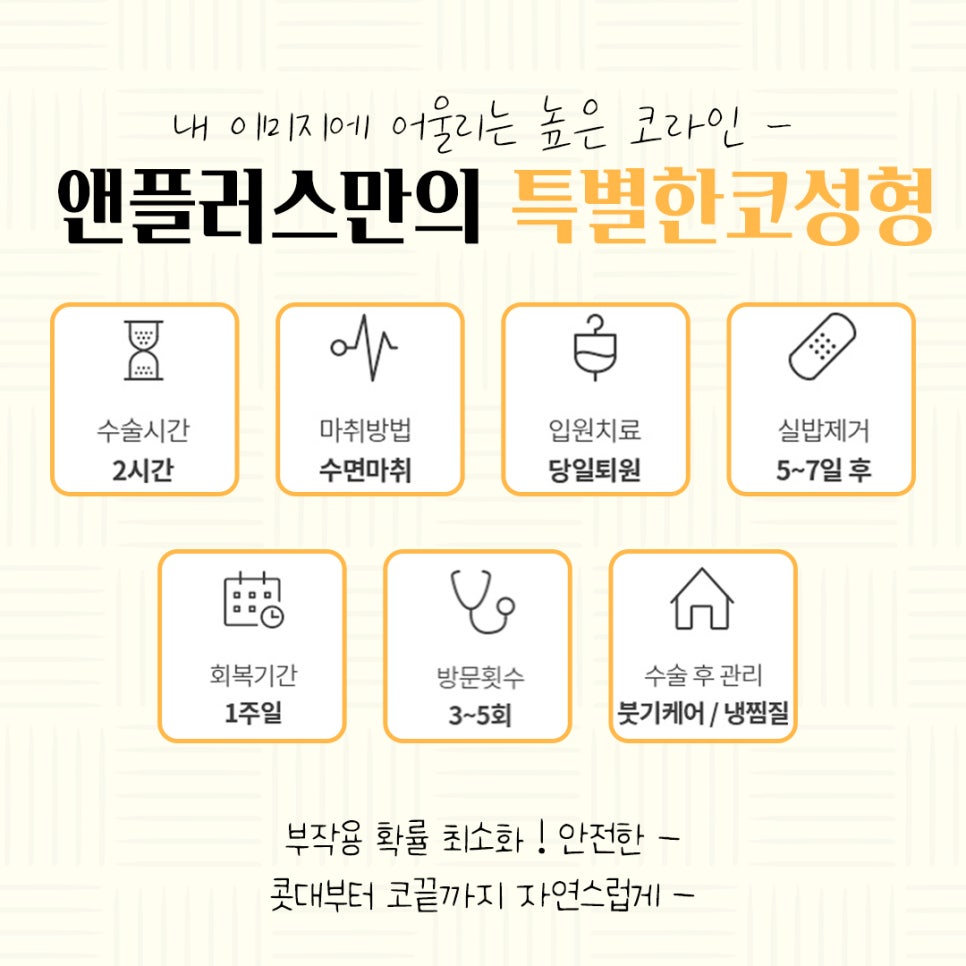
In autologous cartilage rhinoplasty, the general approach is to design the overall nose line by using silicone for the bridge and autologous cartilage for the tip. Surgery is performed by dividing cases into a low bridge and low tip, only a low bridge, or only a low tip.
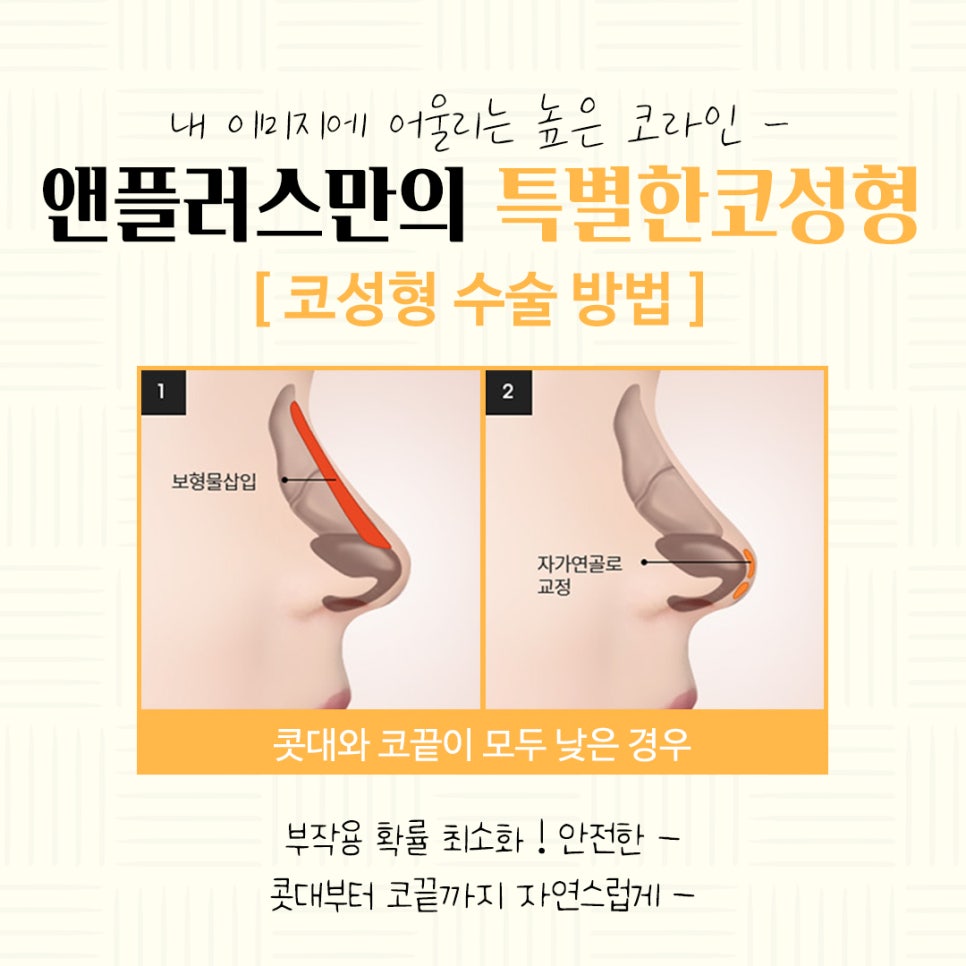
When both the bridge and the tip are low, the overall nose line can be corrected using silicone for the bridge and autologous cartilage for the tip.
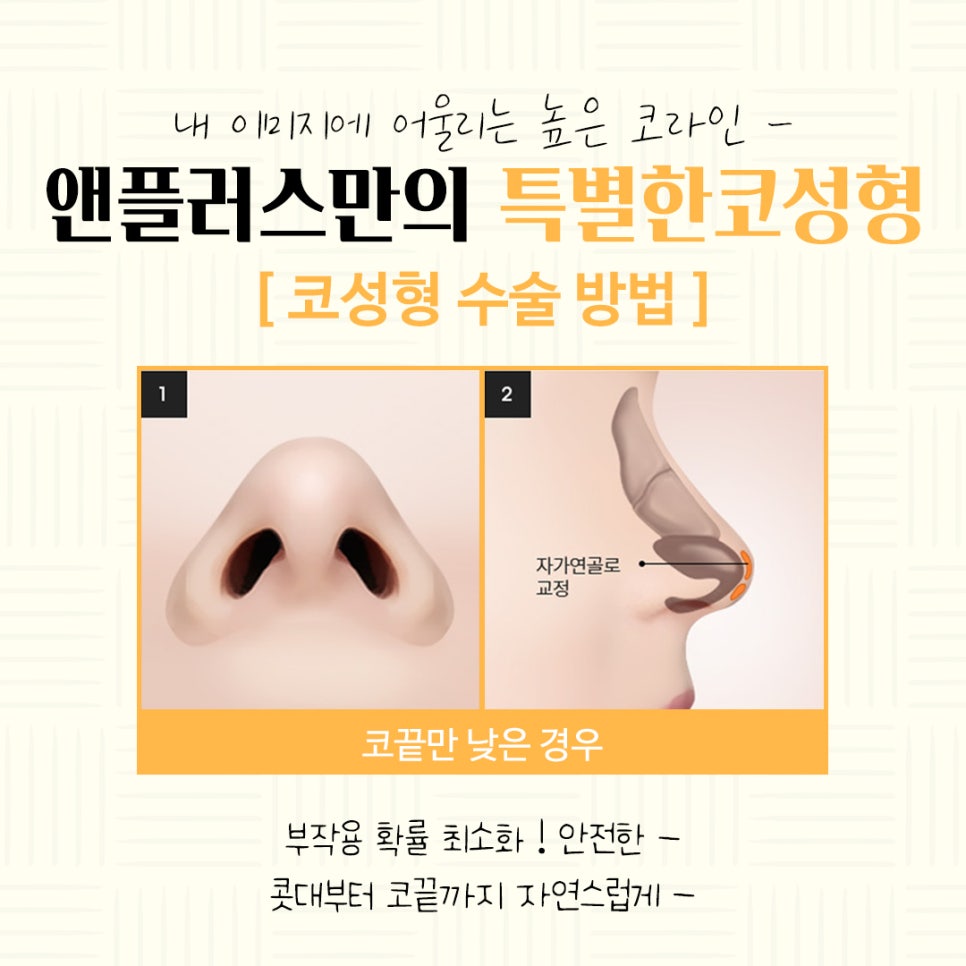
When only the tip is low, the tip is corrected with autologous cartilage so that it does not break the continuity of the bridge.
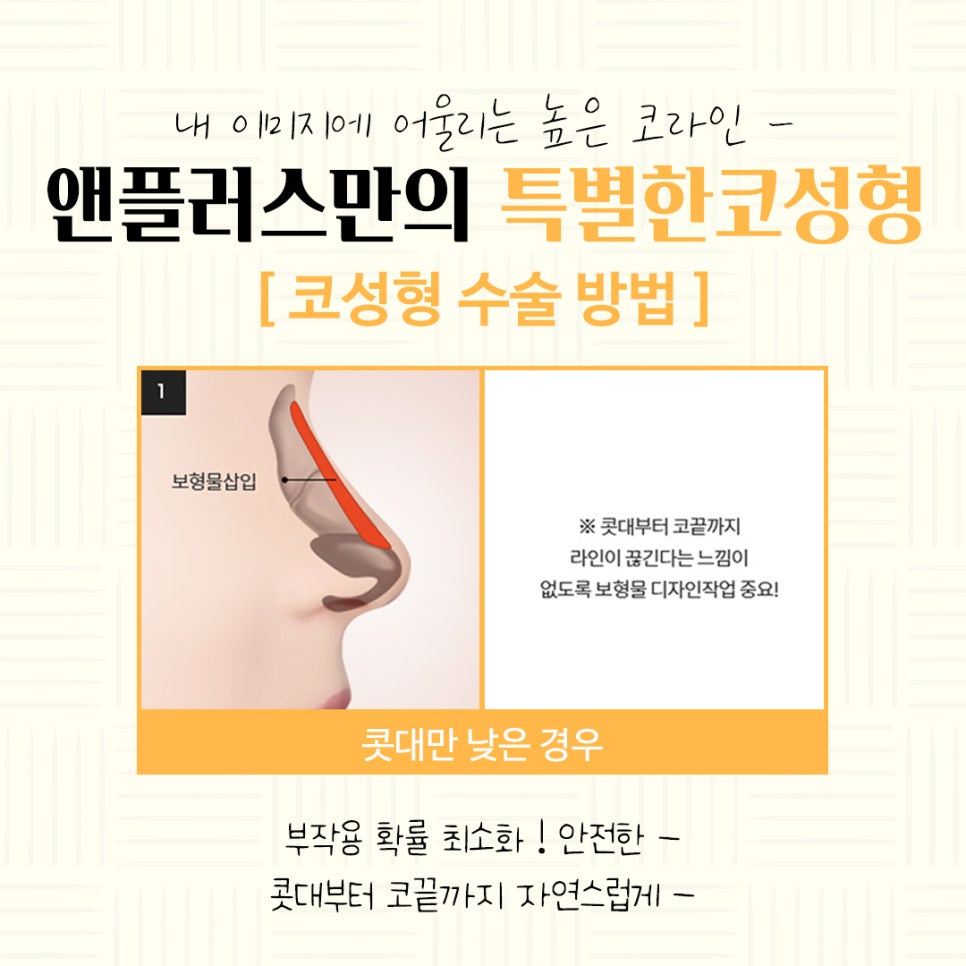
When only the bridge is low, silicone can be inserted into the bridge to correct the overall nose line.
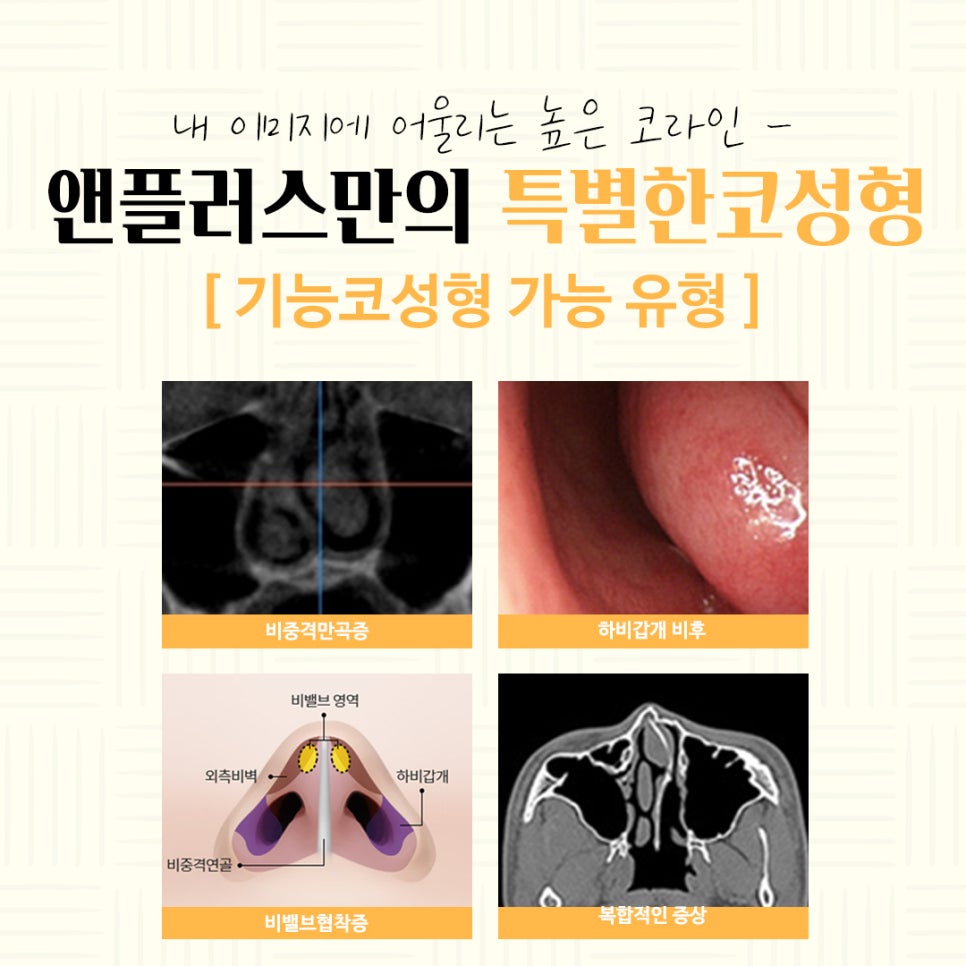
If a preoperative examination reveals problems with internal nasal function, such as deviated septum, inferior turbinate hypertrophy, nasal valve stenosis, or combined symptoms, surgery or procedures can first be performed to improve function before proceeding with cosmetic rhinoplasty.
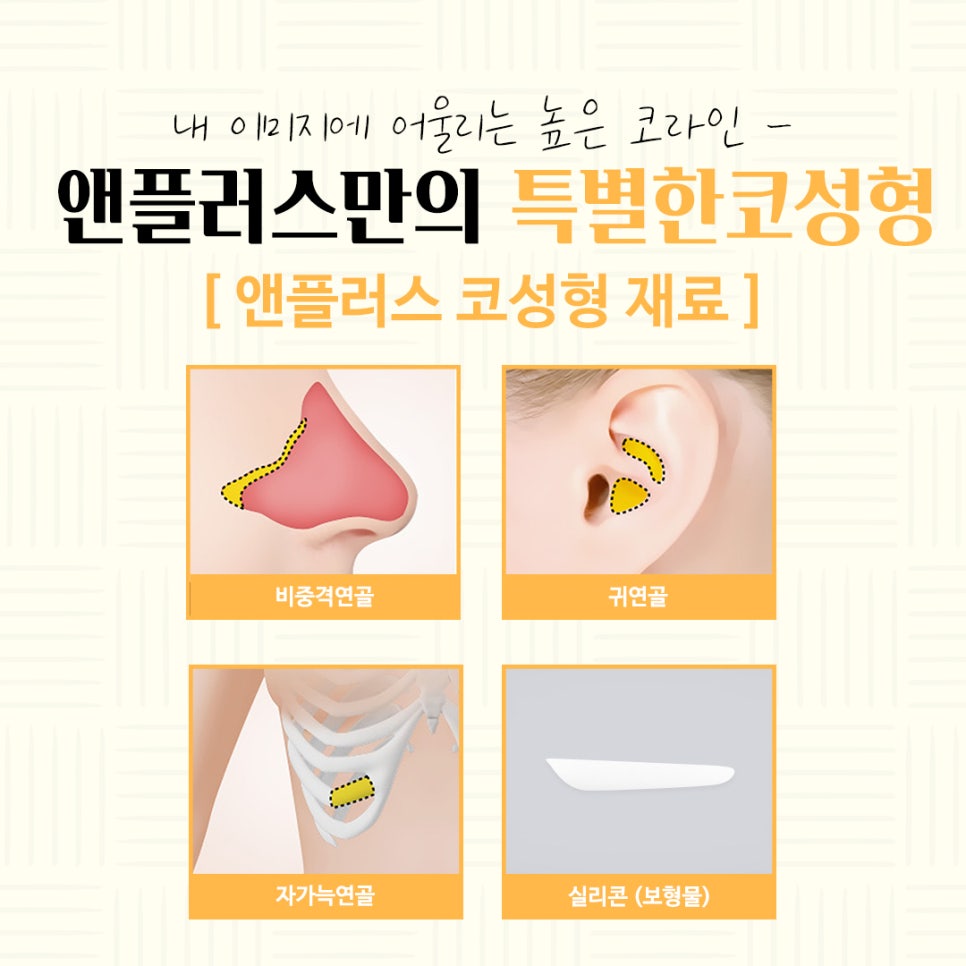
During autologous cartilage rhinoplasty, autologous cartilage is used for the nasal tip. The cartilage options include septal cartilage, ear cartilage, and autologous rib cartilage, and the material used for the tip can also be selected according to the most suitable choice for each individual through preoperative testing.

The bridge can be corrected with silicone to add volume, and rather than using a pre-made commercial silicone implant as is, it is carefully shaped by hand while considering various aspects such as the person’s overall image and the bridge’s width, length, breadth, and height, which leads to higher satisfaction.

At Oji Nose Hospital and N+ Clinic, Director Yoon Hyun-cheol provides one-on-one care and personally handles every step, from consultation on rhinoplasty to surgical planning, the procedure itself, treatment, and follow-up visits, offering a high level of medical service from before surgery through aftercare.

The aftercare provided after surgery includes a one-year warranty system and a surgery responsibility guarantee system that prepares for all possible situations such as postoperative pain, inflammation, and dissatisfaction with the shape, so you can also receive clear aftercare benefits.
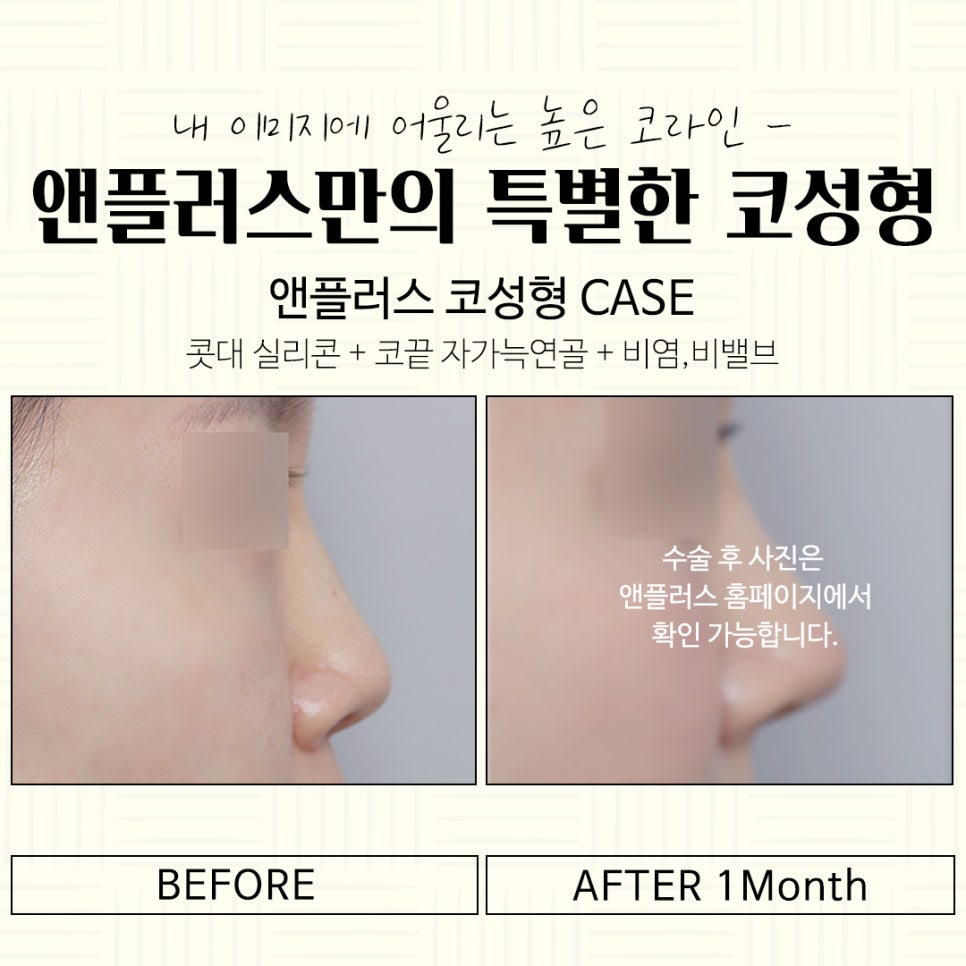
(The image above shows before-and-after photos of autologous cartilage rhinoplasty at Oji Nose Hospital and N+ Clinic.)
I have explained autologous cartilage rhinoplasty at Oji Nose Hospital and N+ Clinic, and I hope this article is of great help to those who are looking into rhinoplasty because they are unhappy with the shape of their nose. Thank you.
https://youtu.be/z1EfbyjrujE