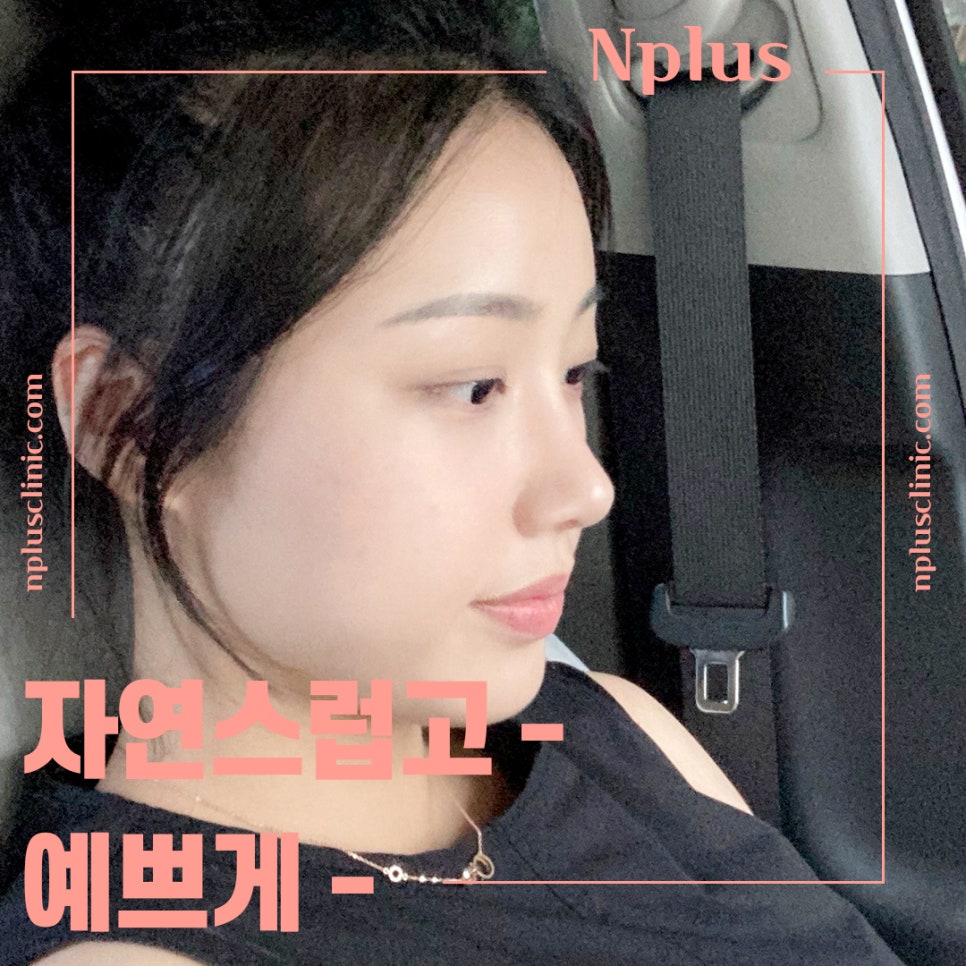
Since the 기준 for appearance has become much higher in modern times, appearance should not be the top priority when judging a first impression. However, because it is the first thing people notice, many people now place great importance on self-care and make various efforts. Despite these efforts, more and more people are considering cosmetic surgery for areas where change is difficult.

Among the many types of cosmetic surgery, the nose is located at the center of the face and is the most three-dimensional feature. Even if the shape of the nose differs only slightly from an individual’s ideal, the overall balance of the image can seem disrupted, so many people consider rhinoplasty a priority and hope to improve their image through nose surgery.
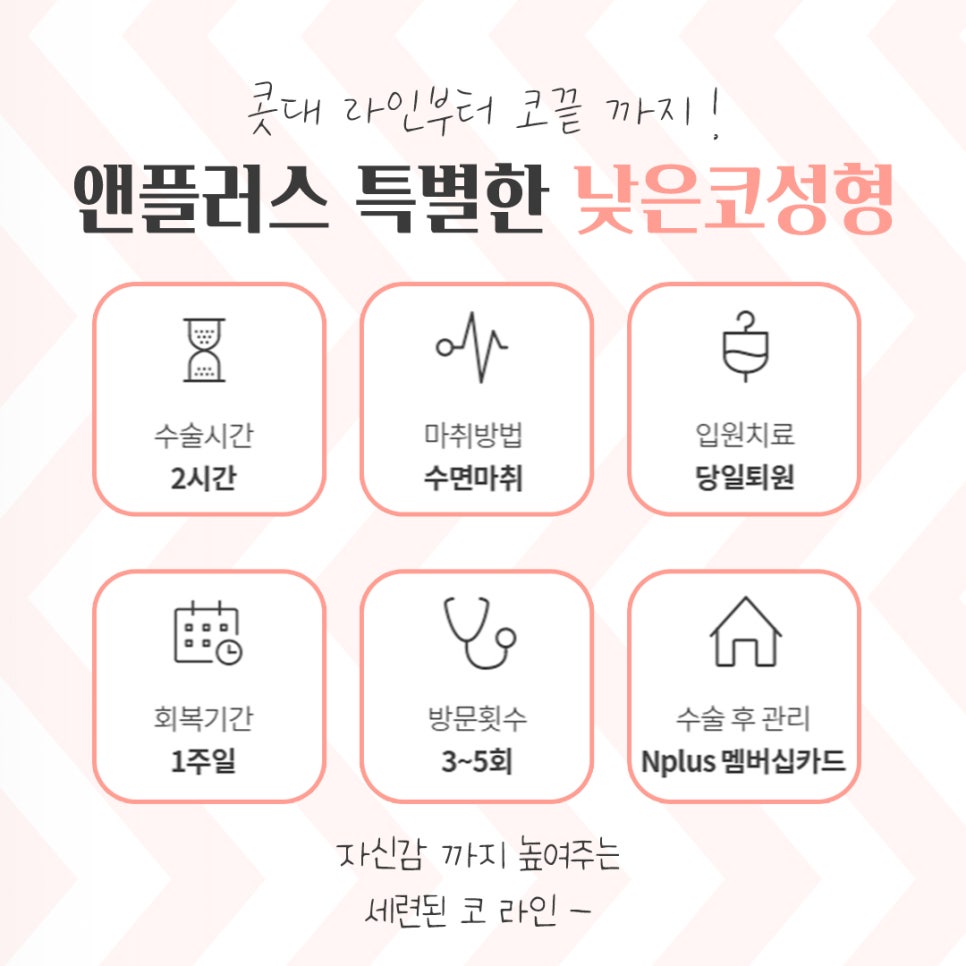
For those looking into rhinoplasty, nose shapes can be classified as a low nose, a bumpy nose with a pronounced hump, a crooked nose, an upturned nose, a drooping nose, or a bulbous nose. In particular, if the nose is low and lacks volume, you may look into low nose surgery in more detail to make the image look more three-dimensional and defined.
Usually, this external type of nose leads people to prioritize cosmetic surgery, but the nose is also a functional organ responsible for breathing and smell. Therefore, surgery should proceed only after thoroughly checking the internal condition of the nose, so that revision surgery caused by postoperative functional problems can be prevented.
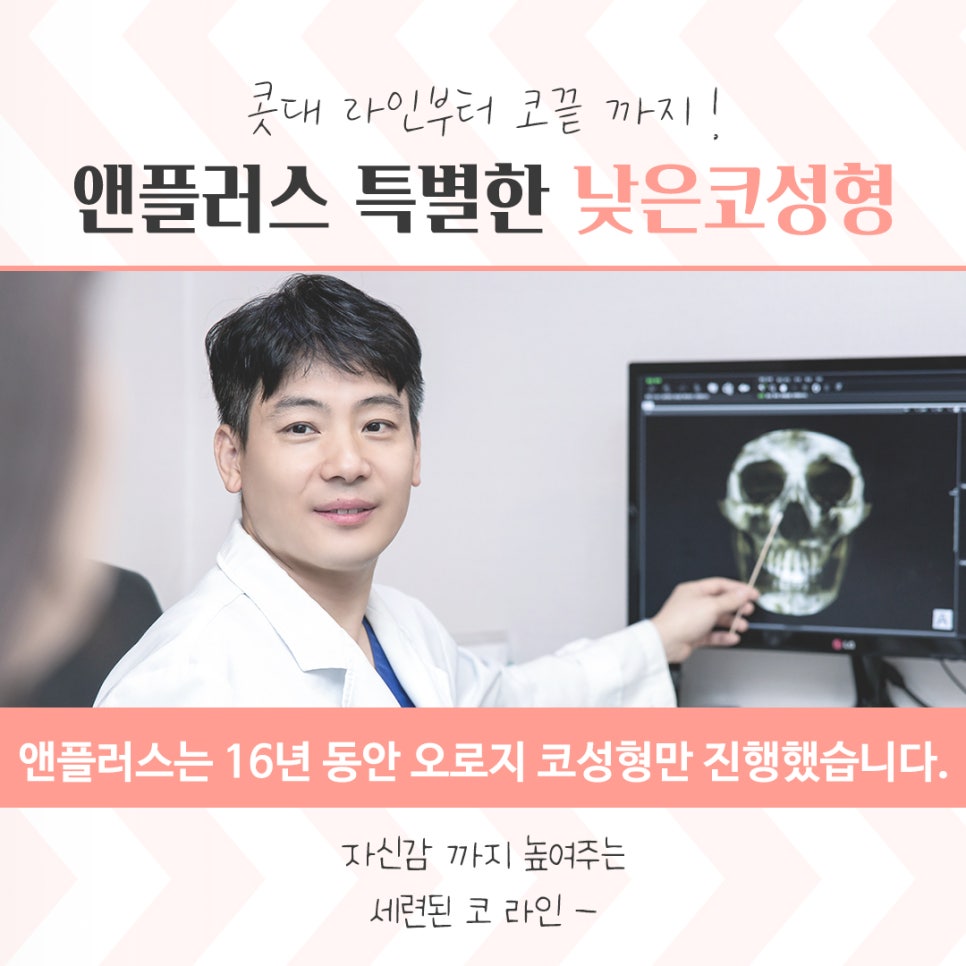
Therefore, for those looking into low nose surgery, it may help to refer to before-and-after images from surgical reviews on the outside. In addition, it may be helpful to carefully check whether the medical staff have a high level of anatomical knowledge of the nose, whether they have abundant relevant experience, whether equipment is available to accurately assess the condition of your nose, and whether postoperative care is reliably guaranteed.
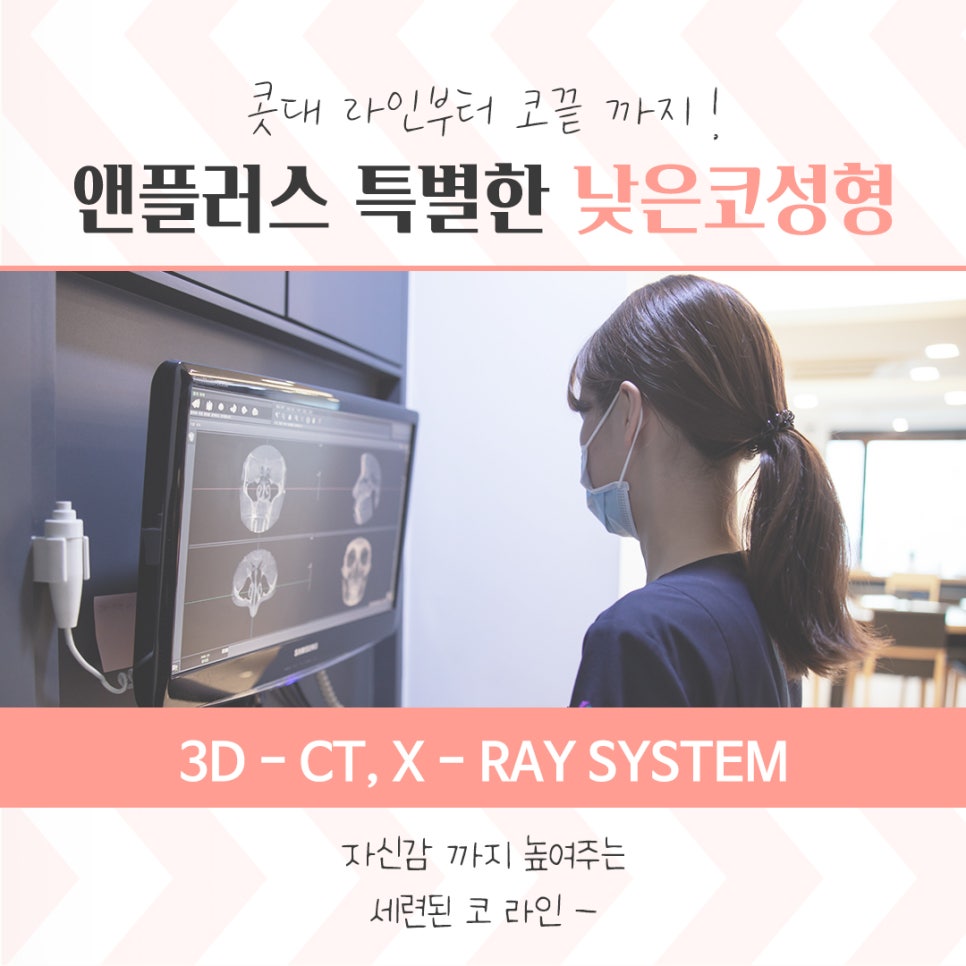
At Ojiigo & Plus Clinic, various preoperative allergy tests, 3D-CT scans, internal endoscopic imaging, and internal nasal function tests are performed to accurately assess the current internal and external condition of each patient’s nose, and surgery is planned and carried out based on the extracted data.
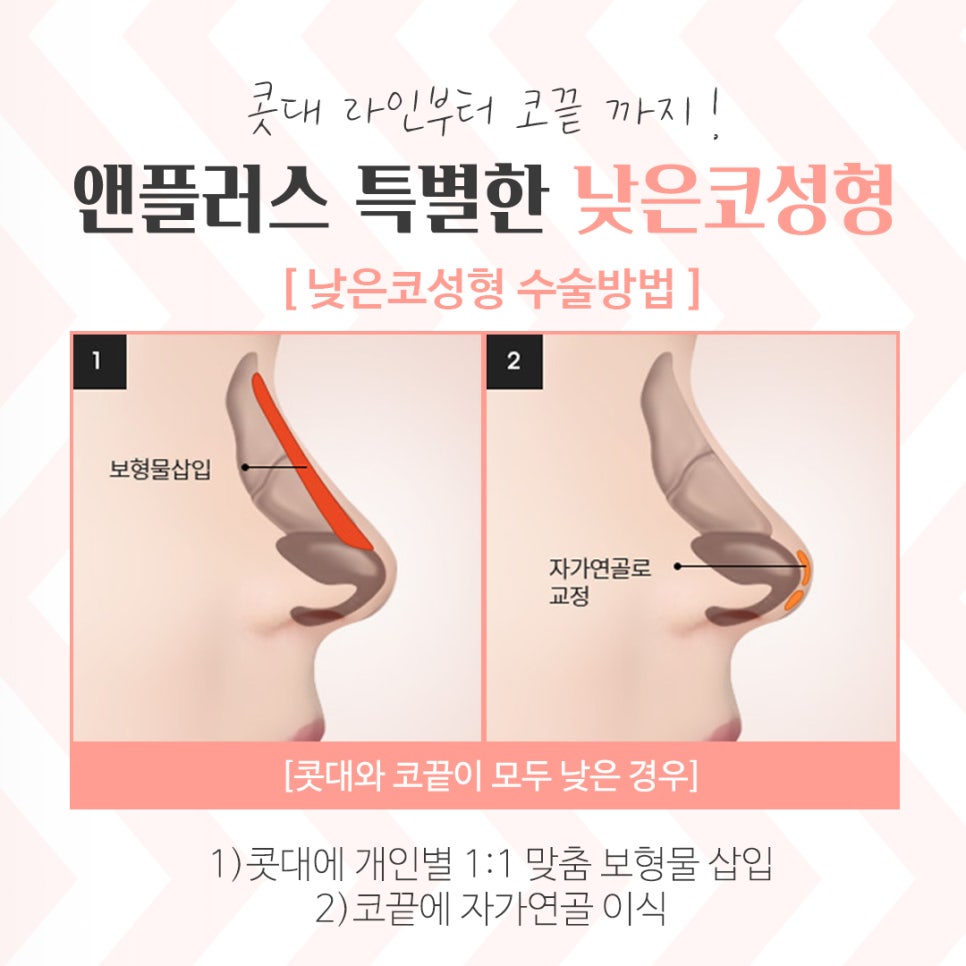
In the case of low nose surgery, the surgical method and materials vary depending on the individual’s condition. On average, the nasal bridge can be corrected using silicone, while the nasal bridge can also be corrected using autologous cartilage.
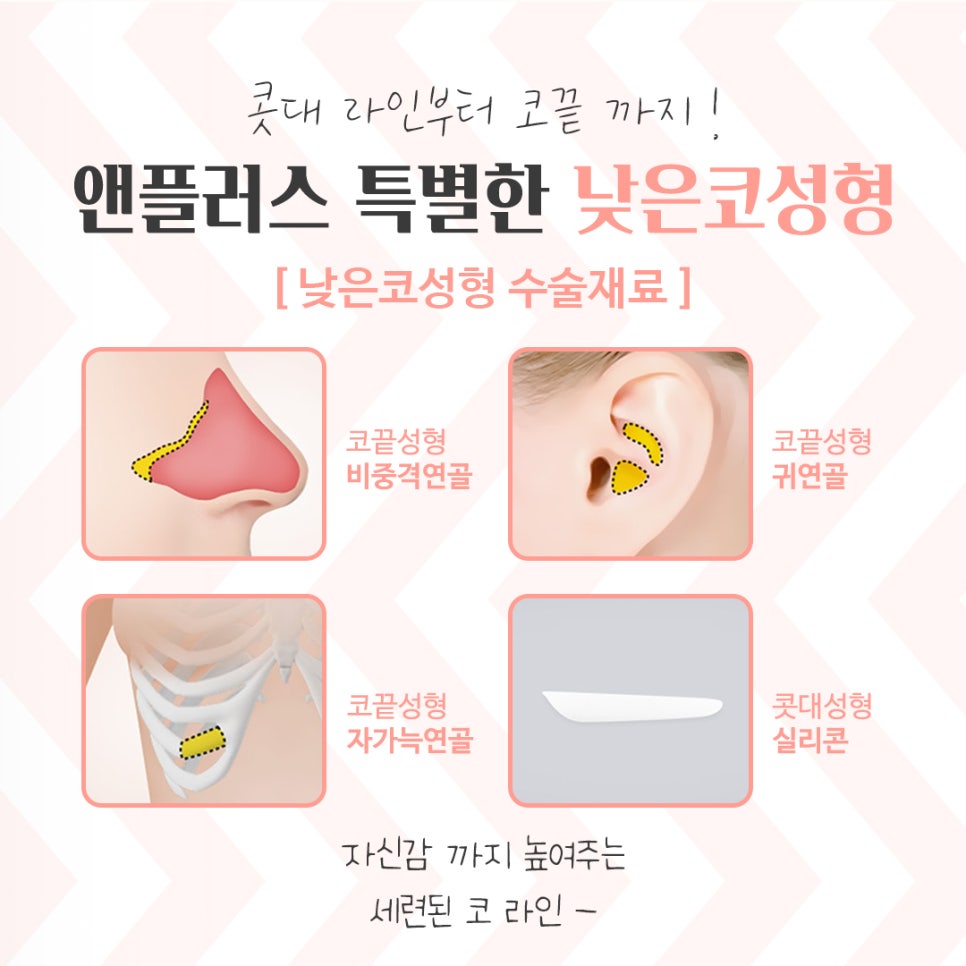
For the autologous cartilage used in low nose surgery, correction can be performed by selecting materials suitable for the individual through preoperative screening. Autologous cartilage includes ear cartilage, autologous rib cartilage, and septal cartilage.
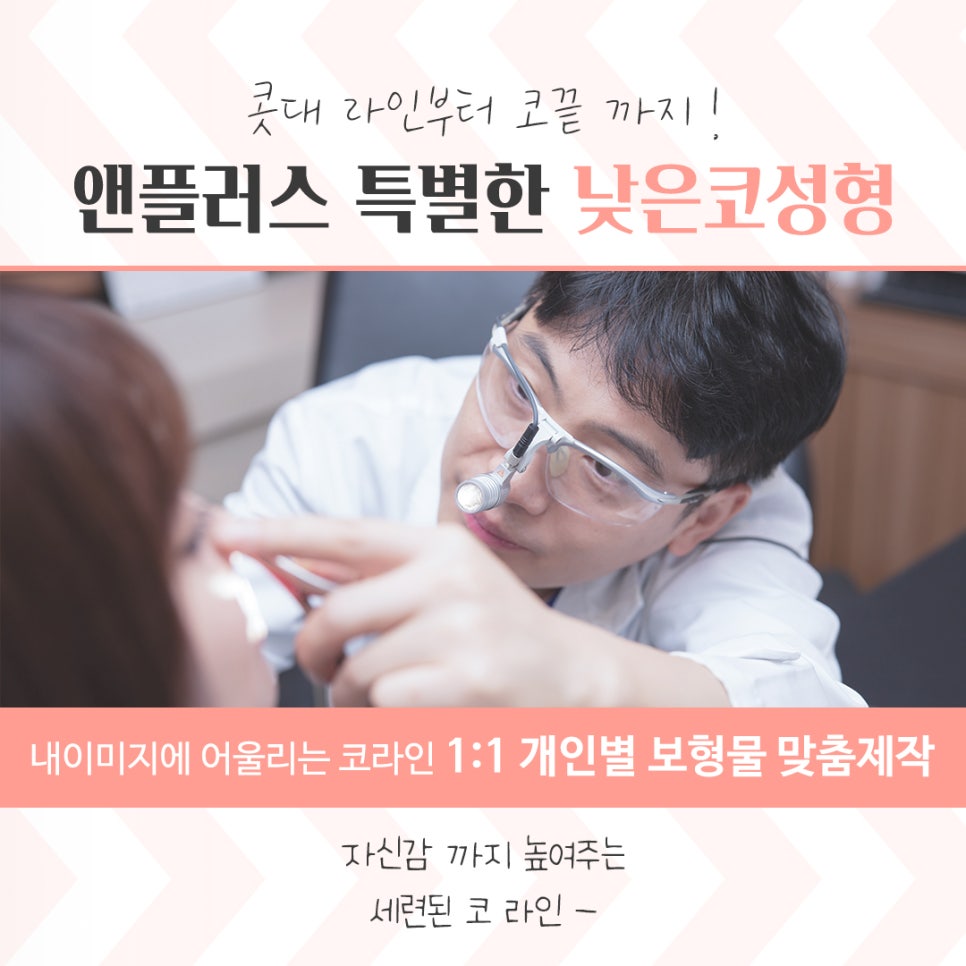
Silicone is used to increase nasal bridge volume, and rather than using pre-manufactured commercial silicone as is, it is carefully shaped by hand after considering various aspects such as the individual’s overall image and the width, length, breadth, and height of the nasal bridge, allowing for a line that better suits the individual.

In addition, at Ojiigo & Plus Clinic, Director Yoon Hyun-cheol personally handles every process one-on-one, from consultation related to nose surgery to surgical planning, the procedure itself, treatment, and follow-up visits, allowing patients to proceed with peace of mind from before surgery through aftercare.

For postoperative care, they provide an A/S system that guarantees support for one year after surgery, and they also implement a surgery responsibility guarantee system covering all possible situations such as postoperative pain, inflammation, or dissatisfaction with the shape, so you can receive firm aftercare benefits as well.
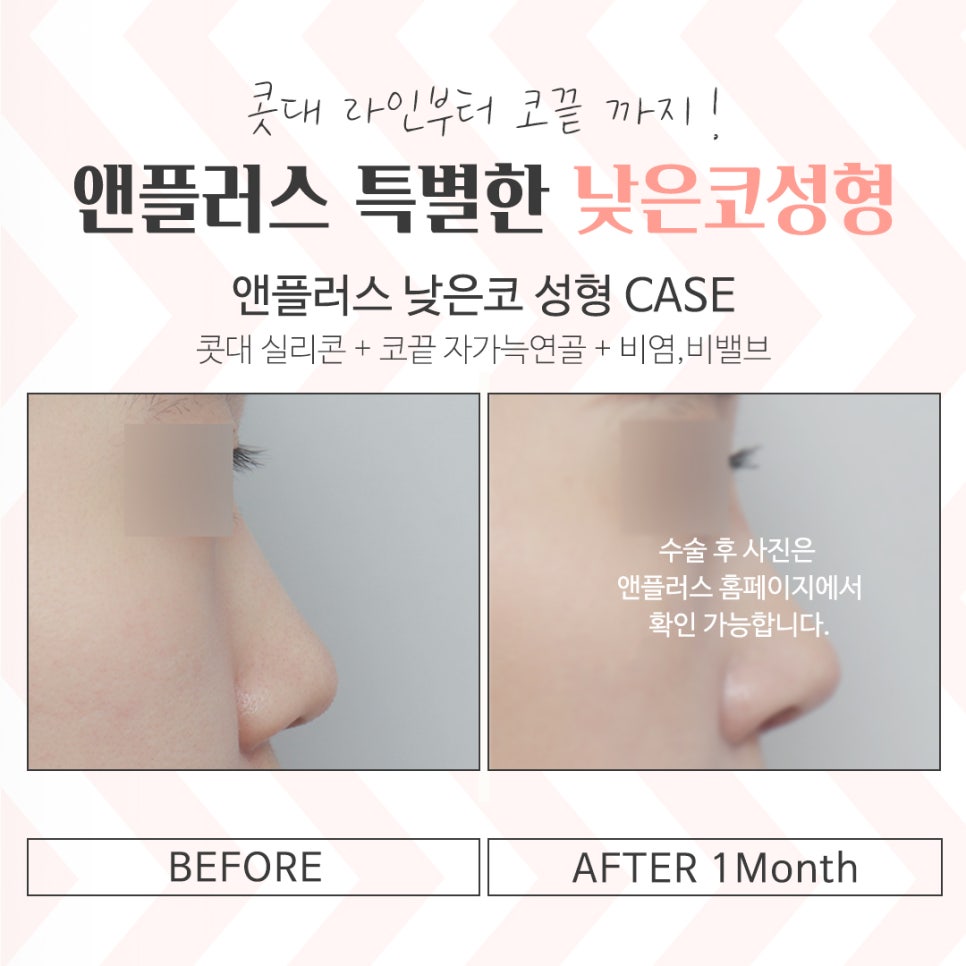
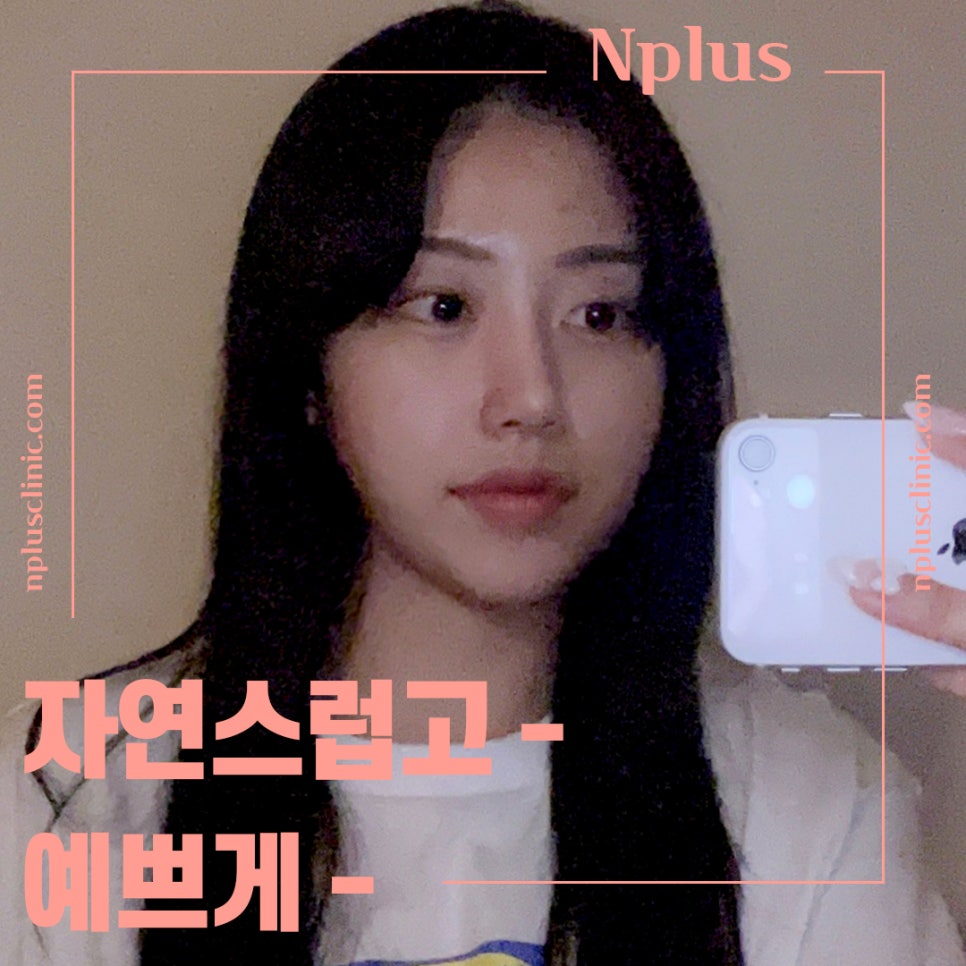
(The image above is a before-and-after photo of low nose surgery at Ojiigo & Plus Clinic.)
Lastly, I have explained low nose surgery at Ojiigo & Plus Clinic. I hope this article has been very helpful for those considering rhinoplasty because their nose looks too low or flat. Thank you.
https://youtu.be/OZx3QP8YN5o